Sage Berggarten Live Plant – Aromatic Herb – 4 inch Pot – Indoor/Outdoor
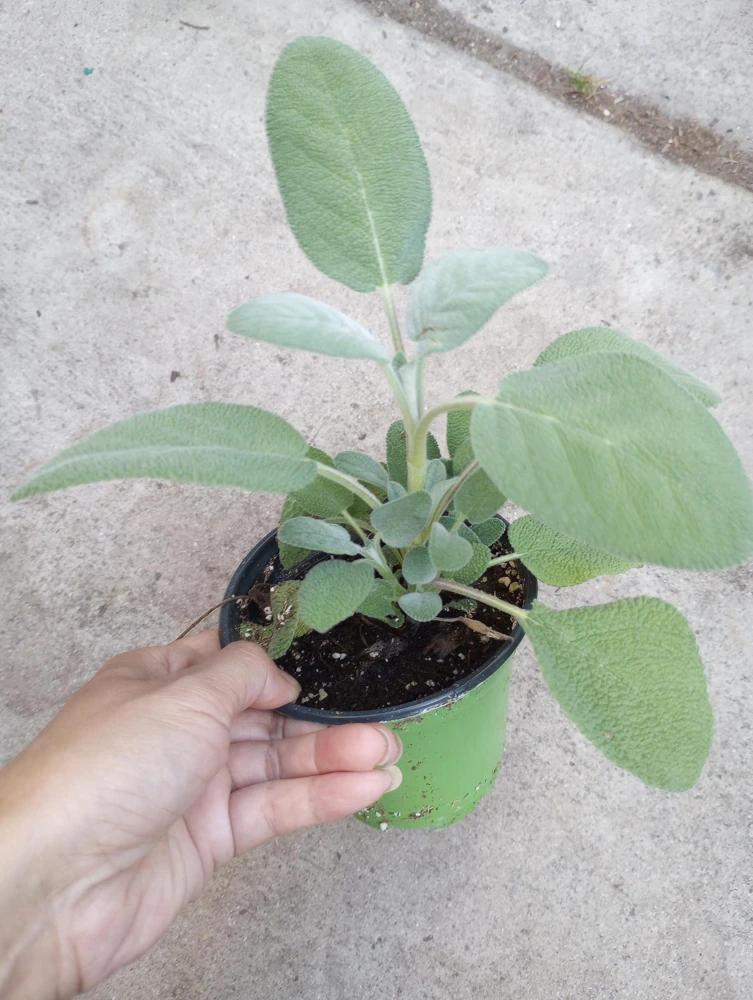
Sage Berggarten Live Plant – Aromatic Herb – 4 inch Pot – Indoor/Outdoor
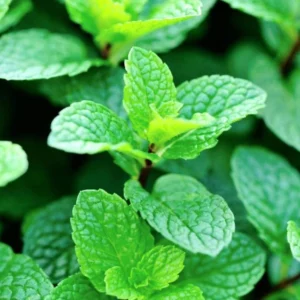
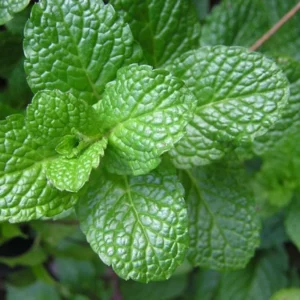
Enhance your garden or kitchen with the robust flavor of a Sage Berggarten live plant. This aromatic herb is presented in a 4-inch pot, ready for planting indoors or out. Known for its broad, silvery-green leaves and compact growth, it’s ideal for culinary use and ornamental appeal.
$25.98

With our Alive & Thrive Guarantee, we’ve got your back for the first 30 days! If you have any concerns about your plants, just reach out to us. Our team is here to help answer your questions and guide you in selecting the best plants for your garden, climate, and unique preferences. We're excited to help you create the garden of your dreams!
Estimated arrival
Oct 07
Oct 12 - Oct 14
Oct 17 - Oct 21
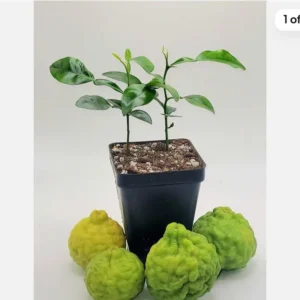
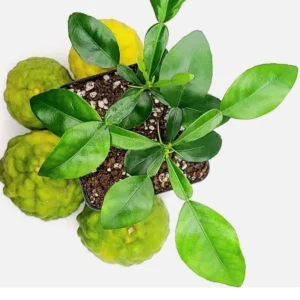
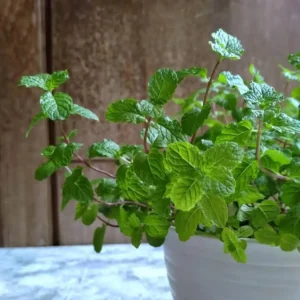
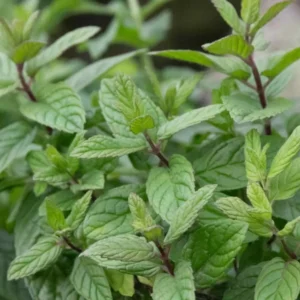
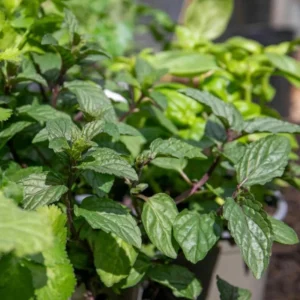
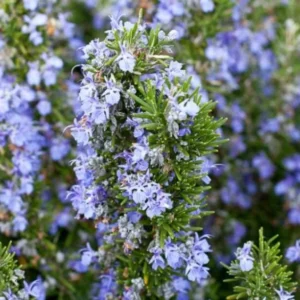
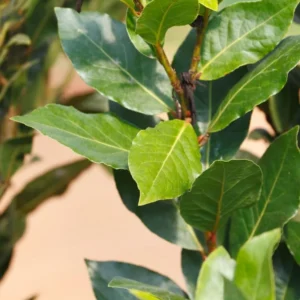
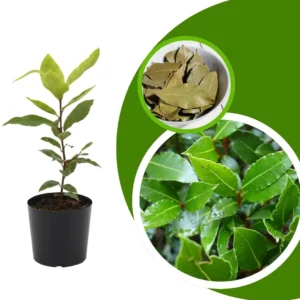
Product Details
-
USDA Hardiness Zone
USDA Zones 5-9 -
Soil type
Well-draining sandy loam -
Sunlight Exposure
Full sun -
Expected Planting Period
Year-round indoors, spring to early summer outdoors
Overview
Introduce the timeless elegance and robust flavor of the Sage Berggarten live plant to your home or garden. This highly prized cultivar of common sage, Salvia officinalis ‘Berggarten’, is renowned for its larger, more rounded, and strikingly silvery-green leaves compared to traditional sage varieties. Originating from the Mediterranean, this herb has been cherished for centuries for its culinary, medicinal, and ornamental properties. Our Sage Berggarten live plant comes in a convenient 4-inch pot, perfectly sized for transplanting into your herb garden, raised bed, or a decorative container. It’s an ideal choice for both novice and experienced gardeners looking to cultivate a versatile and beautiful herb.
The ‘Berggarten’ variety stands out for its compact, bushy growth habit and its ability to thrive in various conditions, making it a resilient and rewarding addition to any plant collection. Whether you’re planning to use its fragrant leaves in your favorite dishes or simply enjoy its aesthetic appeal and delightful aroma, this plant promises to deliver. Its drought tolerance once established and relatively low maintenance requirements make it a fantastic choice for those seeking a rewarding yet easy-to-care-for herb. Experience the joy of growing your own fresh sage with this exceptional live plant.
Key Benefits
The Sage Berggarten live plant offers a multitude of benefits, making it a valuable addition to any home or garden. Its unique characteristics contribute to both its utility and beauty:
-
Exceptional Culinary Flavor: The broad, aromatic leaves of Berggarten Sage herb possess a more intense and refined flavor than many other sage varieties, perfect for seasoning meats, poultry, vegetables, and traditional dishes like stuffing.
-
Compact & Attractive Growth: Its neat, rounded growth habit and striking silvery-green foliage make it an excellent ornamental plant for borders, rock gardens, or containers. It adds textural interest and a sophisticated touch to your landscape.
-
Drought Tolerant: Once established, Salvia officinalis ‘Berggarten’ is remarkably drought-resistant, requiring less frequent watering compared to many other herbs, making it suitable for water-wise gardening.
-
Pollinator Friendly: While primarily grown for its foliage, Berggarten Sage may produce spikes of lavender-blue flowers in late spring to early summer, attracting beneficial pollinators like bees and butterflies to your garden.
-
Low Maintenance: This robust herb is relatively easy to care for, thriving with minimal intervention once its basic needs are met. It’s a great choice for busy gardeners or those new to growing herbs.
-
Versatile Use: Beyond cooking, sage has historical uses in traditional remedies and aromatherapy, and its strong scent can deter some garden pests.
Plant Care & Growing Tips
Caring for your Sage Berggarten live plant is straightforward, ensuring a bountiful supply of aromatic leaves. This Mediterranean native thrives in conditions that mimic its natural habitat. For optimal growth, provide plenty of sunlight. Sage Berggarten prefers at least 6-8 hours of direct sun per day. In hotter climates, some afternoon shade can prevent leaf scorch, but generally, full sun is best for developing the most intense flavor and compact growth. When growing indoors, place it in a south-facing window or under a grow light to meet its light requirements.
Watering should be done judiciously. Sage is drought-tolerant and dislikes wet feet, so allow the soil to dry out completely between waterings. Overwatering is a common cause of issues like root rot. When you do water, do so deeply until water drains from the bottom of the pot. A well-draining soil mix is crucial; a sandy loam or a standard potting mix amended with perlite or sand works well. Ensure good drainage in containers. The ideal temperature range for culinary sage plant is between 60-70°F (15-21°C), though it can tolerate light frosts once established. It is typically hardy in USDA Zones 5-9. Fertilization is rarely needed for sage; an annual application of a balanced, slow-release fertilizer in spring is usually sufficient if the plant shows signs of nutrient deficiency. Pruning after flowering can encourage bushier growth and prevent the plant from becoming woody. Watch out for common pests like aphids, though sage is generally quite resistant due to its strong aroma.
Size & Details
This Sage Berggarten live plant is delivered in a 4-inch nursery pot, providing a healthy root system ready for transplanting. At the time of shipment, the plant typically stands approximately 4-6 inches tall, with a similar spread, depending on growth stage. Its compact nature means it usually reaches a mature height of about 12-18 inches and a spread of 18-24 inches when planted in the ground, making it an excellent choice for smaller gardens or container culture. The growth rate is moderate, allowing you to enjoy fresh leaves within a few weeks of planting. Expect the plant to establish quickly and begin producing abundant foliage. This particular variety, Salvia officinalis ‘Berggarten’, is known for its broad, textured leaves and robust, earthy fragrance. It is shipped as a well-rooted, actively growing plant, ensuring a strong start in your garden.
Frequently Asked Questions
-
Q: How big does this Sage Berggarten plant get? A: The Sage Berggarten live plant typically grows to a mature height of 12-18 inches and can spread 18-24 inches. Its compact size makes it suitable for various garden settings and containers.
-
Q: Is this an indoor or outdoor plant? A: This plant can be grown both indoors and outdoors. It thrives outdoors in full sun and well-draining soil, particularly in USDA Zones 5-9. Indoors, it needs a bright, sunny location, such as a south-facing window.
-
Q: How much sunlight does it need? A: Aromatic garden sage prefers full sun, meaning at least 6-8 hours of direct sunlight daily for optimal growth and flavor development. If growing indoors, ensure it receives ample bright light.
-
Q: Is this plant easy to care for? A: Yes, Sage Berggarten is considered a low-maintenance herb. It’s drought-tolerant once established and generally resistant to pests and diseases, making it a good choice for beginners.
-
Q: What condition will it arrive in? A: Your Berggarten Sage herb will arrive as a healthy, actively growing plant in a 4-inch nursery pot, with its root ball intact and protected for transit.
-
Q: Can I use Sage Berggarten in cooking? A: Absolutely! The leaves of culinary sage plant are perfect for cooking. They have a strong, earthy, and slightly peppery flavor that enhances dishes like roasted meats, pasta, and stuffing.
-
Q: When is the best time to plant? A: The best time to plant outdoors is in spring after the last frost. If growing indoors, you can plant or repot your Sage Berggarten live plant any time of year.
-
Q: Will it survive winter in my zone? A: Sage Berggarten is hardy in USDA Zones 5-9. In colder zones (5-6), it may benefit from winter protection or can be brought indoors. In warmer zones, it typically overwinters well.
-
Q: What type of soil does it prefer? A: It prefers well-draining soil, ideally a sandy loam. For potted plants, use a good quality potting mix amended with perlite or sand to ensure excellent drainage, as sage dislikes soggy roots.
-
Q: Is Sage Berggarten pet-safe? A: While culinary sage is generally considered non-toxic to humans in moderation, large quantities can be problematic for pets. It’s always best to keep plants out of reach of curious pets.
Related products
-30%
Original price was: $99.98.$69.98Current price is: $69.98.
-30%
Original price was: $59.98.$41.98Current price is: $41.98.
-67%
From Original price was: $35.22.$11.74Current price is: $11.74.
-67%
Original price was: $75.72.$25.24Current price is: $25.24.
-20%
From Original price was: $22.00.$17.60Current price is: $17.60.
-30%
Original price was: $67.98.$47.58Current price is: $47.58.
-50%
Original price was: $59.96.$29.98Current price is: $29.98.
-58%
Original price was: $39.99.$16.99Current price is: $16.99.
PLANTING & CARE
Lemon Tree Growing: Choose, Plant, and Harvest
Learn how to choose, plant, feed, and protect a lemon tree so it fits your
23
Sep
Sep
Dwarf Meyer Lemon Tree Australia: Climate Guide
Learn where dwarf Meyer lemon trees grow, how much cold they tolerate, and whether Australia,
Where to Buy a Dwarf Meyer Lemon Tree: Buyer’s Guide
Find the right dwarf Meyer lemon tree online or locally, compare starter sizes and costs,
Dwarf Meyer Lemon Tree for Sale: Buying Guide
Compare Meyer lemon tree sizes, prices, shipping limits, indoor growing and California options before you
Dwarf Meyer Lemon Tree Guide: Size, Care and Fruit
META: Learn how large a dwarf Meyer lemon tree grows, where it thrives, and how
How to Prune a Dwarf Meyer Lemon Tree
Learn when and how to prune a dwarf Meyer lemon tree, including tools, shaping cuts,
Can You Grow a Dwarf Meyer Lemon Tree in a Pot?
META: Learn how to grow a dwarf Meyer lemon tree in a pot, including container
When Do Dwarf Meyer Lemon Trees Bloom and Fruit?
META: Dwarf Meyer lemon trees usually bloom from winter through spring and may flower again