Virginia Bluebells Bareroot – 5 Pack Mertensia virginica Wildflowers
-10%
Virginia Bluebells Bareroot – 5 Pack Mertensia virginica Wildflowers
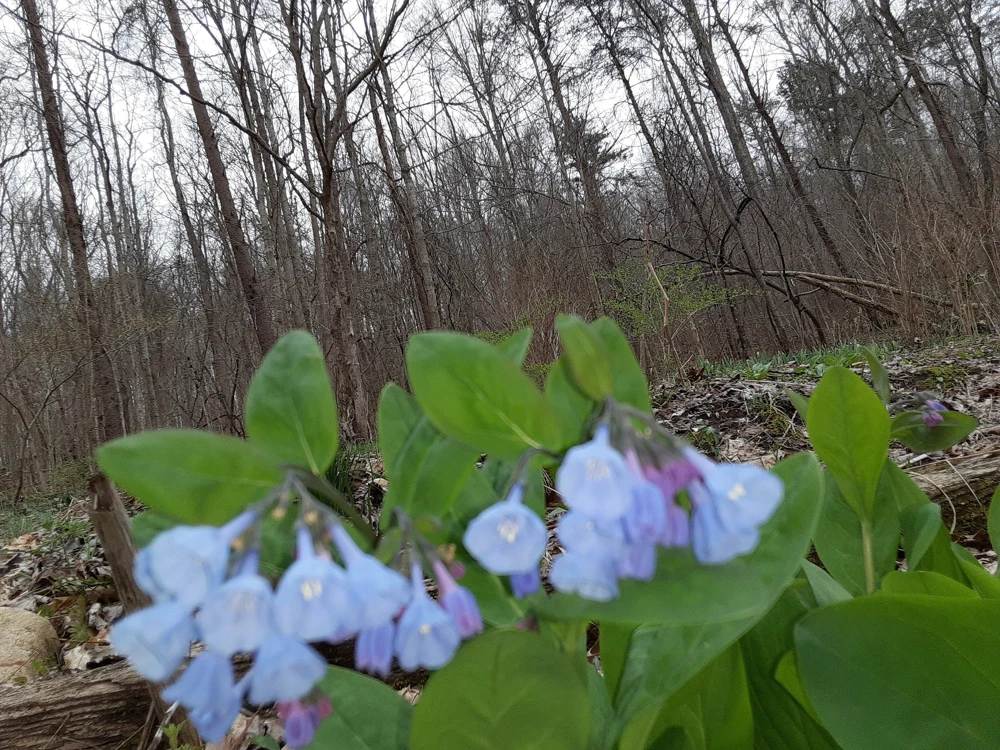
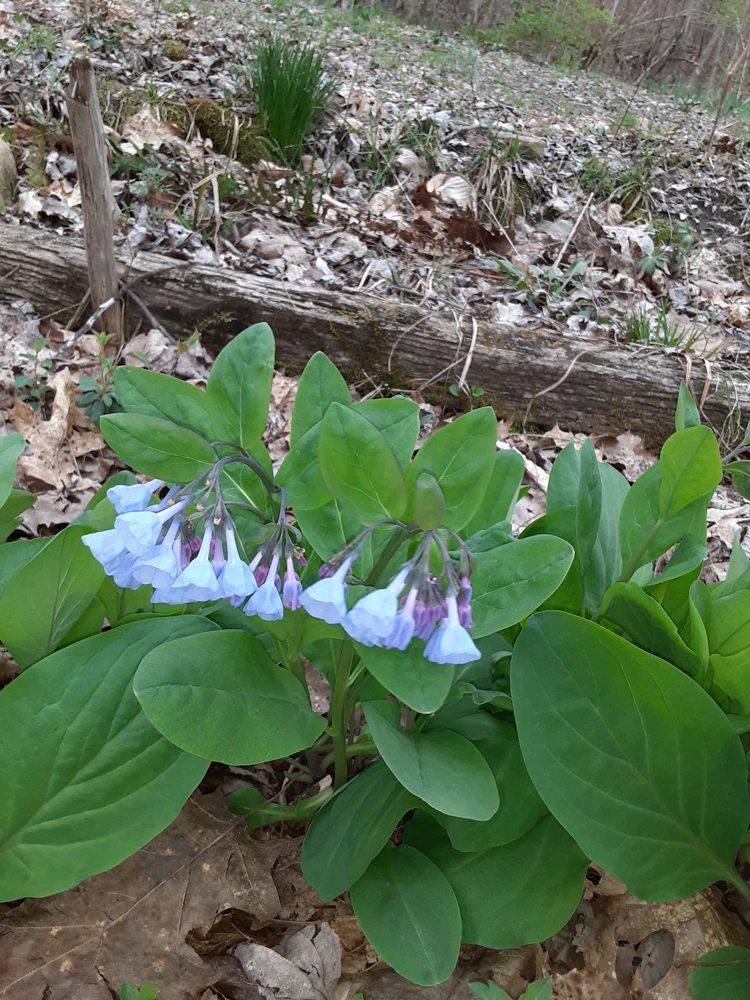
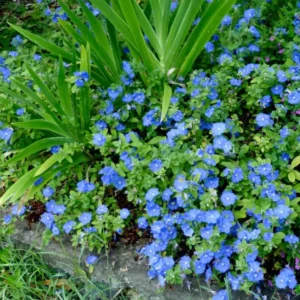
Bring enchanting blue hues to your garden with virginia bluebells bareroot plants. These native mertensia virginica plant specimens are perfect for shady areas, producing delicate bell-shaped flowers in spring. Enjoy easy planting and vibrant blooms.
Original price was: $30.00.$27.00Current price is: $27.00.

With our Alive & Thrive Guarantee, we’ve got your back for the first 30 days! If you have any concerns about your plants, just reach out to us. Our team is here to help answer your questions and guide you in selecting the best plants for your garden, climate, and unique preferences. We're excited to help you create the garden of your dreams!
Estimated arrival
Oct 13
Oct 18 - Oct 20
Oct 23 - Oct 27
Product Details
-
USDA Hardiness Zone
USDA Zones 3-8 -
Soil type
Rich, moist, well-draining soil with organic matter -
Sunlight Exposure
Partial shade to full shade -
Expected Planting Period
Fall or early spring
Overview
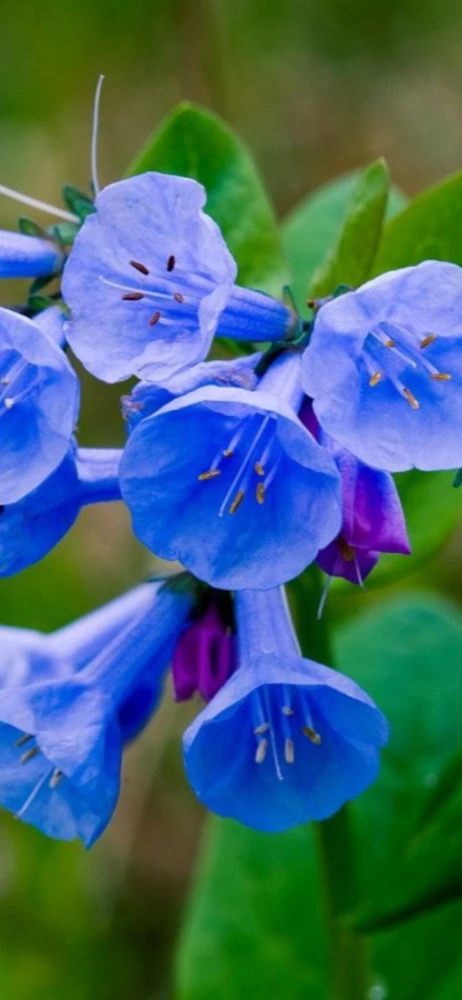
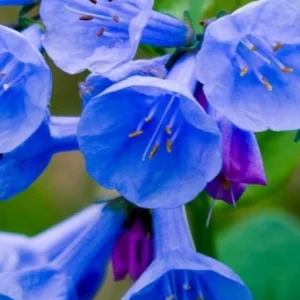
Introduce a touch of natural elegance to your woodland garden or shaded landscape with the exquisite virginia bluebells bareroot. This offering provides 5 high-quality bareroot plants of Mertensia virginica, a beloved native wildflower renowned for its stunning sky-blue, bell-shaped flowers. As one of the most cherished early spring bloomers, these mertensia virginica plant specimens emerge with unique pink buds that unfurl into vibrant blue blossoms, creating a breathtaking display. Virginia Bluebells are deciduous perennials, meaning their foliage typically dies back by mid-summer, allowing other shade-loving plants to take center stage. They are an excellent choice for naturalizing in shaded borders, under deciduous trees, or in native plant gardens, promising a spectacular show year after year with minimal effort.
Key Benefits
Cultivating virginia bluebells bareroot in your garden offers a myriad of advantages, enhancing both its aesthetic appeal and ecological value. Their ease of care and captivating beauty make them a top choice for gardeners seeking reliable spring color.
-
Stunning Spring Blooms: Enjoy a magnificent display of delicate, bell-shaped blue flowers that emerge in early to mid-spring. The transition from pink buds to true-blue blossoms is a visual delight, providing crucial early season nectar for pollinators and signaling the arrival of warmer weather.
-
Native Wildflower Appeal: As a native species, Mertensia virginica is perfectly adapted to local ecosystems, supporting native wildlife including bees and butterflies. Planting these native wildflowers for shade helps restore natural habitats and promotes biodiversity in your garden.
-
Ideal for Shady Gardens: Virginia Bluebells thrive in conditions where many other flowering plants struggle. They are perfectly suited for dappled shade, woodland settings, or beneath deciduous trees, brightening up darker corners of your landscape.
-
Low Maintenance Perennial: Once established, these bareroot plants require very little attention. They are naturally resilient and return year after year, spreading gently to form charming colonies without becoming invasive. Their ability to naturalize makes them a hassle-free addition.
-
Ephemeral Beauty: The foliage of Virginia Bluebells typically disappears by mid-summer, making them excellent companions for other shade perennials that emerge later in the season. This ephemeral quality allows for dynamic garden design where different plants take turns in the spotlight.
-
Pollinator-Friendly: The nectar-rich flowers are a vital food source for early emerging pollinators, including native bees and hummingbirds, contributing to a healthy and vibrant garden ecosystem. Planting a bluebell live plant helps support these beneficial insects.
Plant Care & Growing Tips
Understanding how to grow virginia bluebells successfully involves providing them with conditions that mimic their natural woodland habitat. These resilient plants are relatively easy to care for, making them suitable for both novice and experienced gardeners.
Sunlight Requirements: Virginia Bluebells prefer partial shade to full shade. They thrive best in locations that receive direct morning sun followed by afternoon shade, or filtered light throughout the day. Avoid planting them in areas with intense, direct afternoon sun, as this can scorch their delicate foliage and shorten their blooming period. Optimal light conditions are crucial for a healthy mertensia virginica plant.
Watering Schedule and Soil Moisture: These plants prefer consistently moist, but not waterlogged, soil during their active growing season in spring. Once the foliage begins to yellow and die back in early summer, they become dormant and require less water. Ensure good drainage to prevent root rot. Supplemental watering may be necessary during prolonged dry spells in spring, especially for newly planted bareroots.
Soil Type and Drainage: Virginia Bluebells perform best in rich, well-draining soil that is high in organic matter. Amend heavy clay soils with compost or leaf mold to improve drainage and fertility. A slightly acidic to neutral pH (6.0-7.0) is ideal. Good drainage is paramount, as soggy conditions can be detrimental to the bareroot plants.
Temperature Range and USDA Hardiness Zone: These native wildflowers are cold-hardy and well-suited for USDA Zones 3-8. They require a period of cold dormancy to thrive and bloom reliably. They are tolerant of typical spring temperature fluctuations but benefit from consistent moisture during their growth phase.
Fertilization: Generally, Virginia Bluebells do not require heavy fertilization. If your soil is poor, a light application of a balanced, slow-release organic fertilizer or a top-dressing of compost in early spring, just as new growth emerges, can be beneficial. Avoid over-fertilizing, as this can lead to excessive foliage growth at the expense of flowers. This gentle approach helps maintain the natural vigor of your virginia bluebells bareroot.
Size & Details
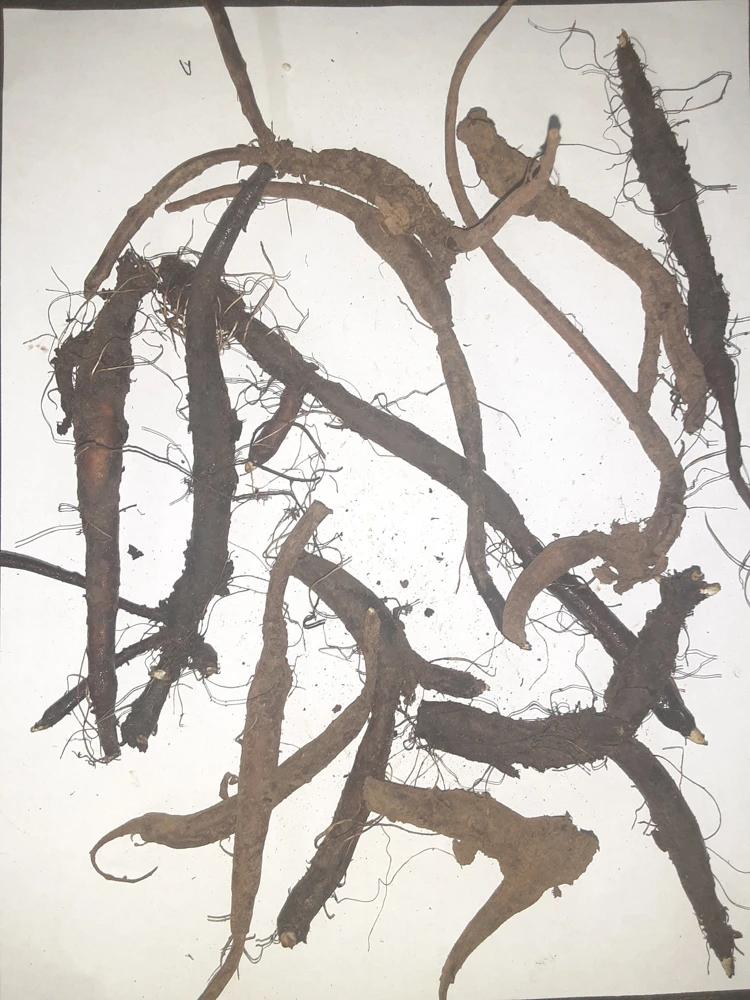
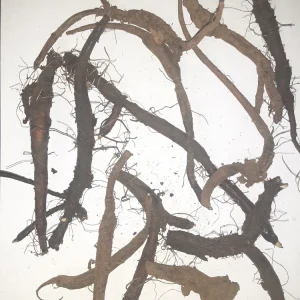
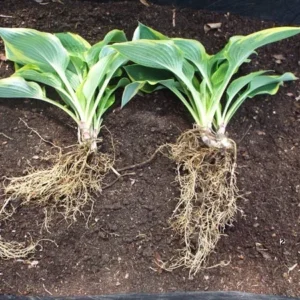
You will receive 5 dormant virginia bluebells bareroot plants, ready for planting. These bareroot plants are a cost-effective and efficient way to establish a beautiful patch of these native wildflowers. At maturity, Virginia Bluebells typically grow to be 12-18 inches tall, creating a lovely mid-height layer in your shade garden. They feature long, graceful stems topped with clusters of bell-shaped flowers. The plants will spread gradually over time through rhizomes and self-seeding, forming charming colonies. While growth may not be visible immediately after planting, expect new shoots and blooms the following spring, showcasing the true beauty of these native wildflowers for shade. Full establishment and robust blooming will occur within 1-2 years.
Frequently Asked Questions
-
Q: How big do these Virginia Bluebells get? A: At maturity, your virginia bluebells bareroot plants will typically reach a height of 12 to 18 inches. They have an upright growth habit with delicate foliage and flower stalks, creating a lovely presence in the garden.
-
Q: Is this an indoor or outdoor plant? A: Virginia Bluebells are outdoor perennial plants. They require a cold dormancy period and are best suited for naturalizing in gardens, woodland settings, or shaded borders where they can thrive and return each spring.
-
Q: How much sunlight does a Mertensia virginica plant need? A: A mertensia virginica plant prefers partial to full shade. Morning sun with afternoon shade or dappled light throughout the day is ideal. Avoid harsh, direct afternoon sun, which can stress the plant.
-
Q: Is this plant easy to care for? A: Yes, Virginia Bluebells are considered low-maintenance once established. They are tolerant of various conditions within their preferred shade and moisture range, making them an excellent choice for gardeners looking for easy-care native wildflowers for shade.
-
Q: What condition will the bareroots arrive in? A: Your virginia bluebells bareroot plants will arrive in a dormant state, carefully packaged to ensure their health during transit. They will be ready for immediate planting upon arrival.
-
Q: How long until it blooms after planting? A: While some growth may occur in the first season, these bareroot plants typically establish their root systems in the first year. You can generally expect to see the charming blue flowers bloom the following spring after planting, marking the true emergence of your bluebell live plant.
-
Q: What’s the best time to plant Virginia Bluebell bareroots? A: The best time to plant virginia bluebells bareroot is in the fall or very early spring, allowing them to establish their roots before the heat of summer or to break dormancy naturally in spring.
-
Q: What kind of soil is best for how to grow Virginia Bluebells? A: For how to grow virginia bluebells successfully, they prefer rich, moist, and well-draining soil with plenty of organic matter. Amending with compost will create an ideal growing environment.
-
Q: Are Virginia Bluebells deer resistant? A: Virginia Bluebells are generally considered deer resistant, as deer tend to avoid them. This makes them a great option for gardens where deer browse can be an issue.
-
Q: Will these plants spread in my garden? A: Yes, Virginia Bluebells will gently spread over time through rhizomes and self-seeding, forming beautiful colonies. This naturalizing tendency is part of their charm, creating a lush carpet of blue in spring.
Related products
-40%
Original price was: $59.98.$35.99Current price is: $35.99.
-83%
Original price was: $44.97.$7.74Current price is: $7.74.
-32%
Original price was: $73.98.$49.99Current price is: $49.99.
-82%
Original price was: $50.97.$9.04Current price is: $9.04.
-67%
Original price was: $37.47.$12.49Current price is: $12.49.
-81%
Original price was: $80.97.$15.54Current price is: $15.54.
PLANTING & CARE
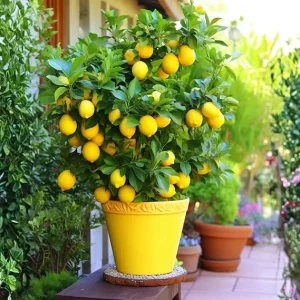
Lemon Tree Growing: Choose, Plant, and Harvest
Learn how to choose, plant, feed, and protect a lemon tree so it fits your
23
Sep
Sep
Dwarf Meyer Lemon Tree Australia: Climate Guide
Learn where dwarf Meyer lemon trees grow, how much cold they tolerate, and whether Australia,
Where to Buy a Dwarf Meyer Lemon Tree: Buyer’s Guide
Find the right dwarf Meyer lemon tree online or locally, compare starter sizes and costs,
Dwarf Meyer Lemon Tree for Sale: Buying Guide
Compare Meyer lemon tree sizes, prices, shipping limits, indoor growing and California options before you
Dwarf Meyer Lemon Tree Guide: Size, Care and Fruit
META: Learn how large a dwarf Meyer lemon tree grows, where it thrives, and how
How to Prune a Dwarf Meyer Lemon Tree
Learn when and how to prune a dwarf Meyer lemon tree, including tools, shaping cuts,
Can You Grow a Dwarf Meyer Lemon Tree in a Pot?
META: Learn how to grow a dwarf Meyer lemon tree in a pot, including container
When Do Dwarf Meyer Lemon Trees Bloom and Fruit?
META: Dwarf Meyer lemon trees usually bloom from winter through spring and may flower again