White Dogwood Tree Live Plant 12-24in Tall – Cornus florida, Bare Root
-20%

White Dogwood Tree Live Plant 12-24in Tall – Cornus florida, Bare Root
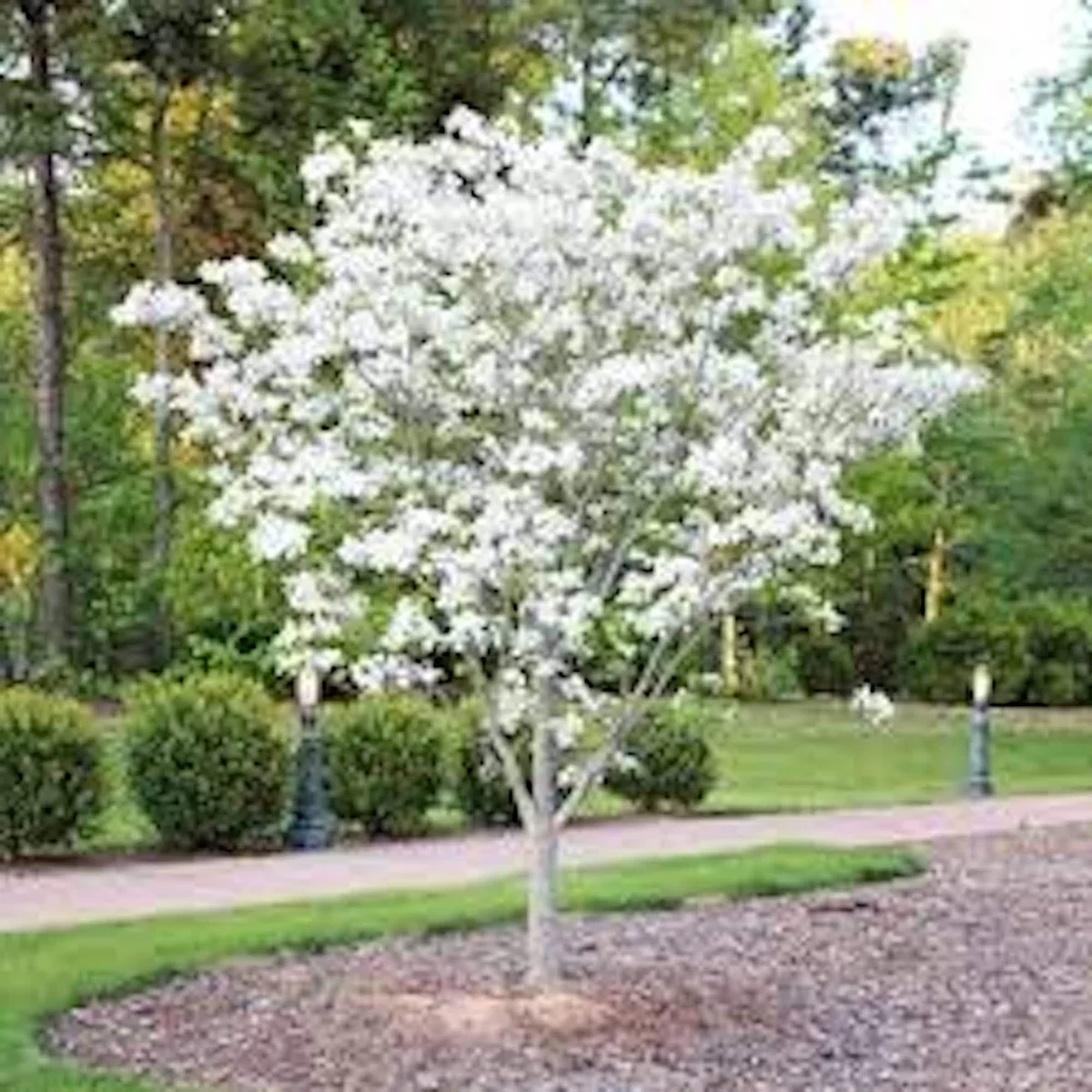
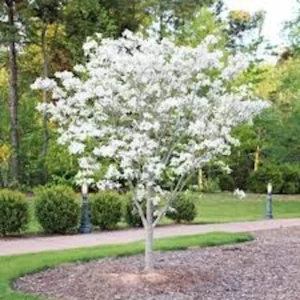
Cultivate a stunning focal point in your garden with this white dogwood tree. This 12-24 inch tall Cornus florida bare root plant is known for its spectacular white spring blooms and attractive foliage, providing year-round interest. Perfect for adding elegance to any landscape.
Original price was: $34.00.$27.20Current price is: $27.20.

With our Alive & Thrive Guarantee, we’ve got your back for the first 30 days! If you have any concerns about your plants, just reach out to us. Our team is here to help answer your questions and guide you in selecting the best plants for your garden, climate, and unique preferences. We're excited to help you create the garden of your dreams!
Estimated arrival
Apr 08
Apr 13 - Apr 15
Apr 18 - Apr 22

Product Details
-
USDA Hardiness Zone
5-9 -
Soil type
Well-draining, acidic to neutral soil -
Sunlight Exposure
Partial shade to full sun -
Expected Planting Period
Early spring or late fall
Overview
Introduce timeless beauty to your landscape with the magnificent white dogwood tree, a true American classic. This offering is for a 12-24 inch tall Cornus florida bare root plant, ready to establish itself and transform your outdoor space. Known for its breathtaking display of white, four-petaled flowers in spring, the flowering dogwood tree is a symbol of natural elegance and grace. Beyond its stunning floral show, the American dogwood tree provides lush green foliage throughout the summer, which then transitions into brilliant shades of red and purple in the fall, followed by attractive red berries that sustain local wildlife. This deciduous tree is a must-have for anyone looking to add seasonal interest and a touch of native charm to their garden or yard.
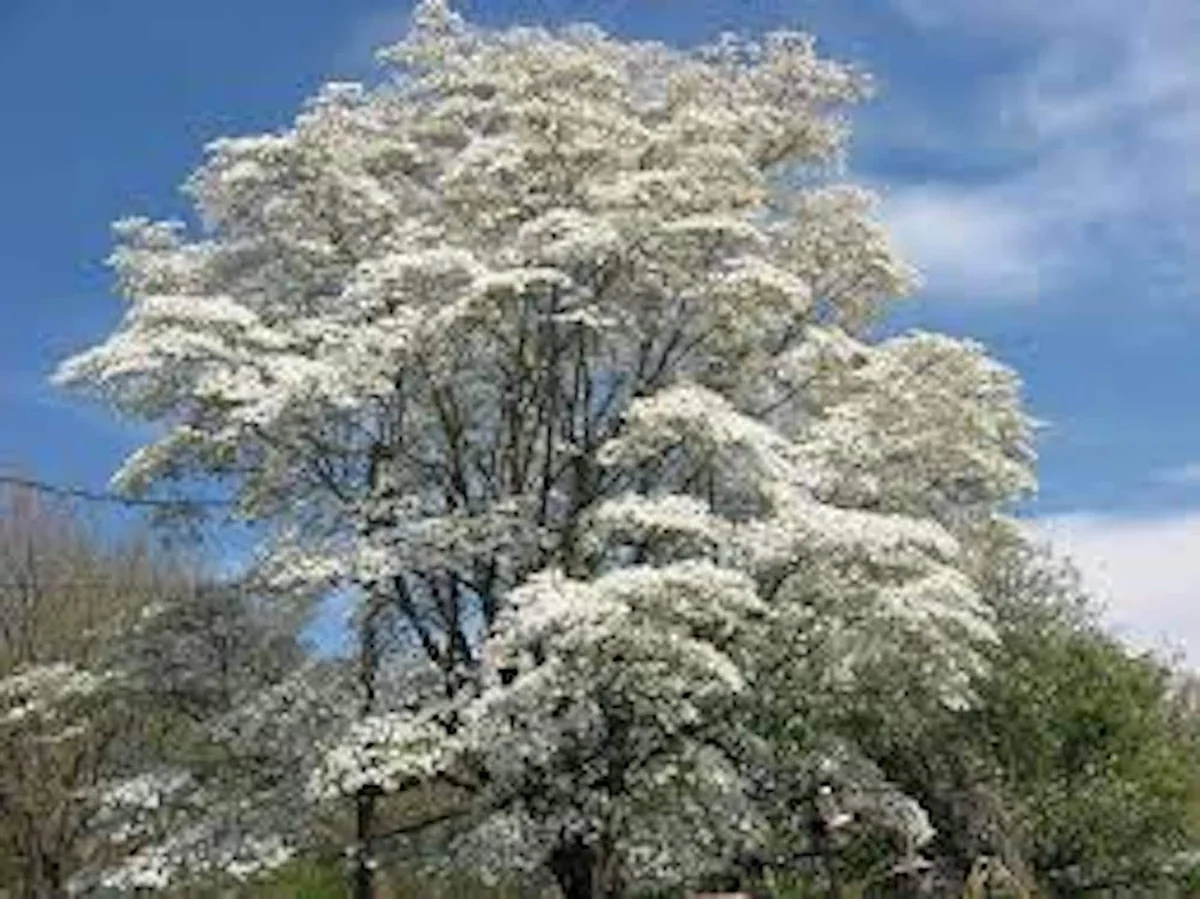
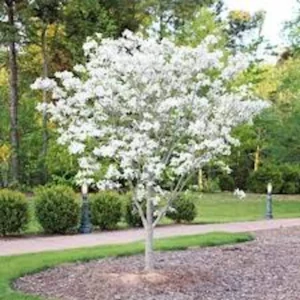
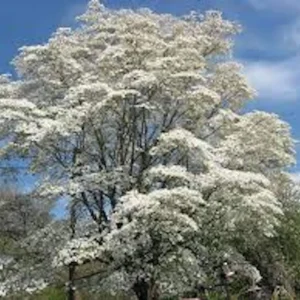
The flowering dogwood tree (Cornus florida) is a moderately fast-growing species, reaching a mature height of 15-40 feet with a spread of 12-20 feet. Its distinctive horizontal branching pattern creates an appealing silhouette even in winter. As a bare root specimen, this young tree is a cost-effective and efficient way to plant, allowing it to quickly adapt to its new environment and develop a strong root system. Planting a white dogwood tree is an investment in the long-term beauty and ecological health of your property.
Key Benefits
The white dogwood tree offers a multitude of benefits that make it a highly desirable addition to any garden. Its aesthetic appeal and ecological value are unmatched, providing continuous interest through all four seasons.
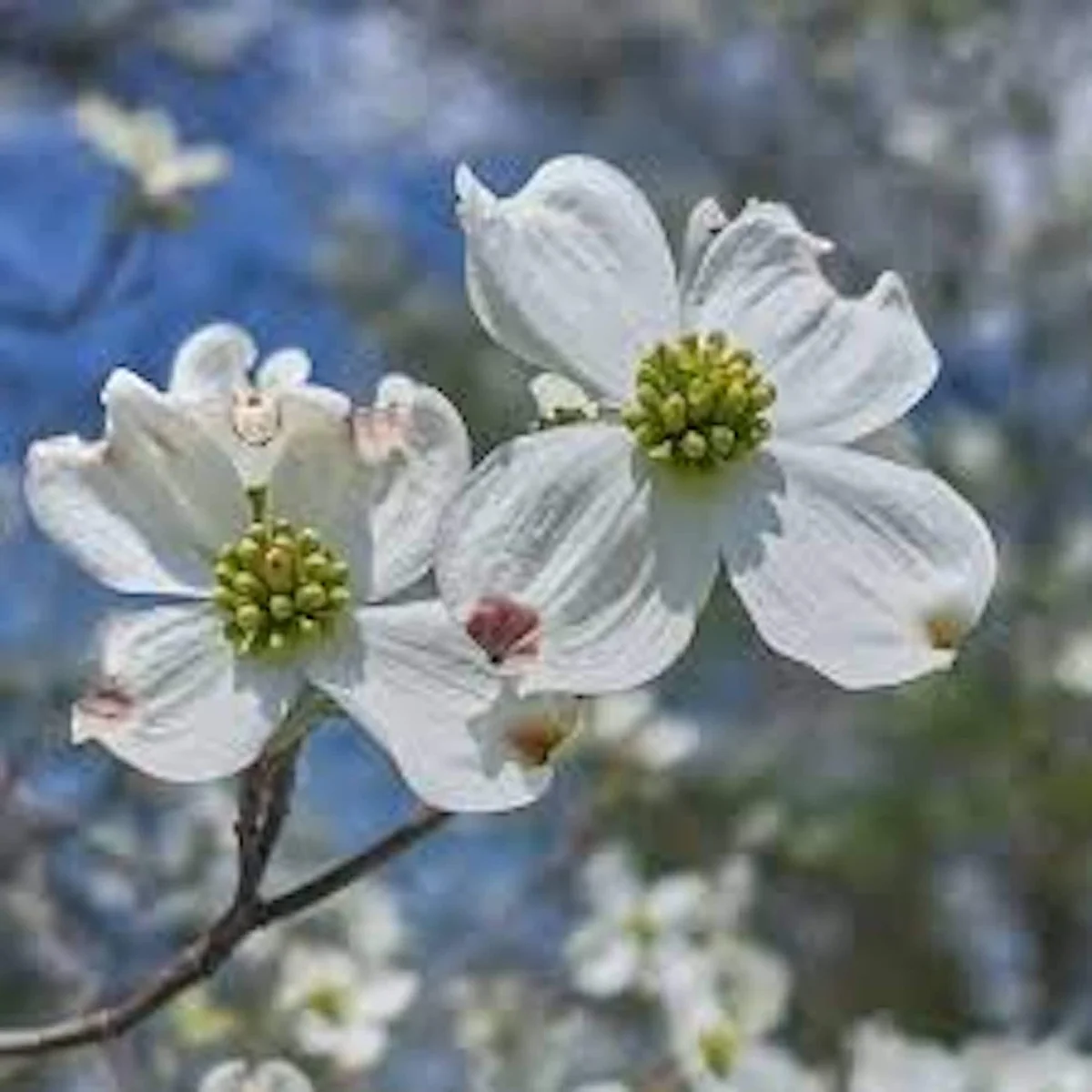
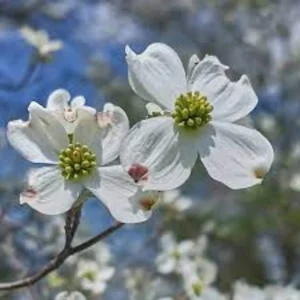
- Spectacular Spring Blooms: Enjoy an unparalleled display of pure white, showy bracts (often mistaken for petals) that emerge in early to mid-spring, creating a dazzling visual impact. These blooms are a quintessential sign of spring’s arrival.
- Vibrant Fall Color: Witness a dramatic transformation in autumn as the green leaves turn brilliant shades of red, purple, and burgundy, adding rich warmth to your landscape.
- Wildlife Attraction: The bright red berries produced in late summer and fall are a vital food source for many bird species and other wildlife, contributing to local biodiversity.
- Distinctive Form: Even without leaves or flowers, the elegant, layered branching structure of the flowering dogwood tree provides architectural interest in the winter landscape.
- Low Maintenance: Once established, dogwood trees are relatively easy to care for, requiring minimal pruning and general upkeep, making them a great choice for busy gardeners.
- Adaptable & Resilient: The Cornus florida bare root is well-suited to a range of climates, thriving in USDA Zones 5-9, and demonstrating good resistance to common pests and diseases when properly sited.
- Shade & Understory Tree: Its moderate size makes it an excellent choice for planting under larger trees or as a standalone specimen in smaller yards, providing dappled shade.
Plant Care & Growing Tips
Proper care is essential for ensuring your white dogwood tree thrives and displays its full beauty. Dogwood trees prefer a location with partial shade to full sun. In hotter climates (the southern end of its USDA Zone 5-9 range), some afternoon shade is beneficial to protect the leaves from scorching. Aim for at least 4-6 hours of direct sunlight, preferably morning sun, with protection from intense midday and afternoon sun. Good air circulation is also important to prevent fungal issues.
The dogwood tree care involves well-draining, acidic to neutral soil (pH 5.5-7.0) that is rich in organic matter. When planting your Cornus florida bare root, amend the soil with compost or other organic material to improve fertility and drainage. Keep the soil consistently moist but not waterlogged, especially during the first few years after planting. Water deeply once or twice a week during dry periods, checking the soil moisture before watering again. Mulching around the base of the tree with 2-4 inches of organic mulch (like wood chips or pine needles) helps retain soil moisture, regulate soil temperature, and suppresses weeds, but keep the mulch a few inches away from the trunk.
Fertilize your young flowering dogwood tree in early spring with a balanced, slow-release fertilizer formulated for trees and shrubs. Avoid over-fertilizing, as this can lead to excessive leafy growth at the expense of flower production. Pruning should be done in late winter or early spring while the tree is dormant, focusing on removing dead, damaged, or crossing branches. Minimal pruning is usually needed to maintain its natural shape. Watch out for common issues like powdery mildew or dogwood anthracnose; good air circulation and proper watering can help prevent these. The American dogwood tree is generally robust with good cultural practices.
Size & Details
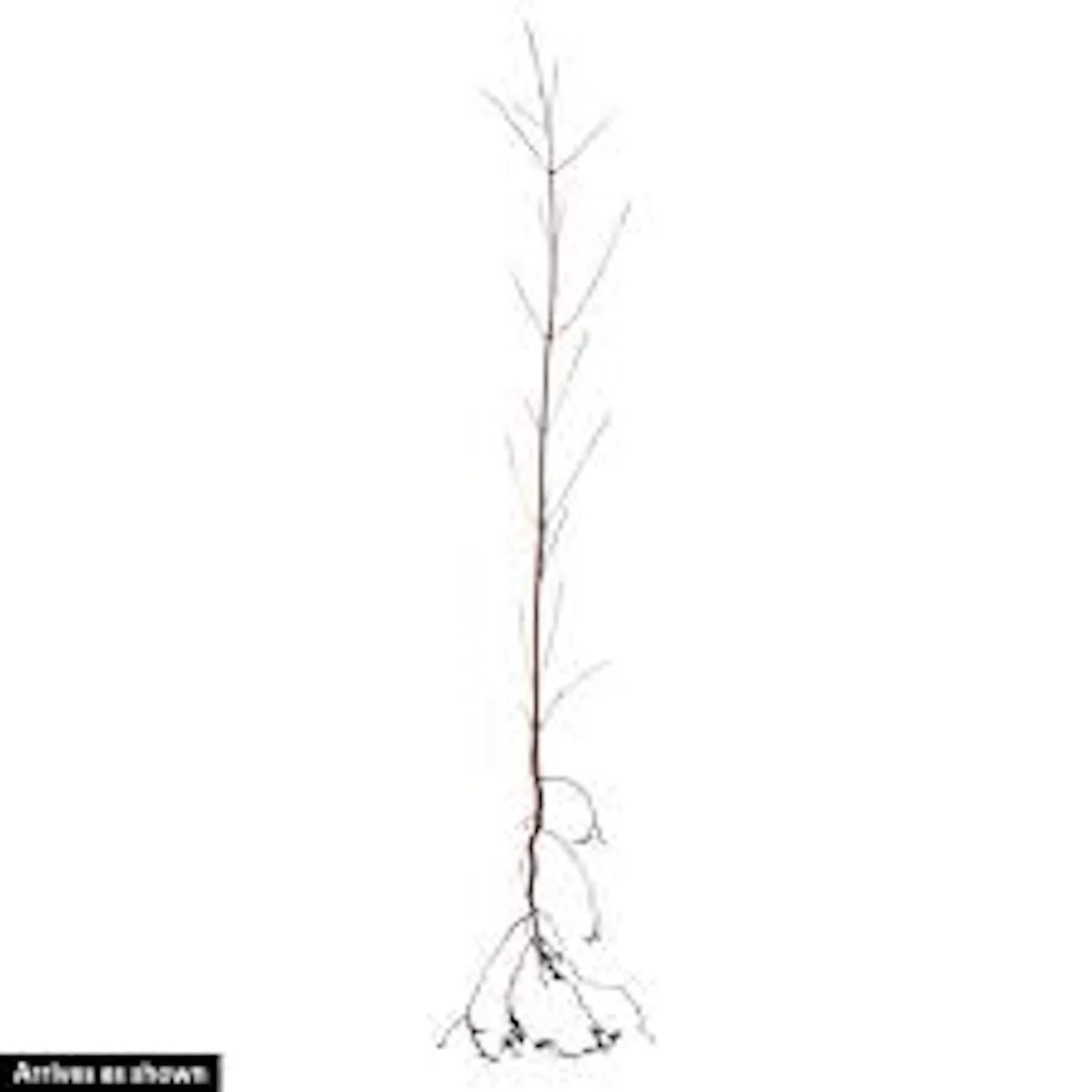
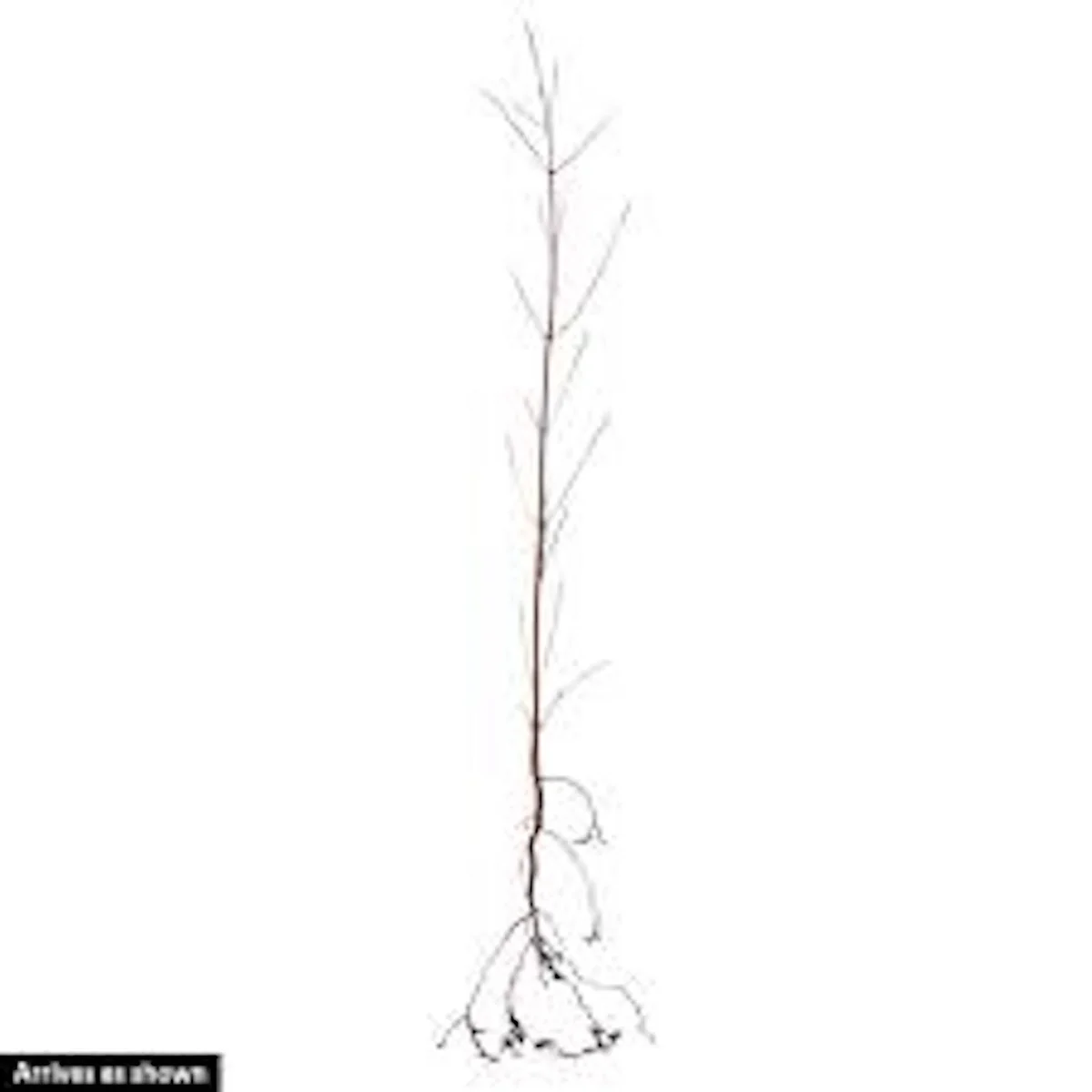
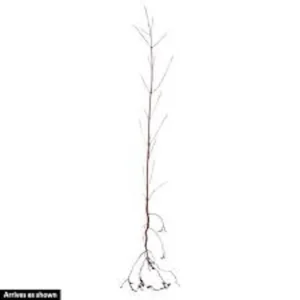
This offering includes one white dogwood tree, a live bare root plant that measures approximately 12-24 inches in height upon arrival. Bare root plants are shipped without soil around their roots, which is an ideal state for dormant trees, allowing for easy transplanting and rapid establishment in your garden. Once planted, this Cornus florida bare root will begin to develop its root system and foliage as the growing season progresses. The tree exhibits a medium growth rate, typically adding 13-24 inches of height per year, eventually reaching a mature height of 15-40 feet with a spread of 12-20 feet. Its full ornamental impact, including abundant flowering, can be expected within a few years after planting and proper establishment.
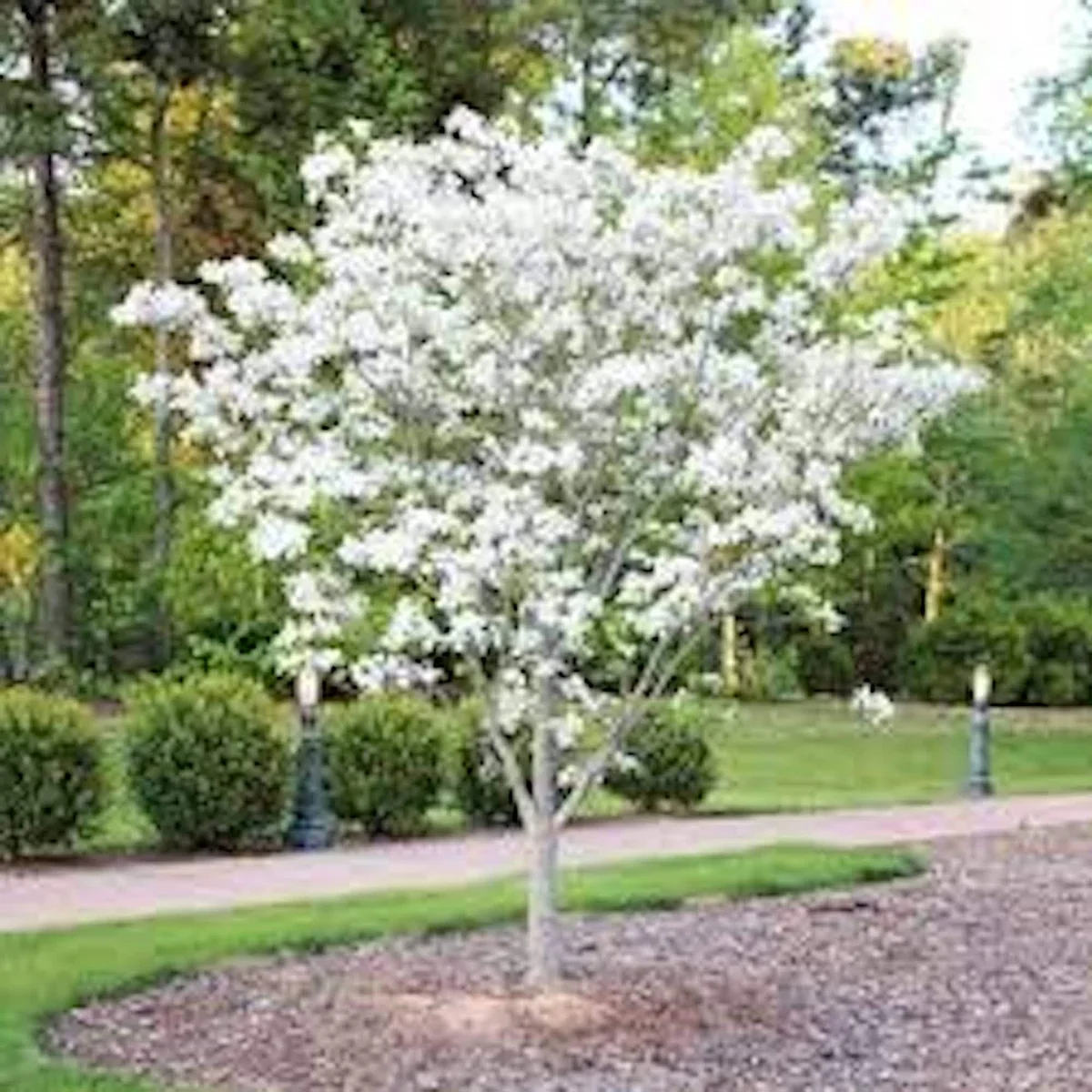
The mature size of the flowering dogwood tree makes it suitable for various landscape applications, from a stunning specimen tree in a lawn to an understory tree in a woodland garden. Its natural, somewhat spreading habit creates a beautiful canopy that offers light shade. This particular size is excellent for gardeners who enjoy watching their plants grow and develop over time, providing a rewarding experience as it matures into a magnificent feature of your landscape. Understanding dogwood tree care from this early stage will ensure a healthy, long-lived specimen.
Frequently Asked Questions
- Q: How tall will this white dogwood tree be when it arrives? A: Your white dogwood tree will arrive as a bare root plant, typically measuring between 12-24 inches tall. This size is ideal for establishing a strong root system in your garden.
- Q: Is this an indoor or outdoor plant? A: The flowering dogwood tree is an outdoor plant, perfectly suited for garden and landscape use. It requires outdoor conditions to thrive and complete its natural life cycle.
- Q: How much sunlight does the Cornus florida bare root need? A: A Cornus florida bare root plant prefers partial shade to full sun. In warmer climates, afternoon shade is beneficial to prevent leaf scorch, while in cooler areas, more sun is tolerated.
- Q: What condition will the bare root tree arrive in? A: Your tree will arrive in a dormant, bare root state. This means it will have no leaves and the roots will be free of soil, carefully packaged for safe transit and ready for planting.
- Q: Is this American dogwood tree easy to care for? A: Yes, with proper planting and initial care, the American dogwood tree is considered relatively easy to care for. It primarily needs consistent moisture during establishment and well-draining soil.
- Q: When is the best time to plant a bare root dogwood tree? A: Bare root trees are best planted in early spring, as soon as the ground can be worked, or in late fall after the leaves have dropped and before the ground freezes.
- Q: What USDA Hardiness Zones is this white dogwood tree suitable for? A: This white dogwood tree is hardy in USDA Zones 5-9, meaning it can tolerate a wide range of winter temperatures within these zones.
- Q: How long does it take for a bare root dogwood to establish and flower? A: A bare root dogwood will typically establish within its first year. You can expect to see its first significant blooms within 2-3 years after planting, with more abundant flowering as it matures.
- Q: What type of soil does a flowering dogwood tree prefer? A: The flowering dogwood tree thrives in well-draining, acidic to neutral soil that is rich in organic matter. Avoid heavy clay soils that retain too much moisture.
- Q: How often should I water my newly planted dogwood? A: A newly planted dogwood requires consistent moisture. Water deeply 1-2 times per week, especially during dry periods, ensuring the soil remains moist but not waterlogged.
Related products
-50%
Original price was: $73.98.$36.99Current price is: $36.99.
-20%
Original price was: $90.00.$72.00Current price is: $72.00.
PLANTING & CARE

Growing Glencoe Raspberry: A Complete Guide for Gardeners
If you’re looking to add something unique to your garden, look no further than the
31
Mar
Mar

The Comprehensive Guide to Growing Bay Leaf Plants for a Flavorful Garden
Imagine stepping into your garden, greeted by the earthy aroma of fresh bay leaves, their
09
Feb
Feb

How to Make Comfrey Tea: The Ultimate Organic Plant Food
Growing an organic garden can be surprisingly expensive, especially when most store-bought fertilizers come in
02
Feb
Feb

True Comfrey: 7 Essential Tips Before You Plant This Herb
A staple in permaculture practices across the US, True Comfrey easily earns its reputation as
27
Jan
Jan

7 Heart-Shaped Plants for a Lasting Valentine’s Gift
If you’ve ever bought a bouquet of roses for Valentine’s Day, you know they are
26
Jan
Jan

Best Types of Ivy Plant for Houses: How to Choose the Perfect Ones for Your Home
Are you a garden lover looking to introduce some greenery into your home? Maybe you’ve
14
Nov
Nov

When to Harvest Garlic (Especially Fall-Planted Garlic)
TIMING IS EVERYTHING, they say – and for garlic, that truth hits with surprising accuracy.
13
Nov
Nov

11 of the Best Sweet Potato Varieties to Grow for Your Garden
If you’ve ever tried growing sweet potatoes, you know that picking the right variety can
12
Nov
Nov