White Easter Cactus Live Plant – Stunning White Blooms, Indoor Succulent
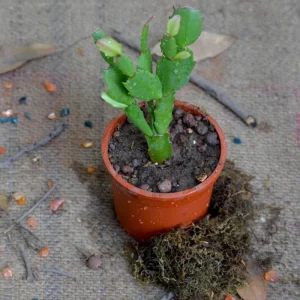
White Easter Cactus Live Plant – Stunning White Blooms, Indoor Succulent
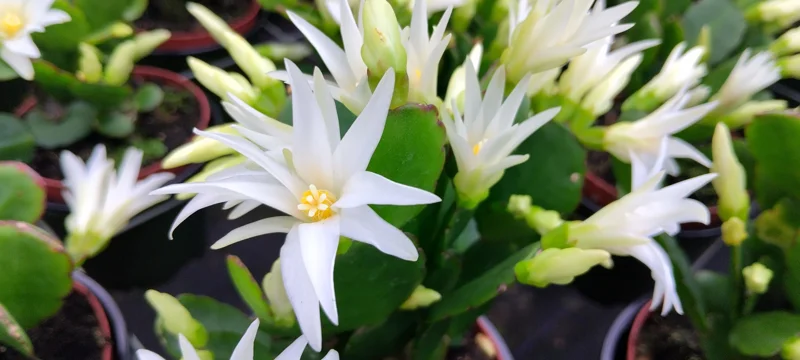
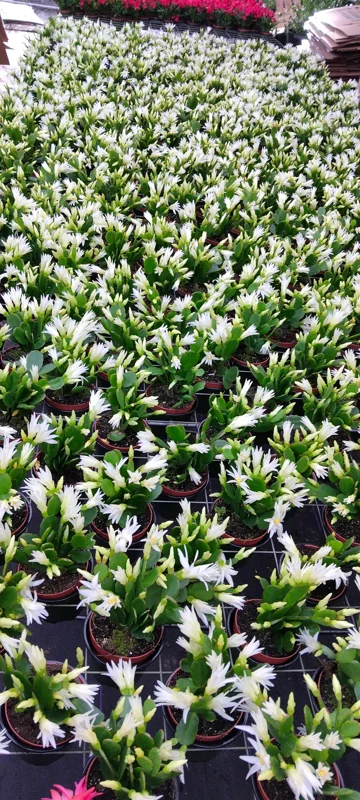
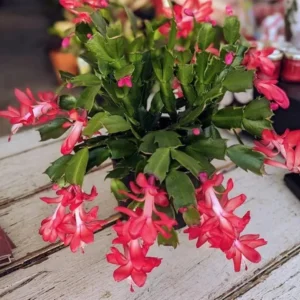
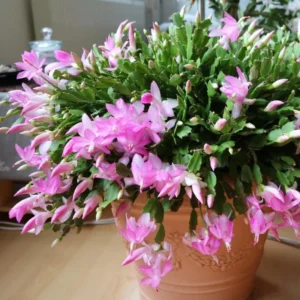
Bring elegance to your home with the white Easter cactus live plant. This beautiful indoor succulent boasts stunning white blooms and is known for its low maintenance. An ideal choice for brightening any space or as a thoughtful gift.
$37.38

With our Alive & Thrive Guarantee, we’ve got your back for the first 30 days! If you have any concerns about your plants, just reach out to us. Our team is here to help answer your questions and guide you in selecting the best plants for your garden, climate, and unique preferences. We're excited to help you create the garden of your dreams!
Estimated arrival
Oct 21
Oct 26 - Oct 28
Oct 31 - Nov 04
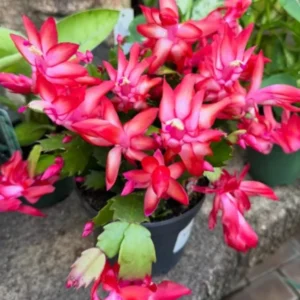
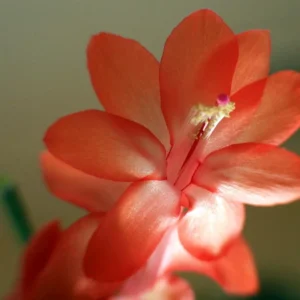
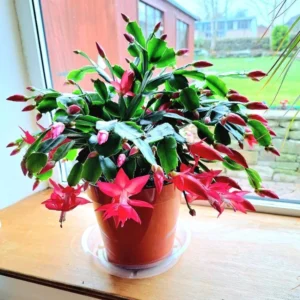
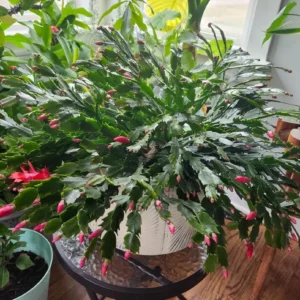
Product Details
-
USDA Hardiness Zone
year-round indoors -
Soil type
well-draining, slightly acidic potting mix -
Sunlight Exposure
bright indirect light -
Expected Planting Period
year-round indoors
Overview
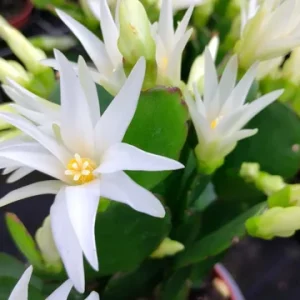
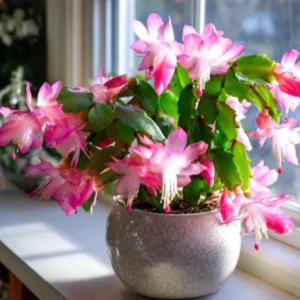
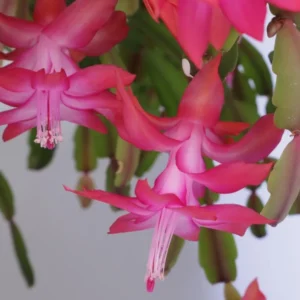
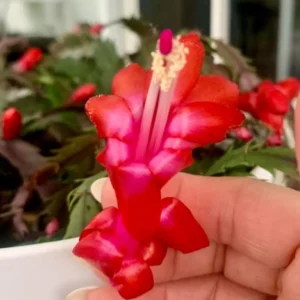
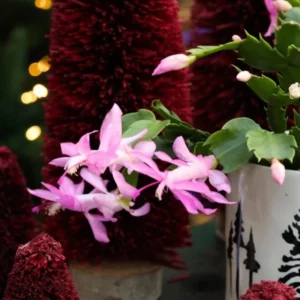
Introduce a touch of serene beauty to your indoor plant collection with the white Easter cactus live plant. This captivating succulent, scientifically known as Rhipsalidopsis gaertneri, is celebrated for its exquisite white, star-shaped flowers that typically appear in spring, often around the Easter holiday. Unlike its desert cactus cousins, the Easter cactus is an epiphytic plant, naturally growing on trees in tropical rainforests. This unique origin means it thrives in conditions different from typical desert cacti, preferring more humidity and indirect light. Our white Easter cactus live plant arrives ready to flourish in your home, offering a sophisticated and vibrant display with minimal fuss. It’s an excellent choice for both seasoned plant enthusiasts and beginners looking for a distinctive and rewarding houseplant.
The white Easter cactus live plant is a joy to behold, transforming indoor spaces with its delicate yet striking blossoms. Its segmented, flattened stems cascade gracefully, making it perfect for hanging baskets or elevated displays where its blooms can truly be admired. This resilient and long-lived plant can become a cherished part of your home decor for many years, offering a spectacular floral show annually. Embrace the charm and simplicity of caring for this extraordinary succulent.
Key Benefits
The white Easter cactus live plant offers a multitude of advantages, making it a highly desirable addition to any indoor garden. Its unique characteristics contribute to both aesthetic appeal and ease of care:
- Stunning Seasonal Blooms: Enjoy a spectacular display of pure white flowers, typically blooming in spring, adding a fresh and elegant touch to your home just in time for the Easter season. These vibrant blossoms can last for several weeks.
- Low Maintenance Houseplant: This plant is remarkably easy to care for, requiring less frequent watering than many other houseplants and thriving on minimal attention. It’s an ideal choice for busy individuals or those new to plant care.
- Air Purifying Qualities: Like many houseplants, the white Easter cactus live plant contributes to a healthier indoor environment by helping to filter airborne toxins and improve air quality.
- Compact & Versatile Size: Its moderate growth habit makes it suitable for various settings, from windowsills and desks to shelves or hanging baskets, adapting well to different indoor spaces.
- Long-Lived & Hardy: With proper care, an indoor succulent plant like the Easter cactus can live for many years, becoming a lasting fixture in your home and providing beauty season after season.
- Pet-Friendly Option: Generally considered non-toxic to pets, making it a safer choice for households with cats, dogs, or other animals, allowing you to enjoy its beauty without worry.
- Unique Growth Habit: The segmented, flattened stems create an interesting visual texture even when not in bloom, adding architectural interest to your plant collection.
Plant Care & Growing Tips
Caring for your white Easter cactus live plant is straightforward, especially when you understand its specific needs as an epiphytic succulent. Unlike desert cacti, it prefers more humidity and indirect light. For optimal growth and prolific blooming, place your Easter cactus in a location that receives bright, indirect sunlight. East or north-facing windows are often ideal. Avoid direct, harsh afternoon sun, which can scorch its delicate stems. During its active growing season (spring through fall), rotate the plant occasionally to ensure even light exposure.
Watering is crucial for a healthy low maintenance houseplant like the Easter cactus. Allow the top inch or two of soil to dry out completely between waterings. When you do water, do so thoroughly until water drains from the bottom of the pot. Ensure the pot has good drainage to prevent root rot. During its dormant period in winter, reduce watering significantly, allowing the soil to dry out almost completely between light waterings. This drier period, combined with cooler temperatures, helps to initiate bud formation for the next blooming cycle. Humidity is also important; consider misting your plant regularly or placing it near a humidifier, especially in dry indoor environments.
The ideal soil for a Rhipsalidopsis gaertneri white is a well-draining, slightly acidic potting mix. A good blend would be a standard potting mix amended with perlite or orchid bark to improve drainage and aeration. Fertilize your Easter cactus with a balanced liquid fertilizer diluted to half strength every 2-4 weeks during the active growing season (spring and summer). Refrain from fertilizing during fall and winter. Maintain indoor temperatures between 65-75°F (18-24°C) during the day and slightly cooler at night. For optimal blooming, provide a cool period (around 50-55°F or 10-13°C) for 6-8 weeks in late fall/early winter, along with reduced watering and light. Common problems include overwatering leading to root rot or stems turning mushy, and insufficient light leading to lack of blooms. Adjust your care routine as needed to address these issues.
Size & Details
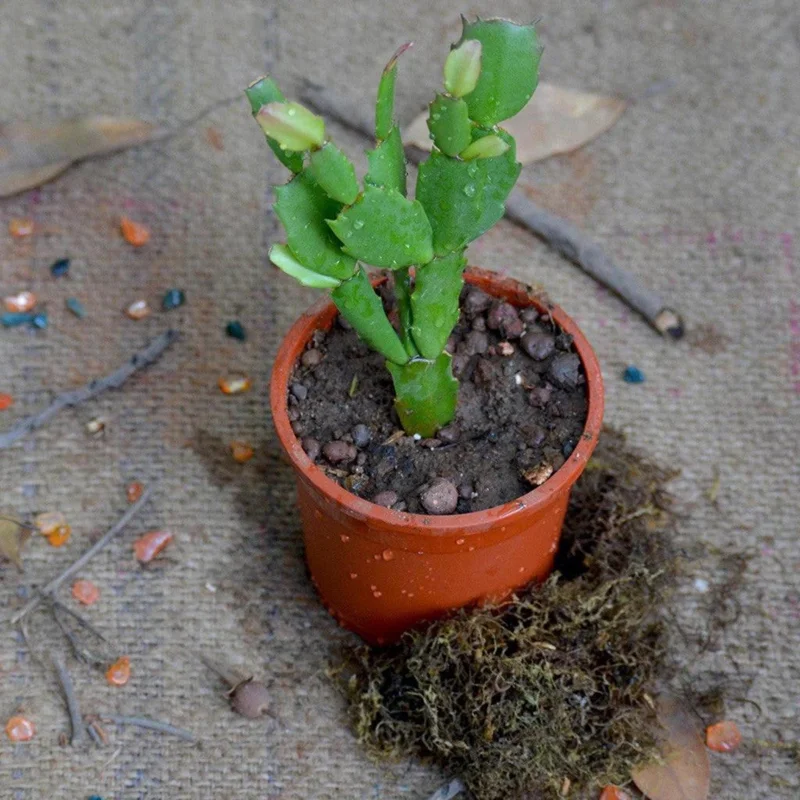
Our white Easter cactus live plant is carefully cultivated to ensure a healthy and robust specimen upon arrival. Typically, these plants arrive in a nursery pot, ready to be placed in your chosen decorative container. The plant usually stands between 6 to 10 inches tall and can spread up to 8-12 inches wide, depending on its age and growth habit. Its segmented stems can eventually cascade, making it an excellent choice for hanging displays. The growth rate is moderate, allowing it to gradually fill out its space without becoming unruly. When shipped, the plant is securely packaged to minimize stress and ensure it reaches you in excellent condition, with soil intact and protected foliage. Expect your indoor succulent plant to establish quickly once it acclimates to its new environment, with potential for blooms in its first or second spring season.
Frequently Asked Questions
- Q: How big does this plant get? A: A white Easter cactus live plant typically reaches a height of 6-10 inches and can spread 8-12 inches wide, with stems that can cascade over the pot’s edge as it matures.
- Q: Is this an indoor or outdoor plant? A: The white Easter cactus live plant is primarily an indoor succulent plant, thriving in typical household temperatures and bright, indirect light. It can be moved outdoors to a shaded spot in warm summer months but must be brought inside before temperatures drop below 50°F (10°C).
- Q: Is this plant easy to care for? A: Yes, the Easter cactus care is considered relatively easy, making it a great choice for beginners. It requires consistent but moderate watering and bright, indirect light.
- Q: What condition will it arrive in? A: Your low maintenance houseplant will arrive in a nursery pot, securely packaged to protect the plant and soil during transit, ensuring it reaches you in healthy condition.
- Q: How much sunlight does it need? A: The white Easter cactus live plant prefers bright, indirect light. Avoid direct afternoon sun, which can burn its leaves. An east or north-facing window is often ideal.
- Q: When is the best time for it to bloom? A: This plant typically blooms in spring, often around the Easter holiday, hence its common name. Providing a cool, dry period in late fall/early winter helps stimulate bud formation.
- Q: Is this plant pet-safe? A: Yes, the Rhipsalidopsis gaertneri white is generally considered non-toxic to pets, making it a safe choice for homes with animals.
- Q: What type of soil is best for this succulent? A: A well-draining, slightly acidic potting mix is best. You can use a standard potting mix amended with perlite or orchid bark for improved drainage.
- Q: How often should I water my Easter cactus? A: Water thoroughly when the top inch or two of soil feels dry. Reduce watering significantly during its winter dormancy period to encourage blooming.
- Q: Will it survive winter in my zone? A: As an indoor plant, the white Easter cactus live plant is not typically grown outdoors year-round in most USDA zones. It needs to be protected from cold temperatures and brought inside when it drops below 50°F (10°C).
Related products
-30%
Original price was: $79.98.$55.98Current price is: $55.98.
-40%

Original price was: $19.60.$11.76Current price is: $11.76.
-30%
Original price was: $47.98.$33.58Current price is: $33.58.
-30%
Original price was: $79.98.$55.98Current price is: $55.98.
-30%
Original price was: $79.98.$55.98Current price is: $55.98.
-97%
Original price was: $316.80.$9.92Current price is: $9.92.
PLANTING & CARE
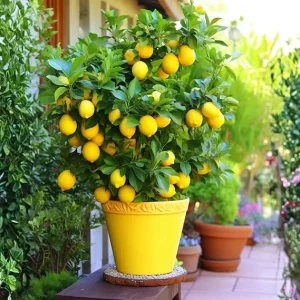
Lemon Tree Growing: Choose, Plant, and Harvest
Learn how to choose, plant, feed, and protect a lemon tree so it fits your
23
Sep
Sep
Dwarf Meyer Lemon Tree Australia: Climate Guide
Learn where dwarf Meyer lemon trees grow, how much cold they tolerate, and whether Australia,
Where to Buy a Dwarf Meyer Lemon Tree: Buyer’s Guide
Find the right dwarf Meyer lemon tree online or locally, compare starter sizes and costs,
Dwarf Meyer Lemon Tree for Sale: Buying Guide
Compare Meyer lemon tree sizes, prices, shipping limits, indoor growing and California options before you
Dwarf Meyer Lemon Tree Guide: Size, Care and Fruit
META: Learn how large a dwarf Meyer lemon tree grows, where it thrives, and how
How to Prune a Dwarf Meyer Lemon Tree
Learn when and how to prune a dwarf Meyer lemon tree, including tools, shaping cuts,
Can You Grow a Dwarf Meyer Lemon Tree in a Pot?
META: Learn how to grow a dwarf Meyer lemon tree in a pot, including container
When Do Dwarf Meyer Lemon Trees Bloom and Fruit?
META: Dwarf Meyer lemon trees usually bloom from winter through spring and may flower again