Variegated Euphorbia Trigona Milk Cactus Live Plant – 3 inch Pot
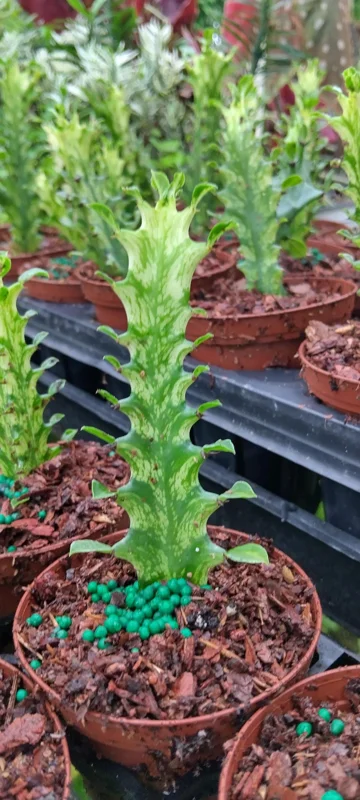
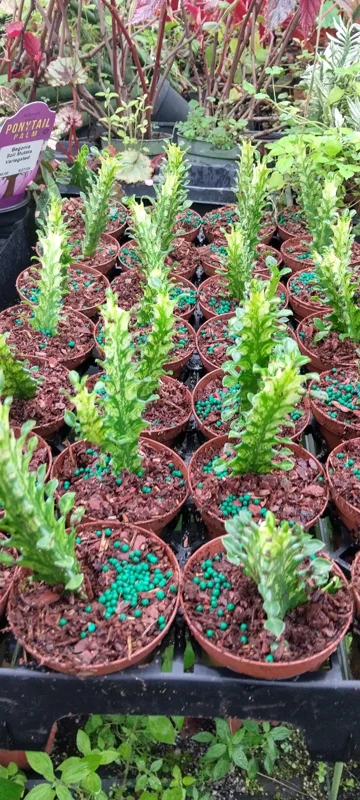
Variegated Euphorbia Trigona Milk Cactus Live Plant – 3 inch Pot
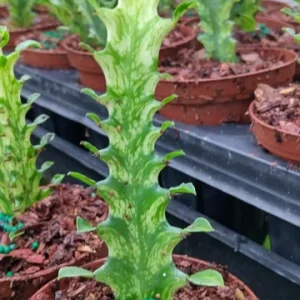
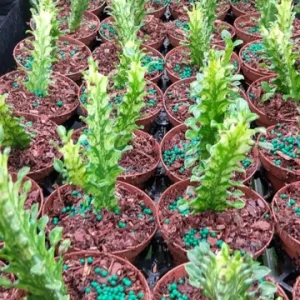
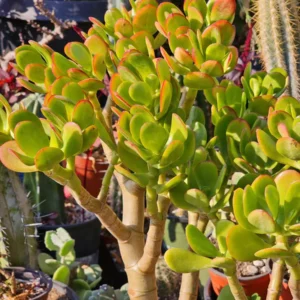
Add a touch of architectural beauty to your home with this stunning variegated euphorbia trigona. This milk cactus plant is easy to care for, featuring striking green and white mottled stems, making it an ideal indoor cactus plants choice for beginners and enthusiasts alike.
$35.18

With our Alive & Thrive Guarantee, we’ve got your back for the first 30 days! If you have any concerns about your plants, just reach out to us. Our team is here to help answer your questions and guide you in selecting the best plants for your garden, climate, and unique preferences. We're excited to help you create the garden of your dreams!
Estimated arrival
Oct 21
Oct 26 - Oct 28
Oct 31 - Nov 04
Product Details
-
USDA Hardiness Zone
USDA zones 10-11 (outdoors), typically indoor plant -
Soil type
Well-draining cactus and succulent mix -
Sunlight Exposure
Bright direct to indirect light -
Expected Planting Period
Year-round indoors
Overview
Introducing the captivating variegated euphorbia trigona, a truly unique and visually stunning succulent that will elevate any indoor plant collection. Often referred to as the African Milk Tree or Cathedral Cactus, this particular variety boasts an extraordinary variegation, showcasing a beautiful blend of deep green and creamy white on its distinctive upright, ribbed stems. Each plant is a succulent live plant starter, carefully cultivated to ensure a healthy and vibrant addition to your home or office. Its architectural form and striking coloration make it a focal point in any decor, offering a modern and exotic touch without demanding extensive care. This intriguing plant is a fantastic choice for those looking to add a touch of the desert to their indoor landscape, bringing a sense of tranquility and natural artistry.
The Variegated Euphorbia Trigona is not a true cactus but a succulent from the Euphorbia genus, known for its easy-going nature and distinctive appearance. Its columnar growth habit and fascinating patterns make it a conversation starter, perfect for shelves, desks, or as a floor plant as it matures. Embrace the beauty and simplicity of this remarkable plant, which thrives on neglect and rewards with continuous growth and vibrant coloration.
Key Benefits
The variegated euphorbia trigona offers numerous benefits, making it an excellent choice for both seasoned plant parents and novices. Its unique characteristics contribute to a healthier and more aesthetically pleasing environment.
- Stunning Visual Appeal: The vibrant green and creamy white variegation on its sculptural stems creates a striking display, adding a modern and exotic touch to any room. It’s a living piece of art that instantly enhances your home decor.
- Low Maintenance: This succulent live plant is incredibly forgiving and requires minimal attention, making it perfect for busy individuals or those new to plant care. It thrives on infrequent watering and bright light.
- Drought Tolerant: As a succulent, it stores water in its stems, allowing it to withstand periods of drought. This reduces the frequency of watering and makes it resilient in various indoor conditions.
- Air Purifying Qualities: Like many indoor plants, the Variegated Euphorbia Trigona contributes to improved indoor air quality by absorbing toxins and releasing oxygen, fostering a fresher living space.
- Architectural Form: Its upright, columnar growth habit provides a unique structural element to your plant arrangements, creating visual interest and vertical appeal. It grows into a tree-like form over time.
- Unique Conversation Starter: The unusual appearance of this milk cactus plant is sure to catch the eye of guests and spark conversations about its fascinating characteristics and origins.
- Adaptable to Indoor Environments: It performs exceptionally well indoors, adapting to typical household temperatures and humidity levels, provided it receives adequate light.
Plant Care & Growing Tips
Caring for your variegated euphorbia trigona is relatively straightforward, making it an ideal plant for those seeking beauty without high demands. Understanding its basic needs will ensure your plant thrives and displays its stunning variegation. For optimal euphorbia trigona care, attention to light, water, and soil is crucial.
Sunlight Requirements: This succulent absolutely loves bright light. Place your plant in a location where it can receive at least 4-6 hours of direct sunlight per day, such as a south-facing window. While it can tolerate some partial shade, too little light will lead to stretched, leggy growth and duller variegation. If natural light is insufficient, consider supplementing with a grow light to maintain its vibrant colors and compact form.
Watering Schedule and Soil Moisture: Overwatering is the most common cause of problems for this plant. Allow the soil to dry out completely between waterings. During the active growing season (spring and summer), you might water every 2-4 weeks, depending on your environment. In winter, when the plant is dormant, reduce watering significantly, perhaps once a month or even less. Always check the soil moisture with your finger before watering to prevent root rot. Good drainage is paramount.
Soil Type and Drainage Requirements: The Variegated Euphorbia Trigona requires a well-draining soil mix similar to what cacti and succulents prefer. A commercial cactus and succulent potting mix is ideal. You can also create your own by mixing regular potting soil with perlite, pumice, or coarse sand to improve drainage. Ensure the pot has drainage holes to prevent water from pooling at the bottom, which can quickly lead to root issues. Proper aeration of the roots is key for healthy growth.
Temperature Range and USDA Hardiness Zone: This plant prefers warm temperatures, ideally between 65-80°F (18-27°C). It is not frost-tolerant and should be protected from temperatures below 50°F (10°C). As an indoor cactus plants, it’s best kept indoors year-round in most climates. If grown outdoors in suitable zones, it can thrive in USDA Zones 10-11, where temperatures remain consistently warm.
Fertilization Schedule and Type: Fertilize sparingly. During the growing season (spring and summer), you can feed your Euphorbia Trigona once every 2-3 months with a balanced, diluted liquid fertilizer formulated for succulents or cacti. Avoid fertilizing in the fall and winter when the plant is dormant. Too much fertilizer can lead to lush but weak growth.
Common Problems and Solutions: The main issues are usually related to watering. Yellowing or mushy stems indicate overwatering and potential root rot. If this occurs, stop watering, allow the soil to dry, and consider repotting into fresh, dry soil. Shriveling or wrinkled stems suggest underwatering; give it a good drink. Pests are uncommon but can include mealybugs or spider mites; treat with neem oil or insecticidal soap if observed.
Size & Details
This offering is for a single variegated euphorbia trigona live starter plant, meticulously grown in a 3-inch nursery pot. At this stage, the plant typically stands between 4-8 inches tall, showcasing its distinctive columnar stems and striking green and white variegation. It is shipped as a well-rooted, healthy specimen, ready to be transplanted into a slightly larger decorative pot upon arrival. The growth rate of this succulent live plant is moderate, and with proper euphorbia trigona care, it can grow quite tall, eventually reaching several feet in height indoors, developing a tree-like structure with branching stems.
Expect your plant to arrive carefully packaged to ensure its safety during transit. It’s a young plant, providing you the satisfaction of watching it mature and develop its full architectural beauty. The 3-inch pot size is ideal for establishing a strong root system before being moved to a larger container, allowing for continued robust growth and vibrant coloration. This plant will bring years of enjoyment and a unique aesthetic to your home.
Frequently Asked Questions
- Q: How big does this plant get? A: The variegated euphorbia trigona can grow quite tall indoors, often reaching 3-6 feet or more with optimal conditions. Its columnar stems will branch out as it matures, creating a striking tree-like form.
- Q: What size pot does it come in? A: This succulent live plant is shipped in a 3-inch nursery pot, perfectly sized for a starter plant. We recommend repotting into a slightly larger decorative pot upon arrival.
- Q: Is this an indoor or outdoor plant? A: While it can be grown outdoors in USDA Zones 10-11, it is primarily cultivated as an indoor cactus plants in most regions due to its sensitivity to cold temperatures. It thrives in bright indoor light.
- Q: How much sunlight does it need? A: The Variegated Euphorbia Trigona requires abundant bright light, ideally 4-6 hours of direct sunlight daily. A south-facing window is often the best spot to ensure vibrant variegation and healthy growth.
- Q: Is this plant easy to care for? A: Yes, euphorbia trigona care is considered easy. It’s a drought-tolerant succulent that thrives on neglect rather than constant attention, making it suitable for beginners.
- Q: What condition will it arrive in? A: Your milk cactus plant will arrive as a healthy, well-rooted starter plant, carefully packaged to protect it during shipping. Some minor soil displacement may occur, but the plant itself will be in good condition.
- Q: Is it pet-safe? A: No, the milky sap of the Euphorbia Trigona is toxic if ingested and can cause skin irritation. It is best to keep this plant out of reach of pets and children.
- Q: How often should I water my variegated euphorbia trigona? A: Water only when the soil has completely dried out. This typically means every 2-4 weeks during the growing season and much less frequently in winter. Overwatering is the biggest risk.
- Q: Can I propagate this plant? A: Yes, you can propagate the Variegated Euphorbia Trigona from stem cuttings. Allow the cut end to callus for several days before planting in well-draining soil.
- Q: What makes this plant variegated? A: Variegation is a natural genetic mutation that causes a lack of chlorophyll in certain parts of the plant, resulting in the creamy white or yellow patches alongside the green. It requires sufficient light to maintain this coloration.
Related products
-30%
Original price was: $47.98.$33.58Current price is: $33.58.


-30%
Original price was: $79.98.$55.98Current price is: $55.98.
-30%
Original price was: $85.98.$60.18Current price is: $60.18.
PLANTING & CARE
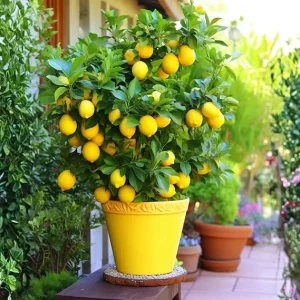
Lemon Tree Growing: Choose, Plant, and Harvest
Learn how to choose, plant, feed, and protect a lemon tree so it fits your
23
Sep
Sep
Dwarf Meyer Lemon Tree Australia: Climate Guide
Learn where dwarf Meyer lemon trees grow, how much cold they tolerate, and whether Australia,
Where to Buy a Dwarf Meyer Lemon Tree: Buyer’s Guide
Find the right dwarf Meyer lemon tree online or locally, compare starter sizes and costs,
Dwarf Meyer Lemon Tree for Sale: Buying Guide
Compare Meyer lemon tree sizes, prices, shipping limits, indoor growing and California options before you
Dwarf Meyer Lemon Tree Guide: Size, Care and Fruit
META: Learn how large a dwarf Meyer lemon tree grows, where it thrives, and how
How to Prune a Dwarf Meyer Lemon Tree
Learn when and how to prune a dwarf Meyer lemon tree, including tools, shaping cuts,
Can You Grow a Dwarf Meyer Lemon Tree in a Pot?
META: Learn how to grow a dwarf Meyer lemon tree in a pot, including container
When Do Dwarf Meyer Lemon Trees Bloom and Fruit?
META: Dwarf Meyer lemon trees usually bloom from winter through spring and may flower again