White Flowering Dogwood Tree Live Plant – Quart Pot, Outdoor Shrub
-50%
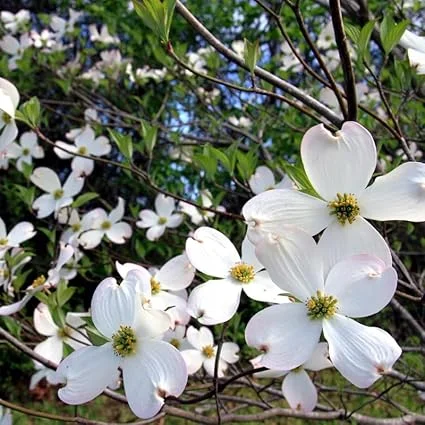

White Flowering Dogwood Tree Live Plant – Quart Pot, Outdoor Shrub
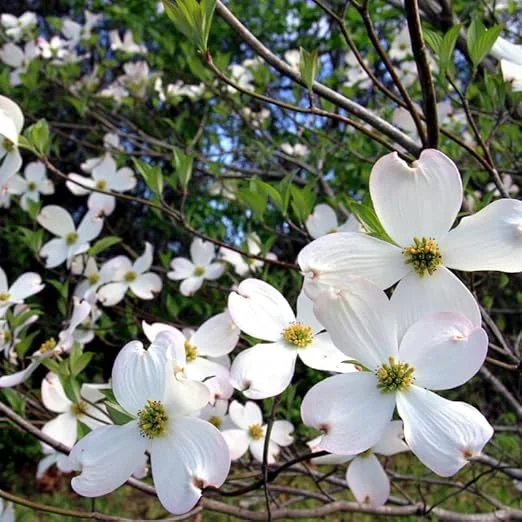
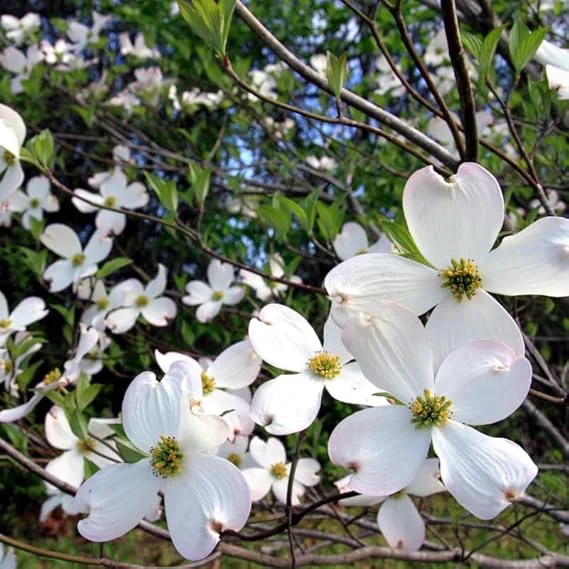
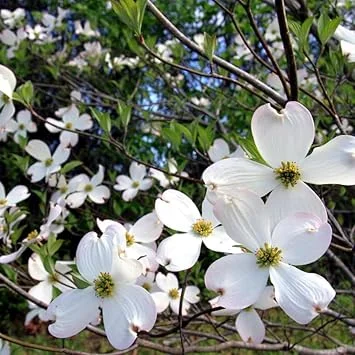
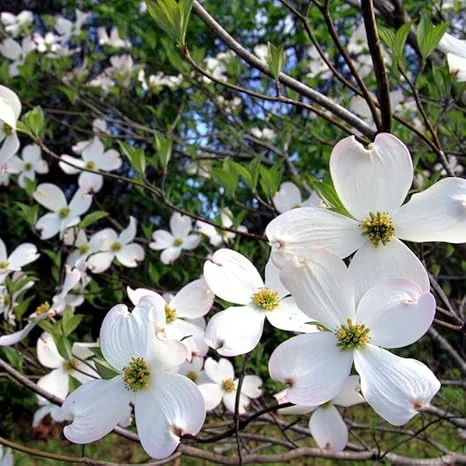
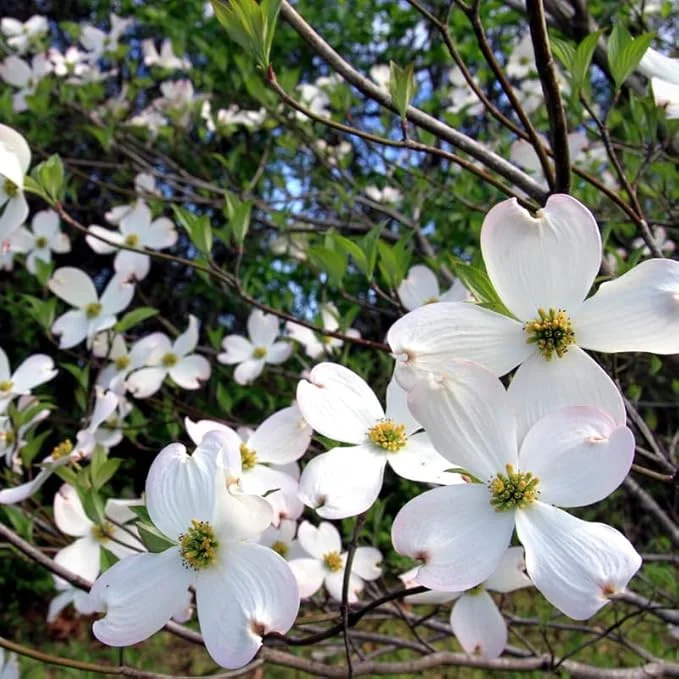
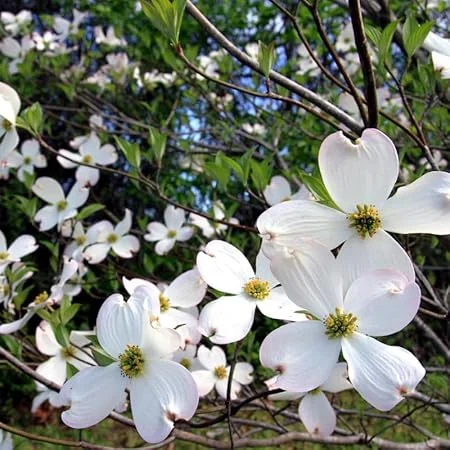
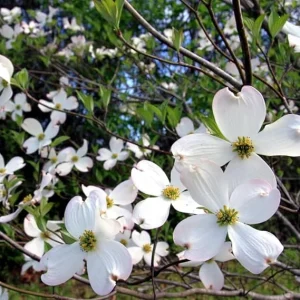
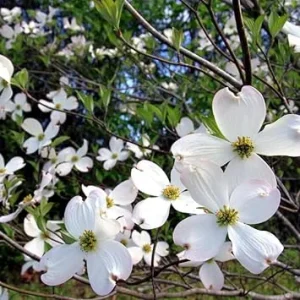
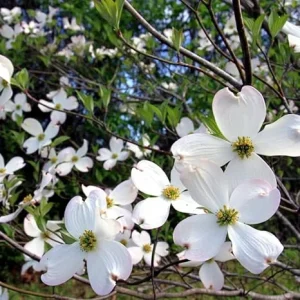
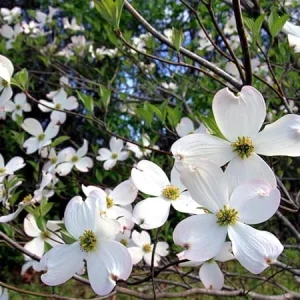
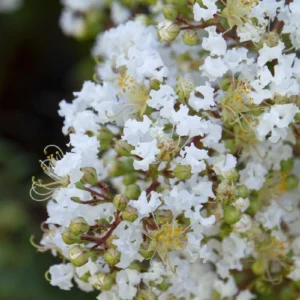
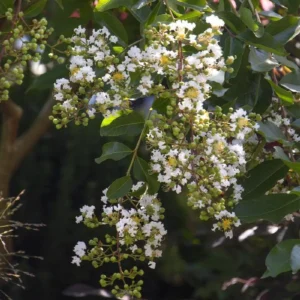
Bring classic beauty to your landscape with a white flowering dogwood tree. This live plant, provided in a quart pot, offers spectacular white blooms in spring, followed by lush green leaves. Perfect for adding seasonal interest and natural elegance to any garden.
Original price was: $39.98.$19.99Current price is: $19.99.

With our Alive & Thrive Guarantee, we’ve got your back for the first 30 days! If you have any concerns about your plants, just reach out to us. Our team is here to help answer your questions and guide you in selecting the best plants for your garden, climate, and unique preferences. We're excited to help you create the garden of your dreams!
Estimated arrival
Apr 13
Apr 18 - Apr 20
Apr 23 - Apr 27



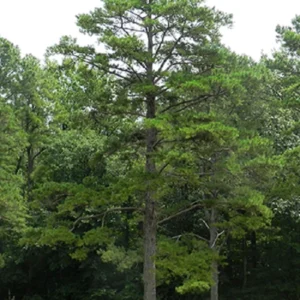
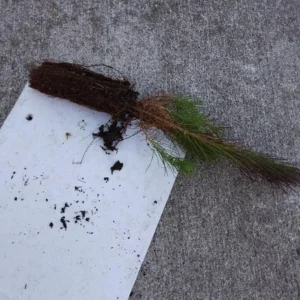
Product Details
-
USDA Hardiness Zone
USDA zones 5-9 -
Soil type
Well-draining, acidic to neutral soil -
Sunlight Exposure
Partial shade -
Expected Planting Period
Spring to early fall
Overview
Introduce timeless elegance to your outdoor space with a stunning white flowering dogwood tree. This magnificent live plant, cultivated for its breathtaking spring display, arrives in a convenient quart pot, ready for planting. Known for its distinctive white bracts that resemble delicate petals, the dogwood tree transforms your garden into a picturesque haven each spring. Beyond its initial charm, this tree provides continuous beauty with vibrant green foliage throughout the summer and develops an attractive form, making it a focal point in any landscape. The white flowering dogwood tree is a beloved choice for its ornamental value and relatively easy care, offering a rewarding experience for gardeners of all levels.
Key Benefits
The white flowering dogwood tree offers numerous advantages, making it a highly desirable addition to any garden or yard. Its seasonal appeal and ecological benefits truly set it apart.
- Spectacular Spring Blooms: Enjoy an abundance of showy white flowers that emerge in spring, creating a stunning visual impact and signaling the arrival of warmer weather. These blooms are a quintessential sign of spring’s beauty.
- Year-Round Interest: After the spring flowers, the tree develops lush green leaves that provide shade and beauty throughout the summer. In autumn, the foliage often turns to beautiful shades of red and purple, offering multi-seasonal appeal.
- Attracts Wildlife: The flowers and later the berries (though not explicitly mentioned in input, common for dogwood) serve as a food source for birds and pollinators, contributing to local biodiversity and creating a lively garden environment.
- Versatile Landscaping: Whether used as a specimen tree, an understory tree, or integrated into a mixed border, the white flowering dogwood tree fits beautifully into various garden designs, enhancing curb appeal and natural aesthetics.
- Moderate Growth and Size: This tree typically grows to a manageable size, making it suitable for both larger gardens and more compact spaces where a striking, yet not overwhelming, tree is desired.
- Cultural Significance: Dogwood trees hold a special place in many cultures and landscapes, often symbolizing rebirth and resilience, adding a layer of depth to your garden’s story.
Plant Care & Growing Tips
Proper care ensures your white flowering dogwood tree thrives and delivers its full beauty year after year. Understanding its specific needs for sunlight, water, and soil is crucial for successful growth. This section provides detailed guidance on dogwood tree care.
Sunlight Requirements: Dogwood trees prefer partial shade, especially in hotter climates, which protects their foliage from scorching afternoon sun. However, they can tolerate full sun if provided with consistent moisture. Aim for a location that receives morning sun and afternoon shade, or dappled sunlight throughout the day. This balance of light will encourage abundant flowering and healthy leaf development. When considering planting dogwood tree, choose a spot carefully to meet these light needs.
Watering and Soil: Regular watering is essential, especially during dry periods and for newly planted trees. The soil should be kept consistently moist but not waterlogged. Good drainage is key to prevent root rot. Dogwoods prefer well-draining, acidic to neutral soil (pH 5.5-7.0) that is rich in organic matter. Amending heavy clay soils with compost or peat moss can improve drainage and provide necessary nutrients. Mulching around the base of the tree helps retain soil moisture and regulate temperature.
Temperature and Hardiness: Dogwood trees are generally hardy and can withstand a range of temperatures. They are deciduous, meaning they will go dormant in winter, losing their leaves. This dormancy is a natural part of their life cycle and is crucial for their health. While dormant, they are less susceptible to cold damage. Protecting young trees from harsh winter winds can be beneficial. Fertilize in early spring with a balanced, slow-release fertilizer formulated for trees and shrubs, following package instructions. Pruning should be done after flowering to remove dead or diseased branches and maintain shape.
Size & Details
Your white flowering dogwood tree arrives as a healthy live plant in a quart pot, providing a robust start for its journey in your garden. At this stage, the plant is typically young, allowing it to establish well in its new environment. Dogwood trees are known for their moderate growth rate, eventually reaching heights of 15-25 feet with a similar spread, creating a beautiful canopy. The exact size will vary based on growing conditions and specific cultivar. This tree is ideal for creating a focal point in your yard or adding to a mixed border, contributing to beautiful dogwood tree landscaping. Expect to see significant growth and flowering within a few years of planting, with the most abundant blooms appearing once the tree is well-established.
Frequently Asked Questions
- Q: How big does this white flowering dogwood tree get? A: A: This white flowering dogwood tree typically grows to a mature height of 15-25 feet with a spread of 15-20 feet, though size can vary based on growing conditions and specific cultivar. It grows at a moderate rate, establishing itself beautifully in your garden over time.
- Q: Is this an indoor or outdoor plant? A: The white flowering dogwood tree is an outdoor plant, specifically a deciduous tree that requires a period of winter dormancy to thrive. It is best suited for garden planting rather than indoor cultivation.
- Q: How much sunlight does it need? A: Dogwood trees prefer partial shade, especially in areas with hot afternoon sun, but can tolerate full sun with adequate moisture. A spot with morning sun and afternoon shade is often ideal for optimal growth and flowering.
- Q: Is this plant easy to care for? A: Yes, with the right planting location and consistent care, the white flowering dogwood tree is considered relatively easy to care for. Key aspects include regular watering, especially when young, and well-draining soil.
- Q: What condition will it arrive in? A: Your dogwood tree will arrive as a healthy, live plant in a quart pot, carefully packaged to ensure its safe journey. It will be ready for immediate planting upon arrival.
- Q: When is the best time to plant a dogwood tree? A: The best time for planting dogwood tree is in early spring or early fall. This allows the tree to establish its root system before the stress of summer heat or winter cold.
- Q: Will it survive winter in my zone? A: Dogwood trees are quite hardy and are generally suitable for USDA Zones 5-9. They are deciduous and naturally go dormant in winter, which helps them survive colder temperatures.
- Q: Does this tree attract pollinators? A: Yes, the beautiful white flowers of the white flowering dogwood tree are attractive to various pollinators, including bees, contributing to the health of your garden ecosystem.
- Q: Can I use this tree for privacy screening? A: While it doesn’t offer dense year-round privacy, a row of dogwood trees can create a lovely seasonal screen or border, especially when its foliage is full during spring and summer. It’s a beautiful choice for dogwood tree landscaping.
- Q: How often should I water my new dogwood tree? A: For a newly planted dogwood tree, water regularly, 2-3 times per week, ensuring the soil remains consistently moist but not waterlogged. Reduce frequency as the tree matures and its root system develops.
Related products
-10%
Original price was: $36.99.$33.29Current price is: $33.29.

-50%

Original price was: $73.98.$36.99Current price is: $36.99.
PLANTING & CARE

Growing Glencoe Raspberry: A Complete Guide for Gardeners
If you’re looking to add something unique to your garden, look no further than the
31
Mar
Mar

The Comprehensive Guide to Growing Bay Leaf Plants for a Flavorful Garden
Imagine stepping into your garden, greeted by the earthy aroma of fresh bay leaves, their
09
Feb
Feb

How to Make Comfrey Tea: The Ultimate Organic Plant Food
Growing an organic garden can be surprisingly expensive, especially when most store-bought fertilizers come in
02
Feb
Feb

True Comfrey: 7 Essential Tips Before You Plant This Herb
A staple in permaculture practices across the US, True Comfrey easily earns its reputation as
27
Jan
Jan

7 Heart-Shaped Plants for a Lasting Valentine’s Gift
If you’ve ever bought a bouquet of roses for Valentine’s Day, you know they are
26
Jan
Jan

Best Types of Ivy Plant for Houses: How to Choose the Perfect Ones for Your Home
Are you a garden lover looking to introduce some greenery into your home? Maybe you’ve
14
Nov
Nov

When to Harvest Garlic (Especially Fall-Planted Garlic)
TIMING IS EVERYTHING, they say – and for garlic, that truth hits with surprising accuracy.
13
Nov
Nov

11 of the Best Sweet Potato Varieties to Grow for Your Garden
If you’ve ever tried growing sweet potatoes, you know that picking the right variety can
12
Nov
Nov