White Oakleaf Hydrangea Live Plant Bush Shrub 5-11 Inches Tall, White Blooms, Hardy
-50%
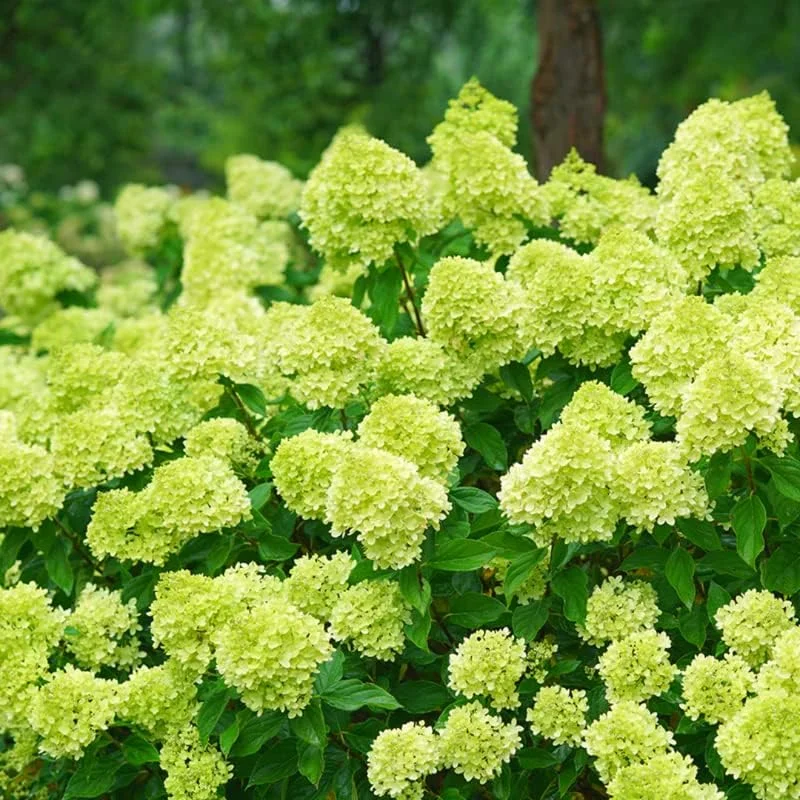

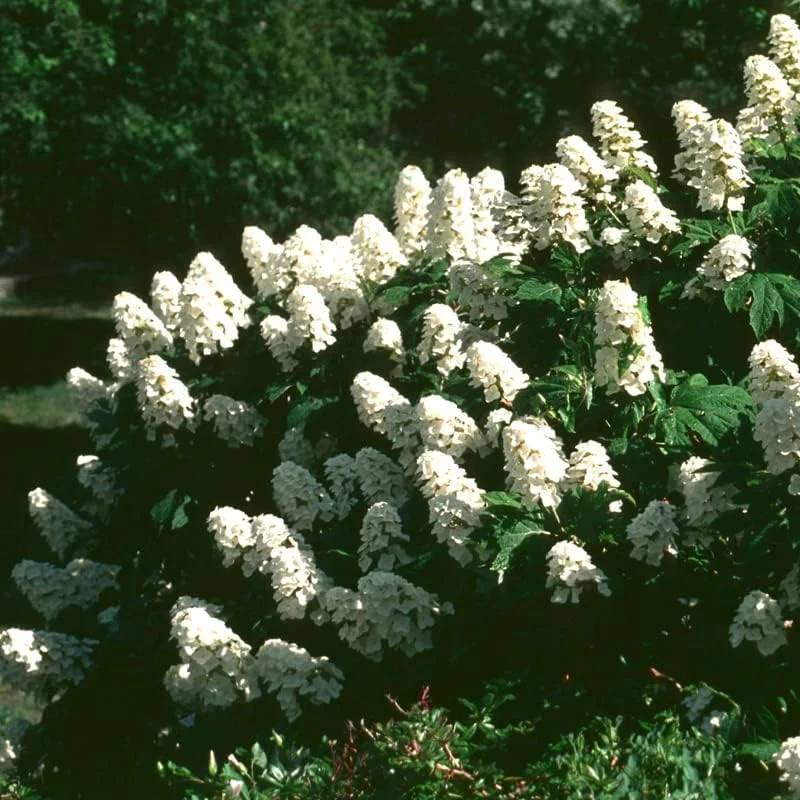
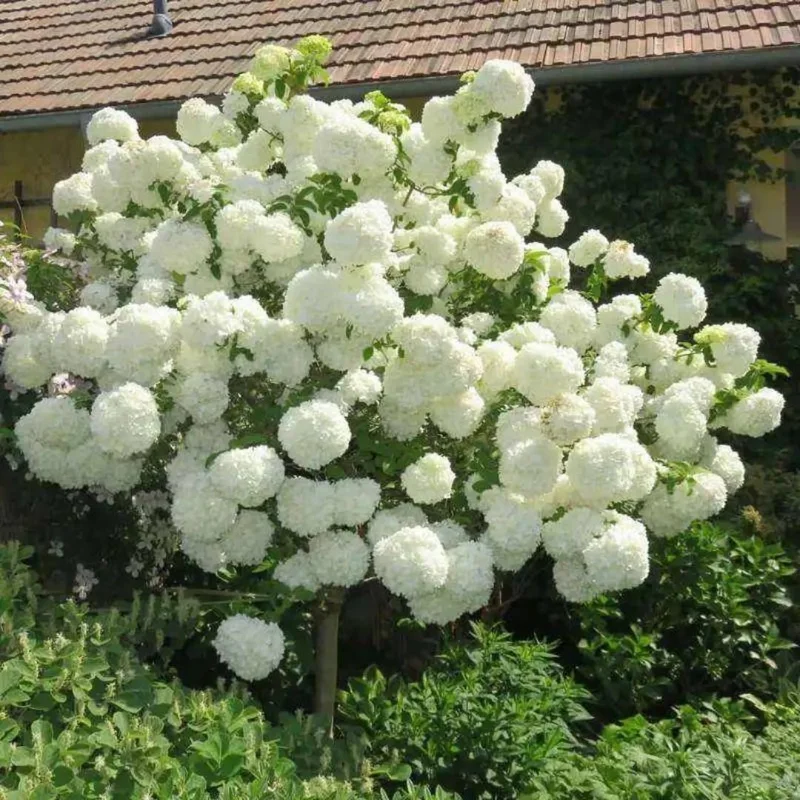
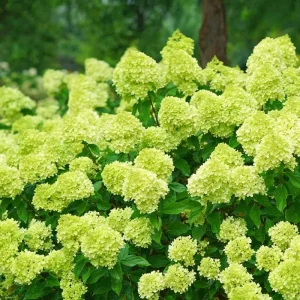
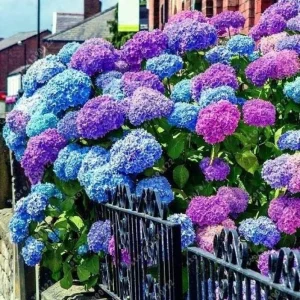
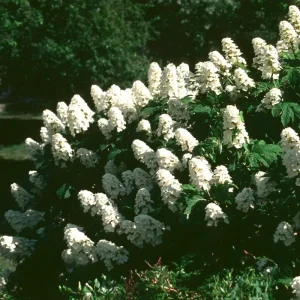
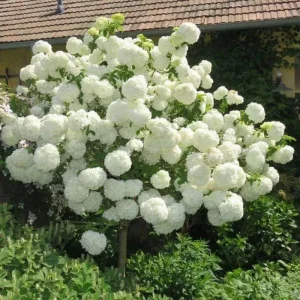
White Oakleaf Hydrangea Live Plant Bush Shrub 5-11 Inches Tall, White Blooms, Hardy
Add elegance to your outdoor space with this stunning white oakleaf hydrangea live plant. A hardy, easy-to-grow shrub featuring beautiful white oakleaf blooms. Perfect for gardens and landscaping, arriving 5 to 11 inches tall and ready to thrive.
Original price was: $39.98.$19.99Current price is: $19.99.

With our Alive & Thrive Guarantee, we’ve got your back for the first 30 days! If you have any concerns about your plants, just reach out to us. Our team is here to help answer your questions and guide you in selecting the best plants for your garden, climate, and unique preferences. We're excited to help you create the garden of your dreams!
Estimated arrival
Apr 12
Apr 17 - Apr 19
Apr 22 - Apr 26



Product Details
-
USDA Hardiness Zone
3-8 -
Soil type
Well-draining, rich in organic matter -
Sunlight Exposure
Full Sun, Partial Sun -
Expected Planting Period
Spring to Early Summer
Overview
Transform your garden into a captivating haven with the addition of a magnificent white oakleaf hydrangea live plant. This deciduous shrub is renowned for its distinctive oak-shaped leaves that turn rich shades of burgundy, red, or purple in the autumn, providing year-round interest. Beyond its striking foliage, it produces large, conical clusters of pure white flowers that bloom profusely, creating a dramatic visual impact. The ‘Oakleaf’ name refers to the deeply lobed leaves, which resemble those of an oak tree, setting it apart from other hydrangea varieties. As a robust and winter-hardy specimen, this live plant is an excellent choice for a variety of garden styles, from formal to naturalized landscapes. It’s an ideal shrub for adding structure, texture, and seasonal color to your outdoor living spaces, promising to be a focal point with its effortless beauty and enduring charm.
This white oakleaf hydrangea live plant is supplied as a well-rooted starter plant, typically measuring 5 to 11 inches tall, ready for immediate planting. Its vigorous growth habit ensures it will establish quickly in your garden, providing years of enjoyment. Known for its adaptability, it thrives in a range of conditions and is relatively low maintenance once established. Whether you’re a seasoned gardener or just starting, this plant offers a rewarding experience with its stunning blooms and attractive foliage.
Key Benefits
Embrace the numerous advantages of cultivating an oakleaf hydrangea care in your landscape. This versatile shrub offers more than just beauty; it provides lasting value and ecological benefits.
- Stunning Seasonal Display: Enjoy large, pure white, cone-shaped flowers that emerge in late spring to early summer, gradually fading to pink and then tan as they mature. The unique oak-shaped leaves provide exceptional fall color, transitioning to vibrant shades of red, burgundy, and purple, ensuring visual interest throughout most of the year.
- Exceptional Hardiness: This variety is celebrated for its impressive cold tolerance, making it a truly hardy hydrangea bush. It can withstand harsh winter conditions, thriving in USDA Zones 3-8, and reliably reblooming year after year, even after cold snaps.
- Low Maintenance Appeal: Once established, the oakleaf hydrangea requires minimal attention, making it perfect for busy gardeners. It’s naturally resistant to many common pests and diseases, reducing the need for chemical treatments and extensive care.
- Versatile Landscaping Plant: Its upright, mounding habit makes it suitable for various garden applications. Use it as a specimen plant, in mass plantings, as a foundation shrub, or to create a natural hedge. Its beautiful texture and form enhance any garden design.
- Attracts Pollinators: The abundant blooms provide a valuable nectar source for local pollinators, including bees and butterflies, contributing to the biodiversity and health of your garden ecosystem.
- Drought Tolerance: While it appreciates consistent moisture, mature white oakleaf hydrangea live plant specimens exhibit a good degree of drought tolerance, making them resilient in periods of drier weather.
- Architectural Interest: The exfoliating bark on mature stems adds another layer of visual appeal, particularly in winter when the leaves have fallen, offering unique texture and character to the dormant garden.
Plant Care & Growing Tips
Proper oakleaf hydrangea care is essential for ensuring your plant thrives and produces its spectacular blooms and foliage. This hardy shrub is relatively forgiving, but understanding its basic needs will lead to the best results. For optimal growth, provide a location with partial sun; this means 4-6 hours of direct sunlight, preferably in the morning, with some afternoon shade. While it can tolerate full sun in cooler climates, afternoon shade is crucial in warmer regions to prevent leaf scorch and maintain vibrant fall color. Too much shade can result in fewer flowers and leggy growth. The ideal soil for a white oakleaf hydrangea live plant is well-draining, rich in organic matter, and slightly acidic to neutral (pH 5.0-7.0). Heavy clay soils should be amended with compost or other organic materials to improve drainage and aeration. Ensure the planting site allows for good air circulation to prevent fungal issues.
Watering should be consistent, especially during the first year of establishment. Aim to keep the soil consistently moist but not waterlogged. Once established, the plant becomes more drought-tolerant, but deep watering during dry spells will promote healthier growth and better flowering. Fertilize in early spring with a balanced, slow-release granular fertilizer formulated for flowering shrubs. Avoid over-fertilizing, as this can lead to excessive foliage growth at the expense of flowers. Pruning is best done after flowering in late summer, if necessary, to remove spent blooms or shape the plant. Avoid heavy pruning in late winter or early spring, as this can remove flower buds that form on old wood. This winter hardy shrubs thrives in USDA Zones 3-8, making it suitable for a wide range of climates. Protection from harsh winter winds may be beneficial in the colder end of its hardiness range, especially for young plants.
Size & Details
This offering is for one white oakleaf hydrangea live plant, which arrives as a well-rooted starter plant, measuring approximately 5 to 11 inches in height from the base of the plant to the tip of its tallest stem. These dimensions can vary slightly depending on the individual plant’s growth habit and current stage. The plant is shipped in a nursery pot, ensuring its root system is intact and protected during transit, ready for transplanting into your garden or a larger container. The mature size of an oakleaf hydrangea can range from 4 to 8 feet tall and equally wide, depending on the specific cultivar and growing conditions, making it a substantial presence in the landscape. It has a moderate growth rate, typically adding 12 to 24 inches per year once established.
The prominent feature of this plant is its large, pure white, conical flower clusters, which can reach 6 to 12 inches in length. These blooms emerge in late spring to early summer and offer a long-lasting display. The foliage, resembling oak leaves, provides excellent texture and turns brilliant shades of red, burgundy, and purple in the fall, adding significant appeal. This is a dormant plant in winter, as is characteristic of deciduous shrubs, ensuring its resilience as a hardy hydrangea bush. Expect it to break dormancy and begin leafing out as temperatures warm in spring.
Frequently Asked Questions
- Q: How big does this white oakleaf hydrangea live plant get? A: A: This starter plant is 5-11 inches tall. Mature oakleaf hydrangeas typically grow to be 4-8 feet tall and equally wide, depending on growing conditions and specific variety.
- Q: Is this an indoor or outdoor plant? A: This is primarily an outdoor plant, well-suited for gardens and landscaping. It is a winter hardy shrubs that thrives in USDA Zones 3-8.
- Q: How much sunlight does it need? A: It prefers partial sun, meaning 4-6 hours of direct sunlight, ideally morning sun with afternoon shade, especially in warmer climates.
- Q: Is this plant easy to care for? A: Yes, once established, the oakleaf hydrangea is considered low-maintenance. It’s known for its hardiness and disease resistance, making oakleaf hydrangea care relatively simple.
- Q: What condition will it arrive in? A: Your white oakleaf hydrangea live plant will arrive as a well-rooted starter plant in a nursery pot, ready for planting. It may be dormant if ordered during cooler months.
- Q: When is the best time to plant? A: Spring or early fall are generally the best times to plant, allowing the plant to establish its root system before extreme temperatures.
- Q: Will it survive winter in my zone? A: Yes, this is a very hardy hydrangea bush, tolerant of cold temperatures and thriving in USDA Hardiness Zones 3-8. It is dormant in winter and will reliably return in spring.
- Q: What kind of soil does it prefer? A: It thrives in well-draining soil that is rich in organic matter, with a slightly acidic to neutral pH.
- Q: How often should I water it? A: Keep the soil consistently moist, especially during its first year. Once established, it becomes more drought-tolerant but will benefit from deep watering during dry periods.
- Q: Does it have white flowering shrubs? A: Yes, this variety produces beautiful, large, conical clusters of pure white flowers that are a highlight of its bloom season.
| Color | Blue To Pink Shades, Green Hydrangea, White Hydrangea, White Oakleaf Hydrangea |
|---|
Related products
-10%
Original price was: $23.99.$21.59Current price is: $21.59.
-50%

Original price was: $133.98.$66.99Current price is: $66.99.

-76%
Original price was: $103.96.$24.99Current price is: $24.99.
-50%
Original price was: $49.98.$24.99Current price is: $24.99.
PLANTING & CARE

Growing Glencoe Raspberry: A Complete Guide for Gardeners
If you’re looking to add something unique to your garden, look no further than the
31
Mar
Mar

The Comprehensive Guide to Growing Bay Leaf Plants for a Flavorful Garden
Imagine stepping into your garden, greeted by the earthy aroma of fresh bay leaves, their
09
Feb
Feb

How to Make Comfrey Tea: The Ultimate Organic Plant Food
Growing an organic garden can be surprisingly expensive, especially when most store-bought fertilizers come in
02
Feb
Feb

True Comfrey: 7 Essential Tips Before You Plant This Herb
A staple in permaculture practices across the US, True Comfrey easily earns its reputation as
27
Jan
Jan

7 Heart-Shaped Plants for a Lasting Valentine’s Gift
If you’ve ever bought a bouquet of roses for Valentine’s Day, you know they are
26
Jan
Jan

Best Types of Ivy Plant for Houses: How to Choose the Perfect Ones for Your Home
Are you a garden lover looking to introduce some greenery into your home? Maybe you’ve
14
Nov
Nov

When to Harvest Garlic (Especially Fall-Planted Garlic)
TIMING IS EVERYTHING, they say – and for garlic, that truth hits with surprising accuracy.
13
Nov
Nov

11 of the Best Sweet Potato Varieties to Grow for Your Garden
If you’ve ever tried growing sweet potatoes, you know that picking the right variety can
12
Nov
Nov