
Successful lemon tree growing starts with matching the variety and plant size to your climate, available light, and growing space, then keeping water, soil, feeding, and seasonal protection consistent. Meyer lemons suit containers especially well, but every lemon tree needs strong light and protection from frost.
Choose the right lemon tree for your space
Start with the growing conditions you can provide rather than the fruit name alone. A container-grown tree is easier to move indoors, while a larger nursery tree gives you a more established plant from the beginning. Your intended use matters too: some gardeners want a compact patio plant, while others have room for a permanent outdoor citrus tree.
Meyer lemon is a popular choice for home growers because its fruit is milder and sweeter than common lemons, with a thin skin and aromatic zest. The plant produces fragrant white flowers and can be grown indoors or outdoors in a container. It still needs strong light and frost protection, so a sunny window, patio, or movable growing area is more suitable than a dim indoor corner.
The planned guide Meyer, Eureka, Lisbon: Lemon Trees Compared can help you compare those varieties by fruit type, climate, and intended use. Do not treat Meyer as interchangeable with every lemon variety; plant size, flavor, cold exposure, and outdoor suitability can differ.
What should you know before you grow a lemon tree?
A lemon tree is a long-term container or landscape plant, not a crop that performs well in poor light or irregular care. Give it at least 6–8 hours of direct sunlight, use well-draining soil, and water thoroughly while allowing excess water to drain away. Protect the plant from frost, particularly if it is growing in a pot.
- Light: Choose a bright south-facing outdoor location or the brightest available indoor window. A grow light can help during short winter days.
- Water: Keep the soil moist but never waterlogged. For a young potted plant, water when the top 1–2 inches of soil feel dry, then let excess water drain.
- Soil: Use a well-draining growing medium and a container with drainage holes. Heavy, poorly drained soil increases the risk of root problems.
- Temperature: Move container plants indoors before frost threatens. Outdoor growing is best suited to climates that provide suitable warmth and winter protection.
- Fruit: Flowering and fruit production depend on plant maturity, light, water, nutrition, and growing conditions. A small starter plant may need time before it produces a useful crop.
Two Meyer lemon plants for different starting points
These two nursery-grown options serve different budgets and patience levels. The larger plant costs more but gives you a more established starting point. The smaller starter plant takes less space and costs less, but its listed size means you should plan for a longer establishment period before expecting substantial fruit.
Dwarf Meyer Lemon Tree Live Plant – 2-3 Feet Tall in 2 Gallon Pot – Indoor/Outdoor Citrus – No Ship CA
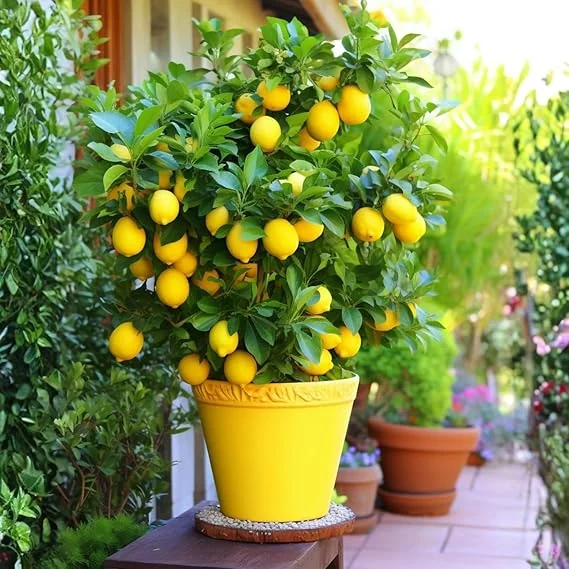
Dwarf Meyer Lemon Tree Live Plant – 2-3 Feet Tall in 2 Gallon Pot – Indoor/Outdoor Citrus – No Ship CA is the more established option for a gardener who wants a compact container tree with a visible structure from the start. It arrives in a 2-gallon nursery pot at approximately 2–3 feet tall and is intended for indoor or outdoor container growing.
The plant suits patios, balconies, and bright indoor spaces where you can move it away from frost. Its Meyer lemons are described as sweet and aromatic, with fragrant blooms that may appear alongside developing fruit. The listed sale price is $115.99, reduced from a regular price of $231.98; prices can change. The listing is marked in stock and states that it does not ship to California.
- Form: Live Meyer lemon tree in a 2-gallon nursery pot
- Approximate size: 2–3 feet tall
- Growing use: Indoor or outdoor container gardening
- Light: 6–8 hours of direct sun
- Soil: Moist, well-drained soil
- Season: Year-round growing with frost protection
Meyer Lemon Tree Live Plant – Starter Citrus Fruit 4" Pot, 1-2" Tall
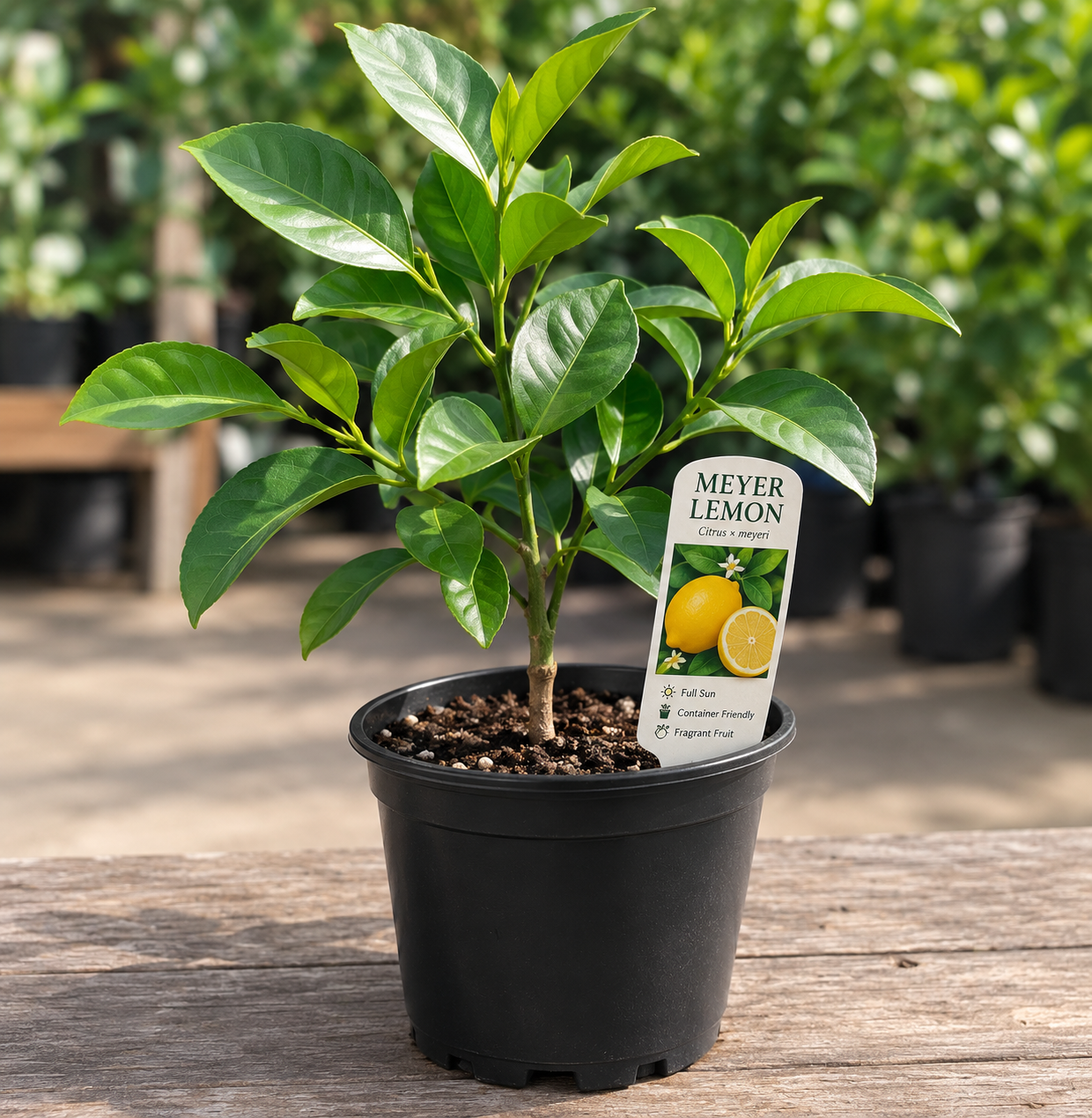
Meyer Lemon Tree Live Plant – Starter Citrus Fruit 4" Pot, 1-2" Tall is a smaller entry point for gardeners who want to watch a young citrus plant develop. It comes in a 4-inch pot and is suited to sunny windowsills, patios, or indoor protection during winter.
This starter form requires the same basic conditions as a larger tree: direct sunlight, well-draining soil, and careful watering. The listed price is $35.99, reduced from $71.98; prices can change. Because it is sold as a starter plant, choose it for the lower initial cost and the growing process rather than for immediate harvest.
- Form: Live rooted Meyer lemon tree in a nursery pot
- Pot: 4-inch pot
- Growing use: Indoor or outdoor container growing
- Light: 6–8 hours of direct sun
- Water: Water when the top 1–2 inches of soil feel dry
- Season: Outdoor growth from spring to fall, indoors during winter
Planting and early establishment
Keep a newly purchased tree in its nursery container until you have a suitable location and container ready. Choose a pot with drainage holes and avoid placing the tree directly into a decorative container that holds standing water. If the root system is crowded, move up only to a somewhat larger container rather than making a major jump in pot size.
Set the tree at the same depth it was growing in its original pot. Fill around the root ball with well-draining medium, water thoroughly, and place it in bright light. For the first weeks, watch the soil closely because a small pot can dry faster than a larger one, while an oversized pot may stay wet for too long.
For a step-by-step procedure, use the planned article Planting and Repotting a Lemon Tree if it becomes available. The buying guide Lemon Tree Buying Guide: Dwarf Forms and Sizes is the better resource for choosing pot size and plant form before purchase.
Ongoing care from spring through winter
Feed a container lemon tree with a citrus fertilizer according to the product label and the plant’s growth stage. Avoid compensating for weak light with extra fertilizer; that often produces soft, leggy growth rather than better fruiting. Prune lightly to remove damaged, crowded, or poorly placed growth, and avoid removing large amounts of healthy wood at once.
During active growth, check soil moisture more often, especially in warm weather or while the plant is carrying flowers or fruit. Reduce watering somewhat during cooler, darker periods, but do not allow the root ball to remain completely dry for extended periods. Rotate an indoor plant periodically so growth stays more even.
Before the first hard frost, move a container tree indoors or into a protected area. Indoors, provide the strongest available light and watch for leaf drop, dry soil, or pests. The existing article Dwarf Meyer Lemon Tree: Care and Planting Seasons covers Meyer-specific routine care in greater detail.
Propagation, flowering, and common problems
Growing from seed is possible as a gardening project, but a seed-grown lemon tree may not reproduce the exact traits of the parent plant and can take longer to fruit. A nursery-grown tree gives you a more predictable starting point. For the full process, see the planned article Grow a Lemon Tree From Seed.
Few flowers or dropped fruit usually point to a mismatch in light, water, nutrition, temperature, or plant maturity rather than a single universal cause. Inspect the leaves, soil moisture, drainage, and recent changes in location before taking action. Yellowing leaves can follow excess moisture, while leaf drop may follow sudden environmental change or insufficient light.
The planned article Lemon Tree Fertilizer and Flowering Problems should handle diagnosis and feeding decisions in greater depth. Avoid increasing fertilizer simply because the tree is not flowering; correct light and root-zone conditions first.
Where a lemon tree fits best
Use a compact Meyer lemon tree as a patio specimen, balcony plant, or bright indoor citrus. Its fragrant flowers and colorful fruit add interest near a sitting area, provided fallen fruit and watering needs do not create a maintenance problem. Keep containers where they can be moved without damaging the plant.
In warmer climates, a lemon tree may be grown outdoors in a sunny, well-drained location. In colder climates, container culture gives you more control because the plant can be moved before frost. A hot wall can increase stress and sunscald risk, while a shaded porch will usually provide too little light for reliable flowering and fruit development.
Buying decision: established tree or starter plant?
Choose the 2-gallon, 2–3-foot Meyer lemon tree if you want a more developed plant and have room for a larger container immediately. Choose the 4-inch starter if lower upfront cost and watching the plant mature matter more than near-term size. Both require direct sun, drainage, regular moisture checks, and frost protection.
Before ordering, verify the plant’s listed size, shipping eligibility, pot dimensions, and seasonal protection needs. A lemon tree is a good purchase only if you can provide the light and winter plan it requires; the right variety cannot compensate for a dark room or waterlogged container.
Frequently asked questions
Can you grow a Meyer lemon tree indoors?
Yes, provided it receives at least 6–8 hours of direct sunlight or suitable supplemental light. Keep the soil moist but well drained, and rotate the plant periodically for more even growth.
How long does it take a lemon tree to produce fruit?
Timing varies with plant age, growing conditions, and care. A larger nursery tree may be closer to flowering than a small starter, but no harvest schedule is guaranteed by pot size alone.
What is the difference between a lemon tree and a citrus Meyer lemon tree?
“Lemon tree” is a broad description. Citrus x meyeri, commonly called Meyer lemon, is a specific type associated with milder, sweeter fruit and compact container growing.
