10 False Solomon Seal Bareroot Bulbs – Woodland Garden Perennial, White Flowers, Zones 3-9
-10%
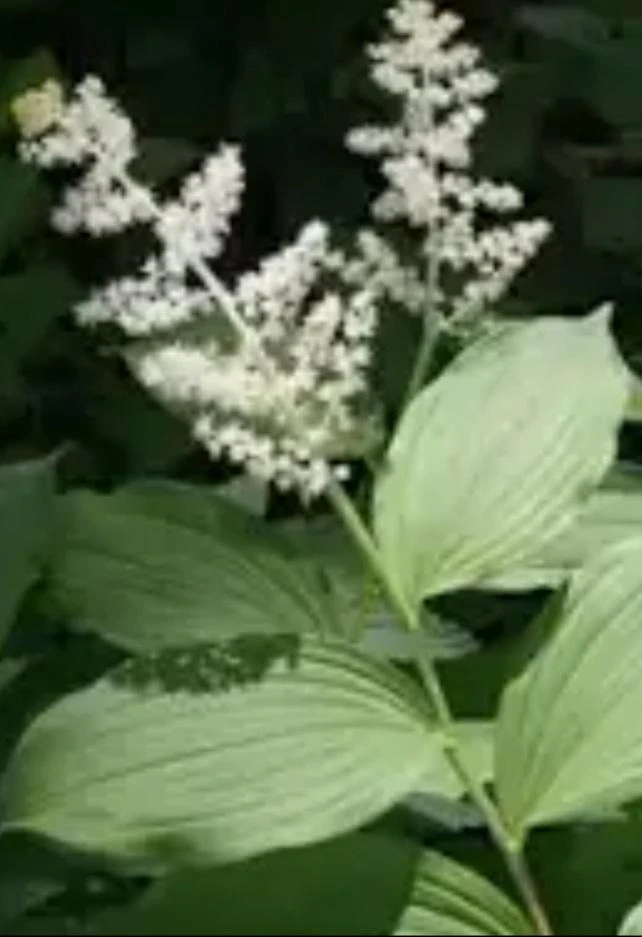
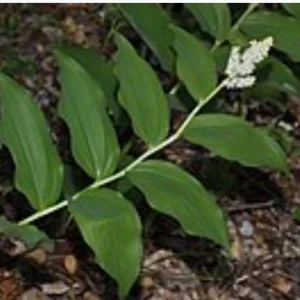
10 False Solomon Seal Bareroot Bulbs – Woodland Garden Perennial, White Flowers, Zones 3-9
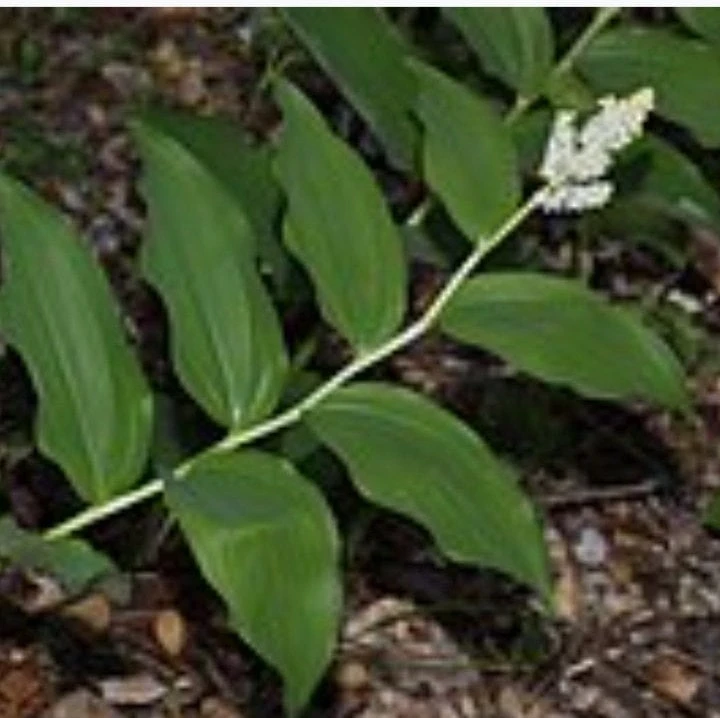
Discover the beauty of false solomon seal bareroot bulbs for your shady landscape. This arching perennial produces delicate white flowers and attractive ruby red berries, adding elegance to any woodland garden plants collection. Ideal for zones 3-9, these bareroots establish easily in moist, rich soil.
Original price was: $50.00.$45.00Current price is: $45.00.

With our Alive & Thrive Guarantee, we’ve got your back for the first 30 days! If you have any concerns about your plants, just reach out to us. Our team is here to help answer your questions and guide you in selecting the best plants for your garden, climate, and unique preferences. We're excited to help you create the garden of your dreams!
Estimated arrival
Oct 14
Oct 19 - Oct 21
Oct 24 - Oct 28


Product Details
-
USDA Hardiness Zone
3-9 -
Soil type
Rich, moist, well-draining soil -
Sunlight Exposure
Partial to full shade -
Expected Planting Period
Early spring or fall
Overview
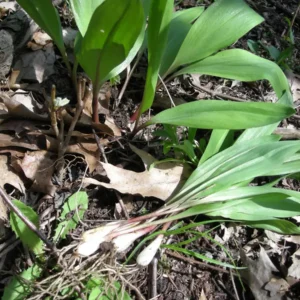
Introduce timeless elegance to your shaded garden spaces with false solomon seal bareroot bulbs. Each purchase provides 10 robust root systems of this captivating perennial, known botanically as Maianthemum racemosum, formerly Smilacina racemosa or Polygonatum biflorum. This graceful plant, often referred to as Solomon’s Plume or Feathered False Solomon’s Seal, is a true asset to any woodland or naturalized setting. Its arching stems, adorned with lush green foliage, create a soft, inviting texture in areas where other plants might struggle. These bareroot bulbs are an excellent choice for gardeners seeking a low-maintenance yet highly rewarding addition to their landscape, promising a display of delicate white flowers followed by vibrant berries.
The false solomon seal plant is renowned for its resilience and ability to thrive in dappled light conditions, making it a perfect understory plant. Once established, it forms attractive clumps, providing continuous interest from spring through fall. The unique growth habit and seasonal changes contribute significantly to biodiversity, attracting pollinators and offering visual appeal with its changing berry colors. Planting these bareroots allows for a natural spread over time, creating a serene and established feel in your garden.
Key Benefits
Integrating false solomon seal bareroot into your garden offers numerous advantages, enhancing both aesthetic appeal and ecological value:
- Exceptional Shade Tolerance: Thrives in partial to full shade, making it an ideal choice for challenging areas beneath trees or along north-facing walls where many other plants fail to flourish. This makes it a versatile option for various garden designs.
- Unique Arching Form: The distinctive arching stems, reaching 1-3 feet tall, provide an elegant, architectural element to the garden, creating layers and visual interest in shaded borders and naturalistic plantings.
- Delicate White Blooms: Produces terminal clusters of small, fragrant white flowers from April to June, adding a touch of brightness and attracting beneficial pollinators to your garden space.
- Attractive Berries: Following the flowers, the plant develops small berries that transition from green to yellowish-white with madder brown speckles, finally maturing into a striking dull ruby red. These berries offer extended seasonal interest and food for local wildlife.
- Low Maintenance Perennial: Once established, the false solomon seal plant requires minimal care, making it perfect for busy gardeners. It’s a robust perennial that returns year after year with increasing vigor.
- Natural Ground Cover: When planted in masses, it can effectively serve as a beautiful and lush ground cover, suppressing weeds and creating a cohesive look in woodland garden plants schemes.
- Suitable for Diverse Climates: Hardy in USDA Zones 3-9, demonstrating adaptability to a wide range of temperate climates, ensuring successful growth across many regions.
Plant Care & Growing Tips
Successful growing false solomon seal begins with proper site selection and planting. These bareroot bulbs prefer a location with partial to full shade. While they can tolerate some morning sun, intense afternoon sun should be avoided, as it can scorch the foliage. Dappled light, such as that found under deciduous trees, is ideal. Ensure the soil is rich in organic matter, consistently moist, and well-draining. Before planting, amend heavy clay or sandy soils with compost to improve structure and nutrient retention. Dig a hole wide enough to accommodate the root system comfortably and plant the bareroot with the growth buds just below the soil surface.
Watering is crucial for the establishment of your false solomon seal bareroot. Keep the soil consistently moist, especially during the first growing season. Once established, the plant is relatively drought-tolerant but will perform best with regular moisture, particularly during dry spells. Avoid waterlogging, as this can lead to root rot. Fertilization is generally not heavily required in rich, organic soils; however, a light application of a balanced, slow-release granular fertilizer in early spring can promote vigorous growth. A layer of organic mulch, such as shredded leaves or wood chips, will help retain soil moisture, regulate soil temperature, and add nutrients as it breaks down.
This resilient perennial is generally pest and disease resistant. While deer typically avoid it, rabbits may occasionally nibble on young shoots. No significant pruning is usually necessary, though spent flower stalks can be removed for aesthetic purposes, or left to allow berries to develop. The plant spreads slowly by rhizomes, forming attractive clumps. If you wish to propagate, division can be done in early spring or fall. Remember that patience is key when growing false solomon seal from bareroots; it may take until the following spring for significant top growth to emerge. The hardiness of polygonatum biflorum in zones 3-9 makes it a reliable choice for many gardeners.
Size & Details
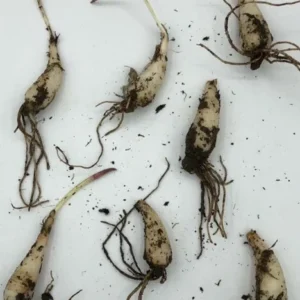
This offering includes 10 False Solomon Seal bareroot bulbs, ready for planting. Each bareroot consists of a healthy root system, ensuring a strong start in your garden. At maturity, the false solomon seal plant typically reaches a height of 1 to 3 feet, with an arching spread that can be equally as wide, creating a graceful presence in the landscape. These plants are shipped as dormant bareroots, which allows for easy handling and successful establishment. While initial top growth may be modest in the first year, expect robust development in subsequent seasons.
The plant grows from a horizontal rhizome, allowing it to gently colonize suitable areas. The small, white flowers appear in terminal clusters during April to June, followed by berries that mature to a dull ruby red. For mass plantings, spacing plants about 12 inches apart is recommended, either in groups of 5-11 or scattered clumps of 1-3 plants for a more natural woodland effect. This perennial is a long-lived addition to the garden, providing beauty for many years. It is particularly well-suited for adding texture and interest to the understory of trees and shrubs, especially when paired with other woodland garden plants.
Frequently Asked Questions
- Q: How big does false solomon seal plant get? A: This perennial typically grows to an arching height of 1 to 3 feet at maturity, with a similar spread as it forms clumps from its rhizomatous root system.
- Q: When is the best time to plant false solomon seal bareroot bulbs? A: Bareroot bulbs are best planted in early spring or fall when the soil is workable. This allows them to establish their root systems before extreme temperatures.
- Q: How much sun does polygonatum biflorum need? A: It thrives in partial to full shade. While it can tolerate some morning sun, it prefers locations with dappled light or full shade, especially in hotter climates.
- Q: Is this plant easy to care for? A: Yes, once established, false solomon seal plant is a relatively low-maintenance perennial. It requires consistent moisture during establishment but becomes quite resilient.
- Q: What kind of soil does it prefer? A: It prefers rich, moist, and well-draining soil with a good amount of organic matter. Amending with compost is highly beneficial for optimal growth.
- Q: Will these bareroots flower in the first year? A: It’s possible, but often growing false solomon seal from bareroots may not produce flowers until the second spring after planting, as the plant focuses on root establishment.
- Q: Is false solomon seal plant deer resistant? A: While no plant is entirely deer-proof, False Solomon’s Seal is generally considered deer resistant and is not a preferred food source for them.
- Q: Can I grow this plant in a container? A: While primarily a garden plant, it can be grown in large containers given adequate drainage, consistent moisture, and appropriate shade conditions. Ensure the container is large enough to accommodate its spreading rhizomes.
- Q: What USDA zones are suitable for false solomon seal bareroot? A: False Solomon’s Seal is hardy in USDA Zones 3 through 9, making it suitable for a wide range of climates across the United States.
- Q: How do I incorporate this into a woodland garden plants scheme? A: Plant in masses or scattered clumps beneath deciduous trees, alongside ferns, hostas, and other shade-loving perennials to create a natural and cohesive woodland aesthetic.
Related products
-50%
Original price was: $59.00.$29.50Current price is: $29.50.
-50%
Original price was: $87.96.$43.98Current price is: $43.98.
-50%
Original price was: $121.98.$60.99Current price is: $60.99.
-20%
Original price was: $174.00.$139.20Current price is: $139.20.
-20%
From Original price was: $22.00.$17.60Current price is: $17.60.
-50%
Original price was: $87.96.$43.98Current price is: $43.98.
PLANTING & CARE
Lemon Tree Growing: Choose, Plant, and Harvest
Learn how to choose, plant, feed, and protect a lemon tree so it fits your
23
Sep
Sep
Dwarf Meyer Lemon Tree Australia: Climate Guide
Learn where dwarf Meyer lemon trees grow, how much cold they tolerate, and whether Australia,
Where to Buy a Dwarf Meyer Lemon Tree: Buyer’s Guide
Find the right dwarf Meyer lemon tree online or locally, compare starter sizes and costs,
Dwarf Meyer Lemon Tree for Sale: Buying Guide
Compare Meyer lemon tree sizes, prices, shipping limits, indoor growing and California options before you
Dwarf Meyer Lemon Tree Guide: Size, Care and Fruit
META: Learn how large a dwarf Meyer lemon tree grows, where it thrives, and how
How to Prune a Dwarf Meyer Lemon Tree
Learn when and how to prune a dwarf Meyer lemon tree, including tools, shaping cuts,
Can You Grow a Dwarf Meyer Lemon Tree in a Pot?
META: Learn how to grow a dwarf Meyer lemon tree in a pot, including container
When Do Dwarf Meyer Lemon Trees Bloom and Fruit?
META: Dwarf Meyer lemon trees usually bloom from winter through spring and may flower again