10 Red Lobelia Bare Root Plants – Vibrant Cardinal Flower Perennials
-50%
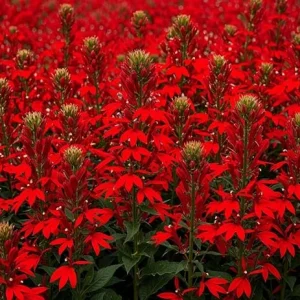
10 Red Lobelia Bare Root Plants – Vibrant Cardinal Flower Perennials
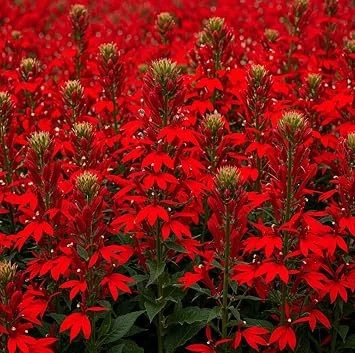
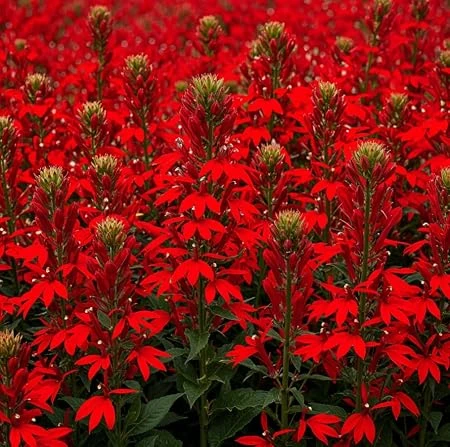
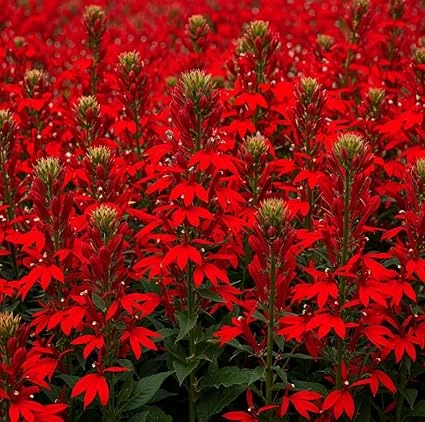
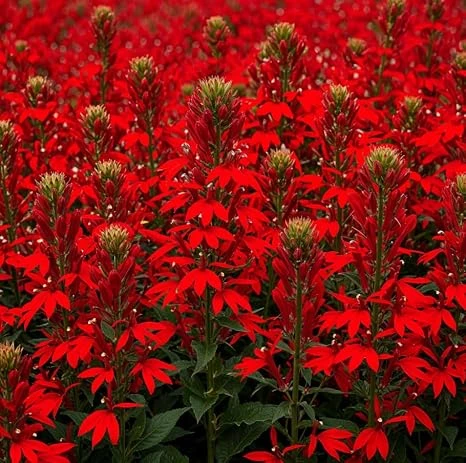
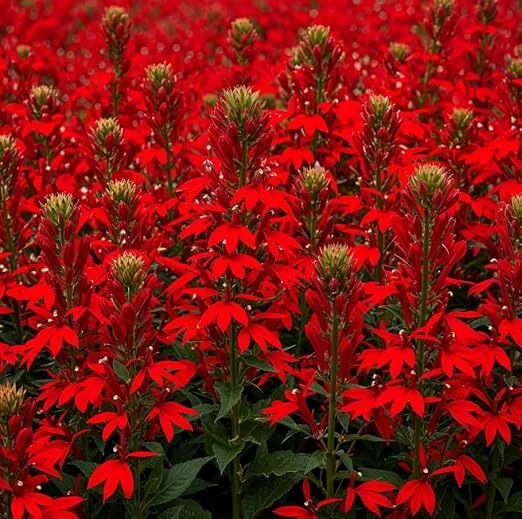
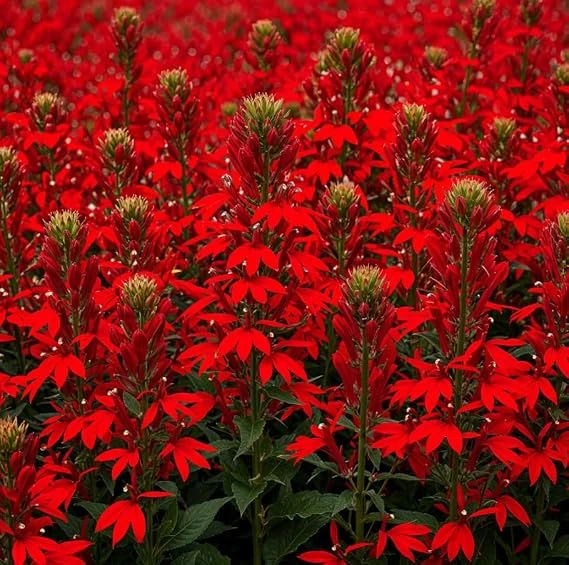
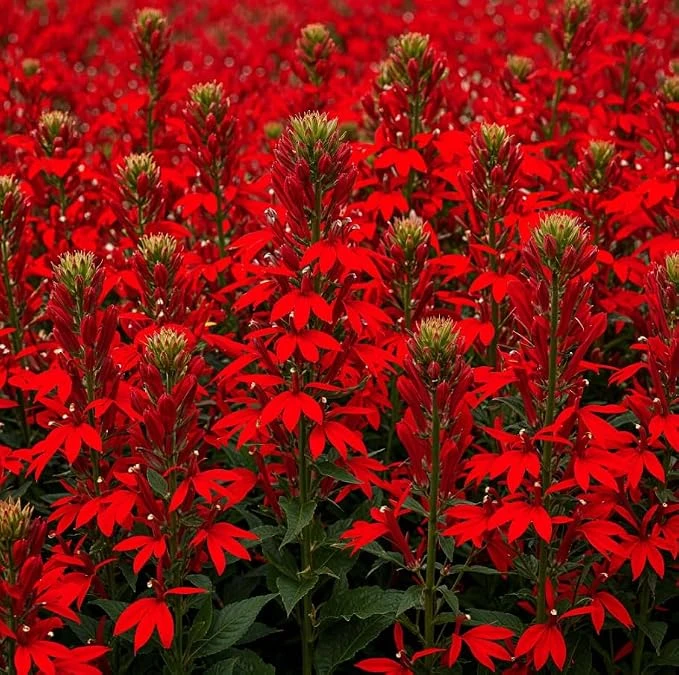
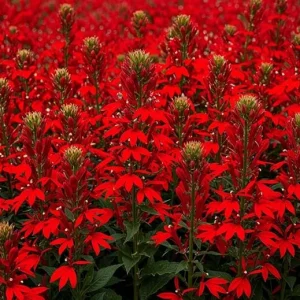
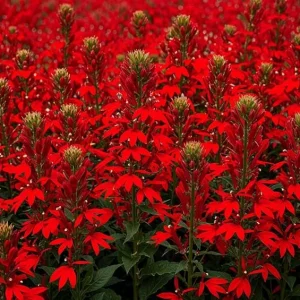
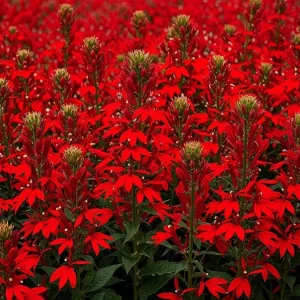
Introduce stunning color to your landscape with this pack of 10 Red Lobelia bare roots. Also known as Cardinal Flower plants, these hardy perennials are ready to establish quickly, producing vibrant scarlet-red flower spikes that attract pollinators. Ideal for moist garden spots and naturalized areas.
Original price was: $59.98.$29.99Current price is: $29.99.

With our Alive & Thrive Guarantee, we’ve got your back for the first 30 days! If you have any concerns about your plants, just reach out to us. Our team is here to help answer your questions and guide you in selecting the best plants for your garden, climate, and unique preferences. We're excited to help you create the garden of your dreams!
Estimated arrival
Nov 03
Nov 08 - Nov 10
Nov 13 - Nov 17


Product Details
-
USDA Hardiness Zone
USDA Zones 3-9 -
Soil type
Moist, fertile, well-draining soil -
Sunlight Exposure
Full sun to partial shade -
Expected Planting Period
Spring to early fall
Overview
Transform your garden with the breathtaking beauty of Red Lobelia bare roots. This pack includes 10 dormant bare root systems of Lobelia cardinalis, commonly known as Cardinal Flower plants, renowned for their spectacular scarlet-red blooms. These hardy perennials are shipped without soil or pots, ensuring they are ready for immediate planting and quick establishment in your garden. Perfect for adding a dramatic splash of color, these vibrant flowers are a favorite among hummingbirds and butterflies, bringing your outdoor space to life. The ease of planting and robust nature of these bare roots make them an excellent choice for both experienced gardeners and those new to cultivating native plants.
Lobelia cardinalis thrives in conditions that mimic its natural habitat, preferring consistently moist soil. Its striking vertical flower spikes emerge in late summer and early autumn, providing a crucial nectar source during a time when many other plants are fading. Whether you’re designing a rain garden, enhancing a pond edge, or simply looking to naturalize a moist border, these vibrant red flowers will create an unforgettable display. With minimal care, these bare roots will grow into mature plants, offering years of enjoyment and ecological benefit.
Key Benefits
Opting for Red Lobelia bare roots brings a multitude of advantages to your garden and local ecosystem. These plants are not only visually stunning but also contribute significantly to biodiversity.
- Spectacular Scarlet Blooms: The primary draw of these plants is their brilliant, intense scarlet-red flowers that form tall, striking spikes. These vibrant red flowers are unparalleled in their ability to capture attention and create a dramatic focal point in any garden setting.
- Attracts Pollinators:Cardinal Flower plants are a magnet for hummingbirds, butterflies, and other beneficial pollinators. Planting these bare roots helps support local wildlife populations, making your garden a haven for nature.
- Ideal for Moist Areas: Unlike many garden plants, Lobelia cardinalis thrives in consistently moist to wet soil conditions. This makes it an excellent choice for rain gardens, boggy areas, pond edges, and other challenging damp spots where other plants might struggle.
- Hardy Perennial: These bare roots grow into robust perennial plants that return year after year, offering reliable beauty with minimal effort once established. They are a long-term investment in your garden’s aesthetic and ecological health.
- Versatile Landscape Use: Suitable for a variety of garden styles, from formal borders to wild, naturalized landscapes. Their upright growth habit adds vertical interest, complementing a wide range of companion plants.
- Easy to Establish: Shipped dormant, these perennial bare root plants are ready to establish quickly once planted in appropriate conditions, minimizing transplant shock and accelerating growth.
- Low Maintenance: Once established, Lobelia cardinalis requires relatively little ongoing care beyond ensuring consistent moisture, making it a rewarding plant for busy gardeners.
Plant Care & Growing Tips
Caring for your Red Lobelia bare roots is straightforward, especially when you understand their specific needs. These plants prefer conditions that mimic their natural wetland habitats. For successful growth, choose a location that receives full sun to partial shade. In hotter climates, partial shade, especially during the afternoon, can help prevent the soil from drying out too quickly and protect the foliage from scorching. Aim for at least 4-6 hours of direct sunlight daily for optimal flowering.
Watering is crucial for these Cardinal Flower plants. They demand consistently moist, fertile, and well-drained soil. Never allow the soil to dry out completely, particularly during their active growing season. If planting in containers, ensure they have drainage holes but consider placing them in a saucer of water if the climate is very dry. For in-ground planting, amend heavy clay soils with compost to improve drainage while retaining moisture, or incorporate organic matter into sandy soils to enhance water retention. A neutral to slightly acidic soil pH (6.0-7.0) is ideal for Lobelia cardinalis.
These perennial bare root plants are generally hardy in USDA zones 3-9. In colder zones, apply a layer of mulch in late fall to protect the root systems through winter. Fertilization can be done annually in spring with a balanced, slow-release granular fertilizer, or liquid feed every 4-6 weeks during the growing season. Deadheading spent flower spikes can encourage a tidier appearance, though it may not significantly prolong blooming. Watch out for slugs and snails, which can sometimes target new growth; organic slug baits or hand-picking can help manage these pests. With proper care, your Red Lobelia bare roots will flourish, providing a stunning display of vibrant red flowers year after year.
Size & Details
This offering includes 10 Red Lobelia bare roots, ready for planting upon arrival. Each bare root system is dormant, ensuring optimal health and reduced transplant shock when introduced to your garden. Once established, Cardinal Flower plants typically grow to a height of 2-4 feet (60-120 cm) with a spread of 1-2 feet (30-60 cm), creating an impressive vertical accent in your landscape. The growth rate is moderate, with plants generally reaching their mature size within 1-2 seasons after planting.
The roots are shipped without soil or pots, making them lightweight and easy to handle. They are harvested at their peak dormancy to ensure vitality. Expect to see foliage emerge in spring, followed by the dramatic scarlet flower spikes in late summer to early fall. These perennial bare root plants are known for their strong root systems, allowing them to establish quickly and reliably in suitable conditions. The bare root form is an economical and effective way to introduce a significant quantity of these beautiful vibrant red flowers to your garden or naturalized area.
Frequently Asked Questions
- Q: How big do these Red Lobelia bare roots get when mature? A: When fully grown, Red Lobelia bare roots typically develop into plants that reach 2-4 feet (60-120 cm) in height and spread about 1-2 feet (30-60 cm) wide. Their upright growth habit makes them excellent for adding vertical interest.
- Q: Are these Cardinal Flower plants suitable for indoor growing? A: While primarily an outdoor plant, Cardinal Flower plants can sometimes be grown indoors in very specific conditions, but they generally require significant light and consistent moisture that is hard to replicate inside. They thrive best in outdoor garden settings.
- Q: How much sunlight do these perennial bare root plants need? A: Red Lobelia bare roots perform best in full sun to partial shade. In areas with intense summer heat, partial afternoon shade is beneficial to prevent leaf scorch and help maintain soil moisture.
- Q: What condition will the bare roots arrive in? A: Your Red Lobelia bare roots will arrive dormant, without soil or pots. They will look like a bundle of roots and are ready to be planted directly into your garden. This dormant state helps them adapt quickly to their new environment.
- Q: When is the best time to plant these vibrant red flowers? A: The ideal time to plant Red Lobelia bare roots is in spring or early fall. Planting in spring allows them to establish a strong root system before summer heat, while fall planting gives them time to settle before winter dormancy.
- Q: Is this plant easy to care for, especially for beginners? A: Yes, Cardinal Flower plants are relatively easy to care for, especially if their moisture needs are met. They are a good choice for beginners looking for striking vibrant red flowers that return reliably each year.
- Q: Will these Lobelia cardinalis plants survive winter in my zone? A: Lobelia cardinalis is hardy in USDA Zones 3-9. In colder zones, applying a thick layer of mulch in late fall will provide extra protection to the root systems, helping them overwinter successfully.
- Q: What type of soil do these Red Lobelia bare roots prefer? A: They prefer consistently moist, fertile, and well-drained soil. Amending the planting area with compost or other organic matter will improve both moisture retention and drainage, creating an ideal environment for your Red Lobelia bare roots.
- Q: Do these plants attract hummingbirds? A: Absolutely! Cardinal Flower plants are renowned for their ability to attract hummingbirds, whose long beaks are perfectly suited for reaching the nectar deep within the tube-shaped flowers. They are a fantastic addition for wildlife enthusiasts.
- Q: How long until these perennial bare root plants start to bloom? A: After planting in spring, you can generally expect your Red Lobelia bare roots to produce foliage throughout the summer, with blooms appearing in late summer to early fall of the first year. Established plants will bloom reliably every year.
Related products

-30%
Original price was: $63.98.$44.78Current price is: $44.78.
-81%
Original price was: $71.97.$13.59Current price is: $13.59.
-83%
Original price was: $44.97.$7.74Current price is: $7.74.
-67%
Original price was: $66.72.$22.24Current price is: $22.24.
-67%
Original price was: $41.97.$13.99Current price is: $13.99.
-30%

Original price was: $63.98.$44.78Current price is: $44.78.

PLANTING & CARE
Lemon Tree Growing: Choose, Plant, and Harvest
Learn how to choose, plant, feed, and protect a lemon tree so it fits your
23
Sep
Sep
Dwarf Meyer Lemon Tree Australia: Climate Guide
Learn where dwarf Meyer lemon trees grow, how much cold they tolerate, and whether Australia,
Where to Buy a Dwarf Meyer Lemon Tree: Buyer’s Guide
Find the right dwarf Meyer lemon tree online or locally, compare starter sizes and costs,
Dwarf Meyer Lemon Tree for Sale: Buying Guide
Compare Meyer lemon tree sizes, prices, shipping limits, indoor growing and California options before you
Dwarf Meyer Lemon Tree Guide: Size, Care and Fruit
META: Learn how large a dwarf Meyer lemon tree grows, where it thrives, and how
How to Prune a Dwarf Meyer Lemon Tree
Learn when and how to prune a dwarf Meyer lemon tree, including tools, shaping cuts,
Can You Grow a Dwarf Meyer Lemon Tree in a Pot?
META: Learn how to grow a dwarf Meyer lemon tree in a pot, including container
When Do Dwarf Meyer Lemon Trees Bloom and Fruit?
META: Dwarf Meyer lemon trees usually bloom from winter through spring and may flower again