2 Live Magnolia Trees Random Variety – 6-12 Inch Tall Plants – 2.5″ Pot – Outdoor Flowering Shrub
-50%
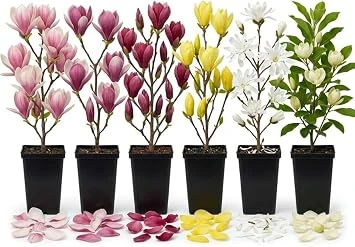
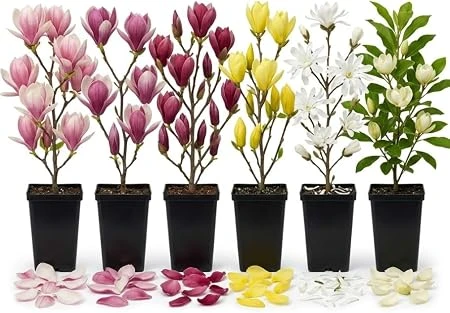
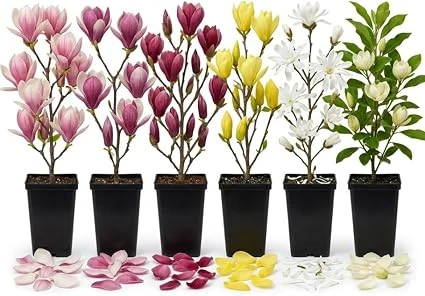
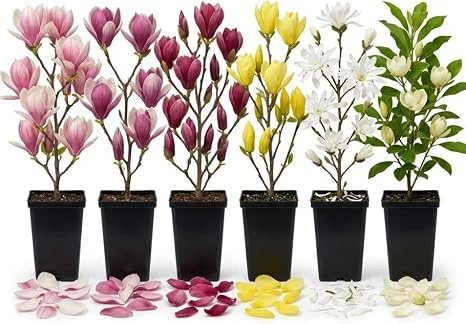
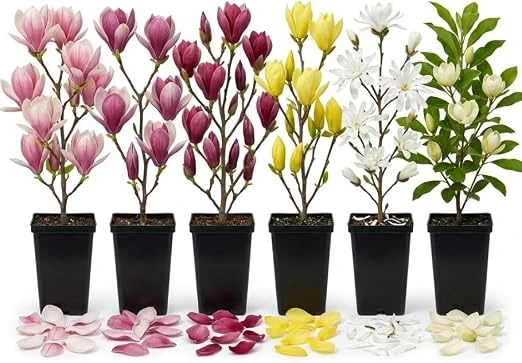
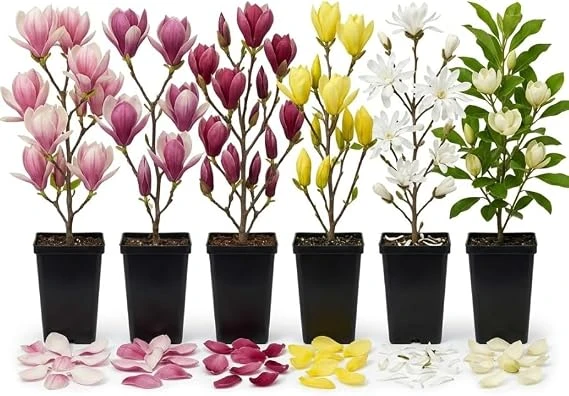
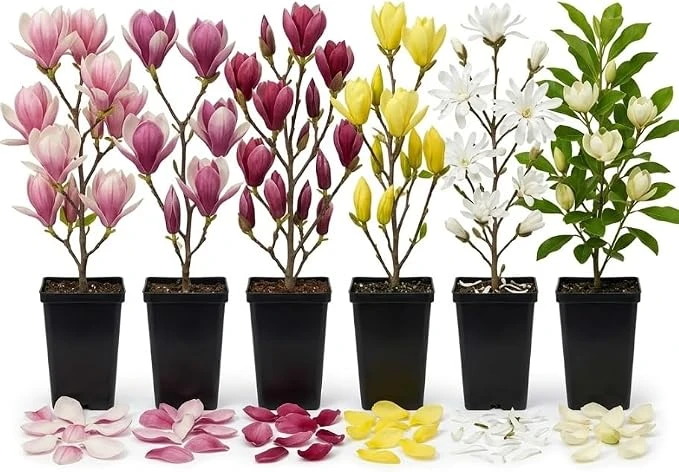
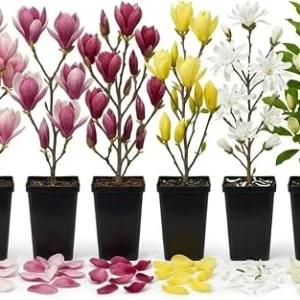
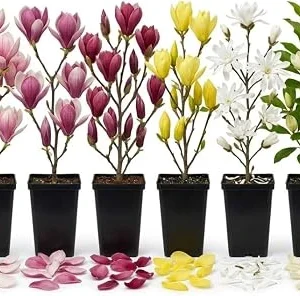
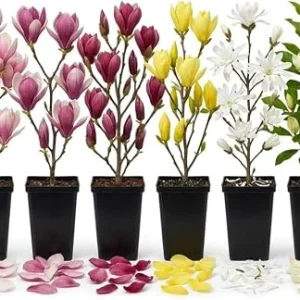
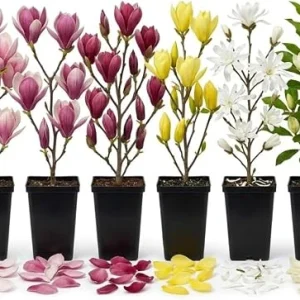
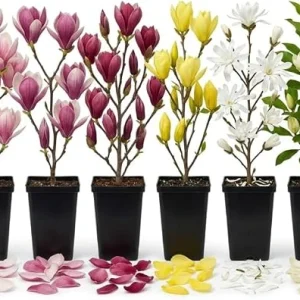
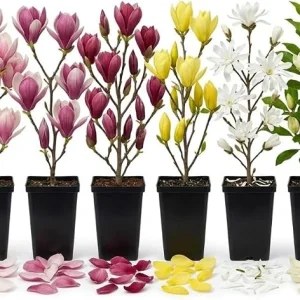
2 Live Magnolia Trees Random Variety – 6-12 Inch Tall Plants – 2.5″ Pot – Outdoor Flowering Shrub
Enhance your landscape with a duo of live magnolia trees. These 6-12 inch tall starter plants arrive in 2.5″ pots, ready to grow into magnificent flowering trees or shrubs. Perfect for adding vibrant blooms to your outdoor space.
Original price was: $53.54.$26.77Current price is: $26.77.

With our Alive & Thrive Guarantee, we’ve got your back for the first 30 days! If you have any concerns about your plants, just reach out to us. Our team is here to help answer your questions and guide you in selecting the best plants for your garden, climate, and unique preferences. We're excited to help you create the garden of your dreams!
Estimated arrival
Nov 03
Nov 08 - Nov 10
Nov 13 - Nov 17
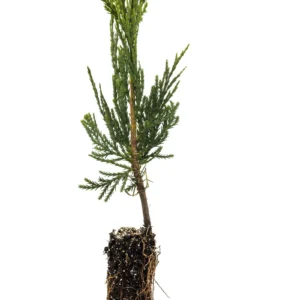
Product Details
-
USDA Hardiness Zone
USDA zones 4-9 (varies by specific variety) -
Soil type
Fertile, well-draining soil -
Sunlight Exposure
Full sun to partial shade -
Expected Planting Period
Spring to early summer
Overview
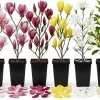
Transform your garden with a stunning pair of live magnolia trees. This offering includes two actively growing starter plants, each standing 6-12 inches tall and cultivated in a 2.5-inch nursery pot. You will receive a random selection from popular and resilient varieties such as Saucer Magnolia (Soulangeana), Jane Magnolia, Ann Magnolia, Yellow Bird Magnolia, Star Magnolia, or Sweetbay Magnolia. While specific varieties cannot be guaranteed, this curated collection ensures you’ll receive robust, healthy plants ready to establish themselves in your landscape. These young magnolia plants are shipped without blooms, allowing them to focus their energy on root development and growth upon arrival. With proper care, they will mature into breathtaking flowering specimens, offering a spectacular display of color and fragrance in your outdoor living areas. Whether you envision them as elegant shrubs or majestic trees, these magnolias promise to be a showstopping focal point, bringing timeless beauty and charm to your home.
Magnolias are renowned for their magnificent, often fragrant flowers and striking presence. They are versatile plants that can be grown as a multi-stemmed shrub or expertly trained into a single-trunk tree, adapting beautifully to various garden designs and spaces. Each plant is a young starter, ensuring it is well-prepared for transplanting into your garden bed or a larger decorative container. The careful selection of hardy varieties means these plants are well-suited for a range of climates, promising successful establishment and long-term enjoyment. Embrace the opportunity to cultivate these iconic flowering plants and watch them flourish, adding significant aesthetic value and natural grandeur to your property. This duo provides an excellent foundation for creating a vibrant and enduring garden display.
Key Benefits
Cultivating these live magnolia trees offers numerous advantages, from their stunning visual appeal to their adaptability in the landscape. These plants are more than just additions; they are investments in the beauty and vitality of your outdoor environment.
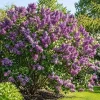
- Spectacular Floral Displays: Enjoy a breathtaking array of large, often fragrant flowers in shades of white, cream, yellow, pink, purple, or rosy pink, depending on the variety received. These vibrant blooms create a dramatic visual impact during their flowering season.
- Versatile Landscape Use: Magnolias can be grown as elegant shrubs for dense foliage and abundant blooms, or trained into majestic trees to provide shade and a strong vertical element in your garden design. This flexibility makes them suitable for various garden sizes and styles.
- Hardy and Resilient Growth: Selected from robust varieties, these outdoor magnolia plants are known for their hardiness and ability to thrive in a range of conditions, ensuring they establish well and provide lasting beauty with proper care.
- Enhances Curb Appeal: The distinctive beauty and grandeur of mature magnolia trees significantly elevate the aesthetic appeal and perceived value of your property, making them a wise choice for any homeowner.
- Attracts Pollinators: The showy flowers of magnolia trees can attract beneficial pollinators like bees and butterflies, contributing to a healthy and vibrant ecosystem in your garden.
- Long-Lived Beauty: With appropriate planting and ongoing care, these magnolia trees can become long-standing features in your landscape, offering many years of seasonal beauty and enjoyment.
- Easy to Establish: Shipped as young, actively growing starter plants in 2.5-inch pots, they are perfectly sized and ready for immediate transplanting, making the establishment process straightforward for gardeners of all experience levels.
Plant Care & Growing Tips
Caring for your live magnolia trees is a rewarding experience that ensures they grow into magnificent specimens. These plants thrive with consistent attention to their specific needs, particularly concerning sunlight, water, and soil conditions. Magnolias generally prefer a location that receives full sun to partial shade, meaning at least 4-6 hours of direct sunlight daily is ideal. In hotter climates, some afternoon shade can protect their delicate blooms and foliage from scorching. When choosing a planting site, consider the mature size of the magnolia to ensure it has ample space to grow without overcrowding. Proper site selection is crucial for the long-term health and vigor of your flowering magnolia shrub or tree.
Watering is critical, especially during the establishment phase and dry spells. Young magnolias require consistent moisture; the soil should be kept evenly moist but never waterlogged. Deep watering encourages deep root growth, which is essential for drought tolerance as the plant matures. Once established, many magnolia varieties demonstrate good drought resistance, but supplemental watering during prolonged dry periods is always beneficial. For optimal growth, magnolias prefer fertile, well-drained soil with a slightly acidic to neutral pH. Incorporating organic matter, such as compost, into the planting hole can improve soil structure and nutrient availability. A layer of mulch around the base of the plant helps retain soil moisture, regulate soil temperature, and suppress weeds. Fertilize in early spring with a balanced, slow-release fertilizer formulated for trees and shrubs, following package instructions. Pruning is typically minimal, focusing on removing dead, damaged, or crossing branches to maintain a healthy structure and attractive shape. Protect young plants from extreme winter conditions in colder zones, and be mindful of common pests or diseases, addressing them promptly to maintain plant health. Understanding these care requirements will help your magnolia plant care routine be effective and lead to a flourishing garden.
Size & Details
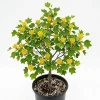
This offering includes two individual live magnolia trees, each carefully cultivated and shipped as a young starter plant. Upon arrival, each plant will stand approximately 6-12 inches tall, measured from the soil line to the top of the foliage. They are actively growing in a 2.5-inch nursery pot, a perfect size for transplanting directly into your garden or a larger container. These are immature plants, meaning they are shipped without blooms, allowing their energy to be directed towards root establishment and vegetative growth. While the specific variety you receive will be a random selection from popular types like Saucer, Jane, Ann, Yellow Bird, Star, or Sweetbay Magnolia, all varieties are chosen for their hardiness and beautiful flowering potential. Duplicate varieties may be included based on current availability. The growth rate of magnolias varies by variety and growing conditions, but with proper care, you can expect steady development towards maturity, with flowers typically appearing after a few years once the plant has become well-established in its new environment.
The ultimate size and spread of your magnolia will depend on the specific variety and how it is pruned. Many can reach heights of 15-30 feet or more when mature, with a similar spread, while others may remain more compact. As a young starter plant, it will need time to establish its root system and grow. It’s important to provide adequate space for its mature size when planting to ensure healthy development. The 2.5-inch pot size is ideal for safe shipping and easy handling, allowing you to seamlessly transition the plant into its permanent home. These plants are robust and ready to thrive, bringing the promise of future magnificent blooms to your garden.
Frequently Asked Questions
- Q: How big do these live magnolia trees get? A: These are young starter plants, 6-12 inches tall upon arrival. Mature size varies significantly by variety, often reaching 15-30 feet tall and wide, depending on if it’s grown as a tree or shrub and pruning.
- Q: What size pot do the magnolia plants come in? A: Each live magnolia tree arrives growing in a 2.5-inch nursery pot, which is an ideal size for a starter plant ready for transplanting.
- Q: Is this an indoor or outdoor plant? A: Magnolias are outdoor plants. They are best suited for planting in garden beds or large outdoor containers where they can receive adequate sunlight and space to grow.
- Q: How much sunlight does a magnolia plant need? A: Magnolias thrive in full sun to partial shade, ideally receiving at least 4-6 hours of direct sunlight per day. In very hot climates, partial afternoon shade can be beneficial.
- Q: Is this plant easy to care for? Is it good for beginners? A: With proper planting and consistent attention to watering and soil, magnolias can be relatively easy to care for. They are suitable for beginners who are willing to learn basic magnolia plant care.
- Q: What condition will the plants arrive in? A: Your live magnolia trees will arrive as young, actively growing starter plants in their 2.5-inch pots, carefully packaged to ensure their health during transit. They will not have blooms upon arrival.
- Q: Are these plants shipped in soil? A: Yes, each plant is shipped actively growing in its 2.5-inch nursery pot with soil, ensuring it is ready for transplanting upon arrival.
- Q: How long until these magnolias bloom? A: As young starter plants, they will typically flower after becoming established, usually within a few years, with proper care and during the appropriate growing season for the specific variety.
- Q: When is the best time to plant these magnolia trees? A: Spring to early summer is generally the best time to plant magnolias, allowing them ample time to establish their root systems before extreme weather conditions.
- Q: Will these outdoor magnolia plants survive winter in my zone? A: The varieties included are hardy, but specific winter survival depends on your USDA hardiness zone and the particular variety received. Most magnolias prefer zones 4-9. Protection may be needed in colder zones for young plants.
- Q: What type of soil do magnolias prefer? A: Magnolias prefer fertile, well-drained soil with a slightly acidic to neutral pH. Good drainage is crucial to prevent root rot.
Related products
-42%
Original price was: $56.99.$33.29Current price is: $33.29.
-50%
Original price was: $180.99.$89.89Current price is: $89.89.
-36%
Original price was: $279.98.$179.98Current price is: $179.98.
PLANTING & CARE
Lemon Tree Growing: Choose, Plant, and Harvest
Learn how to choose, plant, feed, and protect a lemon tree so it fits your
23
Sep
Sep
Dwarf Meyer Lemon Tree Australia: Climate Guide
Learn where dwarf Meyer lemon trees grow, how much cold they tolerate, and whether Australia,
Where to Buy a Dwarf Meyer Lemon Tree: Buyer’s Guide
Find the right dwarf Meyer lemon tree online or locally, compare starter sizes and costs,
Dwarf Meyer Lemon Tree for Sale: Buying Guide
Compare Meyer lemon tree sizes, prices, shipping limits, indoor growing and California options before you
Dwarf Meyer Lemon Tree Guide: Size, Care and Fruit
META: Learn how large a dwarf Meyer lemon tree grows, where it thrives, and how
How to Prune a Dwarf Meyer Lemon Tree
Learn when and how to prune a dwarf Meyer lemon tree, including tools, shaping cuts,
Can You Grow a Dwarf Meyer Lemon Tree in a Pot?
META: Learn how to grow a dwarf Meyer lemon tree in a pot, including container
When Do Dwarf Meyer Lemon Trees Bloom and Fruit?
META: Dwarf Meyer lemon trees usually bloom from winter through spring and may flower again