2 Sunrise Maiden Grass Live Plants, Miscanthus Sinensis, 5-8 Inch Tall Outdoor
-50%
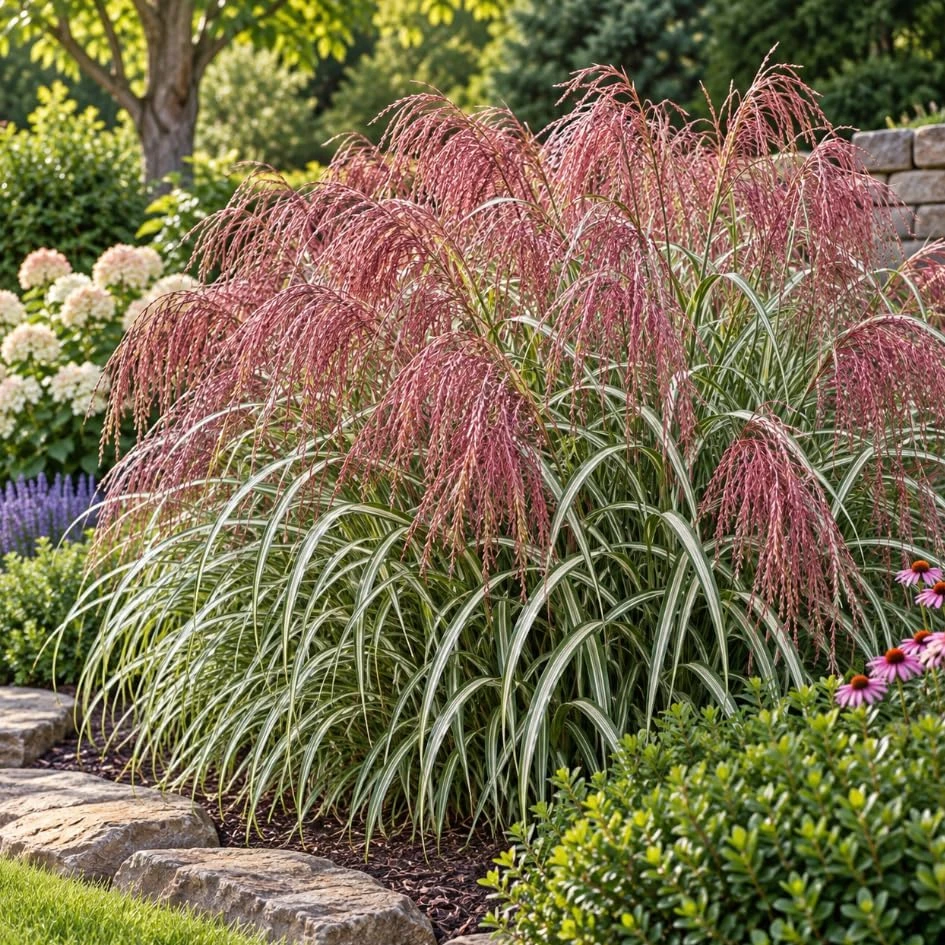
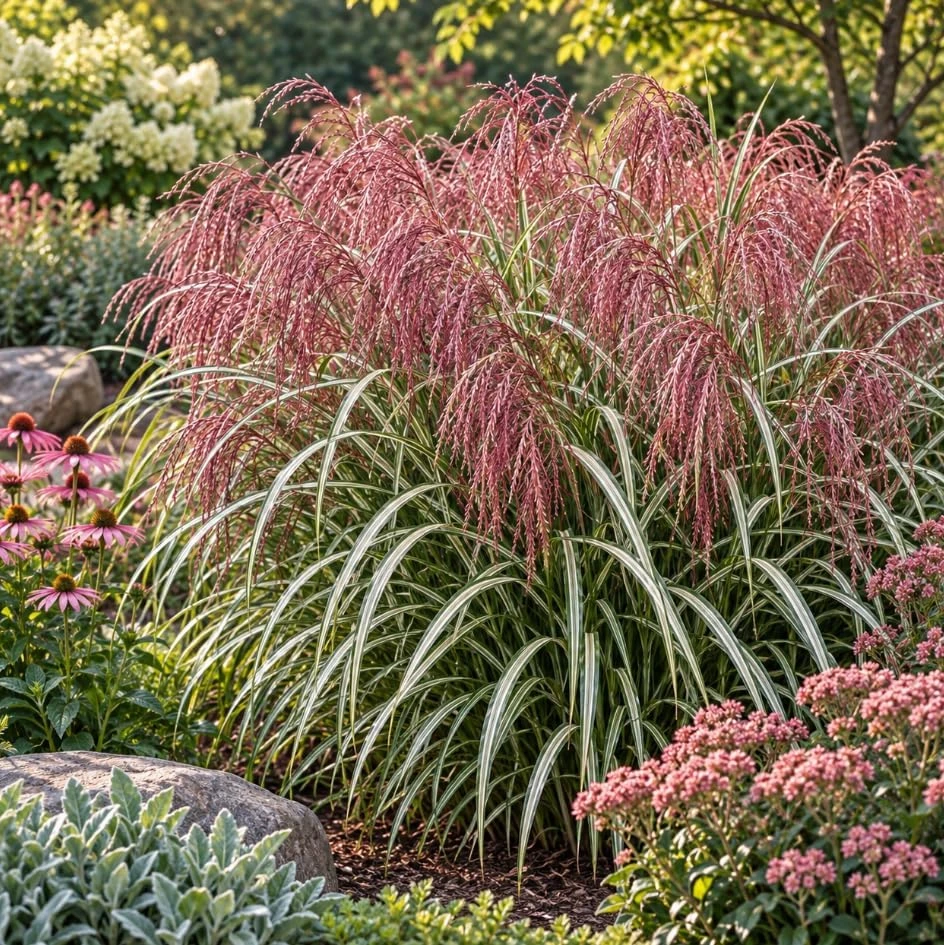
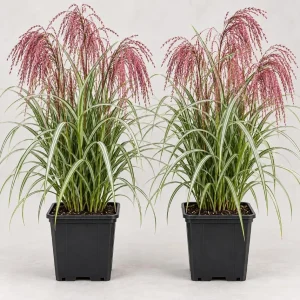
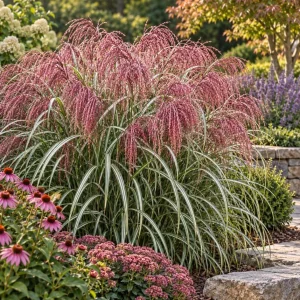
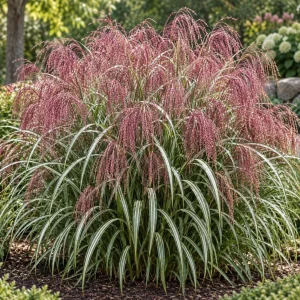
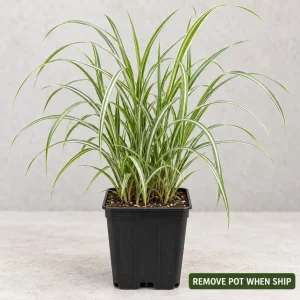
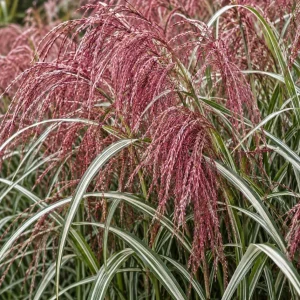
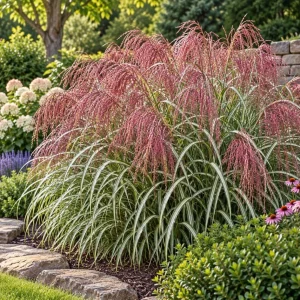
2 Sunrise Maiden Grass Live Plants, Miscanthus Sinensis, 5-8 Inch Tall Outdoor
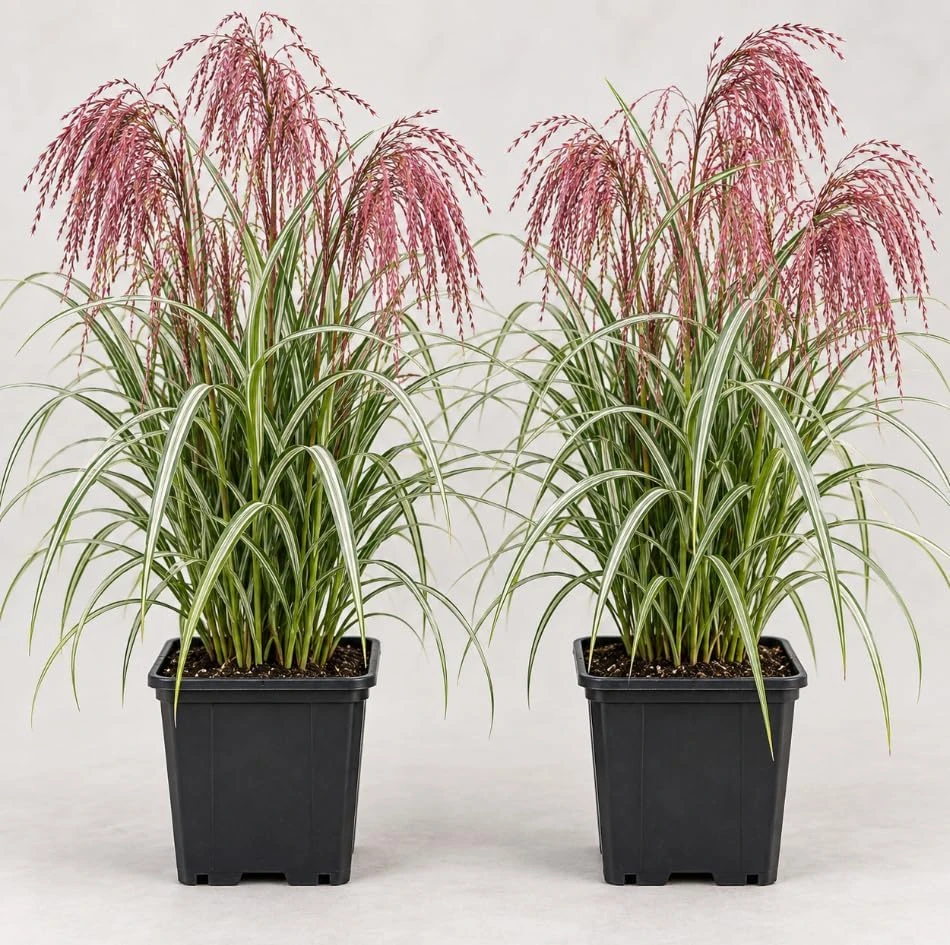
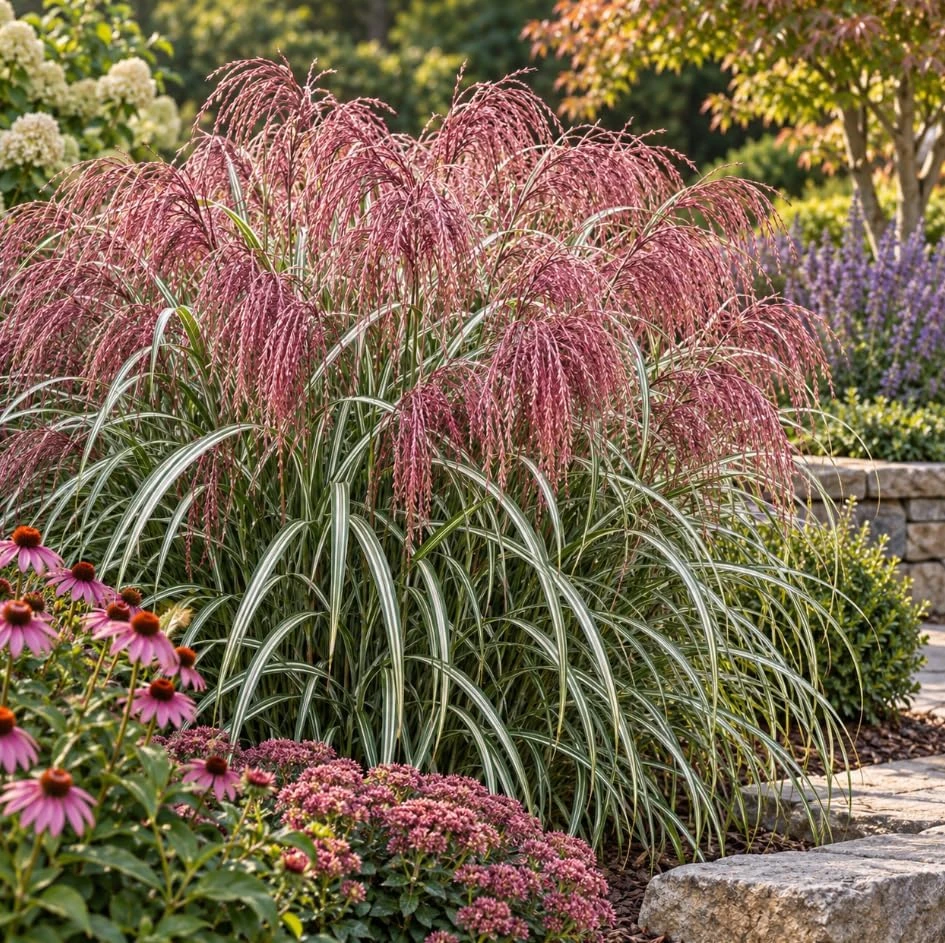
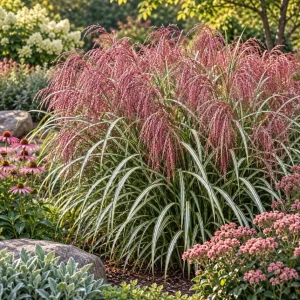
Add elegance to your landscape with these 2 Sunrise Maiden Grass plants. Known for their striking variegated foliage and red hues, these live maiden grass (Miscanthus sinensis) specimens arrive 5-8 inches tall, ready to transform your garden. Perfect for borders, mass plantings, or as a natural privacy screen, they offer year-round visual interest and are remarkably low-maintenance once established.
Original price was: $47.98.$23.99Current price is: $23.99.

With our Alive & Thrive Guarantee, we’ve got your back for the first 30 days! If you have any concerns about your plants, just reach out to us. Our team is here to help answer your questions and guide you in selecting the best plants for your garden, climate, and unique preferences. We're excited to help you create the garden of your dreams!
Estimated arrival
Nov 03
Nov 08 - Nov 10
Nov 13 - Nov 17
Product Details
-
USDA Hardiness Zone
USDA Zones 5-9 -
Soil type
Well-draining soil -
Sunlight Exposure
Full sun to partial shade -
Expected Planting Period
Spring to early summer
Overview
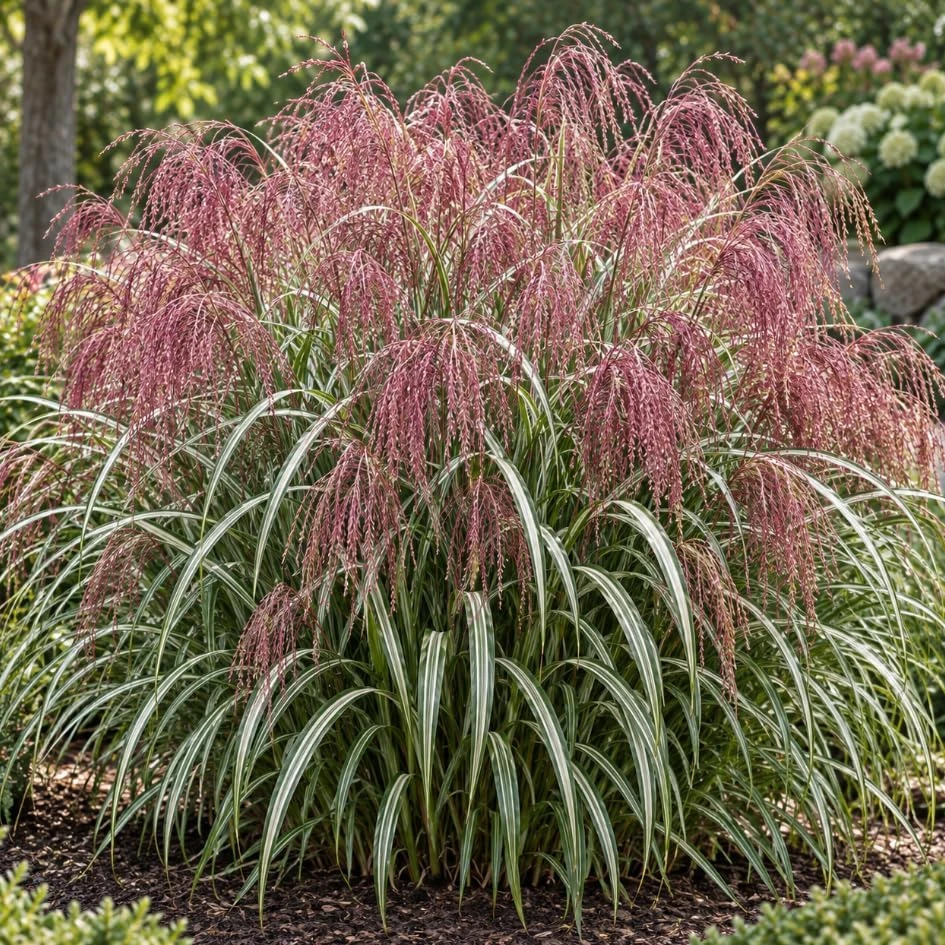
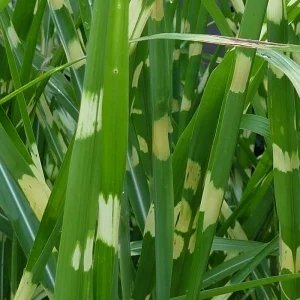
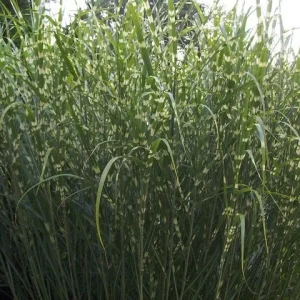
Introduce a touch of natural beauty and elegance to your outdoor space with these stunning 2 Sunrise Maiden Grass plants. These vibrant live maiden grass specimens, scientifically known as Miscanthus sinensis ‘Sunrise’, are renowned for their captivating variegated foliage and graceful, arching form. Each order includes two healthy plants, measuring 5-8 inches in height, meticulously prepared for planting in your garden. The ‘Sunrise’ variety is particularly prized for its creamy yellow and green striped blades that transition to a beautiful reddish-bronze in cooler weather, providing dynamic color and texture throughout the seasons. As a popular ornamental grass, miscanthus sinensis is a fantastic choice for gardeners seeking both aesthetic appeal and ease of care.
These ornamental grasses quickly establish themselves, creating a lush, flowing presence in any landscape. They are ideal for various garden applications, from creating natural privacy screens to defining borders or acting as a striking focal point. Their robust nature makes them a superb selection for both novice and experienced gardeners looking for an impactful yet unfussy addition. With their unique coloration and vertical interest, these sunrise maiden grass plants will undoubtedly become a cherished feature in your outdoor sanctuary.
Key Benefits
These sunrise maiden grass plants offer numerous advantages that make them a prime choice for enhancing your garden. Their striking appearance and adaptable nature contribute to a beautiful and resilient landscape.
- Stunning Variegated Foliage: Features creamy yellow and green striped blades that add vibrant color and texture, evolving with the seasons to include rich red tones. This visual interest makes them an excellent choice for any garden design.
- Low Maintenance & Drought-Tolerant: Once established, these live maiden grass plants require minimal upkeep, thriving in full sun with little need for excessive watering, making them perfect for busy gardeners.
- Versatile Landscaping Use: Ideal for creating dramatic borders, mass plantings, natural privacy screens, or as a captivating focal point in garden beds and landscapes. Their upright form adds architectural interest.
- Year-Round Appeal: Provides seasonal color changes, from fresh green in spring and summer to warm red and bronze in fall and winter, ensuring continuous visual enjoyment.
- Hardy & Adaptable: These miscanthus sinensis plants are resilient, tolerant of various soil types, and can thrive in a wide range of conditions, including both full sun and partial shade.
- Erosion Control: Their strong root systems help stabilize soil, making them beneficial for slopes or areas prone to erosion.
- Wildlife Friendly: Provides shelter and nesting material for small birds and wildlife, contributing to a healthy ecosystem in your garden.
Plant Care & Growing Tips
Caring for your sunrise maiden grass plants is straightforward, ensuring they flourish and provide years of beauty. These are hardy and adaptable ornamental grass outdoor varieties, making them a great addition to many gardens. For optimal growth, plant your miscanthus sinensis in a location that receives full sun to partial shade. Full sun (at least 6 hours of direct sunlight daily) will encourage the best color development and most vigorous growth, while partial shade is also tolerated, though growth may be slightly less dense.
These plants are adaptable to various soil types but prefer well-draining soil. Avoid heavy, waterlogged conditions, as this can lead to root rot. If your soil is heavy clay, amending it with organic matter like compost will improve drainage. Once established, live maiden grass is remarkably drought-tolerant, requiring only occasional watering during prolonged dry spells. During the first growing season, consistent moisture is important to help the roots establish. Fertilization is generally not necessary, but a light application of a balanced slow-release fertilizer in spring can promote lush growth in poorer soils. These plants are typically hardy in USDA zones 5-9.
In late winter or early spring, before new growth appears, cut back the old foliage to about 6-8 inches from the ground. This helps maintain a tidy appearance and encourages fresh new growth. Low maintenance landscaping is a key benefit of these grasses. Division may be necessary every few years if the clump becomes too large or the center starts to die out. This is best done in early spring. Watch out for common pests, though maiden grass is generally pest-resistant. Proper air circulation can help prevent fungal issues in humid climates.
Size & Details
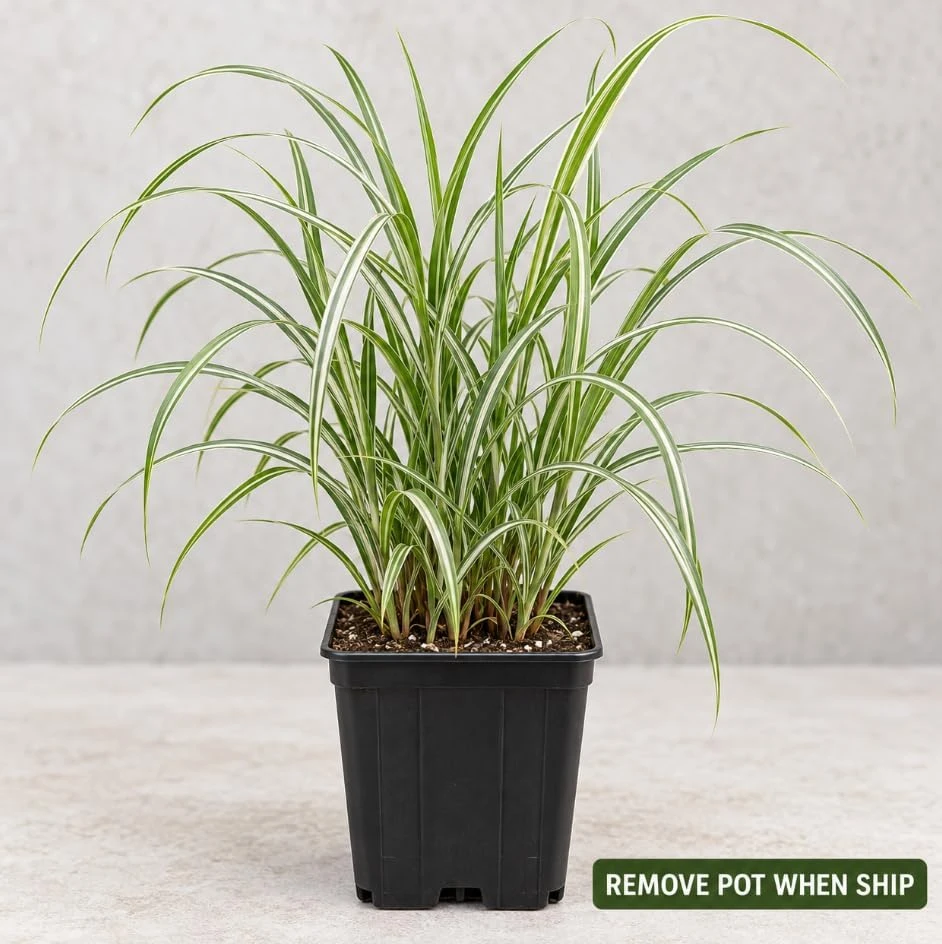
These 2 Sunrise Maiden Grass plants arrive as live, healthy specimens, each measuring approximately 5-8 inches tall. They are ready to be planted directly into your garden beds or larger containers upon arrival. As a perennial ornamental grass, the ‘Sunrise’ variety of miscanthus sinensis typically grows to a mature height of 4-6 feet tall with a similar spread, forming an attractive, upright clump. Its moderate to fast growth rate means you’ll see significant development within the first few seasons, quickly establishing its presence in your landscape.
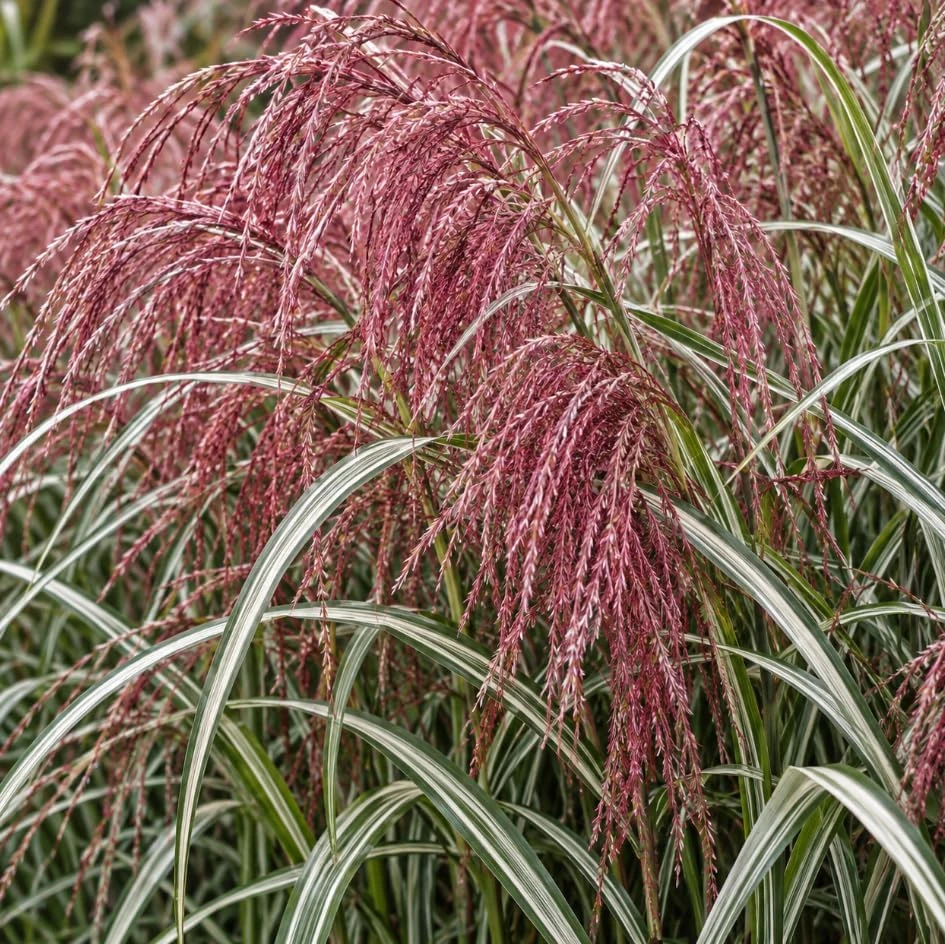
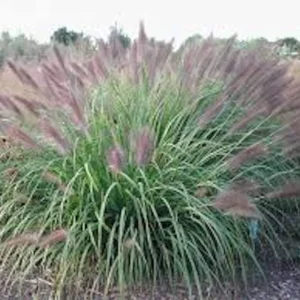
The plants are shipped in a manner that ensures their health and vitality during transit, arriving with their root systems intact and ready for transplanting. While they will begin as compact plants, they will rapidly expand to their impressive mature size, providing a substantial visual impact. Expect these live maiden grass plants to provide stunning foliage from spring through fall, with the added bonus of feathery plumes appearing in late summer, which persist through winter for continued interest. These plumes mature to a lovely reddish-bronze, complementing the foliage perfectly.
Frequently Asked Questions
- Q: How big do these 2 Sunrise Maiden Grass plants get at maturity? A: These sunrise maiden grass plants typically grow to a mature height of 4-6 feet tall and can spread 3-5 feet wide, forming a graceful, upright clump. Their size makes them ideal for various garden applications.
- Q: Are these plants suitable for beginners? A: Yes, live maiden grass is an excellent choice for gardeners of all skill levels. It is known for its hardiness and low-maintenance nature once established, making it a very forgiving plant.
- Q: How much sunlight do these miscanthus sinensis plants need? A: For best growth and color, these plants prefer full sun, meaning at least 6 hours of direct sunlight per day. They can tolerate partial shade, but may have less vibrant color and slightly slower growth.
- Q: What condition will the plants arrive in? A: Your 2 Sunrise Maiden Grass plants will arrive as healthy, live plants, typically 5-8 inches tall, with their root systems carefully packaged to ensure they are ready for planting.
- Q: Can these plants be grown in containers? A: While they can be grown in large containers, they will eventually reach a substantial size. If grown in pots, ensure good drainage and be prepared to transplant them to a larger container or the ground as they grow.
- Q: When is the best time to plant ornamental grass outdoor? A: The best time to plant ornamental grass outdoor varieties like Sunrise Maiden Grass is in spring or early fall when temperatures are moderate. This allows the roots to establish before extreme heat or cold.
- Q: Are these plants drought-tolerant? A: Yes, once established, miscanthus sinensis is remarkably drought-tolerant, making it a good choice for water-wise gardens. Consistent watering is important during the first growing season.
- Q: What USDA hardiness zones are these plants suitable for? A: These sunrise maiden grass plants are generally hardy in USDA Zones 5-9, meaning they can withstand a range of winter temperatures in those regions.
- Q: Do these plants attract wildlife? A: Yes, the dense foliage provides shelter for small birds and other wildlife, and the seed heads can be a food source in winter, contributing to local biodiversity.
- Q: How often should I fertilize these plants? A: Generally, live maiden grass does not require heavy fertilization. A light application of a balanced, slow-release granular fertilizer in early spring can be beneficial, especially in poorer soils.
Related products
-20%
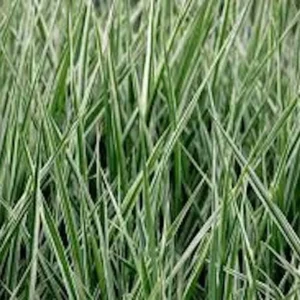
Original price was: $50.00.$40.00Current price is: $40.00.
-20%
Original price was: $58.00.$46.40Current price is: $46.40.
-20%
Original price was: $27.98.$22.38Current price is: $22.38.
-50%
Original price was: $65.98.$32.99Current price is: $32.99.
-20%


Original price was: $31.98.$25.58Current price is: $25.58.
-20%
Original price was: $30.00.$24.00Current price is: $24.00.
-20%
Original price was: $76.00.$60.80Current price is: $60.80.
-20%
Original price was: $80.00.$64.00Current price is: $64.00.
PLANTING & CARE
Lemon Tree Growing: Choose, Plant, and Harvest
Learn how to choose, plant, feed, and protect a lemon tree so it fits your
23
Sep
Sep
Dwarf Meyer Lemon Tree Australia: Climate Guide
Learn where dwarf Meyer lemon trees grow, how much cold they tolerate, and whether Australia,
Where to Buy a Dwarf Meyer Lemon Tree: Buyer’s Guide
Find the right dwarf Meyer lemon tree online or locally, compare starter sizes and costs,
Dwarf Meyer Lemon Tree for Sale: Buying Guide
Compare Meyer lemon tree sizes, prices, shipping limits, indoor growing and California options before you
Dwarf Meyer Lemon Tree Guide: Size, Care and Fruit
META: Learn how large a dwarf Meyer lemon tree grows, where it thrives, and how
How to Prune a Dwarf Meyer Lemon Tree
Learn when and how to prune a dwarf Meyer lemon tree, including tools, shaping cuts,
Can You Grow a Dwarf Meyer Lemon Tree in a Pot?
META: Learn how to grow a dwarf Meyer lemon tree in a pot, including container
When Do Dwarf Meyer Lemon Trees Bloom and Fruit?
META: Dwarf Meyer lemon trees usually bloom from winter through spring and may flower again