2 White Milkweed Live Plants – Asclepias perennis – Butterfly Garden Perennial
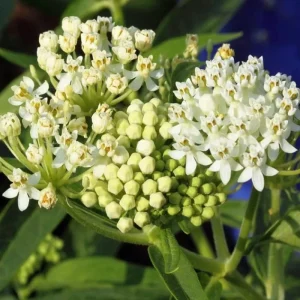
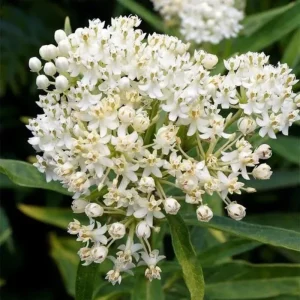
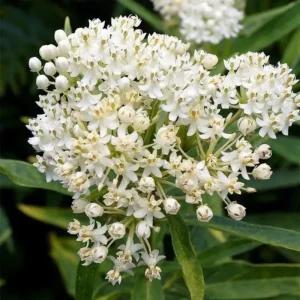
2 White Milkweed Live Plants – Asclepias perennis – Butterfly Garden Perennial
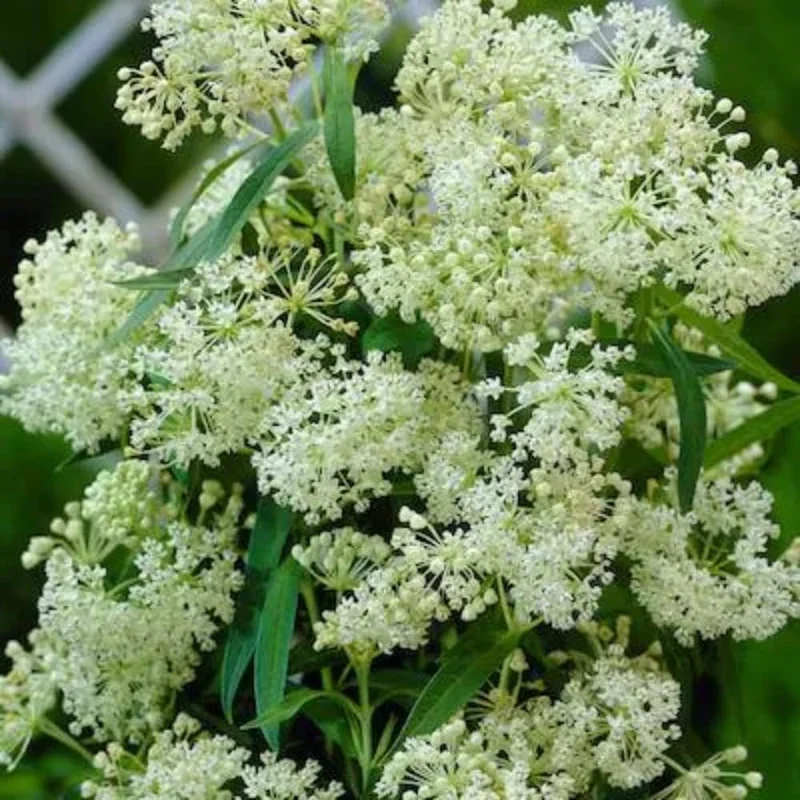
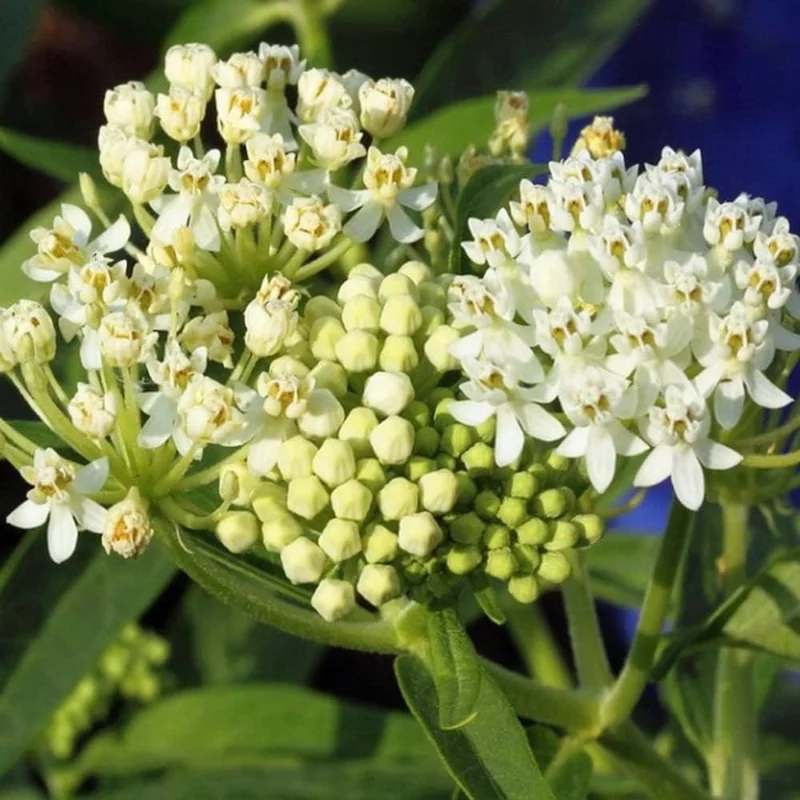
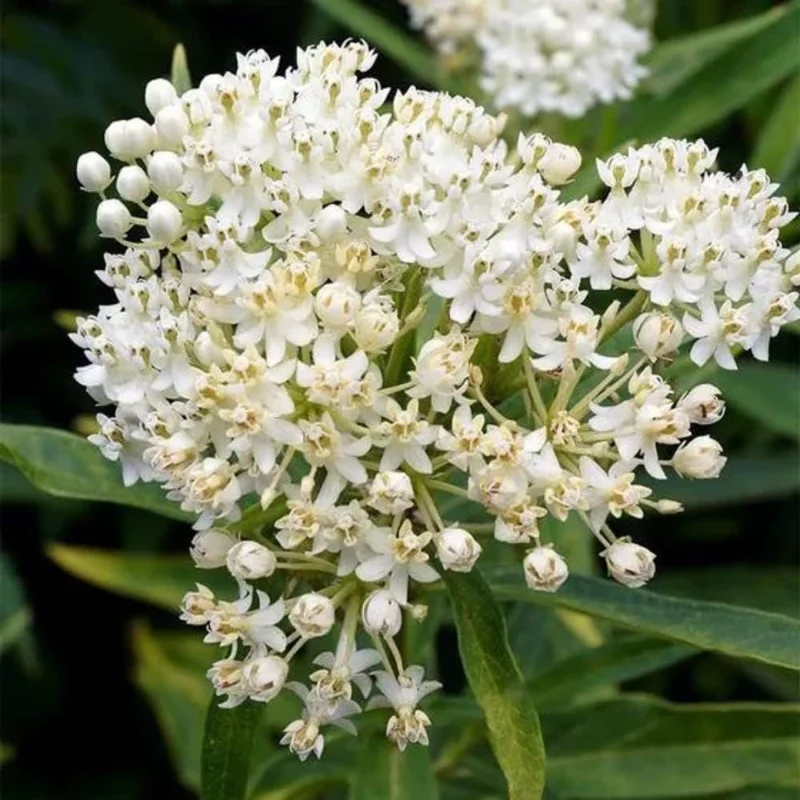
Receive 2 white milkweed live plant starter plants, perfect for creating a vibrant butterfly garden. This easy care perennial attracts monarch butterflies and other pollinators, offering beautiful white blooms in mid-summer. Thrives in USDA Zones 6-9.
$35.98

With our Alive & Thrive Guarantee, we’ve got your back for the first 30 days! If you have any concerns about your plants, just reach out to us. Our team is here to help answer your questions and guide you in selecting the best plants for your garden, climate, and unique preferences. We're excited to help you create the garden of your dreams!
Estimated arrival
Oct 14
Oct 19 - Oct 21
Oct 24 - Oct 28
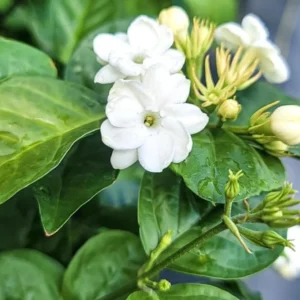

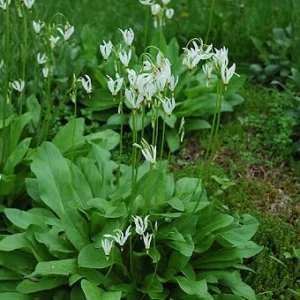
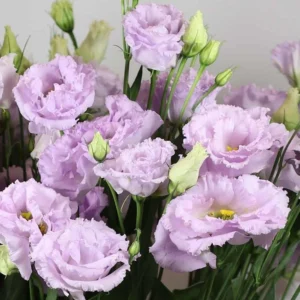
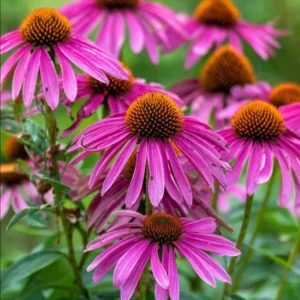



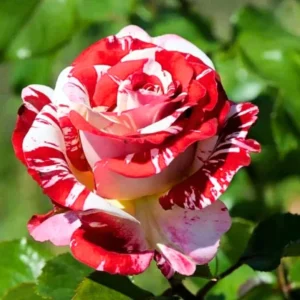
Product Details
-
USDA Hardiness Zone
6 to 9 -
Soil type
Moist, well-drained soils -
Sunlight Exposure
Full sun to partial shade -
Expected Planting Period
Early spring or fall
Overview
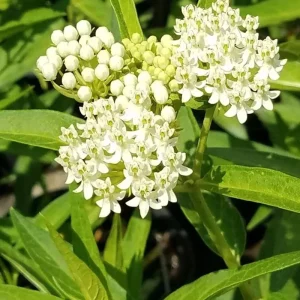
Bring the beauty of nature to your garden with our white milkweed live plant starter plants. You will receive two healthy specimens of Asclepias perennis, also known as White Swamp Milkweed, renowned for its elegant white flowers and its crucial role in supporting monarch butterfly populations. This native perennial is a vital host plant for monarch caterpillars and a rich nectar source for adult butterflies and other beneficial pollinators. Ideal for a variety of garden settings, from borders to naturalized areas, it offers both aesthetic appeal and significant ecological value. Investing in these plants means contributing to the preservation of monarch butterflies and enhancing your garden’s biodiversity.
The white milkweed live plant is a robust and resilient species, making it an excellent choice for gardeners looking for a low-maintenance yet impactful addition. Its natural habitat includes moist, swampy areas, but it adapts well to typical garden conditions with adequate moisture. Enjoy the spectacle of monarch butterflies fluttering through your garden, knowing you’ve provided them with a safe and nourishing environment. This easy care perennial is a testament to sustainable gardening practices, promoting a healthy ecosystem right in your backyard.
Key Benefits
Cultivating white milkweed live plant in your home garden offers a multitude of advantages, transforming your outdoor space into a thriving habitat and a visual delight. These plants are not only beautiful but also incredibly beneficial for the environment.
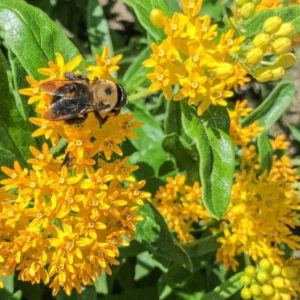
- Attracts Pollinators: White swamp milkweed is an irresistible magnet for a diverse array of beneficial insects, including bees and butterflies. Its nectar-rich flowers are particularly appealing to monarch butterflies, playing an indispensable role in their life cycle.
- Low Maintenance: Once established, this plant requires minimal care, making it an ideal choice for busy gardeners. It exhibits remarkable drought tolerance and does not demand frequent watering or fertilization, ensuring a beautiful landscape with less effort.
- Environmental Contribution: By planting Asclepias perennis, you actively contribute to the preservation of monarch butterflies and other essential pollinators, which are fundamental for a healthy and balanced ecosystem.
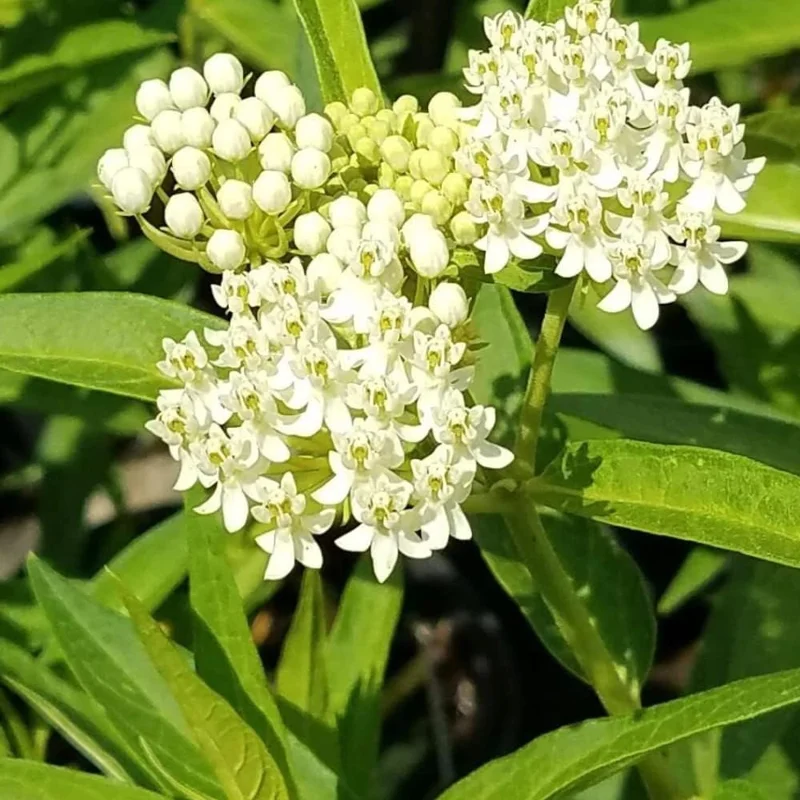
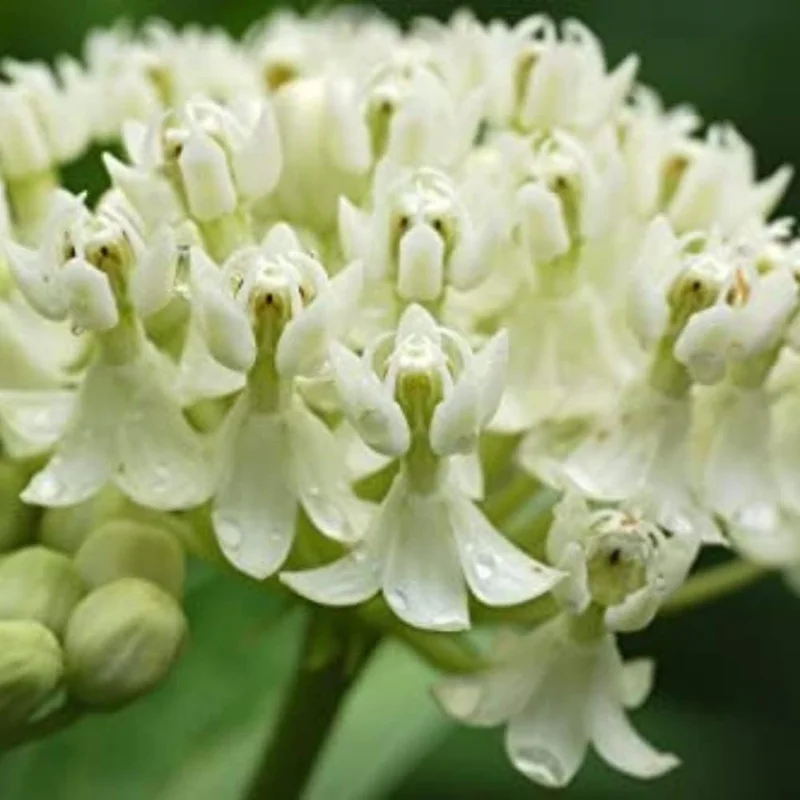
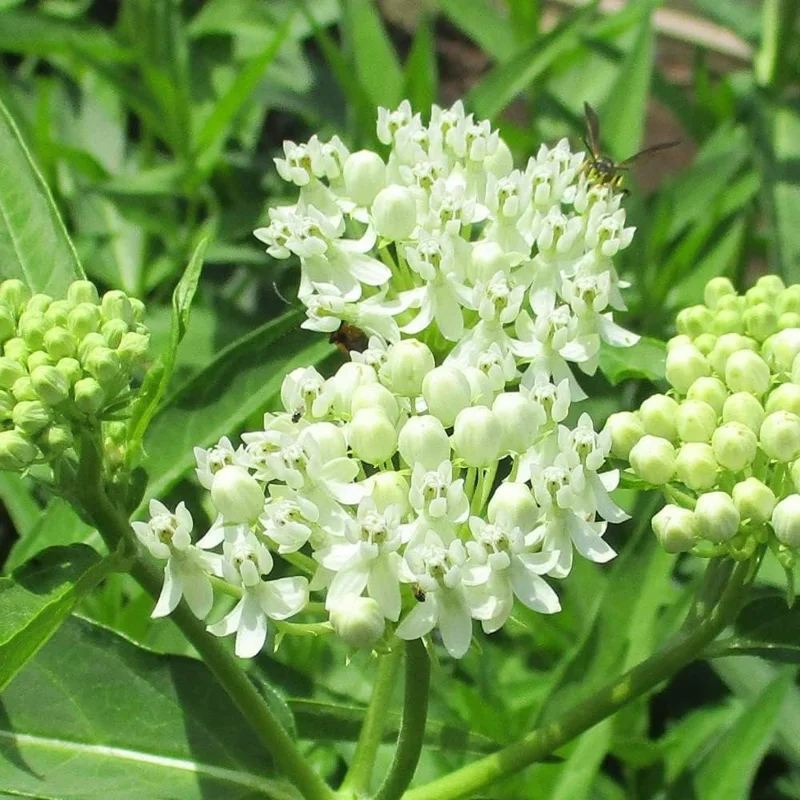
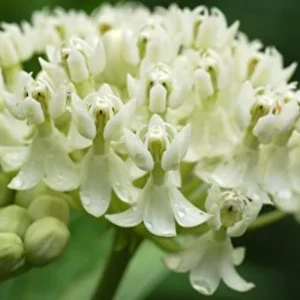
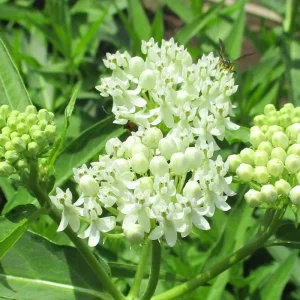
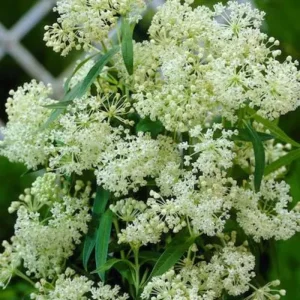
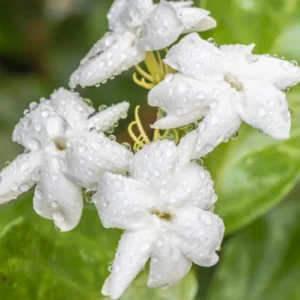
- Aesthetic Appeal: With its graceful white flowers and lush green foliage, the white milkweed live plant adds a touch of serene beauty to any garden setting. Its distinctive floral structure also provides an intriguing visual element, enhancing your garden’s charm.
- Versatility: This adaptable plant is suitable for various garden designs, including borders, water gardens, and naturalized zones. It thrives in moist conditions, making it an excellent option for areas near ponds or streams.
- Wildlife Habitat: The plant serves as a vital habitat and food source for various wildlife, especially the caterpillars of the monarch butterfly, which feed exclusively on milkweed plants.
- Educational Value: Growing milkweed for monarch butterflies offers a unique opportunity for people of all ages to learn about plant biology, the process of pollination, and the critical importance of conserving native species and their habitats.
Plant Care & Growing Tips
Caring for your white milkweed live plant is straightforward, ensuring a thriving and beautiful addition to your garden. To start, select an appropriate location that receives full sun to partial shade. While it can tolerate some shade, ample sunlight generally promotes better and more abundant blooms. This type of milkweed prefers moist, well-drained soils. If your garden soil is heavy or clay-like, consider amending it with organic matter to improve drainage and create an optimal growing environment for your Asclepias perennis.
Planting is best done in early spring after the last frost, or in the fall before the ground freezes. Ensure adequate spacing, giving each plant about 18 to 24 inches of room on all sides. This allows for healthy growth and good air circulation, which helps reduce the risk of disease. Initially, water your plants regularly to help establish a strong root system, keeping the soil consistently moist but never waterlogged. Once established, the white milkweed live plant is quite drought-tolerant, though occasional watering may be necessary during very dry periods, especially in sandy soils. Apply a layer of organic mulch around the base to retain moisture, regulate soil temperature, and suppress weeds. Generally, this plant does not require additional fertilizer if planted in rich, organic soil, as over-fertilizing can lead to excessive foliage at the expense of flowers.
Pruning, or deadheading, spent blooms can encourage more flowering throughout the season. However, if you wish to collect seeds or enjoy the seed pods for winter interest, avoid deadheading in late summer. In colder zones, the plant will naturally die back to the ground in winter. You can leave the dead foliage to provide habitat for wildlife and then clear it away in early spring before new growth emerges. Monitor for common pests like aphids, which can often be dislodged with a strong spray of water. To prevent disease, avoid overhead watering and ensure good air circulation between plants. Remember, monarch butterfly caterpillars will feed on the leaves – this is a natural and beneficial part of growing milkweed for monarch butterflies, so avoid using pesticides. Propagation can be done by seed, collected in the fall and stored for spring planting, often benefiting from cold stratification.
Size & Details
You will receive two healthy starter plants of white milkweed live plant, ready to be transplanted into your garden. These robust perennials typically grow up to 3 feet tall, forming an upright and graceful presence in your landscape. They are supplied as young plants, allowing them to establish quickly and adapt to their new environment. With proper care, you can expect these plants to reach their full height and begin blooming in mid-summer, providing a continuous display of delicate white flowers. The plants are carefully packaged to ensure their safe arrival, minimizing stress during transit.
This species, Asclepias perennis, is a non-invasive variety, ensuring it integrates harmoniously into your garden without overtaking other plants. It thrives in USDA Hardiness Zones 6 to 9, indicating its resilience across a wide range of climates. The plants are well-rooted and ready for planting, offering an excellent opportunity to quickly establish a pollinator-friendly garden. Expect a moderate growth rate, with full establishment and abundant flowering typically occurring within one to two seasons after planting.
Frequently Asked Questions
- Q: How big do these White Milkweed plants get? A: Your white milkweed live plant will typically grow up to 3 feet tall. They establish quickly and reach their mature height within one to two seasons, creating a noticeable presence in your garden.
- Q: Are these plants suitable for beginners? A: Yes, Asclepias perennis is considered an easy care perennial, making it an excellent choice for gardeners of all experience levels. Once established, it requires minimal maintenance.
- Q: How much sunlight does the White Milkweed need? A: This plant thrives in full sun to partial shade. For the best blooms and strongest growth, aim for an area that receives at least 6 hours of direct sunlight daily.
- Q: What condition will the plants arrive in? A: You will receive two healthy white milkweed live plant starter plants, carefully packaged to ensure they arrive in good condition, ready for planting. They will be well-rooted and actively growing.
- Q: Is this milkweed good for monarch butterflies? A: Absolutely! This particular milkweed, white swamp milkweed, is a vital host plant for monarch butterfly caterpillars and a rich nectar source for adult monarchs, making it perfect for supporting their lifecycle.
- Q: When is the best time to plant these milkweed plants? A: The ideal times to plant are in early spring after the last frost, or in the fall before the ground freezes. This allows the plants to establish strong root systems.
- Q: Will these plants survive winter in my area? A: These plants are hardy in USDA Zones 6 to 9. In these zones, they will die back to the ground in winter and regrow from their roots in spring.
- Q: Do I need to fertilize my White Milkweed? A: Generally, no. If planted in rich, organic soil, the white milkweed live plant typically does not require additional fertilization. Over-fertilizing can sometimes lead to more foliage and fewer flowers.
- Q: How often should I water my White Milkweed? A: Keep the soil consistently moist but not waterlogged, especially during establishment. Once mature, it is somewhat drought-tolerant but will appreciate occasional watering during dry spells.
- Q: Is this a non-invasive type of milkweed? A: Yes, Asclepias perennis is known to be non-invasive, meaning it won’t aggressively spread and overtake your garden like some other milkweed varieties.
Related products
-66%
Original price was: $56.97.$19.34Current price is: $19.34.
-67%

Original price was: $66.72.$22.24Current price is: $22.24.


-30%
Original price was: $79.98.$55.98Current price is: $55.98.
-83%
Original price was: $44.97.$7.74Current price is: $7.74.
-67%

Original price was: $41.97.$13.99Current price is: $13.99.
-30%

Original price was: $63.98.$44.78Current price is: $44.78.
-20%
Original price was: $27.98.$22.38Current price is: $22.38.
PLANTING & CARE
Lemon Tree Growing: Choose, Plant, and Harvest
Learn how to choose, plant, feed, and protect a lemon tree so it fits your
23
Sep
Sep
Dwarf Meyer Lemon Tree Australia: Climate Guide
Learn where dwarf Meyer lemon trees grow, how much cold they tolerate, and whether Australia,
Where to Buy a Dwarf Meyer Lemon Tree: Buyer’s Guide
Find the right dwarf Meyer lemon tree online or locally, compare starter sizes and costs,
Dwarf Meyer Lemon Tree for Sale: Buying Guide
Compare Meyer lemon tree sizes, prices, shipping limits, indoor growing and California options before you
Dwarf Meyer Lemon Tree Guide: Size, Care and Fruit
META: Learn how large a dwarf Meyer lemon tree grows, where it thrives, and how
How to Prune a Dwarf Meyer Lemon Tree
Learn when and how to prune a dwarf Meyer lemon tree, including tools, shaping cuts,
Can You Grow a Dwarf Meyer Lemon Tree in a Pot?
META: Learn how to grow a dwarf Meyer lemon tree in a pot, including container
When Do Dwarf Meyer Lemon Trees Bloom and Fruit?
META: Dwarf Meyer lemon trees usually bloom from winter through spring and may flower again