25 Yellow Daffodil Bulbs – Hardy Perennial Spring Flowers for Outdoor Gardens
-50%
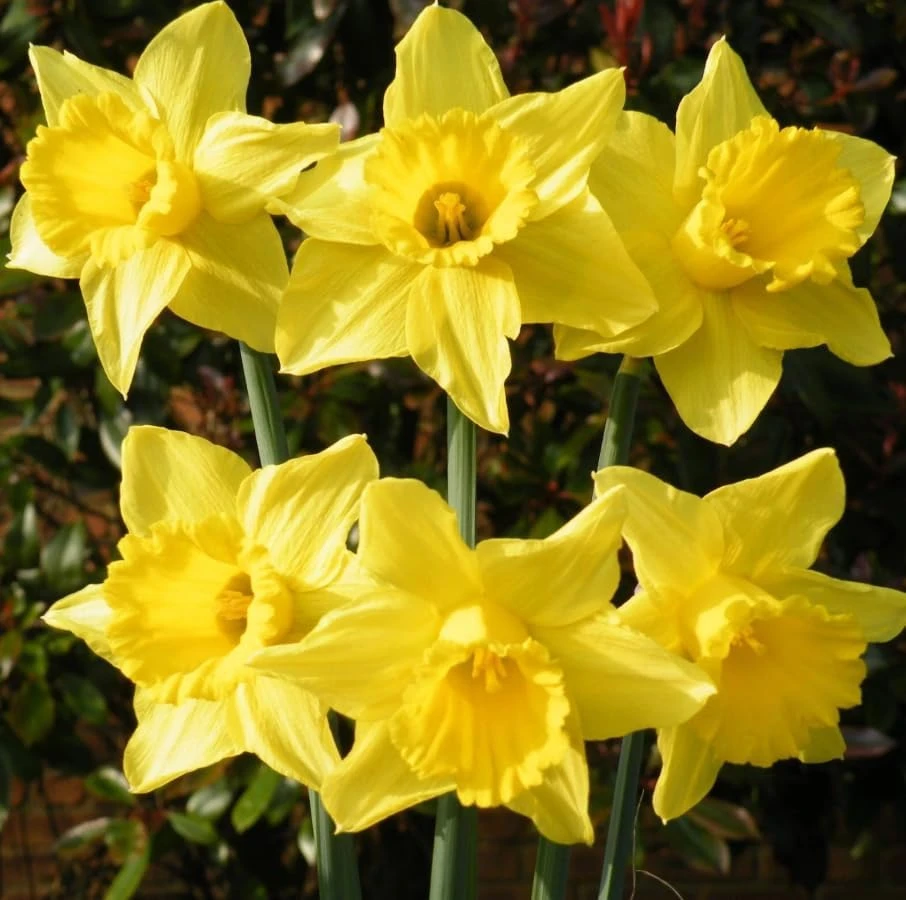
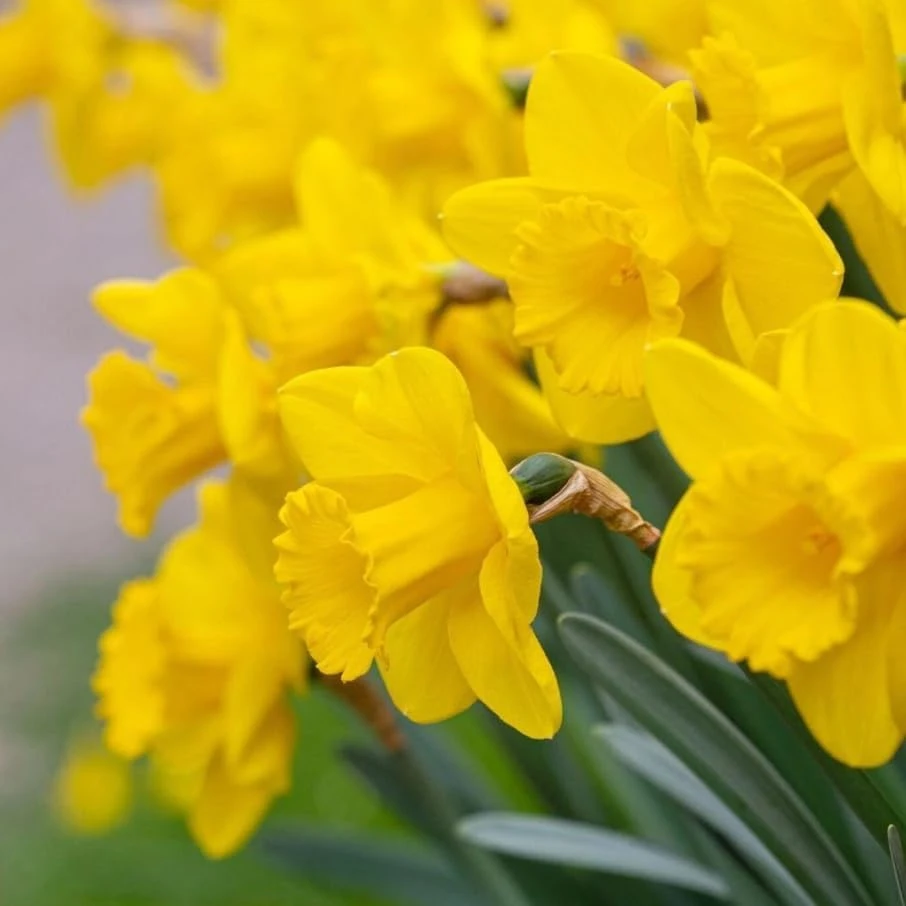
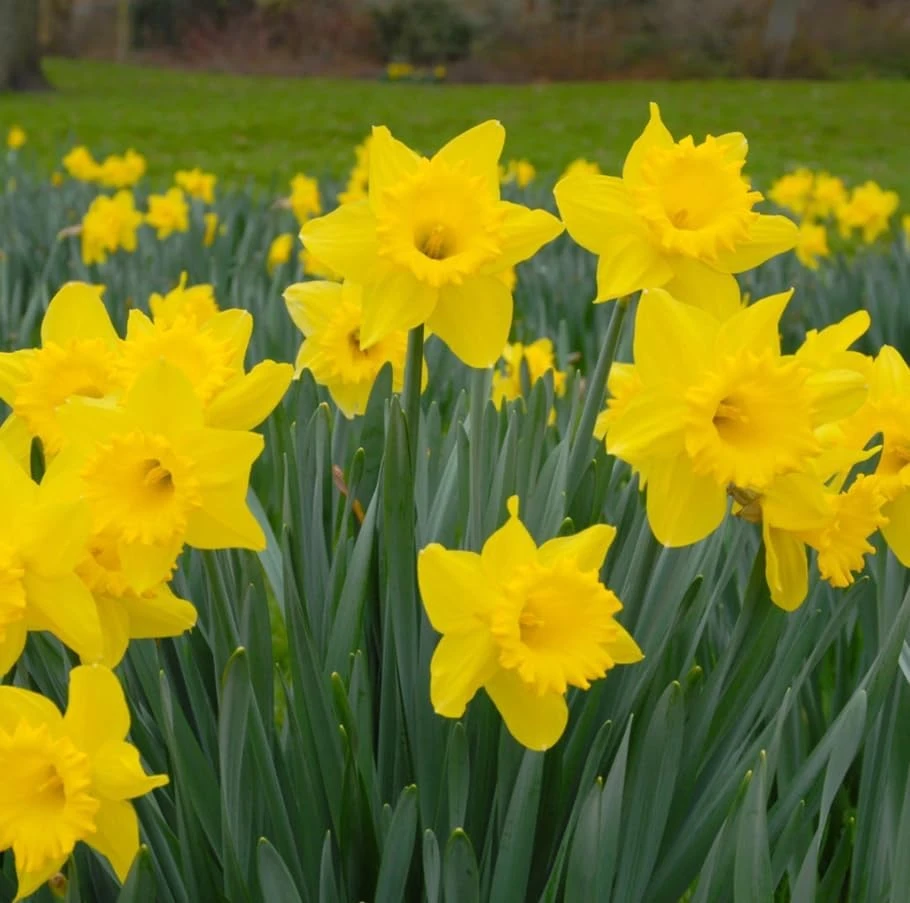
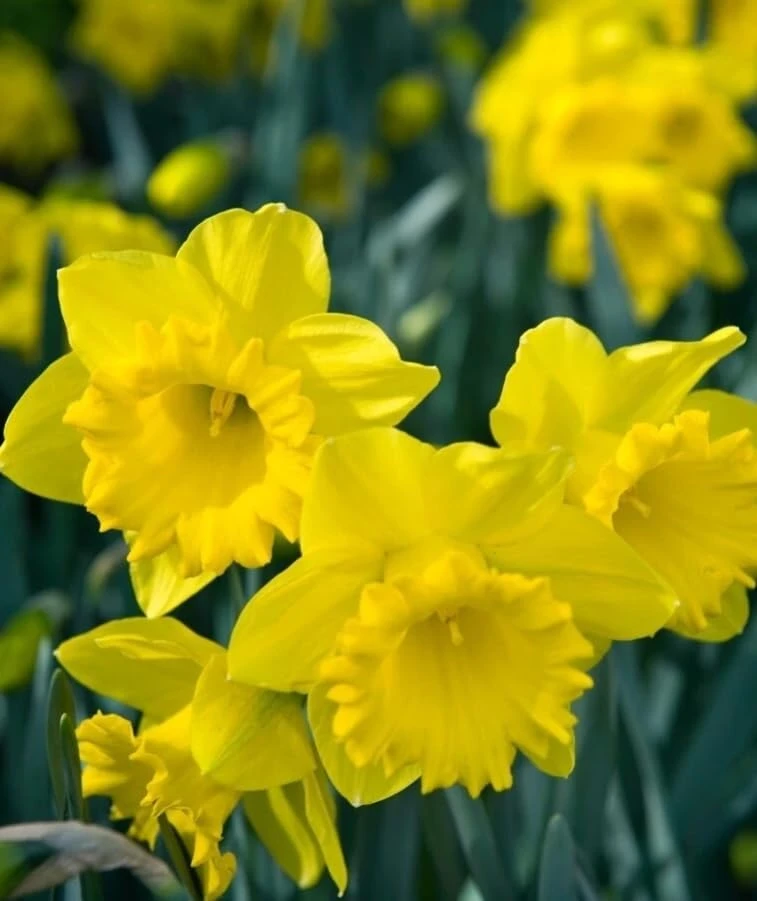
25 Yellow Daffodil Bulbs – Hardy Perennial Spring Flowers for Outdoor Gardens
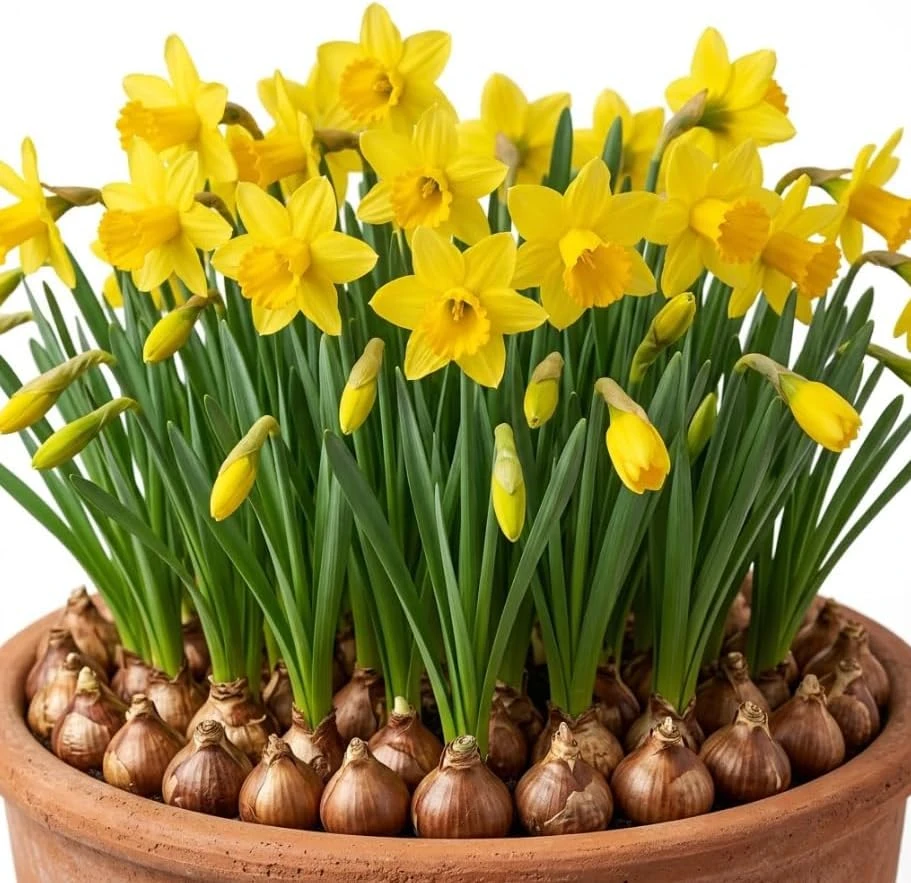
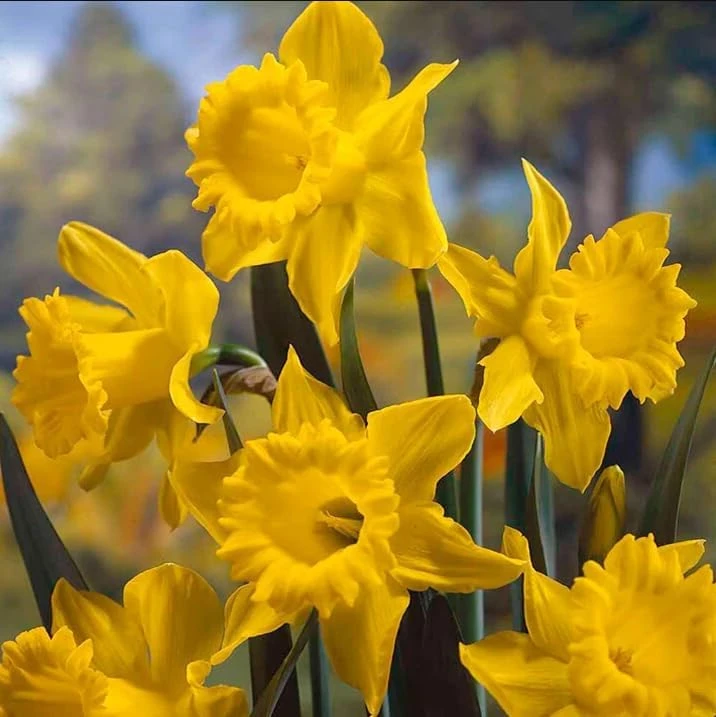
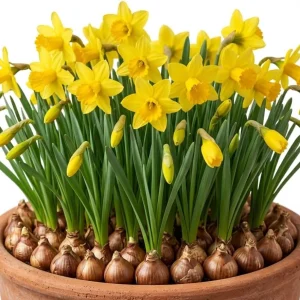
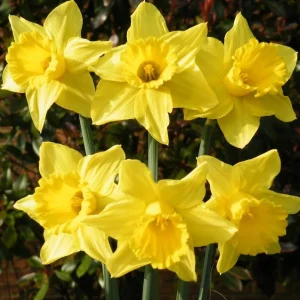
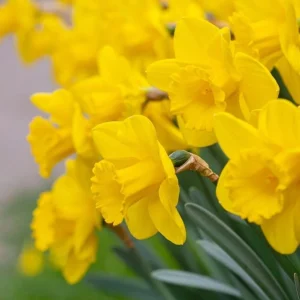
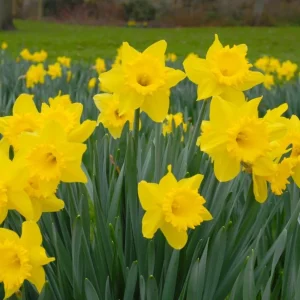
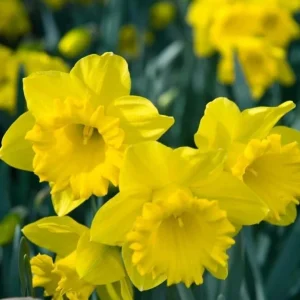
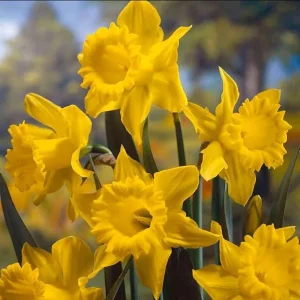
Brighten your garden with 25 yellow daffodil bulbs. These hardy perennial bulbs are easy to plant and provide cheerful narcissus spring flowers year after year. Perfect for outdoor garden beds, borders, and containers.
Original price was: $43.78.$21.89Current price is: $21.89.

With our Alive & Thrive Guarantee, we’ve got your back for the first 30 days! If you have any concerns about your plants, just reach out to us. Our team is here to help answer your questions and guide you in selecting the best plants for your garden, climate, and unique preferences. We're excited to help you create the garden of your dreams!
Estimated arrival
Nov 03
Nov 08 - Nov 10
Nov 13 - Nov 17
Product Details
-
USDA Hardiness Zone
USDA Zones 3-8 -
Soil type
Well-draining soil -
Sunlight Exposure
Full sun to partial shade -
Expected Planting Period
Fall
Overview
Transform your outdoor space with a vibrant display of spring color by planting these yellow daffodil bulbs. Each set includes 25 high-quality Narcissus bulbs, ready to burst into cheerful yellow blooms each spring. Known for their resilience and striking beauty, these hardy perennial bulbs are an excellent choice for gardeners of all experience levels. Daffodils, scientifically known as Narcissus, are among the most beloved spring-flowering plants, symbolizing new beginnings and joy. They are a classic choice for adding early season cheer to landscapes, naturalizing in grassy areas, or creating stunning focal points in garden beds and borders.
These narcissus spring flowers are celebrated for their distinctive trumpet-shaped blooms and bright hues. Our daffodil bulbs are carefully selected to ensure vigorous growth and abundant flowering, providing a spectacular show that returns season after season. They are incredibly low-maintenance once established, making them an ideal addition to busy gardeners’ landscapes. Whether you’re aiming to create a sweeping meadow effect or simply add pops of color to your existing beds, these easy-to-grow bulbs offer a rewarding gardening experience.
With 25 bulbs included, you’ll have ample opportunity to create a stunning visual impact. These bulbs are perfect for mass plantings, creating drifts of color, or mixing with other spring-flowering bulbs for a diverse and captivating garden display. Enjoy the beauty and simplicity of growing these iconic outdoor garden bulbs, and look forward to their reliable return each year.
Key Benefits
These yellow daffodil bulbs offer numerous advantages, making them a popular choice for spring gardens. From their vibrant appearance to their effortless care, they provide lasting enjoyment and beauty:
- Vibrant Spring Color: Each bulb produces brilliant yellow, trumpet-shaped flowers that instantly uplift the garden’s aesthetic, providing a much-needed burst of color after winter.
- Hardy Perennial Nature: These are true hardy perennial bulbs, meaning they will reliably return and bloom year after year with minimal effort, often multiplying over time to create an even larger display.
- Easy to Grow: Known for their forgiving nature, these bulbs are incredibly easy to plant and establish. They require little ongoing care once planted, making them perfect for beginner gardeners or those seeking low-maintenance beauty.
- Versatile Planting Options: Ideal for garden beds, borders, naturalizing in lawns, under trees, or in containers, these outdoor garden bulbs adapt well to various landscape designs.
- Deer and Rodent Resistant: Daffodils contain alkaloids that are unappetizing to deer and most rodents, offering a natural defense against common garden pests.
- Long-Lasting Blooms: Enjoy weeks of cheerful narcissus spring flowers, extending the beauty of your garden through the early spring season.
- Excellent for Cut Flowers: The strong stems and vibrant blooms make these daffodils superb for cutting and bringing indoors, adding fresh garden beauty to your home.
Plant Care & Growing Tips
Growing these yellow daffodil bulbs is a straightforward process that yields beautiful results. For optimal growth and a spectacular spring display, follow these simple care guidelines. Plant your easy to grow daffodils in the fall, typically 2-4 weeks before the first hard frost, allowing them enough time to establish roots before winter dormancy. Choose a site with good drainage to prevent rot, as soggy conditions are detrimental to bulbs.
Daffodils thrive in full sun to partial shade. Full sun (at least 6 hours of direct sunlight per day) will generally produce the most vigorous blooms, but they will tolerate some afternoon shade, especially in warmer climates. For soil, a well-draining, fertile loam is ideal. If your soil is heavy clay, amend it with organic matter like compost or peat moss to improve drainage and aeration. Plant bulbs about 6-8 inches deep and 4-6 inches apart, with the pointed end facing upwards. After planting, water thoroughly to settle the soil around the bulbs.
Once established, hardy perennial bulbs like daffodils are quite drought-tolerant. Water regularly during dry spells in the spring when they are actively growing and flowering. After flowering, allow the foliage to yellow and die back naturally before removing it. This process is crucial as the leaves photosynthesize and replenish the bulb’s energy for the following year’s blooms. Fertilization is generally not required if planted in fertile soil, but a balanced, slow-release bulb food can be applied in the fall or early spring if your soil is poor. These outdoor garden bulbs are remarkably resilient and will provide joy for many seasons.
Size & Details
This offering includes 25 yellow daffodil bulbs, providing an ample quantity for creating a significant visual impact in your garden. Each bulb is selected for its robust size and health, ensuring strong growth and abundant blooms. When mature, daffodil plants typically reach a height of 12-18 inches, with individual blooms measuring 2-4 inches across, depending on the specific variety of Narcissus. The foliage forms a graceful clump that remains attractive through the spring before naturally receding.
These narcissus spring flowers are shipped as dormant bulbs, ready for fall planting. They are designed to establish roots over winter and emerge with vibrant flowers in early to mid-spring. With proper care, these bulbs will not only return annually but may also naturalize and multiply, gradually expanding your daffodil display over the years. Expect the first blooms in approximately 6-8 months after fall planting, bringing reliable cheer to your garden landscape.
Frequently Asked Questions
- Q: How big do these daffodil plants get? A: These yellow daffodil bulbs typically grow into plants that are 12-18 inches tall, with flowers that are 2-4 inches in diameter. The overall size can vary slightly depending on growing conditions.
- Q: Are these an indoor or outdoor plant? A: These are primarily outdoor garden bulbs, best suited for planting in garden beds, borders, or outdoor containers. While they can be forced indoors for a temporary display, their perennial nature is best enjoyed in an outdoor setting.
- Q: How much sunlight do these daffodil bulbs need? A: For the best blooms, plant your hardy perennial bulbs in a location that receives full sun (at least 6 hours of direct sunlight) to partial shade. They are quite adaptable but thrive with ample light.
- Q: Is this plant easy to care for? Is it good for beginners? A: Yes, daffodils are renowned for being incredibly easy to grow daffodils and are an excellent choice for beginners. Once planted, they require minimal maintenance and reliably return each year.
- Q: What condition will the bulbs arrive in? A: The yellow daffodil bulbs will arrive in a dormant state, ready for planting. They will be firm and healthy, ensuring successful growth once planted in your garden.
- Q: How long until these bulbs bloom? A: After planting in the fall, these narcissus spring flowers will typically bloom the following spring, approximately 6-8 months after planting, bringing vibrant color to your garden.
- Q: What’s the best time to plant these daffodil bulbs? A: The ideal time to plant these outdoor garden bulbs is in the fall, usually from September to November, before the ground freezes. This allows them to establish roots before winter.
- Q: Will these daffodils survive winter in my zone? A: Daffodils are very hardy and are suitable for a wide range of USDA zones. They require a period of cold dormancy to bloom properly. Please check your specific USDA zone to ensure compatibility.
- Q: Can I plant these in containers? A: Yes, these yellow daffodil bulbs are excellent for container planting. Ensure the container has good drainage and is large enough to accommodate the bulbs, allowing for proper root development.
- Q: Do deer eat these daffodils? A: No, daffodils are generally deer and rodent resistant due to compounds within the plant that are unpalatable to these animals. This makes them a great choice for gardens prone to wildlife browsing.
Related products
-50%
Original price was: $71.96.$35.98Current price is: $35.98.
-50%
Original price was: $87.96.$43.98Current price is: $43.98.
-50%
Original price was: $79.96.$39.98Current price is: $39.98.
-20%
Original price was: $28.98.$23.18Current price is: $23.18.
-60%
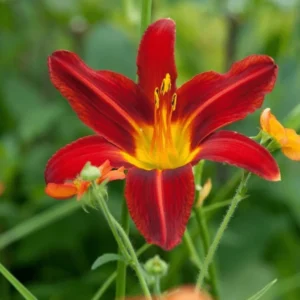
Original price was: $69.99.$27.99Current price is: $27.99.
PLANTING & CARE
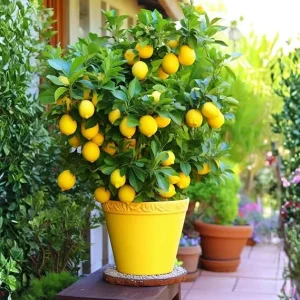
Lemon Tree Growing: Choose, Plant, and Harvest
Learn how to choose, plant, feed, and protect a lemon tree so it fits your
23
Sep
Sep
Dwarf Meyer Lemon Tree Australia: Climate Guide
Learn where dwarf Meyer lemon trees grow, how much cold they tolerate, and whether Australia,
Where to Buy a Dwarf Meyer Lemon Tree: Buyer’s Guide
Find the right dwarf Meyer lemon tree online or locally, compare starter sizes and costs,
Dwarf Meyer Lemon Tree for Sale: Buying Guide
Compare Meyer lemon tree sizes, prices, shipping limits, indoor growing and California options before you
Dwarf Meyer Lemon Tree Guide: Size, Care and Fruit
META: Learn how large a dwarf Meyer lemon tree grows, where it thrives, and how
How to Prune a Dwarf Meyer Lemon Tree
Learn when and how to prune a dwarf Meyer lemon tree, including tools, shaping cuts,
Can You Grow a Dwarf Meyer Lemon Tree in a Pot?
META: Learn how to grow a dwarf Meyer lemon tree in a pot, including container
When Do Dwarf Meyer Lemon Trees Bloom and Fruit?
META: Dwarf Meyer lemon trees usually bloom from winter through spring and may flower again