250 Stevia Sweetleaf Herb Plant Seeds – Natural Sugar Alternative


250 Stevia Sweetleaf Herb Plant Seeds – Natural Sugar Alternative
Discover the joy of growing your own natural sugar plant with this pack of 250 Stevia Sweetleaf Herb Plant Seeds. Perfect for beginners, these seeds yield a versatile perennial herb providing a calorie-free sugar alternative for teas, desserts, and cooking. Adaptable for indoor or outdoor cultivation.
$13.18

With our Alive & Thrive Guarantee, we’ve got your back for the first 30 days! If you have any concerns about your plants, just reach out to us. Our team is here to help answer your questions and guide you in selecting the best plants for your garden, climate, and unique preferences. We're excited to help you create the garden of your dreams!
Estimated arrival
Oct 08
Oct 13 - Oct 15
Oct 18 - Oct 22



Product Details
-
USDA Hardiness Zone
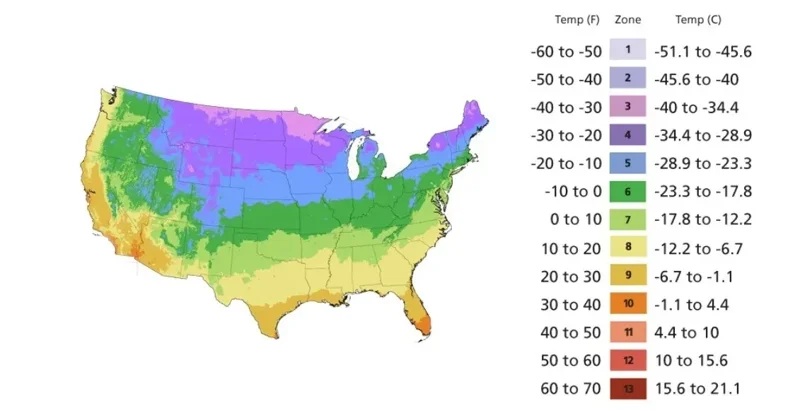
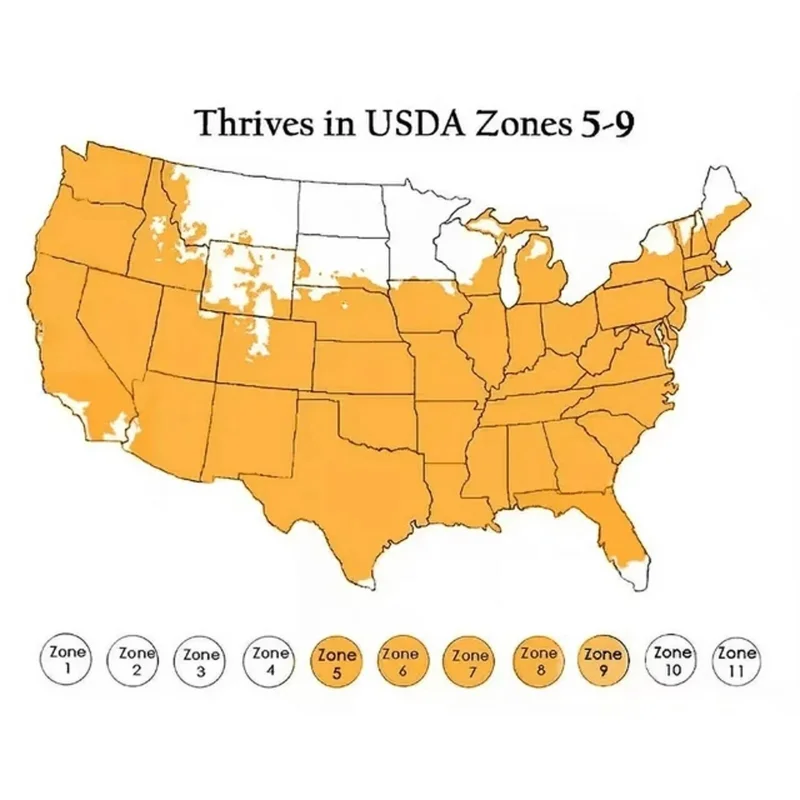
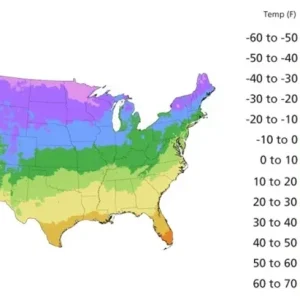
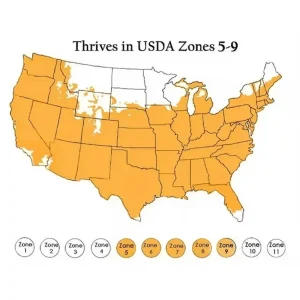
USDA zones 8-11 (perennial), 7 and below (annual/indoor) -
Soil type
Rich, well-draining potting mix -
Sunlight Exposure
Full sun to partial shade (6-8 hours direct light) -
Expected Planting Period
Late spring after last frost (outdoors), 6-8 weeks before last frost (indoors)
Overview
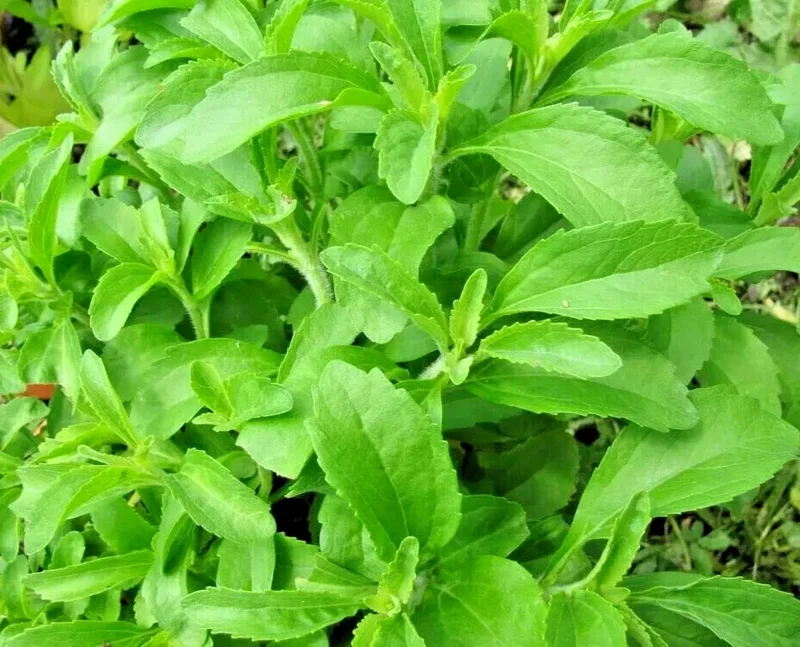
Discover the joy of cultivating your own natural sweetener with our premium pack of 250 Stevia Sweetleaf Herb Plant Seeds. Stevia sweetleaf herb plant seeds offer an exceptional opportunity to grow Stevia rebaudiana, a remarkable perennial herb renowned for its intensely sweet leaves. These leaves serve as a healthy, calorie-free sugar alternative, making them ideal for health-conscious individuals and avid herbalists alike. Our high-quality seeds are perfect for gardeners of all experience levels, providing an easy and rewarding way to cultivate a versatile plant right in your home garden. Enjoy fresh, organic stevia leaves with a sweetness far surpassing that of sugar, without the associated calories. These stevia sweetleaf seeds promise a bountiful harvest, allowing you to incorporate its natural goodness into teas, desserts, and various culinary creations.
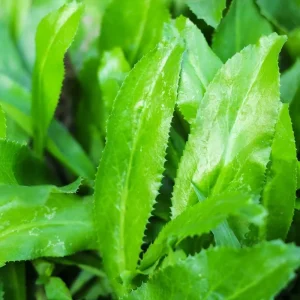
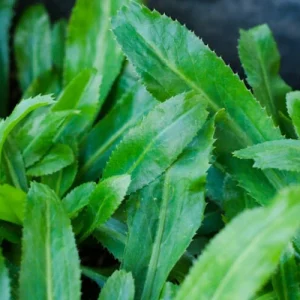
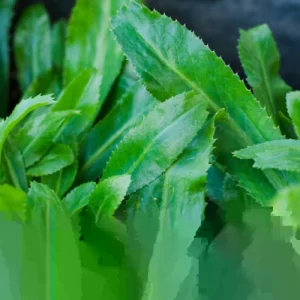
Stevia, native to South America, has been cherished for centuries for its sweet properties. Now, you can easily bring this incredible natural sugar plant to your own backyard or windowsill. The plant itself is attractive, featuring small green leaves, and can thrive in diverse climates with proper care. It’s a fantastic choice for anyone interested in sustainable living and reducing their sugar intake. Prepare to transform your garden into a continuous source of natural sweetness with these exceptional seeds.
Key Benefits
Growing stevia sweetleaf herb plant seeds offers a multitude of advantages for both your well-being and your garden. Cultivating this amazing herb provides a sustainable source of natural sweetness and contributes to a healthier lifestyle. Here are some of the key benefits you can expect from nurturing your own stevia plants:
- Natural Sweetener: Stevia leaves contain steviol glycosides, powerful natural compounds that are intensely sweet but contain no calories. This makes them an excellent, healthy sugar substitute for beverages, baked goods, and other foods, supporting a balanced diet.
- Easy to Grow: These stevia sweetleaf seeds are known for their relatively easy cultivation, making them suitable for both novice and experienced gardeners. With basic care and attention, you can enjoy a consistent and abundant harvest of sweet leaves.
- Perennial Plant: As a perennial herb seeds, your stevia plant can return year after year in suitable climates, providing a continuous supply of fresh leaves without the need for replanting each season. This offers long-term value and convenience.
- Versatile Use: Fresh or dried stevia leaves can be used in a wide range of culinary applications. From sweetening teas and coffee to enhancing the flavor of desserts and various recipes, stevia offers a natural touch to your favorite dishes.
- Indoor & Outdoor Adaptability: Stevia plants demonstrate remarkable adaptability, thriving both indoors in pots, which allows for fresh leaves even during colder months, and outdoors in garden beds. This flexibility makes them a great choice for various growing environments.
- Air Purifying: Like many green plants, stevia contributes to a healthier indoor environment by naturally purifying the air. This adds to its appeal as an indoor potted plant, enhancing your living space.
- Fast Growing: Under optimal conditions, stevia plants exhibit a relatively fast growth rate. You can typically enjoy your first harvest of sweet leaves sooner than with many other herbs, providing quick gratification for your gardening efforts.
Plant Care & Growing Tips
To successfully grow stevia plant from these stevia sweetleaf herb plant seeds and ensure a thriving, productive herb, follow these detailed care and growing tips. Stevia (Stevia rebaudiana) is a tender perennial, meaning it can live for several years, but it is often grown as an annual in colder climates where frost is a concern. It prefers warm conditions and well-draining soil to flourish and produce its sweetest leaves.
Sunlight Requirements
Stevia thrives in areas that receive full sun to partial shade. For optimal growth and sweetness in the leaves, aim for at least 6-8 hours of direct sunlight per day if growing outdoors. If you’re growing indoors, place your stevia plant near a south-facing window or under dedicated grow lights to ensure it gets adequate light exposure. Insufficient light can result in leggy growth, weaker plants, and a reduction in the desired sweetness of the leaves.
Watering & Soil Preferences
Maintain consistently moist, but not waterlogged, soil. Water deeply when the top inch of soil feels dry to the touch. It is crucial to avoid overwatering, as this can quickly lead to root rot, which is detrimental to the plant’s health. Good drainage is paramount for stevia. For soil, stevia prefers a rich, well-draining potting mix. A blend of compost, peat moss, and perlite works exceptionally well for container planting. If planting in the ground, ensure the soil is loose and amended with organic matter to improve both drainage and fertility. The ideal pH for stevia is slightly acidic to neutral, typically between 6.0 and 7.0.
Temperature & Hardiness
Stevia is a tender perennial that prefers warm temperatures, ideally between 60-75°F (15-24°C). It is highly sensitive to frost and will not survive freezing temperatures. In USDA zones 8 and above, it can often be grown as a perennial outdoors, returning each year. In colder zones (7 and below), it’s best to grow stevia sweetleaf seeds as annuals, replanting each spring, or bring potted plants indoors during winter months to protect them from the cold. When outdoor temperatures consistently drop below 50°F (10°C), ensure indoor plants are brought inside or provide adequate protection for any outdoor plants.
Fertilization
Stevia is not a heavy feeder, meaning it doesn’t require excessive fertilization. A balanced liquid fertilizer can be applied every 2-4 weeks during the active growing season (spring and summer) to support healthy leaf production. Avoid over-fertilizing, especially with high-nitrogen fertilizers, as this can reduce the sweetness of the leaves, which is the primary goal when growing this natural sugar plant. Organic compost or worm castings can also be incorporated into the soil for a slow-release nutrient boost, promoting overall plant vigor.
Common Problems & Solutions
Stevia is generally pest-resistant, but it’s wise to watch out for common garden pests like aphids or whiteflies, particularly on young plants or in stressed conditions. These can usually be controlled effectively with insecticidal soap or neem oil. Ensure good air circulation around your plants to prevent fungal diseases, especially in humid conditions. Yellowing leaves can indicate either overwatering or a nutrient deficiency. Adjust your watering schedule and consider a light feeding if necessary to keep your stevia plant healthy and productive.
Size & Details
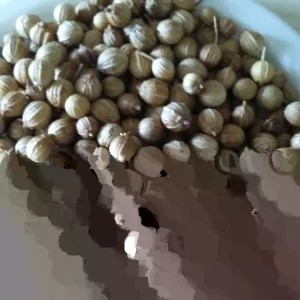
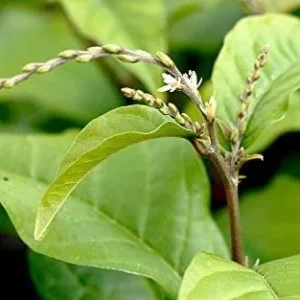
This offering includes 250 Stevia Sweetleaf Herb Plant Seeds, providing a generous quantity to establish your own stevia patch. Each seed is carefully selected to ensure viability and robust growth, giving you the best start for your home garden. When mature, stevia plants typically grow to a height of 1-3 feet (30-90 cm) and achieve a similar spread, forming a bushy, compact plant. The growth rate is relatively fast, and you can expect to harvest your first leaves within 2-3 months after germination, allowing for quick enjoyment of your natural sweetener. These seeds are ideal for planting in 4-6 inch pots for indoor cultivation or directly into garden beds for outdoor growing. While the plant will produce small, inconspicuous white flowers, for maximum sweetness and leaf production, it is often recommended to pinch off flower buds. These perennial herb seeds represent a fantastic investment for a long-term, sustainable source of natural sweetening.
Frequently Asked Questions
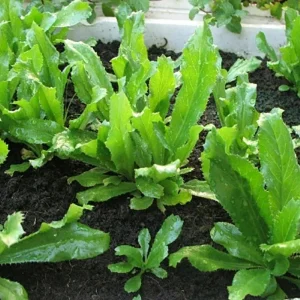
- Q: How big does a stevia plant get? A: A mature stevia plant typically grows between 1 to 3 feet tall and can spread similarly wide, forming a bushy habit. Its size can be effectively managed with regular pruning, encouraging bushier growth and more leaves.
- Q: Is this an indoor or outdoor plant? A: Stevia is highly versatile and can be grown successfully both indoors and outdoors. It thrives outdoors in warm climates (USDA zones 8-11) and can be grown as a potted plant indoors in cooler regions, providing fresh leaves year-round.
- Q: How much sunlight does stevia need? A: For optimal growth and to ensure the sweetest leaves, stevia requires at least 6-8 hours of direct sunlight daily. Partial shade is tolerated, especially in very hot climates where intense afternoon sun might be too strong.
- Q: Is this plant easy to care for? A: Yes, stevia is considered an easy-to-care-for herb, making it suitable for beginners and experienced gardeners alike. It primarily needs consistent watering, adequate sunlight, and well-draining soil to thrive.
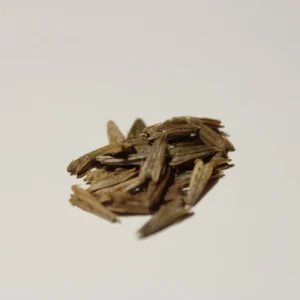
- Q: What condition will the seeds arrive in? A: Your 250 Stevia Sweetleaf Herb Plant Seeds will arrive as dry, viable seeds, ready for planting. They should be stored in a cool, dry place away from direct sunlight until you are ready to sow them to maintain viability.
- Q: Can I use fresh stevia leaves for sweetening? A: Absolutely! Fresh stevia leaves are highly potent and can be added directly to teas, smoothies, cold beverages, or other foods for a natural, calorie-free sweetness. You can also dry them for later use.
- Q: When is the best time to plant stevia seeds? A: The best time to plant these stevia sweetleaf seeds is in late spring, after the last frost, when soil temperatures have warmed sufficiently. For indoor growing, you can start seeds 6-8 weeks before the last anticipated frost date.
- Q: Will stevia survive winter in my zone? A: In USDA zones 8 and warmer, stevia can typically overwinter outdoors as a perennial. In colder zones (7 and below), it will need to be brought indoors or treated as an annual, as it is not frost-hardy.
- Q: What type of soil is best for stevia? A: Stevia prefers a rich, well-draining soil mix. A good quality potting mix amended with compost or perlite is ideal for containers, while garden soil should be loose and fertile, ensuring good aeration and drainage.
- Q: How long until I can harvest stevia leaves? A: You can typically start harvesting stevia leaves about 2-3 months after planting the seeds, once the plant has established itself and produced sufficient foliage. Regular harvesting encourages bushier growth and more leaf production.
Related products
-50%
From Original price was: $64.00.$32.00Current price is: $32.00.
-50%
Original price was: $32.00.$16.00Current price is: $16.00.
PLANTING & CARE
Lemon Tree Growing: Choose, Plant, and Harvest
Learn how to choose, plant, feed, and protect a lemon tree so it fits your
23
Sep
Sep
Dwarf Meyer Lemon Tree Australia: Climate Guide
Learn where dwarf Meyer lemon trees grow, how much cold they tolerate, and whether Australia,
Where to Buy a Dwarf Meyer Lemon Tree: Buyer’s Guide
Find the right dwarf Meyer lemon tree online or locally, compare starter sizes and costs,
Dwarf Meyer Lemon Tree for Sale: Buying Guide
Compare Meyer lemon tree sizes, prices, shipping limits, indoor growing and California options before you
Dwarf Meyer Lemon Tree Guide: Size, Care and Fruit
META: Learn how large a dwarf Meyer lemon tree grows, where it thrives, and how
How to Prune a Dwarf Meyer Lemon Tree
Learn when and how to prune a dwarf Meyer lemon tree, including tools, shaping cuts,
Can You Grow a Dwarf Meyer Lemon Tree in a Pot?
META: Learn how to grow a dwarf Meyer lemon tree in a pot, including container
When Do Dwarf Meyer Lemon Trees Bloom and Fruit?
META: Dwarf Meyer lemon trees usually bloom from winter through spring and may flower again