3 Purple Passion Fruit Starter Live Plant Possum Passiflora edulis Self-Fertile
-20%
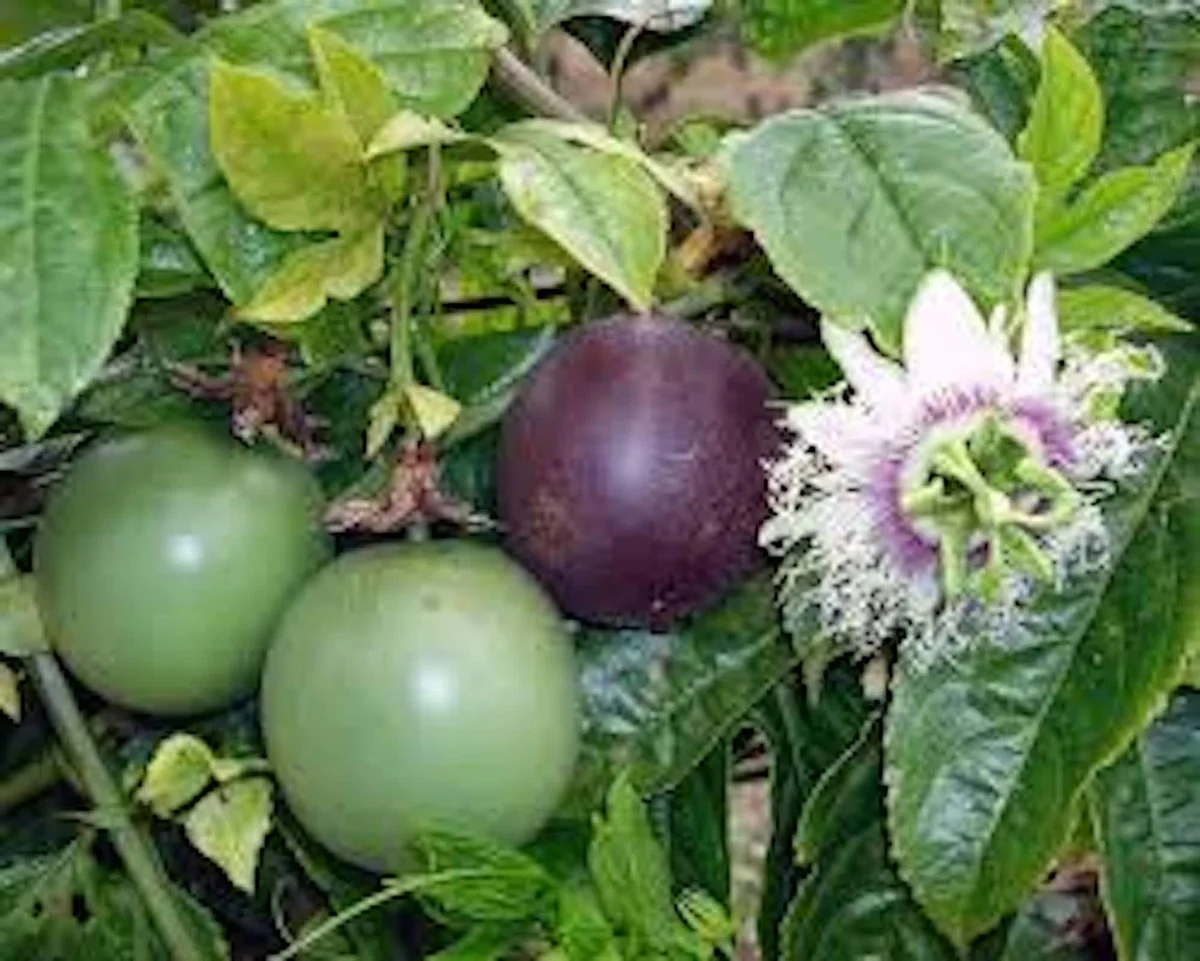
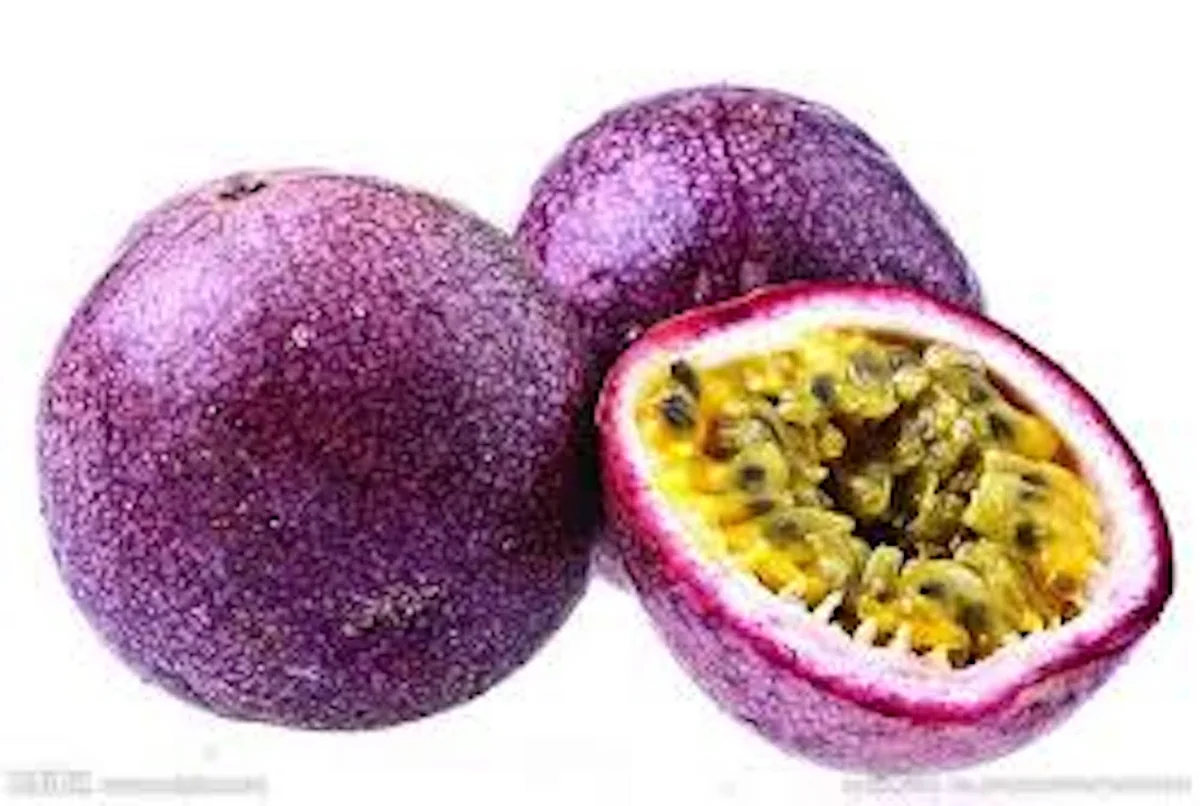


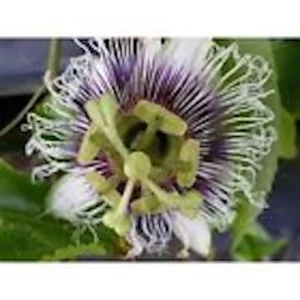
3 Purple Passion Fruit Starter Live Plant Possum Passiflora edulis Self-Fertile
Cultivate your own exotic harvest with this purple passion fruit live plant. The Passiflora edulis care is straightforward, making it ideal for gardeners looking for a vigorous, self-fertile vine. Enjoy striking flowers and delicious, tangy-sweet fruits perfect for fresh eating or culinary creations. This starter plant is ready to thrive in your garden.
Original price was: $54.00.$43.20Current price is: $43.20.

With our Alive & Thrive Guarantee, we’ve got your back for the first 30 days! If you have any concerns about your plants, just reach out to us. Our team is here to help answer your questions and guide you in selecting the best plants for your garden, climate, and unique preferences. We're excited to help you create the garden of your dreams!
Estimated arrival
Oct 14
Oct 19 - Oct 21
Oct 24 - Oct 28
Product Details
-
USDA Hardiness Zone
USDA zones 9–11 -
Soil type
Well-draining, rich in organic matter -
Sunlight Exposure
Full sun (6-8+ hours direct sunlight) -
Expected Planting Period
Spring to early summer
Overview
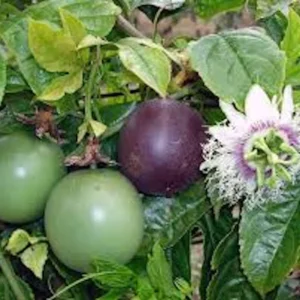
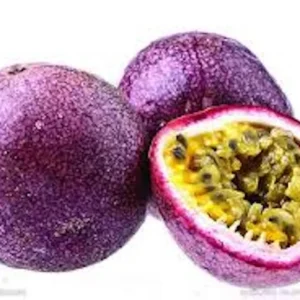
Embark on a tropical gardening adventure with the purple passion fruit live plant. This offering includes three starter plants of the ‘Possum’ variety (Passiflora edulis), renowned for its vigorous growth, captivating flowers, and abundant, flavorful fruit. The ‘Possum’ is a highly sought-after cultivar due to its self-fertile nature, which means you won’t need multiple plants for successful pollination and fruit production. Originating from South America, the passion fruit vine, also known as maracuja, is a fast-growing, evergreen climber that adds an exotic touch to any garden or patio. Its lush foliage provides a beautiful backdrop for the unique, intricate blooms that precede the development of its iconic, round, purple-skinned fruits. These fruits are celebrated for their aromatic, tangy-sweet pulp, which is a culinary delight, perfect for juices, desserts, sauces, or simply enjoyed fresh straight from the vine. Whether you’re an experienced gardener or just starting, growing passion fruit vine offers a rewarding experience with delicious results.
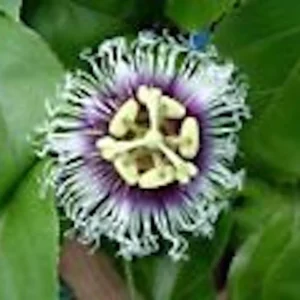
The Passiflora edulis species is celebrated not only for its fruit but also for its ornamental value. The intricate flowers, often displaying hues of purple, blue, and white, are a spectacle in themselves, attracting a variety of pollinators like bees and butterflies. This makes the purple passion fruit live plant a beneficial addition to any biodiverse garden. These starter plants provide a convenient way to begin your passion fruit cultivation, ensuring you receive healthy, established specimens ready to acclimate to their new environment. With proper care, these vines can quickly establish themselves, growing up to 10-15 feet or more, and begin producing fruit within a year or two, making them a truly rewarding investment for any home orchard or edible landscape.
Key Benefits
Cultivating a purple passion fruit live plant offers a multitude of benefits, from its aesthetic appeal to its bountiful harvest. Here are some of the key advantages of adding this vibrant vine to your garden:
-
Delicious, Nutritious Fruit: The primary benefit is the production of delectable purple passion fruit. These fruits are rich in vitamins A and C, fiber, and antioxidants, offering a healthy and refreshing snack. The tangy-sweet pulp is versatile for cooking, baking, and beverages.
-
Exotic Ornamental Flowers: Beyond its fruit, the ‘Possum’ variety boasts stunning, complex flowers with striking purple, blue, and white patterns. These blooms are a garden showstopper, adding a touch of tropical elegance and acting as natural conversation starters.
-
Self-Fertile & Productive: The ‘Possum’ cultivar is self-fertile, which simplifies the growing passion fruit vine process as it doesn’t require cross-pollination from another plant. This ensures a more reliable and abundant fruit yield from a single vine.
-
Vigorous Growth & Quick Establishment: As a fast-growing vine, it quickly covers trellises, fences, or arbors, providing lush greenery and shade. These starter plants are already established, allowing for quicker growth and fruit production compared to growing from seed.
-
Attracts Pollinators: The showy flowers are a magnet for beneficial pollinators such as bees and butterflies, contributing to a healthier garden ecosystem and supporting local wildlife.
-
Versatile Culinary Uses: The unique flavor of the fruit can elevate a wide array of dishes and drinks. Use it in smoothies, desserts, cocktails, savory sauces, or simply scoop out the pulp for a refreshing treat.
-
Rewarding Gardening Experience: Watching the vine grow, flower, and eventually bear fruit is incredibly satisfying. The relatively easy Passiflora edulis care makes it a rewarding plant for gardeners of all skill levels.
Plant Care & Growing Tips
To ensure your purple passion fruit live plant thrives and produces abundant fruit, understanding its specific care requirements is crucial. These vines prefer a warm, sunny environment and well-drained soil. For optimal growth and fruiting, plant your passion fruit vine in a location that receives at least 6-8 hours of direct sunlight per day. While they can tolerate some partial shade, full sun will result in more vigorous growth and a larger harvest. Ensure the soil is rich in organic matter and has excellent drainage to prevent root rot. A slightly acidic to neutral pH (6.0-7.0) is ideal for growing passion fruit vine. When planting, amend the soil with compost or well-rotted manure to provide essential nutrients and improve soil structure.
Watering is critical, especially during dry periods and when the plant is actively flowering and fruiting. Keep the soil consistently moist but never waterlogged. Deep watering once or twice a week is generally more effective than frequent shallow watering. Reduce watering during cooler months. These plants are sensitive to frost, making them best suited for USDA hardiness zones 9-11. In colder climates, they can be grown in large containers and brought indoors during winter, or treated as annuals. Provide a strong trellis, arbor, or fence for the vine to climb, as it can grow quite long and heavy with fruit. Fertilize regularly during the growing season with a balanced fertilizer, switching to a higher potassium fertilizer once flowering begins to encourage fruit development. Pruning is also important for maintaining plant health and maximizing yield; remove dead or weak branches and thin out excessive growth to improve air circulation and light penetration. With diligent Passiflora edulis care, your vine will flourish.
Size & Details
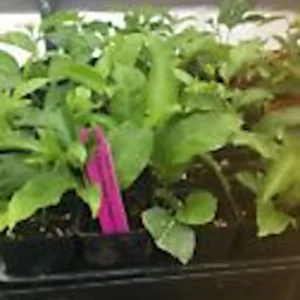
This offering includes three purple passion fruit live plant starter plants. Each plant is a healthy, established specimen, typically shipped bare root or in a small nursery pot, ready for transplanting into your garden or a larger container. The ‘Possum’ cultivar is known for its robust growth, capable of reaching lengths of 10 to 15 feet or more when provided with adequate support like a trellis or arbor. The mature vine will produce round, purple or yellow-skinned fruits, each filled with a tangy, aromatic pulp. While initial fruiting can occur within the first year under ideal conditions, significant harvests usually begin in the second year. These plants are designed to establish quickly, offering a head start compared to growing from seed. They are a self-fertile passion fruit variety, ensuring fruit production even with a single plant. Expect a strong root system and healthy foliage upon arrival, poised for vigorous growth.
Frequently Asked Questions
-
Q: How big does this purple passion fruit live plant get? A: A: This vigorous vine can grow quite long, typically reaching 10-15 feet or more in length. It requires a sturdy trellis, fence, or arbor for support as it grows.
-
Q: Is this an indoor or outdoor plant? A: The purple passion fruit live plant is primarily an outdoor plant, thriving in warm climates (USDA zones 9-11). In colder regions, it can be grown in containers and brought indoors during winter or treated as an annual.
-
Q: How much sunlight does it need? A: For best results and abundant fruit, your passion fruit vine needs at least 6-8 hours of direct sunlight per day. Full sun is crucial for vigorous growth and fruit production.
-
Q: Is this plant easy to care for? A: With proper attention to sunlight, watering, and providing support, Passiflora edulis care is relatively straightforward. It’s considered low-maintenance once established, making growing passion fruit vine a rewarding experience for most gardeners.
-
Q: What condition will the plants arrive in? A: The plants are typically shipped as healthy starter plants, often bare root or in small nursery pots, with their roots protected to ensure they arrive in good condition, ready for planting.
-
Q: How long until it blooms and fruits? A: Under optimal conditions, these starter plants may begin flowering and fruiting within the first year, with more substantial harvests typically occurring in the second year of growth.
-
Q: What’s the best soil for self-fertile passion fruit? A: Passion fruit vines prefer well-draining soil that is rich in organic matter. A slightly acidic to neutral pH (6.0-7.0) is ideal for healthy growth and fruit production.
-
Q: Can I grow this plant in a container? A: Yes, you can grow this exotic fruit plant in a large container (at least 15-20 gallons) if you live in a colder climate or have limited garden space, as long as it receives adequate sunlight and support.
-
Q: Is this a self-fertile passion fruit variety? A: Yes, the ‘Possum’ variety of Passiflora edulis is self-fertile, meaning a single plant can produce fruit without the need for another passion fruit vine for cross-pollination.
-
Q: Will it attract pollinators to my garden? A: Absolutely! The vibrant and intricate flowers of the purple passion fruit live plant are highly attractive to pollinators like bees and butterflies, enhancing the biodiversity of your garden.
Related products
-20%
Original price was: $36.00.$28.80Current price is: $28.80.
-20%
Original price was: $34.00.$27.20Current price is: $27.20.
-20%
Original price was: $32.00.$25.60Current price is: $25.60.
-20%
Original price was: $34.00.$27.20Current price is: $27.20.
-20%
Original price was: $60.00.$48.00Current price is: $48.00.
-20%
Original price was: $32.00.$25.60Current price is: $25.60.
-49%
Original price was: $59.38.$29.99Current price is: $29.99.
-10%
Original price was: $75.00.$67.50Current price is: $67.50.
PLANTING & CARE
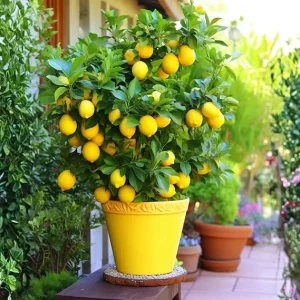
Lemon Tree Growing: Choose, Plant, and Harvest
Learn how to choose, plant, feed, and protect a lemon tree so it fits your
23
Sep
Sep
Dwarf Meyer Lemon Tree Australia: Climate Guide
Learn where dwarf Meyer lemon trees grow, how much cold they tolerate, and whether Australia,
Where to Buy a Dwarf Meyer Lemon Tree: Buyer’s Guide
Find the right dwarf Meyer lemon tree online or locally, compare starter sizes and costs,
Dwarf Meyer Lemon Tree for Sale: Buying Guide
Compare Meyer lemon tree sizes, prices, shipping limits, indoor growing and California options before you
Dwarf Meyer Lemon Tree Guide: Size, Care and Fruit
META: Learn how large a dwarf Meyer lemon tree grows, where it thrives, and how
How to Prune a Dwarf Meyer Lemon Tree
Learn when and how to prune a dwarf Meyer lemon tree, including tools, shaping cuts,
Can You Grow a Dwarf Meyer Lemon Tree in a Pot?
META: Learn how to grow a dwarf Meyer lemon tree in a pot, including container
When Do Dwarf Meyer Lemon Trees Bloom and Fruit?
META: Dwarf Meyer lemon trees usually bloom from winter through spring and may flower again