4 White Milkweed Live Plants – Asclepias Perennial, 4-8 Inch, Outdoor
4 White Milkweed Live Plants – Asclepias Perennial, 4-8 Inch, Outdoor
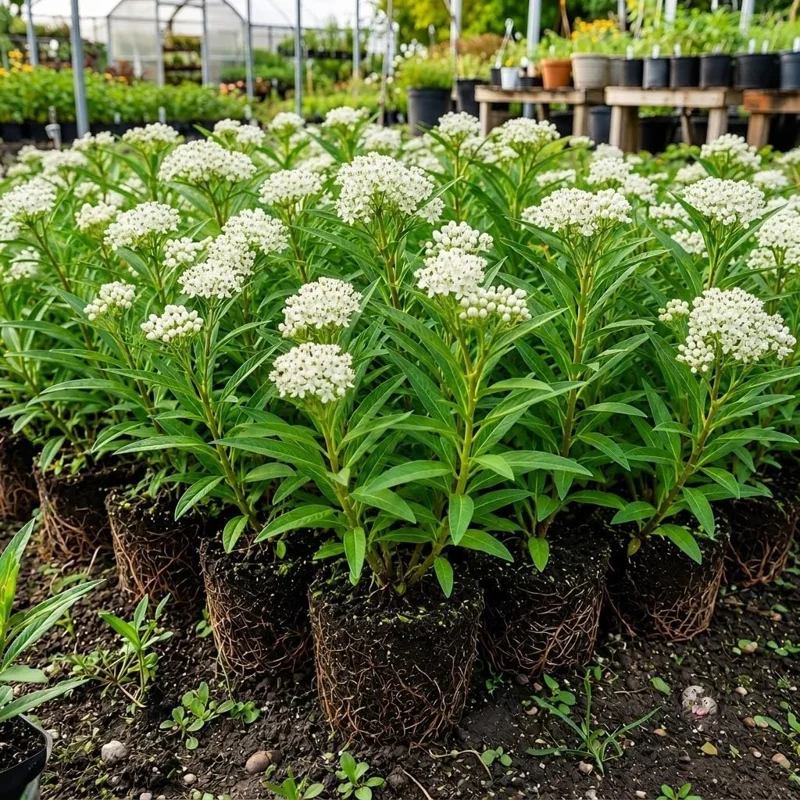
Bring life and beauty to your garden with this set of 4 white milkweed live plant specimens. Perfect as a monarch host plant, these asclepias milkweed perennials produce stunning white blooms and are vital for butterfly conservation. Easy to care for and drought-tolerant.
$38.99

With our Alive & Thrive Guarantee, we’ve got your back for the first 30 days! If you have any concerns about your plants, just reach out to us. Our team is here to help answer your questions and guide you in selecting the best plants for your garden, climate, and unique preferences. We're excited to help you create the garden of your dreams!
Estimated arrival
Oct 16
Oct 21 - Oct 23
Oct 26 - Oct 30




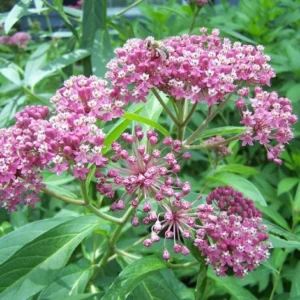





Product Details
-
USDA Hardiness Zone
3-9 -
Soil type
Well-draining soil -
Sunlight Exposure
Full sun -
Expected Planting Period
Spring to early summer
Overview
Transform your garden into a vibrant pollinator paradise with our set of 4 white milkweed live plant specimens. These robust perennials, scientifically known as Asclepias, are celebrated for their delicate white blooms and their indispensable role in supporting monarch butterfly populations. Each order includes four healthy, bare-root plants, typically measuring 4-8 inches tall, ready for immediate planting in your home garden. Unlike many plants, milkweed is the exclusive food source for monarch butterfly caterpillars, making these plants an essential addition for any eco-conscious gardener. Our asclepias milkweed offers not just ecological benefits but also a stunning visual appeal with its charming white flowers that bloom from late spring to mid-summer. Plant them to create a haven for pollinators and enjoy the captivating sight of monarchs fluttering about, contributing directly to their conservation.
These white milkweed live plant specimens are remarkably resilient and easy to establish, making them suitable for gardeners of all experience levels. They are shipped as bare-root plants, ensuring they transplant well and quickly adapt to their new environment. The 4-8 inch height indicates strong, young plants ready to thrive and grow into mature, flower-producing specimens. By choosing these live plants, you are enhancing your garden’s aesthetic and playing a crucial part in the preservation of the iconic monarch butterfly. Embrace the beauty and ecological significance of these wonderful perennials in your outdoor space, providing a vital resource for pollinators.
Key Benefits
Our white milkweed live plant offers a multitude of benefits, making it a superb choice for any garden. They are not just beautiful, but also play a vital role in local ecosystems, supporting biodiversity and adding charm.
- Monarch Butterfly Host Plant: These plants are the exclusive food source for monarch caterpillars, making them essential for the monarch life cycle and population health. Planting them directly supports these iconic pollinators, serving as a critical monarch host plant.
- Beautiful White Blooms: Enjoy a profusion of delicate, star-shaped white flowers from late spring through mid-summer, adding elegance and charm to your garden landscape. This perennial white flower provides continuous beauty.
- Pollinator Attraction: Beyond monarchs, the nectar-rich flowers attract a wide array of other beneficial pollinators, including bees and other butterflies, promoting a healthy garden ecosystem.
- Low Maintenance Perennial: Once established, these perennial white flower plants are remarkably resilient and require minimal care, returning year after year with stunning blooms. They are an ideal choice for busy gardeners.
- Drought Tolerant: After their initial establishment period, asclepias milkweed plants are quite drought-resistant, making them a sustainable choice for various climates and water-wise gardening.
- Deer Resistant: Milkweed plants are generally unpalatable to deer, offering a natural deterrent that protects your garden from common browsing damage, preserving your beautiful blooms.
- Adaptable to Various Zones: Hardy in USDA Zones 3-9, these plants can thrive in a broad range of climates across the United States, ensuring success for many gardeners.
Plant Care & Growing Tips
Caring for your white milkweed live plant is straightforward, ensuring a thriving display and a welcoming habitat for monarchs. These plants prefer a location with full sun, meaning they should receive at least 6 hours of direct sunlight per day. Adequate sunlight is crucial for robust growth and abundant flowering. When planting, choose a spot that allows for good air circulation around the plants. While they are adaptable, providing the right conditions from the start will lead to the best results for your asclepias milkweed, encouraging vigorous growth and plentiful blooms. Proper milkweed plant care starts with site selection.
Soil and water requirements for asclepias milkweed are relatively simple. They thrive in well-draining soil, so avoid heavy, waterlogged conditions. If your soil is clay-heavy, consider amending it with sand or compost to improve drainage significantly. During the establishment phase, water regularly to keep the soil consistently moist but not saturated. Once established, milkweed is quite drought-tolerant and will only need occasional watering, especially during prolonged dry spells. The ideal temperatures for growth are between 65 and 85 degrees Fahrenheit. Fertilization is generally not heavily needed; a light application of a balanced, slow-release fertilizer in early spring can promote vigorous growth, but too much nitrogen can reduce flowering. Monitor for common garden pests, though milkweed is generally resilient. The occasional presence of aphids on new growth is normal and usually doesn’t harm the plant significantly, and can even provide food for beneficial insects.
To ensure your perennial white flower returns year after year, proper winter care is important in colder zones. In USDA Zones 3-9, the plants will naturally die back to the ground in winter. You can cut back the dead stems in late fall or early spring before new growth emerges. This helps to maintain plant vigor and appearance. Avoid disturbing the roots during winter dormancy. With these simple care guidelines, your milkweed plant care will be minimal, and you’ll enjoy beautiful blooms and a vibrant monarch haven for many years to come, making them a rewarding addition to any garden.
Size & Details
This offering includes a set of 4 white milkweed live plant specimens, each a robust young plant ready for planting. These live plants typically stand between 4-8 inches tall upon arrival, providing a strong foundation for future growth. They are shipped as bare-root plants, which is an excellent method for ensuring successful transplanting and rapid establishment in your garden. The bare-root format allows the plant to focus its energy on root development once in the ground, leading to a healthier and more vigorous plant overall. This method is preferred for its effectiveness in promoting strong root systems.
These asclepias milkweed plants are perennial, meaning they will return each year, growing larger and more floriferous with each season. They are hardy across a wide range of climates, specifically USDA Zones 3-9. Expect them to reach a mature height of 2-4 feet, forming attractive clumps that can spread gently over time. The blooming season for these perennial white flower plants is typically from late spring to mid-summer, providing a continuous display of their charming white blossoms. With proper milkweed plant care, these plants will become a cherished and ecologically beneficial part of your garden landscape, attracting beneficial insects and adding natural beauty.
Frequently Asked Questions
- Q: How big do these white milkweed live plant specimens get? A: These white milkweed live plant specimens typically arrive 4-8 inches tall. Once established, they can grow to a mature height of 2-4 feet, forming a bushy perennial clump in your garden, providing significant visual impact.
- Q: Are these an indoor or outdoor plant? A: These asclepias milkweed plants are outdoor perennials. They are best suited for planting in garden beds or large outdoor containers where they can receive ample sunlight and space to grow and thrive.
- Q: How much sunlight do these milkweed plants need? A: For optimal growth and flowering, these plants require full sun, meaning at least 6 hours of direct sunlight per day. They thrive in bright, open locations to produce abundant blooms.
- Q: Is this plant easy to care for? Is it good for beginners? A: Yes, these monarch host plant specimens are relatively easy to care for, especially once established. They are a great choice for beginner gardeners looking to add beauty and ecological value to their outdoor space with minimal effort.
- Q: What condition will the plants arrive in? A: The plants will arrive as bare-root specimens, typically 4-8 inches tall, carefully packaged to ensure their health during transit. This method promotes strong root development upon planting for a successful start.
- Q: When is the best time to plant white milkweed? A: The best time to plant these perennial white flower plants is in spring or early summer, after the danger of the last frost has passed. This allows them ample time to establish before colder weather sets in.
- Q: Will these milkweed plants survive winter in my zone? A: Yes, these plants are hardy in USDA Zones 3-9. In colder zones, they will die back to the ground in winter and re-emerge in spring, making them a reliable perennial addition to your garden year after year.
- Q: What kind of soil is best for milkweed plant care? A: Milkweed plant care is best achieved in well-draining soil. While adaptable, they do not tolerate soggy conditions. Amending heavy clay soils with organic matter or sand can significantly improve drainage.
- Q: Do these white milkweed plants attract monarch butterflies? A: Absolutely! These plants are a vital monarch host plant for monarch caterpillars and a rich nectar source for adult butterflies, making them highly attractive to monarchs and other beneficial pollinators.
- Q: Do I need to fertilize my white milkweed plants? A: Generally, light fertilization in early spring is sufficient. Too much nitrogen can encourage foliage growth at the expense of flowers. They are not heavy feeders and thrive with minimal intervention.
Related products
-30%

Original price was: $63.98.$44.78Current price is: $44.78.
-30%


Original price was: $63.98.$44.78Current price is: $44.78.
-67%
Original price was: $59.97.$19.99Current price is: $19.99.
-30%


Original price was: $63.98.$44.78Current price is: $44.78.
-67%

Original price was: $66.72.$22.24Current price is: $22.24.
-67%


Original price was: $66.72.$22.24Current price is: $22.24.
-30%
Original price was: $65.98.$46.18Current price is: $46.18.
PLANTING & CARE
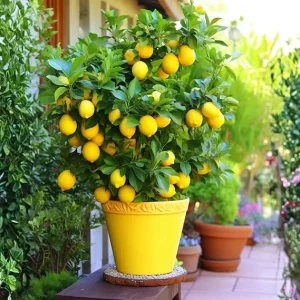
Lemon Tree Growing: Choose, Plant, and Harvest
Learn how to choose, plant, feed, and protect a lemon tree so it fits your
23
Sep
Sep
Dwarf Meyer Lemon Tree Australia: Climate Guide
Learn where dwarf Meyer lemon trees grow, how much cold they tolerate, and whether Australia,
Where to Buy a Dwarf Meyer Lemon Tree: Buyer’s Guide
Find the right dwarf Meyer lemon tree online or locally, compare starter sizes and costs,
Dwarf Meyer Lemon Tree for Sale: Buying Guide
Compare Meyer lemon tree sizes, prices, shipping limits, indoor growing and California options before you
Dwarf Meyer Lemon Tree Guide: Size, Care and Fruit
META: Learn how large a dwarf Meyer lemon tree grows, where it thrives, and how
How to Prune a Dwarf Meyer Lemon Tree
Learn when and how to prune a dwarf Meyer lemon tree, including tools, shaping cuts,
Can You Grow a Dwarf Meyer Lemon Tree in a Pot?
META: Learn how to grow a dwarf Meyer lemon tree in a pot, including container
When Do Dwarf Meyer Lemon Trees Bloom and Fruit?
META: Dwarf Meyer lemon trees usually bloom from winter through spring and may flower again