5 Lattarula Fig Starter Plug – Italian Honey Fig Live Plant – Ficus carica – USDA Zones 7-10
-60%


5 Lattarula Fig Starter Plug – Italian Honey Fig Live Plant – Ficus carica – USDA Zones 7-10
Cultivate your own delicious fruit with this 5-pack of Lattarula fig starter plug plants. Also known as the Italian Honey fig tree, this cold-hardy variety yields sweet, amber-fleshed fruit. Perfect for in-ground or container growing in USDA Zones 7-10.
Original price was: $90.00.$35.99Current price is: $35.99.

With our Alive & Thrive Guarantee, we’ve got your back for the first 30 days! If you have any concerns about your plants, just reach out to us. Our team is here to help answer your questions and guide you in selecting the best plants for your garden, climate, and unique preferences. We're excited to help you create the garden of your dreams!
Estimated arrival
Oct 14
Oct 19 - Oct 21
Oct 24 - Oct 28
Product Details
-
USDA Hardiness Zone
7-10 -
Soil type
Well-draining, fertile soil -
Sunlight Exposure
Full sun (6-8+ hours daily) -
Expected Planting Period
Spring to early summer
Overview
Bring the taste of Italy to your garden with this 5-pack of Lattarula fig starter plug plants. The Lattarula fig, renowned as the Italian Honey fig tree, is a highly sought-after variety of Ficus carica known for its exceptional sweetness and prolific fruit production. These live starter plugs provide a convenient and effective way to begin growing your own fig trees, whether you’re an experienced gardener or just starting out. Each plug represents a young, healthy fig plant ready to establish roots and flourish in your chosen environment. The Lattarula is a cold-hardy fig plant, making it suitable for a wider range of climates compared to some other fig varieties, thriving particularly well in USDA hardiness zones 7 through 10. Its self-pollinating nature ensures you’ll get abundant crops without needing a second tree.
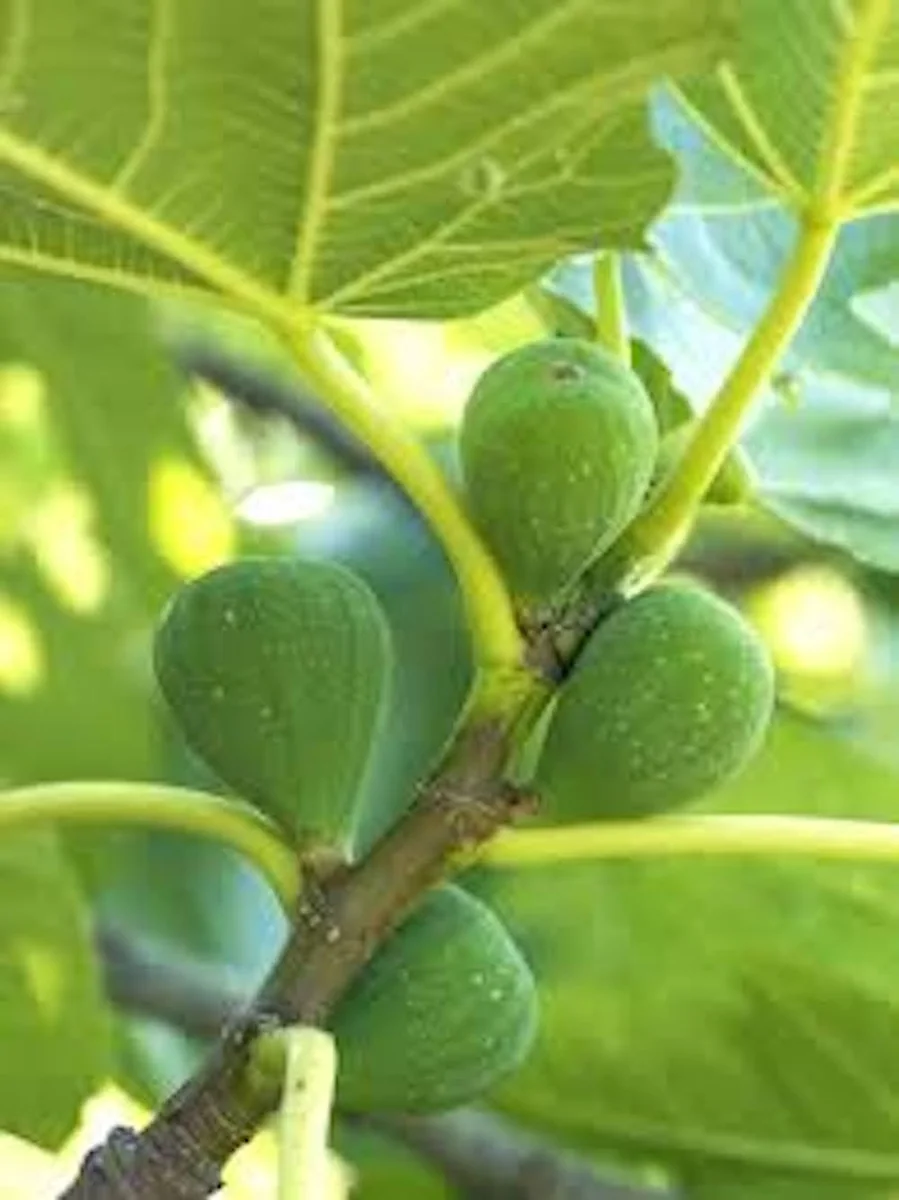
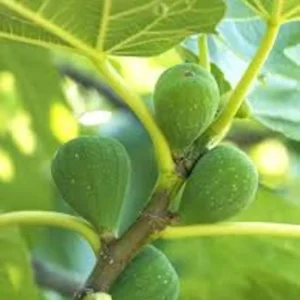
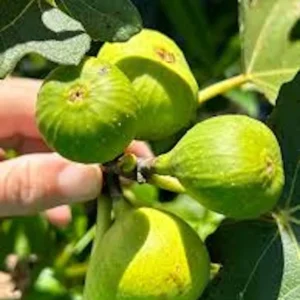
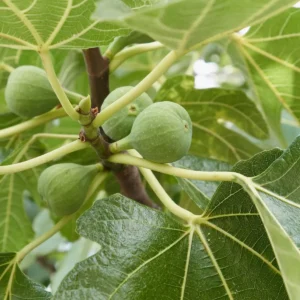
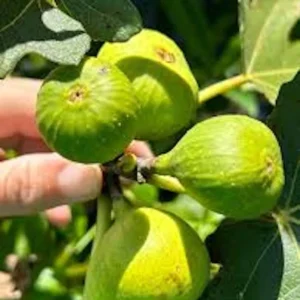
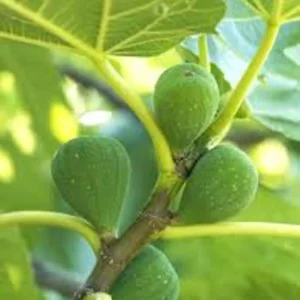
The Lattarula fig is prized for its delicious fruit, which features a greenish-yellow skin and a rich, amber-colored flesh. The flavor is distinctly honey-like, offering a delightful sweetness that’s perfect for fresh eating, preserves, or baking. Growing fig trees can be incredibly rewarding, providing not only tasty fruit but also an attractive addition to your landscape or patio. These starter plugs are an excellent foundation for cultivating robust fruit-bearing trees. If you’re looking to grow fig trees that are both resilient and productive, the Lattarula variety is an outstanding choice that promises a bountiful harvest year after year.
Key Benefits
Investing in these Lattarula fig starter plugs offers numerous advantages for any home gardener looking to cultivate their own fruit. This particular fig variety is celebrated for its ease of growth and generous yields.
- Prolific Fruit Production: The Lattarula fig starter plug is known for its abundant harvests of delicious figs, ensuring you’ll have plenty of fruit to enjoy fresh or preserve. This variety consistently produces a strong crop.
- Exceptional Flavor Profile: Experience the unique, honey-like sweetness and amber-fleshed texture of the Italian Honey fig. This makes it a favorite for culinary uses and fresh snacking.
- Cold Hardiness: Unlike many fig varieties, the Lattarula fig tree exhibits excellent cold tolerance, thriving in USDA Zones 7-10, which extends its growing range significantly.
- Self-Pollinating: These fig plants are self-fertile, meaning you only need one tree to produce fruit, simplifying the growing process and guaranteeing a harvest.
- Versatile Growing Options: The Ficus carica Lattarula can be successfully grown both in the ground in suitable climates or in containers, making it adaptable to various garden sizes and styles.
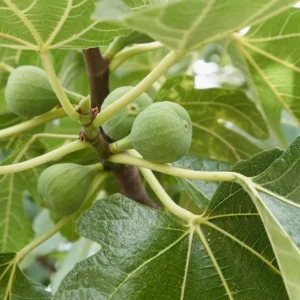
- Attractive Foliage: Beyond its fruit, the Lattarula fig tree boasts beautiful, large, lobed leaves that provide an attractive, Mediterranean aesthetic to any garden or patio.
- Healthy Starter Plants: These starter plugs provide a strong foundation for your fig tree, promoting robust growth and faster establishment compared to growing from seed.
Plant Care & Growing Tips
Caring for your Lattarula fig starter plug plants is relatively straightforward, making them a great choice for both novice and experienced gardeners. Figs thrive in warm, sunny conditions. For optimal growth and fruit production, plant your fig trees in a location that receives at least 6-8 hours of direct sunlight per day. In very hot climates, some afternoon shade can be beneficial to prevent leaf scorch. When grown in containers, rotate the plant occasionally to ensure even sun exposure.
Watering is crucial, especially during the establishment phase and when the plant is actively fruiting. Keep the soil consistently moist but not waterlogged. Allow the top inch or two of soil to dry out slightly between waterings. Overwatering can lead to root rot, so good drainage is essential. For soil, the Italian Honey fig tree prefers well-draining, fertile soil with a pH between 6.0 and 6.5. If planting in the ground, amend heavy clay soils with compost to improve drainage. For container growing, use a high-quality potting mix formulated for fruit trees or general-purpose plants.
The Lattarula fig is a cold hardy fig plant, suitable for USDA Zones 7-10. In colder regions of this range, providing winter protection, such as mulching heavily around the base or bringing container plants indoors, can help ensure survival. Fertilize your fig trees in early spring with a balanced slow-release fertilizer or an organic option. Avoid excessive nitrogen, which can promote leafy growth at the expense of fruit. Pruning should be done in late winter or early spring while the tree is dormant. Focus on removing dead, damaged, or crossing branches, and shape the tree to encourage good air circulation and light penetration. Common problems like fig rust or fig mosaic virus can be managed with proper sanitation and cultural practices. Regular inspection for pests like fig mites or scale can help address issues early.
Size & Details
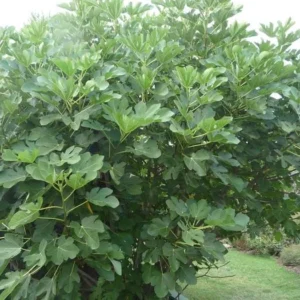
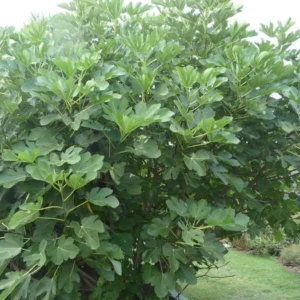
This offering includes 5 individual Lattarula fig starter plug plants, providing multiple opportunities to establish a thriving fig orchard or garden. Each plug is a young, vigorous plant, typically measuring a few inches in height, with a well-developed root system ready for transplanting. These bare root plants are shipped without a pot to facilitate safe and efficient transit, minimizing shock upon arrival. When mature, a Lattarula fig tree can reach a height of 10-15 feet and a spread of similar dimensions if grown in the ground, though container-grown plants tend to remain smaller and more manageable. The growth rate is moderate, allowing you to see significant development within the first few years. Expect your Ficus carica Lattarula to begin producing fruit within 1-3 years after planting, with yields increasing as the tree matures. This variety is known for its reliable and consistent harvests.
Frequently Asked Questions
- Q: How big will my Lattarula fig tree get? A: If planted in the ground, a mature Lattarula fig starter plug can grow into a tree typically 10-15 feet tall and wide. When grown in a container, its size will be more constrained, often staying between 5-8 feet, depending on pot size and pruning.
- Q: Is this an indoor or outdoor plant? A: The Lattarula fig is primarily an outdoor plant, especially in USDA Zones 7-10. However, it can be grown in containers and brought indoors during winter in colder climates, or placed in a greenhouse, to protect the cold hardy fig plant.
- Q: How much sunlight does the Italian Honey fig tree need? A: For optimal fruit production and health, your fig tree requires at least 6-8 hours of direct sunlight daily. More sun generally leads to sweeter fruit and stronger growth.
- Q: Is this plant easy to care for? A: Yes, the Lattarula fig is considered relatively easy to care for, making it suitable for gardeners of various experience levels. Its self-pollinating nature and hardiness simplify cultivation, helping you to successfully grow fig trees.
- Q: What condition will the starter plugs arrive in? A: The Lattarula fig starter plug plants are shipped bare root with no pot. They will be carefully packaged to ensure they arrive healthy and ready for planting, with their root systems protected.
- Q: How long until my Lattarula fig tree produces fruit? A: You can typically expect your Lattarula fig tree to begin producing fruit within 1 to 3 years after planting the starter plug, with yields increasing significantly as the tree matures.
- Q: Will this fig tree survive winter in my zone? A: The Lattarula fig is a cold hardy fig plant suited for USDA Zones 7-10. In zone 7, or if temperatures drop significantly, some winter protection like mulching or covering may be beneficial.
- Q: What is the best soil type for this fig? A: The Lattarula fig thrives in well-draining, fertile soil. A slightly acidic to neutral pH (6.0-6.5) is ideal. If planting in a container, use a good quality potting mix with excellent drainage.
- Q: Can I grow fig trees in containers? A: Absolutely! The Italian Honey fig tree is an excellent candidate for container growing, especially if you live outside its recommended hardiness zones. This allows you to move it indoors during cold weather.
- Q: What is the best time to plant these fig starter plugs? A: The best time to plant your fig starter plugs is in the spring after the last frost, giving them the entire growing season to establish before winter.
Related products
-10%
Original price was: $158.00.$142.20Current price is: $142.20.
-20%
Original price was: $31.98.$25.58Current price is: $25.58.
-7%
Original price was: $105.99.$98.99Current price is: $98.99.
-49%
Original price was: $59.38.$29.99Current price is: $29.99.
-20%
Original price was: $32.00.$25.60Current price is: $25.60.
-20%
Original price was: $66.00.$52.80Current price is: $52.80.
-20%
Original price was: $34.00.$27.20Current price is: $27.20.
PLANTING & CARE
Lemon Tree Growing: Choose, Plant, and Harvest
Learn how to choose, plant, feed, and protect a lemon tree so it fits your
23
Sep
Sep
Dwarf Meyer Lemon Tree Australia: Climate Guide
Learn where dwarf Meyer lemon trees grow, how much cold they tolerate, and whether Australia,
Where to Buy a Dwarf Meyer Lemon Tree: Buyer’s Guide
Find the right dwarf Meyer lemon tree online or locally, compare starter sizes and costs,
Dwarf Meyer Lemon Tree for Sale: Buying Guide
Compare Meyer lemon tree sizes, prices, shipping limits, indoor growing and California options before you
Dwarf Meyer Lemon Tree Guide: Size, Care and Fruit
META: Learn how large a dwarf Meyer lemon tree grows, where it thrives, and how
How to Prune a Dwarf Meyer Lemon Tree
Learn when and how to prune a dwarf Meyer lemon tree, including tools, shaping cuts,
Can You Grow a Dwarf Meyer Lemon Tree in a Pot?
META: Learn how to grow a dwarf Meyer lemon tree in a pot, including container
When Do Dwarf Meyer Lemon Trees Bloom and Fruit?
META: Dwarf Meyer lemon trees usually bloom from winter through spring and may flower again