
5 Organic Sweet Strawberry Live Plants – Bare Root, Self-Pollinating, Zones 4-8
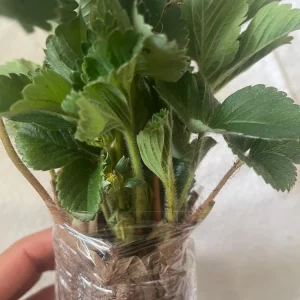
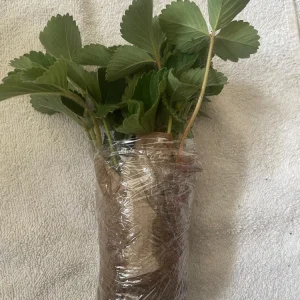
5 Organic Sweet Strawberry Live Plants – Bare Root, Self-Pollinating, Zones 4-8
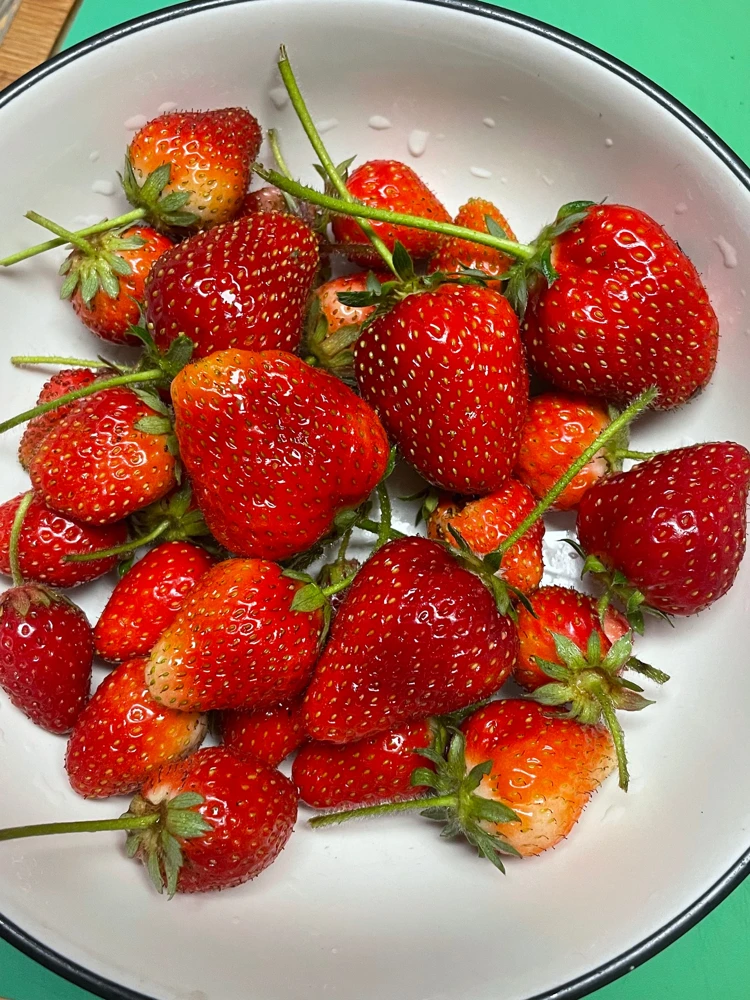
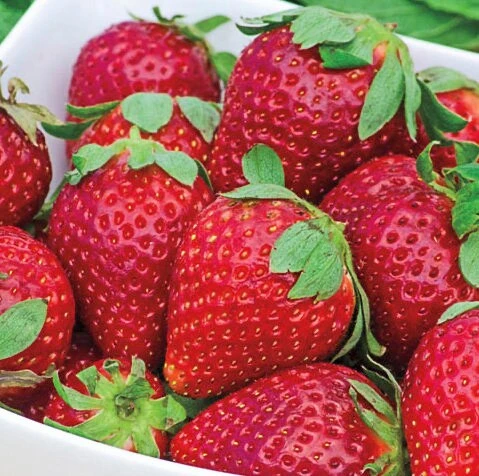
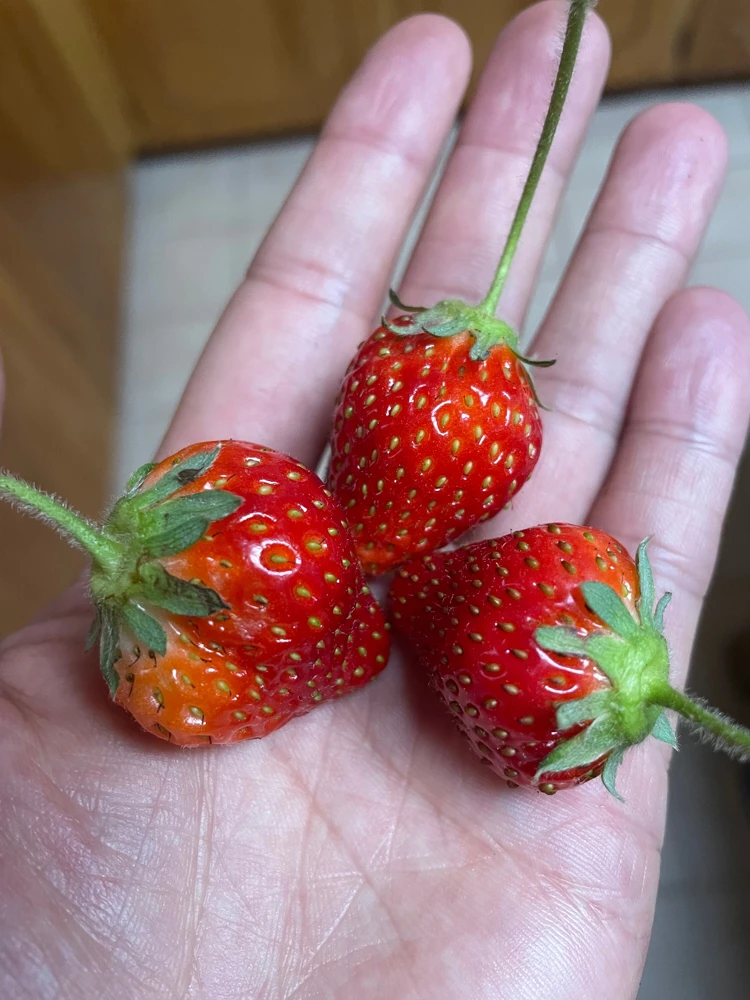
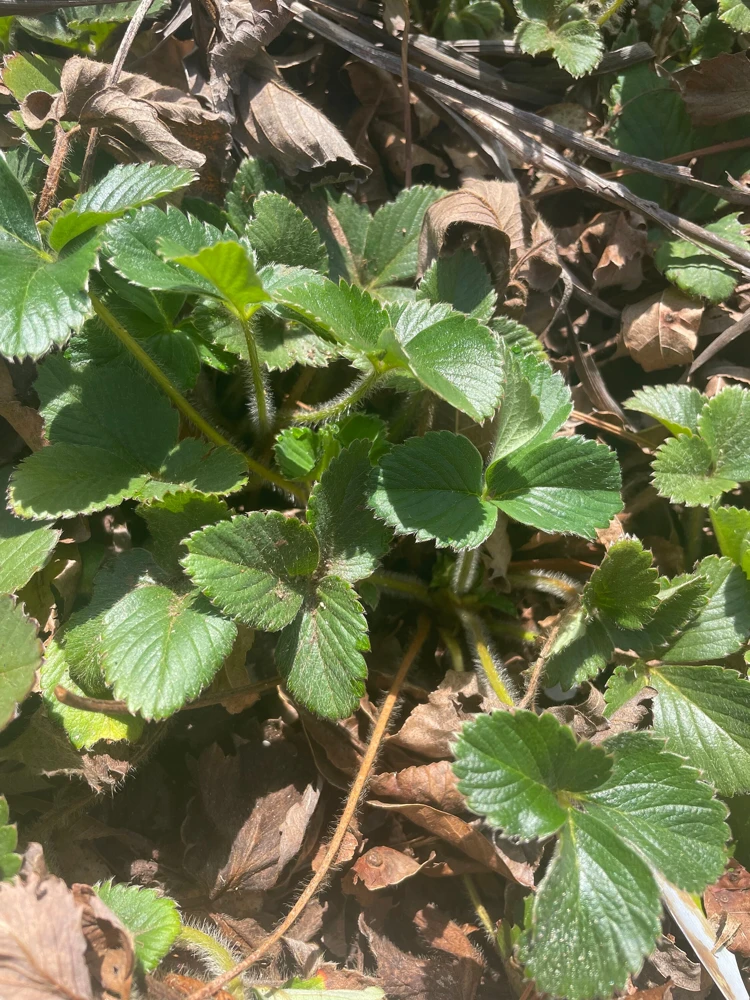
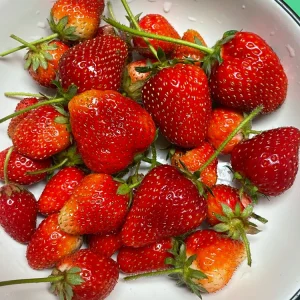
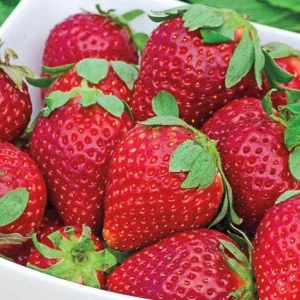
Cultivate your own flavorful harvest with this bundle of 5 Organic Sweet Strawberry Plants. These bare root plants are self-pollinating and produce excellent yields of medium-large, firm, deep red berries. Ideal for zones 4-8, they are perfect for fresh eating, processing, or freezing.
$31.98

With our Alive & Thrive Guarantee, we’ve got your back for the first 30 days! If you have any concerns about your plants, just reach out to us. Our team is here to help answer your questions and guide you in selecting the best plants for your garden, climate, and unique preferences. We're excited to help you create the garden of your dreams!
Estimated arrival
Nov 12
Nov 17 - Nov 19
Nov 22 - Nov 26

Product Details
-
USDA Hardiness Zone
USDA Zones 4-8 -
Soil type
Well-draining, rich in organic matter, slightly acidic -
Sunlight Exposure
Full sun (6-8+ hours daily) -
Expected Planting Period
Early spring
Overview
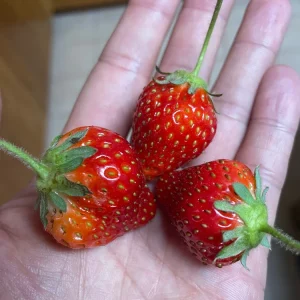
Bring the joy of home-grown fruit to your garden with our bundle of 5 Organic Sweet Strawberry Plants. These vigorous bare root plants are renowned for their excellent yields of flavorful, medium-large berries. Each berry is firm, uniformly deep red, and cone-shaped, making them a delightful addition to any garden. Perfect for fresh eating straight from the vine, they are also ideal for processing into jams, preserves, or freezing to enjoy throughout the year. These plants are self-pollinating, simplifying the growing process for both novice and experienced gardeners. They produce one large crop of berries over a few weeks, offering a concentrated harvest of delicious fruit.
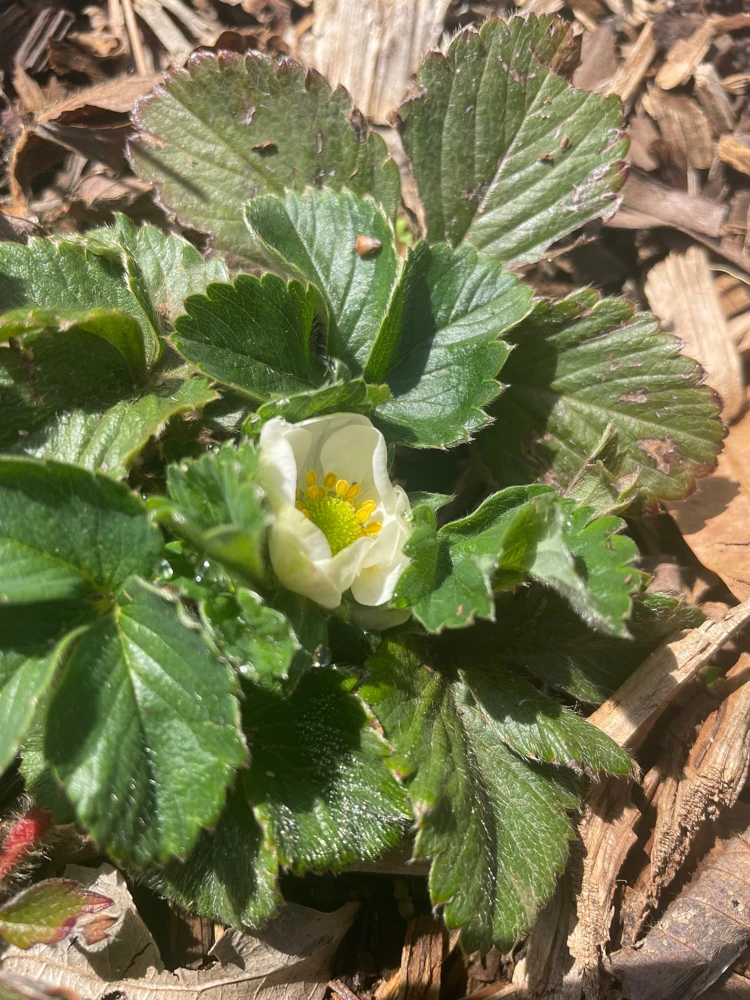
Growing your own organic sweet strawberry plants ensures you have access to fresh, healthy produce free from unwanted chemicals. These plants are a fantastic choice for creating a productive patch in your backyard or even in large containers on a patio. With proper care, these strawberry plants will establish themselves and provide a bountiful harvest for years to come. The initial care involved in planting bare roots pays off with robust growth and abundant fruiting.
Key Benefits
Our organic sweet strawberry plants offer numerous advantages for home gardeners, combining ease of growth with delicious rewards. They are a fantastic choice for anyone looking to add productive and beautiful plants to their outdoor space.
- Abundant Harvest: These plants are known for producing excellent yields of medium-large, juicy berries, ensuring a plentiful supply for your family. You’ll enjoy a significant crop over a few weeks, perfect for a burst of fresh flavor.
- Superior Flavor: Experience the true taste of sweet, vine-ripened strawberries. The berries are flavorful, firm, and uniformly deep red, making them a delicious treat.
- Versatile Use: The fruits are excellent for fresh eating, but their firm texture also makes them superb for processing into jams, pies, or freezing for year-round enjoyment.
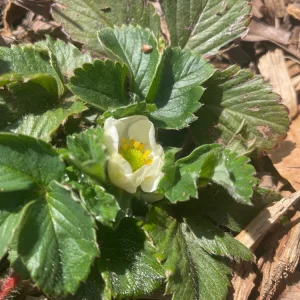
- Self-Pollinating: These strawberry plants are self-pollinating, meaning you only need one plant for fruit production. This simplifies gardening and ensures successful berry development.
- Hardy & Resilient: Suited for USDA Zones 4-8, these plants are adaptable and can thrive in a wide range of climates, bouncing back well after transplanting and establishing robust root systems.
- Organic Growing Potential: Starting with bare root strawberry plants allows you to maintain organic practices from the very beginning, ensuring your fruit is grown without synthetic pesticides or fertilizers.
- Long-Term Productivity: Once established, these plants can continue to produce for several years, providing a sustainable source of fresh fruit with minimal ongoing effort.
Plant Care & Growing Tips
Caring for your organic sweet strawberry plants is straightforward, leading to a rewarding harvest. These bare root plants need a little initial attention to establish, but will thrive with consistent care.
For optimal growth, plant your bare root strawberry plants in a location that receives full sun, meaning at least 6-8 hours of direct sunlight per day. Good air circulation is also important to prevent fungal diseases. The ideal soil type is well-draining, rich in organic matter, and slightly acidic (pH 5.5-6.5). Before planting, soak the bare roots in water for several hours or even a full day to rehydrate them. Dig a hole wide enough to spread the roots out without crowding them, ensuring the crown of the plant (where the leaves emerge) is level with the soil surface. Do not plant too deep or too shallow. After planting, water thoroughly.
Consistent watering is crucial, especially during dry spells and when the plants are fruiting. Aim for about 1-1.5 inches of water per week, either from rainfall or irrigation. Avoid overhead watering if possible, as this can encourage fungal issues; instead, water at the base of the plant. Fertilize in early spring with a balanced, organic fertilizer. In colder zones, applying a layer of straw mulch in late fall can protect the plants from winter damage. Remove this mulch in early spring as new growth begins. These plants are hardy in USDA Zones 4-8, making them suitable for many climates. Watch out for common pests like slugs and birds, and consider netting to protect your developing berries. With proper strawberry plant care, you’ll enjoy a delicious harvest.
Size & Details
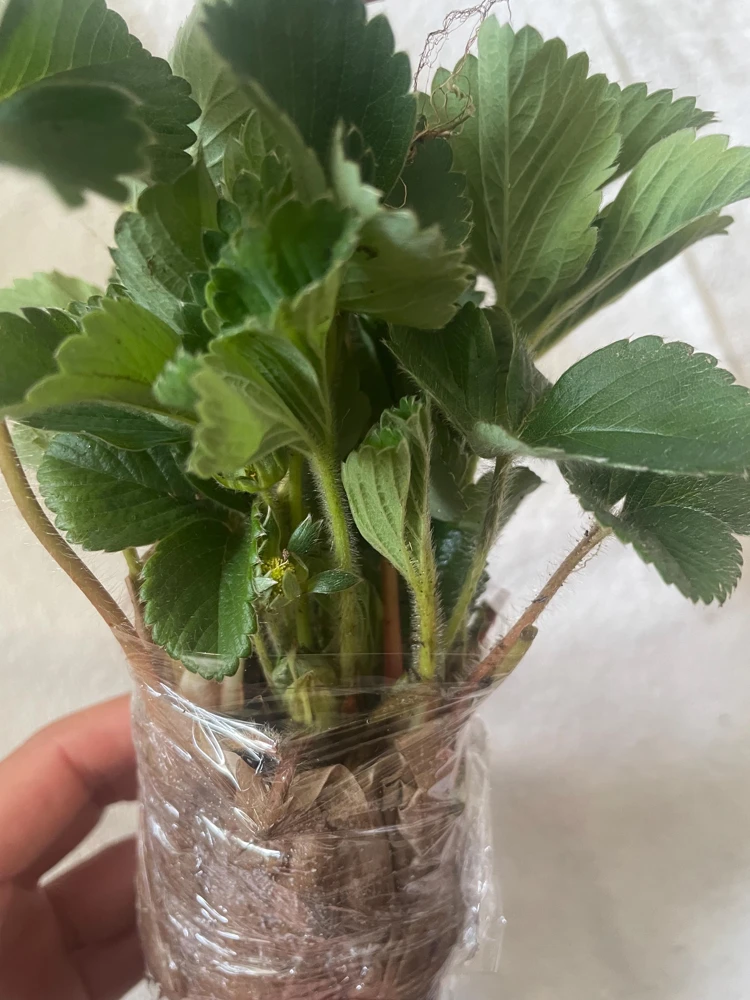
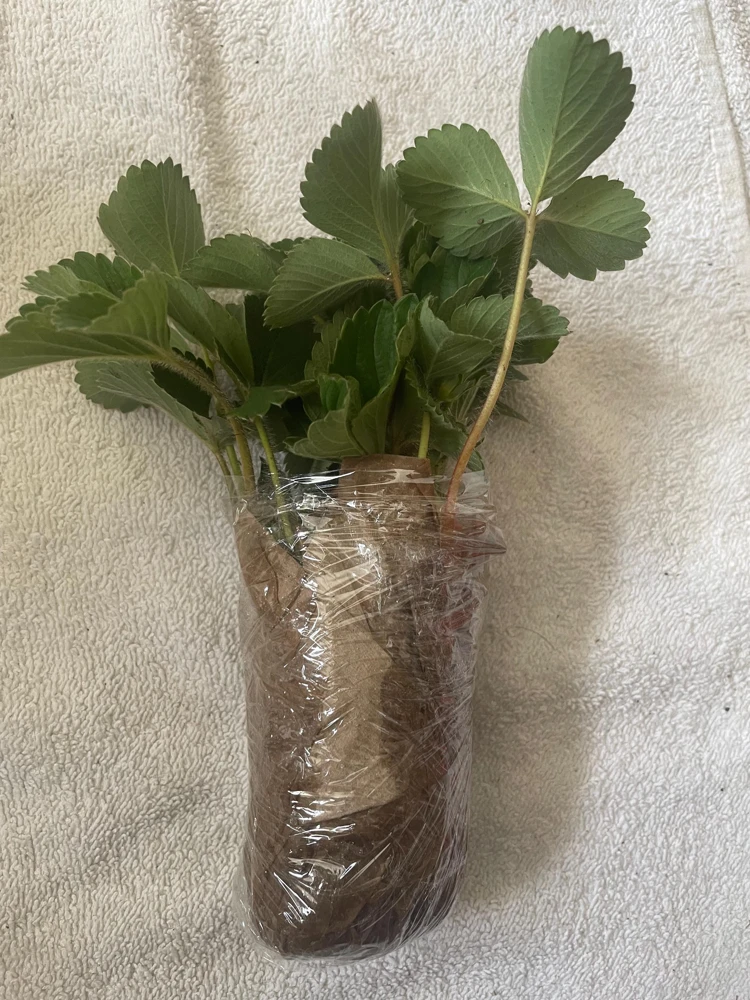
This offering includes 5 Organic Sweet Strawberry Plants, shipped as bare root specimens. Bare root plants are dormant when shipped, making them easy to transport and plant, and they recover well once established in their new environment. While they may appear weak upon arrival due to the transplanting process, they will typically begin to show new growth within a few weeks of planting. Plants normally do better in their second year as they become fully rooted and established in the ground.
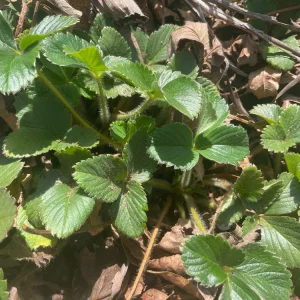
These strawberry varieties typically produce medium-large berries, ideal for various culinary uses. The plants themselves generally reach a mature height of 6-12 inches with a similar spread, forming a dense ground cover. They produce one main crop over a few weeks in late spring to early summer, depending on your local climate. Provide nutrient-rich soil and consistent water to help these plants flourish and achieve their full potential. Expect your first significant harvest in the year following planting, as the plants establish a strong root system.
Frequently Asked Questions
- Q: How big do these strawberry plants get? A: These organic sweet strawberry plants typically grow 6-12 inches tall with a similar spread, forming a compact and productive patch in your garden. They are well-suited for ground planting or larger containers.
- Q: Is this an indoor or outdoor plant? A: These strawberry plants are primarily outdoor plants, thriving in garden beds or outdoor containers where they can receive full sun exposure. They are not typically grown as indoor houseplants.
- Q: How much sunlight do these plants need? A: For the best fruit production, organic sweet strawberry plants require full sun, meaning at least 6-8 hours of direct sunlight per day. Adequate sunlight is crucial for sweet, flavorful berries.
- Q: Is this plant easy to care for? A: Yes, with proper planting and consistent watering, these bare root strawberry plants are relatively easy to care for. They are a great choice for gardeners of all experience levels, especially when following basic strawberry plant care guidelines.
- Q: What condition will the plants arrive in? A: The plants will arrive as bare roots, meaning they are dormant and without soil. They may appear weak from transit but will recover and thrive once planted and given proper hydration and care.
- Q: When is the best time to plant these bare root strawberries? A: The best time to plant bare root strawberry plants is typically in early spring, after the last frost, allowing them ample time to establish before the summer heat.
- Q: Will these strawberry plants survive winter in my zone? A: These particular organic sweet strawberry plants are hardy in USDA Zones 4-8. In colder zones, a layer of protective mulch applied in late fall can help them overwinter successfully.
- Q: Are these strawberries self-pollinating? A: Yes, these strawberry plants are self-pollinating, meaning you do not need multiple plants for successful fruit production. A single plant can produce berries on its own.
- Q: Can I grow these in containers? A: Yes, these organic sweet strawberry plants can be successfully grown in large containers or hanging baskets, provided they have good drainage and adequate sunlight.
- Q: How long until I get fruit from these plants? A: While the plants will establish in their first year, you can expect a significant and delicious harvest of berries typically in the second year after planting, once they are fully rooted and mature.
Related products
-20%
Original price was: $66.00.$52.80Current price is: $52.80.
-10%
Original price was: $65.00.$58.50Current price is: $58.50.
-20%
Original price was: $60.00.$48.00Current price is: $48.00.
-20%
Original price was: $32.00.$25.60Current price is: $25.60.
-20%
Original price was: $31.98.$25.58Current price is: $25.58.
-50%
Original price was: $39.98.$19.99Current price is: $19.99.
-51%
Original price was: $43.99.$21.59Current price is: $21.59.
PLANTING & CARE
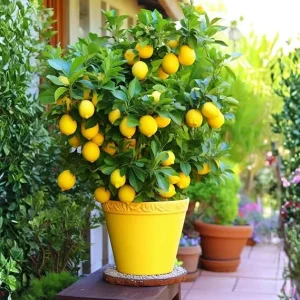
Lemon Tree Growing: Choose, Plant, and Harvest
Learn how to choose, plant, feed, and protect a lemon tree so it fits your
23
Sep
Sep
Dwarf Meyer Lemon Tree Australia: Climate Guide
Learn where dwarf Meyer lemon trees grow, how much cold they tolerate, and whether Australia,
Where to Buy a Dwarf Meyer Lemon Tree: Buyer’s Guide
Find the right dwarf Meyer lemon tree online or locally, compare starter sizes and costs,
Dwarf Meyer Lemon Tree for Sale: Buying Guide
Compare Meyer lemon tree sizes, prices, shipping limits, indoor growing and California options before you
Dwarf Meyer Lemon Tree Guide: Size, Care and Fruit
META: Learn how large a dwarf Meyer lemon tree grows, where it thrives, and how
How to Prune a Dwarf Meyer Lemon Tree
Learn when and how to prune a dwarf Meyer lemon tree, including tools, shaping cuts,
Can You Grow a Dwarf Meyer Lemon Tree in a Pot?
META: Learn how to grow a dwarf Meyer lemon tree in a pot, including container
When Do Dwarf Meyer Lemon Trees Bloom and Fruit?
META: Dwarf Meyer lemon trees usually bloom from winter through spring and may flower again