72 Hour Heat Pack for Live Plant Shipping – Cold Weather Protection
-50%

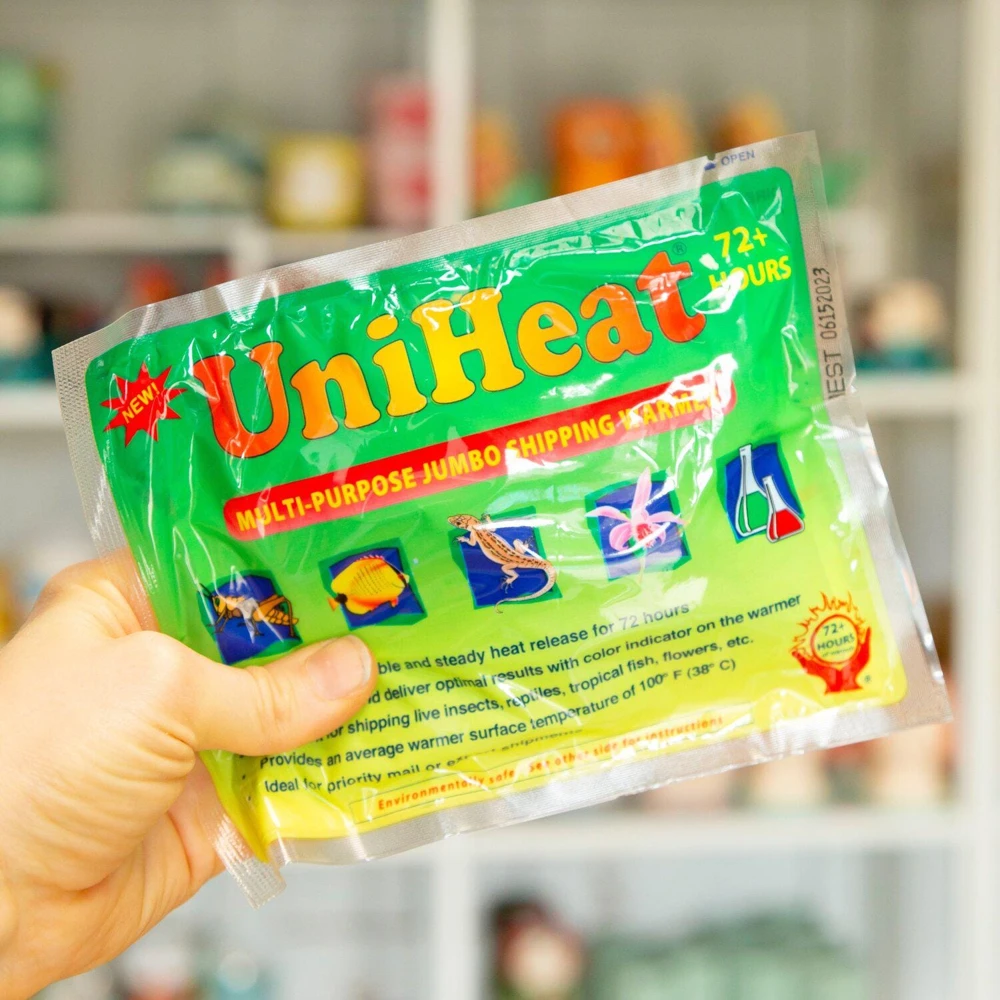

72 Hour Heat Pack for Live Plant Shipping – Cold Weather Protection
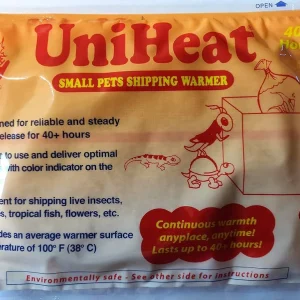
Protect your delicate plants during transit with our reliable 72 hour heat pack. Essential for cold weather plant shipping, this warmer provides steady heat for over 72 hours, ensuring your live plants arrive healthy and undamaged.
From Original price was: $20.00.$10.00Current price is: $10.00.

With our Alive & Thrive Guarantee, we’ve got your back for the first 30 days! If you have any concerns about your plants, just reach out to us. Our team is here to help answer your questions and guide you in selecting the best plants for your garden, climate, and unique preferences. We're excited to help you create the garden of your dreams!
Estimated arrival
Oct 14
Oct 19 - Oct 21
Oct 24 - Oct 28







Product Details
-
USDA Hardiness Zone
unknown -
Soil type
N/A (Accessory) -
Sunlight Exposure
N/A (Accessory) -
Expected Planting Period
N/A (Accessory)
Overview
Ensure the safe arrival of your precious botanicals with our essential 72 hour heat pack. This specialized warming device is designed to provide consistent, reliable heat for over 72 hours, making it an indispensable tool for anyone involved in cold weather plant shipping. When temperatures drop below 40 degrees Fahrenheit, the risk of damage to live plants during transit significantly increases. Our heat pack acts as a crucial safeguard, maintaining a stable and warm environment within the shipping box. It is specifically formulated to protect products from cold weather, ensuring that your valuable plants are shielded from harsh winter conditions. This indispensable accessory helps maintain optimal temperatures, preventing chilling injury and ensuring your plants arrive in pristine condition, ready to thrive in their new home.
This product is an add-on item, highly recommended for any live plant order being shipped to colder climates. The plant shipping warmer is activated just before shipping, guaranteeing maximum efficacy upon dispatch. Its robust design ensures a steady heat release, creating an average temperature of 70°F in a standard 1 cubic foot shipping box. This prolonged and consistent warmth is vital for the survival of temperature-sensitive plants. Made with environmentally safe materials, the inner contents are biodegradable, offering a responsible disposal solution once its protective work is done. Don’t let winter weather compromise your plant deliveries; a heat pack for plants is your best defense against the cold.
Key Benefits
Investing in a 72 hour heat pack offers numerous advantages for both sellers and buyers of live plants, particularly during colder months. It safeguards against temperature extremes, preserving the health and vitality of your green investments.
- Extended Protection: Designed to provide reliable and steady heat for 72+ hours, ensuring continuous warmth throughout extended shipping times. This prolonged thermal stability is crucial for delicate plants.
- Optimal Temperature Maintenance: Produces an average temperature of 70°F in a standard 1 cubic foot shipping box, creating an ideal microclimate to prevent cold stress and damage.
- Essential Winter Safeguard: Strongly recommended for destinations with temperatures below 40°F, acting as a vital barrier against frost and chilling injury during cold weather plant shipping.
- Environmentally Responsible: Features environmentally safe, disposable materials with biodegradable inner contents, aligning with sustainable practices.
- Enhances Plant Survival: Significantly increases the likelihood of live plants arriving safely and without damage, reducing losses due to adverse weather conditions. This plant protection during shipping is invaluable.
- Professional Grade: A trusted accessory for shipping live plants that require warmth, assuring professional handling and care for sensitive botanical specimens.
- Peace of Mind: Offers confidence that your plants are well-protected against the elements, minimizing concerns about weather-related shipping damage. This heat pack for plants is an essential tool.
Plant Care & Growing Tips
While the 72 hour heat pack itself is not a plant, understanding its function is key to successful plant care upon arrival. This essential accessory ensures your plants reach you in optimal condition, ready for immediate integration into your home or garden. Once your plants arrive, carefully unpack them. Even with a heat pack, transit can be stressful. Allow your plants to acclimate to their new environment for a few days before repotting or placing them in direct sunlight. This acclimation period, often called ‘hardening off’ for outdoor plants, helps them recover from the journey protected by the plant shipping warmer.
For newly arrived plants, especially those that have traveled with a cold weather plant shipping heat pack, avoid immediate heavy watering. Check the soil moisture level; if it feels slightly dry, water thoroughly but ensure good drainage. Provide bright, indirect light initially, gradually increasing light exposure over several days. Depending on the plant species, consider humidity levels. Tropical plants, for example, may benefit from a humidifier or pebble tray. The purpose of the heat pack for plants is to mitigate cold shock, so continuing to provide a stable environment post-arrival is crucial for their long-term health and vitality. Remember, proper post-shipping care is just as important as the protection offered during transit.
Size & Details
This 72 hour heat pack is a compact and efficient solution for ensuring the thermal stability of shipped goods, particularly live plants. Each unit is designed for single-use application, providing a consistent heat output for a minimum of 72 hours. It is engineered to maintain an average internal temperature of approximately 70°F within a standard 1 cubic foot shipping container, making it highly effective for standard parcel sizes. The heat pack is activated upon exposure to air, typically just before it is placed in the shipping box, to maximize its warming duration during transit. This reliable plant protection during shipping is a crucial component for successful deliveries in colder climates.
The construction of the heat pack emphasizes both performance and environmental responsibility. Its outer casing is durable enough to withstand the rigors of shipping, while its internal components are non-toxic and biodegradable, ensuring safe and easy disposal. This product is intended as an ‘add-on’ purchase, specifically for orders containing live plants that require protection against temperatures below 40°F. It is not designed to be a standalone product but rather a supplementary item to enhance the safety of your botanical shipments. The consistent warming provided by this 72 hour heat pack is an industry standard for ensuring plant survival.
Frequently Asked Questions
- Q: How long does the 72 hour heat pack last? A: This 72 hour heat pack is designed to provide steady heat for a minimum of 72 hours, ensuring continuous warmth for your plants during transit. Its duration is optimized for typical shipping times.
- Q: When should I purchase a heat pack for plants? A: It is strongly recommended to purchase a heat pack for plants if the destination’s temperature is below 40 degrees Fahrenheit. This helps prevent cold damage to your live plants.
- Q: How does the heat pack work to protect plants? A: The plant shipping warmer activates upon exposure to air, releasing a steady, gentle heat. This creates a warm microclimate within the shipping box, protecting plants from freezing temperatures and cold shock.
- Q: Is this heat pack environmentally friendly? A: Yes, this 72 hour heat pack is environmentally safe. Its inner contents are biodegradable, allowing for responsible disposal after use.
- Q: What temperature does the heat pack maintain? A: It produces an average temperature of 70°F in a standard 1 cubic foot shipping box, ideal for keeping plants warm during cold weather plant shipping.
- Q: Can I use this heat pack for any type of live plant? A: This heat pack is suitable for most live plants that are sensitive to cold temperatures, providing general plant protection during shipping. Always consider the specific needs of your plants.
- Q: What if my package is delayed beyond 72 hours? A: While the heat pack provides 72+ hours of warmth, extreme delays can still impact plant health. The pack works best for standard shipping durations within its active period.
- Q: Is the heat pack reusable? A: No, this is a single-use heat pack. Once activated and its heat-generating capacity is depleted after 72+ hours, it should be disposed of.
- Q: Does the heat pack replace proper plant packaging? A: No, the heat pack is an additional layer of protection. It should be used in conjunction with appropriate packaging to ensure the best possible condition for your plants upon arrival.
- Q: How will I know if the heat pack is working? A: The heat pack will be warm to the touch when active. It is designed to provide consistent, low-level heat to prevent temperature drops inside the shipping container, crucial for cold weather plant shipping.
| Type | 72 Hours Heat Pack, Heat Pack + Priority |
|---|
Related products
-50%
Original price was: $35.96.$17.98Current price is: $17.98.


-50%


Original price was: $39.96.$19.98Current price is: $19.98.
-50%
Original price was: $18.76.$9.38Current price is: $9.38.
-40%

Original price was: $60.28.$36.16Current price is: $36.16.
-50%
Original price was: $24.00.$12.00Current price is: $12.00.
-40%
Original price was: $12.92.$7.76Current price is: $7.76.
PLANTING & CARE
Lemon Tree Growing: Choose, Plant, and Harvest
Learn how to choose, plant, feed, and protect a lemon tree so it fits your
23
Sep
Sep
Dwarf Meyer Lemon Tree Australia: Climate Guide
Learn where dwarf Meyer lemon trees grow, how much cold they tolerate, and whether Australia,
Where to Buy a Dwarf Meyer Lemon Tree: Buyer’s Guide
Find the right dwarf Meyer lemon tree online or locally, compare starter sizes and costs,
Dwarf Meyer Lemon Tree for Sale: Buying Guide
Compare Meyer lemon tree sizes, prices, shipping limits, indoor growing and California options before you
Dwarf Meyer Lemon Tree Guide: Size, Care and Fruit
META: Learn how large a dwarf Meyer lemon tree grows, where it thrives, and how
How to Prune a Dwarf Meyer Lemon Tree
Learn when and how to prune a dwarf Meyer lemon tree, including tools, shaping cuts,
Can You Grow a Dwarf Meyer Lemon Tree in a Pot?
META: Learn how to grow a dwarf Meyer lemon tree in a pot, including container
When Do Dwarf Meyer Lemon Trees Bloom and Fruit?
META: Dwarf Meyer lemon trees usually bloom from winter through spring and may flower again