Abraham Darby Rose Live Plant 6 inch – Fragrant Shrub – Outdoor
-9%
Abraham Darby Rose Live Plant 6 inch – Fragrant Shrub – Outdoor
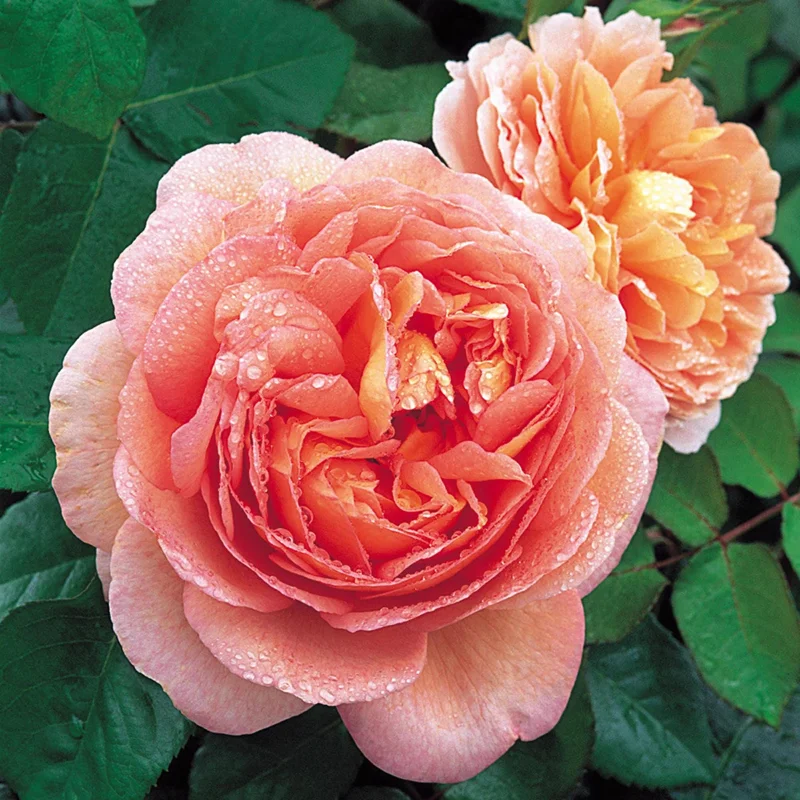
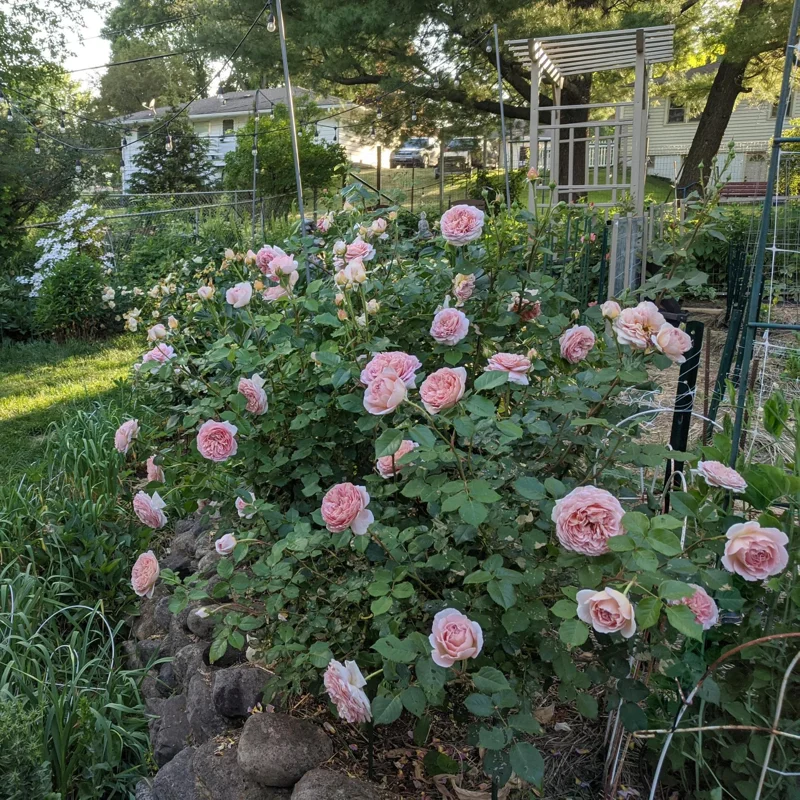
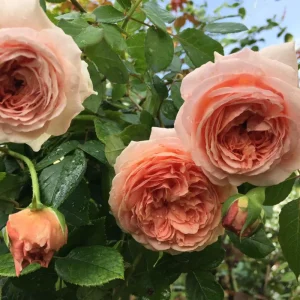
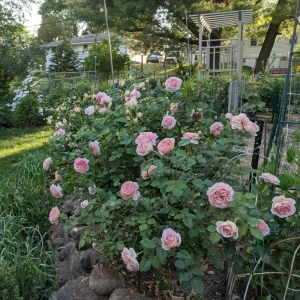
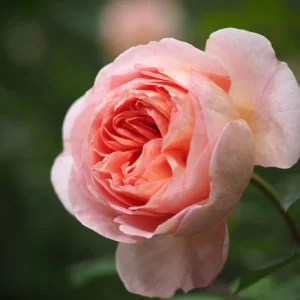
Enhance your garden with a beautiful Abraham Darby Rose live plant. This 6-inch grafted rose features stunning, highly fragrant blooms with a classic cupped form. Ideal for creating a romantic, cottage garden feel, it is a vigorous grower perfect for trellises or as a standalone shrub.
Original price was: $439.98.$399.98Current price is: $399.98.

With our Alive & Thrive Guarantee, we’ve got your back for the first 30 days! If you have any concerns about your plants, just reach out to us. Our team is here to help answer your questions and guide you in selecting the best plants for your garden, climate, and unique preferences. We're excited to help you create the garden of your dreams!
Estimated arrival
Oct 21
Oct 26 - Oct 28
Oct 31 - Nov 04

Product Details
-
USDA Hardiness Zone
USDA zones 5-10 -
Soil type
Well-draining, rich in organic matter, slightly acidic -
Sunlight Exposure
Full sun (at least 6 hours direct sunlight) -
Expected Planting Period
Spring to early summer or early fall
Overview
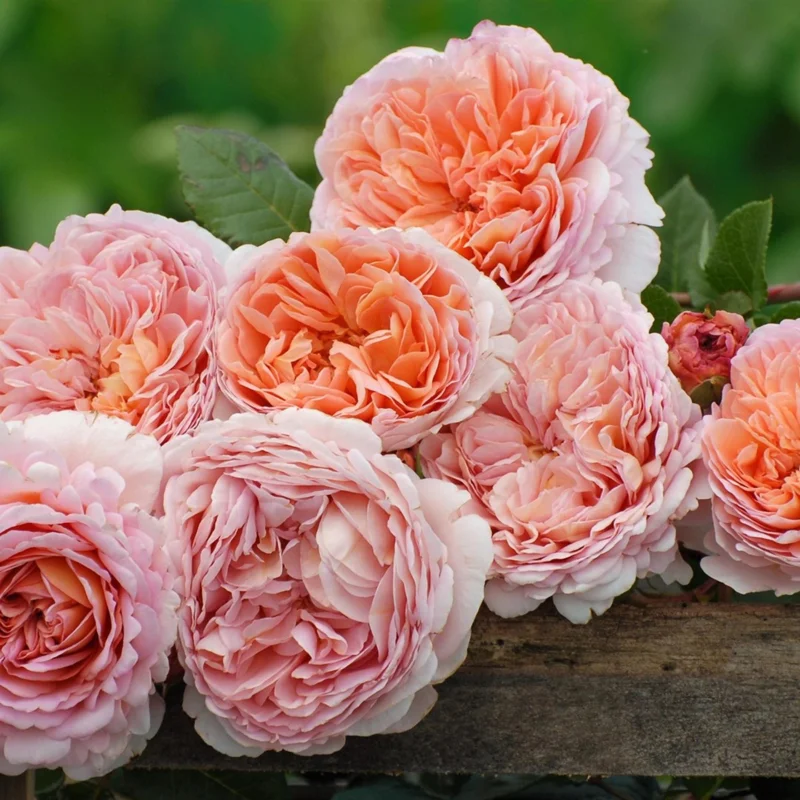
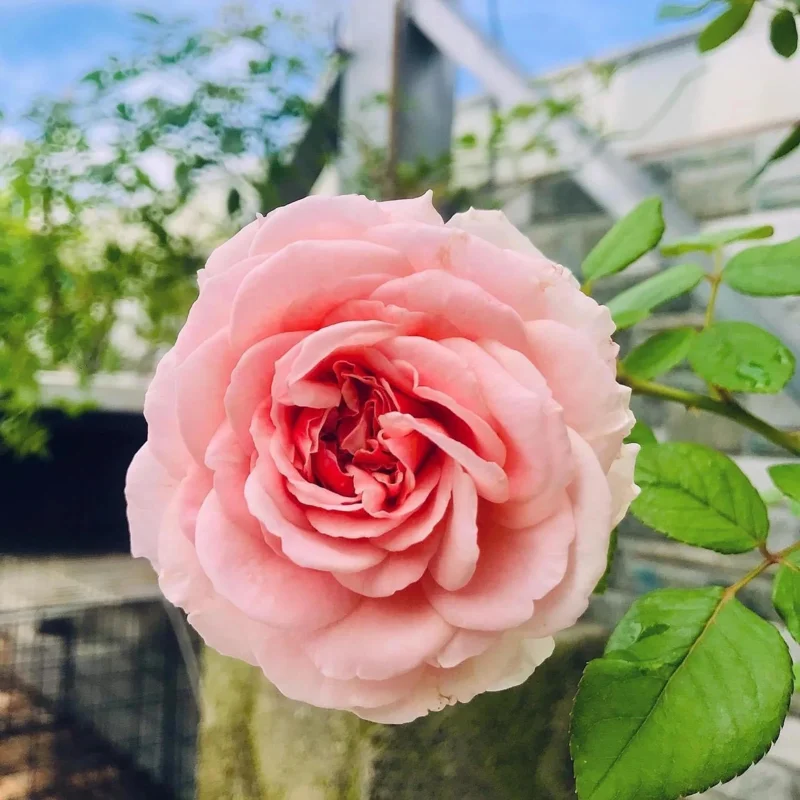
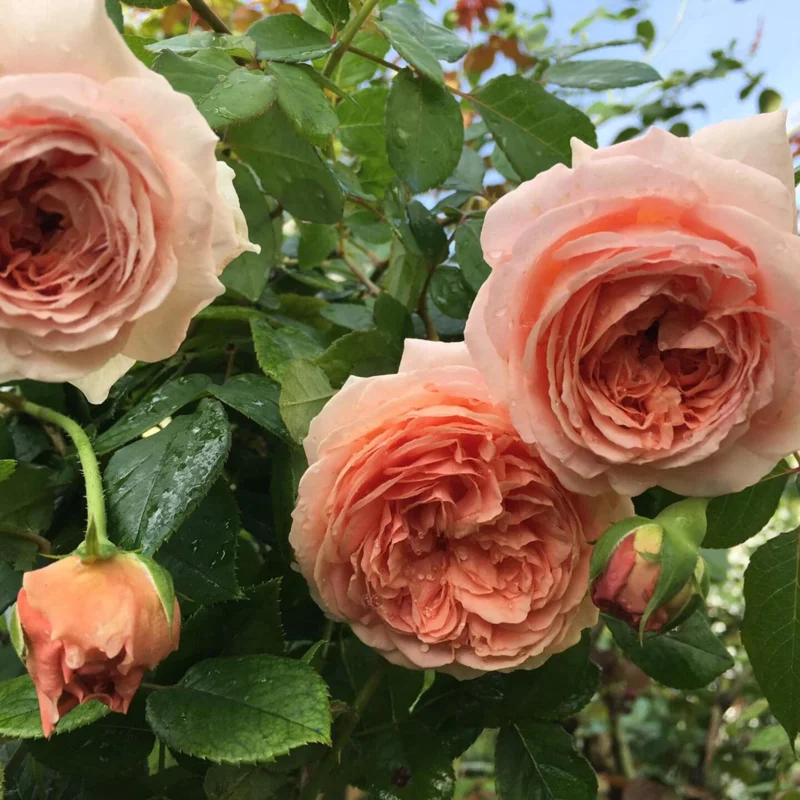
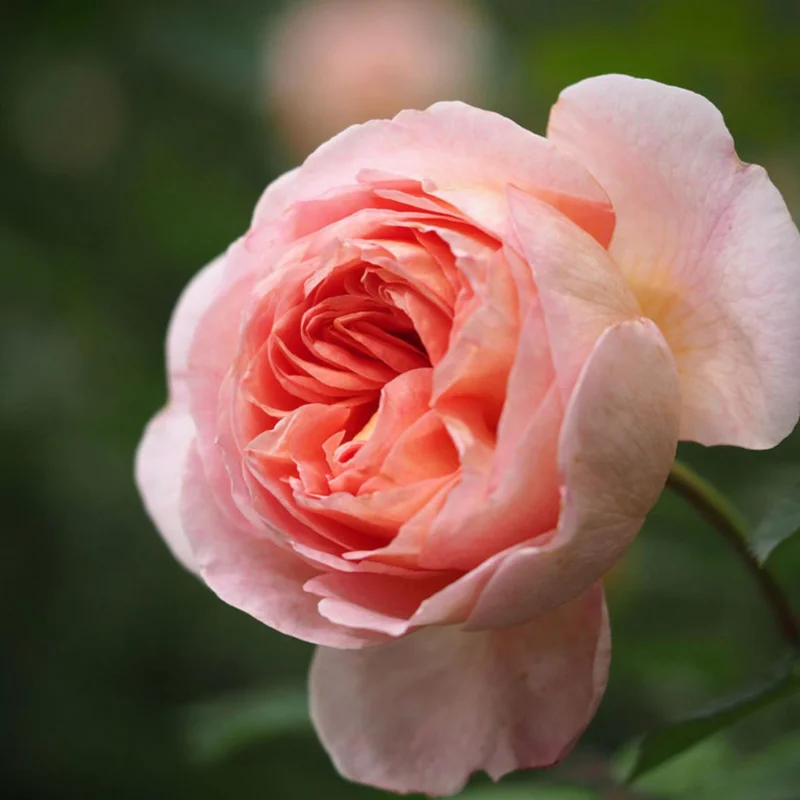
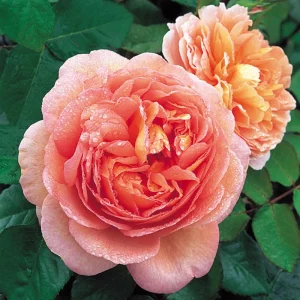
Introduce timeless elegance to your garden with the exquisite Abraham Darby Rose live plant. This stunning variety, known for its prolific and highly fragrant blooms, is a true showstopper. Originating from renowned breeders, the Abraham Darby Rose live plant offers large, deeply cupped flowers in shades of apricot, yellow, and pink, blending harmoniously as they mature. This robust and healthy specimen arrives grafted onto Fortuniana rootstock, ensuring superior vigor, disease resistance, and adaptability to various soil types. Perfect for both experienced gardeners and enthusiastic beginners, this rose promises a spectacular display of color and scent throughout its long blooming season. Its versatile growth habit allows it to be trained as a climbing rose or maintained as a bushy shrub, making it a valuable addition to any landscape.
Key Benefits
The Abraham Darby Rose live plant brings numerous advantages to your outdoor space, combining aesthetic appeal with robust performance. Its exceptional qualities make it a popular choice for gardeners seeking both beauty and resilience.
- Exquisite Fragrance: Enjoy a rich, fruity scent with hints of strawberry, lemon, and tea, making this rose a delight for the senses and perfect for perfuming your garden or cutting for indoor arrangements. The captivating aroma is one of the most celebrated features of this fragrant garden rose.
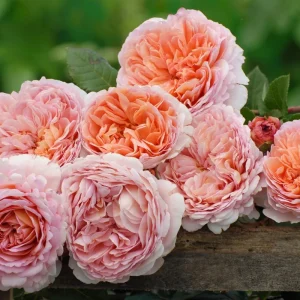
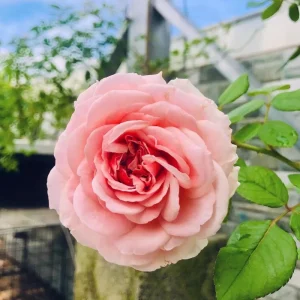
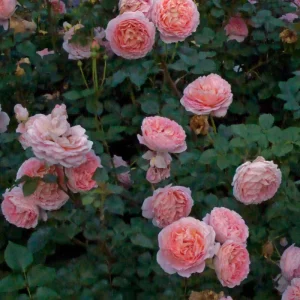
- Stunning Blooms: Produces large, deeply cupped flowers that transition through beautiful shades of apricot, yellow, and pink, adding a romantic, old-world charm to any setting. These unique color variations ensure constant visual interest.
- Vigorous Growth: Grafted onto Fortuniana rootstock, this rose boasts exceptional vigor, promoting robust growth, drought tolerance, and resistance to common rose diseases, ensuring a healthy and thriving plant. It’s a reliable choice for strong garden performance.
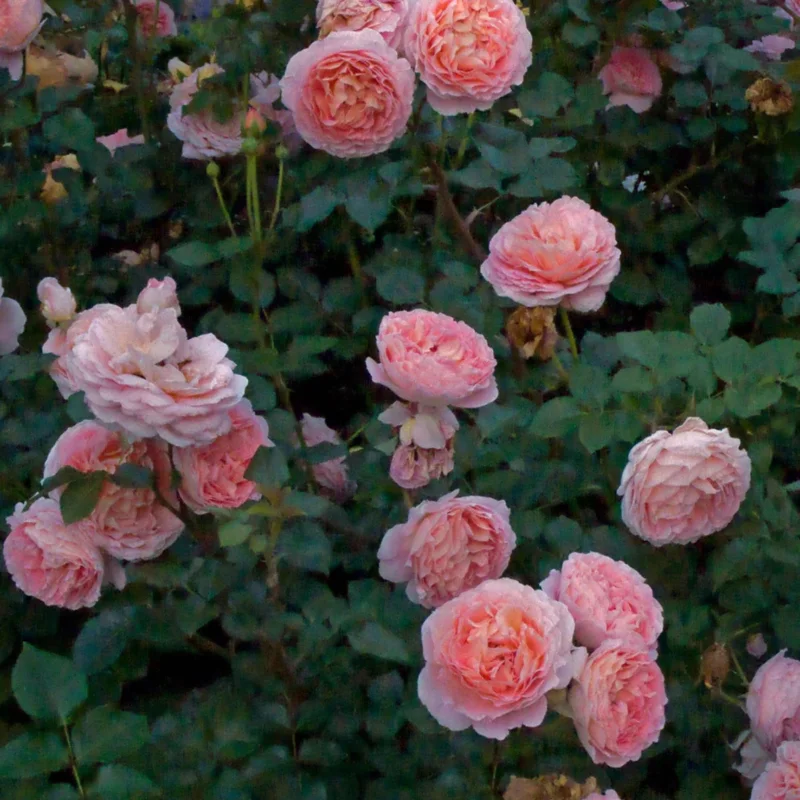
- Versatile Garden Use: Can be grown as a magnificent bushy shrub or trained as a climbing rose on trellises, arbors, or walls, offering flexibility in garden design. This adaptability makes it suitable for various landscape applications.
- Long Blooming Season: Provides continuous flushes of blooms from late spring until the first hard frost, ensuring a prolonged period of beauty and enjoyment in your garden. You’ll have color for months.
- Disease Resistance: The Fortuniana rootstock enhances the plant’s natural resistance to nematodes and certain soil-borne diseases, contributing to a healthier and more resilient rose. This reduces the need for extensive chemical treatments.
- Pollinator Friendly: Attracts beneficial pollinators like bees and butterflies to your garden, contributing to a healthy ecosystem and enhancing biodiversity. A vibrant garden is a lively garden.
Plant Care & Growing Tips
Caring for your Abraham Darby Rose live plant involves understanding its needs for sunlight, water, and soil to ensure a flourishing display of blooms. This variety thrives with consistent attention, but its robust nature makes it forgiving for most gardeners. For optimal growth and prolific flowering, choose a site that receives at least 6 hours of direct sunlight per day. In hotter climates, some afternoon shade can be beneficial to protect the blooms from scorching. Proper air circulation is also crucial to prevent fungal diseases, so avoid planting in overly crowded areas.
Watering should be deep and consistent, especially during dry spells and the active growing season. Aim to water at the base of the plant to keep foliage dry, which helps prevent black spot and powdery mildew. The ideal soil for a grafted rose plant is well-draining, rich in organic matter, and slightly acidic (pH 6.0-6.5). Amend heavy clay soils with compost or peat moss, and sandy soils with organic matter to improve water retention and nutrient availability. Fertilize regularly during the growing season with a balanced rose fertilizer, following package instructions. Pruning is essential for shaping the plant, encouraging new growth, and maximizing bloom production; remove dead, diseased, or crossing branches, and cut back spent flowers to promote repeat blooming. Understanding David Austin rose care principles will ensure your plant thrives.
The Abraham Darby Rose live plant is generally hardy in USDA zones 5-10. In colder zones, provide winter protection by mounding soil or mulch around the base of the plant. Watch out for common rose pests like aphids and spider mites, and treat promptly with appropriate organic or chemical controls if necessary. Regular inspection will help catch problems early. This climbing rose variety or shrub will reward your care with stunning, fragrant blossoms year after year.
Size & Details
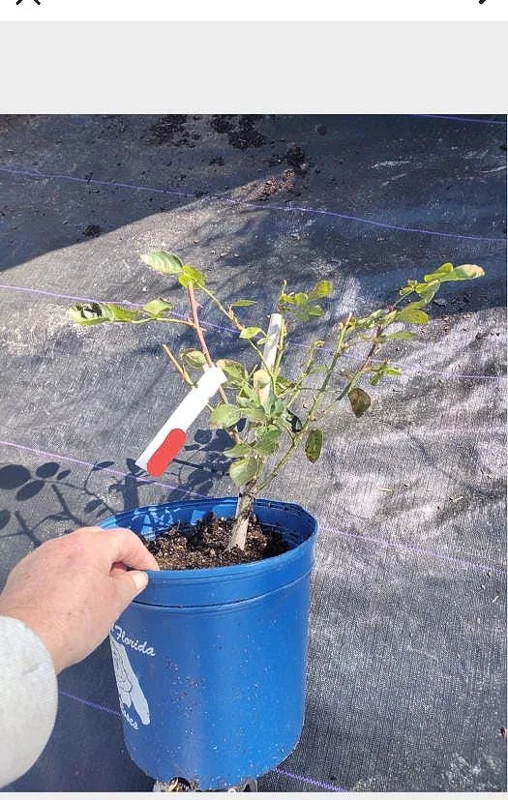
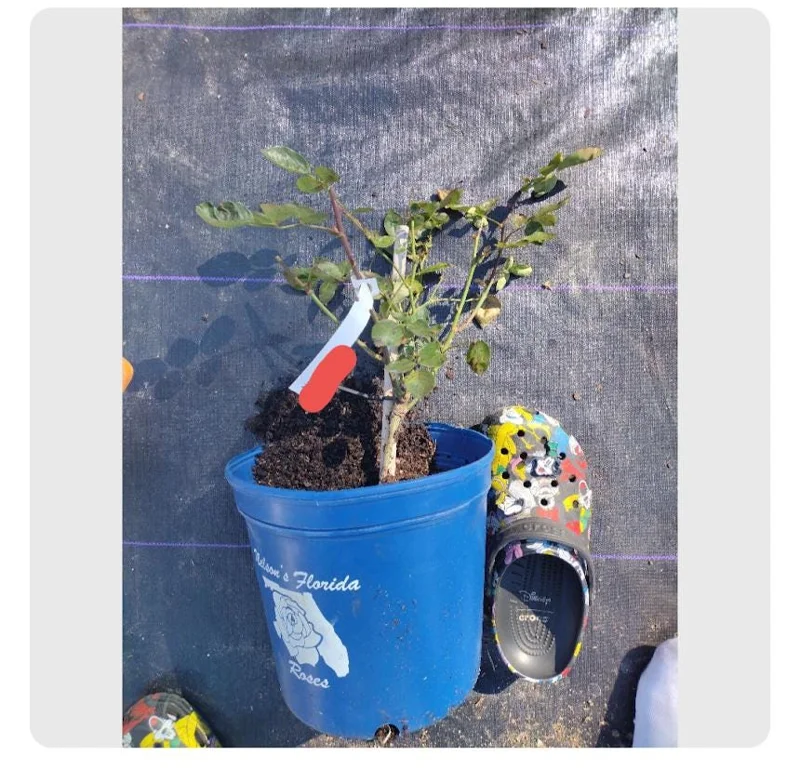
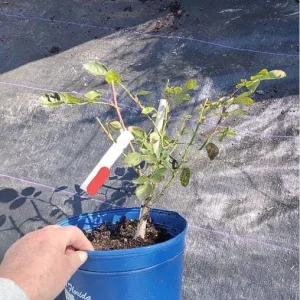
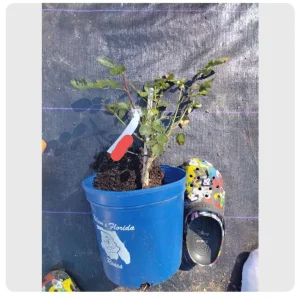
This offering is for one Abraham Darby Rose live plant, typically shipped as a 6-inch tall specimen. The plant arrives healthy and actively growing, grafted onto Fortuniana rootstock for enhanced performance and resilience. While shipped without a pot to minimize shipping stress, it is carefully packaged to ensure its vitality upon arrival. When mature, the Abraham Darby Rose can reach a height of 4-5 feet and a spread of 3-4 feet when grown as a shrub, or it can be trained to climb up to 8-10 feet. It exhibits a medium-fast growth rate, establishing itself well within the first year. Expect the first flush of highly fragrant blooms in late spring, with continuous flowering through summer and into fall.
Frequently Asked Questions
- Q: How big does this Abraham Darby Rose live plant get? A: When mature, this rose can grow as a shrub to 4-5 feet tall and 3-4 feet wide. If trained as a climber, it can reach heights of 8-10 feet. Its ultimate size depends on growing conditions and pruning.
- Q: Is this an indoor or outdoor plant? A: The Abraham Darby Rose is an outdoor plant, best suited for garden beds where it can receive ample sunlight and air circulation. It is not typically grown as a potted houseplant.
- Q: How much sunlight does it need? A: For optimal growth and flowering, the Abraham Darby Rose requires at least 6 hours of direct sunlight per day. In very hot climates, some afternoon shade can protect the blooms.
- Q: Is this plant easy to care for? A: With its Fortuniana rootstock, this grafted rose plant offers good vigor and disease resistance, making it relatively easy to care for compared to some other rose varieties. Consistent watering, feeding, and pruning are key.
- Q: What condition will it arrive in? A: Your Abraham Darby Rose live plant will arrive as a healthy, actively growing specimen, carefully packaged to ensure its vitality. It is typically shipped without a pot to reduce stress during transit.
- Q: When is the best time to plant this rose? A: The best time to plant this rose is in spring after the last frost, or in early fall in milder climates. This allows the plant to establish its root system before extreme weather.
- Q: Will it survive winter in my zone? A: The Abraham Darby Rose is hardy in USDA zones 5-10. In colder zones (5-6), winter protection such as mulching around the base is recommended to help it survive the cold months.
- Q: How long until it blooms? A: With proper care, your Abraham Darby Rose live plant should produce its first flush of beautiful, fragrant blooms in late spring or early summer of the first growing season, and continue to flower through fall.
- Q: What makes this a fragrant garden rose? A: The Abraham Darby Rose is celebrated for its strong, fruity fragrance, often described as a blend of strawberry, lemon, and tea. This delightful scent is a hallmark of this particular variety.
- Q: Can this be grown as a climbing rose variety? A: Yes, the Abraham Darby Rose is quite versatile. While it can be grown as a large shrub, its flexible canes make it an excellent candidate for training as a climbing rose on trellises, arches, or fences.
Related products
-50%
Original price was: $23.98.$11.99Current price is: $11.99.
-32%
Original price was: $73.98.$49.99Current price is: $49.99.
-67%
Original price was: $37.47.$12.49Current price is: $12.49.
-65%
Original price was: $37.47.$12.99Current price is: $12.99.
-30%
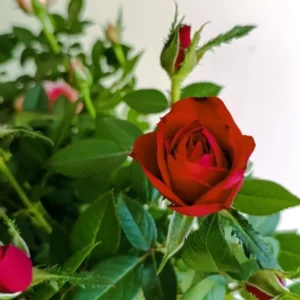
Original price was: $63.98.$44.78Current price is: $44.78.
PLANTING & CARE
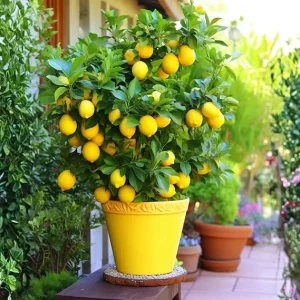
Lemon Tree Growing: Choose, Plant, and Harvest
Learn how to choose, plant, feed, and protect a lemon tree so it fits your
23
Sep
Sep
Dwarf Meyer Lemon Tree Australia: Climate Guide
Learn where dwarf Meyer lemon trees grow, how much cold they tolerate, and whether Australia,
Where to Buy a Dwarf Meyer Lemon Tree: Buyer’s Guide
Find the right dwarf Meyer lemon tree online or locally, compare starter sizes and costs,
Dwarf Meyer Lemon Tree for Sale: Buying Guide
Compare Meyer lemon tree sizes, prices, shipping limits, indoor growing and California options before you
Dwarf Meyer Lemon Tree Guide: Size, Care and Fruit
META: Learn how large a dwarf Meyer lemon tree grows, where it thrives, and how
How to Prune a Dwarf Meyer Lemon Tree
Learn when and how to prune a dwarf Meyer lemon tree, including tools, shaping cuts,
Can You Grow a Dwarf Meyer Lemon Tree in a Pot?
META: Learn how to grow a dwarf Meyer lemon tree in a pot, including container
When Do Dwarf Meyer Lemon Trees Bloom and Fruit?
META: Dwarf Meyer lemon trees usually bloom from winter through spring and may flower again