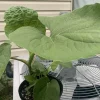
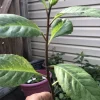
African Bitter Leaf Live Plant – Vernonia amygdalina – USDA Zone 9 – Healthy Starter
-22%
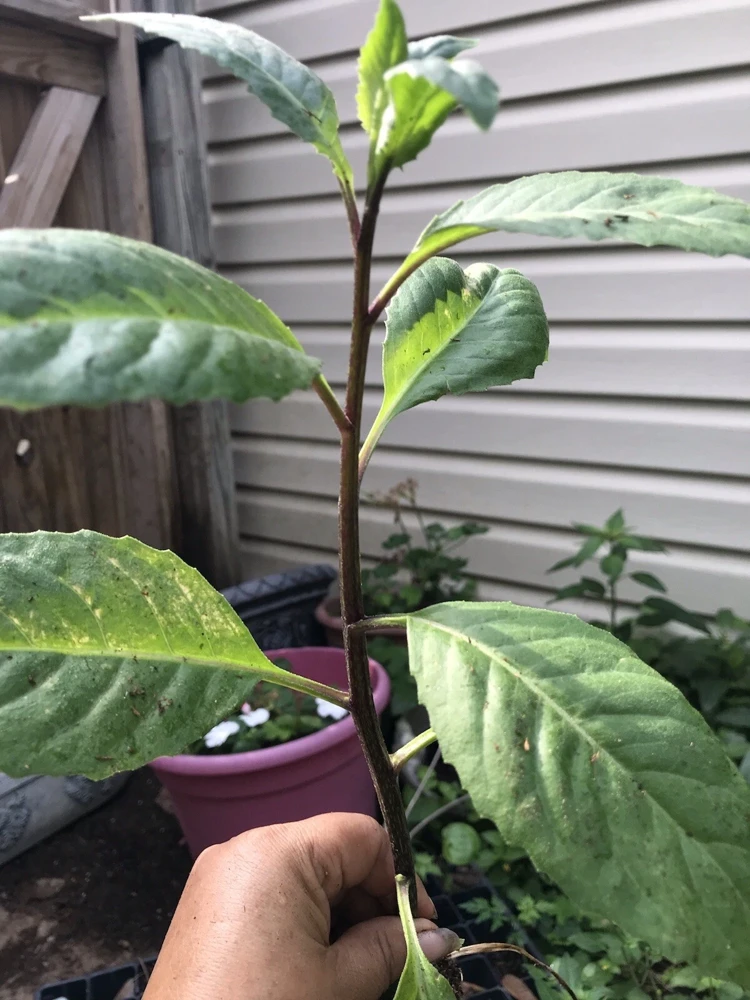
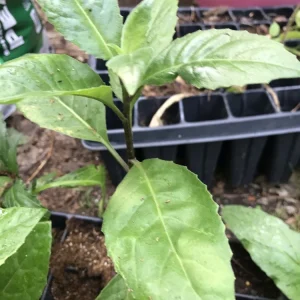
African Bitter Leaf Live Plant – Vernonia amygdalina – USDA Zone 9 – Healthy Starter
Cultivate your own African Bitter Leaf live plant (Vernonia amygdalina), a versatile herb known for its vibrant green foliage and robust growth. This healthy starter plant is suitable for both indoor and outdoor environments, thriving in USDA Zone 9 and above. Enjoy the benefits of fresh, homegrown bitter leaf for culinary or traditional uses.
Original price was: $32.00.$25.00Current price is: $25.00.

With our Alive & Thrive Guarantee, we’ve got your back for the first 30 days! If you have any concerns about your plants, just reach out to us. Our team is here to help answer your questions and guide you in selecting the best plants for your garden, climate, and unique preferences. We're excited to help you create the garden of your dreams!
Estimated arrival
Oct 08
Oct 13 - Oct 15
Oct 18 - Oct 22
Product Details
-
USDA Hardiness Zone
9 (20 to 30 °F) -
Soil type
Loam, Peat, Sand (Well-draining) -
Sunlight Exposure
Full Sun, Partial Shade -
Expected Planting Period
Year-round indoors; Spring to early summer outdoors (Zone 9+)
Overview
Bring the unique flavor and numerous benefits of the African Bitter Leaf live plant into your home or garden. This offering is for a healthy, live starter plant of Vernonia amygdalina, commonly known as African bitter leaves. Originating from tropical Africa, this plant is cherished not only for its distinctive bitter taste, which mellows with proper preparation, but also for its traditional uses. Our live starter plant is carefully cultivated to ensure it arrives ready to thrive in your care, whether you’re an experienced gardener or just beginning your journey with edible plants. The Vernonia amygdalina plant is a vigorous grower, quickly establishing itself to provide a continuous supply of fresh leaves.
The African Bitter Leaf live plant is a fantastic addition to any edible garden, herb collection, or even as a unique houseplant. Its lush green foliage adds a touch of the tropics wherever it’s grown. This plant is known for its resilience and adaptability, making it a rewarding choice for various growing conditions. Experience the satisfaction of nurturing your own source of this valuable herb, and explore the diverse ways it can be incorporated into your daily life.
Key Benefits
The African Bitter Leaf live plant offers a multitude of benefits, making it a highly desirable addition to your plant collection. From its culinary applications to its aesthetic appeal, this plant is truly versatile:
- Edible Leaves: The primary benefit is its edible leaves, which are a staple in many African cuisines. While known for their bitterness, proper preparation (like blanching) can reduce this, making them suitable for soups, stews, and stir-fries.
- Fast Growing: This plant is a vigorous grower, meaning you’ll have a consistent supply of fresh leaves for harvesting in a relatively short period. Its rapid growth makes it a rewarding plant for those who enjoy frequent harvests.
- Air Purifying Qualities: Like many green plants, the Vernonia amygdalina plant contributes to a healthier indoor environment by naturally purifying the air, making it a great choice for a houseplant.
- Evergreen Foliage: In suitable climates or when grown indoors, the plant maintains its vibrant green foliage year-round, providing continuous visual appeal and fresh leaves.
- Adaptable to Indoor & Outdoor Settings: Whether you have a sunny spot on your patio, a garden bed, or a bright window indoors, this plant can adapt, offering flexibility in where you choose to grow it.
- Pet Safe: Enjoy peace of mind knowing that this plant is considered safe for pets, making it a worry-free addition to homes with curious animals.
- Medicinal Bitter Leaf: Traditionally used for its potential health benefits, the plant is often referred to as medicinal bitter leaf, highlighting its value beyond just culinary use.
Plant Care & Growing Tips
Caring for your African Bitter Leaf live plant is straightforward, ensuring a bountiful harvest of fresh leaves. This resilient plant thrives with consistent attention to its basic needs. For optimal growth, provide plenty of sunlight. It performs best in full sun to partial shade, meaning it should receive at least 6 hours of direct sunlight daily outdoors, or bright, indirect light when grown indoors near a south-facing window. Ensure good air circulation, especially in humid conditions, to prevent fungal issues.
When it comes to watering, the Vernonia amygdalina plant prefers consistently moist, but not waterlogged, soil. Water thoroughly when the top inch of soil feels dry to the touch, and reduce frequency during cooler months or if grown indoors in lower light. Good drainage is crucial, so plant in a pot with drainage holes or in a garden bed with well-draining soil. A rich, loamy, or sandy soil type is ideal, as it provides both nutrients and proper aeration for the roots. The plant is quite hardy and can tolerate various soil conditions, but it will thrive in fertile ground.
This plant is quite robust, but regular feeding during the growing season (spring through summer) with a balanced liquid fertilizer will encourage lush foliage. Protect your African Bitter Leaf live plant from frost, as it is subtropical to tropical and sensitive to cold temperatures. In colder zones, bring it indoors before the first frost. Pruning regularly not only encourages bushier growth and more leaves for harvesting but also helps maintain its shape and size, especially if you’re wondering how to grow bitter leaf in a confined space. This plant is generally pest-resistant, but keep an eye out for common garden pests like aphids and treat with organic solutions if necessary.
Size & Details
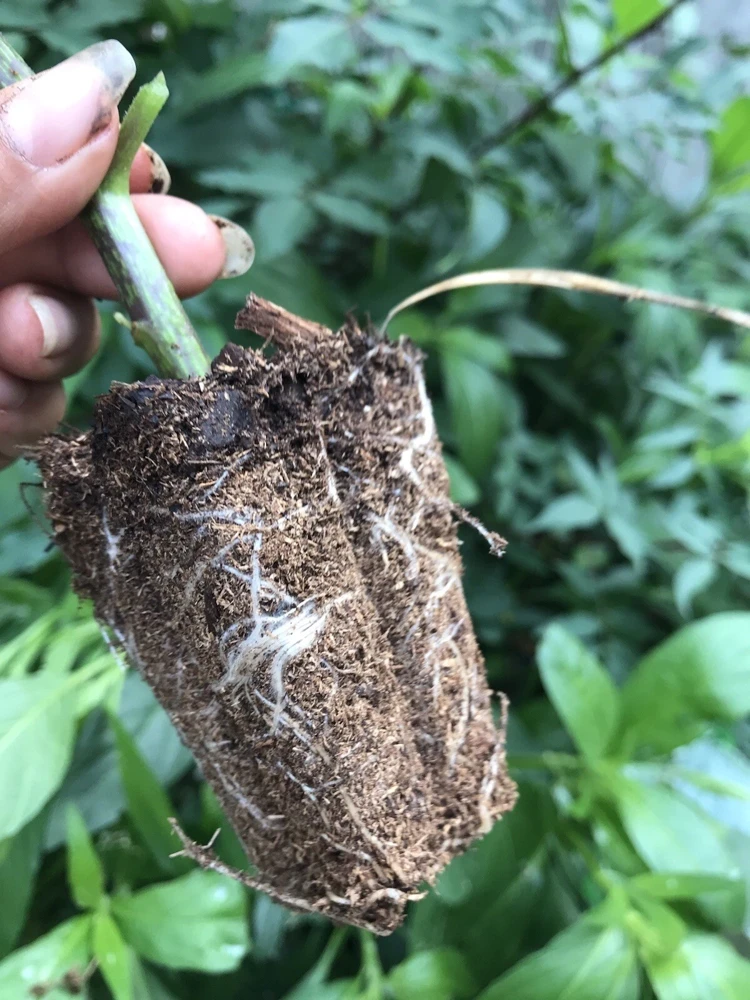
This offering is for one healthy African Bitter Leaf live plant starter, typically shipped in a nursery pot ready for transplanting. While the exact size may vary slightly upon arrival, you can expect a well-rooted plant that is actively growing and ready to establish itself in its new environment. These plants are known for their fast growth rate, quickly developing into a substantial bush under optimal conditions. Mature plants can reach several feet in height and width, although they can be kept smaller with regular pruning. The plant is evergreen, providing continuous foliage for harvest throughout the year in warm climates or indoors.
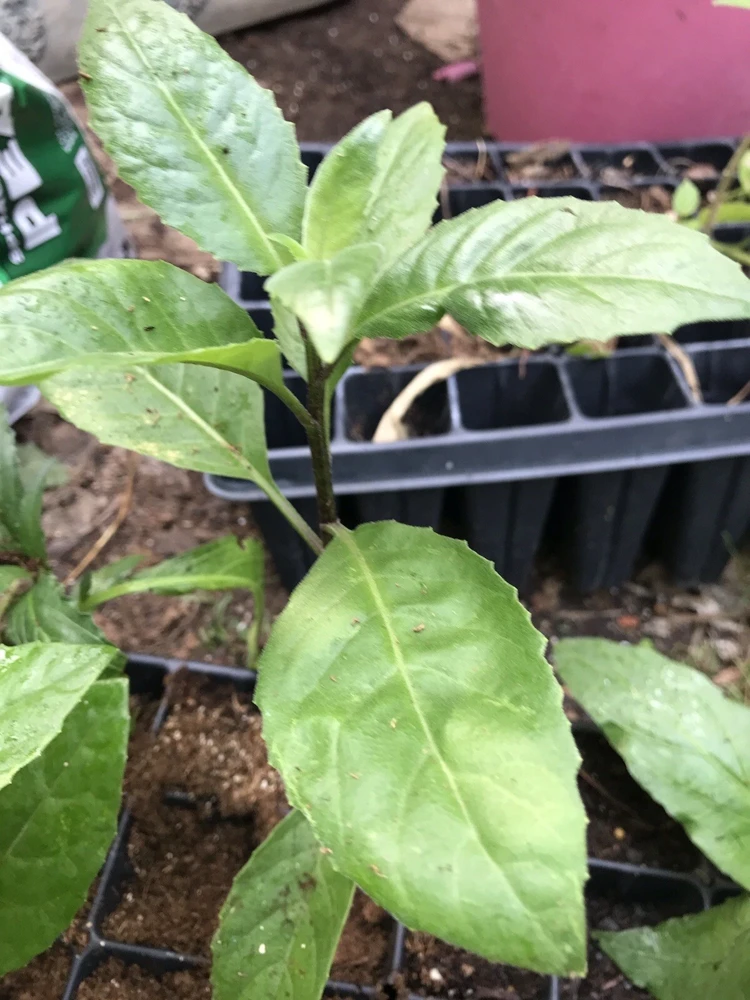
Each medicinal bitter leaf plant is carefully selected and packed to ensure it arrives in the best possible condition. The plant’s vigorous growth habit means you’ll soon have plenty of fresh leaves. It belongs to USDA Hardiness Zone 9 (20 to 30 °F) and above, making it suitable for outdoor planting in warmer regions and a perfect container plant for colder areas where it can be moved indoors during winter. The vibrant green leaves are the primary feature, offering both aesthetic appeal and practical use. This starter plant provides an excellent foundation for cultivating your very own supply of this beneficial herb.
Frequently Asked Questions
- Q: How big does this plant get? A: The African Bitter Leaf live plant can grow quite large, typically reaching 6 to 10 feet tall and wide in ideal outdoor conditions. However, when grown in a container or with regular pruning, its size can be easily managed to fit your space.
- Q: What size pot does it come in? A: This offering is for a live starter plant, usually shipped in a small nursery pot (e.g., 2-4 inches). It will need to be transplanted into a larger pot or your garden upon arrival to allow for continued growth.
- Q: Is this an indoor or outdoor plant? A: The Vernonia amygdalina plant is versatile and can thrive both indoors and outdoors. It’s best grown outdoors in USDA Zones 9 and warmer. In colder climates, it makes an excellent indoor plant, provided it receives adequate sunlight.
- Q: How much sunlight does it need? A: This plant prefers full sun to partial shade, meaning it needs at least 6 hours of direct sunlight per day for optimal growth. If growing indoors, place it near a bright, south-facing window.
- Q: Is this plant easy to care for? A: Yes, the African Bitter Leaf live plant is generally considered easy to care for. It’s quite resilient and fast-growing, making it a rewarding plant for gardeners of all experience levels, even those new to how to grow bitter leaf.
- Q: What condition will it arrive in? A: Your live starter plant will arrive carefully packaged, healthy, and ready to be planted. We take great care to ensure the plant withstands shipping and reaches you in good condition.
- Q: Can I use African Bitter Leaf in cooking? A: Absolutely! The leaves are a popular ingredient in many African dishes. While they are bitter, blanching or soaking the leaves can reduce the bitterness, making them delicious in soups, stews, and salads.
- Q: Is it pet-safe? A: Yes, medicinal bitter leaf (Vernonia amygdalina) is generally considered safe for pets, making it a worry-free addition to homes with animals.
- Q: When is the best time to plant? A: If planting outdoors, spring to early summer is ideal after all danger of frost has passed. Indoors, it can be planted year-round, as long as it receives appropriate light and warmth.
- Q: Will it survive winter in my zone? A: This plant is subtropical/tropical and sensitive to frost. It will survive winters outdoors in USDA Zone 9 and warmer. In colder zones, it should be brought indoors or grown as an annual.
Related products
-10%
Original price was: $75.00.$67.50Current price is: $67.50.
-30%
Original price was: $59.98.$41.98Current price is: $41.98.
-30%
Original price was: $57.98.$40.58Current price is: $40.58.
-30%
Original price was: $67.98.$47.58Current price is: $47.58.
-10%
Original price was: $65.00.$58.50Current price is: $58.50.
-50%
Original price was: $47.96.$23.98Current price is: $23.98.
-50%
Original price was: $79.96.$39.98Current price is: $39.98.
-50%
Original price was: $59.96.$29.98Current price is: $29.98.
PLANTING & CARE
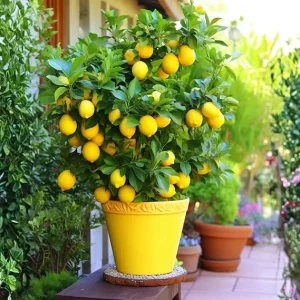
Lemon Tree Growing: Choose, Plant, and Harvest
Learn how to choose, plant, feed, and protect a lemon tree so it fits your
23
Sep
Sep
Dwarf Meyer Lemon Tree Australia: Climate Guide
Learn where dwarf Meyer lemon trees grow, how much cold they tolerate, and whether Australia,
Where to Buy a Dwarf Meyer Lemon Tree: Buyer’s Guide
Find the right dwarf Meyer lemon tree online or locally, compare starter sizes and costs,
Dwarf Meyer Lemon Tree for Sale: Buying Guide
Compare Meyer lemon tree sizes, prices, shipping limits, indoor growing and California options before you
Dwarf Meyer Lemon Tree Guide: Size, Care and Fruit
META: Learn how large a dwarf Meyer lemon tree grows, where it thrives, and how
How to Prune a Dwarf Meyer Lemon Tree
Learn when and how to prune a dwarf Meyer lemon tree, including tools, shaping cuts,
Can You Grow a Dwarf Meyer Lemon Tree in a Pot?
META: Learn how to grow a dwarf Meyer lemon tree in a pot, including container
When Do Dwarf Meyer Lemon Trees Bloom and Fruit?
META: Dwarf Meyer lemon trees usually bloom from winter through spring and may flower again