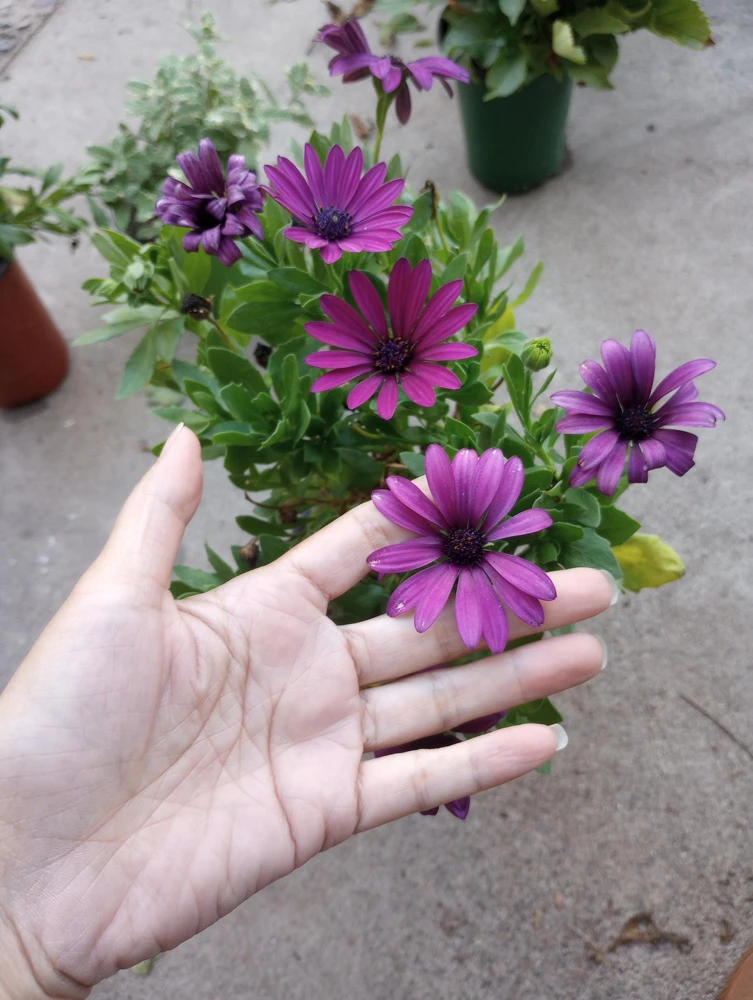
African Daisy Live Plant – 6 Inch High Pot – Vibrant Outdoor Blooms
African Daisy Live Plant – 6 Inch High Pot – Vibrant Outdoor Blooms
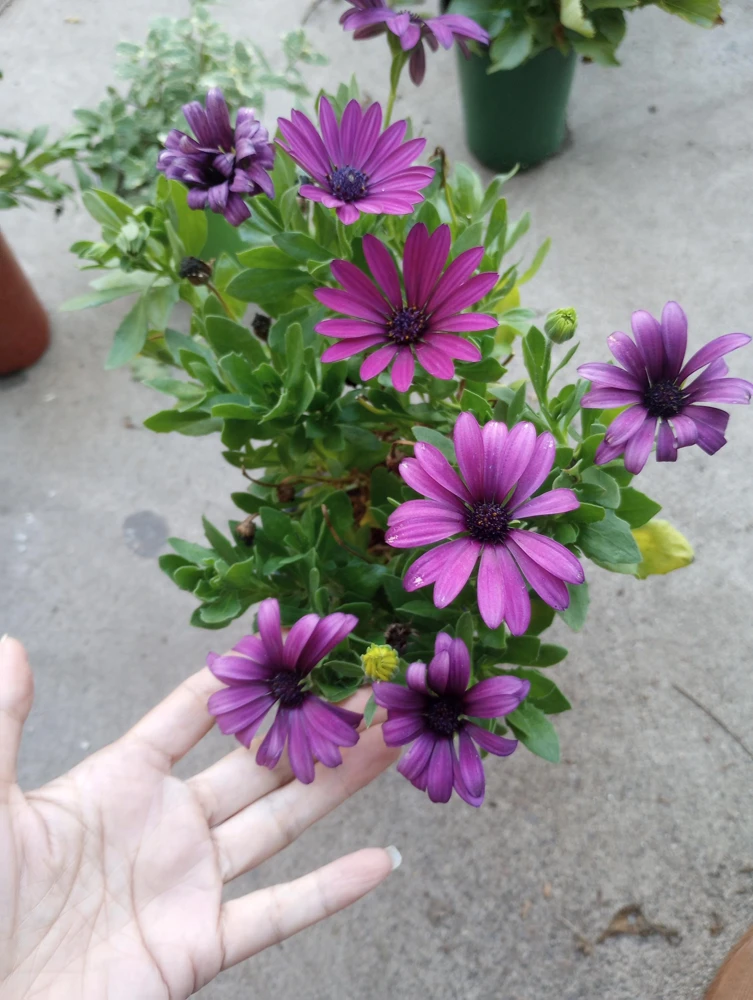
Bring a burst of color to your garden with this beautiful African Daisy live plant, presented in a convenient 6-inch high pot. Known for its vibrant, daisy-like flowers, this plant is perfect for adding cheer to borders, containers, or rockeries. Enjoy continuous blooms throughout the growing season.
$25.98
Out of stock

With our Alive & Thrive Guarantee, we’ve got your back for the first 30 days! If you have any concerns about your plants, just reach out to us. Our team is here to help answer your questions and guide you in selecting the best plants for your garden, climate, and unique preferences. We're excited to help you create the garden of your dreams!
Estimated arrival
Oct 14
Oct 19 - Oct 21
Oct 24 - Oct 28
Product Details
-
USDA Hardiness Zone
USDA zones 9-11 (as perennial), otherwise grown as annual -
Soil type
Well-draining soil, sandy loam -
Sunlight Exposure
Full sun -
Expected Planting Period
Spring to early summer
Overview
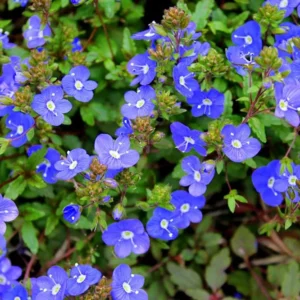
Introduce a touch of sun-kissed charm to your outdoor space with the stunning African Daisy live plant. Also known by its botanical name, Osteospermum, this cheerful flowering plant is celebrated for its abundant, brightly colored blooms that resemble traditional daisies. Originating from South Africa, these plants are well-adapted to sunny conditions, making them an excellent choice for gardens, patios, and balconies across the United States. Our African Daisy live plant arrives in a ready-to-grow 6-inch high pot, ensuring a healthy start for your gardening endeavors. These plants are known for their prolific flowering, offering a continuous display of white, pink, purple, yellow, or orange hues from spring until the first frost. They are relatively low maintenance and provide an instant pop of color wherever they are planted, attracting beneficial pollinators like bees and butterflies to your landscape.
Key Benefits
Adding an African Daisy live plant to your garden offers numerous advantages, from aesthetic appeal to ecological benefits. These plants are not just beautiful but also hardy and rewarding to grow, making them a favorite among both novice and experienced gardeners alike.
- Stunning Visual Appeal: The primary benefit of an African Daisy live plant is its incredible beauty. With a wide range of vibrant colors and classic daisy shapes, these flowers instantly brighten any setting, creating cheerful and inviting spaces.
- Extended Bloom Period: Unlike many annuals, African Daisies boast a long flowering season, typically blooming from spring through summer and often into fall, providing continuous color for months.
- Attracts Pollinators: The open, accessible flowers of the Osteospermum plant are a magnet for bees, butterflies, and other beneficial insects, contributing to the biodiversity and health of your garden ecosystem.
- Low Maintenance: These plants are surprisingly easy to care for once established. They are drought-tolerant and relatively pest-resistant, requiring minimal fuss to thrive and produce abundant blooms.
- Versatile Landscaping: African Daisies are incredibly versatile. They can be grown in garden beds, along borders, in rock gardens, or as striking container plants, adding a splash of color wherever needed.
- Drought Tolerant: Once established, African Daisies can withstand periods of dry weather, making them a water-wise choice for regions with limited rainfall or for gardeners seeking low-water landscape options.
- Deer Resistant: Generally, deer tend to leave African Daisies alone, which is a significant advantage for gardens in areas prone to deer browsing.
Plant Care & Growing Tips
Caring for your African Daisy live plant is straightforward, ensuring a spectacular display of flowers with just a few key practices. Understanding their needs will help you enjoy their vibrant blooms for an extended period.
Sunlight Requirements: African Daisies thrive in full sun, meaning they need at least 6-8 hours of direct sunlight per day to produce the most abundant blooms. In very hot climates, a little afternoon shade can be beneficial to prevent scorching, but too much shade will result in leggy growth and fewer flowers. Position your vibrant outdoor plant where it can soak up the morning and early afternoon sun.
Watering Schedule and Soil Moisture: While African Daisies are drought-tolerant once established, consistent watering is crucial, especially when they are young and actively blooming. Water deeply when the top inch of soil feels dry to the touch. Avoid overwatering, as this can lead to root rot. Good drainage is paramount; never let the plant sit in standing water. Reduce watering in cooler weather or during dormant periods.
Soil Type and Drainage Requirements: These plants prefer well-draining soil. A sandy loam or a good quality potting mix enriched with organic matter is ideal. The soil pH should be neutral to slightly acidic (6.0-7.0). If planting in containers, ensure pots have drainage holes. Improving heavy clay soils with compost or grit will enhance drainage and aeration, which is vital for healthy root development for your African Daisy care.
Temperature Range and USDA Hardiness Zone: African Daisies are typically grown as annuals in most regions of the US, although they can be perennial in USDA Hardiness Zones 9-11. They prefer moderate temperatures and can tolerate light frost, but prolonged freezing temperatures will damage them. In colder zones, you can bring potted plants indoors to overwinter in a bright, cool location.
Fertilization Schedule and Type: Feed your African Daisy every 2-4 weeks during its active growing and blooming season with a balanced liquid fertilizer or a slow-release granular fertilizer. Reduce feeding frequency as the weather cools or if the plant shows signs of slowing growth. Over-fertilization can lead to lush foliage at the expense of flowers.
Common Problems and Solutions: African Daisies are generally robust, but watch out for common garden pests like aphids or whiteflies. These can usually be managed with insecticidal soap. Fungal issues, such as powdery mildew, can occur in humid conditions or with poor air circulation; ensure adequate spacing between plants and avoid overhead watering. Deadheading spent blooms regularly will encourage more flowers and maintain a tidy appearance, which is a key part of effective how to grow African Daisy practices.
Size & Details
This African Daisy live plant is supplied in a robust 6-inch high pot, providing a healthy root system ready for transplanting into your garden or a larger container. At the time of shipment, plants typically stand between 6 to 10 inches tall, depending on growth stage and variety, with a similar spread. They are fast-growing plants and can quickly fill out to their mature size, often reaching 1 to 3 feet in height and spread within a single growing season when given optimal conditions. Expect to see the first blooms shortly after planting, with continuous flowering throughout the warm months. The plant ships as a well-established, actively growing specimen, carefully packaged to ensure safe arrival.
Frequently Asked Questions
- Q: How big does this plant get? A: This African Daisy live plant typically grows to a height and spread of 1 to 3 feet within a single growing season, depending on the variety and growing conditions. It arrives in a 6-inch pot, ready to grow larger.
- Q: Is this an indoor or outdoor plant? A: African Daisies are primarily outdoor plants that thrive in full sun. While they can be overwintered indoors in colder climates, they are best enjoyed as a vibrant outdoor plant for their prolific blooming.
- Q: How much sunlight does it need? A: For optimal blooming, the Osteospermum plant requires at least 6-8 hours of direct sunlight per day. Too little sun will result in fewer flowers and leggy growth.
- Q: Is this plant easy to care for? A: Yes, African Daisies are considered relatively easy to care for, making them suitable for gardeners of all experience levels. Key aspects of African Daisy care include proper sunlight and well-draining soil.
- Q: What condition will it arrive in? A: Your plant will arrive healthy and actively growing in its 6-inch high pot, carefully packaged to minimize stress during transit. Some minor leaf drop or soil displacement may occur, but the plant should recover quickly.
- Q: When is the best time to plant African Daisies? A: The best time to plant African Daisies is in spring after all danger of frost has passed. This allows them ample time to establish roots and begin their long blooming season.
- Q: Will it survive winter in my zone? A: African Daisies are perennial in USDA Hardiness Zones 9-11. In colder zones, they are typically grown as annuals or can be brought indoors for winter protection.
- Q: Do I need to deadhead African Daisies? A: While not strictly necessary, deadheading spent blooms will encourage the plant to produce more flowers and maintain a tidier appearance, enhancing the overall performance of your African Daisy live plant.
- Q: What kind of soil is best for African Daisies? A: They prefer well-draining soil, such as a sandy loam or a good quality potting mix, with a neutral to slightly acidic pH. Good drainage is crucial to prevent root issues.
- Q: Are African Daisies drought-tolerant? A: Yes, once established, African Daisies are quite drought-tolerant, making them a good choice for water-wise gardening. However, they benefit from consistent watering during their active blooming period.
Related products
-67%
Original price was: $37.47.$12.49Current price is: $12.49.
-82%
Original price was: $50.97.$9.04Current price is: $9.04.
-81%
Original price was: $80.97.$15.54Current price is: $15.54.
-81%
Original price was: $68.97.$12.94Current price is: $12.94.
-50%
Original price was: $63.00.$31.50Current price is: $31.50.
PLANTING & CARE
Lemon Tree Growing: Choose, Plant, and Harvest
Learn how to choose, plant, feed, and protect a lemon tree so it fits your
23
Sep
Sep
Dwarf Meyer Lemon Tree Australia: Climate Guide
Learn where dwarf Meyer lemon trees grow, how much cold they tolerate, and whether Australia,
Where to Buy a Dwarf Meyer Lemon Tree: Buyer’s Guide
Find the right dwarf Meyer lemon tree online or locally, compare starter sizes and costs,
Dwarf Meyer Lemon Tree for Sale: Buying Guide
Compare Meyer lemon tree sizes, prices, shipping limits, indoor growing and California options before you
Dwarf Meyer Lemon Tree Guide: Size, Care and Fruit
META: Learn how large a dwarf Meyer lemon tree grows, where it thrives, and how
How to Prune a Dwarf Meyer Lemon Tree
Learn when and how to prune a dwarf Meyer lemon tree, including tools, shaping cuts,
Can You Grow a Dwarf Meyer Lemon Tree in a Pot?
META: Learn how to grow a dwarf Meyer lemon tree in a pot, including container
When Do Dwarf Meyer Lemon Trees Bloom and Fruit?
META: Dwarf Meyer lemon trees usually bloom from winter through spring and may flower again