African Daisy Live Plant, 6 inch Pot, Vibrant Blooms, Indoor/Outdoor
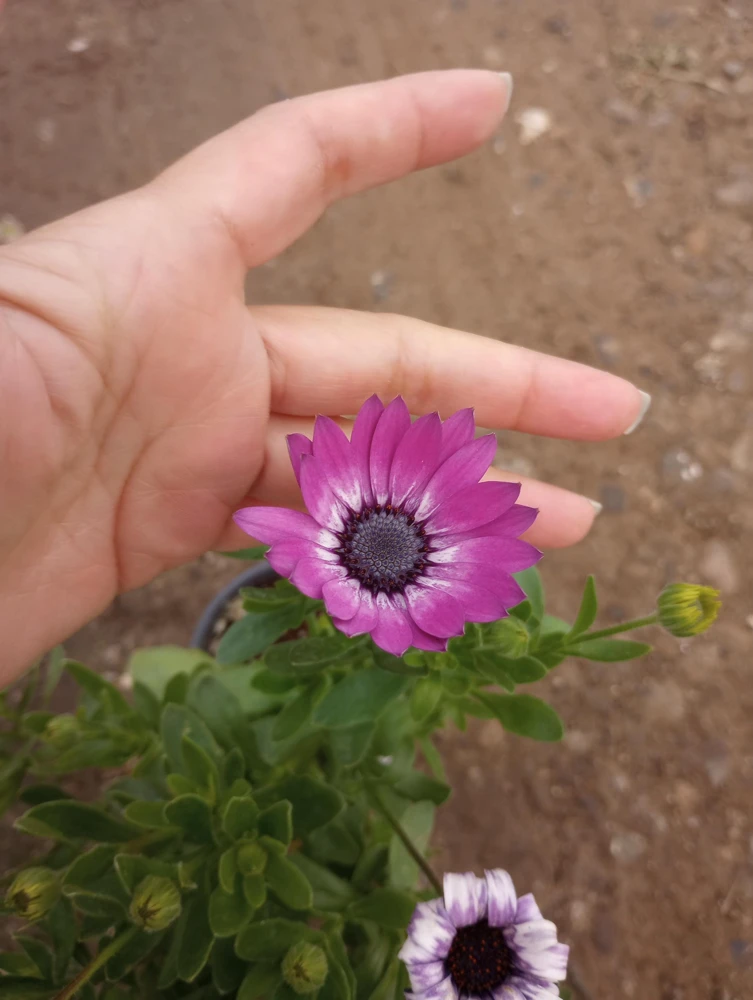
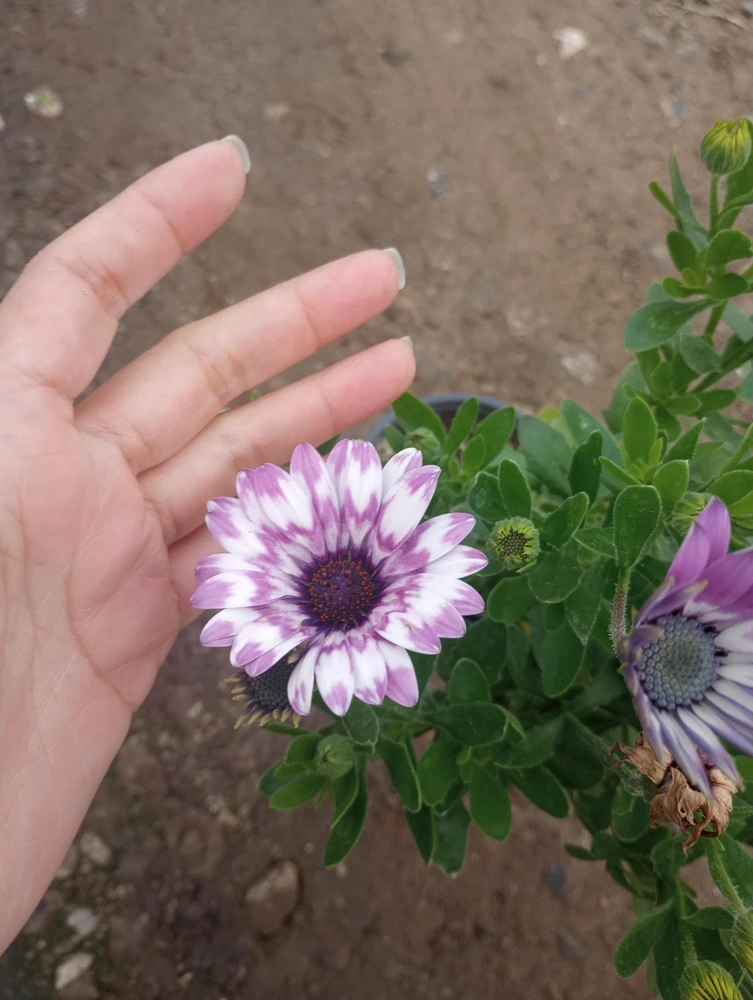
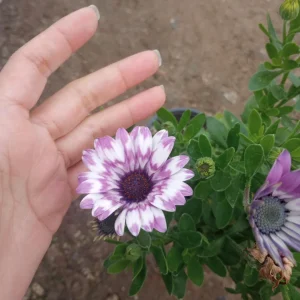
African Daisy Live Plant, 6 inch Pot, Vibrant Blooms, Indoor/Outdoor
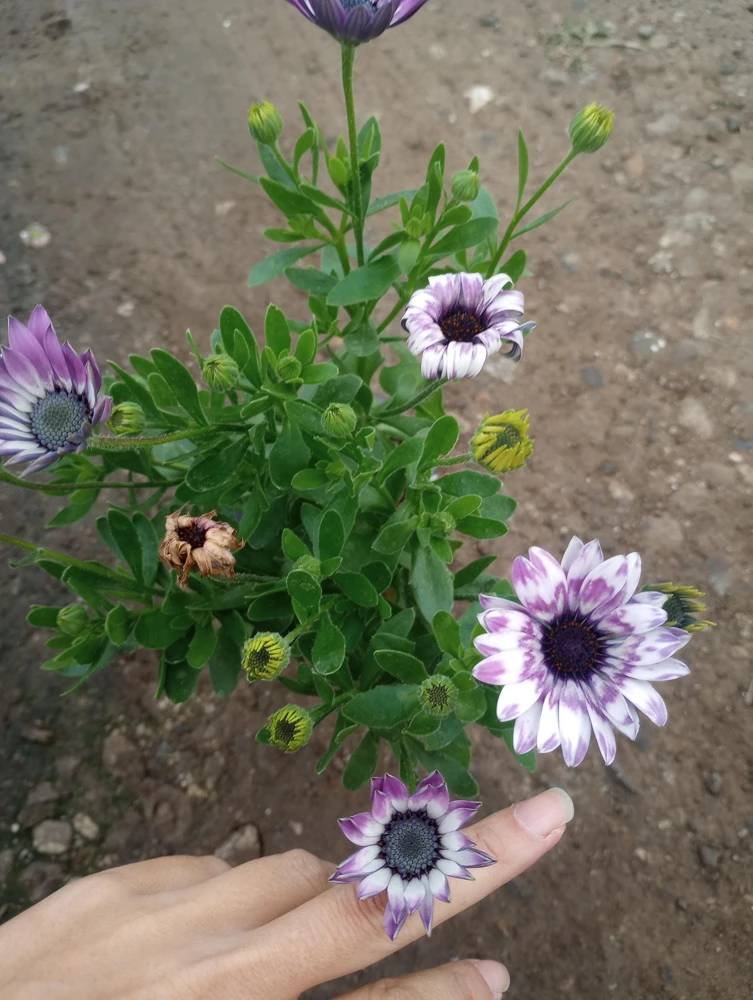
Bring cheerful color to your home or garden with this beautiful African Daisy live plant. Arriving in a 6-inch high pot, this vibrant flowering plant is perfect for sunny spots and adds an instant decorative touch. Enjoy its continuous blooms and easy-care nature.
$25.98

With our Alive & Thrive Guarantee, we’ve got your back for the first 30 days! If you have any concerns about your plants, just reach out to us. Our team is here to help answer your questions and guide you in selecting the best plants for your garden, climate, and unique preferences. We're excited to help you create the garden of your dreams!
Estimated arrival
Oct 07
Oct 12 - Oct 14
Oct 17 - Oct 21
Product Details
-
USDA Hardiness Zone
USDA Zones 9-11 (Perennial), All zones (Annual) -
Soil type
Well-draining potting mix or garden soil -
Sunlight Exposure
Full sun (at least 6 hours direct light) -
Expected Planting Period
Spring to early summer
Overview
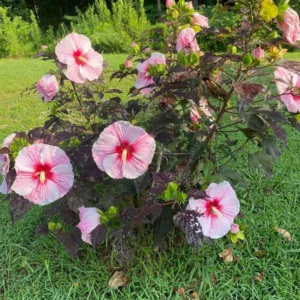
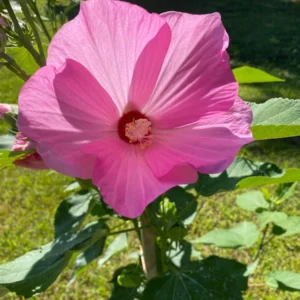
Brighten your living space or garden with the stunning African Daisy live plant. Known for its cheerful, daisy-like flowers and vibrant hues, the African Daisy (Osteospermum) is a popular choice for gardeners seeking continuous color and relatively low maintenance. This beautiful plant arrives ready to thrive in a 6-inch high pot, making it an excellent addition to patios, balconies, or sunny garden beds. Its striking blooms, often in shades of purple, pink, white, and yellow, create a captivating display that can last from spring through fall, bringing a touch of African sunshine wherever it grows. Whether you’re an experienced green thumb or just starting your plant journey, the Osteospermum plant is sure to delight with its prolific flowering and robust growth.
The African Daisy is celebrated not only for its aesthetic appeal but also for its resilience. It’s a fantastic solution for adding bold color to your landscape without requiring constant fuss. This particular specimen is a healthy, established African Daisy live plant, carefully nurtured to ensure it arrives at your doorstep ready to flourish and fill your space with its captivating charm. Its upright yet bushy growth habit makes it versatile for various planting schemes, from mass plantings to mixed containers.
Key Benefits
Embrace the numerous advantages of incorporating the African Daisy live plant into your home or garden. Its vibrant presence and easy-care nature make it a rewarding choice for plant enthusiasts of all levels.
- Continuous, Vibrant Blooms: Enjoy a long season of spectacular color with daisy-like flowers that bloom from spring until the first frost. These blossoms come in an array of striking colors, making it a truly eye-catching flowering plant for sun.
- Low Maintenance: African Daisies are remarkably easy to care for, requiring minimal attention once established. They are drought-tolerant and generally pest-resistant, making them ideal for busy gardeners.
- Versatile Planting Options: Perfect for container gardens, hanging baskets, borders, or mass plantings, this plant adapts well to various settings, enhancing any sunny location.
- Attracts Pollinators: The cheerful flowers are a magnet for bees and butterflies, contributing to a healthy and vibrant ecosystem in your garden.
- Drought Tolerant: Once established, the African Daisy care routine is simple, as it can withstand periods of dry weather, reducing the need for frequent watering.
- Instant Color Impact: Arriving as a healthy, established plant in a 6-inch pot, it provides immediate visual appeal and color to your outdoor or indoor sunny spaces.
- Hardy and Resilient: Known for its robust nature, the African Daisy can tolerate a range of conditions, making it a reliable performer even in challenging environments.
Plant Care & Growing Tips
Caring for your African Daisy live plant is straightforward, ensuring a long season of beautiful blooms with just a few key considerations. These plants thrive in conditions that mimic their native South African habitat, enjoying plenty of sunshine and well-draining soil.
Sunlight: African Daisies are true sun-lovers. They require at least 6 hours of direct sunlight per day to produce their most abundant blooms. In hot climates, some afternoon shade can be beneficial to prevent scorching, but generally, the more sun, the better. When grown indoors, place them in your brightest south-facing window. African Daisy care largely revolves around providing adequate light.
Watering: Water thoroughly when the top inch of soil feels dry to the touch. While they are somewhat drought-tolerant, consistent moisture will encourage more prolific flowering. Avoid overwatering, as this can lead to root rot. Ensure the pot has drainage holes to prevent waterlogging. During peak blooming season, you might need to water more frequently, especially if planted in containers that dry out faster.
Soil: Plant your African Daisy in well-draining soil. A standard potting mix amended with some perlite or sand works well for containers. For garden beds, ensure the soil is not heavy clay and drains freely. Good drainage is crucial for the health of this Osteospermum plant.
Temperature & Hardiness: African Daisies are typically grown as annuals in most regions but can be perennial in USDA Zones 9-11. They prefer moderate temperatures and can tolerate light frost, but prolonged freezing temperatures will kill them. If growing in colder zones, you can bring potted plants indoors for winter or treat them as seasonal annuals. Consistent temperatures above 60°F (15°C) encourage optimal growth.
Fertilization: Feed your plant with a balanced liquid fertilizer every 2-4 weeks during the growing season (spring through fall) to encourage continuous blooming. Reduce feeding in winter if the plant is overwintered indoors. This helps maintain the vibrant health of your vibrant garden flowers.
Pruning: Deadhead spent flowers regularly to encourage new blooms and maintain a tidy appearance. Pinching back leggy stems can also promote bushier growth and more flowers. This simple step is vital for extending the blooming period of your African Daisy live plant.
Size & Details
Your African Daisy live plant will arrive as a healthy, established specimen, carefully packaged in a 6-inch high nursery pot. At the time of shipment, the plant typically stands approximately 6-10 inches tall from the base of the pot, with a spread of about 8-12 inches, depending on recent growth and variety. These plants are known for their relatively fast growth rate and can reach a mature size of 1-3 feet tall and wide within a single growing season when provided with optimal conditions. They are shipped in their original growing medium, ensuring minimal transplant shock upon arrival. Expect continuous blooming throughout the warmer months, bringing a constant display of vibrant garden flowers to your space, and providing a long-lasting show right out of the box.
Frequently Asked Questions
- Q: How big does this African Daisy plant get? A: Your African Daisy live plant typically grows to a mature size of 1 to 3 feet tall and wide within a single growing season, depending on growing conditions and variety. It arrives in a 6-inch pot, ready to grow.
- Q: Is this an indoor or outdoor plant? A: The African Daisy thrives outdoors in full sun. While it can be brought indoors during winter in colder climates, it generally performs best as an outdoor flowering plant for sun on patios, balconies, or in garden beds.
- Q: How much sunlight does it need? A: This plant requires at least 6 hours of direct sunlight daily to produce abundant blooms. Placing it in a south-facing location or an unshaded garden spot is ideal for optimal growth and flowering.
- Q: Is this plant easy to care for? A: Yes, the African Daisy care routine is considered easy. It’s relatively low-maintenance, drought-tolerant once established, and generally resistant to pests, making it a great choice for beginners and experienced gardeners alike.
- Q: What condition will it arrive in? A: Your plant will arrive healthy and well-rooted in its 6-inch nursery pot, carefully packaged to minimize stress during transit. We recommend unpacking and watering upon arrival.
- Q: When is the best time to plant African Daisies? A: The best time to plant African Daisies is in spring after the last frost, allowing them to establish before the heat of summer. For regions with mild winters, they can also be planted in early fall.
- Q: What type of soil does this Osteospermum plant prefer? A: The Osteospermum plant prefers well-draining soil. A good quality potting mix for containers or amended garden soil that drains freely will ensure healthy root development and prevent waterlogging.
- Q: Will it attract pollinators to my garden? A: Absolutely! The bright, open flowers of the African Daisy are very attractive to beneficial pollinators such as bees and butterflies, helping to support local ecosystems and bringing more life to your garden.
- Q: Can I overwinter my African Daisy? A: In USDA Zones 9-11, African Daisies are perennial and can be left outdoors. In colder zones, they are typically grown as annuals, but potted plants can be brought indoors to a bright, cool spot to overwinter, though they may not bloom as profusely.
- Q: How often should I fertilize my African Daisy? A: During the active growing and blooming season (spring through fall), fertilize your African Daisy live plant every 2-4 weeks with a balanced liquid fertilizer to encourage continuous flowering and vigorous growth.
Related products
-81%
Original price was: $68.97.$12.94Current price is: $12.94.

-65%
Original price was: $37.47.$12.99Current price is: $12.99.
-70%
Original price was: $89.98.$27.00Current price is: $27.00.
-83%
Original price was: $44.97.$7.74Current price is: $7.74.
PLANTING & CARE
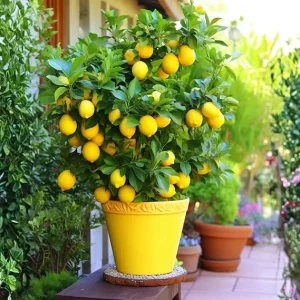
Lemon Tree Growing: Choose, Plant, and Harvest
Learn how to choose, plant, feed, and protect a lemon tree so it fits your
23
Sep
Sep
Dwarf Meyer Lemon Tree Australia: Climate Guide
Learn where dwarf Meyer lemon trees grow, how much cold they tolerate, and whether Australia,
Where to Buy a Dwarf Meyer Lemon Tree: Buyer’s Guide
Find the right dwarf Meyer lemon tree online or locally, compare starter sizes and costs,
Dwarf Meyer Lemon Tree for Sale: Buying Guide
Compare Meyer lemon tree sizes, prices, shipping limits, indoor growing and California options before you
Dwarf Meyer Lemon Tree Guide: Size, Care and Fruit
META: Learn how large a dwarf Meyer lemon tree grows, where it thrives, and how
How to Prune a Dwarf Meyer Lemon Tree
Learn when and how to prune a dwarf Meyer lemon tree, including tools, shaping cuts,
Can You Grow a Dwarf Meyer Lemon Tree in a Pot?
META: Learn how to grow a dwarf Meyer lemon tree in a pot, including container
When Do Dwarf Meyer Lemon Trees Bloom and Fruit?
META: Dwarf Meyer lemon trees usually bloom from winter through spring and may flower again