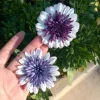
African Daisy Live Plant – 6 inch Pot – Vibrant, Easy-Care Flowers
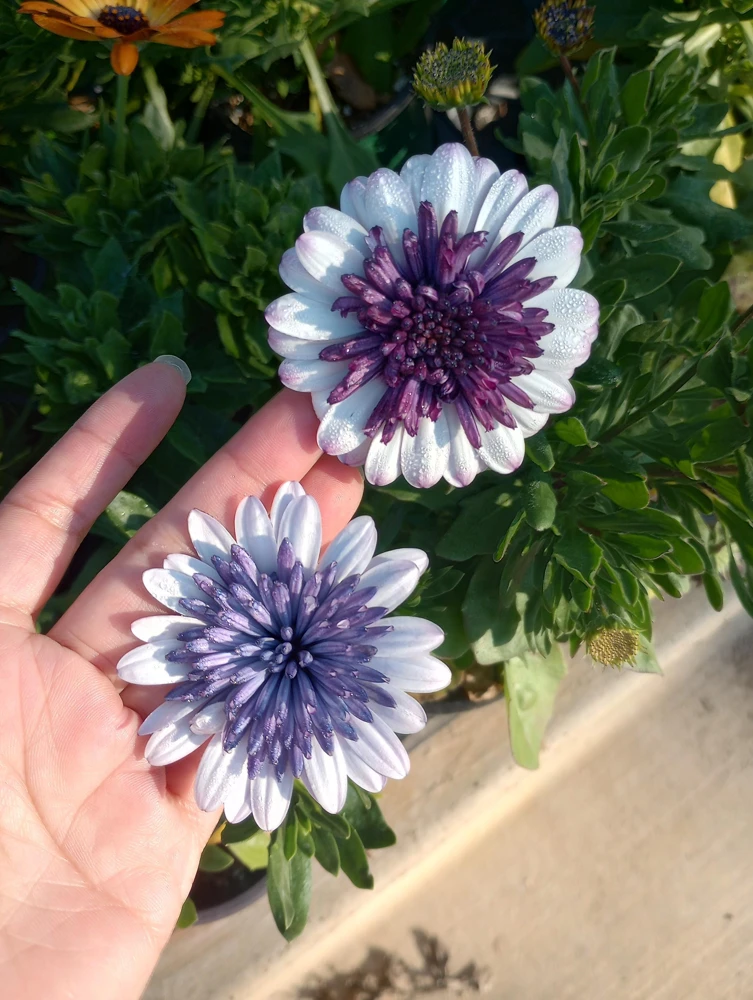
African Daisy Live Plant – 6 inch Pot – Vibrant, Easy-Care Flowers
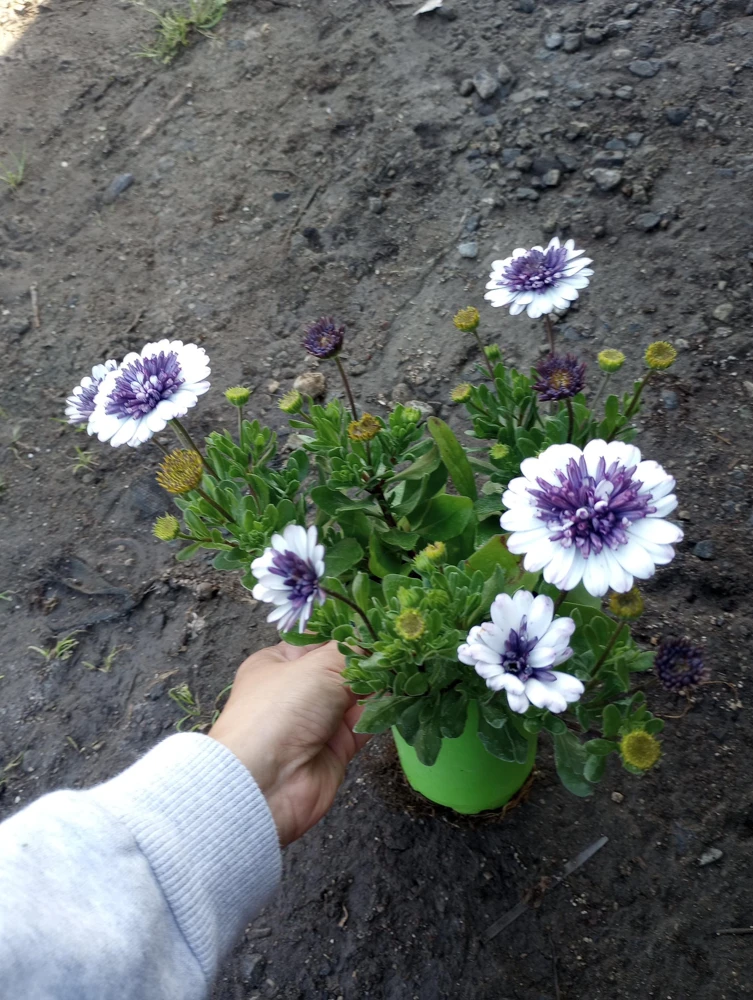
Bring brilliant color to your garden with this African Daisy live plant in a 6-inch pot. Known for its cheerful, long-lasting blooms, this plant is an excellent choice for adding vibrant hues to flower beds, containers, or borders. Enjoy an abundance of daisy-like flowers all season long with minimal effort.
$25.98

With our Alive & Thrive Guarantee, we’ve got your back for the first 30 days! If you have any concerns about your plants, just reach out to us. Our team is here to help answer your questions and guide you in selecting the best plants for your garden, climate, and unique preferences. We're excited to help you create the garden of your dreams!
Estimated arrival
Oct 07
Oct 12 - Oct 14
Oct 17 - Oct 21
Product Details
-
USDA Hardiness Zone
USDA zones 9-11 (as perennial), otherwise annual -
Soil type
Well-draining soil, sandy loam -
Sunlight Exposure
Full sun -
Expected Planting Period
Spring to early summer
Overview
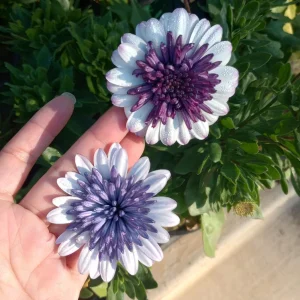
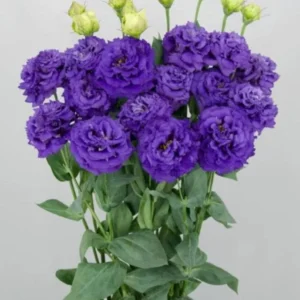
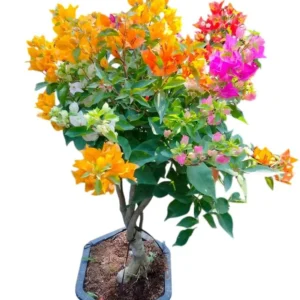
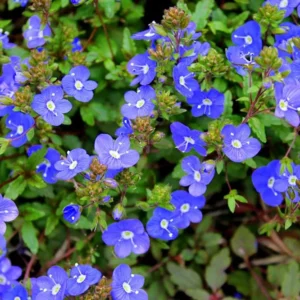
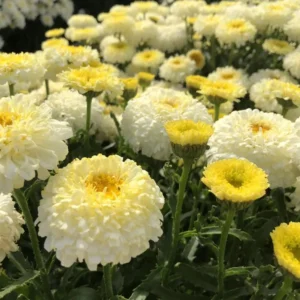
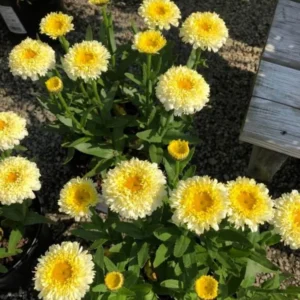
Introduce a burst of vibrant color to your outdoor spaces with the stunning African Daisy live plant. Scientifically known as Osteospermum, these cheerful flowers are renowned for their striking, daisy-like blooms that come in a kaleidoscope of colors, including shades of purple, pink, orange, yellow, and white. Originating from South Africa, the African Daisy thrives in sunny conditions, making it an ideal choice for gardens across the US. This particular offering provides a healthy, established plant in a 6-inch pot, ready to be transplanted into your garden beds, patio containers, or window boxes. The African Daisy live plant is celebrated for its prolonged blooming season, often producing flowers from spring until the first frost, ensuring continuous visual interest and a lively atmosphere in your landscape. Its robust nature and relatively low maintenance requirements make it a favorite among both seasoned gardeners and beginners looking for an impactful, easy-care outdoor plant.
The beauty of the African Daisy lies not just in its vivid petals but also in its ability to adapt to various outdoor settings. Whether you’re aiming for a cottage garden feel, a modern minimalist design, or simply want to brighten up a dull corner, this plant delivers. Each bloom typically features a dark center, which provides a beautiful contrast to the petals, drawing in pollinators like bees and butterflies. Choosing an Osteospermum plant means opting for sustained beauty and a touch of exotic charm in your home garden. Prepare to enjoy a spectacular display that will undoubtedly become a focal point of your outdoor living area.
Key Benefits
The African Daisy live plant offers numerous advantages that make it a standout choice for any garden. Its impressive attributes contribute to both aesthetic appeal and ease of care, ensuring a rewarding gardening experience.
- Vibrant, Continuous Blooms: Enjoy a prolific display of colorful, daisy-like flowers from spring through fall, providing an extended period of beauty and interest in your garden. These blooms are known for their intensity and ability to brighten any landscape.
- Low Maintenance & Easy Care: Perfect for gardeners of all skill levels, the African Daisy live plant requires minimal attention once established. It’s drought-tolerant and resilient, making it a hassle-free addition to your outdoor space.
- Attracts Pollinators: The cheerful flowers are a magnet for beneficial insects like bees and butterflies, contributing to a healthier and more biodiverse garden ecosystem. This makes it an excellent choice for a pollinator-friendly garden.
- Versatile Garden Use: Ideal for a variety of applications, including garden beds, borders, rock gardens, hanging baskets, and patio containers. Its compact growth habit allows it to fit seamlessly into diverse garden designs.
- Drought Tolerant: Once established, this plant can withstand periods of dry weather, reducing the need for frequent watering and making it a water-wise choice for sustainable gardening.
- Long Blooming Season: Unlike many annuals, the African Daisy boasts an exceptionally long bloom time, ensuring your garden remains vibrant and colorful for many months, often until the first hard frost.
- Deer Resistant: Generally, deer tend to avoid African Daisies, which can be a significant advantage if deer are a common concern in your area, protecting your beautiful blooms from unwanted munching.
Plant Care & Growing Tips
Caring for your African Daisy live plant is straightforward, ensuring a magnificent display of flowers with proper attention. These plants thrive in conditions that mimic their native South African environment, primarily requiring plenty of sunlight and well-draining soil.
Sunlight Requirements: African Daisies are sun-loving plants and perform best when they receive at least 6 hours of direct sunlight per day. In hotter climates, some afternoon shade can be beneficial to prevent scorching and prolong bloom life, but generally, the more sun, the better for abundant flowering. Ensure your Osteospermum plant is placed in an area where it can soak up the sun’s rays.
Watering: While drought-tolerant once established, young African Daisies and those in containers require regular watering. Water thoroughly when the top inch of soil feels dry to the touch, allowing excess water to drain away. Avoid overwatering, as this can lead to root rot. Reduce watering frequency in cooler weather or during dormant periods. For optimal growth and to keep your colorful garden flowers thriving, consistent moisture without sogginess is key.
Soil Type and Drainage: The African Daisy prefers well-draining soil. A sandy loam mix enriched with organic matter is ideal. If planting in pots, use a high-quality potting mix designed for flowering plants. Good drainage is crucial to prevent waterlogging, which can be detrimental to the plant’s health. Amending heavy clay soils with compost or grit can significantly improve drainage.
Temperature and Hardiness: African Daisies are typically grown as annuals in most regions, though they can be perennial in warmer climates (USDA Zones 9-11). They prefer moderate temperatures and can tolerate light frost but will not survive hard freezes. If you live in a colder zone and wish to overwinter them, they can be brought indoors before the first frost, provided they receive adequate light. This makes the easy outdoor plant a versatile choice.
Fertilization: Feed your African Daisy with a balanced liquid fertilizer every 2-4 weeks during the active growing and blooming season. Alternatively, incorporate a slow-release granular fertilizer into the soil at planting time. Reduce or cease fertilization in late summer and fall as the plant prepares for dormancy or the end of its life cycle.
Pruning and Deadheading: Regular deadheading (removing spent flowers) encourages the plant to produce more blooms and maintains a tidy appearance. You can also prune back leggy growth to encourage a bushier habit. A more significant trim in mid-summer can rejuvenate the plant and promote a fresh flush of blooms.
Size & Details
This offering includes one healthy African Daisy live plant, carefully cultivated and shipped in a 6-inch high nursery pot, which is equivalent to a 1-gallon pot size. The plant is well-rooted and established, ensuring a strong start in your garden. Upon arrival, the plant will be ready for immediate transplanting into its permanent location, whether that’s a larger container, a garden bed, or a border. The mature size of an African Daisy typically ranges from 12 to 18 inches in height and spread, depending on the variety and growing conditions. It exhibits a mounding to slightly spreading growth habit, filling spaces beautifully with its dense foliage and prolific blooms. Expect a moderate growth rate, with plants establishing quickly and beginning to flower within weeks of planting, providing a rapid display of colorful garden flowers. This plant is shipped as a fully potted specimen, ensuring minimal transplant shock and maximum success for your gardening efforts.
Frequently Asked Questions
- Q: How big does this African Daisy plant get? A: This African Daisy live plant typically grows to a height and spread of 12 to 18 inches, forming a mounding or slightly spreading shape. Its mature size can vary slightly depending on environmental conditions and care.
- Q: Is this an indoor or outdoor plant? A: The African Daisy is primarily an outdoor plant, thriving in full sun. While it can be overwintered indoors in colder climates, it is best enjoyed as an annual or perennial in outdoor garden settings.
- Q: How much sunlight does the African Daisy need? A: This easy outdoor plant requires at least 6 hours of direct sunlight per day to produce the most abundant blooms. In very hot climates, some afternoon shade can be beneficial.
- Q: Is this plant easy to care for? A: Yes, African Daisies are considered low-maintenance and easy to care for, making them suitable for gardeners of all experience levels. They are quite resilient and drought-tolerant once established.
- Q: What condition will the African Daisy arrive in? A: Your African Daisy live plant will arrive as a healthy, established plant in its 6-inch nursery pot, carefully packaged to ensure its safe transit and readiness for planting.
- Q: When is the best time to plant African Daisies? A: The best time to plant African Daisies outdoors is in the spring after the last threat of frost has passed, allowing them to establish before the summer heat.
- Q: What type of soil is best for an Osteospermum plant? A: African Daisies prefer well-draining soil, ideally a sandy loam rich in organic matter. Good drainage is crucial to prevent root issues.
- Q: Will this plant attract butterflies and bees? A: Yes, the vibrant blooms of the African Daisy live plant are very attractive to pollinators like bees and butterflies, contributing to a lively garden ecosystem.
- Q: How often should I water my African Daisy? A: Water when the top inch of soil feels dry. While drought-tolerant, consistent moisture promotes better blooming, especially for plants in containers.
- Q: Can I grow African Daisies in containers? A: Absolutely! African Daisies are excellent choices for containers, hanging baskets, and window boxes, where their colorful blooms can be enjoyed up close.
Related products
-32%
Original price was: $73.98.$49.99Current price is: $49.99.
-82%
Original price was: $50.97.$9.04Current price is: $9.04.
-50%
Original price was: $63.00.$31.50Current price is: $31.50.
PLANTING & CARE
Lemon Tree Growing: Choose, Plant, and Harvest
Learn how to choose, plant, feed, and protect a lemon tree so it fits your
23
Sep
Sep
Dwarf Meyer Lemon Tree Australia: Climate Guide
Learn where dwarf Meyer lemon trees grow, how much cold they tolerate, and whether Australia,
Where to Buy a Dwarf Meyer Lemon Tree: Buyer’s Guide
Find the right dwarf Meyer lemon tree online or locally, compare starter sizes and costs,
Dwarf Meyer Lemon Tree for Sale: Buying Guide
Compare Meyer lemon tree sizes, prices, shipping limits, indoor growing and California options before you
Dwarf Meyer Lemon Tree Guide: Size, Care and Fruit
META: Learn how large a dwarf Meyer lemon tree grows, where it thrives, and how
How to Prune a Dwarf Meyer Lemon Tree
Learn when and how to prune a dwarf Meyer lemon tree, including tools, shaping cuts,
Can You Grow a Dwarf Meyer Lemon Tree in a Pot?
META: Learn how to grow a dwarf Meyer lemon tree in a pot, including container
When Do Dwarf Meyer Lemon Trees Bloom and Fruit?
META: Dwarf Meyer lemon trees usually bloom from winter through spring and may flower again