African Rose Cranberry Hibiscus Live Plant – Edible Leaves & Vibrant Foliage
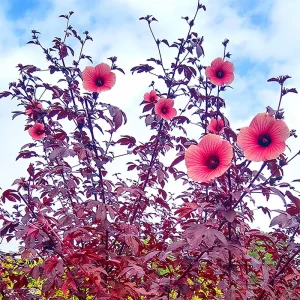
African Rose Cranberry Hibiscus Live Plant – Edible Leaves & Vibrant Foliage
Enhance your garden with the beautiful African Rose Cranberry Hibiscus plant. This versatile live plant offers both stunning vibrant foliage and delicious edible leaves, perfect for culinary use or ornamental display. Easy to care for, it thrives in various settings.
$24.20

With our Alive & Thrive Guarantee, we’ve got your back for the first 30 days! If you have any concerns about your plants, just reach out to us. Our team is here to help answer your questions and guide you in selecting the best plants for your garden, climate, and unique preferences. We're excited to help you create the garden of your dreams!
Estimated arrival
Oct 21
Oct 26 - Oct 28
Oct 31 - Nov 04
Product Details
-
USDA Hardiness Zone
USDA zones 9-11 (perennial), can be grown as annual in colder zones -
Soil type
Well-draining, rich loamy soil -
Sunlight Exposure
Full sun (6+ hours direct sunlight) -
Expected Planting Period
Spring to early summer (after last frost)
Overview
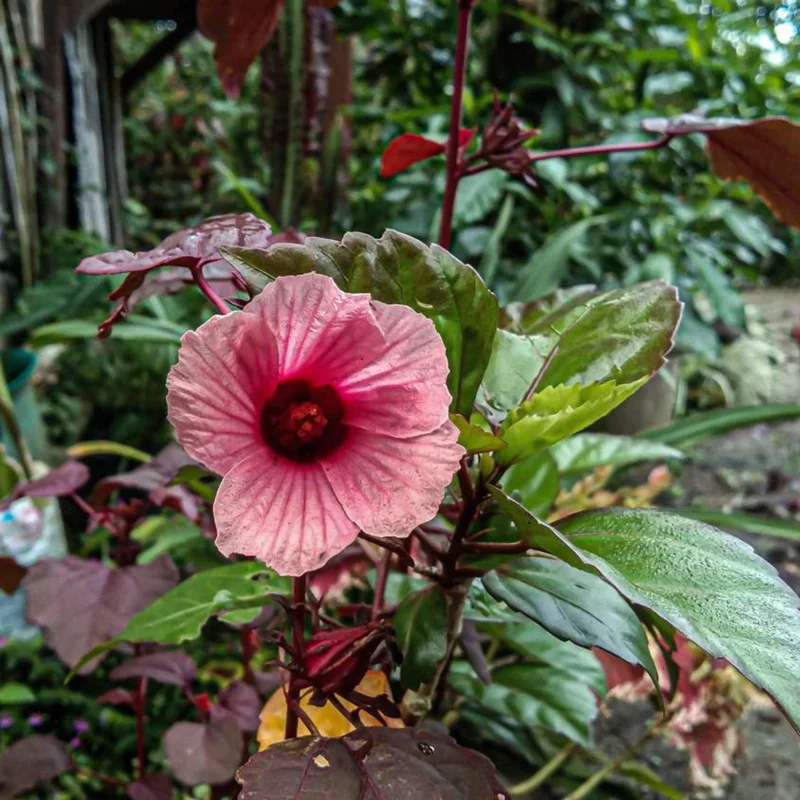
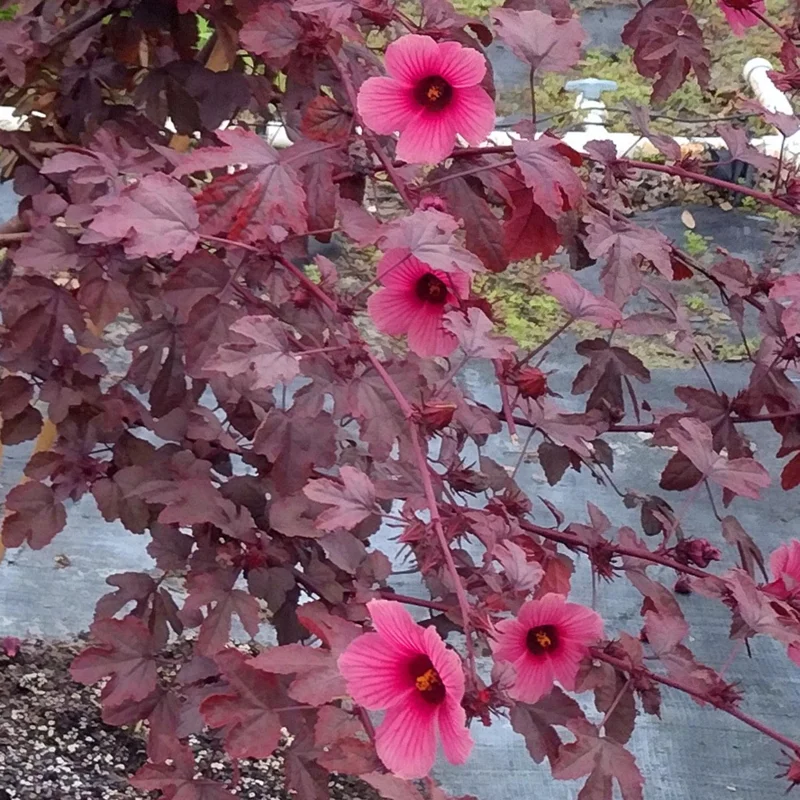
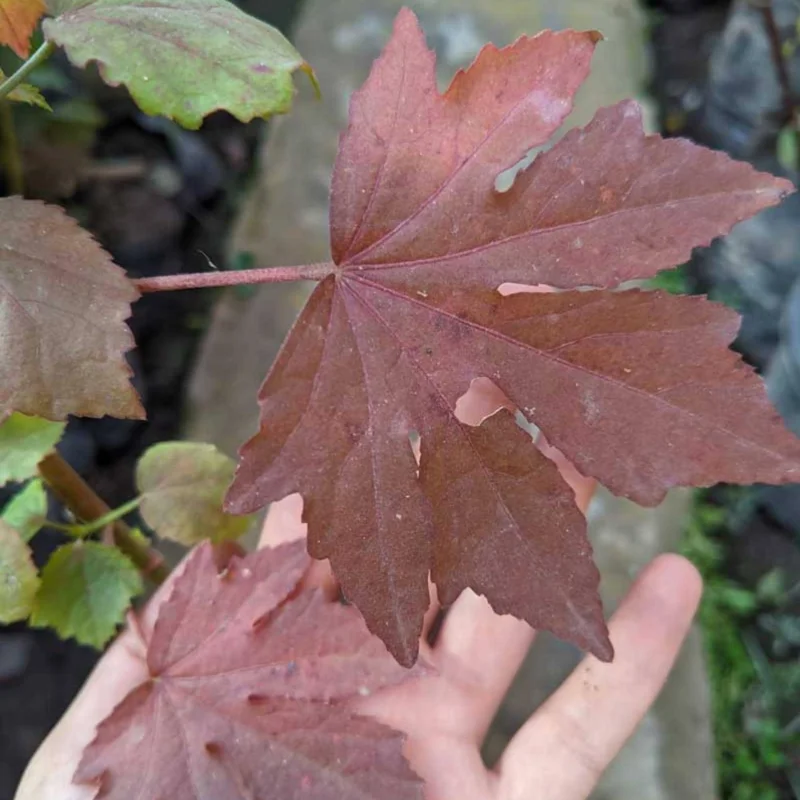
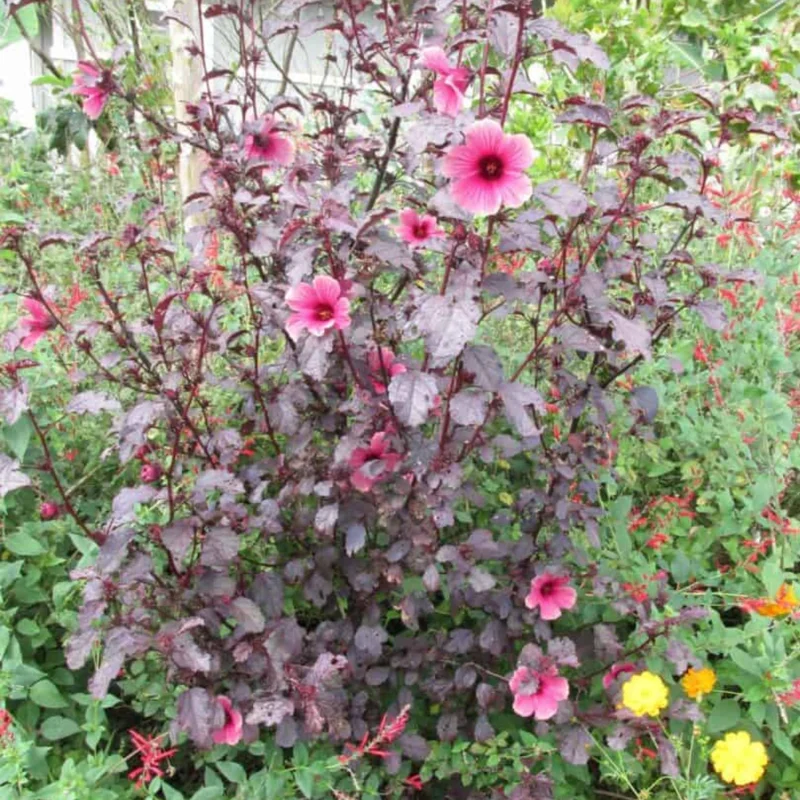
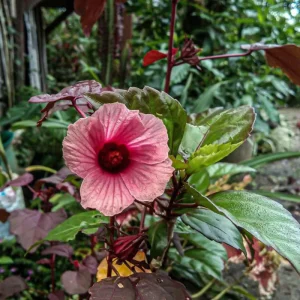
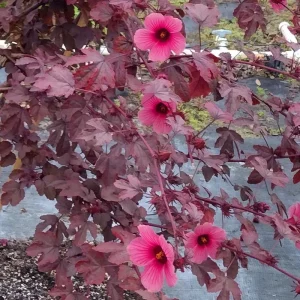
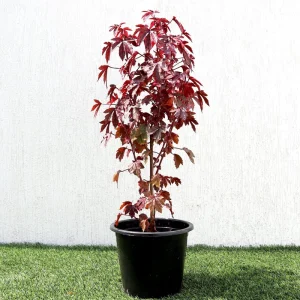
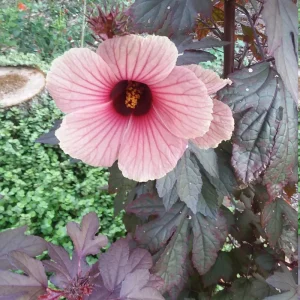
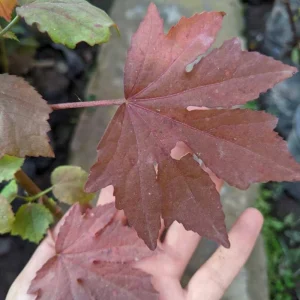
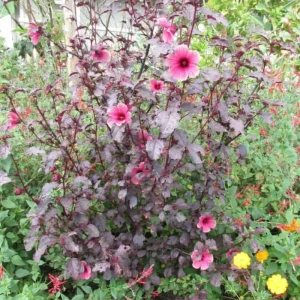
Welcome the captivating African Rose Cranberry Hibiscus plant into your home or garden. This remarkable live plant, scientifically known as Hibiscus acetosella, is celebrated for its dual appeal: striking ornamental beauty and culinary versatility. Its deeply lobed leaves display a breathtaking palette of colors, ranging from deep burgundy to vibrant crimson, adding an exotic touch to any landscape or container. Unlike many hibiscus varieties primarily grown for their flowers, the African Rose Cranberry Hibiscus plant is primarily cultivated for its visually stunning foliage and its delicious, tangy leaves. Often called ‘Cranberry Hibiscus’ or ‘False Roselle’, this plant is a fantastic choice for gardeners seeking both aesthetic charm and edible yields. It’s a vigorous grower that can quickly establish itself, providing a lush backdrop or a vibrant focal point. This plant arrives ready to thrive, offering immediate visual impact and the promise of fresh, edible greens.
Key Benefits
The African Rose Cranberry Hibiscus plant offers a multitude of advantages for both the discerning gardener and the culinary enthusiast. Its unique characteristics make it a standout choice for various applications:
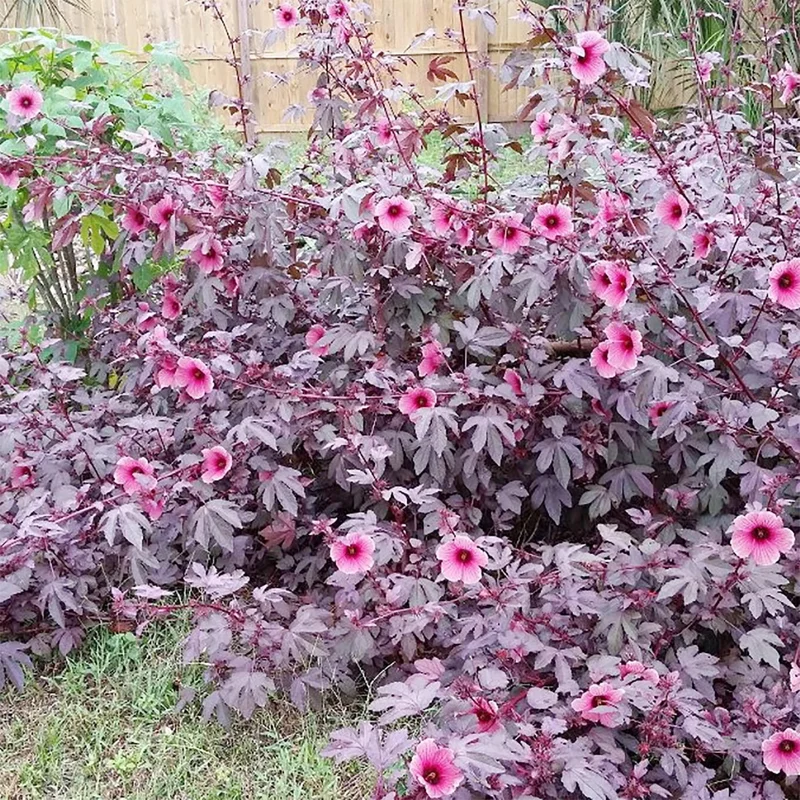
- Stunning Ornamental Value: The deeply cut, palmate leaves boast an incredible range of colors, from rich maroon to deep purple, providing continuous visual interest throughout the growing season. It’s an excellent choice for adding dramatic contrast and texture to flower beds, borders, or patio containers.
- Delicious Edible Leaves: The young leaves and shoots of the African Rose Cranberry Hibiscus plant have a pleasant tart, cranberry-like flavor. They can be enjoyed fresh in salads, stir-fries, or as a garnish, adding a unique zest to your meals.
- Vigorous Growth & Easy Care: This hibiscus variety is known for its robust growth habit and relatively low maintenance requirements. It’s a resilient plant that can tolerate a range of conditions, making it suitable for both experienced gardeners and beginners looking for an impressive, yet easy-to-grow specimen.
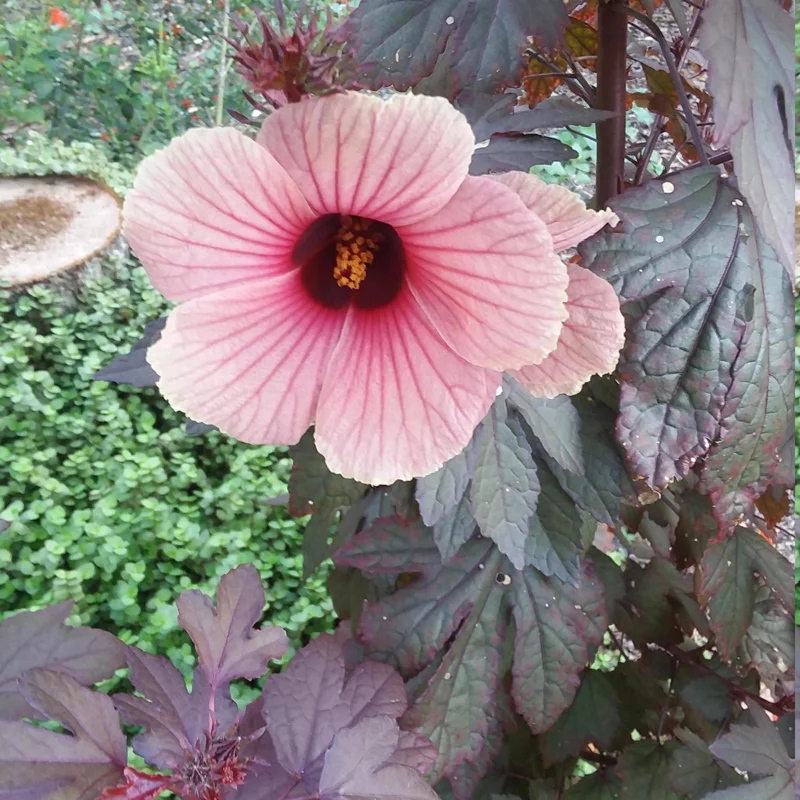
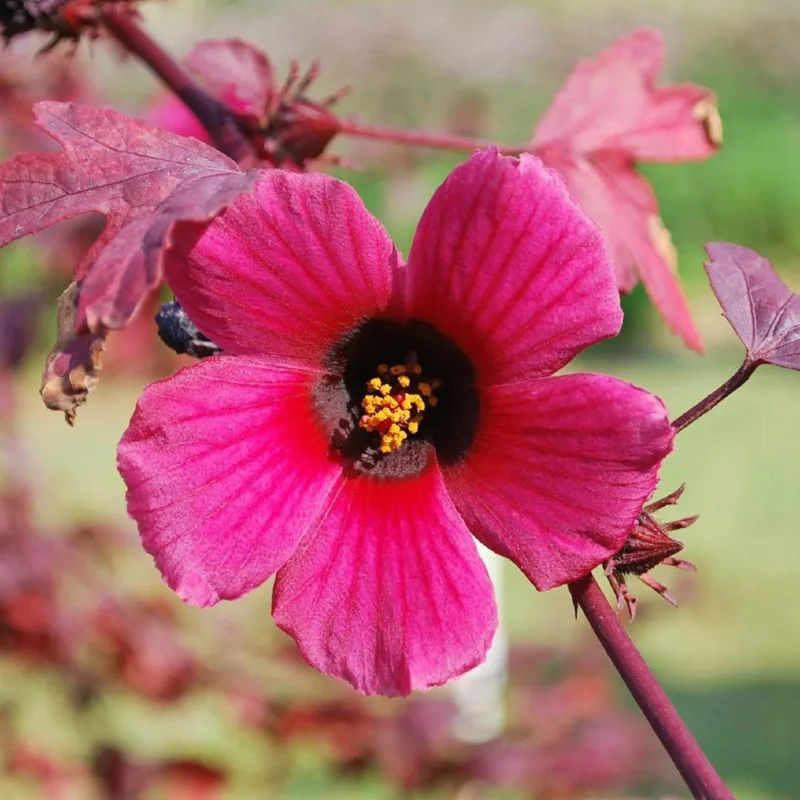
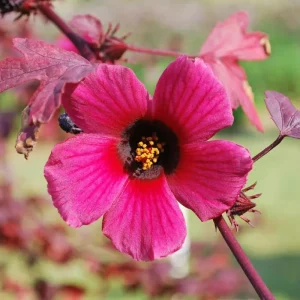
- Attracts Pollinators: While primarily grown for its foliage, the plant does produce small, delicate red flowers that are attractive to bees, butterflies, and other beneficial pollinators, contributing to the biodiversity of your garden.
- Versatile Use: Whether you’re looking to create a vibrant hedge, a stunning container plant, or a source of fresh, tangy greens for your kitchen, this plant fits the bill. Its adaptability makes it a valuable addition to various garden designs and culinary endeavors.
- Heat Tolerant: The African Rose Cranberry Hibiscus thrives in warm climates and is quite tolerant of heat, making it an excellent choice for regions with long, hot summers where other plants might struggle.
- Adds Unique Texture: The distinctive, deeply lobed shape of the leaves provides a unique textural element that can break up monotonous foliage and add depth to your planting schemes.
Plant Care & Growing Tips
Caring for your African Rose Cranberry Hibiscus plant is straightforward, ensuring a rewarding growing experience. This resilient plant is known for its adaptability, but providing optimal conditions will encourage the most vibrant foliage and robust growth. For best results, place your cranberry hibiscus where it will receive at least 6 hours of direct sunlight per day. While it can tolerate partial shade, the intensity of its vibrant foliage color is significantly enhanced with more sun exposure. If growing indoors, a south-facing window is ideal, or supplement with grow lights to ensure adequate light.
When it comes to watering, the African Rose Cranberry Hibiscus plant prefers consistently moist soil, especially during warm weather. Water deeply when the top inch of soil feels dry to the touch, but avoid waterlogging, which can lead to root rot. Ensure your plant is in well-draining soil, ideally a rich, loamy mix that retains some moisture but allows excess water to escape. For outdoor planting, amending heavy clay soils with compost will improve drainage and fertility. Indoors, use a high-quality potting mix with good drainage. This plant thrives in warm temperatures, ideally between 65-85°F (18-29°C), and is generally hardy in USDA zones 9-11 for outdoor perennial growth. In colder climates, it can be grown as an annual or brought indoors during winter as a houseplant. Fertilize every 2-4 weeks during the growing season (spring through fall) with a balanced liquid fertilizer to support its vigorous growth and maintain the intensity of its vibrant foliage. Pruning can be done to encourage bushier growth and to harvest leaves. Watch out for common pests like aphids or spider mites, especially in dry indoor conditions; treat with insecticidal soap if necessary. Understanding how to grow cranberry hibiscus successfully involves consistent watering and ample sunlight.
Size & Details
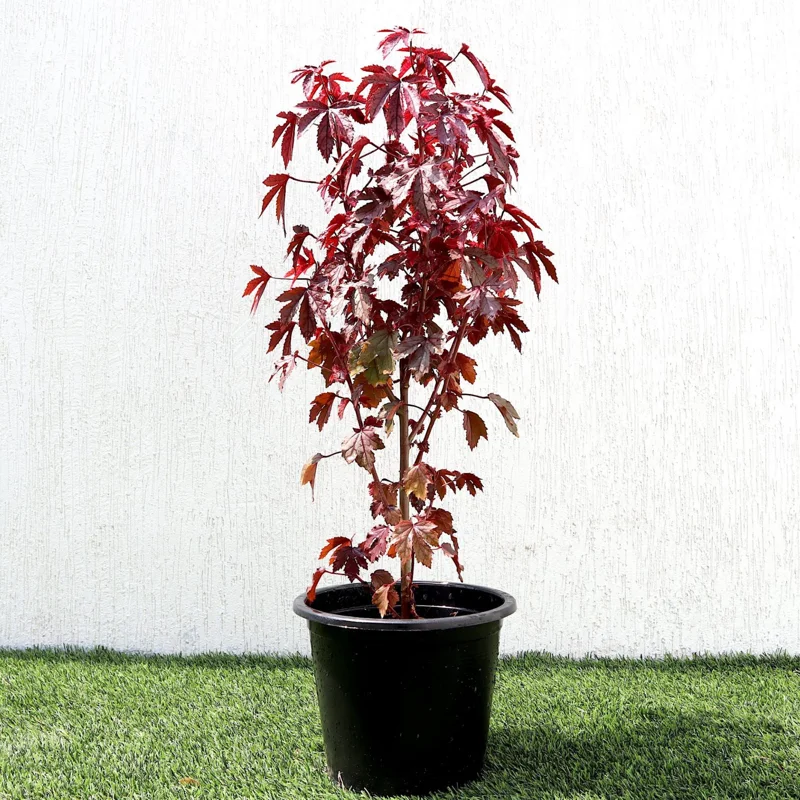
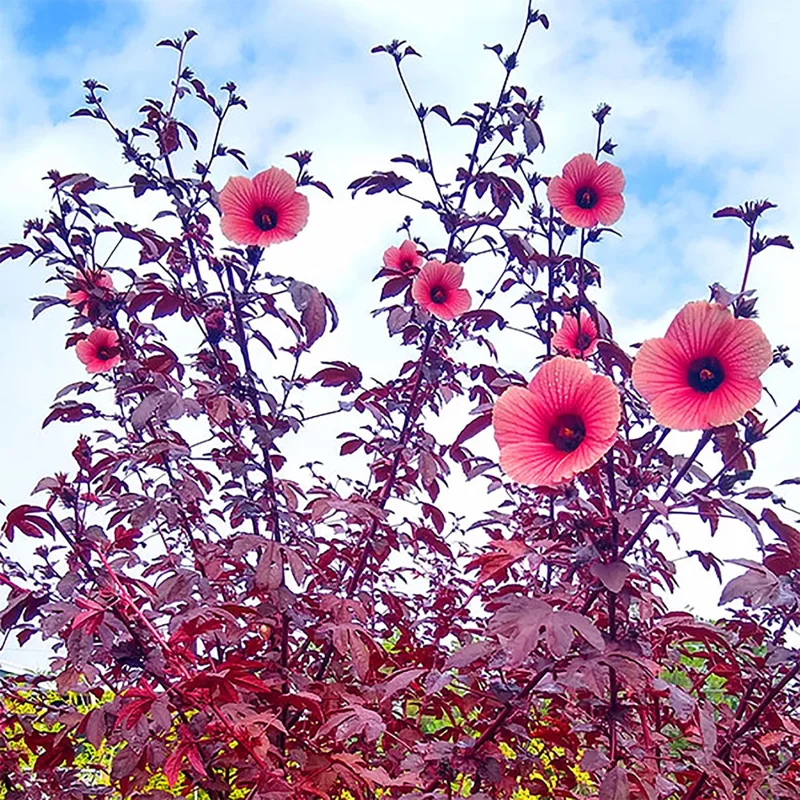
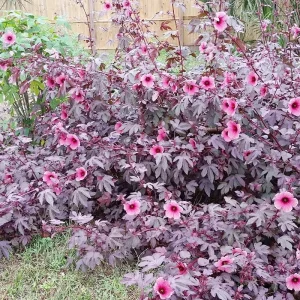
The African Rose Cranberry Hibiscus plant typically arrives as a well-rooted starter plant, ready for transplanting. In ideal conditions, this fast-growing plant can reach heights of 3 to 5 feet and a spread of 2 to 3 feet in a single growing season when grown as an annual. As a perennial in warmer zones, it can grow even larger, sometimes reaching up to 6 feet tall. The plant will develop a bushy, upright habit, making it an excellent choice for a vibrant hedge or a specimen plant in a large container. It ships without a pot to minimize shipping costs and environmental impact, ensuring a healthy, robust plant upon arrival that is ready for immediate planting in your preferred container or garden bed. Expect rapid establishment and growth, with edible leaves available for harvest within weeks of planting. The striking leaf coloration is present from a young age, providing instant appeal.
Frequently Asked Questions
- Q: How big does this plant get? A: The African Rose Cranberry Hibiscus plant can grow 3 to 5 feet tall and 2 to 3 feet wide in a single growing season as an annual. In warmer climates where it acts as a perennial, it can reach up to 6 feet in height.
- Q: Is this an indoor or outdoor plant? A: This plant is versatile and can be grown both indoors and outdoors. It thrives outdoors in warm climates (USDA Zones 9-11) and can be grown as an annual or overwintered indoors in colder regions.
- Q: How much sunlight does it need? A: For the best color and growth, the African Rose Cranberry Hibiscus plant requires at least 6 hours of direct sunlight per day. It can tolerate partial shade, but the foliage color may not be as intense.
- Q: Is this plant easy to care for? A: Yes, this is considered an easy-care plant. It’s quite resilient and forgiving, making it a good choice for beginners interested in how to grow cranberry hibiscus. Consistent watering and ample sunlight are key.
- Q: What condition will it arrive in? A: Your African Rose Cranberry Hibiscus will arrive as a healthy, well-rooted live plant without a pot, ready for immediate planting. We ensure careful packaging to protect it during transit.
- Q: Can I use the leaves in cooking? A: Absolutely! The young leaves of the African Rose Cranberry Hibiscus plant are edible and have a tart, cranberry-like flavor. They are excellent in salads, stir-fries, or as a vibrant garnish.
- Q: When is the best time to plant? A: The best time to plant outdoors is after all danger of frost has passed in spring. If growing indoors, it can be planted any time of year.
- Q: Will it survive winter in my zone? A: In USDA Zones 9-11, it can survive winter outdoors as a perennial. In colder zones, it will need to be treated as an annual or brought indoors before the first frost.
- Q: What type of soil does it prefer? A: It prefers well-draining, rich, loamy soil. For container planting, a good quality potting mix with excellent drainage is recommended.
- Q: Is this plant pet-safe? A: While the leaves are edible for humans, it’s always best to research specific plant toxicity for pets or consult a veterinarian if you have concerns about your particular animals and plant ingestion.
Related products
-30%
Original price was: $99.98.$69.98Current price is: $69.98.
-30%
Original price was: $67.98.$47.58Current price is: $47.58.
-30%
Original price was: $57.98.$40.58Current price is: $40.58.
-37%
Original price was: $15.96.$9.98Current price is: $9.98.
-67%
Original price was: $75.72.$25.24Current price is: $25.24.
-50%
Original price was: $53.98.$26.99Current price is: $26.99.
-50%
Original price was: $47.96.$23.98Current price is: $23.98.
-34%
Original price was: $75.72.$49.99Current price is: $49.99.
PLANTING & CARE
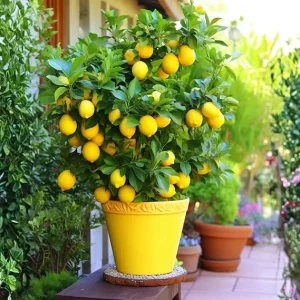
Lemon Tree Growing: Choose, Plant, and Harvest
Learn how to choose, plant, feed, and protect a lemon tree so it fits your
23
Sep
Sep
Dwarf Meyer Lemon Tree Australia: Climate Guide
Learn where dwarf Meyer lemon trees grow, how much cold they tolerate, and whether Australia,
Where to Buy a Dwarf Meyer Lemon Tree: Buyer’s Guide
Find the right dwarf Meyer lemon tree online or locally, compare starter sizes and costs,
Dwarf Meyer Lemon Tree for Sale: Buying Guide
Compare Meyer lemon tree sizes, prices, shipping limits, indoor growing and California options before you
Dwarf Meyer Lemon Tree Guide: Size, Care and Fruit
META: Learn how large a dwarf Meyer lemon tree grows, where it thrives, and how
How to Prune a Dwarf Meyer Lemon Tree
Learn when and how to prune a dwarf Meyer lemon tree, including tools, shaping cuts,
Can You Grow a Dwarf Meyer Lemon Tree in a Pot?
META: Learn how to grow a dwarf Meyer lemon tree in a pot, including container
When Do Dwarf Meyer Lemon Trees Bloom and Fruit?
META: Dwarf Meyer lemon trees usually bloom from winter through spring and may flower again