Alfalfa Cover Crop Seeds – Soil Improving Green Manure, Nitrogen Fixing, Perennial
-50%
Alfalfa Cover Crop Seeds – Soil Improving Green Manure, Nitrogen Fixing, Perennial
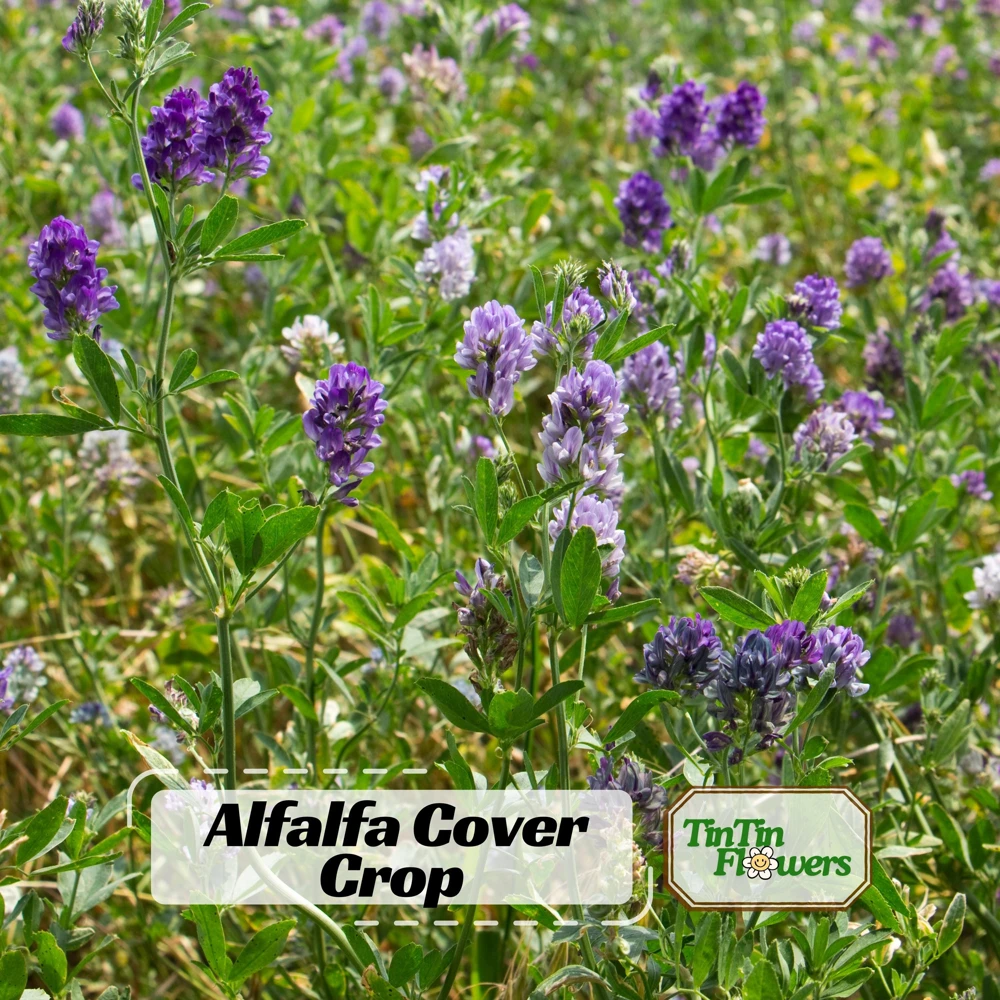
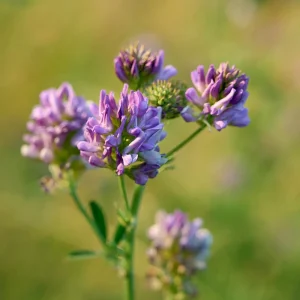
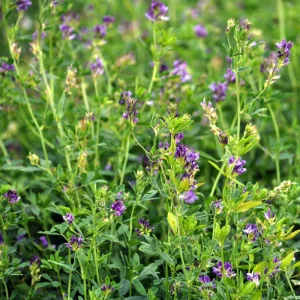
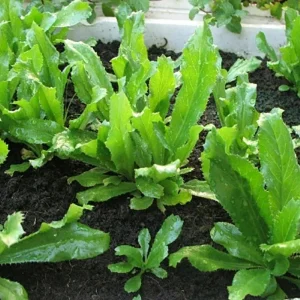
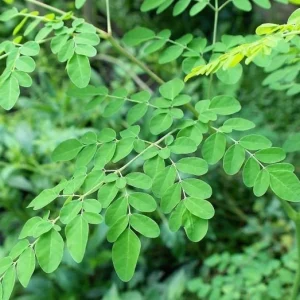
Enhance your garden’s health with alfalfa cover crop seeds. These soil improving seeds naturally fix nitrogen, loosen compacted soil, and increase organic matter. Perfect for sustainable gardening, providing excellent green manure and supporting pollinators.
Original price was: $994.28.$497.14Current price is: $497.14.

With our Alive & Thrive Guarantee, we’ve got your back for the first 30 days! If you have any concerns about your plants, just reach out to us. Our team is here to help answer your questions and guide you in selecting the best plants for your garden, climate, and unique preferences. We're excited to help you create the garden of your dreams!
Estimated arrival
Oct 08
Oct 13 - Oct 15
Oct 18 - Oct 22

Product Details
-
USDA Hardiness Zone
unknown -
Soil type
well-draining soil -
Sunlight Exposure
full sun -
Expected Planting Period
spring to early fall
Overview
Transform your garden and lawn into a thriving ecosystem with alfalfa cover crop seeds. These remarkable seeds grow into a powerful perennial plant, widely recognized for its profound benefits in natural soil improvement. Alfalfa, scientifically known as Medicago sativa, is an exceptional choice for gardeners and farmers seeking sustainable methods to enhance soil fertility and structure. Its deep root system effectively breaks up compacted soil, while its unique ability to fix atmospheric nitrogen enriches the earth, reducing the need for synthetic fertilizers. By integrating alfalfa cover crop seeds into your planting rotation, you’re not just growing a plant; you’re cultivating a healthier, more productive environment for all your future plantings. This versatile cover crop is suitable for various applications, from small garden beds to larger agricultural fields, making it a staple for eco-conscious cultivation.
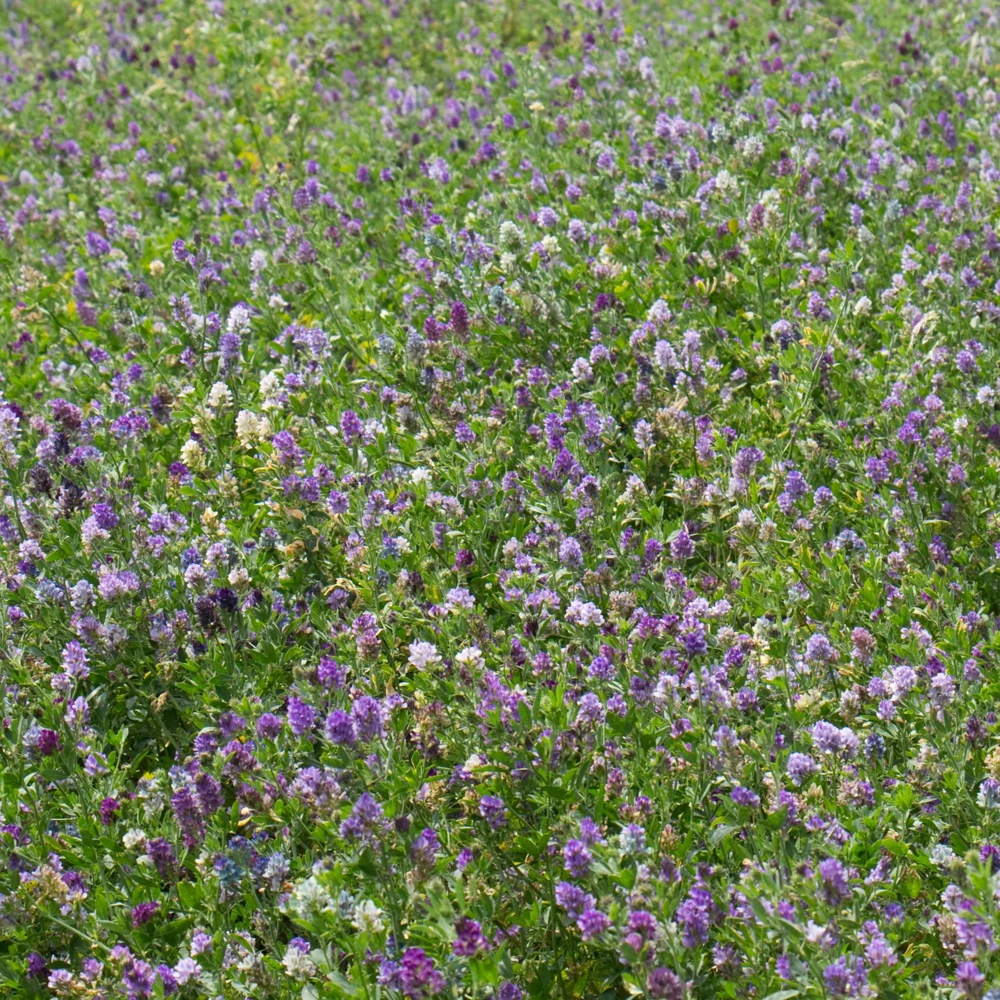
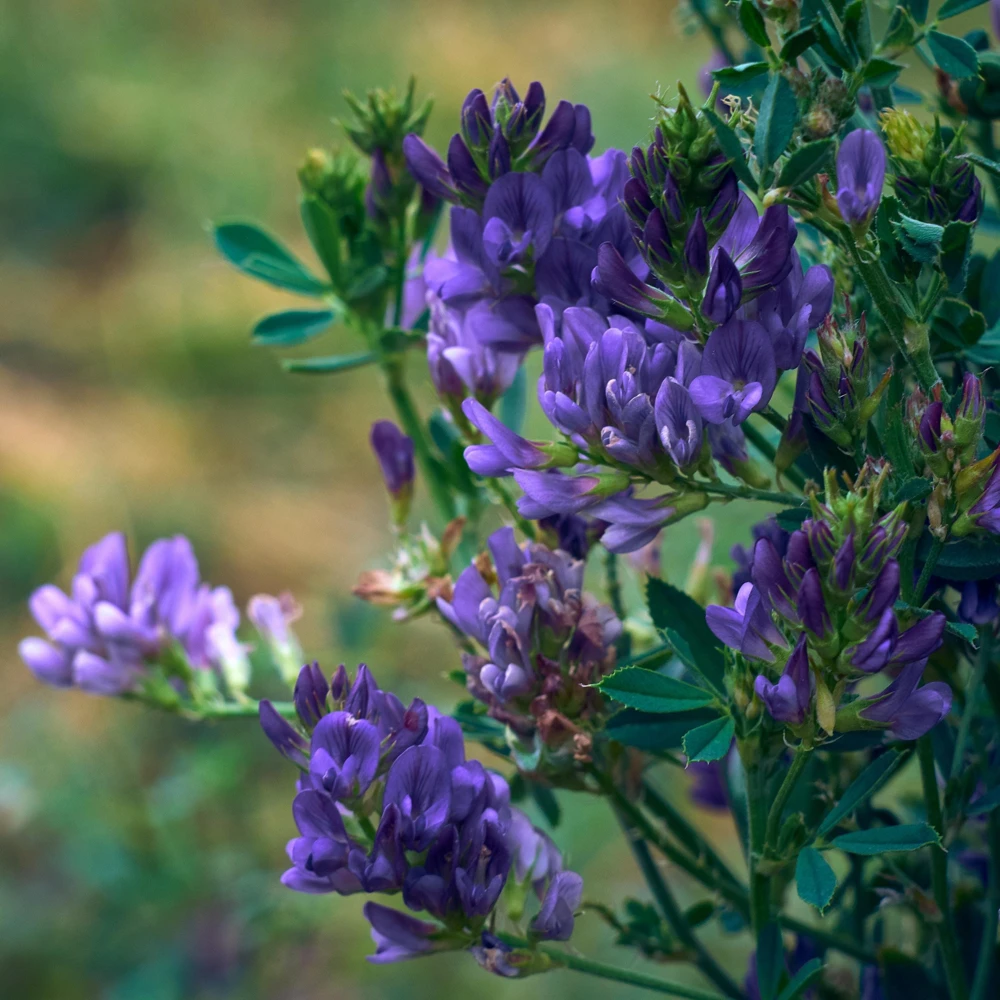
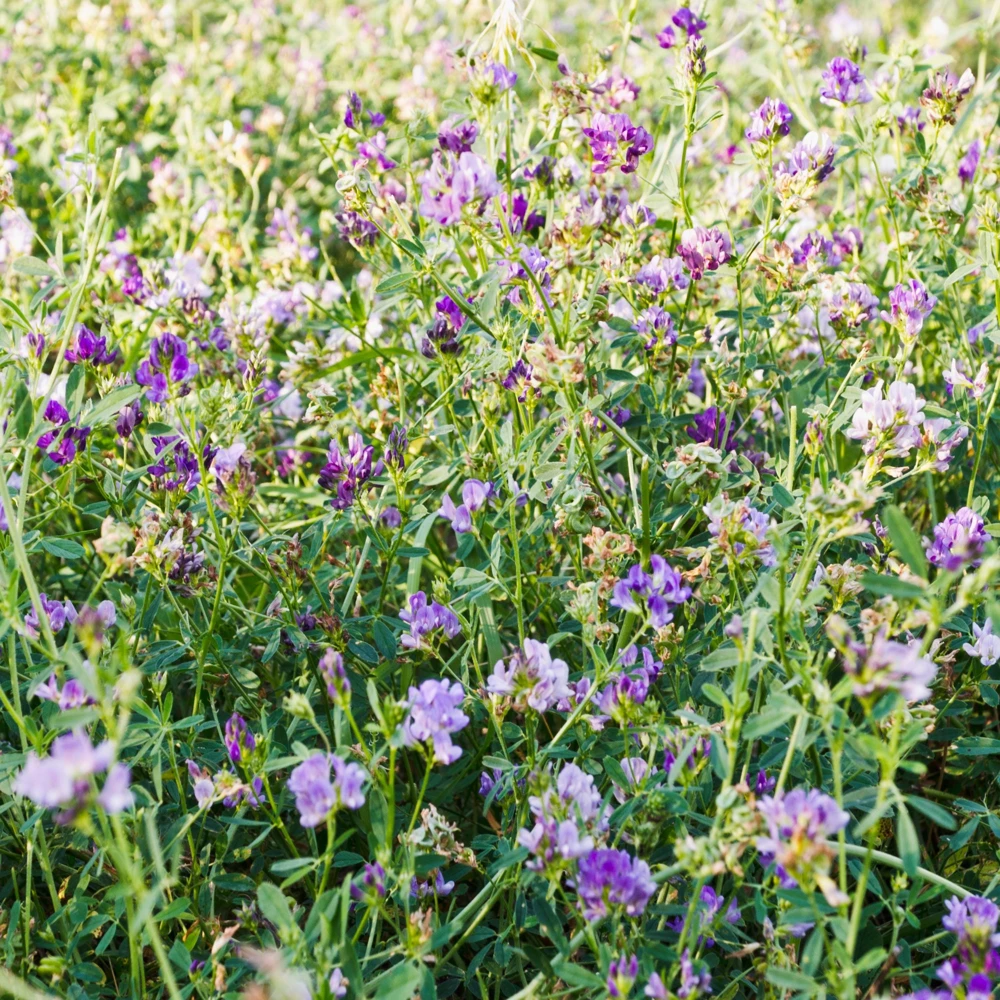
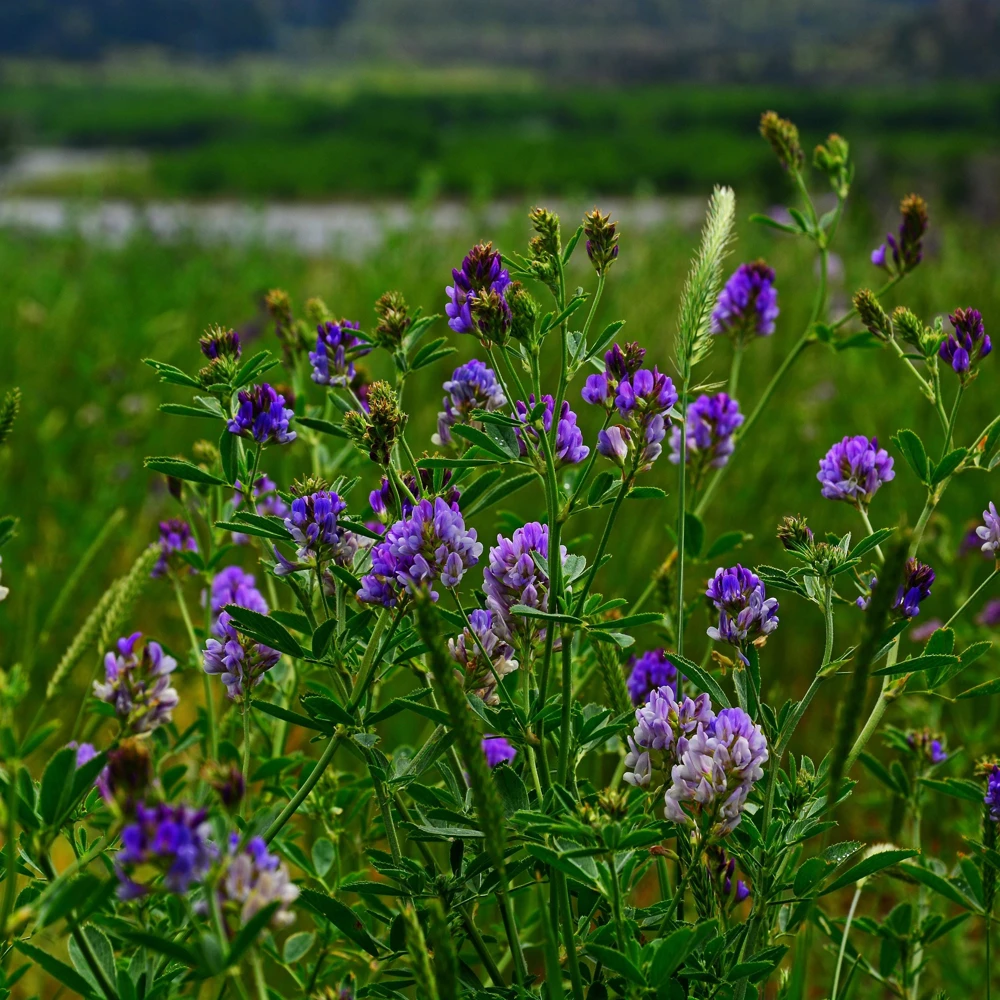
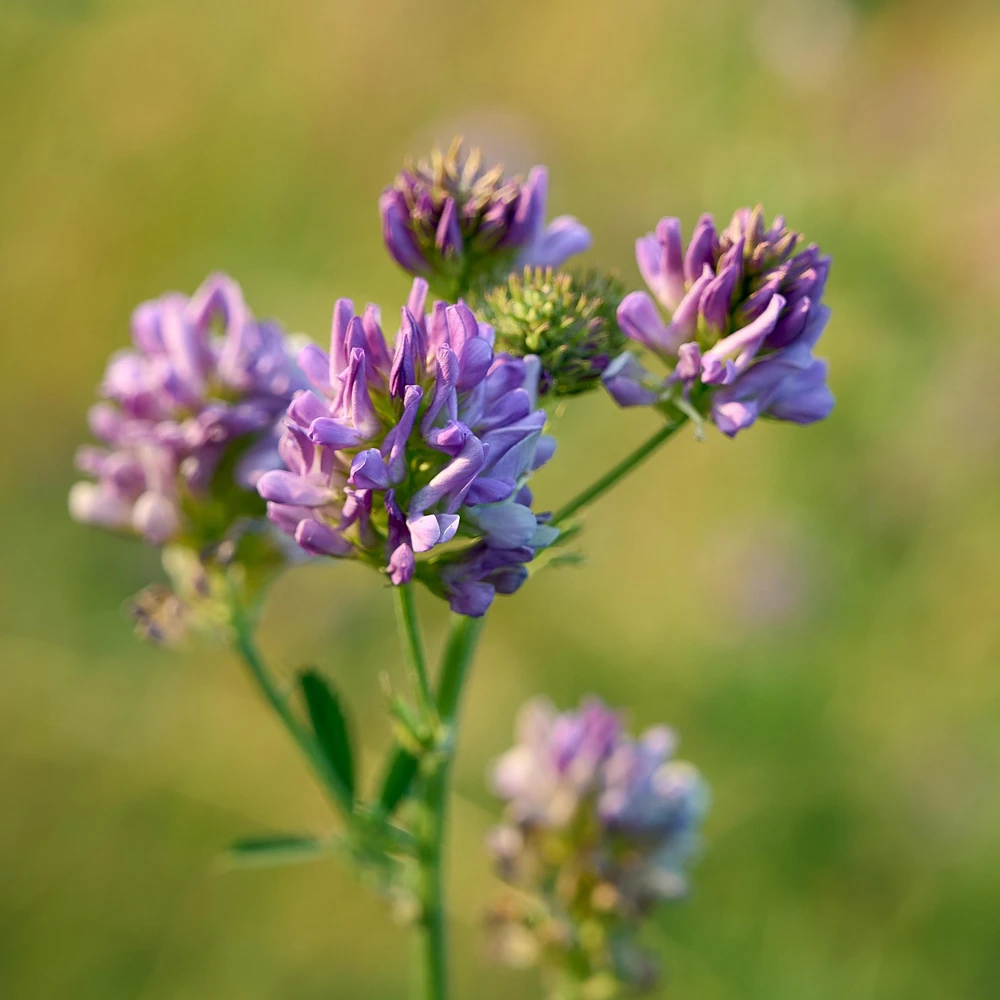
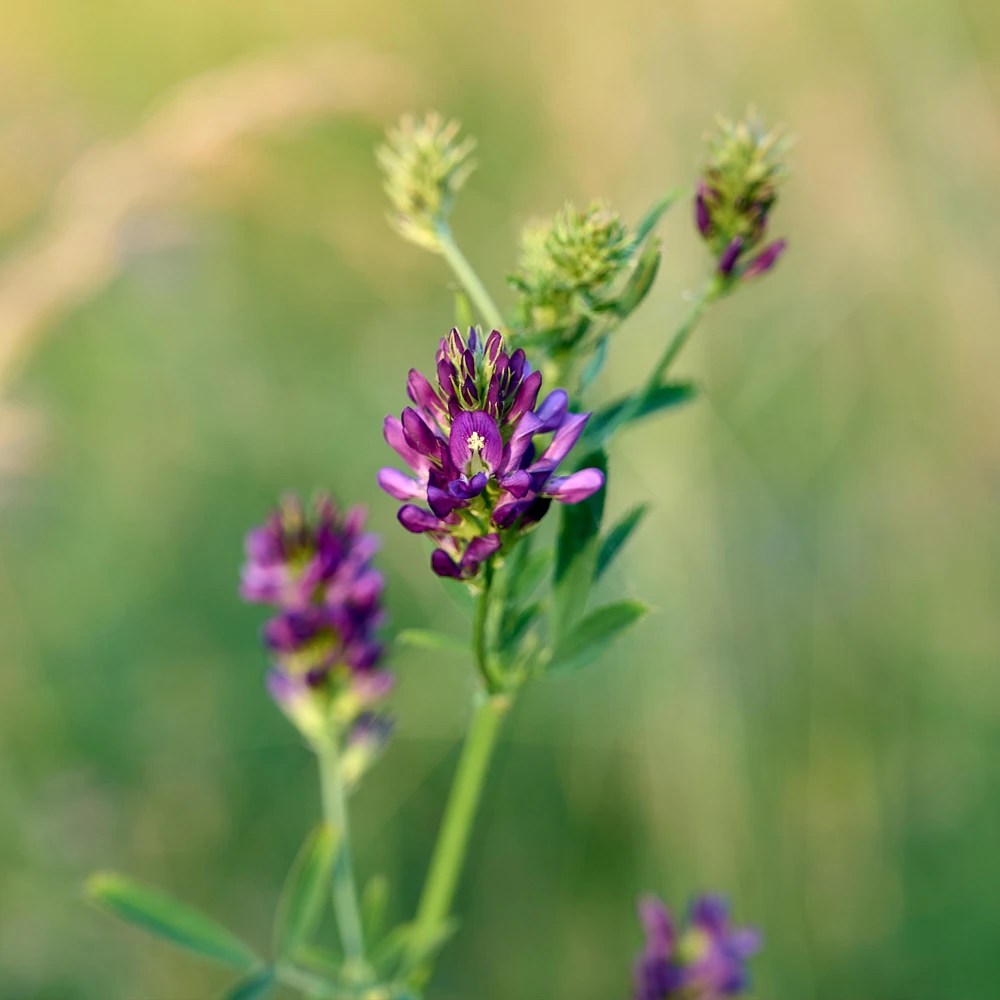
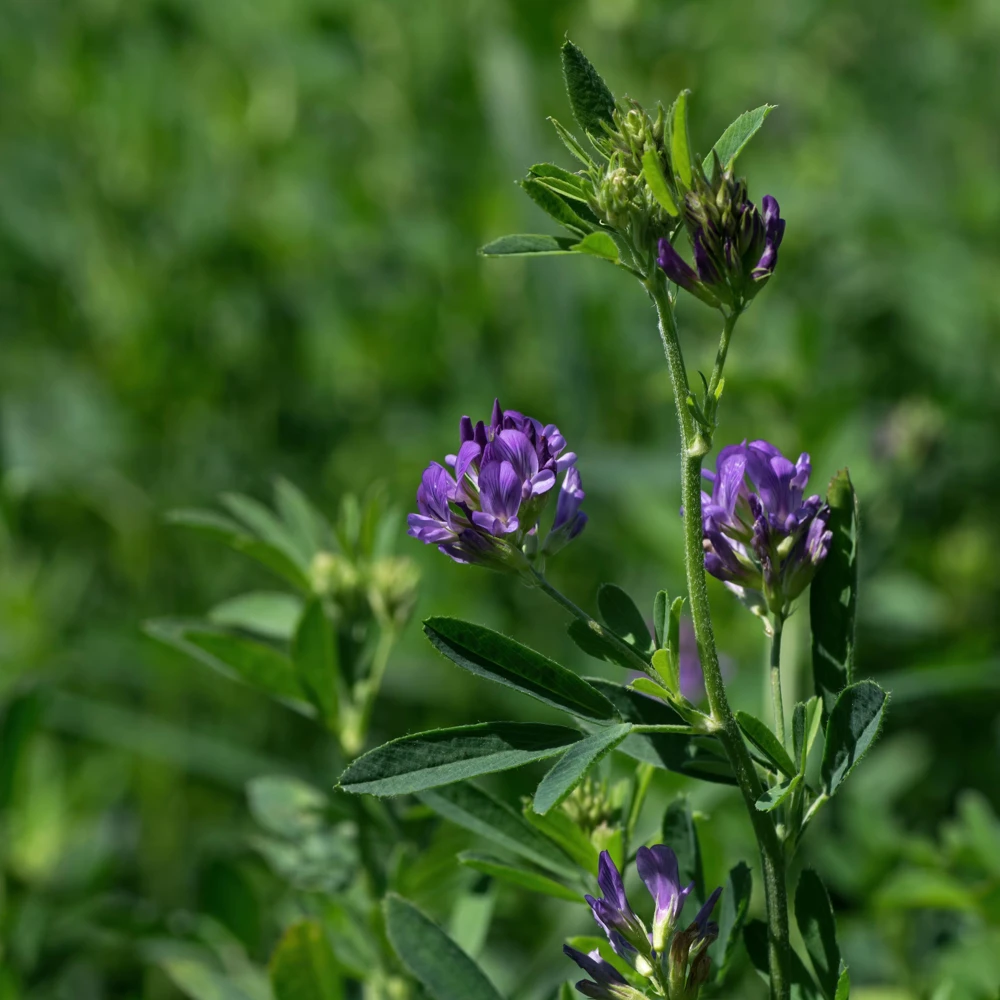
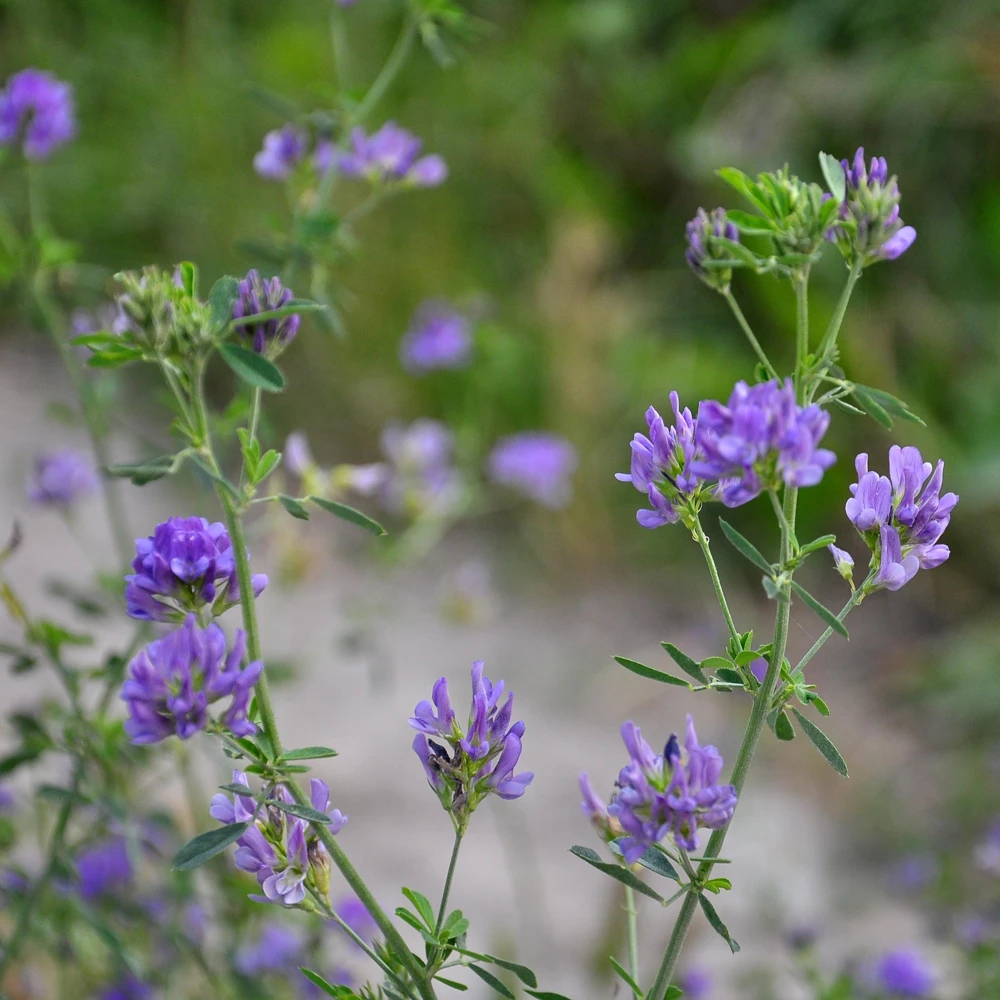
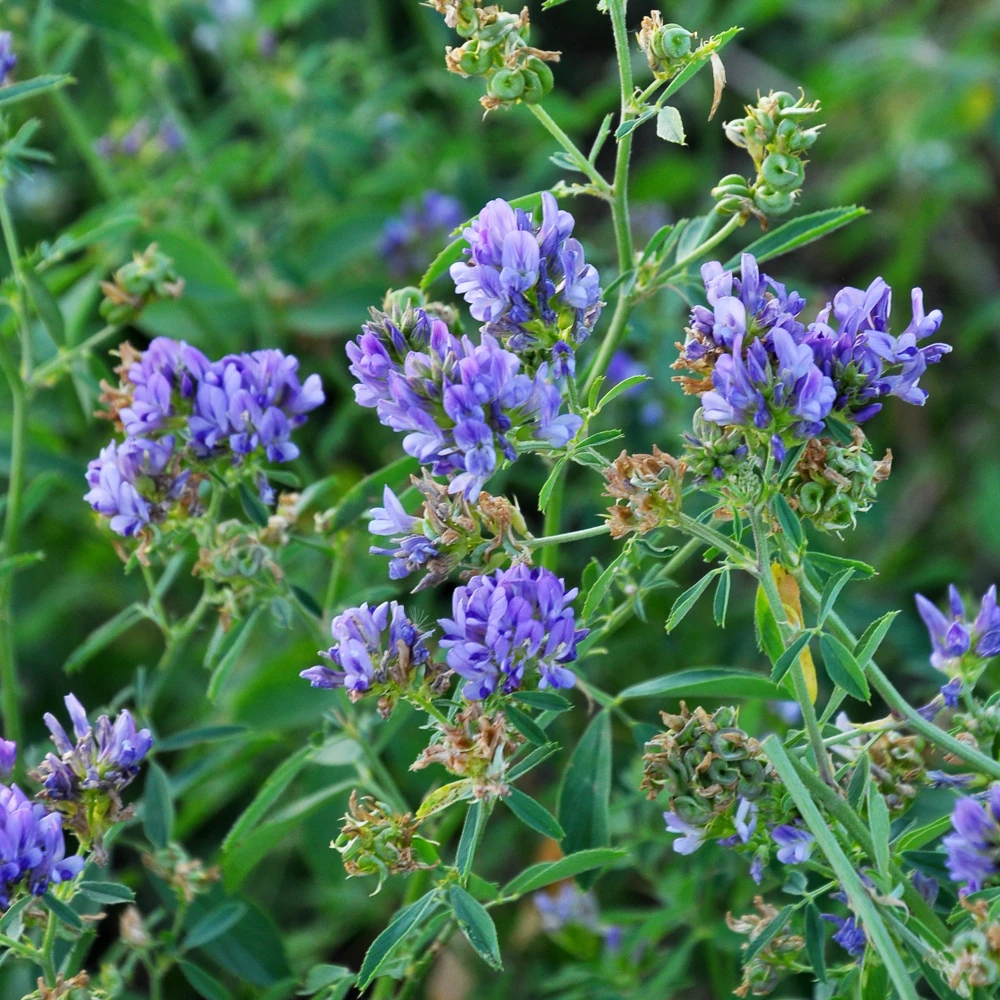
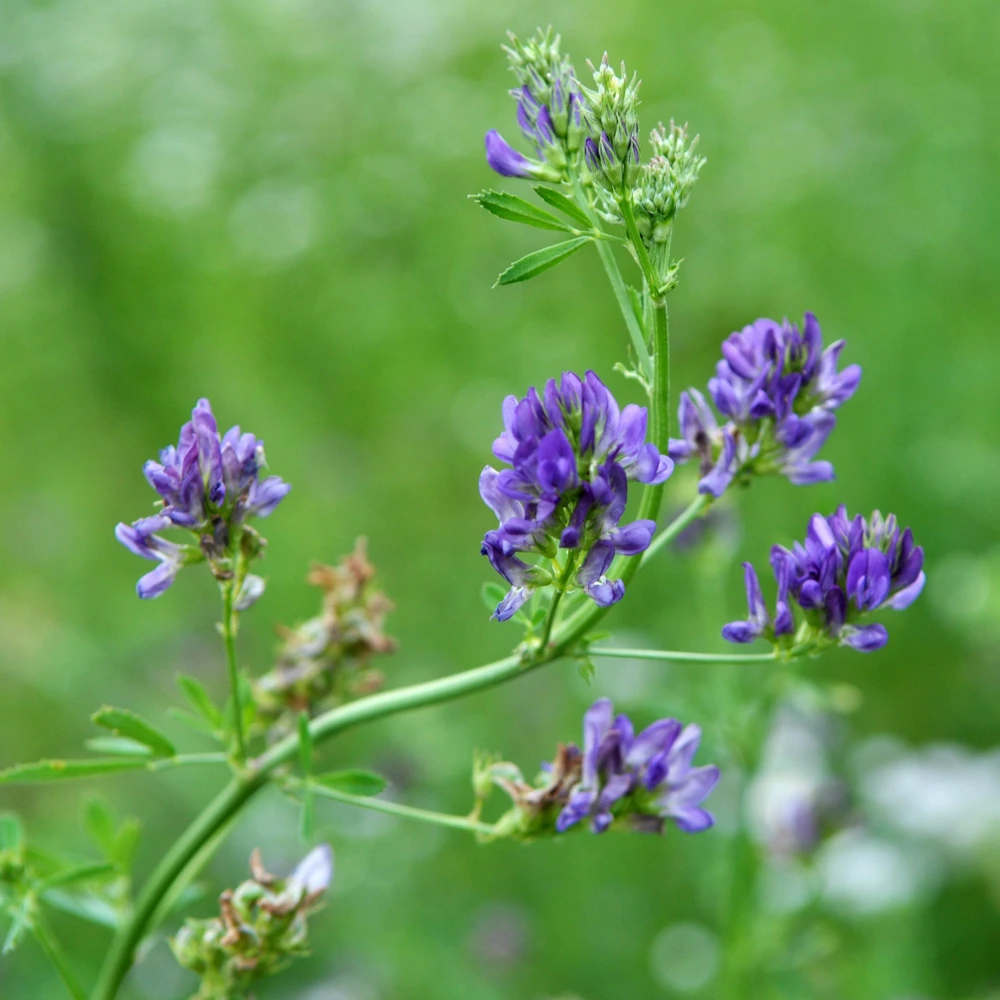
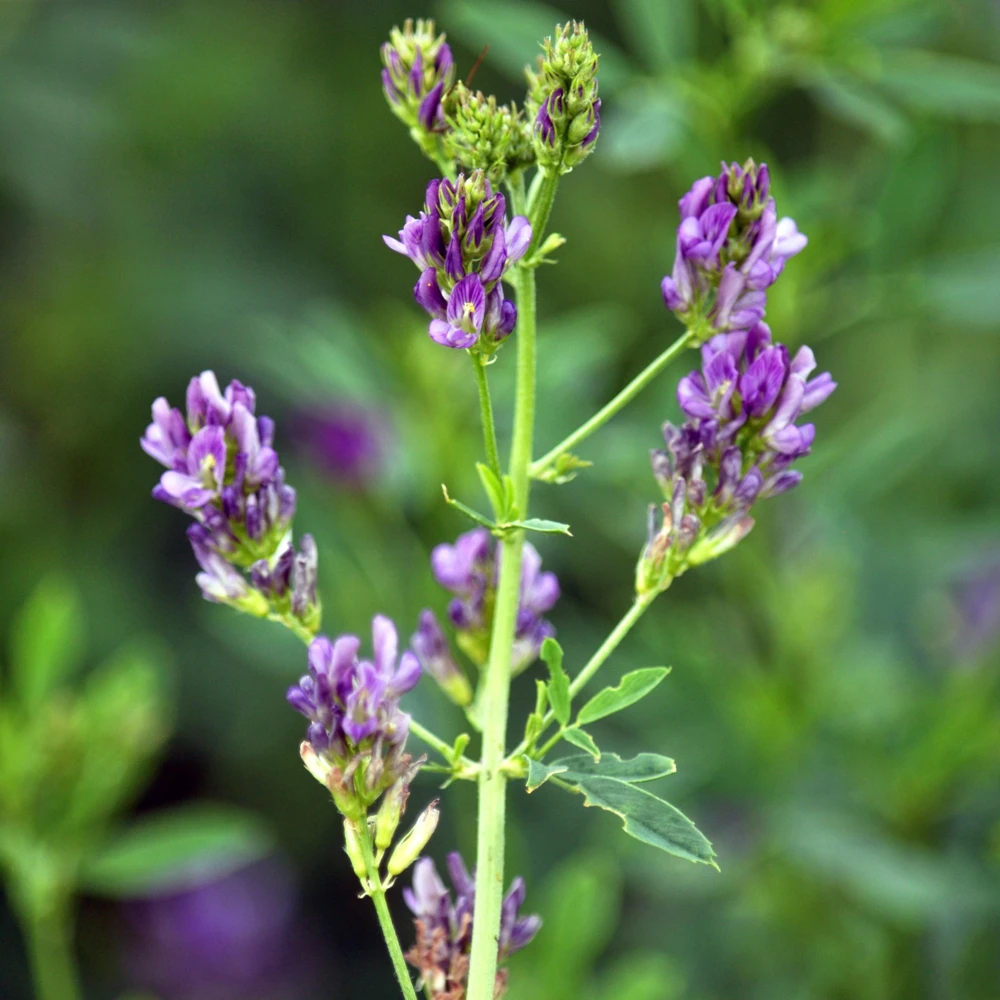
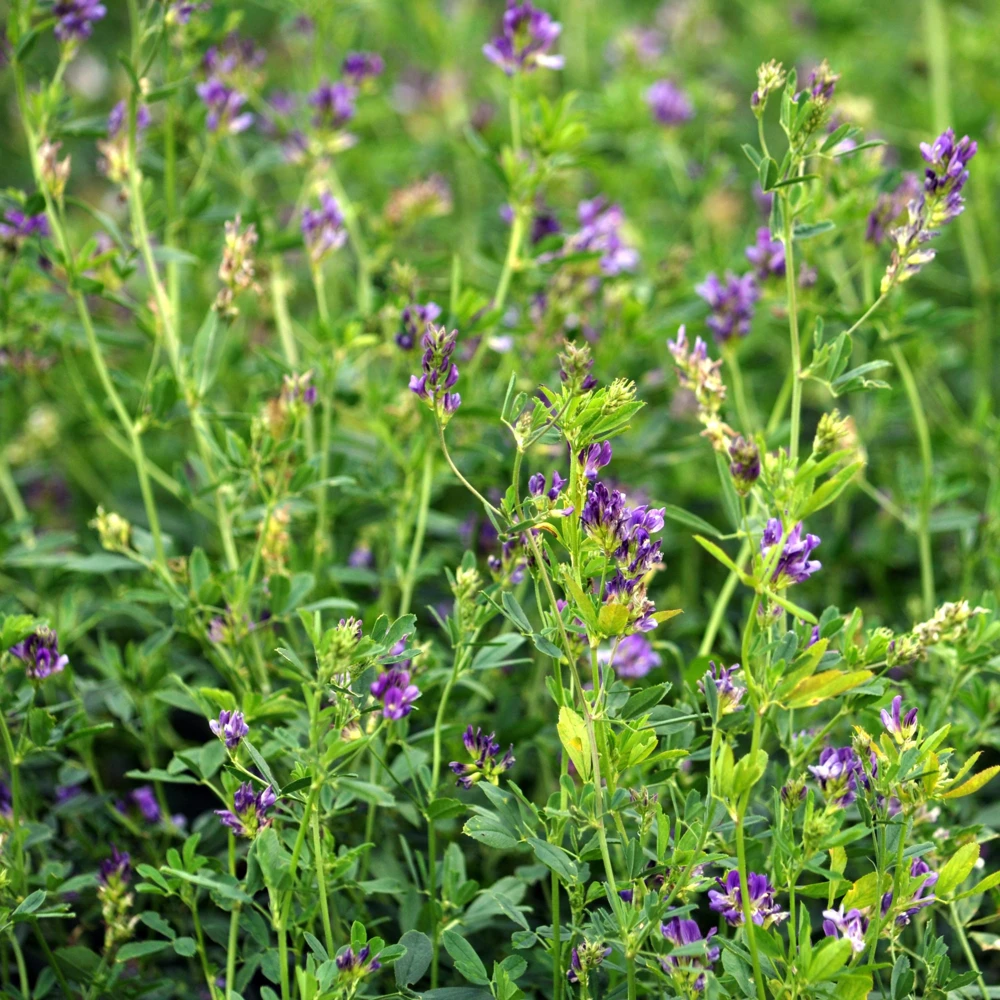
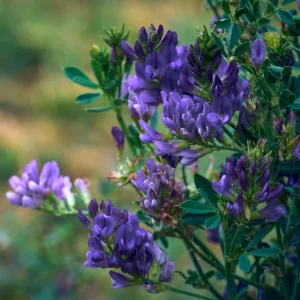
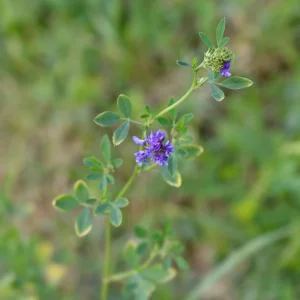
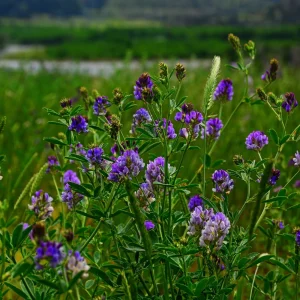
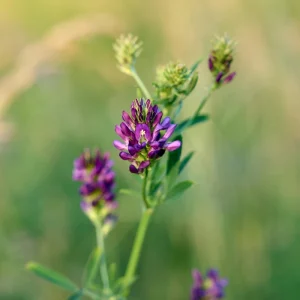
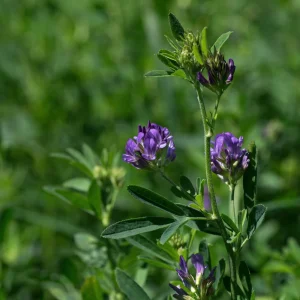
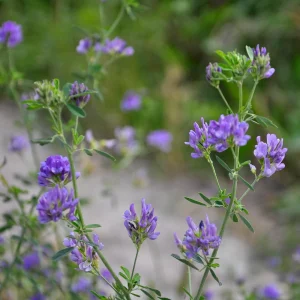
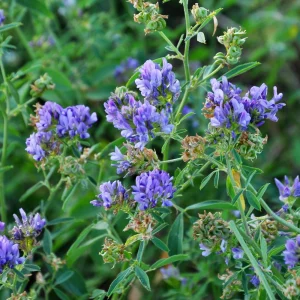
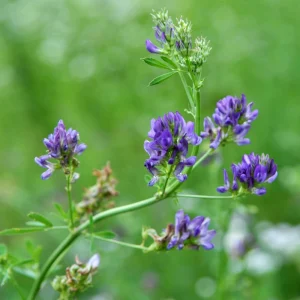
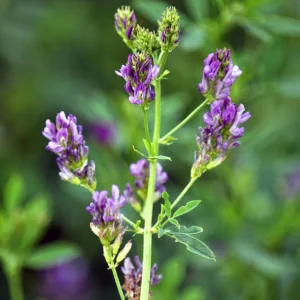
Beyond its primary role in soil enhancement, alfalfa offers a host of ecological advantages. Once established, it becomes a drought-tolerant plant, requiring less water and maintenance. Its small, delicate purple flowers are a magnet for essential pollinators like bees and butterflies, contributing to biodiversity and supporting the health of your entire garden. Whether you’re aiming to revitalize depleted soil, prevent erosion, or simply prepare a new garden bed, planting alfalfa cover crop seeds is a smart, environmentally friendly decision. It provides a natural, long-term solution for maintaining robust soil health, making it an indispensable component of any sustainable gardening strategy. This perennial alfalfa is a true workhorse in the garden, providing continuous benefits season after season.
Key Benefits
Harness the power of nature with alfalfa cover crop seeds, offering a multitude of benefits for your garden and the environment. These seeds are designed to kickstart a cycle of natural enrichment and ecological balance.
- Natural Nitrogen Fixation: Alfalfa is renowned for its ability to fix atmospheric nitrogen into the soil. This natural process enriches the soil, providing essential nutrients for subsequent crops and reducing reliance on synthetic nitrogen fertilizers, making it an excellent choice for nitrogen fixing seeds.
- Improved Soil Structure: The deep taproots of alfalfa penetrate compacted soil, breaking it up and creating channels for water and air. This leads to better drainage, aeration, and overall soil tilth, fostering a healthier environment for plant roots.
- Increased Organic Matter: When used as a green manure, alfalfa contributes significant organic matter to the soil. This enhances soil fertility, improves water retention, and supports a vibrant microbial community, crucial for long-term soil health.
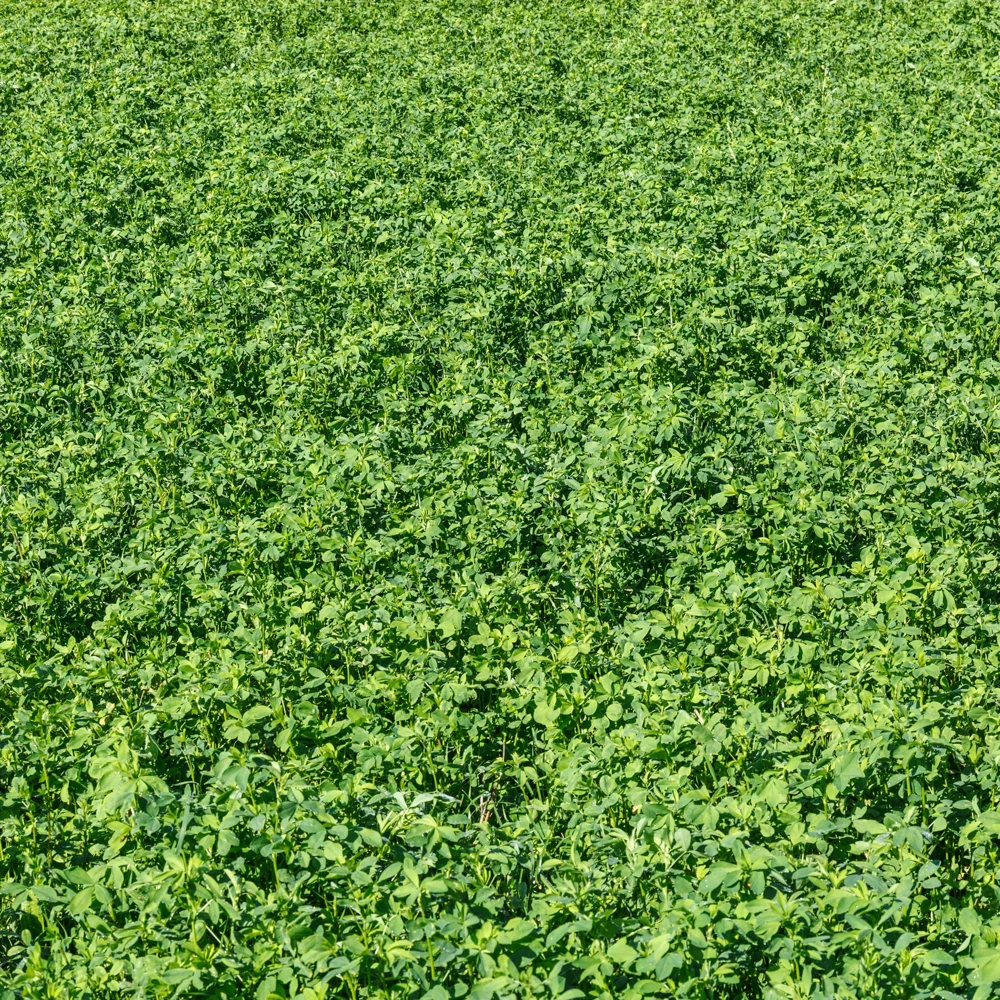
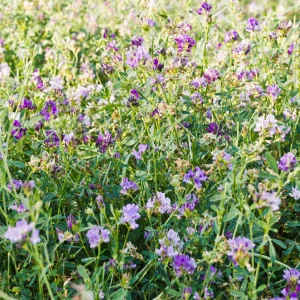
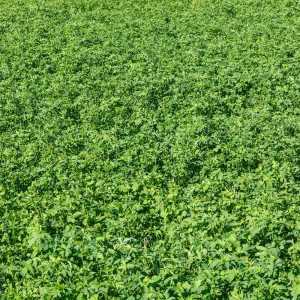
- Erosion Control: The dense growth of alfalfa forms a protective canopy over the soil surface, preventing erosion from wind and rain. Its extensive root system also binds the soil together, further stabilizing it, particularly on sloped areas.
- Weed Suppression: A thick stand of alfalfa can effectively outcompete many common weeds, reducing their growth and minimizing the need for manual weeding or herbicides. This allows your desired plants to thrive without undue competition.
- Pollinator Support: The small, attractive purple flowers of alfalfa are a valuable food source for bees and other beneficial pollinators. Planting alfalfa helps to support local pollinator populations, which are vital for the reproduction of many food crops and wildflowers.
- Drought Tolerance: Once established, alfalfa exhibits impressive drought tolerance. Its deep roots allow it to access water from deeper soil layers, making it a resilient choice for gardens in drier climates or during periods of low rainfall. This makes it an ideal perennial alfalfa for challenging conditions.
Plant Care & Growing Tips
Growing alfalfa cover crop seeds is straightforward, and with proper care, you can maximize their benefits for your garden. For optimal germination and growth, sow seeds about 1/4 inch deep in well-draining soil. The ideal soil temperature for germination is between 60–75°F (15–24°C). Ensure the soil remains lightly moist during the germination period, which typically takes 7-10 days. Once established, alfalfa is relatively low maintenance. It thrives in full sun, requiring at least 6-8 hours of direct sunlight daily for the best growth and vigor. While it can tolerate some partial shade, full sun promotes denser growth and more robust nitrogen fixation.
Alfalfa prefers a well-draining, slightly alkaline to neutral soil (pH 6.5-7.5). If your soil is acidic, consider amending it with lime before planting. Fertilization is generally not required, especially if your primary goal is nitrogen fixation, as the plant naturally enriches the soil. However, a soil test can help determine if any specific nutrient deficiencies need addressing. For use as green manure, allow the plants to grow to a height of 6-12 inches before cutting them down and incorporating them into the soil. This practice returns valuable organic matter and nutrients to the earth, significantly improving soil fertility for subsequent plantings. Regular mowing can also keep the plants vegetative and encourage continued nitrogen fixation and growth of green manure seeds.
While generally hardy, monitor for common garden pests, though alfalfa is quite resilient. Ensure adequate air circulation to prevent fungal issues, especially in humid conditions. Alfalfa is a perennial alfalfa, meaning it will return year after year, providing continuous soil benefits. In colder climates, it may die back in winter and re-emerge in spring. For continuous soil improvement, consider rotating its use or interplanting with other cover crops. These soil improving seeds are a fantastic addition to any sustainable gardening plan, offering long-term rewards for minimal effort.
Size & Details
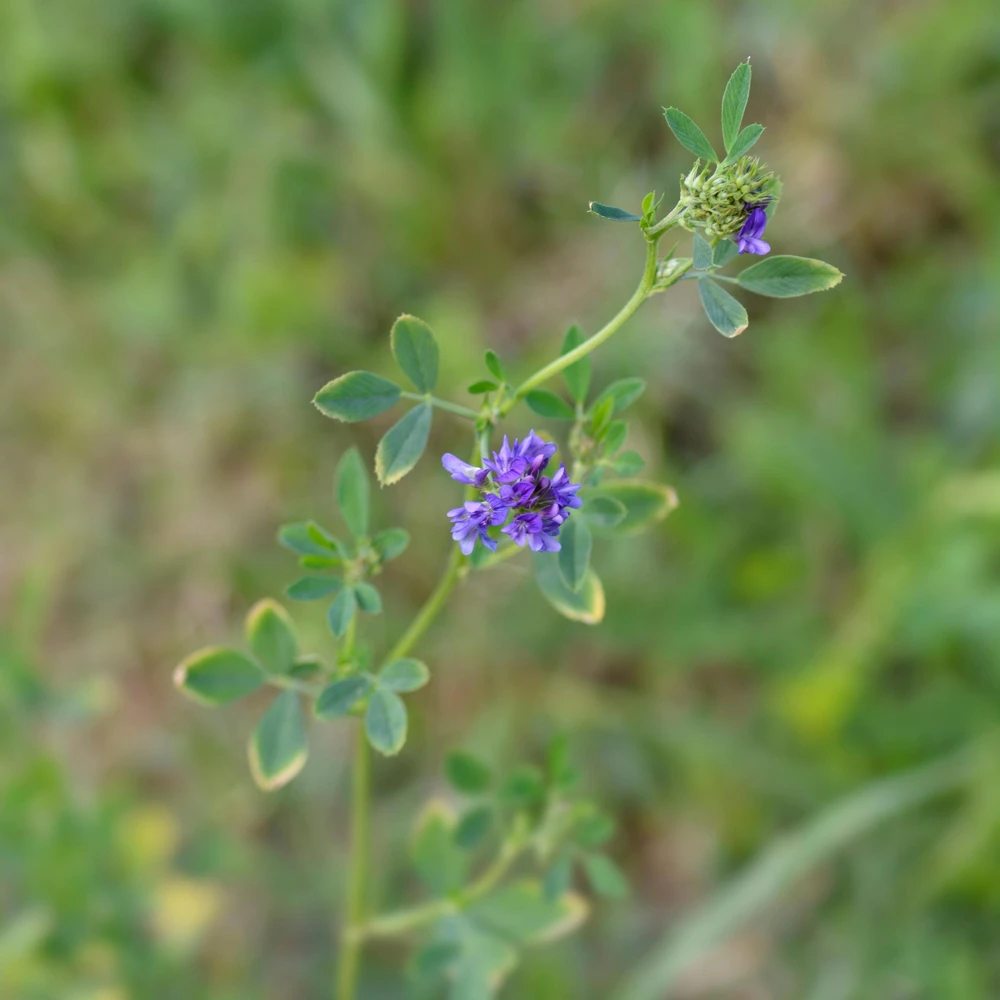
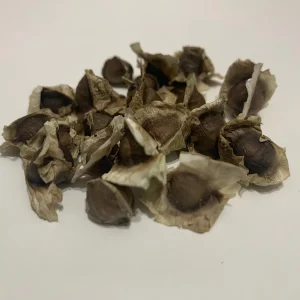
This product contains a full pack of alfalfa cover crop seeds, providing ample material for enhancing your garden’s soil health. Each seed packet is designed to cover a significant area, making it ideal for both small garden beds and larger landscaping projects. Alfalfa plants typically grow to a height of 1-3 feet, forming a dense, leafy canopy that effectively suppresses weeds and protects the soil. The plants have a vigorous growth rate, quickly establishing a robust root system that can penetrate deep into the earth. When used as green manure, plants are usually cut and tilled into the soil when they reach about 6-12 inches tall, maximizing the return of organic matter and nutrients. These nitrogen fixing seeds are suitable for broadcasting evenly across your desired area, ensuring uniform coverage and optimal soil improvement.
The seeds are packaged to ensure viability and ease of planting. Alfalfa is a perennial, meaning that once established, the plants will return each year, offering continuous benefits without the need for annual replanting. This makes them a cost-effective and sustainable solution for long-term soil management. The small purple flowers, though not the primary focus, add a touch of beauty and are highly attractive to pollinators, enhancing the ecological value of your garden. Embrace the benefits of these versatile green manure seeds for a healthier, more productive garden environment.
Frequently Asked Questions
- Q: How many seeds are included in one pack? A: Each pack contains 20 alfalfa cover crop seeds. This quantity is suitable for testing on a small plot or for specific applications where precise planting is desired, though for larger areas, multiple packs may be needed.
- Q: What is the best time to plant alfalfa seeds? A: The best time to plant alfalfa cover crop seeds is typically in early spring or late summer to early fall. This allows the plants to establish before extreme heat or cold, ensuring robust growth and effective soil improvement.
- Q: Is this alfalfa suitable for all soil types? A: While alfalfa prefers well-draining, slightly alkaline to neutral soil, it is adaptable to a range of soil types. It is particularly effective at improving heavy clay soils due to its deep taproots and can enrich sandy soils by adding organic matter.
- Q: How long does it take for alfalfa to establish? A: Alfalfa seeds typically germinate within 7-10 days. The plants will establish a strong root system and significant top growth within 4-6 weeks, at which point they begin to provide substantial benefits as soil improving seeds.
- Q: Can I use alfalfa as a forage crop for animals? A: Yes, while marketed here for cover cropping and green manure, alfalfa is also a highly nutritious forage crop for livestock. Its high protein content makes it valuable for animal feed, but ensure it’s specifically grown for that purpose.
- Q: How do I turn alfalfa into green manure? A: To use as green manure, allow the alfalfa to grow to about 6-12 inches tall, then cut it down. You can then till or chop the plant material into the top few inches of soil. This process returns nutrients and organic matter to the soil, enhancing fertility.
- Q: Will alfalfa attract pests to my garden? A: Alfalfa is generally not a major attractant for common garden pests that harm vegetables or flowers. In fact, it can sometimes serve as a trap crop, diverting pests from more desirable plants. It primarily attracts beneficial insects like pollinators.
- Q: Is perennial alfalfa drought tolerant? A: Yes, once established, alfalfa is known for its excellent drought tolerance. Its deep root system allows it to access water from deeper soil layers, making it a resilient choice for regions with limited rainfall or during dry spells, requiring less frequent watering.
- Q: Can I plant these nitrogen fixing seeds in containers or raised beds? A: Yes, alfalfa cover crop seeds can be successfully planted in large containers or raised beds. Ensure the containers are deep enough to accommodate the plant’s taproot system and provide adequate drainage for optimal growth and soil benefits.
- Q: What are the benefits of using green manure seeds like alfalfa? A: Using green manure seeds like alfalfa offers numerous benefits, including natural nitrogen enrichment, improved soil structure, increased organic matter, erosion control, and weed suppression. It’s a sustainable way to build and maintain healthy, fertile soil.
Related products
-50%
From Original price was: $64.00.$32.00Current price is: $32.00.
-50%
Original price was: $32.00.$16.00Current price is: $16.00.
PLANTING & CARE
Lemon Tree Growing: Choose, Plant, and Harvest
Learn how to choose, plant, feed, and protect a lemon tree so it fits your
23
Sep
Sep
Dwarf Meyer Lemon Tree Australia: Climate Guide
Learn where dwarf Meyer lemon trees grow, how much cold they tolerate, and whether Australia,
Where to Buy a Dwarf Meyer Lemon Tree: Buyer’s Guide
Find the right dwarf Meyer lemon tree online or locally, compare starter sizes and costs,
Dwarf Meyer Lemon Tree for Sale: Buying Guide
Compare Meyer lemon tree sizes, prices, shipping limits, indoor growing and California options before you
Dwarf Meyer Lemon Tree Guide: Size, Care and Fruit
META: Learn how large a dwarf Meyer lemon tree grows, where it thrives, and how
How to Prune a Dwarf Meyer Lemon Tree
Learn when and how to prune a dwarf Meyer lemon tree, including tools, shaping cuts,
Can You Grow a Dwarf Meyer Lemon Tree in a Pot?
META: Learn how to grow a dwarf Meyer lemon tree in a pot, including container
When Do Dwarf Meyer Lemon Trees Bloom and Fruit?
META: Dwarf Meyer lemon trees usually bloom from winter through spring and may flower again