Alocasia Stingray Live Plant – Exotic Houseplant – 3 inch Pot
-20%
Alocasia Stingray Live Plant – Exotic Houseplant – 3 inch Pot
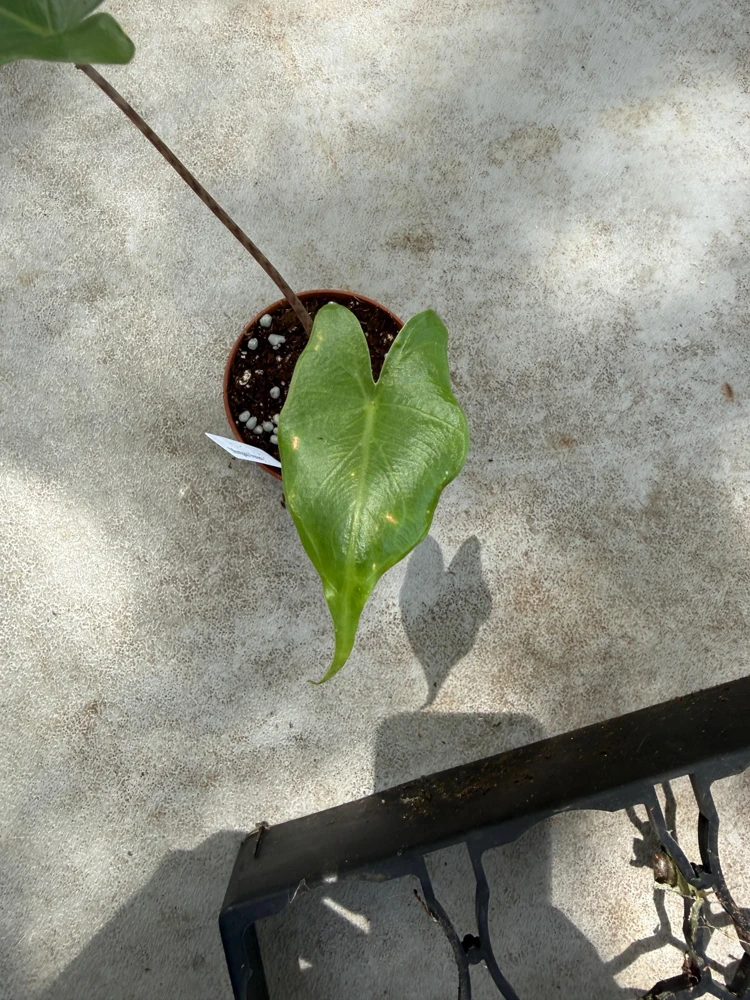
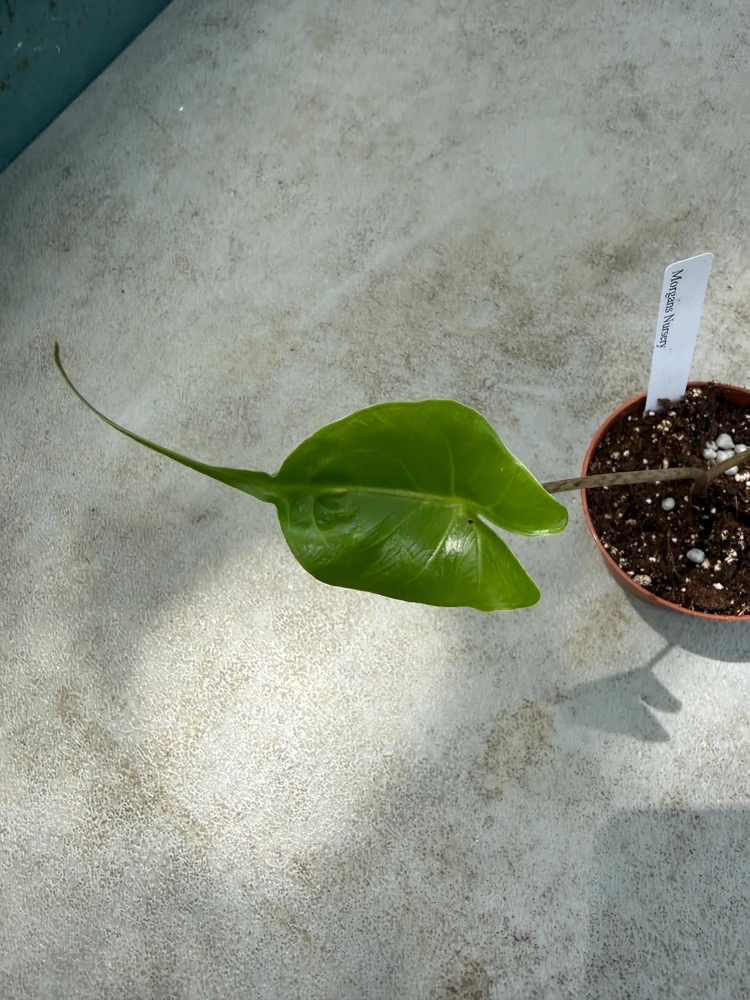
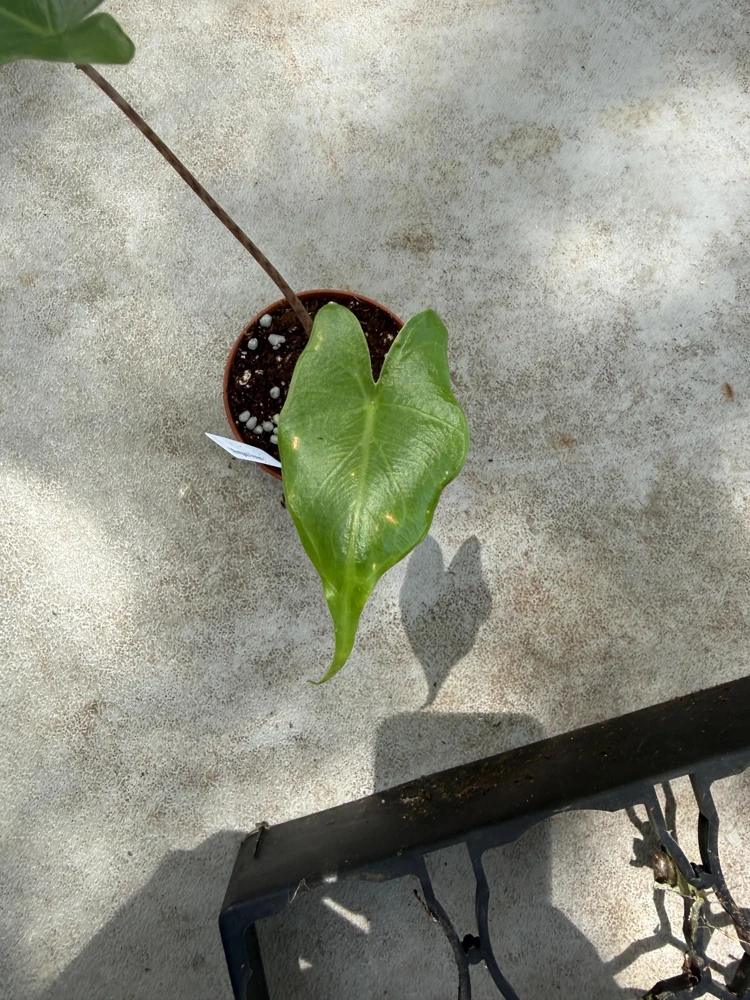
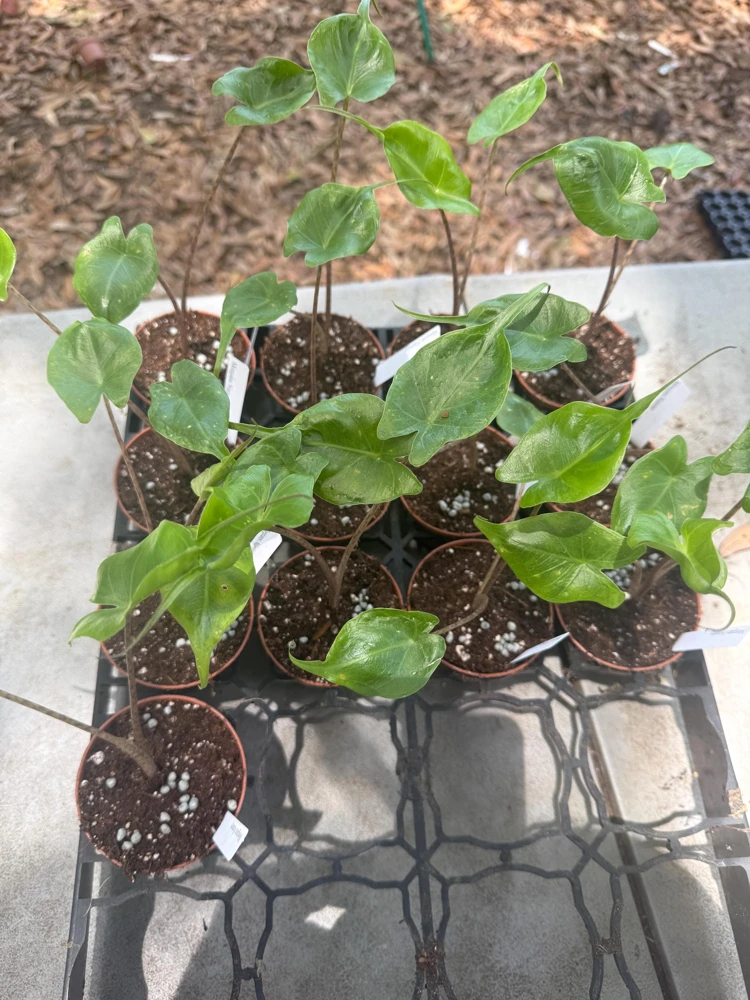
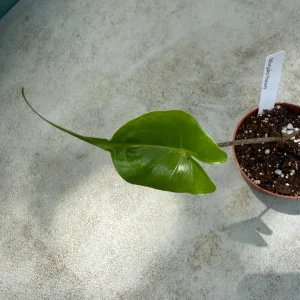
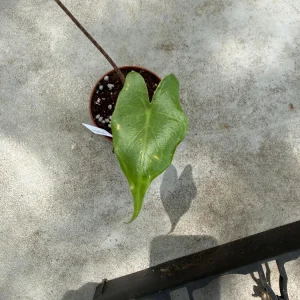
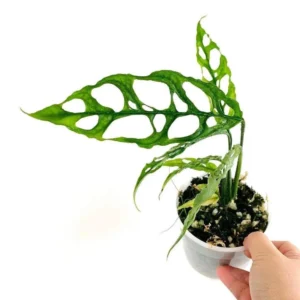
Bring home a captivating Alocasia Stingray live plant, known for its distinctive foliage resembling a stingray. This exotic houseplant is a conversation starter, perfect for adding a tropical flair to any indoor space. Shipped rooted in a 3 inch pot, ready to thrive.
Original price was: $54.90.$43.90Current price is: $43.90.

With our Alive & Thrive Guarantee, we’ve got your back for the first 30 days! If you have any concerns about your plants, just reach out to us. Our team is here to help answer your questions and guide you in selecting the best plants for your garden, climate, and unique preferences. We're excited to help you create the garden of your dreams!
Estimated arrival
Oct 14
Oct 19 - Oct 21
Oct 24 - Oct 28


Product Details
-
USDA Hardiness Zone
USDA zones 10-11 (outdoors), typically grown indoors -
Soil type
Well-draining, aerated potting mix -
Sunlight Exposure
Bright indirect light -
Expected Planting Period
Year-round indoors
Overview
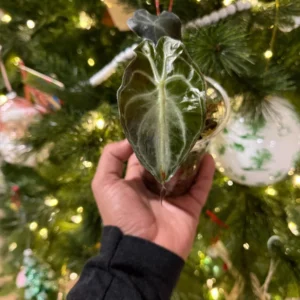
Introduce a touch of the extraordinary to your home with the Alocasia Stingray live plant. This remarkable tropical plant, a cultivar of Alocasia macrorrhizos, is celebrated for its truly unique leaf structure. Each vibrant green leaf unfurls to reveal a shape uncannily similar to a stingray, complete with a long, elegant ‘tail’ extending from the tip. It’s an unusual and beautiful specimen that stands out in any plant collection, making it a highly sought-after choice among enthusiasts. As a live plant, it arrives rooted and ready to be nurtured, promising to be a striking focal point in your indoor garden. Its distinctive appearance makes it a fascinating subject for observation and a testament to nature’s incredible diversity.
The Alocasia Stingray is not just a plant; it’s a living sculpture, bringing an exotic vibe and a sense of wonder to its environment. Its architectural form and glossy foliage create a dramatic statement, making it ideal for modern interiors or as a centerpiece in a tropical-themed room. This particular cultivar is known for its robust growth when provided with the right conditions, rewarding its owner with a continuous display of its unusual and elegant leaves. If you’re looking for an exotic Alocasia that truly captures attention, the Stingray variety is an unparalleled choice.
Key Benefits
The Alocasia Stingray live plant offers numerous benefits beyond its stunning appearance, enhancing both your living space and your well-being.
- Unique Aesthetic Appeal: Its distinctive stingray-shaped leaves provide an unparalleled visual interest, making it a conversation piece and a focal point in any room. The glossy, vibrant green foliage adds a touch of tropical elegance.
- Air Purification Qualities: Like many houseplants, the Alocasia Stingray contributes to a healthier indoor environment by helping to filter out airborne toxins, improving the air quality in your home or office.
- Tropical Ambiance: This plant instantly transforms any space into a lush, tropical oasis, creating a calming and inviting atmosphere reminiscent of a rainforest. It’s perfect for those who appreciate exotic flora.
- Collector’s Item: Due to its unique form and relatively harder-to-find nature, the Alocasia Stingray is a prized possession for plant collectors and enthusiasts looking for something truly special.
- Engaging Growth Habit: Observing the unfurling of new leaves, each perfectly shaped like a miniature stingray, is a truly rewarding experience for any plant parent. This Alocasia indoor plant provides continuous visual delight.
- Versatile Decor Element: Its sculptural shape allows it to complement various interior design styles, from minimalist to bohemian, adding an organic and artistic touch to your decor.
- Stress Reduction: The presence of living plants, especially those as captivating as the Alocasia Stingray, has been shown to reduce stress and improve overall mood, contributing to a more peaceful home environment.
Plant Care & Growing Tips
Caring for your Alocasia Stingray live plant involves understanding its tropical origins and replicating those conditions as closely as possible. This plant thrives in bright, indirect light. Avoid direct sunlight, which can scorch its delicate leaves. An east or north-facing window is often ideal, or a spot several feet away from a south or west-facing window. Consistent warmth and high humidity are crucial for the Alocasia Stingray’s health and vigorous growth. Aim for temperatures between 65-80°F (18-27°C) and keep it away from cold drafts.
Watering should be consistent but careful. Allow the top inch or two of the soil to dry out before watering thoroughly. Overwatering can lead to root rot, so ensure your pot has excellent drainage. Reduce watering slightly in the cooler, darker winter months. High humidity is key for this exotic Alocasia; consider using a pebble tray, a humidifier, or grouping it with other plants. Misting the leaves regularly can also help, but ensure good air circulation to prevent fungal issues. For soil, a well-draining, aerated potting mix rich in organic matter is best. A mix designed for aroids or tropical plants, often containing perlite, orchid bark, and peat moss, works well.
Fertilize your Alocasia Stingray every 2-4 weeks during the growing season (spring and summer) with a balanced liquid fertilizer diluted to half strength. Reduce or stop fertilization during fall and winter. Common problems include yellowing leaves (often due to overwatering or nutrient deficiency) and brown crispy edges (usually a sign of low humidity or underwatering). Pests like spider mites and mealybugs can occasionally be an issue; regular inspection and treatment with insecticidal soap can manage these. Understanding these specific needs will help your Stingray plant care routine ensure a healthy and flourishing specimen.
Size & Details
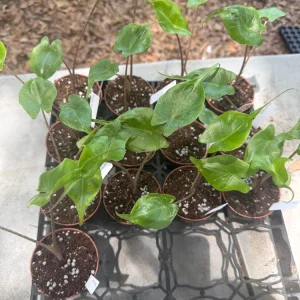
This Alocasia Stingray live plant is shipped as a rooted specimen in a 3 inch pot, providing a healthy foundation for continued growth. At this stage, the plant typically features several established leaves, each showcasing the characteristic stingray shape. While initial size may vary slightly, Alocasia Stingray plants are known for their moderate to fast growth rate under optimal conditions. They can eventually reach impressive sizes, with mature leaves spanning a foot or more and the plant itself growing up to 3-5 feet tall indoors, becoming a truly magnificent specimen.
The plant will arrive carefully packaged to ensure its safe journey. Upon arrival, it will be ready for placement in your desired indoor location. Repotting into a slightly larger container with fresh, well-draining soil will encourage further development once it has acclimated to its new environment. With proper Alocasia Stingray live plant care, you can expect this tropical beauty to unfurl new dramatic leaves regularly, providing continuous enjoyment and a dynamic presence in your home.
Frequently Asked Questions
- Q: How big does this plant get? A: While shipped in a 3 inch pot, the Alocasia Stingray live plant can grow quite large indoors, typically reaching 3-5 feet in height with mature leaves spanning over a foot under ideal conditions. Its growth rate is moderate to fast.
- Q: What size pot does it come in? A: This Alocasia Stingray is shipped as a healthy, rooted plant in a 3 inch pot, making it easy to transplant into a decorative pot of your choice upon arrival.
- Q: Is this an indoor or outdoor plant? A: The Alocasia Stingray is primarily grown as an Alocasia indoor plant in most climates. It can be moved outdoors in warm, humid conditions during summer but must be brought inside before temperatures drop below 60°F (15°C).
- Q: How much sunlight does it need? A: This plant thrives in bright, indirect light. Avoid direct sun, which can burn its leaves. An east-facing window or a spot a few feet from a south or west-facing window is usually ideal for optimal growth and color.
- Q: Is this plant easy to care for? A: While not the most difficult, Alocasia Stingray requires consistent attention to humidity and watering. It’s considered moderately easy for those with some plant care experience, but beginners can succeed with diligent Stingray plant care.
- Q: What condition will it arrive in? A: Your exotic Alocasia will arrive as a healthy, rooted plant, carefully packaged to minimize stress during transit. Some slight leaf yellowing or drooping may occur due to shipping, but the plant should recover quickly with proper care.
- Q: Is it good for beginners? A: While stunning, the Alocasia Stingray might be a slight challenge for absolute beginners due to its humidity requirements. However, with attention to its specific needs for light, water, and humidity, a beginner can certainly succeed.
- Q: What’s the minimum temperature it can tolerate? A: The Alocasia Stingray is a tropical plant and is sensitive to cold. It prefers temperatures above 65°F (18°C) and should not be exposed to temperatures below 60°F (15°C) to prevent stress and damage.
- Q: How often should I water my Alocasia Stingray? A: Water when the top 1-2 inches of soil feel dry to the touch. It’s better to slightly underwater than overwater. Ensure good drainage to prevent root rot. Consistency is key for this unique houseplants.
- Q: What kind of soil is best for this plant? A: A well-draining, airy potting mix rich in organic matter is ideal. A mix formulated for aroids or tropical plants, often containing perlite, orchid bark, and peat moss, will provide the necessary drainage and aeration.
Related products
-39%
Original price was: $49.00.$29.99Current price is: $29.99.
-5%
Original price was: $91.98.$87.38Current price is: $87.38.
-30%
Original price was: $25.98.$18.18Current price is: $18.18.
-25%
Original price was: $33.90.$25.42Current price is: $25.42.
-30%
Original price was: $129.98.$90.98Current price is: $90.98.
PLANTING & CARE
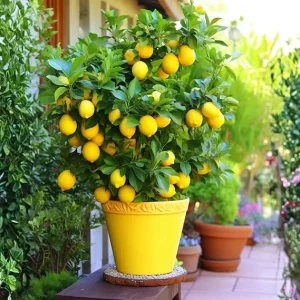
Lemon Tree Growing: Choose, Plant, and Harvest
Learn how to choose, plant, feed, and protect a lemon tree so it fits your
23
Sep
Sep
Dwarf Meyer Lemon Tree Australia: Climate Guide
Learn where dwarf Meyer lemon trees grow, how much cold they tolerate, and whether Australia,
Where to Buy a Dwarf Meyer Lemon Tree: Buyer’s Guide
Find the right dwarf Meyer lemon tree online or locally, compare starter sizes and costs,
Dwarf Meyer Lemon Tree for Sale: Buying Guide
Compare Meyer lemon tree sizes, prices, shipping limits, indoor growing and California options before you
Dwarf Meyer Lemon Tree Guide: Size, Care and Fruit
META: Learn how large a dwarf Meyer lemon tree grows, where it thrives, and how
How to Prune a Dwarf Meyer Lemon Tree
Learn when and how to prune a dwarf Meyer lemon tree, including tools, shaping cuts,
Can You Grow a Dwarf Meyer Lemon Tree in a Pot?
META: Learn how to grow a dwarf Meyer lemon tree in a pot, including container
When Do Dwarf Meyer Lemon Trees Bloom and Fruit?
META: Dwarf Meyer lemon trees usually bloom from winter through spring and may flower again