Alpine Strawberry Seeds – 200 Heirloom Non-GMO Perennial Fruit Seeds





Alpine Strawberry Seeds – 200 Heirloom Non-GMO Perennial Fruit Seeds
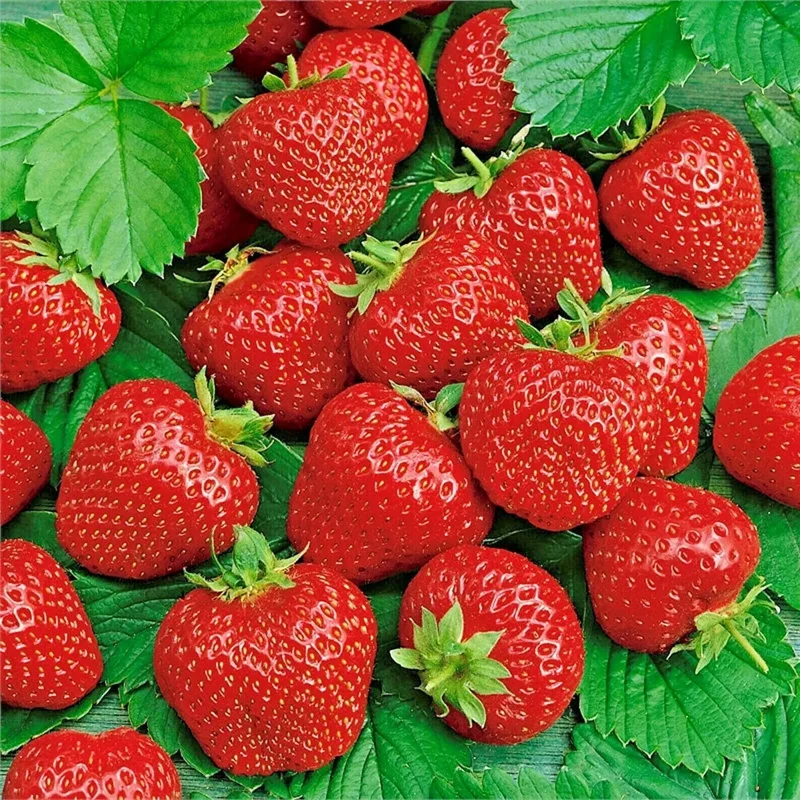
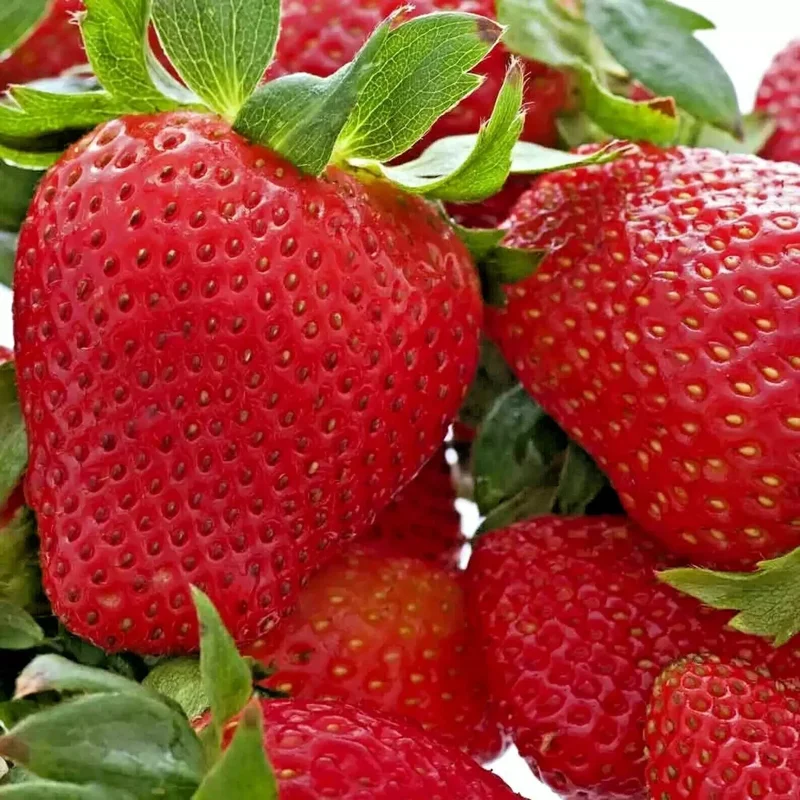
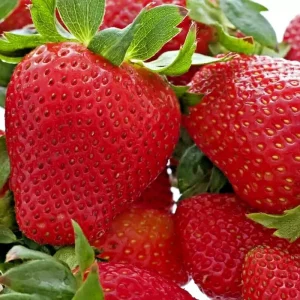
Cultivate intensely flavorful miniature strawberries with this pack of 200 alpine strawberry seeds. These heirloom strawberry seeds are non-GMO fruit seeds, perfect for growing compact perennial strawberry plants in your garden or containers. Enjoy continuous harvests of sweet, aromatic fruit.
$5.98

With our Alive & Thrive Guarantee, we’ve got your back for the first 30 days! If you have any concerns about your plants, just reach out to us. Our team is here to help answer your questions and guide you in selecting the best plants for your garden, climate, and unique preferences. We're excited to help you create the garden of your dreams!
Estimated arrival
Oct 14
Oct 19 - Oct 21
Oct 24 - Oct 28
Product Details
-
USDA Hardiness Zone
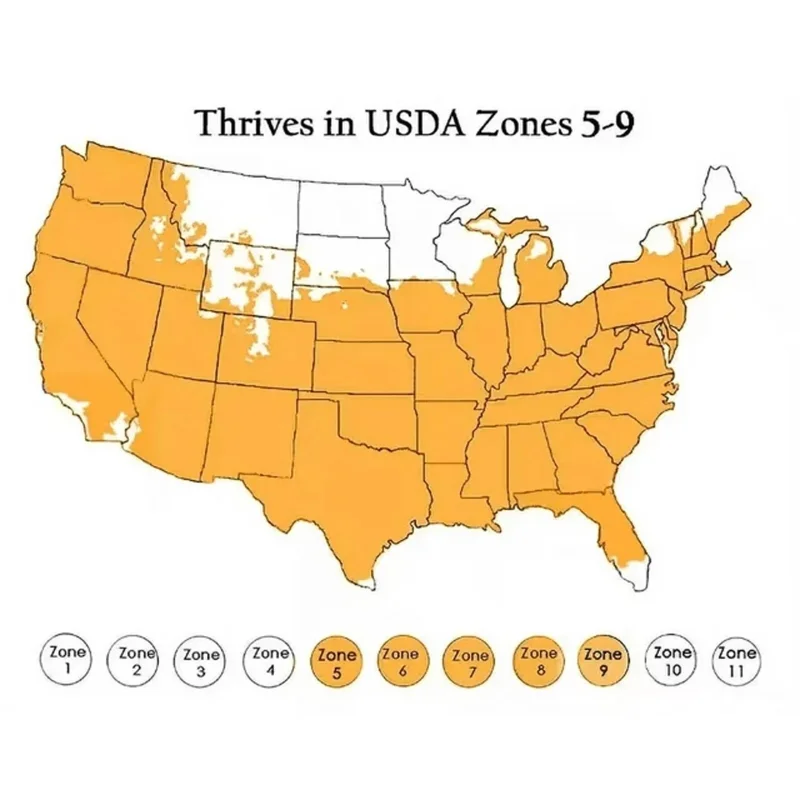
USDA Zones 4-9 -
Soil type
Well-draining, rich in organic matter, slightly acidic to neutral pH (6.0-6.5) -
Sunlight Exposure
Partial shade to full sun (4-6 hours daily) -
Expected Planting Period
Autumn or early spring
Overview
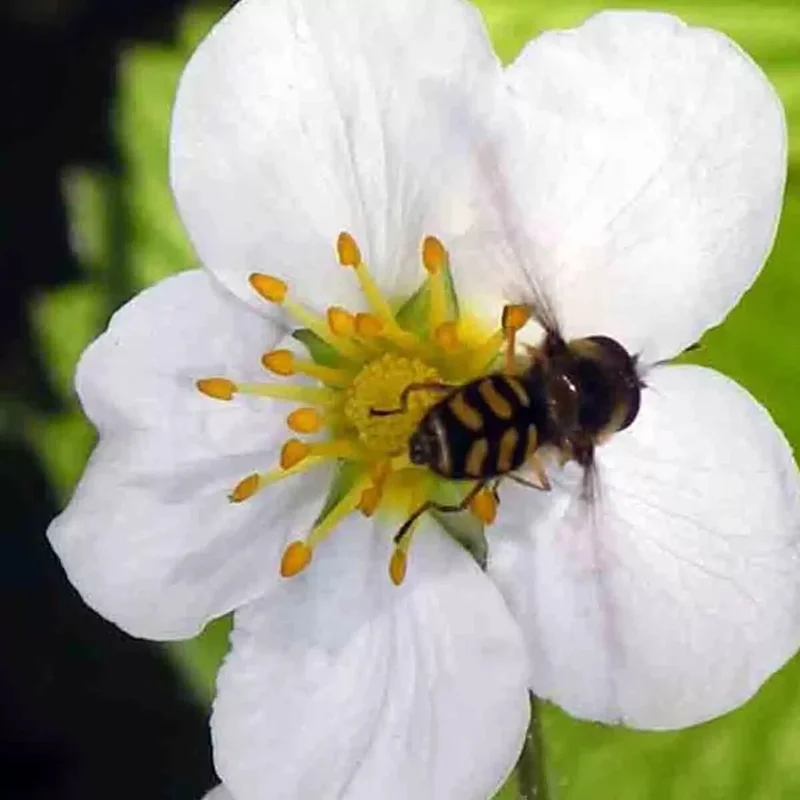
Embark on a delightful gardening journey with our premium pack of alpine strawberry seeds. This offering includes 200 alpine strawberry seeds, high-quality, heirloom strawberry seeds, perfect for cultivating a patch of sweet, miniature strawberries right in your backyard or patio containers. Alpine strawberries, scientifically known as Fragaria vesca, are a charming and less common variety compared to their larger garden counterparts. These berries are renowned for their intense flavor and aromatic qualities, often described as a more concentrated, wilder strawberry taste. Unlike many cultivated strawberries, alpine varieties typically produce small, exquisitely flavorful fruits without runners, making them ideal for compact spaces and defined garden beds. Our non-GMO fruit seeds ensure you’re growing pure, natural produce, free from genetic modification, aligning with sustainable and organic gardening practices. These perennial strawberry plants are a fantastic addition to any edible landscape, promising years of delicious harvests from a single planting. Learning how to grow alpine strawberries is a rewarding experience for any gardener.
Key Benefits
Growing your own alpine strawberry seeds offers numerous rewards, from fresh, flavorful fruit to the satisfaction of nurturing a plant from its very beginning. These benefits extend beyond just the harvest, enriching your garden and diet alike.
- Superior Flavor and Aroma: Alpine strawberries are celebrated for their rich, sweet, and aromatic flavor, often surpassing that of larger commercial varieties. Each tiny berry packs a concentrated burst of traditional strawberry essence, perfect for gourmet dishes or fresh snacking.
- Continuous Harvest: As a perennial strawberry, these plants produce fruit throughout the growing season, typically from late spring until the first frost. This extended harvest period means a steady supply of fresh berries for months.
- Heirloom Quality: Our heirloom strawberry seeds are open-pollinated, meaning they will produce plants that are true to type, allowing you to save seeds for future generations and preserve this classic variety. This also ensures a robust and adaptable plant.
- Non-GMO Assurance: Cultivate with confidence knowing these are non-GMO fruit seeds. You’re planting natural, unaltered seeds, contributing to a healthy and sustainable food system and enjoying pure alpine strawberry seeds.
- Easy to Grow: Despite their delicate appearance, alpine strawberries are surprisingly resilient and simple to cultivate. They are perfect for both novice and experienced gardeners, requiring basic care to thrive.
- Versatile Garden Addition: Their compact growth habit and lack of runners make them excellent for borders, rock gardens, containers, or even as ground cover. They add beauty and productivity to various garden settings.
- Healthy and Nutritious: Freshly picked strawberries are rich in vitamins, antioxidants, and fiber. Growing your own ensures you have access to the freshest, most nutritious berries possible, free from pesticides.
Plant Care & Growing Tips
Caring for your alpine strawberry seeds and plants is a rewarding experience that requires attention to a few key factors to ensure a flourishing harvest. Understanding how to grow alpine strawberries successfully begins with proper site selection and soil preparation. These plants thrive in areas that receive at least partial shade, particularly in hotter climates where afternoon sun can be too intense. Aim for 4-6 hours of sunlight daily. In cooler regions, full sun may be tolerated. The ideal soil for alpine strawberries is well-draining, rich in organic matter, and has a slightly acidic to neutral pH (6.0-6.5). Amending heavy clay soils with compost or sand can improve drainage, while sandy soils benefit from added organic material to retain moisture.
Consistent watering is crucial, especially during germination and fruit development. The soil should remain consistently moist but never waterlogged. Overwatering can lead to root rot, while underwatering can stunt growth and reduce fruit yield. Mulching around the plants helps conserve soil moisture, suppress weeds, and keep the berries clean. Fertilize lightly with a balanced, organic fertilizer in spring and again in mid-summer. Avoid excessive nitrogen, which can lead to lush foliage but fewer fruits. Protect plants from extreme cold in winter, especially in USDA zones below 4, with a layer of mulch or by bringing container plants indoors if possible. Keep an eye out for common pests like slugs and birds, and consider using netting or organic pest control methods to protect your precious fruit. Learning how to grow alpine strawberries effectively will ensure a continuous supply of these delectable berries from your heirloom strawberry seeds.
Size & Details
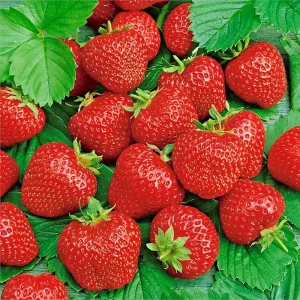
This package contains 200 alpine strawberry seeds, providing ample opportunity to establish a substantial patch of these delightful berries. Alpine strawberry plants typically reach a mature height of 6-12 inches and spread about 8-12 inches, forming neat, clumping mounds rather than sending out runners like common strawberries. The plants are herbaceous perennials, meaning they will die back to the ground in colder climates but regrow from their roots in spring. Fruits are small, usually about 0.5 to 1 inch in length, and ripen to a vibrant red color. Expect the first harvest approximately 90-120 days after planting, with continuous fruiting throughout the warm season. These heirloom strawberry seeds are harvested for optimal viability and are suitable for planting in autumn or early spring. They are ideal for gardeners seeking a compact, high-flavor fruit that offers a long harvest period and is easy to maintain.
Frequently Asked Questions
- Q: How many seeds are included in this package? A: This package contains 200 alpine strawberry seeds, providing a generous quantity for planting a productive strawberry patch or multiple containers.
- Q: What size do alpine strawberry plants typically grow to? A: Alpine strawberry plants usually grow to a compact size, reaching about 6-12 inches in height and spreading 8-12 inches wide. Their tidy growth habit makes them excellent for small gardens or container planting.
- Q: Are these seeds suitable for indoor or outdoor planting? A: These alpine strawberry seeds are primarily suited for outdoor planting in garden beds or containers. They can be started indoors to get a head start on the growing season before transplanting outside.
- Q: How much sunlight do alpine strawberries need? A: Alpine strawberries prefer partial shade, especially in warmer climates, but can tolerate full sun in cooler regions. Aim for 4-6 hours of direct sunlight daily for optimal fruit production.
- Q: Is this plant easy to care for, especially for beginners? A: Yes, alpine strawberries are considered relatively easy to grow and are a great choice for beginner gardeners. They are quite resilient and require consistent watering and basic soil care. Learning how to grow alpine strawberries is a straightforward process.
- Q: What condition will the seeds arrive in? A: The seeds will arrive in a protective package, ensuring they are fresh and viable for planting. They are dormant and ready to be germinated according to your preferred method.
- Q: When is the best time to plant these seeds? A: The best times to plant these non-GMO fruit seeds are in autumn for an early spring emergence, or in early spring after the last frost. Indoor starting can be done 6-8 weeks before the last expected frost.
- Q: What USDA Hardiness Zones are suitable for these perennial strawberry plants? A: These perennial strawberry plants are generally hardy in USDA Zones 4-9. With proper winter protection, they can often survive in colder zones.
- Q: Can I save seeds from these plants for future planting? A: Yes, as these are heirloom strawberry seeds, the plants they produce will be open-pollinated and true to type, allowing you to save seeds from your harvest for subsequent planting seasons.
- Q: How long does it take for the seeds to germinate and for plants to bear fruit? A: Germination typically takes 1-3 weeks. You can expect the plants to start bearing fruit approximately 90-120 days after successful germination.
Related products
-50%
Original price was: $32.00.$16.00Current price is: $16.00.
-50%
Original price was: $28.00.$14.00Current price is: $14.00.
PLANTING & CARE
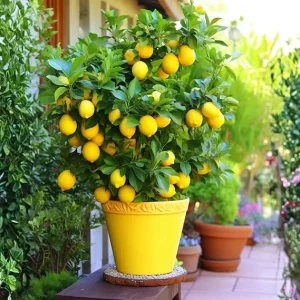
Lemon Tree Growing: Choose, Plant, and Harvest
Learn how to choose, plant, feed, and protect a lemon tree so it fits your
23
Sep
Sep
Dwarf Meyer Lemon Tree Australia: Climate Guide
Learn where dwarf Meyer lemon trees grow, how much cold they tolerate, and whether Australia,
Where to Buy a Dwarf Meyer Lemon Tree: Buyer’s Guide
Find the right dwarf Meyer lemon tree online or locally, compare starter sizes and costs,
Dwarf Meyer Lemon Tree for Sale: Buying Guide
Compare Meyer lemon tree sizes, prices, shipping limits, indoor growing and California options before you
Dwarf Meyer Lemon Tree Guide: Size, Care and Fruit
META: Learn how large a dwarf Meyer lemon tree grows, where it thrives, and how
How to Prune a Dwarf Meyer Lemon Tree
Learn when and how to prune a dwarf Meyer lemon tree, including tools, shaping cuts,
Can You Grow a Dwarf Meyer Lemon Tree in a Pot?
META: Learn how to grow a dwarf Meyer lemon tree in a pot, including container
When Do Dwarf Meyer Lemon Trees Bloom and Fruit?
META: Dwarf Meyer lemon trees usually bloom from winter through spring and may flower again