American Sycamore Tree Live Plant – 18-24″ Tall – 3.5″ Pot – Outdoor Landscaping
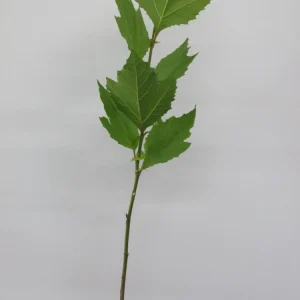
American Sycamore Tree Live Plant – 18-24″ Tall – 3.5″ Pot – Outdoor Landscaping
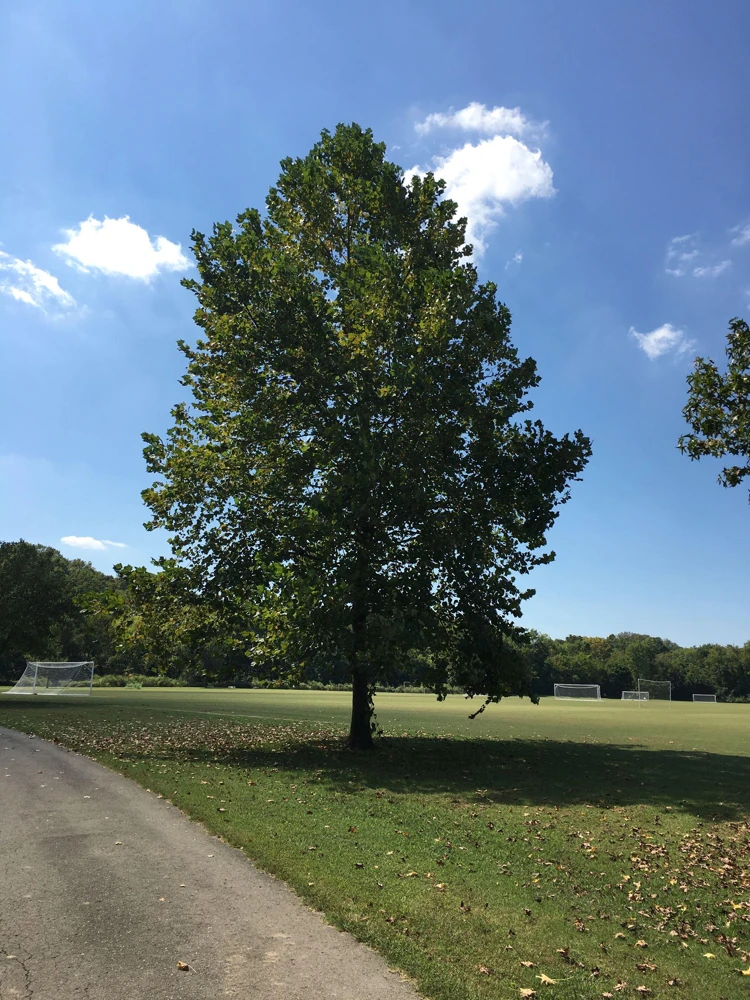
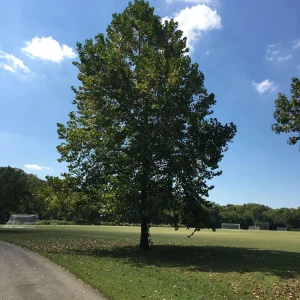
Bring a majestic presence to your landscape with the American Sycamore Tree. This live plant, standing 18-24 inches tall in a 3.5-inch pot, is known for its rapid growth, wide-spreading branches, and striking, exfoliating bark. An excellent choice for a native shade tree.
$37.90

With our Alive & Thrive Guarantee, we’ve got your back for the first 30 days! If you have any concerns about your plants, just reach out to us. Our team is here to help answer your questions and guide you in selecting the best plants for your garden, climate, and unique preferences. We're excited to help you create the garden of your dreams!
Estimated arrival
Oct 21
Oct 26 - Oct 28
Oct 31 - Nov 04
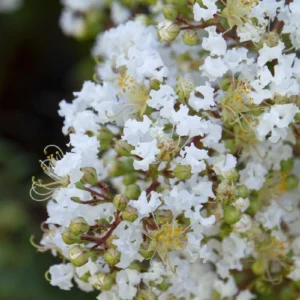
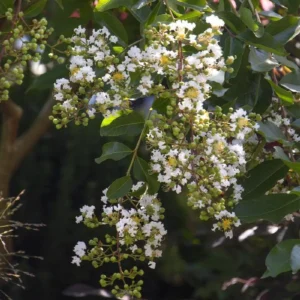
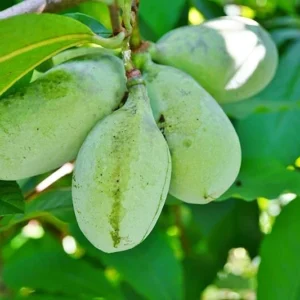
Product Details
-
USDA Hardiness Zone
USDA Zones 4-9 -
Soil type
Moist, well-draining soil -
Sunlight Exposure
Full sun -
Expected Planting Period
Spring or Fall
Overview
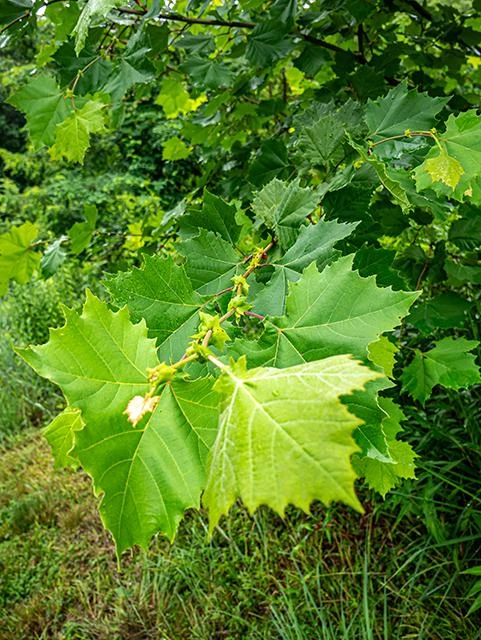
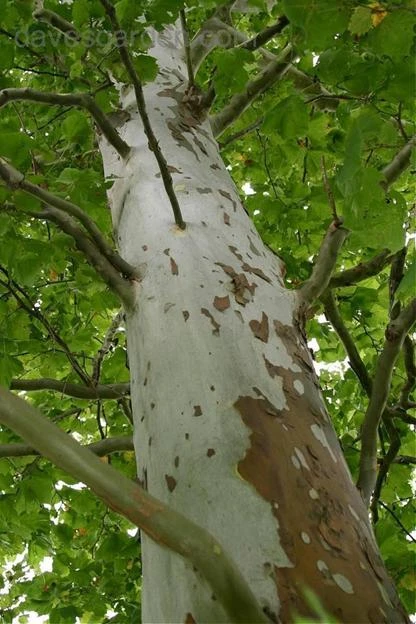
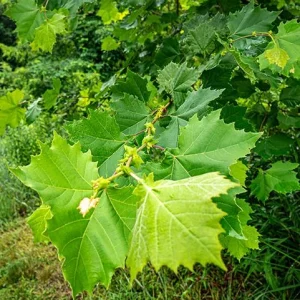
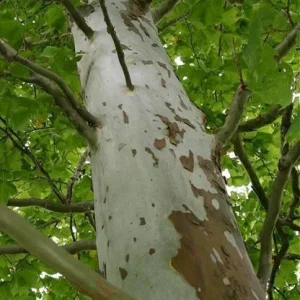
Transform your outdoor space with a beautiful American Sycamore Tree (Platanus occidentalis). This impressive live plant is a deciduous tree native to southeastern Canada and the central and eastern United States, renowned for its stately presence and distinctive appearance. The American Sycamore Tree is an easy-to-grow, fast-growing specimen that develops wide-spreading branches, providing ample shade and character to any landscape. Its most notable feature is its unique bark, which is thin, tight, and varies in color, often displaying beautiful white tones as it flakes off in chips, strips, and larger irregular pieces. This makes the sycamore tree care a rewarding experience, as its winter character is just as captivating as its summer foliage. Whether you’re looking to enhance a large garden or establish a prominent focal point, this native tree offers outstanding visual appeal throughout the seasons.
The Platanus occidentalis is a robust and adaptable tree, making it a popular choice for various environments. It’s particularly valued for its resilience and ability to thrive in a range of conditions, provided it receives adequate sunlight and moisture. The wood of the American Sycamore is hard and moderately strong, historically used for various purposes. Its common name is derived from the resemblance of its foliage to the sycamore found in the British Isles. When you choose an American Sycamore Tree, you’re investing in a piece of natural heritage that will grow into a magnificent, long-lived addition to your property, creating a lasting legacy for generations to come.
Key Benefits
The American Sycamore Tree offers a multitude of benefits, making it an excellent choice for landscaping and ecological enhancement. Its distinctive features and robust nature contribute significantly to any environment.
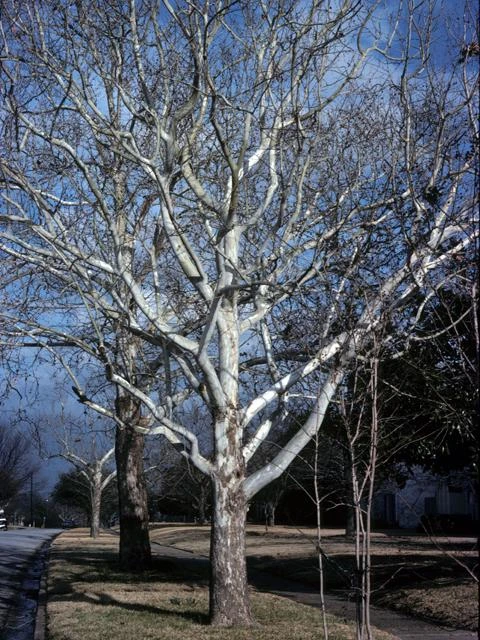
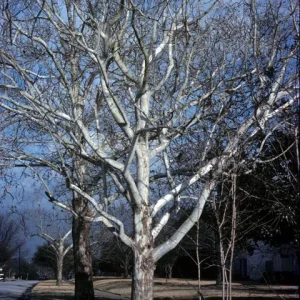
- Stunning Visual Appeal: The most striking feature of the American Sycamore Tree is its unique exfoliating bark, which peels away to reveal patches of white, green, and brown, creating year-round interest. This characteristic bark makes it a standout specimen, especially during the winter months when other trees are bare.
- Rapid Growth & Shade: Known for being one of the fastest-growing native trees, the Platanus occidentalis quickly establishes a large canopy, providing extensive shade. This makes it ideal for cooling properties and creating comfortable outdoor living spaces.
- Wildlife Habitat: As a native species, the American Sycamore Tree supports local ecosystems by providing food and shelter for various wildlife, including birds and small mammals. Its large branches offer excellent nesting sites, contributing to biodiversity.
- Adaptable & Resilient: This tree is remarkably adaptable to different soil types and urban conditions, tolerating pollution and compacted soils better than many other species. Its resilience makes sycamore tree care relatively straightforward once established.
- Long-Lived & Majestic: With proper care, an American Sycamore Tree can live for centuries, growing into a truly majestic fixture on your property. It’s an investment that will continue to provide beauty and ecological benefits for generations.
- Native Shade Tree: Choosing a native shade tree like the American Sycamore means selecting a plant that is naturally suited to the climate and environment, requiring less intervention and supporting local ecology more effectively.
- Distinctive Winter Interest: Even after its leaves have fallen, the unique bark patterns and broad, architectural branching structure of the sycamore provide significant aesthetic value throughout the dormant season, ensuring your landscape remains interesting year-round.
Plant Care & Growing Tips
Caring for your American Sycamore Tree is generally straightforward, making it an excellent choice for both novice and experienced gardeners. These trees thrive with adequate sunlight and consistent moisture. They prefer full sun, meaning at least six hours of direct sunlight per day, to achieve their best growth and form. While tolerant of various conditions, a location with good air circulation is beneficial. The Platanus occidentalis is a hardy tree that can withstand a range of temperatures once established, making it a reliable addition to many landscapes.
When it comes to watering, the American Sycamore Tree prefers moist soils with good drainage. While it can tolerate some drought once mature, young trees will benefit from regular watering, especially during dry spells. Avoid overly saturated conditions, as this can lead to root issues. For optimal growth, plant your sycamore in a rich, loamy soil, although it is adaptable to clay, sandy, or wet soils. Ensure the planting site allows for proper drainage to prevent waterlogging. During the first few years, a balanced slow-release fertilizer can help establish a strong root system, but mature trees typically do not require heavy fertilization.
Pruning should be done in late winter or early spring before new growth begins. Focus on removing any dead, diseased, or crossing branches to maintain a strong structure and good air circulation. While generally robust, sycamores can be susceptible to anthracnose, a fungal disease, which can be managed with proper sanitation and fungicidal sprays if necessary. The distinctive bark of the American Sycamore Tree is a natural characteristic and part of its charm, so no special care is needed for it. By following these basic sycamore tree care guidelines, your tree will flourish and become a majestic landscape feature.
Size & Details
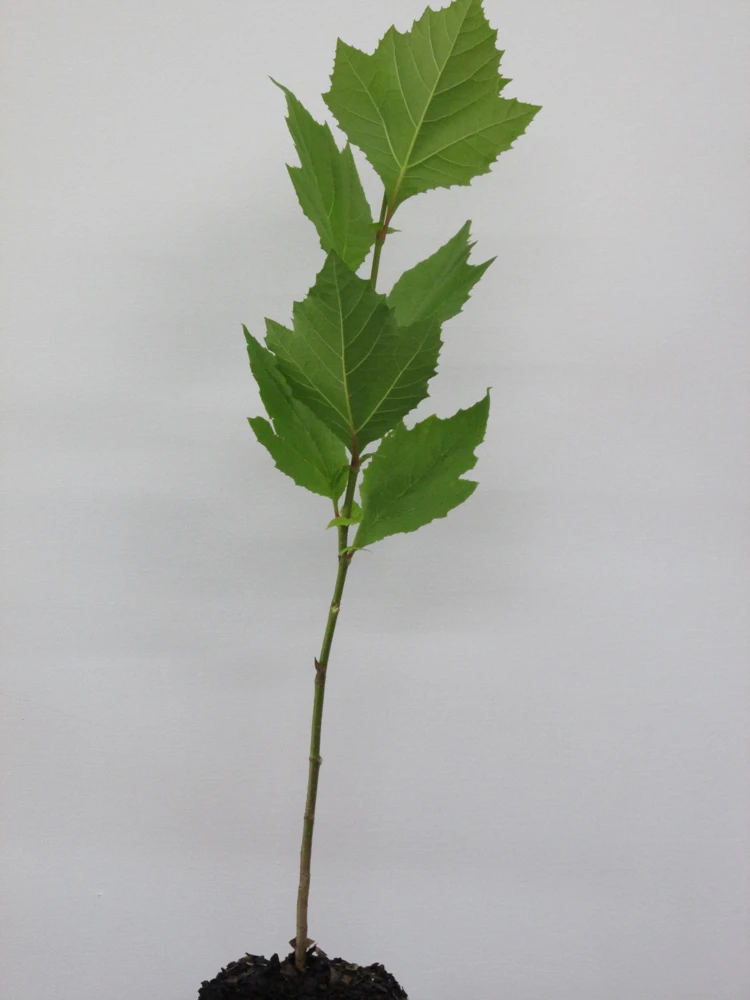
This American Sycamore Tree live plant arrives ready for planting, standing approximately 18 to 24 inches tall. It is grown in a 3.5-inch nursery pot, providing a well-established root system for successful transplanting into your garden or larger container. The Platanus occidentalis is known for its fast growth rate, typically adding 2-3 feet per year under ideal conditions. Mature American Sycamore trees can reach impressive heights of 75-100 feet with a similar spread, forming a broad, rounded canopy. When planting, ensure you select a location that can accommodate its significant mature size.
During the dormant season (fall and winter), this American Sycamore Tree will ship without foliage, which is a natural part of its deciduous life cycle. New leaves will emerge in the spring. This tree is a long-term investment, providing decades, if not centuries, of beauty and shade. Its hardiness makes it a resilient choice for a native shade tree, capable of adapting to various environmental conditions. Prepare for its eventual size by planting it away from structures and power lines, allowing ample space for its grand development.
Frequently Asked Questions
- Q: How big does this American Sycamore Tree get? A: This particular live plant is 18-24 inches tall upon arrival. Mature American Sycamore Trees can reach impressive heights of 75-100 feet with a similar spread, developing a grand, wide-spreading canopy.
- Q: What size pot does it come in? A: The American Sycamore Tree live plant is grown and shipped in a 3.5-inch nursery pot, ensuring its root system is well-established and ready for transplanting.
- Q: Is this an indoor or outdoor plant? A: The American Sycamore Tree is an outdoor tree, best suited for large landscapes where it has ample space to grow and mature. It is not suitable for indoor cultivation.
- Q: How much sunlight does it need? A: This tree thrives in full sun, requiring at least six hours of direct sunlight per day for optimal growth and health. It can tolerate partial sun but may not grow as vigorously.
- Q: Is this plant easy to care for? A: Yes, the American Sycamore Tree is considered relatively easy to care for once established. It tolerates a range of soil types and urban conditions, making sycamore tree care manageable for most gardeners.
- Q: What condition will it arrive in? A: Your American Sycamore Tree will arrive as a healthy live plant, carefully packaged. During its dormant season, it will naturally ship without foliage.
- Q: When is the best time to plant an American Sycamore? A: The best time to plant an American Sycamore Tree is in the spring or fall, allowing the tree to establish its root system before the stress of summer heat or winter cold.
- Q: Will it survive winter in my zone? A: The Platanus occidentalis is hardy and generally thrives in USDA Zones 4-9. Please check your specific USDA hardiness zone to ensure it’s suitable for your climate.
- Q: What kind of soil does an American Sycamore prefer? A: American Sycamores prefer moist, well-draining soils but are highly adaptable. They can grow in clay, sand, or loamy soils, and even tolerate wet conditions better than many other trees.
- Q: Why is its bark peeling? Is that normal? A: Yes, the exfoliating bark is one of the most distinctive and beautiful characteristics of the American Sycamore Tree. It’s completely normal for the outer bark to peel away, revealing lighter patches underneath.
Related products
-50%
Original price was: $73.98.$36.99Current price is: $36.99.
-20%
Original price was: $36.00.$28.80Current price is: $28.80.
-42%
Original price was: $56.99.$33.29Current price is: $33.29.
-50%
Original price was: $180.99.$89.89Current price is: $89.89.
PLANTING & CARE
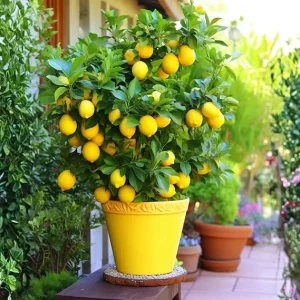
Lemon Tree Growing: Choose, Plant, and Harvest
Learn how to choose, plant, feed, and protect a lemon tree so it fits your
23
Sep
Sep
Dwarf Meyer Lemon Tree Australia: Climate Guide
Learn where dwarf Meyer lemon trees grow, how much cold they tolerate, and whether Australia,
Where to Buy a Dwarf Meyer Lemon Tree: Buyer’s Guide
Find the right dwarf Meyer lemon tree online or locally, compare starter sizes and costs,
Dwarf Meyer Lemon Tree for Sale: Buying Guide
Compare Meyer lemon tree sizes, prices, shipping limits, indoor growing and California options before you
Dwarf Meyer Lemon Tree Guide: Size, Care and Fruit
META: Learn how large a dwarf Meyer lemon tree grows, where it thrives, and how
How to Prune a Dwarf Meyer Lemon Tree
Learn when and how to prune a dwarf Meyer lemon tree, including tools, shaping cuts,
Can You Grow a Dwarf Meyer Lemon Tree in a Pot?
META: Learn how to grow a dwarf Meyer lemon tree in a pot, including container
When Do Dwarf Meyer Lemon Trees Bloom and Fruit?
META: Dwarf Meyer lemon trees usually bloom from winter through spring and may flower again