Anise Seeds – Pimpinella anisum – Sweet Aromatic Herb – 50 Seeds
-50%
Anise Seeds – Pimpinella anisum – Sweet Aromatic Herb – 50 Seeds
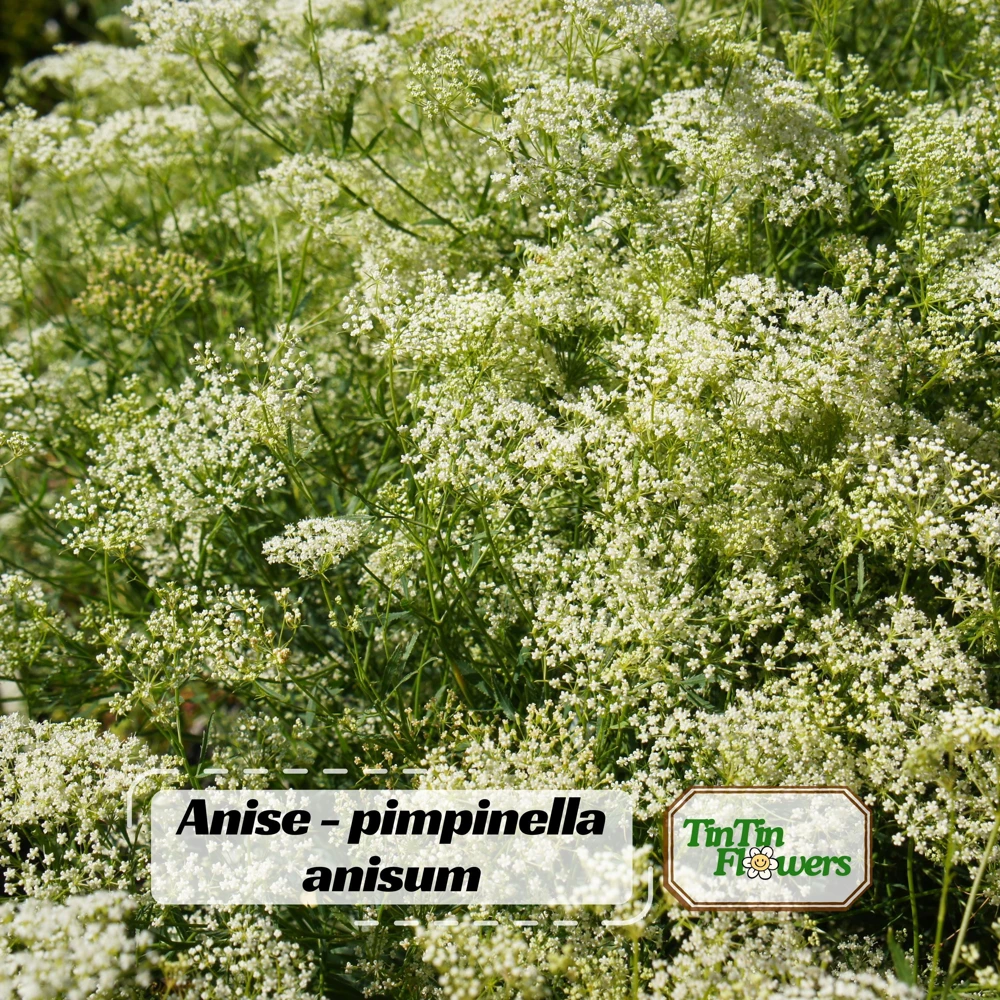
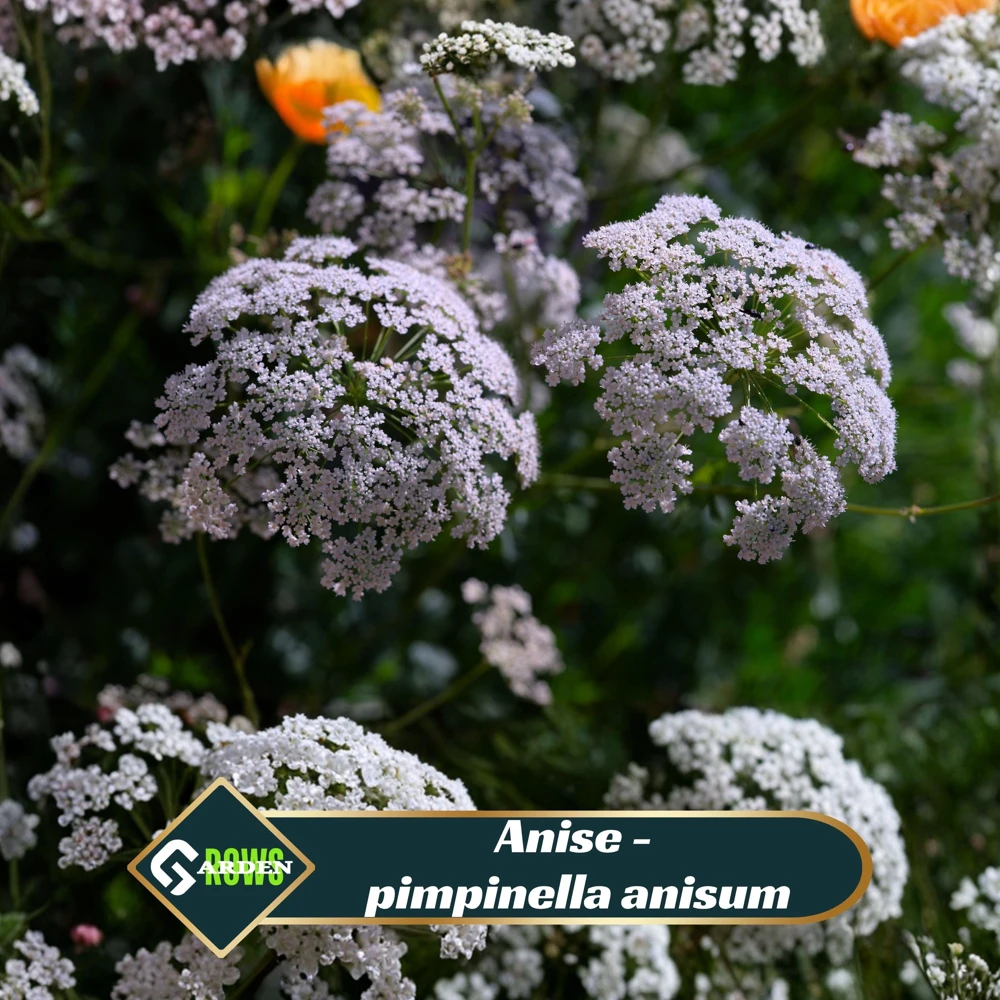
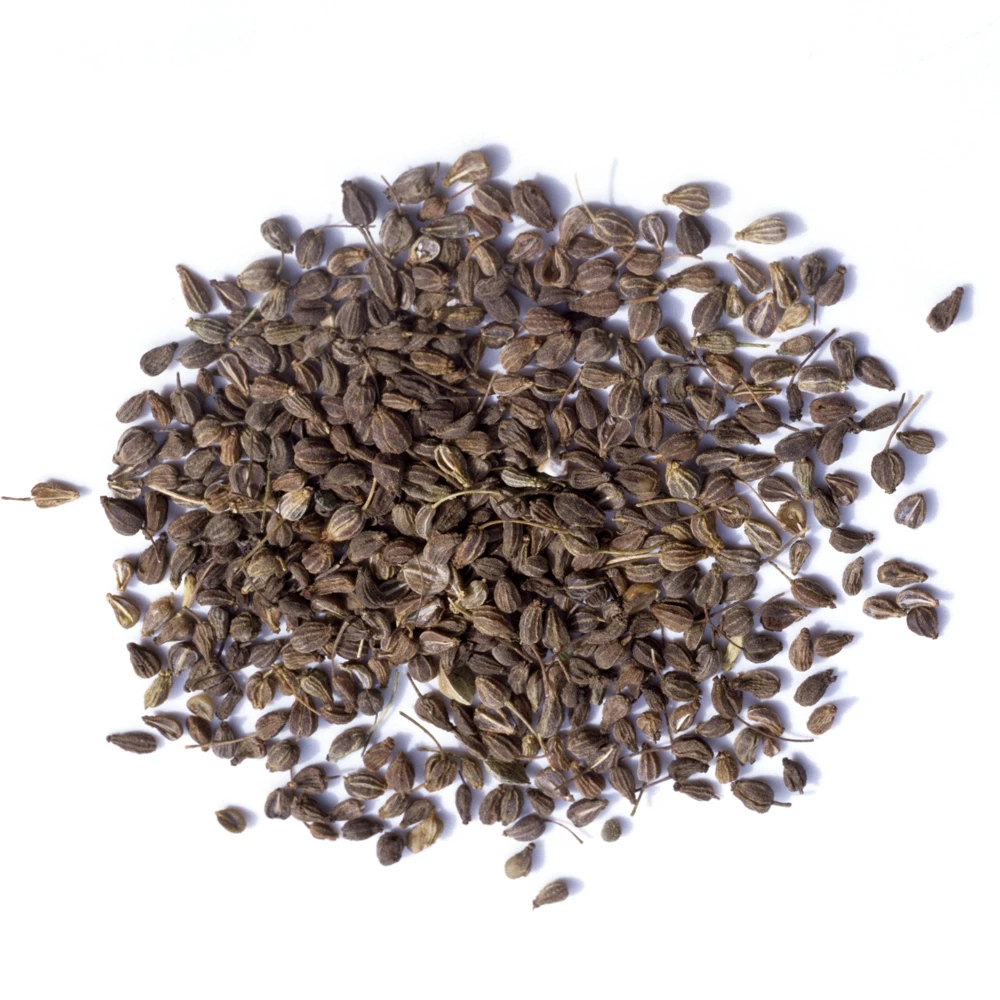
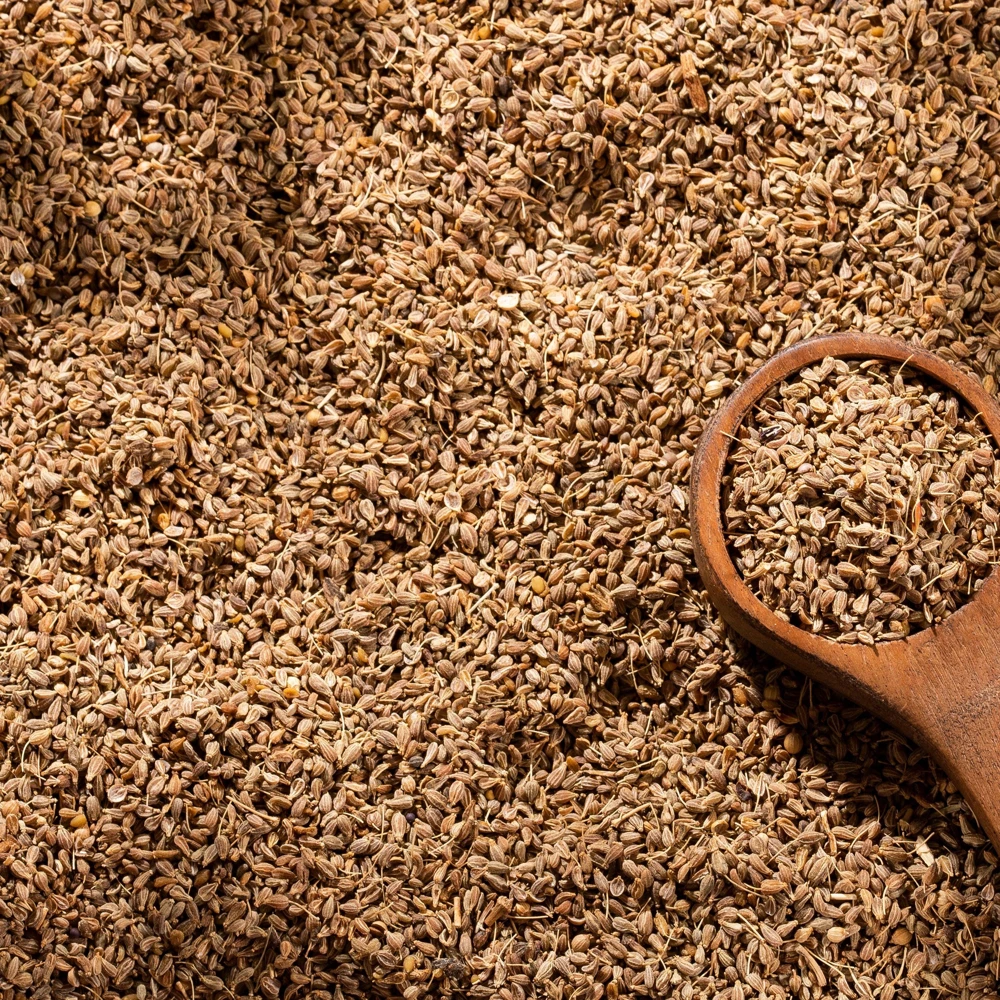
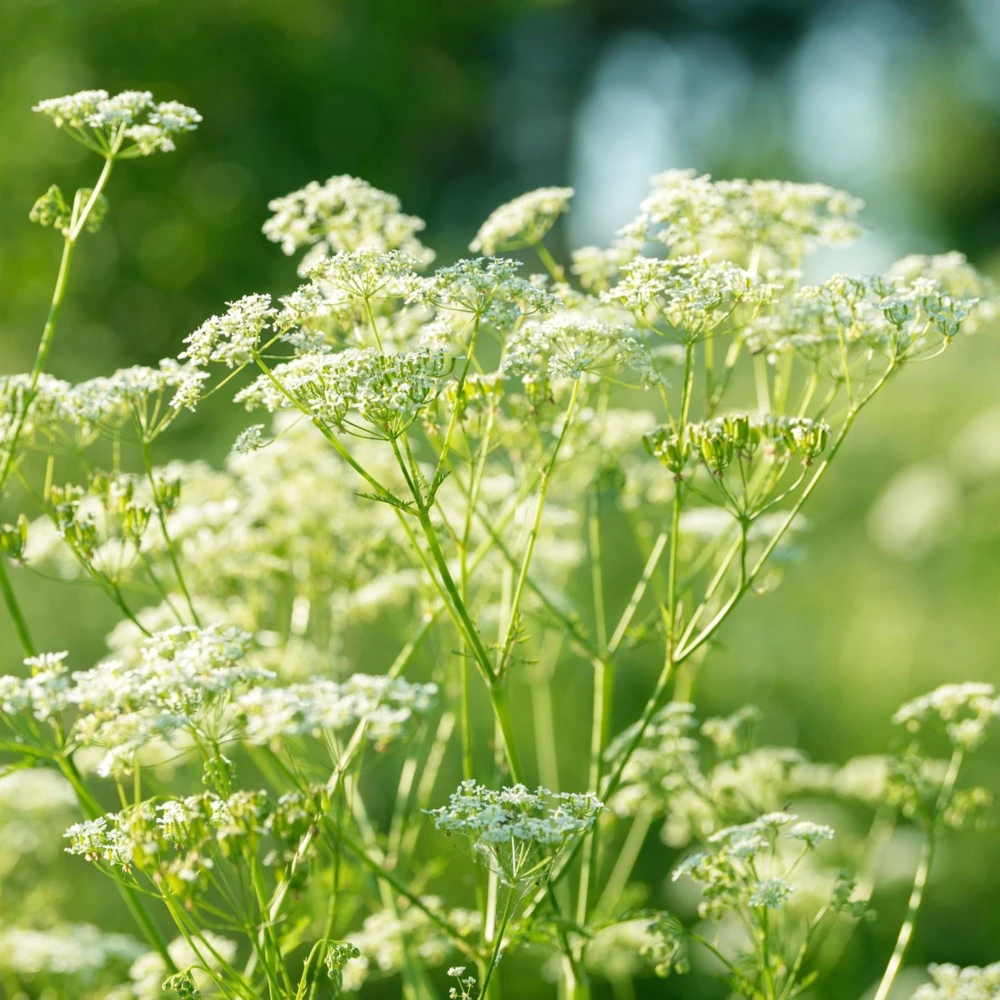
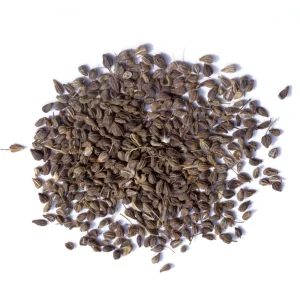
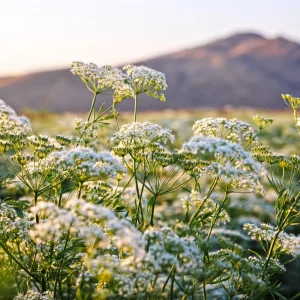
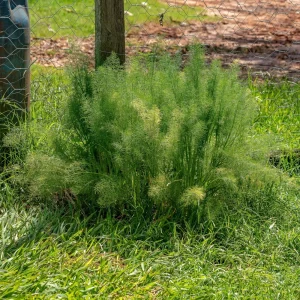
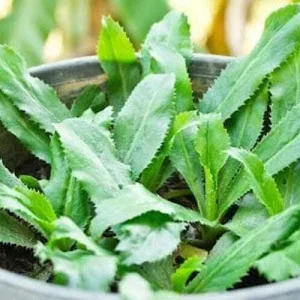
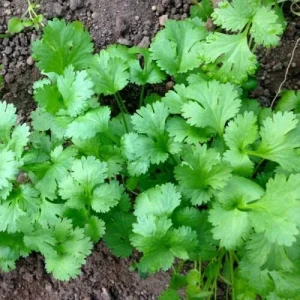
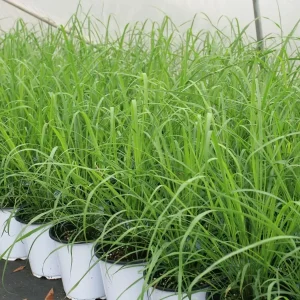
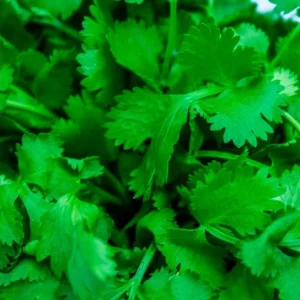
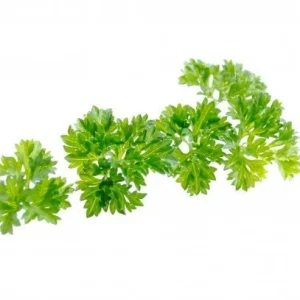
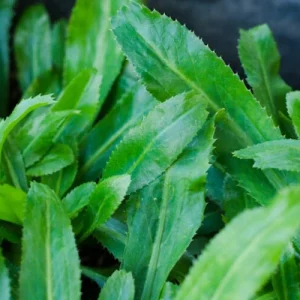
Cultivate your own aromatic anise seeds with this pack of 50 high-quality seeds. Pimpinella anisum is an easy-to-grow annual herb known for its distinct sweet, licorice-like flavor, perfect for culinary and medicinal uses. Attract beneficial pollinators to your garden while enjoying its feathery foliage and delicate white flowers.
Original price was: $15.16.$7.58Current price is: $7.58.

With our Alive & Thrive Guarantee, we’ve got your back for the first 30 days! If you have any concerns about your plants, just reach out to us. Our team is here to help answer your questions and guide you in selecting the best plants for your garden, climate, and unique preferences. We're excited to help you create the garden of your dreams!
Estimated arrival
Oct 08
Oct 13 - Oct 15
Oct 18 - Oct 22


Product Details
-
USDA Hardiness Zone
Annual in most zones (typically 4-9) -
Soil type
Well-draining soil -
Sunlight Exposure
Full Sun -
Expected Planting Period
Spring to early summer
Overview
Embark on a delightful gardening journey with these premium anise seeds, offering the opportunity to cultivate your own supply of this versatile and fragrant herb. Pimpinella anisum, commonly known as Anise, is an annual plant celebrated for its sweet, distinctive licorice-like flavor and highly aromatic seeds. This traditional herb has been cherished for centuries in various cultures for its culinary and medicinal properties. Whether you’re a seasoned gardener or a curious beginner, growing anise seeds is a rewarding experience that brings both beauty and utility to your garden. These seeds promise to sprout into robust plants that will enhance your kitchen, attract beneficial insects, and provide a bountiful harvest.
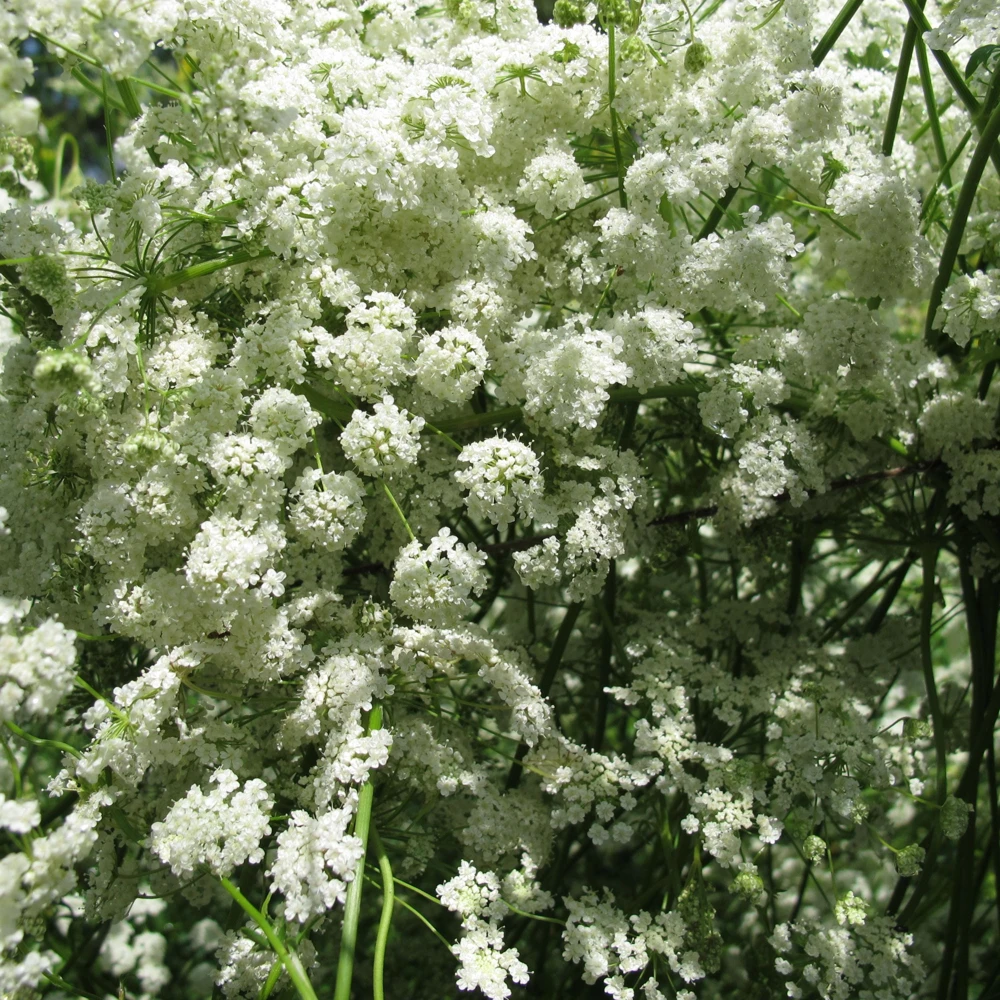
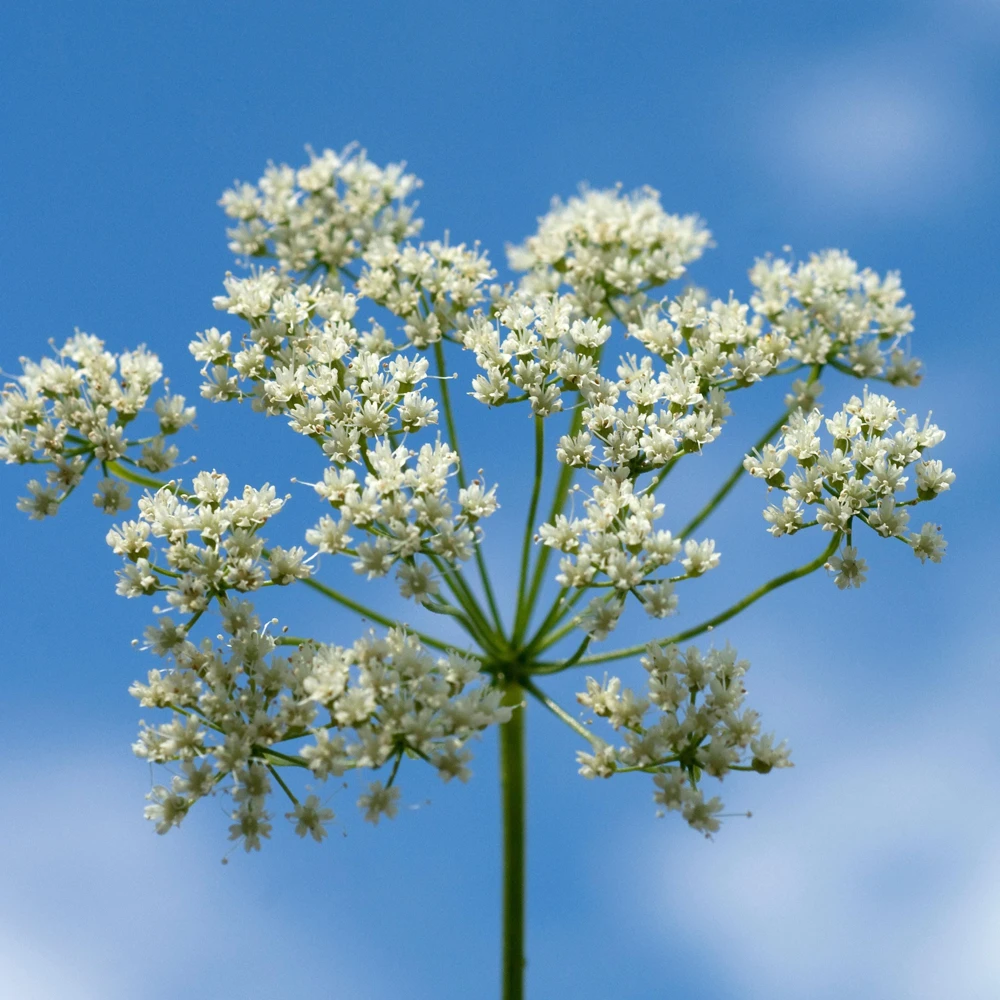
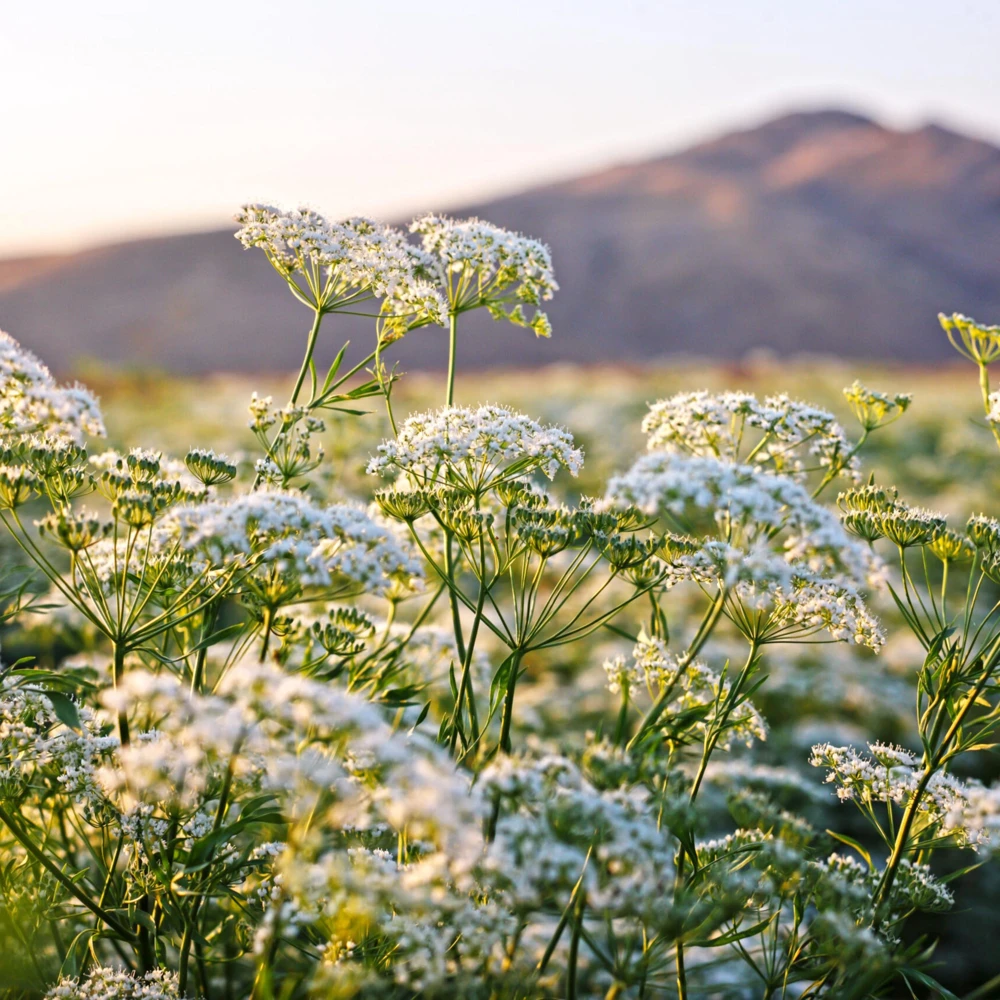
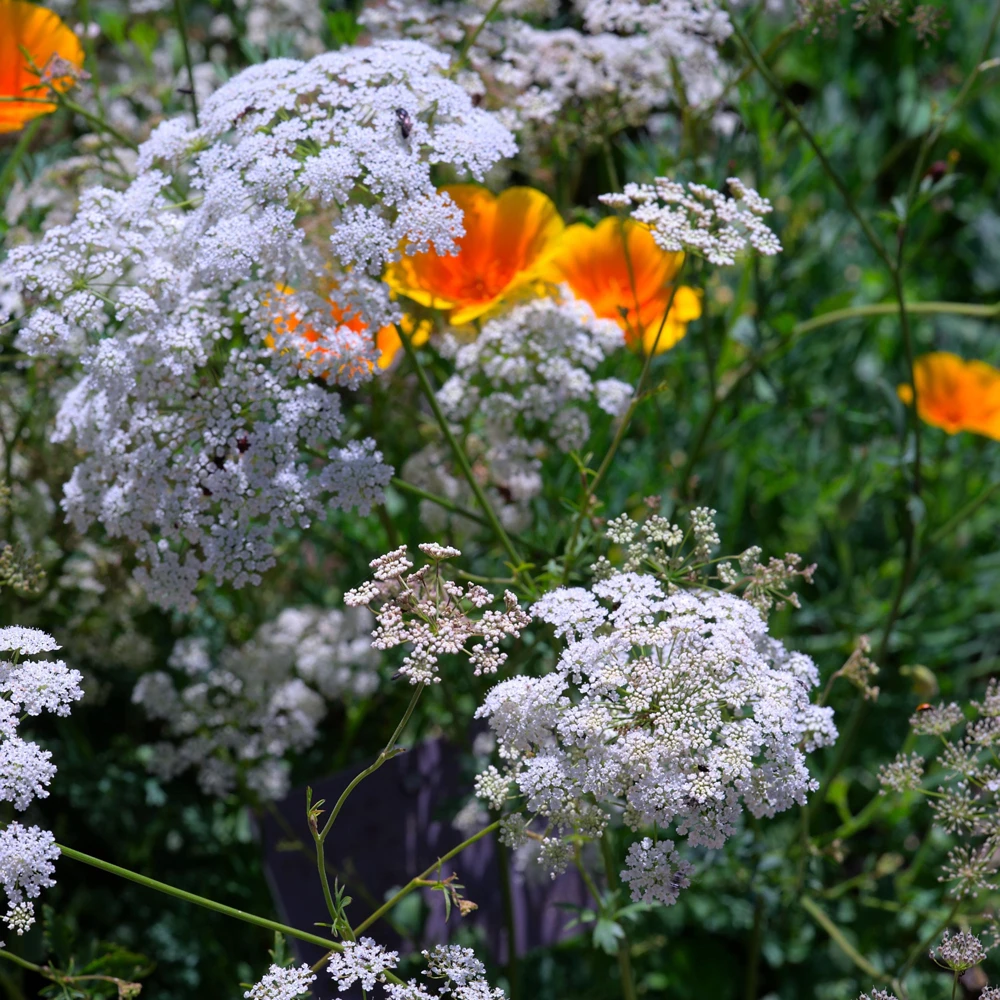
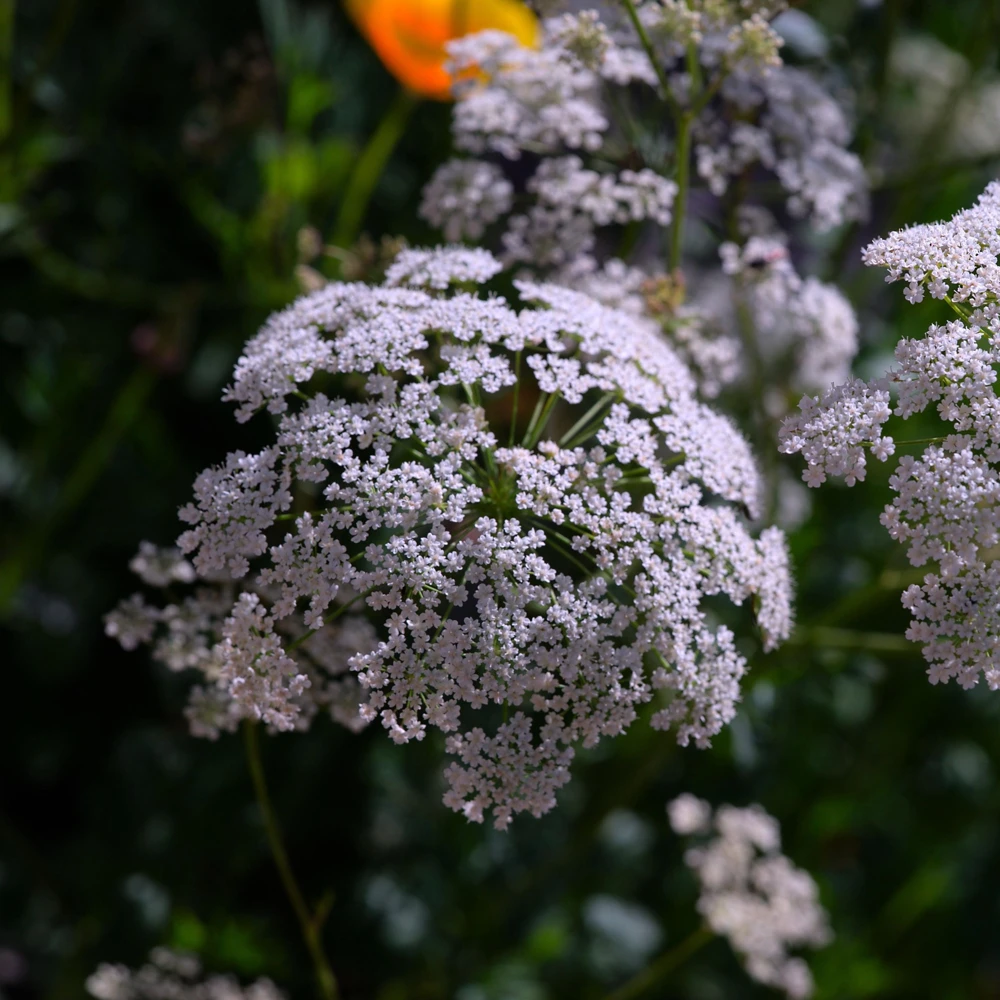
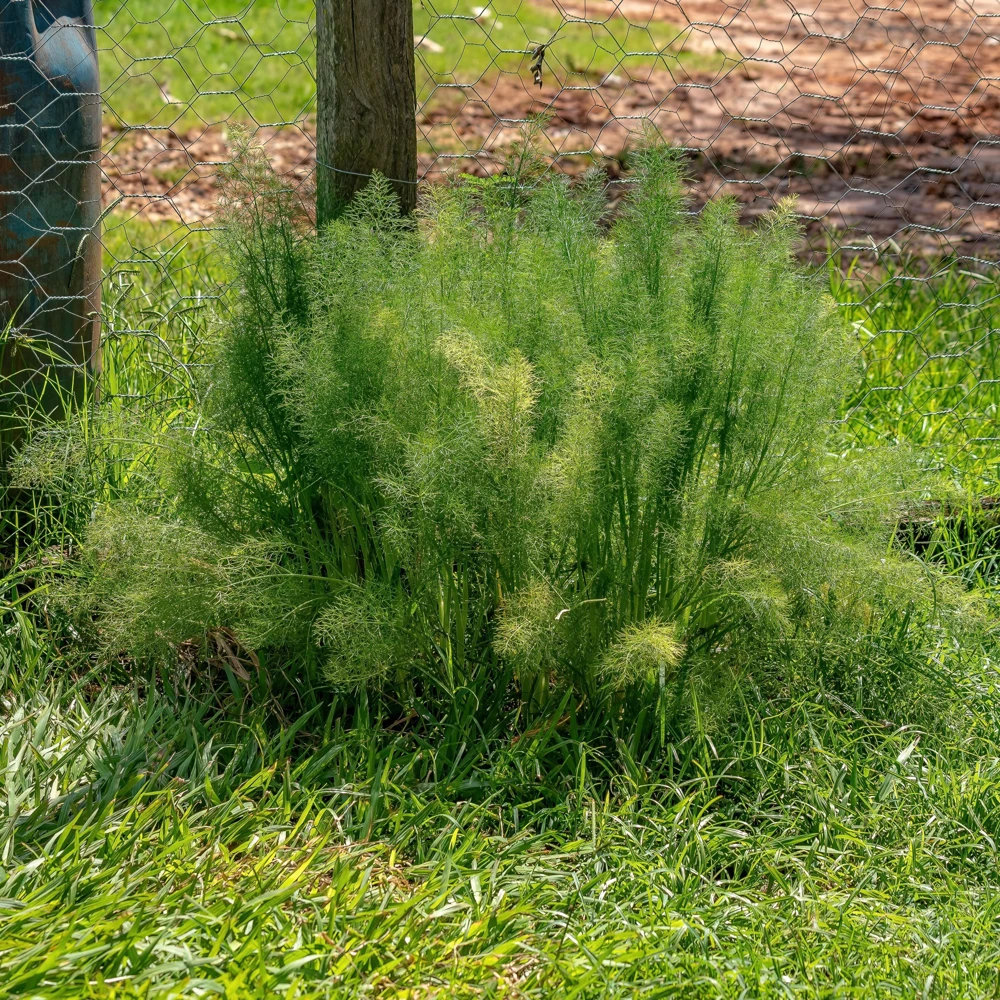
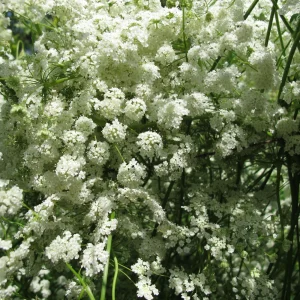
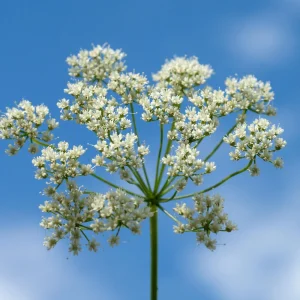
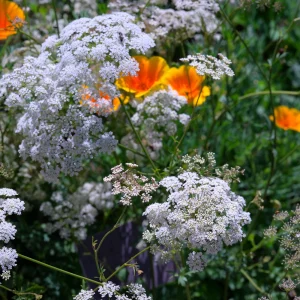
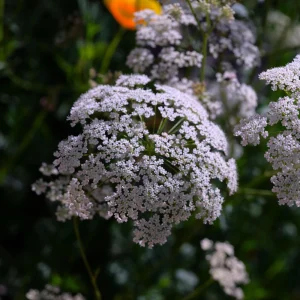
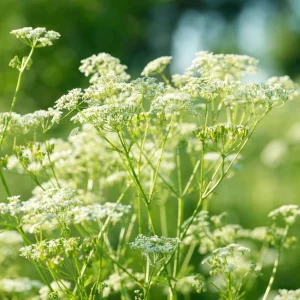
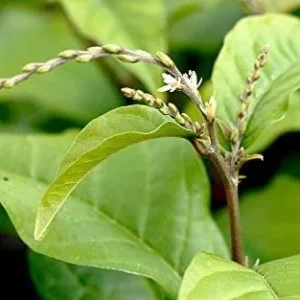
Anise plants are relatively easy to grow, thriving in full sun and well-drained soil. They produce delicate white flower clusters during the summer months, which are then followed by the small, potent seeds that are the plant’s primary treasure. Beyond its practical uses, Anise adds an ornamental touch to herb gardens, kitchen gardens, and edible landscapes with its feathery green foliage and soft blooms. Attracting pollinators such as bees and butterflies, pimpinella anisum contributes to a healthy garden ecosystem, making it a wonderful addition for any gardening enthusiast looking to grow anise.
Key Benefits
Growing your own anise seeds offers a multitude of advantages, from enhancing your culinary creations to enriching your garden’s biodiversity. This aromatic herb is a must-have for those who appreciate fresh, home-grown ingredients and the simple pleasure of nurturing plants from seed. Discover the significant benefits of cultivating anise herb seeds:
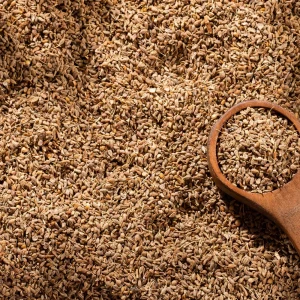
- Culinary Versatility: Harvest fresh anise seeds to infuse a sweet, licorice flavor into a wide range of dishes. Perfect for baking, teas, desserts, and savory recipes, providing a unique and aromatic twist to your home cooking.
- Aromatic Garden Addition: The feathery green foliage and delicate white flowers of the Anise plant add ornamental beauty to any garden space, creating a visually appealing and fragrant environment.
- Attracts Pollinators: Anise flowers are a magnet for beneficial pollinators like bees and butterflies, promoting a healthier garden ecosystem and supporting local biodiversity.
- Easy to Grow: With simple requirements for full sun and consistent moisture, these anise seeds are an excellent choice for gardeners of all experience levels, making it easy to grow anise successfully.
- Medicinal Properties: Historically, Anise has been used in herbal remedies for its potential digestive and carminative benefits, adding a traditional wellness aspect to your home-grown harvest.
- Freshness and Quality: Enjoy the unparalleled freshness and quality of home-grown Anise, free from pesticides and chemicals often found in commercially processed spices.
- Cost-Effective: Growing your own herbs from seed is a cost-effective way to maintain a steady supply of fresh Anise, saving money compared to purchasing dried spices regularly.
Plant Care & Growing Tips
Cultivating anise seeds is a straightforward process, making it an ideal choice for both novice and experienced gardeners. To ensure a successful harvest and robust plants, understanding the specific care requirements for pimpinella anisum is crucial. Anise thrives in conditions that mimic its natural Mediterranean origins, preferring warmth and plenty of sunshine. Starting with good quality seeds, like these anise herb seeds, sets the foundation for a healthy garden.
For optimal growth, plant your anise seeds directly into the garden after the last frost, or start them indoors a few weeks prior to transplanting. Ensure the soil is well-draining and rich in organic matter. Anise requires full sun, meaning at least 6-8 hours of direct sunlight per day, to produce the most flavorful seeds. Maintain consistent soil moisture, especially during the germination and early growth stages, but avoid waterlogging. Once established, Anise plants are relatively drought-tolerant but will benefit from regular watering during dry spells. Fertilize sparingly, as too much nitrogen can promote leafy growth at the expense of seed production. The ideal temperature range for germination is between 65–75°F (18–24°C), with germination typically occurring within 10-14 days. Harvest the seeds when the flower heads turn brown and dry for maximum potency and flavor.
Protect your Anise plants from strong winds, which can damage their delicate stems. While generally pest-resistant, keep an eye out for common garden pests and treat them organically if necessary. The USDA hardiness zone for Anise typically ranges from zones 4-9 as an annual, meaning it completes its life cycle within one growing season. With these straightforward tips, you’ll be well on your way to enjoying a bountiful harvest of your own licorice flavor herb.
Size & Details
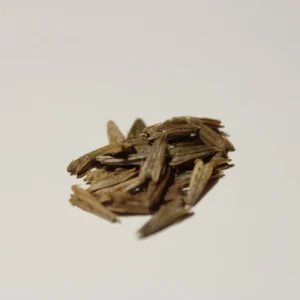
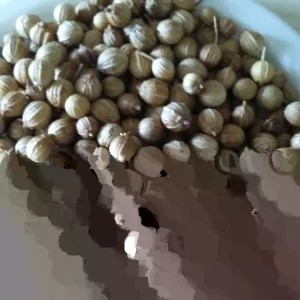
This offering includes 50 high-quality anise seeds, providing an ample supply to start your own herb garden. Each seed is ready for planting, requiring no cold stratification. Once mature, pimpinella anisum plants typically reach a height of 18–24 inches with a spread of 6–12 inches, forming an upright, branched growth habit. The plants produce delicate white flowers in summer, followed by small aromatic seeds that are ready for harvest from late summer to fall. These seeds are perfect for direct sowing in your garden or for starting indoors, offering flexibility in your planting schedule. With an easy growing difficulty, these seeds are suitable for gardeners looking to grow anise with minimal fuss.
The seeds are packaged to ensure viability upon arrival. Expect germination within 10-14 days when maintaining soil temperatures between 65–75°F. The mature plants thrive in full sun, making them an excellent choice for sunny garden beds or containers. This pack provides enough seeds to cultivate a substantial patch of this fragrant and flavorful herb, ensuring you have plenty of anise herb seeds for culinary and aromatic uses throughout the season.
Frequently Asked Questions
- Q: How many anise seeds are included in this pack? A: This pack contains 50 high-quality anise seeds, providing a generous quantity for your gardening needs.
- Q: Is Anise an indoor or outdoor plant? A: Anise is typically grown outdoors as an annual herb, thriving in full sun. While it can be started indoors, it performs best when transplanted to a sunny garden spot.
- Q: How much sunlight does Anise need? A: Anise requires full sun, meaning at least 6 to 8 hours of direct sunlight per day, to ensure healthy growth and optimal seed production for your pimpinella anisum.
- Q: Is this plant easy to care for? A: Yes, Anise is considered an easy-to-grow plant, making it suitable for beginners. It primarily needs full sun, well-draining soil, and consistent moisture during its early stages.
- Q: What condition will the seeds arrive in? A: The anise seeds will arrive in a secure package, ensuring their viability and readiness for planting upon delivery.
- Q: When is the best time to plant anise seeds? A: The best time to plant anise seeds is after the last frost in spring, either directly outdoors or started indoors a few weeks prior to transplanting.
- Q: What is the typical height of a mature Anise plant? A: A mature Anise plant typically reaches a height of 18–24 inches, with an upright, branched growth habit.
- Q: Can I use the leaves of the Anise plant? A: While the seeds are the primary culinary part, young Anise leaves can also be used in salads or as a garnish, offering a milder version of the licorice flavor herb.
- Q: How long does it take for anise seeds to germinate? A: Anise seeds typically germinate within 10-14 days, provided the soil temperature is maintained between 65–75°F (18–24°C).
- Q: Will growing anise attract beneficial insects? A: Yes, the delicate white flowers of the Anise plant are known to attract beneficial pollinators such as bees and butterflies to your garden.
Related products
-50%
Original price was: $32.00.$16.00Current price is: $16.00.
-50%
Original price was: $32.00.$16.00Current price is: $16.00.

-50%
From Original price was: $64.00.$32.00Current price is: $32.00.

PLANTING & CARE
Lemon Tree Growing: Choose, Plant, and Harvest
Learn how to choose, plant, feed, and protect a lemon tree so it fits your
23
Sep
Sep
Dwarf Meyer Lemon Tree Australia: Climate Guide
Learn where dwarf Meyer lemon trees grow, how much cold they tolerate, and whether Australia,
Where to Buy a Dwarf Meyer Lemon Tree: Buyer’s Guide
Find the right dwarf Meyer lemon tree online or locally, compare starter sizes and costs,
Dwarf Meyer Lemon Tree for Sale: Buying Guide
Compare Meyer lemon tree sizes, prices, shipping limits, indoor growing and California options before you
Dwarf Meyer Lemon Tree Guide: Size, Care and Fruit
META: Learn how large a dwarf Meyer lemon tree grows, where it thrives, and how
How to Prune a Dwarf Meyer Lemon Tree
Learn when and how to prune a dwarf Meyer lemon tree, including tools, shaping cuts,
Can You Grow a Dwarf Meyer Lemon Tree in a Pot?
META: Learn how to grow a dwarf Meyer lemon tree in a pot, including container
When Do Dwarf Meyer Lemon Trees Bloom and Fruit?
META: Dwarf Meyer lemon trees usually bloom from winter through spring and may flower again