Apricot Lisianthus Seeds – Eustoma grandiflorum – 20 Seeds – Double Rose-Like Blooms – Cut Flower
-50%
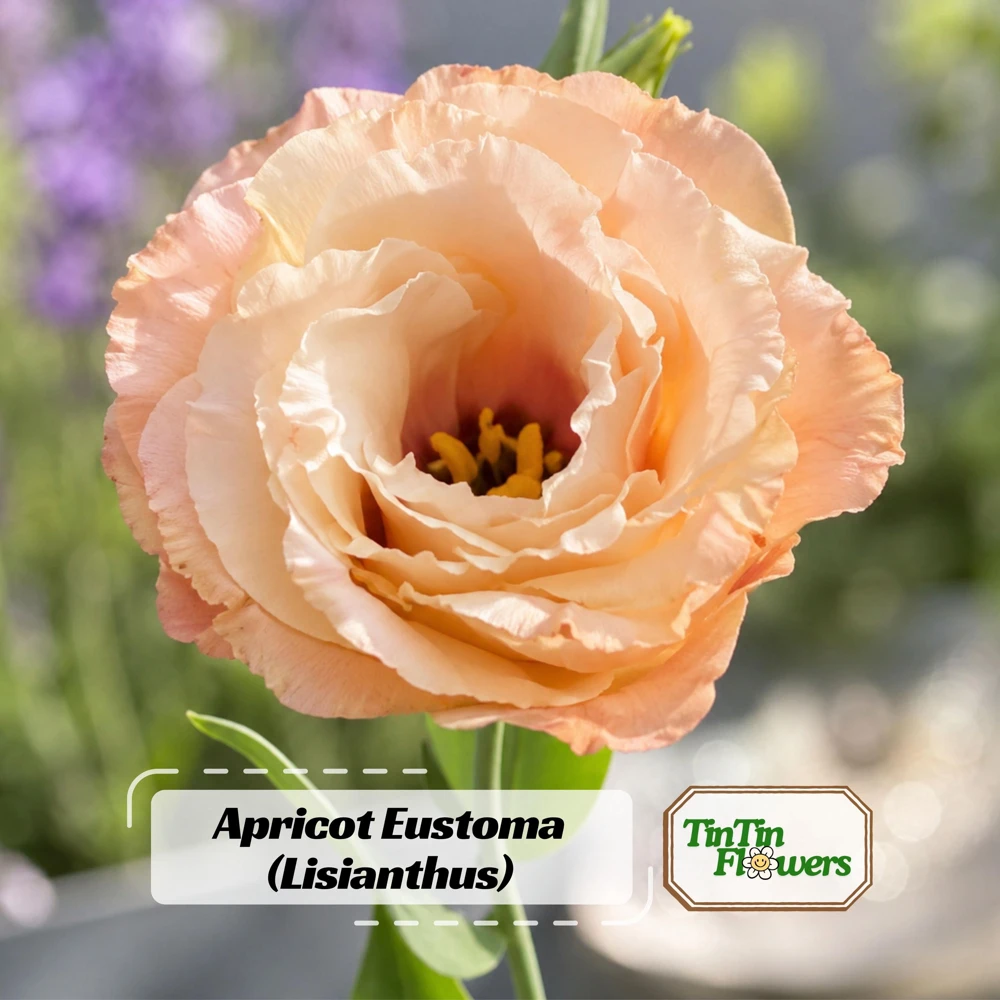
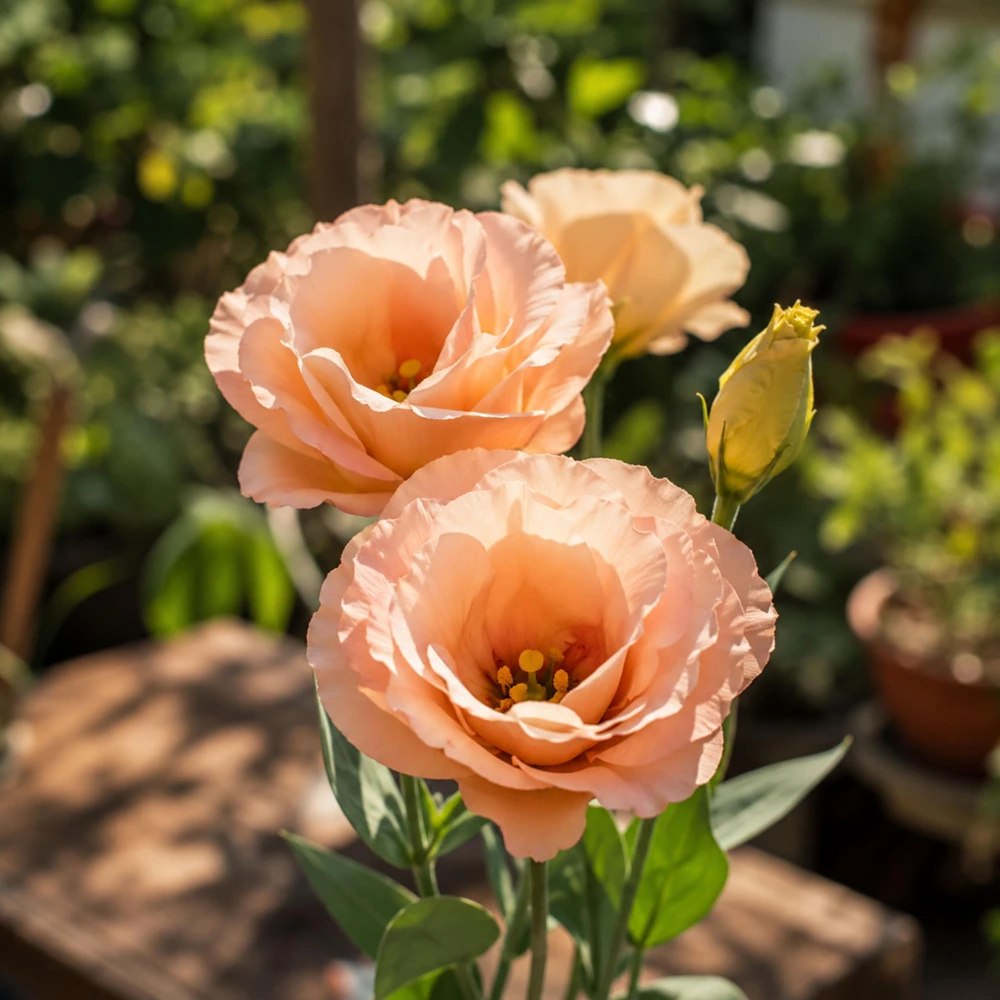
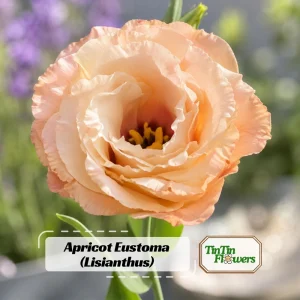
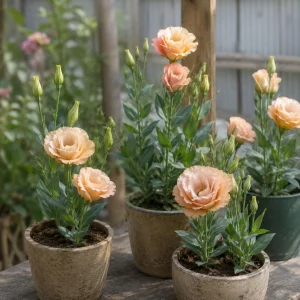
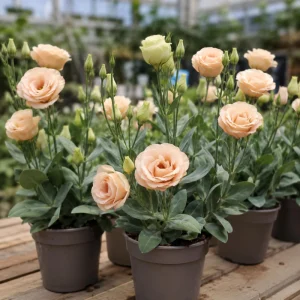
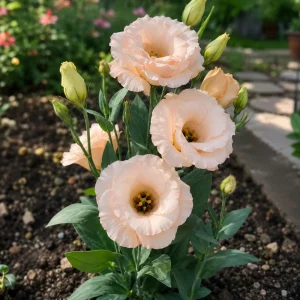
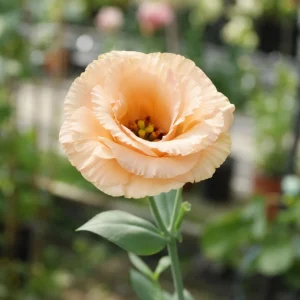
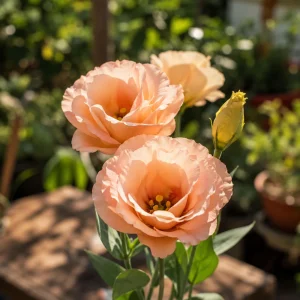
Apricot Lisianthus Seeds – Eustoma grandiflorum – 20 Seeds – Double Rose-Like Blooms – Cut Flower
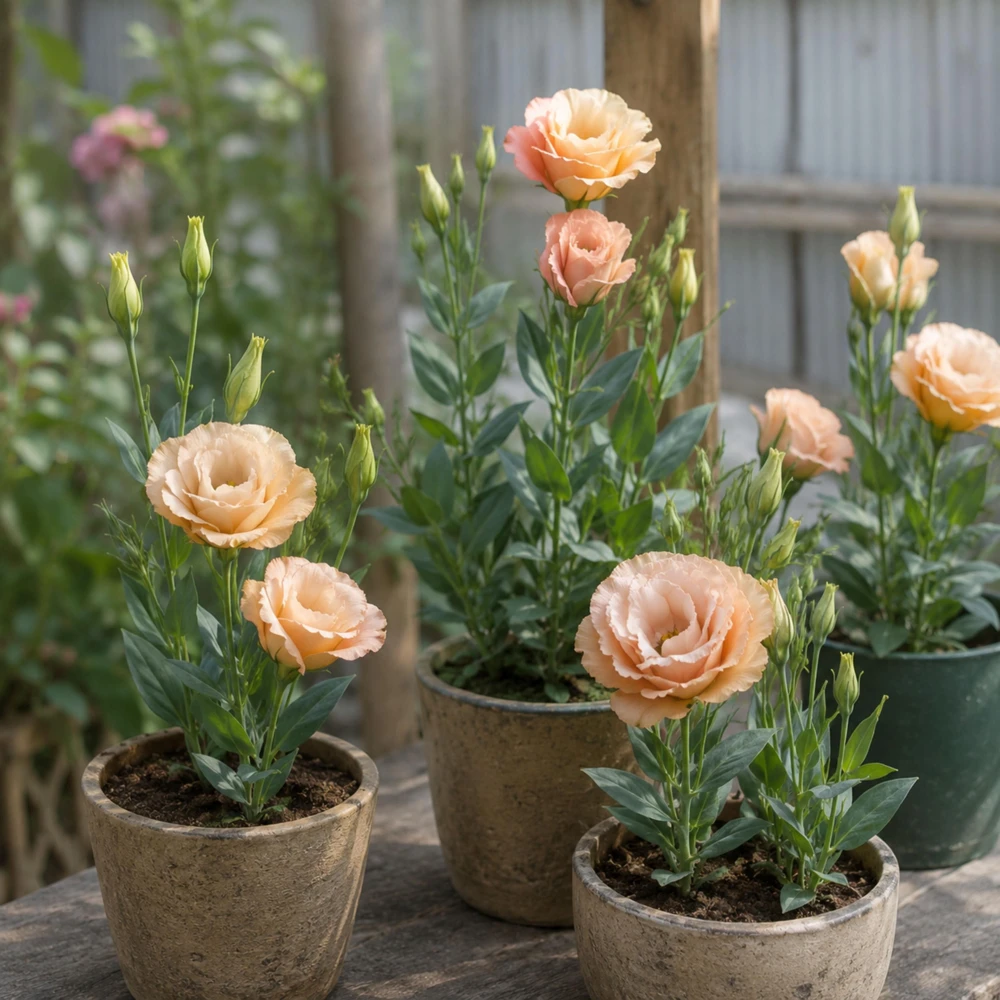
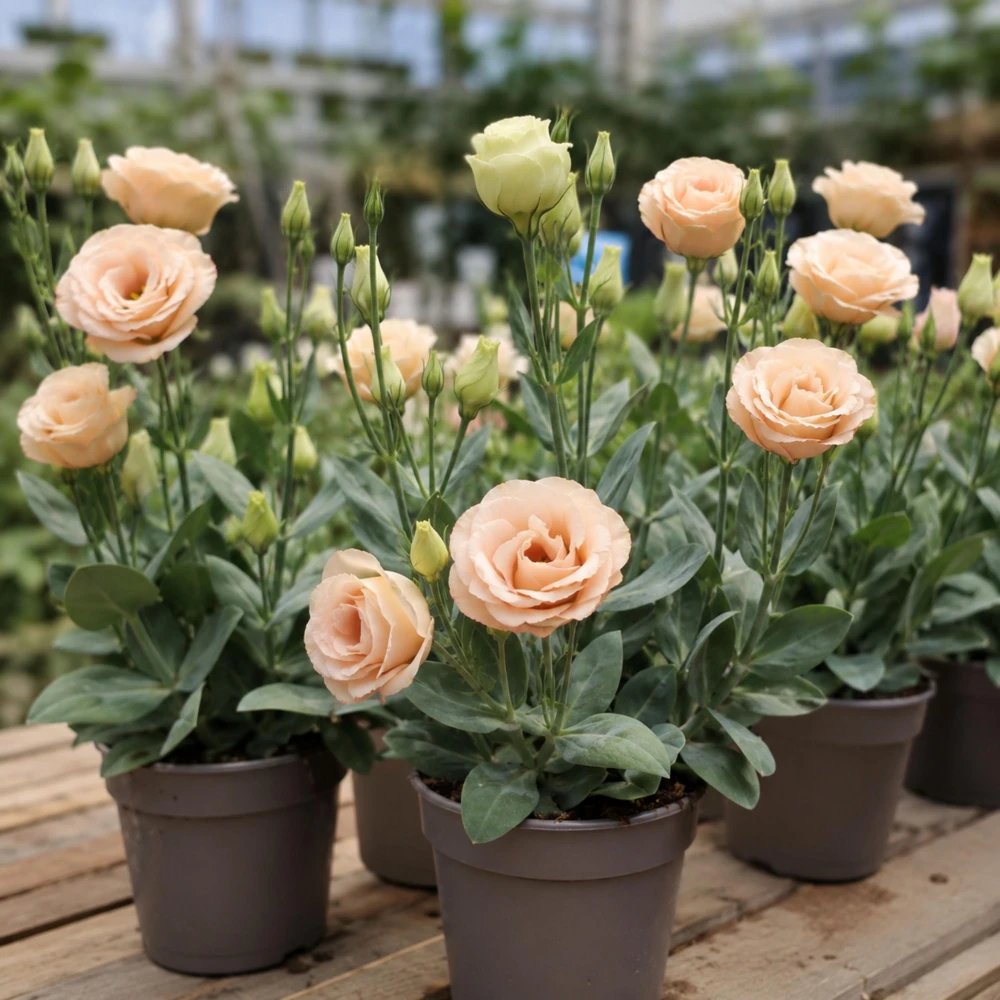
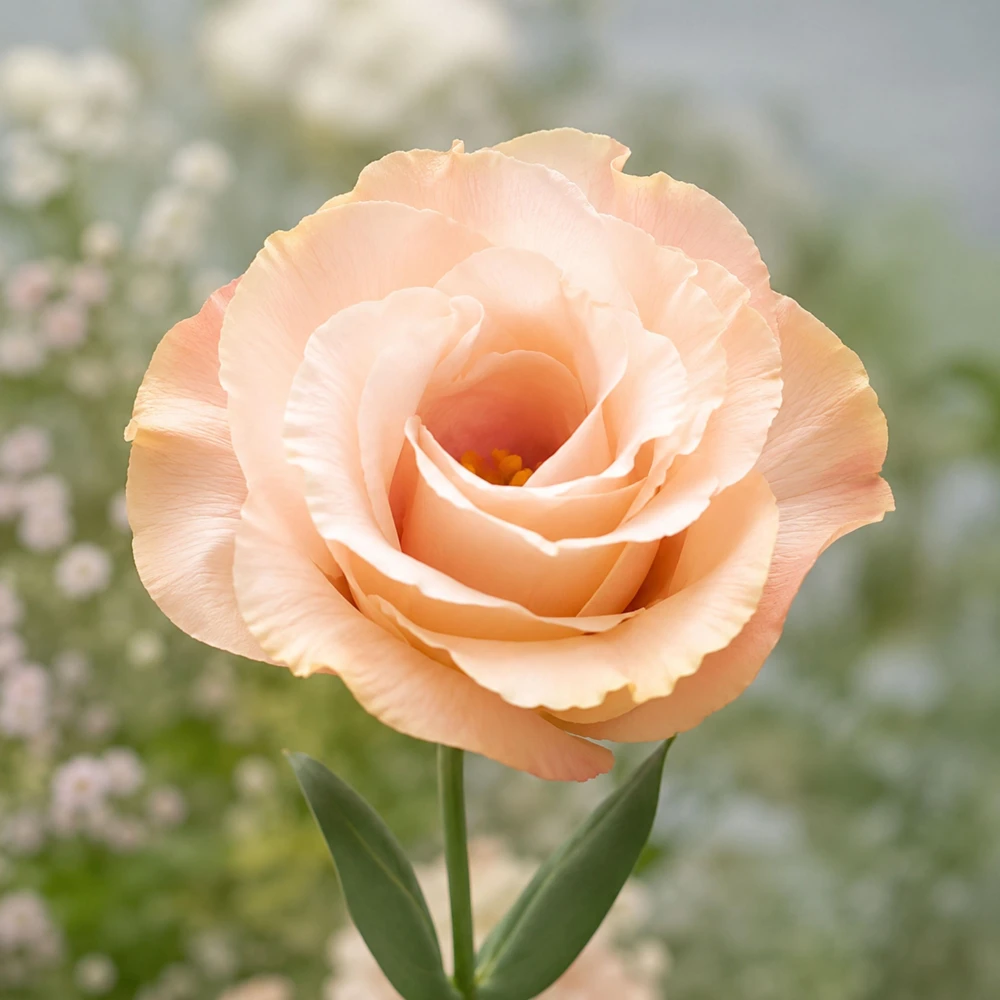
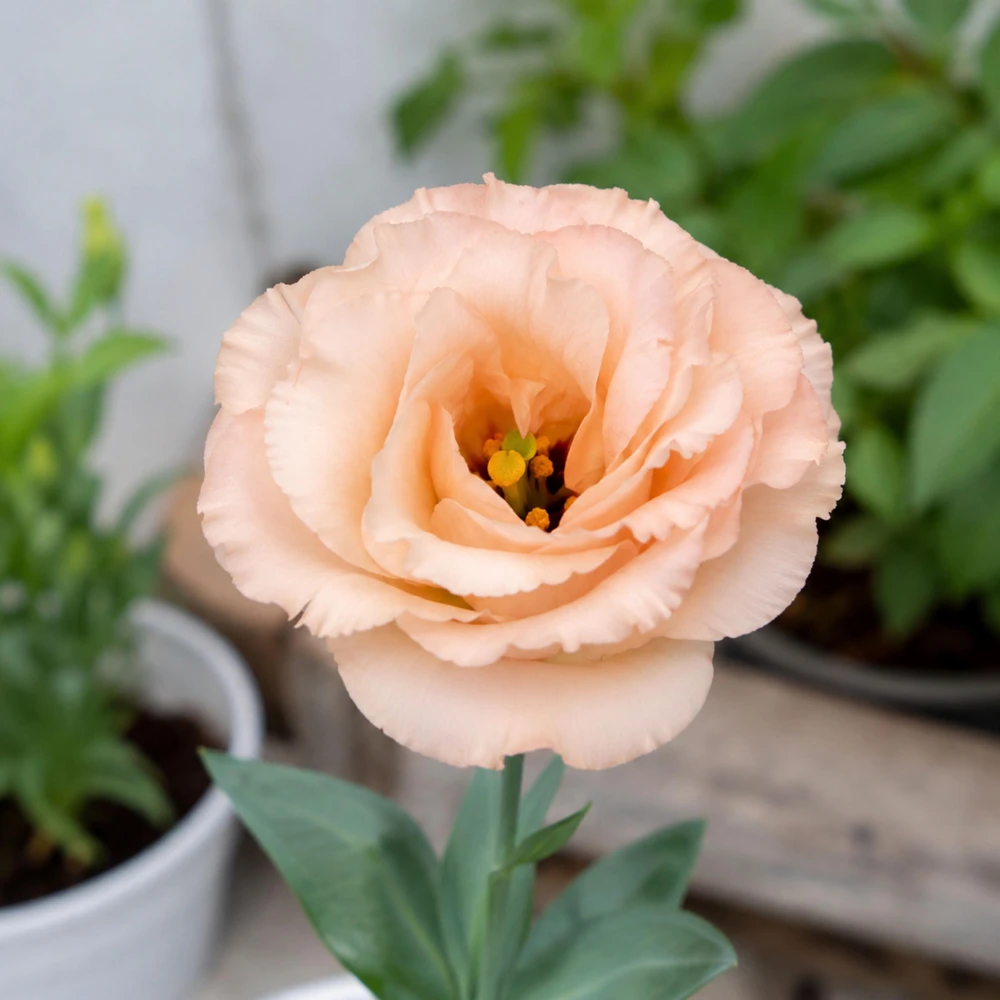
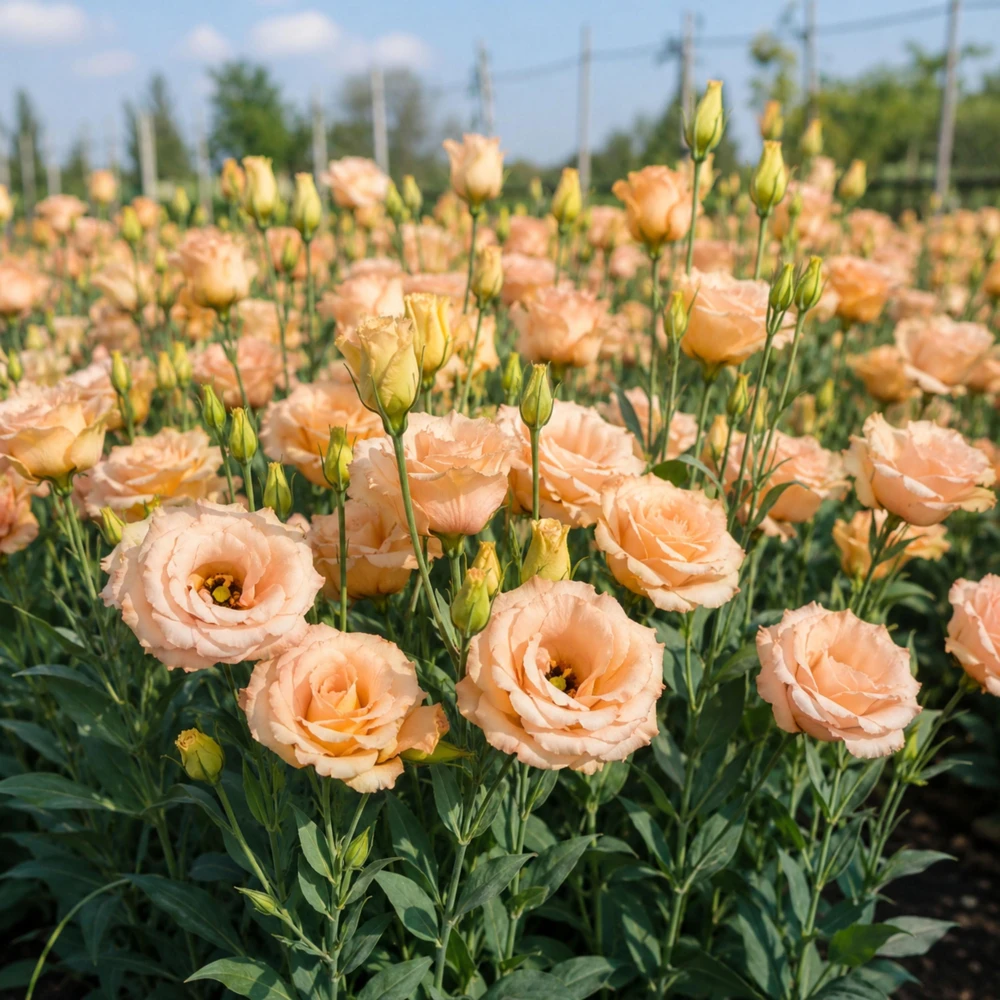
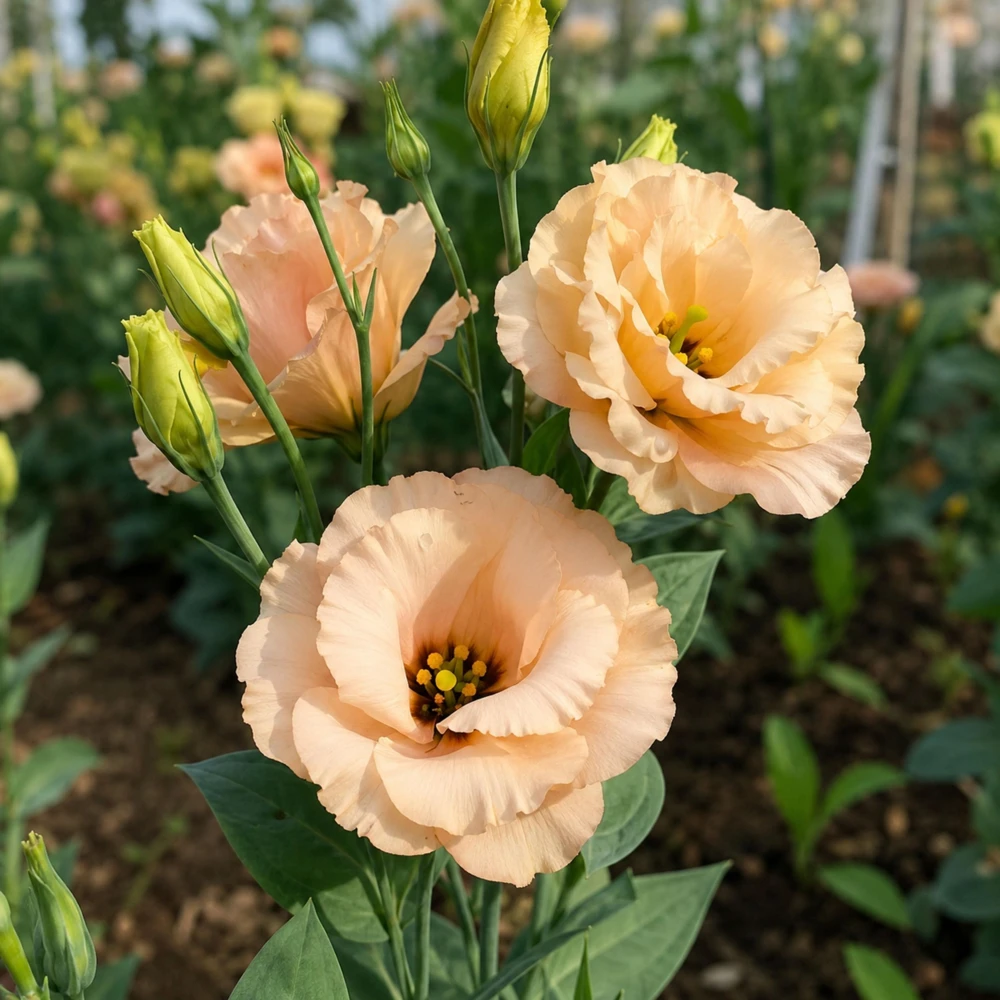
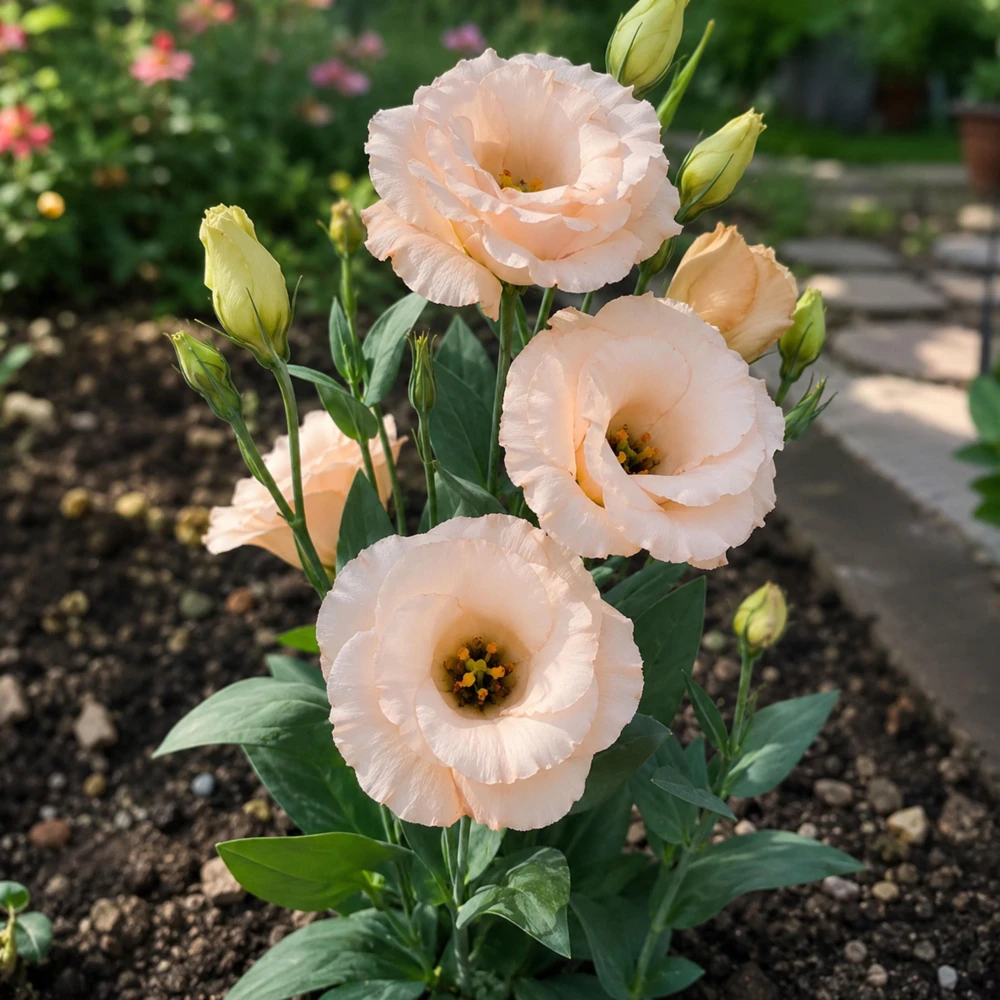
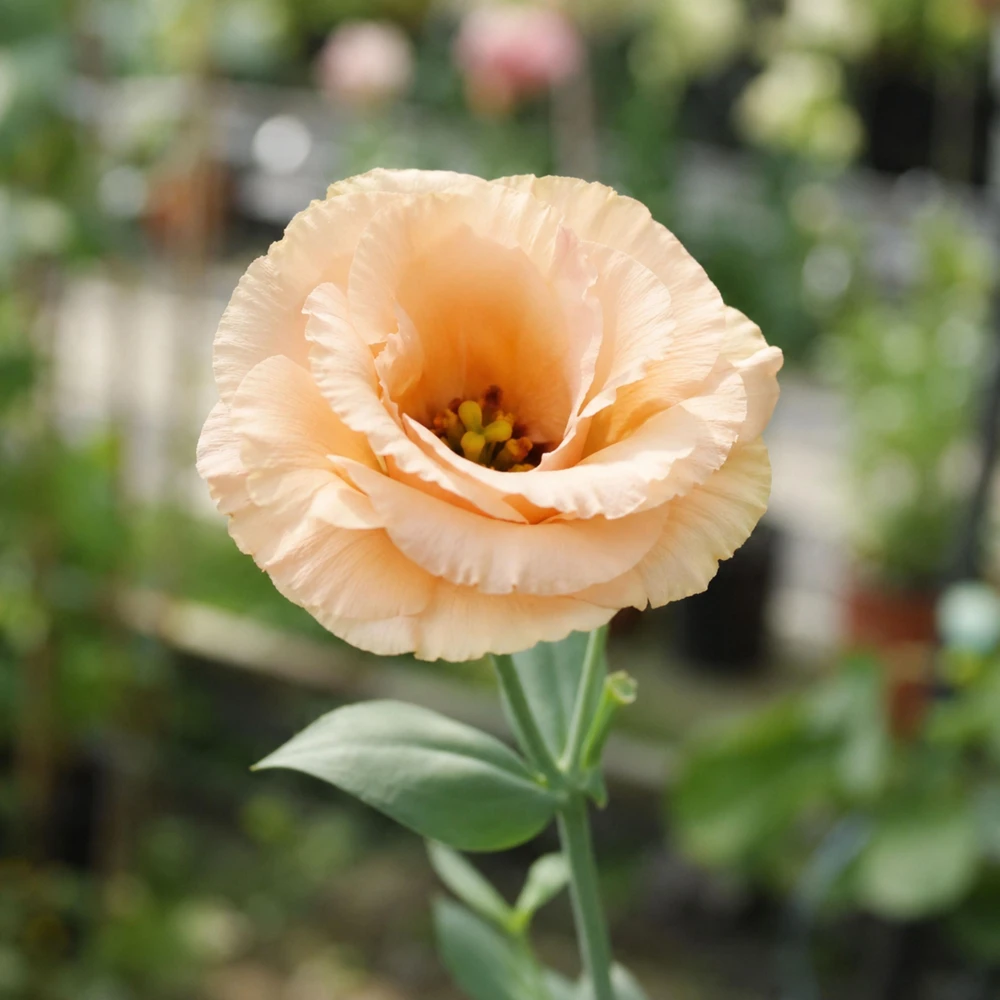
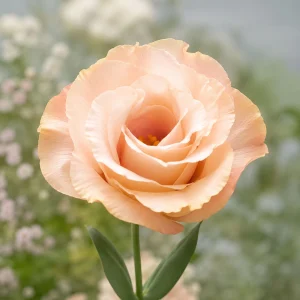
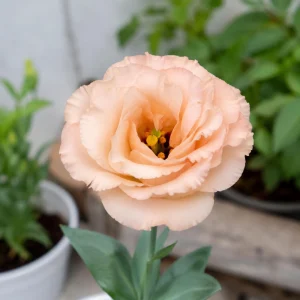
Cultivate stunning apricot lisianthus seeds (Eustoma grandiflorum) to bring elegance to your garden. These premium seeds produce soft apricot, double rose-like blooms, perfect for creating exquisite cut flower arrangements or enhancing garden beds with their long-lasting beauty.
Original price was: $15.16.$7.58Current price is: $7.58.

With our Alive & Thrive Guarantee, we’ve got your back for the first 30 days! If you have any concerns about your plants, just reach out to us. Our team is here to help answer your questions and guide you in selecting the best plants for your garden, climate, and unique preferences. We're excited to help you create the garden of your dreams!
Estimated arrival
Oct 08
Oct 13 - Oct 15
Oct 18 - Oct 22




Product Details
-
USDA Hardiness Zone
Annual (Tender Perennial in USDA Zones 9-11) -
Soil type
Well-draining seed-starting mix; well-draining garden soil -
Sunlight Exposure
Full sun to partial shade -
Expected Planting Period
Start indoors late winter to early spring
Overview
Introduce a touch of sophisticated charm to your garden with our premium apricot lisianthus seeds. These high-quality seeds, from the elegant Eustoma grandiflorum variety, promise to transform your outdoor space or floral arrangements with their unique beauty. Known for their warm apricot-colored, double, rose-like blooms, these lisianthus flowers are a favorite among gardeners, flower growers, and floral designers alike. Each seed holds the potential to grow into a graceful plant, producing abundant blossoms that exude a romantic and refined aesthetic. Whether you’re aiming to create a stunning cottage garden, fill your borders with exquisite color, or cultivate your own professional-grade cut flower supply, these eustoma grandiflorum seeds are an exceptional choice. Experience the joy of nurturing these delicate yet resilient flowers from seed to bloom, enjoying their beauty from summer through fall.
The apricot lisianthus seeds are carefully selected to ensure vigorous growth and prolific flowering. With their strong upright stems and excellent vase life, these blooms are not just a visual delight in the garden but also a perfect addition to any bouquet or floral design. Their soft peach-apricot hue adds a unique warmth and elegance, making them stand out in any setting. Start your journey into growing these magnificent flowers and discover why they are celebrated for their distinctive beauty and versatility.
Key Benefits
Cultivating apricot lisianthus seeds offers a myriad of benefits, both for the avid gardener and the floral enthusiast. These seeds grow into plants that provide exceptional aesthetic appeal and practical advantages for various applications:
- Exquisite Floral Beauty: Enjoy large, fully double blooms with layered petals in a captivating soft apricot peach hue. These rose-like flowers add unparalleled elegance and a romantic touch to any garden or floral arrangement.
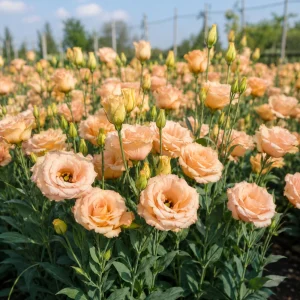
- Long Blooming Season: Plants grown from these seeds will reliably bloom from summer through fall, providing continuous color and beauty in your garden when many other flowers are fading.
- Premium Cut Flower: The strong, upright stems and excellent vase life make these lisianthus flowers ideal for bouquets, centerpieces, and professional floral designs. They are a favorite for their durability and refined appearance.
- Versatile Garden Use: Perfect for garden beds, borders, containers, and cottage gardens, these plants adapt well to various settings, enhancing any landscape with their sophisticated charm.
- Unique Color Palette: The distinct apricot coloring offers a unique alternative to traditional pinks and whites, allowing for creative and striking color combinations in your garden and arrangements.
- Rewarding Growing Experience: While moderately difficult, successfully growing lisianthus from seed is incredibly rewarding, offering gardeners the satisfaction of nurturing such beautiful flowers from their very beginning.
- Attracts Pollinators: While not a primary pollinator magnet, the beautiful blooms can attract beneficial insects to your garden, contributing to a healthy ecosystem.
Plant Care & Growing Tips
Successful cultivation of apricot lisianthus seeds requires attention to detail, but the results are well worth the effort. These plants thrive with consistent care and the right environmental conditions. Start by sowing seeds on the surface of a moist, well-draining seed-starting mix. Do not bury the very small seeds deeply; simply press them lightly into the soil. Provide bright light for germination and maintain consistent temperatures between 70–75°F (21–24°C), keeping the growing medium consistently moist. Germination typically occurs within 10–20 days, so patience is key when growing lisianthus from seed.
Once seedlings develop several true leaves, carefully transplant them, avoiding disturbance to their delicate roots. For optimal growth and abundant blooms, provide full sun exposure. In very hot climates, a little afternoon shade can help protect the plants from stress. Keep the soil evenly moist but be careful not to overwater, as good drainage is essential to prevent root rot. Fertilize regularly during active growth to support their vigorous flowering. Taller stems may benefit from support to prevent lodging. To encourage continuous blooming and a fuller plant, remove spent flowers (deadhead) regularly. Understanding these care requirements is crucial for a thriving display of these beautiful apricot cut flower seeds.
These plants are typically grown as annuals, but they can behave as tender perennials in warmer climates (USDA Zone 9 and above). Protect them from frost if you wish to overwinter them. Proper air circulation is also important to prevent fungal diseases, especially in humid conditions. With diligent care, your double bloom lisianthus will reward you with a spectacular show of color and elegance.
Size & Details
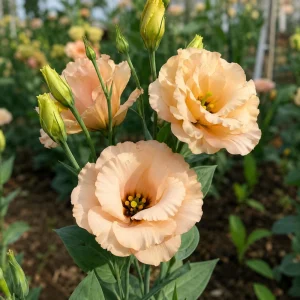
These apricot lisianthus seeds will develop into elegant flowering plants that typically reach a height of 18–36 inches with a spread of 8–12 inches, creating a substantial presence in your garden. The upright, branching growth habit supports numerous large, fully double flowers, each resembling a delicate rose. The foliage is a serene blue-green, providing a lovely contrast to the soft apricot peach blooms. These seeds are ideal for gardeners looking to cultivate a plant with a significant visual impact and excellent structural integrity for floral arrangements. Each pack contains 20 seeds, providing ample opportunity to grow a beautiful display.
The bloom season extends from summer through fall, ensuring a long period of enjoyment. Plants grown from these eustoma grandiflorum seeds require full sun to partial shade, making them adaptable to various garden aspects. They are considered to have a moderate growing difficulty, making them a rewarding challenge for intermediate gardeners. The seeds themselves require no special pre-treatment, simplifying the initial sowing process. Expect these plants to become a focal point, providing continuous beauty for months.
Frequently Asked Questions
- Q: How big do these Apricot Lisianthus plants get? A: These plants typically grow to a height of 18–36 inches (45–90 cm) with a spread of 8–12 inches (20–30 cm). Their upright, branching habit makes them excellent for garden beds and cut flowers.
- Q: How much sunlight do Apricot Lisianthus seeds need to grow well? A: For the best blooms and strongest stems, these plants prefer full sun. In extremely hot climates, providing light afternoon shade can help protect them from intense heat and direct sunlight.
- Q: Is growing lisianthus from seed difficult for beginners? A: Growing lisianthus from seed is considered moderately difficult. While not for absolute beginners, gardeners with some experience will find the process rewarding. Key factors are consistent moisture, warm temperatures for germination, and careful transplanting.
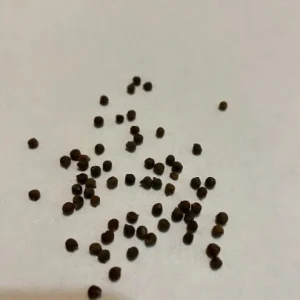
- Q: What condition will the Apricot Lisianthus seeds arrive in? A: You will receive a packet containing 20 high-quality apricot lisianthus seeds. The seeds are very small and may be coated for easier handling, arriving ready for sowing.
- Q: When is the best time to plant these Eustoma grandiflorum seeds? A: It’s best to start these eustoma grandiflorum seeds indoors 10-12 weeks before your last expected frost date. This gives them enough time to establish before being transplanted outdoors after all danger of frost has passed.
- Q: What kind of soil do Apricot Lisianthus prefer? A: Apricot Lisianthus thrive in a moist, well-draining seed-starting mix for germination, and then in well-draining garden soil that is rich in organic matter. Good drainage is crucial to prevent root issues.
- Q: Will these double bloom lisianthus survive winter in my zone? A: These plants are generally grown as annuals in most climates. They can survive as tender perennials in USDA Zones 9 and warmer, where they might overwinter if protected from frost.
- Q: Can I use these Apricot Lisianthus as cut flowers? A: Absolutely! These apricot cut flower seeds are specifically noted for producing flowers with strong upright stems and an excellent vase life, making them a top choice for professional and home floral arrangements.
- Q: How long does it take for Apricot Lisianthus to bloom from seed? A: From sowing to blooming, it typically takes about 4-5 months. Patience is required, but the stunning double bloom lisianthus are well worth the wait.
- Q: Do I need to fertilize my Apricot Lisianthus plants? A: Yes, regular fertilization during active growth is recommended to support abundant flowering. Use a balanced liquid fertilizer according to the product instructions.
Related products
-50%


Original price was: $19.16.$9.58Current price is: $9.58.
-50%
Original price was: $23.96.$11.98Current price is: $11.98.
-50%
Original price was: $95.96.$47.98Current price is: $47.98.
-50%
Original price was: $7.98.$3.98Current price is: $3.98.
-15%
From Original price was: $28.00.$23.80Current price is: $23.80.
-50%

Original price was: $23.96.$11.98Current price is: $11.98.
-15%
From Original price was: $16.00.$13.60Current price is: $13.60.
-50%
From Original price was: $63.60.$31.80Current price is: $31.80.
PLANTING & CARE
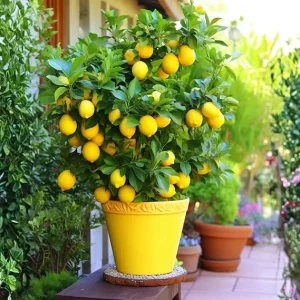
Lemon Tree Growing: Choose, Plant, and Harvest
Learn how to choose, plant, feed, and protect a lemon tree so it fits your
23
Sep
Sep
Dwarf Meyer Lemon Tree Australia: Climate Guide
Learn where dwarf Meyer lemon trees grow, how much cold they tolerate, and whether Australia,
Where to Buy a Dwarf Meyer Lemon Tree: Buyer’s Guide
Find the right dwarf Meyer lemon tree online or locally, compare starter sizes and costs,
Dwarf Meyer Lemon Tree for Sale: Buying Guide
Compare Meyer lemon tree sizes, prices, shipping limits, indoor growing and California options before you
Dwarf Meyer Lemon Tree Guide: Size, Care and Fruit
META: Learn how large a dwarf Meyer lemon tree grows, where it thrives, and how
How to Prune a Dwarf Meyer Lemon Tree
Learn when and how to prune a dwarf Meyer lemon tree, including tools, shaping cuts,
Can You Grow a Dwarf Meyer Lemon Tree in a Pot?
META: Learn how to grow a dwarf Meyer lemon tree in a pot, including container
When Do Dwarf Meyer Lemon Trees Bloom and Fruit?
META: Dwarf Meyer lemon trees usually bloom from winter through spring and may flower again