Bay Leaf Live Plant 6-8in Tall – Laurus Nobilis – 4in Pot – Culinary Herb
-25%
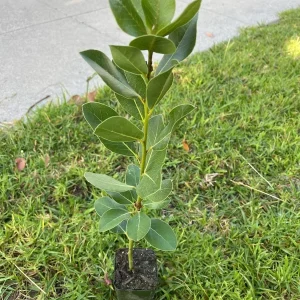
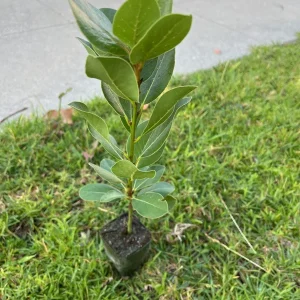
Bay Leaf Live Plant 6-8in Tall – Laurus Nobilis – 4in Pot – Culinary Herb
Bring the fresh aroma of the Mediterranean to your home with a bay leaf live plant. Standing 6-8 inches tall in a 4-inch pot, this Laurus nobilis is ideal for culinary use, adding rich flavor to your dishes. Perfect for indoor growing or as an outdoor accent in warmer climates.
Original price was: $32.00.$23.98Current price is: $23.98.

With our Alive & Thrive Guarantee, we’ve got your back for the first 30 days! If you have any concerns about your plants, just reach out to us. Our team is here to help answer your questions and guide you in selecting the best plants for your garden, climate, and unique preferences. We're excited to help you create the garden of your dreams!
Estimated arrival
Nov 12
Nov 17 - Nov 19
Nov 22 - Nov 26
Product Details
-
USDA Hardiness Zone
USDA zones 8-11 (outdoors), year-round indoors -
Soil type
Well-draining potting mix -
Sunlight Exposure
Full sun to partial shade -
Expected Planting Period
Year-round indoors, spring to early fall outdoors
Overview
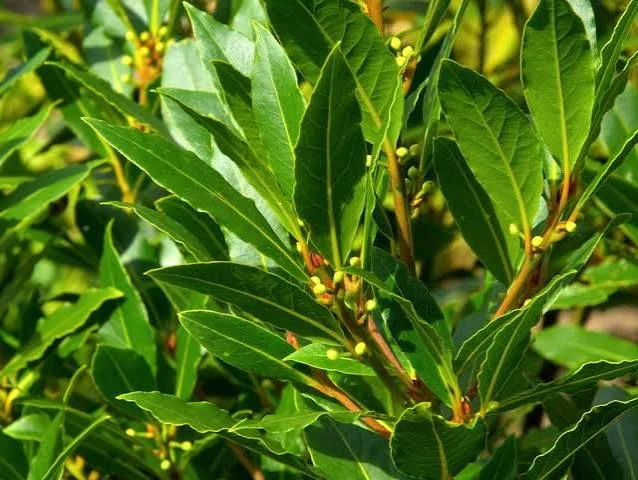
Enhance your culinary creations and garden with a beautiful bay leaf live plant. This exquisite Laurus nobilis, commonly known as the Bay Laurel, is a live plant measuring 6-8 inches tall and arrives rooted in a healthy 4-inch nursery pot. Known for its aromatic leaves, the bay leaf live plant is a staple in kitchens worldwide, providing a subtle, earthy flavor to soups, stews, sauces, and roasts. Beyond its culinary appeal, this plant is also highly ornamental, featuring glossy, dark green leaves that add a touch of classic elegance to any space, whether indoors on a windowsill or outdoors in a garden bed or container. Owning a bay leaf live plant ensures a fresh, organic supply of this versatile herb right at your fingertips, offering a superior flavor experience compared to dried alternatives. It’s a rewarding plant for both novice and experienced gardeners, adapting well to various growing conditions with proper care.
Key Benefits
Cultivating a bay leaf live plant offers a multitude of advantages, from its practical culinary uses to its aesthetic contributions to your home and garden. This plant is more than just an herb; it’s a living, breathing addition that enriches your environment in several ways:
- Fresh Culinary Herb: Enjoy a continuous supply of fresh bay leaves for cooking. Fresh leaves offer a more vibrant and nuanced flavor than dried ones, elevating your dishes. The aromatic quality of the Laurus nobilis plant is truly unparalleled when harvested directly from your own plant.
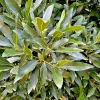
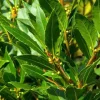
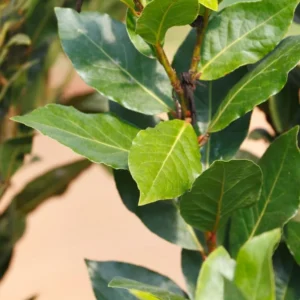
- Aromatic Foliage: The glossy, dark green leaves release a delightful, subtle fragrance when brushed or bruised, contributing to a pleasant atmosphere in your home or garden. This natural aroma can be quite calming and refreshing.
- Ornamental Appeal: With its classic, elegant appearance, the Bay Laurel makes a beautiful decorative plant. It can be easily pruned into various shapes, making it a versatile choice for formal gardens, patio containers, or as a stately indoor specimen.
- Low Maintenance: Once established, the bay leaf live plant is relatively easy to care for, requiring moderate watering and sunlight. It’s a resilient plant that can tolerate a range of conditions, making it suitable for busy individuals.
- Evergreen Beauty: As an evergreen shrub or small tree, it retains its lush foliage year-round, providing consistent greenery and structure to your landscape or indoor plant collection, even during colder months.
- Air Purification: Like many live plants, the Bay Laurel contributes to better indoor air quality by absorbing carbon dioxide and releasing oxygen, creating a healthier living environment.
- Long Lifespan: With proper care, a Bay Laurel can live for many years, growing into a substantial and cherished part of your home or garden, providing joy and utility for decades.
Plant Care & Growing Tips
Caring for your bay leaf live plant is straightforward and rewarding, ensuring a healthy, productive herb for years to come. This plant thrives with consistent attention to its basic needs. For sunlight, the Bay Laurel prefers full sun to partial shade. If growing indoors, place it near a south or west-facing window where it can receive at least 6 hours of bright, direct sunlight daily. Outdoors, choose a spot that gets morning sun and some afternoon shade, especially in hotter climates, to prevent leaf scorch. When considering how to grow bay leaf, proper watering is crucial. Water thoroughly when the top inch of soil feels dry to the touch, allowing excess water to drain completely. Avoid overwatering, which can lead to root rot; the plant prefers slightly drier conditions between waterings. During winter, reduce watering frequency as growth slows.
The ideal soil for your Laurus nobilis plant is a well-draining, fertile potting mix. A good quality all-purpose potting soil with added perlite or sand for improved drainage works well. Ensure the pot has drainage holes to prevent waterlogging. Bay Laurels are hardy in USDA zones 8-11 when planted outdoors, tolerating temperatures down to about 20°F (-6°C). In colder zones, it’s best to grow them in containers so they can be brought indoors during winter. They prefer moderate temperatures, ideally between 60-75°F (15-24°C). Fertilize your bay leaf live plant every 2-4 weeks during the growing season (spring and summer) with a balanced liquid fertilizer diluted to half strength. Reduce or stop fertilizing in fall and winter. Common problems usually stem from improper watering or light. Yellowing leaves can indicate overwatering, while brown, crispy leaves suggest underwatering or too much direct sun. Inspect regularly for pests like scale or mealybugs and treat with insecticidal soap if necessary. Pruning can be done to maintain shape and size, and to encourage bushier growth.
Size & Details
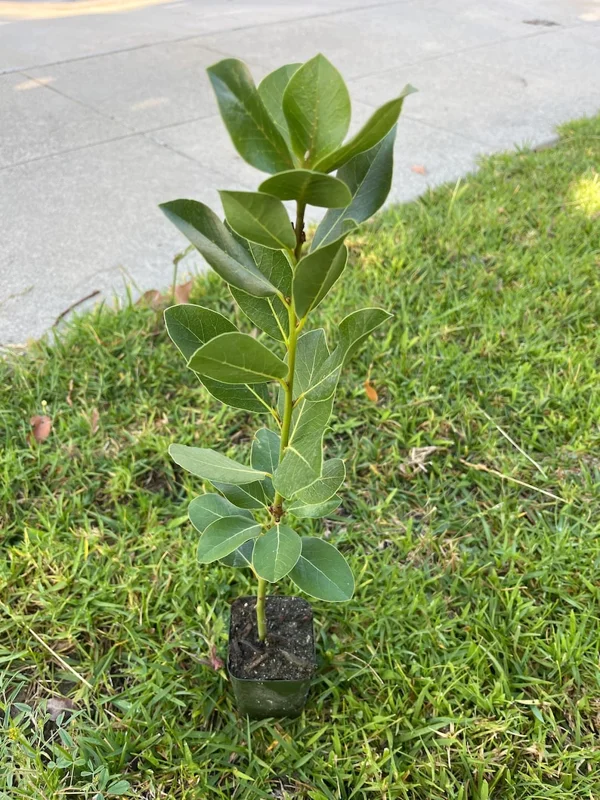
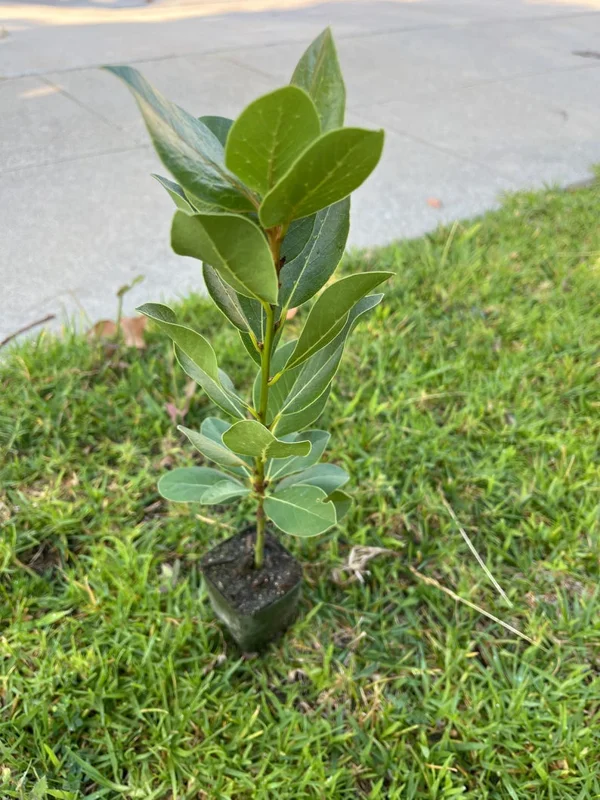
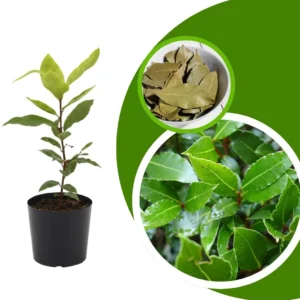
This offering is for one healthy bay leaf live plant, specifically a Laurus nobilis, which will arrive carefully packaged in its nursery pot. At the time of shipment, the plant measures approximately 6-8 inches tall from the soil line to the top of its foliage, providing a compact yet established specimen ready for transplanting or continued growth in its current container. It is rooted in a standard 4-inch diameter nursery pot, ensuring a well-developed root system that promotes successful acclimation to its new environment. The Bay Laurel is a slow to moderate grower, typically adding several inches of height per year. When mature, it can reach heights of 10-20 feet or more in ideal outdoor conditions, but it can be easily maintained at a smaller, bushier size through regular pruning, making it suitable for containers or smaller garden spaces. Expect this plant to ship as a live, potted plant with soil, ready to thrive upon arrival. The leaves will be ready for harvest as soon as the plant has settled into its new home.
Frequently Asked Questions
- Q: How big does this plant get? A: This bay leaf live plant is 6-8 inches tall upon arrival in a 4-inch pot. While it can grow into a large tree (10-20 feet) outdoors in suitable climates, it is easily maintained at a compact size (2-6 feet) with regular pruning, making it ideal for indoor containers or smaller garden spaces.
- Q: Is this an indoor or outdoor plant? A: The Laurus nobilis plant is versatile and can be grown both indoors and outdoors. In USDA zones 8-11, it can be planted directly in the ground year-round. In colder zones, it should be grown in a container and brought indoors during winter to protect it from frost.
- Q: How much sunlight does it need? A: Your bay leaf live plant thrives in full sun to partial shade. If grown indoors, place it in a bright location, such as a south or west-facing window, where it receives at least 6 hours of direct sunlight. Outdoors, ensure it gets morning sun and some afternoon shade in hot climates.
- Q: Is this plant easy to care for? A: Yes, the Bay Laurel is considered a relatively easy-care plant once established. It requires consistent watering, good drainage, and adequate sunlight. Regular pruning helps maintain its shape and encourages healthy growth, making it a good choice for beginners learning how to grow bay leaf.
- Q: What condition will it arrive in? A: Your plant will arrive as a healthy, live potted plant, carefully packaged to minimize stress during transit. It will be rooted in its 4-inch nursery pot with soil, ready for you to unbox and place in its new home.
- Q: Can I use bay leaf in cooking? A: Absolutely! The leaves from your bay leaf live plant are perfect for culinary use. They add a distinctive, aromatic flavor to a wide range of dishes, including soups, stews, sauces, and roasts. Harvest leaves as needed for the freshest taste.
- Q: When is the best time to plant? A: If planting outdoors in suitable zones, spring or early fall are ideal. For indoor container growing, the plant can be potted and enjoyed year-round. Repotting into a larger container can be done any time the plant becomes root-bound.
- Q: Is the bay leaf plant pet-safe? A: Bay Laurel (Laurus nobilis) is generally considered toxic to pets if ingested in large quantities, potentially causing gastrointestinal upset. It’s best to keep the plant out of reach of curious pets.
- Q: What’s the minimum temperature it can withstand? A: The bay leaf live plant can tolerate temperatures down to about 20°F (-6°C) when established outdoors. For temperatures below this, it should be protected or brought indoors to prevent cold damage.
- Q: How often should I fertilize my bay tree for cooking? A: During the active growing season (spring and summer), fertilize every 2-4 weeks with a balanced liquid fertilizer, diluted to half strength. Reduce or stop fertilizing during the dormant period in fall and winter.
Related products
-58%
Original price was: $39.99.$16.99Current price is: $16.99.
-30%
Original price was: $59.98.$41.98Current price is: $41.98.
-50%
Original price was: $79.96.$39.98Current price is: $39.98.
-48%
Original price was: $39.99.$20.99Current price is: $20.99.
-50%
Original price was: $27.96.$13.98Current price is: $13.98.
-67%
Original price was: $39.72.$13.24Current price is: $13.24.
-67%
From Original price was: $35.22.$11.74Current price is: $11.74.
-67%
Original price was: $75.72.$25.24Current price is: $25.24.
PLANTING & CARE
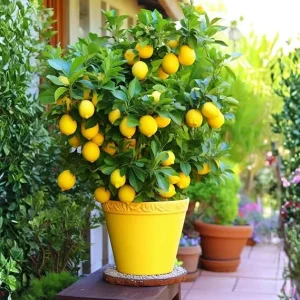
Lemon Tree Growing: Choose, Plant, and Harvest
Learn how to choose, plant, feed, and protect a lemon tree so it fits your
23
Sep
Sep
Dwarf Meyer Lemon Tree Australia: Climate Guide
Learn where dwarf Meyer lemon trees grow, how much cold they tolerate, and whether Australia,
Where to Buy a Dwarf Meyer Lemon Tree: Buyer’s Guide
Find the right dwarf Meyer lemon tree online or locally, compare starter sizes and costs,
Dwarf Meyer Lemon Tree for Sale: Buying Guide
Compare Meyer lemon tree sizes, prices, shipping limits, indoor growing and California options before you
Dwarf Meyer Lemon Tree Guide: Size, Care and Fruit
META: Learn how large a dwarf Meyer lemon tree grows, where it thrives, and how
How to Prune a Dwarf Meyer Lemon Tree
Learn when and how to prune a dwarf Meyer lemon tree, including tools, shaping cuts,
Can You Grow a Dwarf Meyer Lemon Tree in a Pot?
META: Learn how to grow a dwarf Meyer lemon tree in a pot, including container
When Do Dwarf Meyer Lemon Trees Bloom and Fruit?
META: Dwarf Meyer lemon trees usually bloom from winter through spring and may flower again