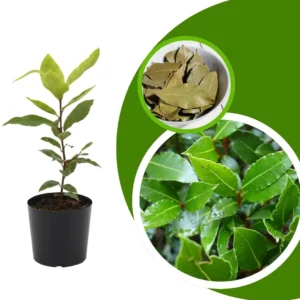
Bay Leaf Live Plant – Laurus Nobilis Starter in 3 inch Pot
-24%
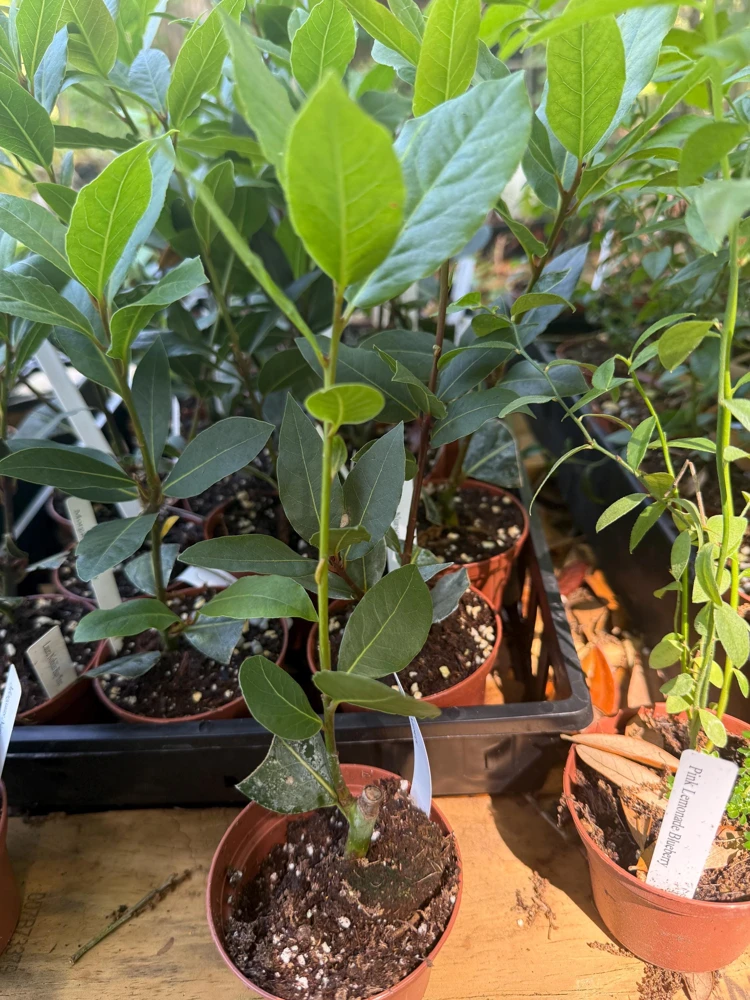
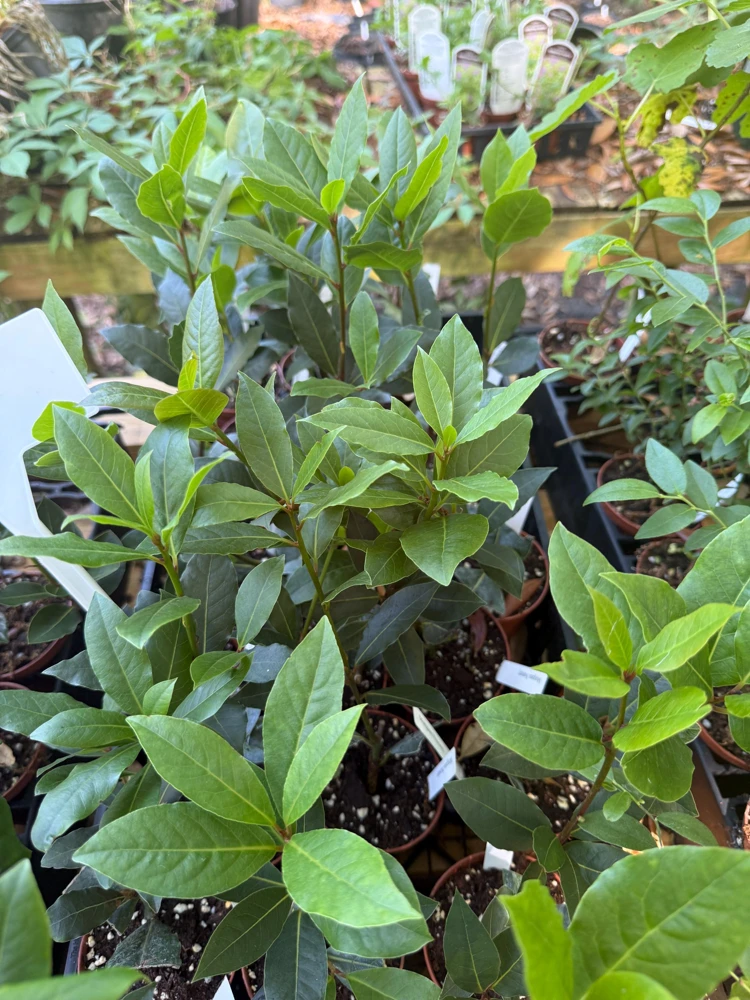
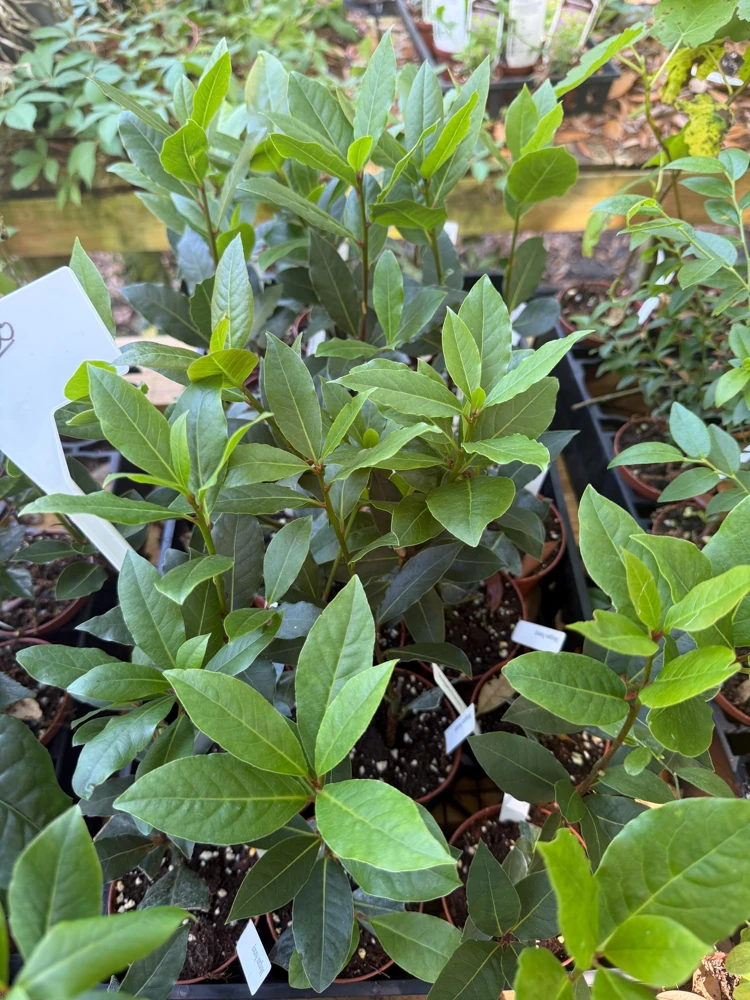
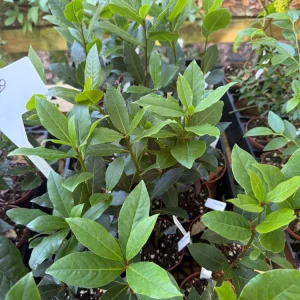
Bay Leaf Live Plant – Laurus Nobilis Starter in 3 inch Pot
Cultivate your own aromatic herbs with this bay leaf live plant (Laurus nobilis). This healthy starter in a 3 inch pot provides fresh, fragrant leaves for cooking and potential health benefits. Perfect for indoor or outdoor growing in suitable climates.
Original price was: $44.90.$33.90Current price is: $33.90.

With our Alive & Thrive Guarantee, we’ve got your back for the first 30 days! If you have any concerns about your plants, just reach out to us. Our team is here to help answer your questions and guide you in selecting the best plants for your garden, climate, and unique preferences. We're excited to help you create the garden of your dreams!
Estimated arrival
Oct 21
Oct 26 - Oct 28
Oct 31 - Nov 04
Product Details
-
USDA Hardiness Zone
USDA zones 8-10 (outdoors), suitable for indoor cultivation in all zones -
Soil type
Well-draining potting mix -
Sunlight Exposure
Full sun to partial shade -
Expected Planting Period
Year-round indoors; spring to early summer outdoors
Overview
Bring the timeless aroma and flavor of fresh bay leaves into your home with this exquisite bay leaf live plant. Known botanically as Laurus nobilis, this evergreen shrub is cherished worldwide for its glossy, aromatic leaves that are a staple in countless culinary traditions. Originating from the Mediterranean region, the bay laurel tree is not just a culinary delight but also a plant steeped in history and symbolism, often associated with wisdom and triumph. This starter plant, comfortably nestled in a 3 inch pot, offers an ideal beginning for gardeners of all experience levels. Whether you’re a seasoned chef looking for fresh ingredients or a beginner eager to explore the world of edible plants, growing your own Laurus nobilis plant is a rewarding experience.
Our bay leaf live plant is carefully cultivated to ensure a robust and healthy start in your garden or home. It’s an excellent choice for those seeking to enhance their cooking with truly fresh herbs, avoiding the often muted flavor of dried bay leaves. With proper care, this small plant will flourish, providing an abundant supply of fragrant leaves for stews, soups, sauces, and more. Beyond its culinary uses, the bay laurel also makes an attractive ornamental plant, adding a touch of classic elegance to any space.
Key Benefits
The bay leaf live plant offers a multitude of benefits, from enhancing your cooking to potentially contributing to your well-being. Having a fresh supply of Laurus nobilis plant leaves readily available is a game-changer for any home cook, while its natural properties make it a valuable addition to a holistic lifestyle.
- Culinary Excellence: Fresh bay leaves impart a more vibrant and complex flavor to dishes compared to dried versions. They are essential for classic stews, soups, sauces, and marinades, adding a subtle, earthy, and slightly floral note that deepens the overall taste profile.
- Aromatic Appeal: The leaves release a pleasant, distinctive aroma, not only when cooked but also as the plant grows, adding a natural fragrance to your home or garden space.
- Potential Health Benefits: Bay leaves are rich in antioxidants, vitamins (A, B6, C), and minerals. Traditionally, they have been used to aid digestion, reduce inflammation, and support respiratory health.
- Decorative Plant: With its attractive, dark green, glossy foliage, the bay laurel is an elegant evergreen that can be pruned into various shapes, making it a beautiful ornamental plant for patios, kitchens, or garden beds.
- Low Maintenance: Once established, the bay leaf live plant is relatively easy to care for, requiring moderate watering and sunlight, making it suitable for busy gardeners.
- Pest Repellent: Some gardeners find that the strong aroma of bay leaves can help deter certain garden pests, contributing to a healthier garden ecosystem.
- Year-Round Harvest: As an evergreen, you can harvest fresh bay leaves throughout the year, ensuring a continuous supply for all your culinary and other needs.
Plant Care & Growing Tips
Caring for your bay leaf live plant is straightforward, ensuring a continuous supply of fresh, aromatic leaves. The bay laurel (Laurus nobilis) thrives in conditions that mimic its native Mediterranean climate, making it adaptable to various growing environments with proper attention to its needs.
Sunlight Requirements: Bay laurel prefers full sun to partial shade. For optimal growth and leaf production, aim for at least 6 hours of direct sunlight per day. If growing indoors, place your plant near a south-facing window or use a grow light to supplement natural light. In very hot climates, some afternoon shade can prevent leaf scorch. Watering Schedule & Soil Moisture: Water thoroughly when the top inch of soil feels dry to the touch. Ensure good drainage, as bay laurels do not like to sit in waterlogged soil, which can lead to root rot. Reduce watering slightly in winter, allowing the soil to dry out a bit more between waterings. Soil Type & Drainage: A well-draining potting mix is crucial. A mix designed for herbs or general container plants, amended with perlite or sand, works well. The ideal pH for bay laurel is slightly acidic to neutral (6.0-7.0).
Temperature Range & USDA Hardiness Zone: The bay leaf live plant is relatively hardy but prefers mild climates. It is best suited for USDA Hardiness Zones 8-10 for outdoor planting. In colder zones, it should be grown in containers and brought indoors before the first frost. Protect it from freezing temperatures. Fertilization: Feed your bay laurel with a balanced, all-purpose liquid fertilizer every 2-4 weeks during the growing season (spring and summer). Reduce feeding in fall and winter. Pruning: Prune to maintain shape and size, and to encourage bushier growth. Regular harvesting of leaves also serves as a form of pruning. Remove any dead or diseased branches as needed. Common Problems: Watch out for common pests like scale insects or mealybugs, especially on indoor plants. Treat with insecticidal soap if necessary. Overwatering is the most common cause of problems, leading to yellowing leaves and root rot.
Size & Details
This bay leaf starter plant arrives ready to thrive, typically measuring between 4 to 8 inches in height, perfectly sized for its 3 inch pot. The growth rate of Laurus nobilis is considered moderate, allowing it to gradually establish itself before reaching its mature size. When grown in a container, it can be kept to a manageable size through regular pruning, often reaching 3 to 6 feet tall and 2 to 4 feet wide. If planted directly in the ground in suitable climates, it can eventually grow into a small tree, reaching up to 20 feet or more, though this is rare in most home garden settings.
The plant is shipped as a healthy, rooted specimen, carefully packaged to ensure its safe arrival. Expect to see new growth and a steady increase in foliage as it acclimates to its new environment. The leaves are ready for harvest once they are mature and have developed their characteristic aroma. This grow bay leaf kit provides a sustainable source of fresh herbs for years to come, with its evergreen nature ensuring year-round availability.
Frequently Asked Questions
- Q: How big does this plant get? A: This bay leaf live plant is a starter in a 3-inch pot. In containers, it can be maintained at 3-6 feet tall with pruning, while in the ground in ideal conditions, it can grow much larger, up to 20 feet or more.
- Q: What size pot does it come in? A: The plant comes in a 3 inch pot, which is an ideal size for a starter plant, allowing it to establish itself before needing a larger container.
- Q: Is this an indoor or outdoor plant? A: The Laurus nobilis plant can be grown both indoors and outdoors. It thrives outdoors in USDA Zones 8-10. In colder climates, it’s best grown in a container and brought indoors during winter.
- Q: How much sunlight does it need? A: Bay laurels prefer full sun to partial shade, ideally receiving at least 6 hours of direct sunlight daily for robust growth and flavorful leaves.
- Q: Is this plant easy to care for? A: Yes, once established, the bay leaf live plant is relatively low-maintenance. It requires consistent watering, good drainage, and protection from extreme cold.
- Q: What condition will it arrive in? A: Your bay leaf plant will arrive as a healthy, rooted starter plant, carefully packaged to minimize stress during transit, ensuring it’s ready for planting or repotting.
- Q: Can I use bay leaf in cooking right away? A: While you can use some leaves from your new plant, it’s best to allow your bay leaf starter plant to establish itself for a few weeks before harvesting heavily. This helps ensure the plant’s long-term health and vigor.
- Q: Is it pet-safe? A: Bay laurel leaves contain compounds that can be toxic to pets if ingested in large quantities. It’s advisable to keep the plant out of reach of curious pets.
- Q: When is the best time to plant or repot? A: Spring or early summer is generally the best time to plant or repot your bay leaf plant, allowing it to establish before colder or hotter weather extremes.
- Q: What’s the minimum temperature this plant can tolerate? A: The bay leaf culinary herb can tolerate temperatures down to about 20-25°F (-6°C) for short periods, but it’s best to bring it indoors or provide protection if temperatures are expected to drop below freezing.
Related products
-50%
Original price was: $47.96.$23.98Current price is: $23.98.
-30%
Original price was: $99.98.$69.98Current price is: $69.98.
-10%
Original price was: $65.00.$58.50Current price is: $58.50.
-20%
From Original price was: $22.00.$17.60Current price is: $17.60.
-10%
Original price was: $75.00.$67.50Current price is: $67.50.
-50%
Original price was: $53.98.$26.99Current price is: $26.99.
-67%
From Original price was: $35.22.$11.74Current price is: $11.74.
PLANTING & CARE
Lemon Tree Growing: Choose, Plant, and Harvest
Learn how to choose, plant, feed, and protect a lemon tree so it fits your
23
Sep
Sep
Dwarf Meyer Lemon Tree Australia: Climate Guide
Learn where dwarf Meyer lemon trees grow, how much cold they tolerate, and whether Australia,
Where to Buy a Dwarf Meyer Lemon Tree: Buyer’s Guide
Find the right dwarf Meyer lemon tree online or locally, compare starter sizes and costs,
Dwarf Meyer Lemon Tree for Sale: Buying Guide
Compare Meyer lemon tree sizes, prices, shipping limits, indoor growing and California options before you
Dwarf Meyer Lemon Tree Guide: Size, Care and Fruit
META: Learn how large a dwarf Meyer lemon tree grows, where it thrives, and how
How to Prune a Dwarf Meyer Lemon Tree
Learn when and how to prune a dwarf Meyer lemon tree, including tools, shaping cuts,
Can You Grow a Dwarf Meyer Lemon Tree in a Pot?
META: Learn how to grow a dwarf Meyer lemon tree in a pot, including container
When Do Dwarf Meyer Lemon Trees Bloom and Fruit?
META: Dwarf Meyer lemon trees usually bloom from winter through spring and may flower again