Beaconsfield Pansy Seeds – Violet & Yellow Bicolor, 25 Seeds
-50%
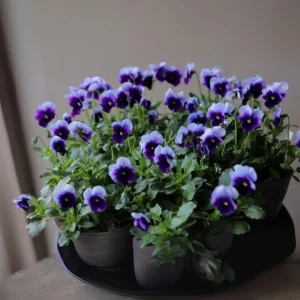
Beaconsfield Pansy Seeds – Violet & Yellow Bicolor, 25 Seeds
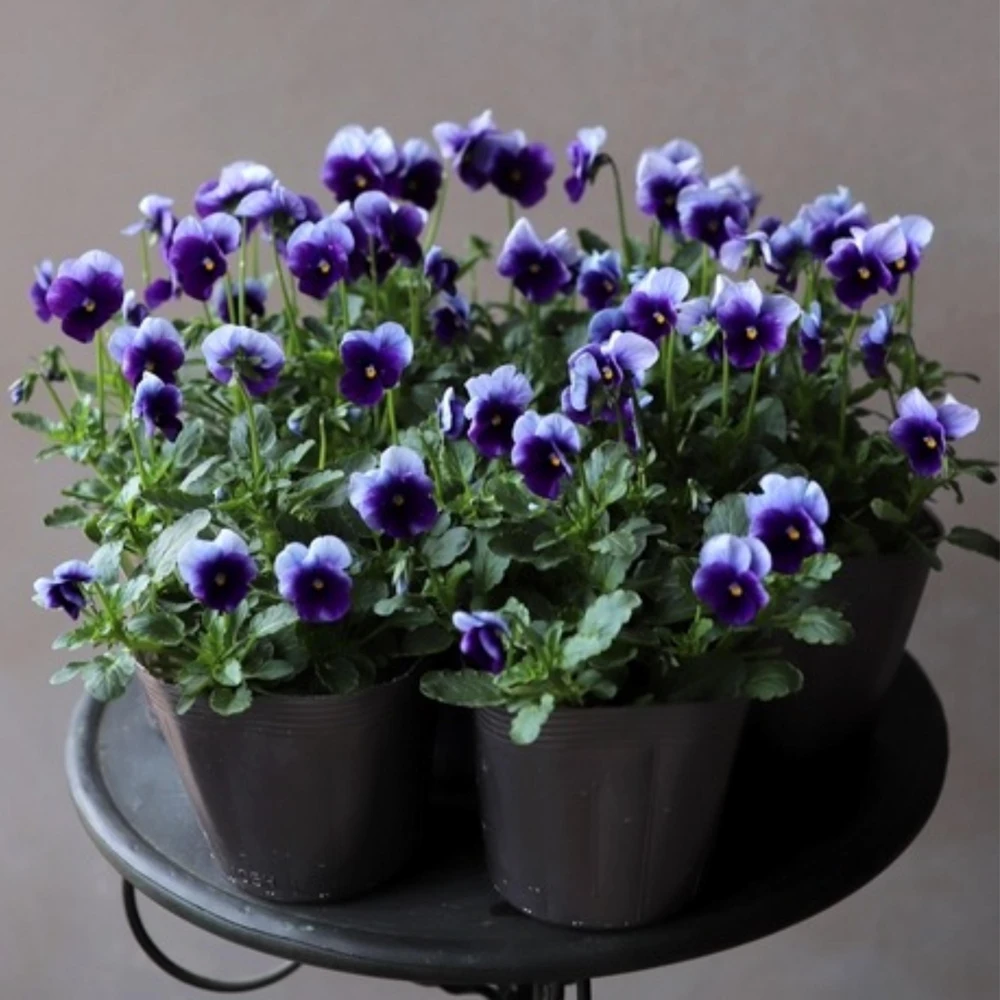
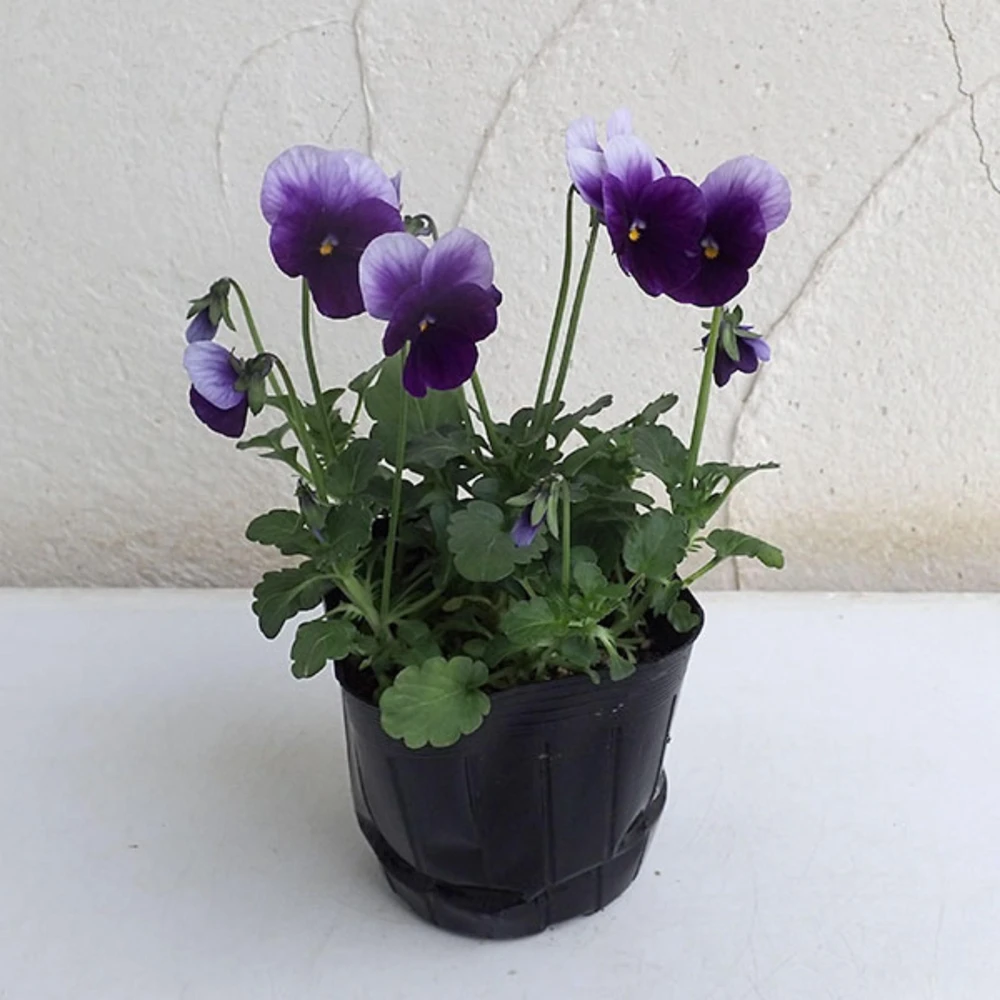
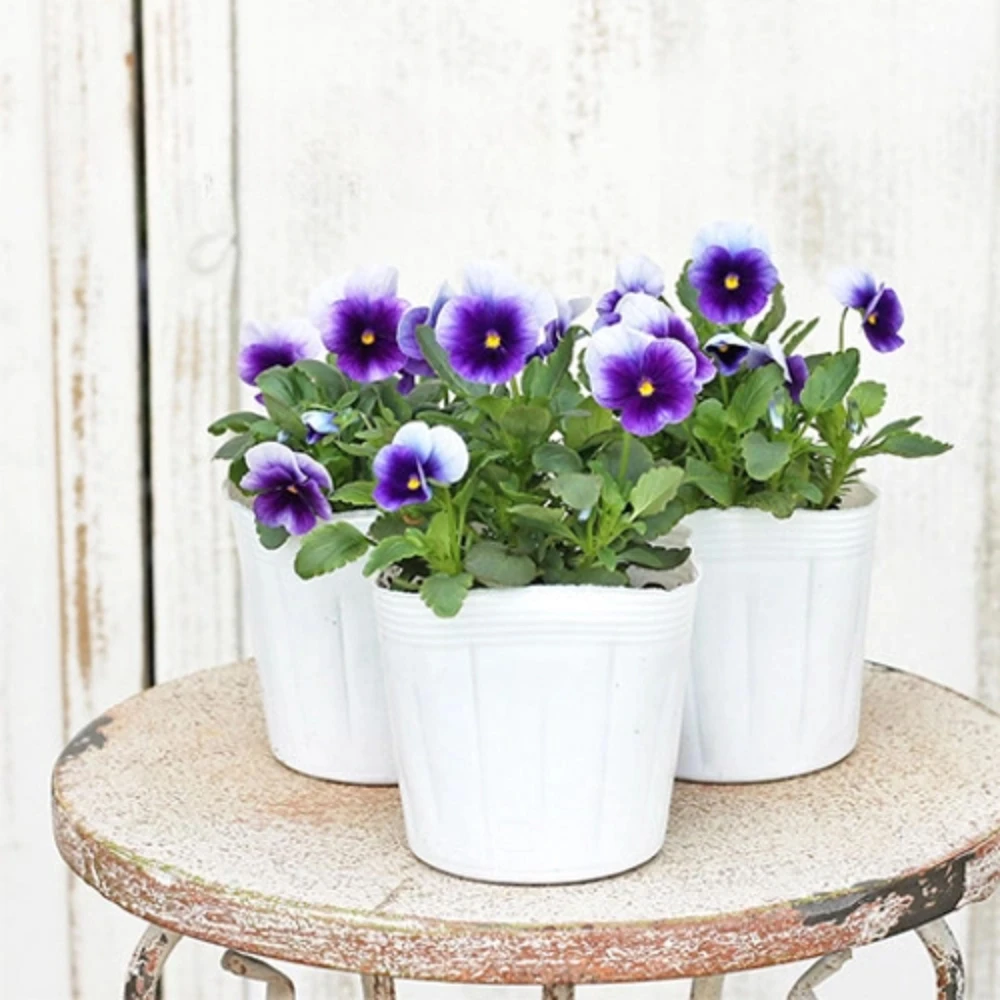
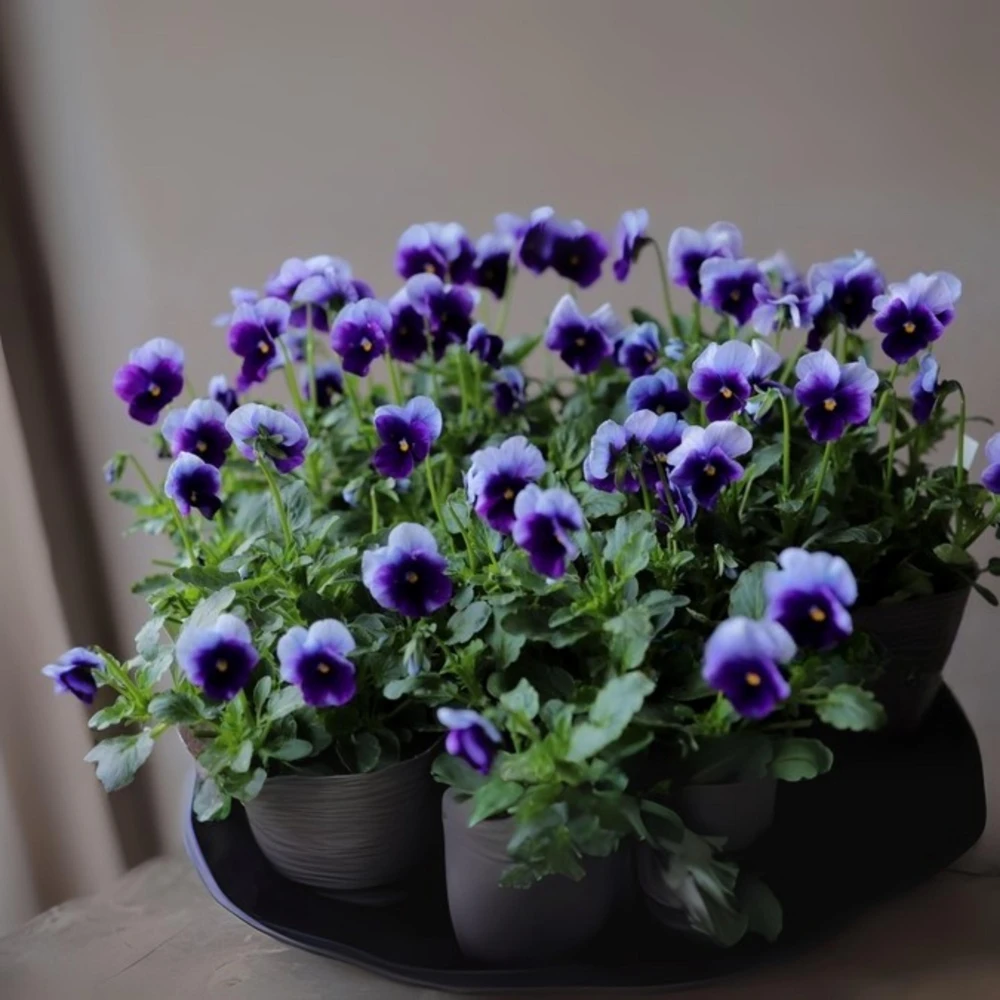
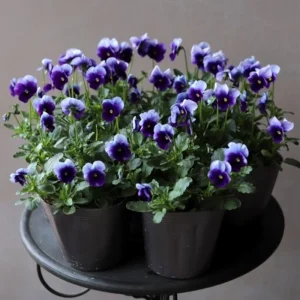
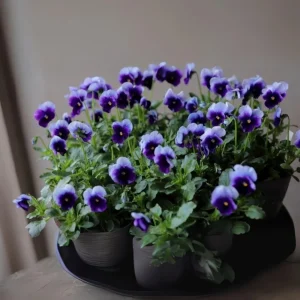
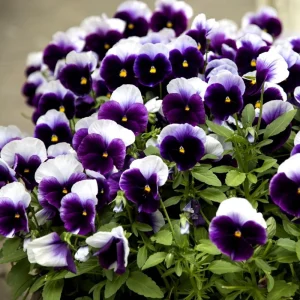
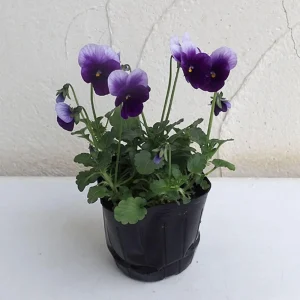
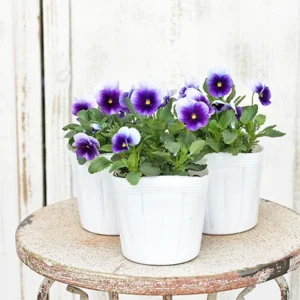
Discover the beauty of Beaconsfield Pansy seeds, featuring dramatic violet-purple and soft yellow bicolor blooms. These cool-season pansy flowers are perfect for adding vibrant color to your garden beds, borders, and containers, thriving in cooler temperatures. Each pack contains 25 untreated, non-GMO seeds.
Original price was: $15.16.$7.58Current price is: $7.58.

With our Alive & Thrive Guarantee, we’ve got your back for the first 30 days! If you have any concerns about your plants, just reach out to us. Our team is here to help answer your questions and guide you in selecting the best plants for your garden, climate, and unique preferences. We're excited to help you create the garden of your dreams!
Estimated arrival
Oct 08
Oct 13 - Oct 15
Oct 18 - Oct 22
Product Details
-
USDA Hardiness Zone
6-10 (as annual) -
Soil type
Moist, well-drained, fertile soil -
Sunlight Exposure
Full Sun to Partial Shade -
Expected Planting Period
Late summer to early fall (outdoors) or 10-12 weeks before last frost (indoors)
Overview
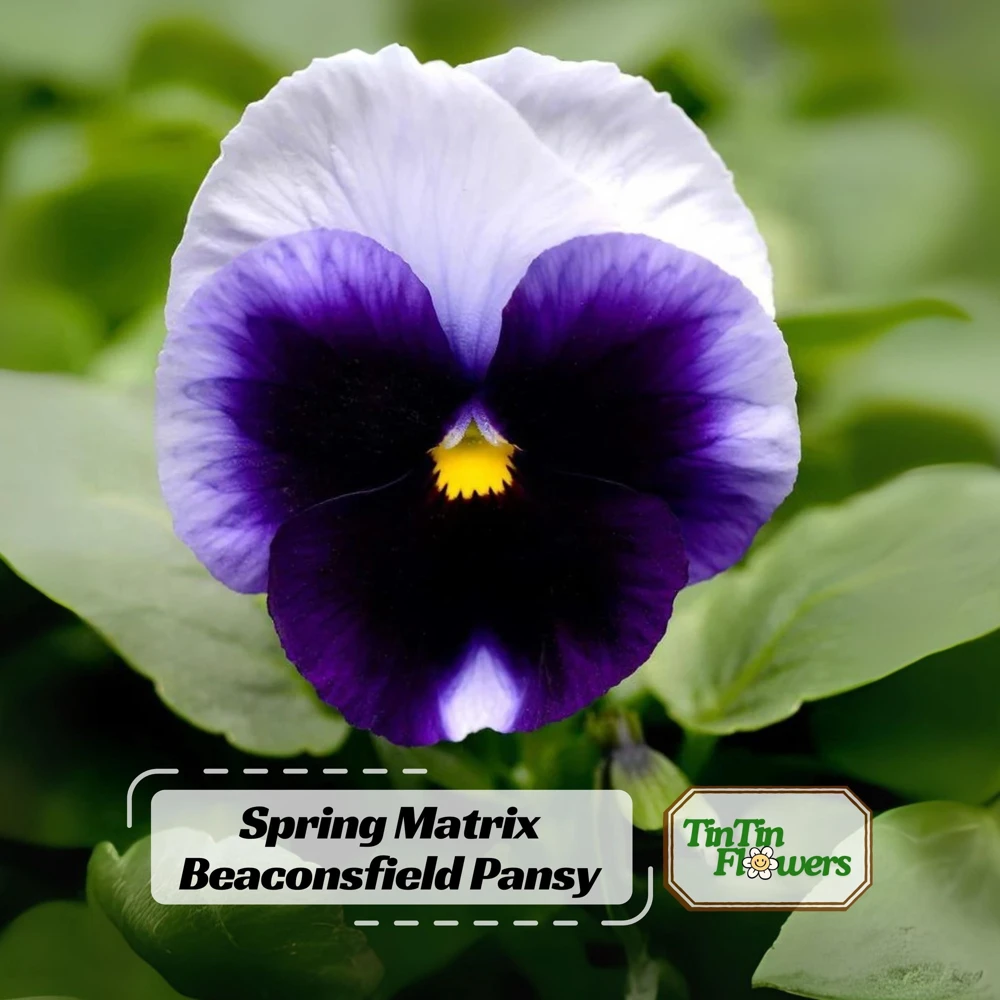
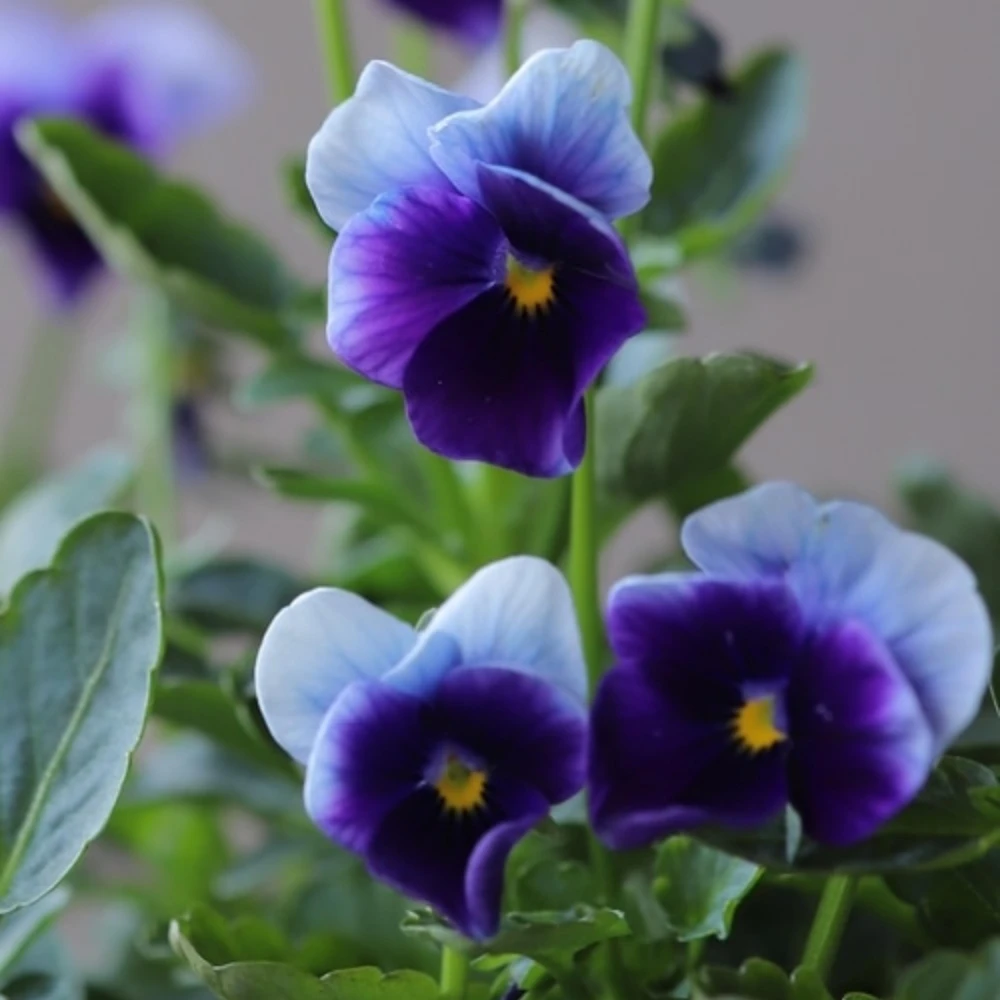
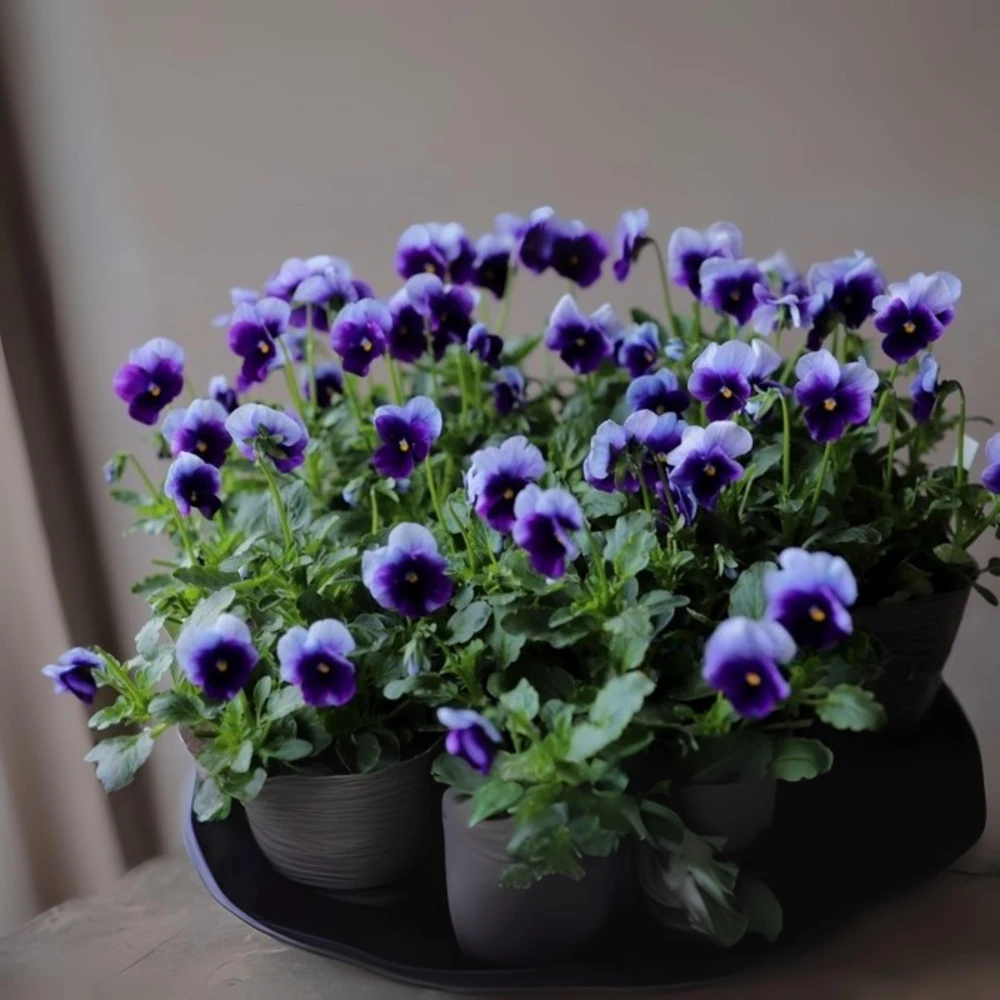
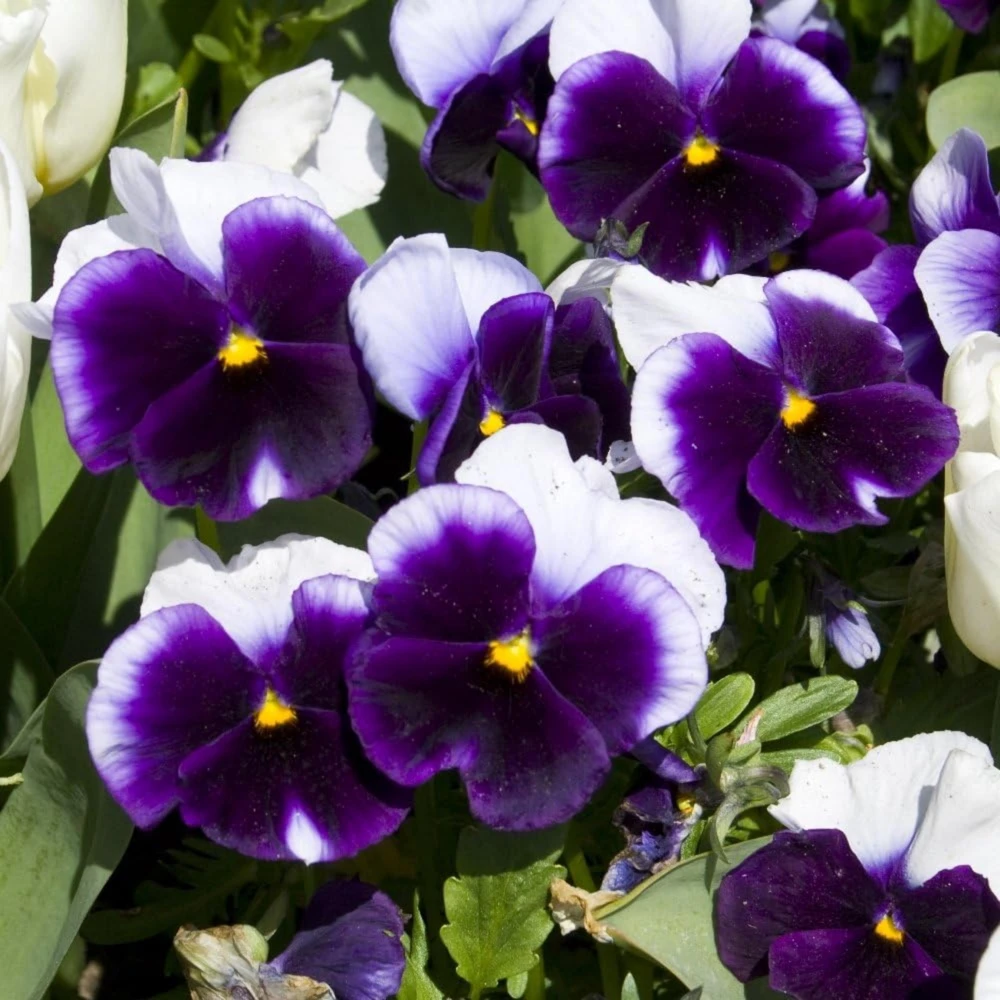
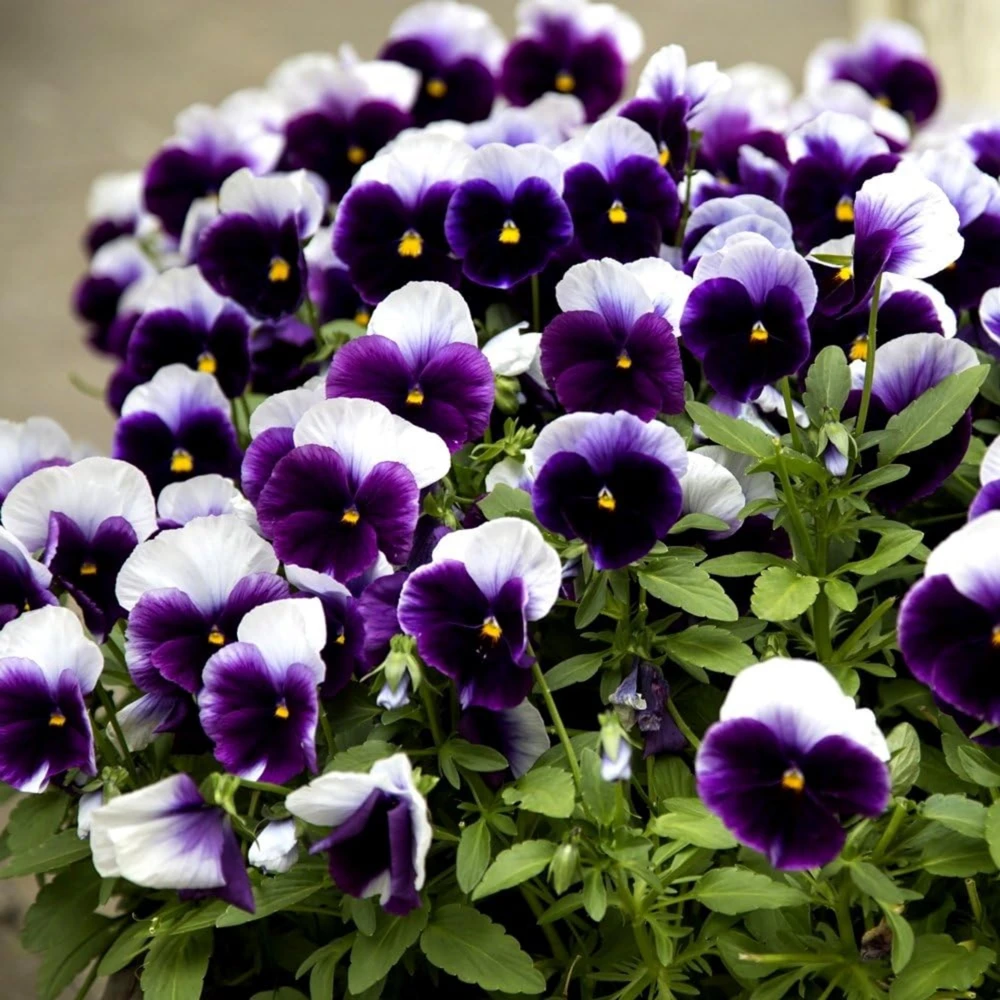
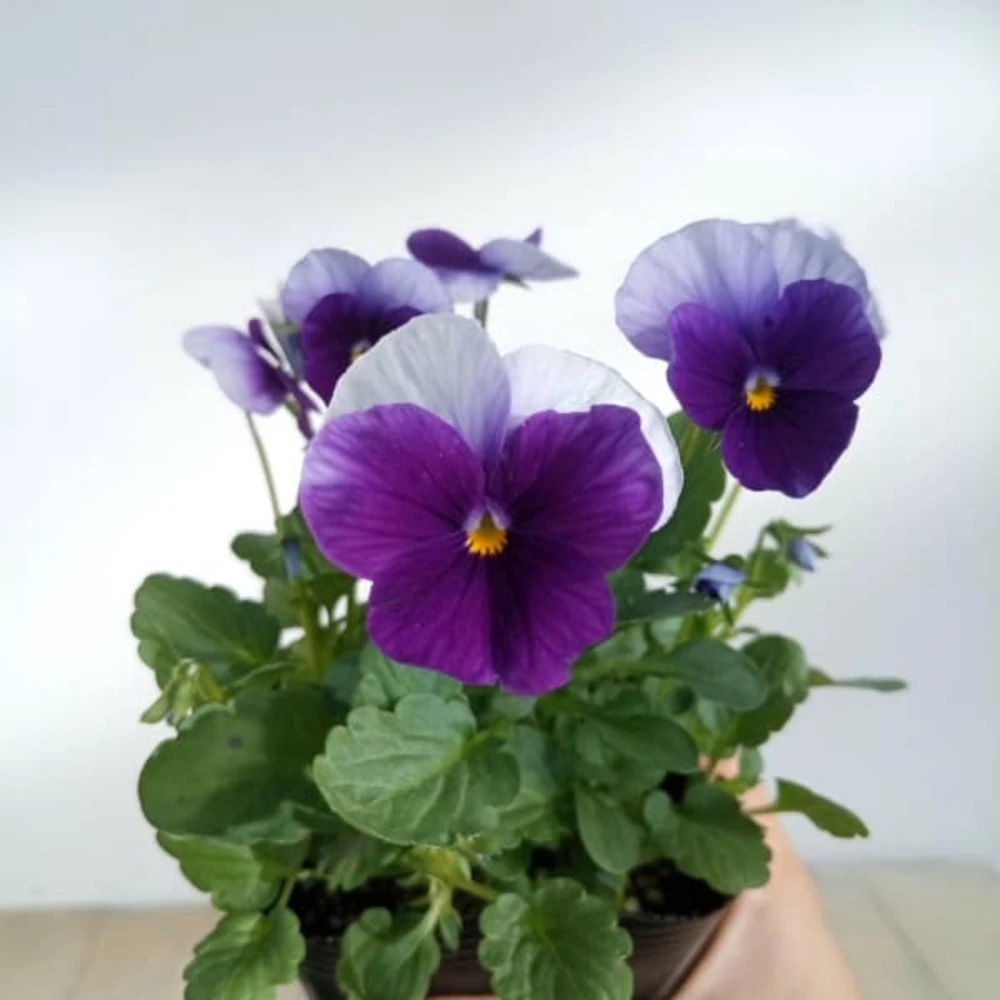
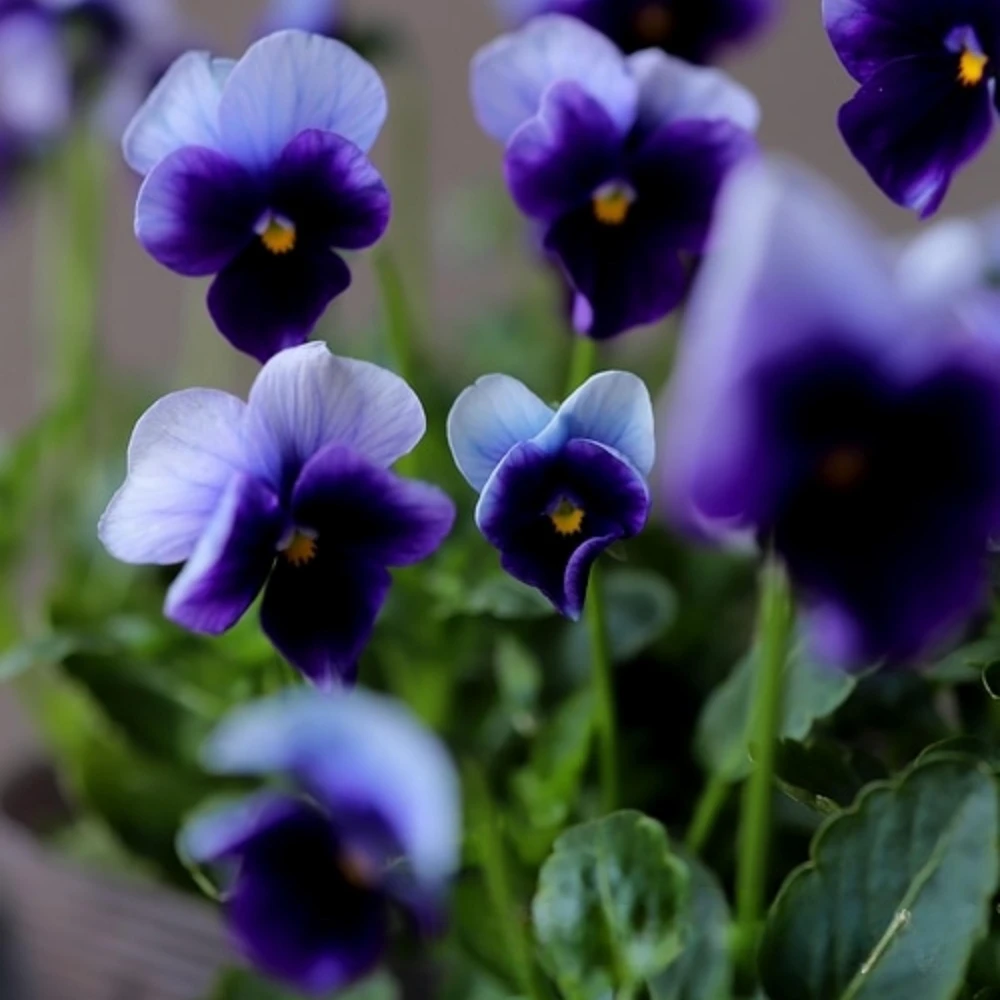
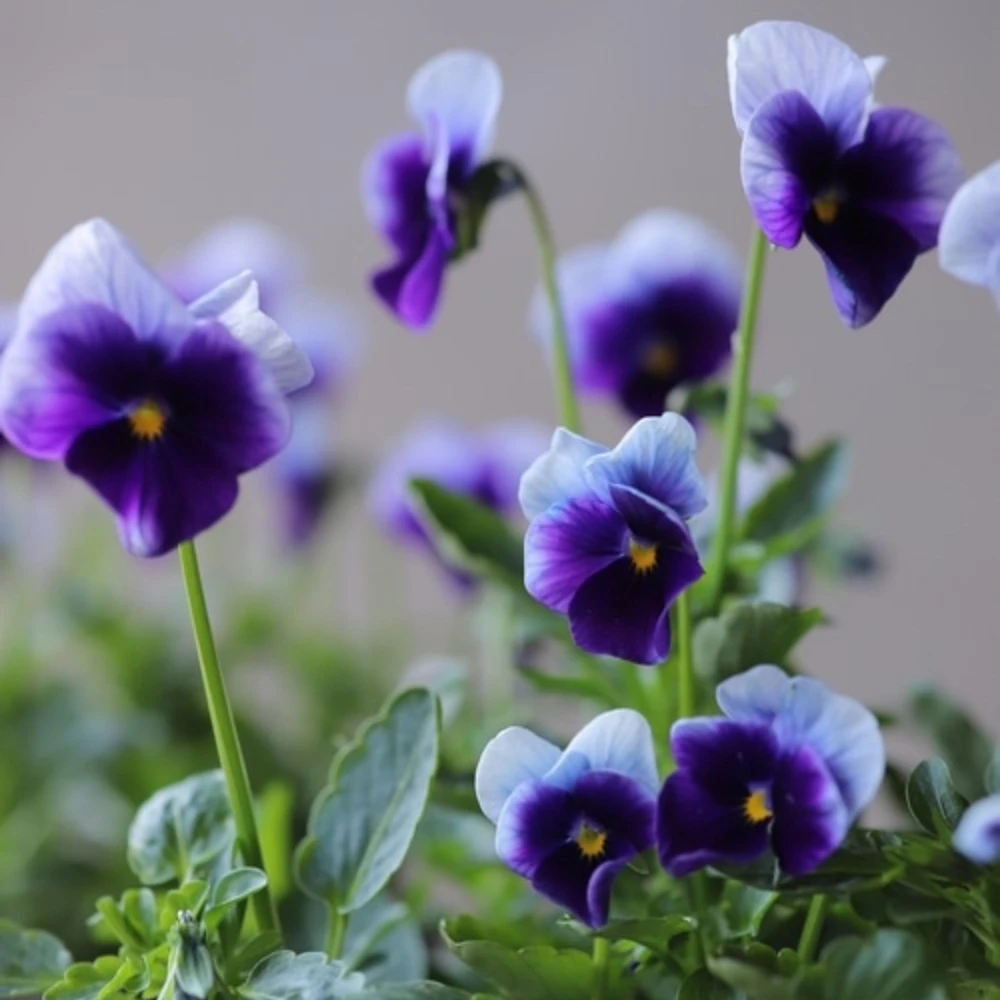
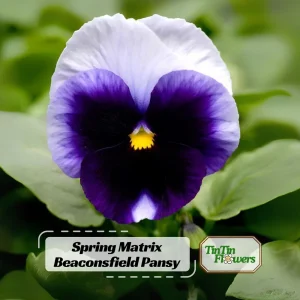
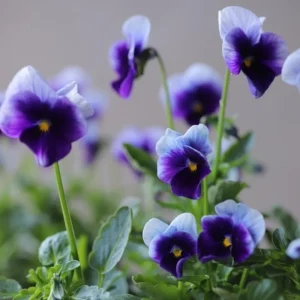
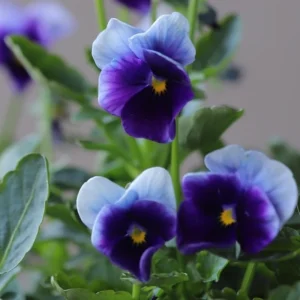
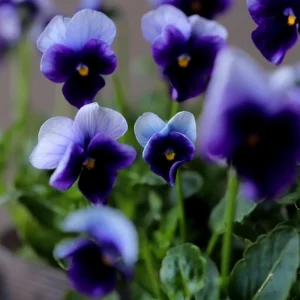
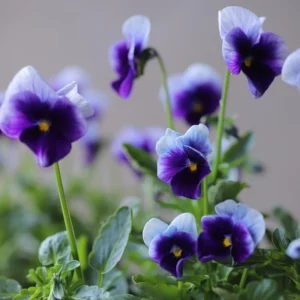
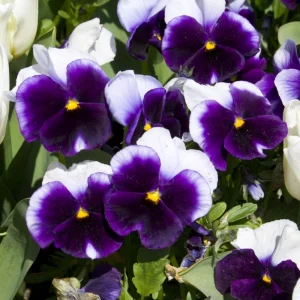
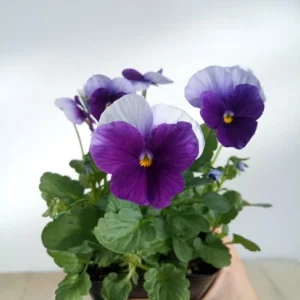
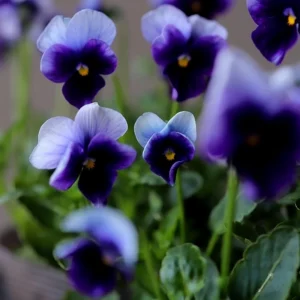
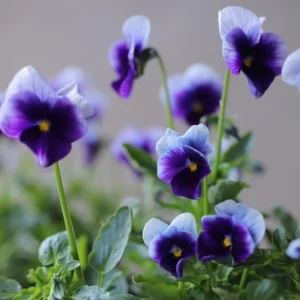
Introduce a splash of vibrant color to your cool-season garden with Beaconsfield Pansy seeds. This exceptional variety, botanically known as Viola × wittrockiana, is celebrated for its striking two-tone blooms. Each flower displays a rich violet-purple on the upper petals, beautifully contrasted with soft yellow on the lower petals, creating a truly eye-catching display. Pansies are a beloved choice for adding cheer to landscapes when many other plants are dormant, making these Beaconsfield Pansy seeds an ideal selection for fall, winter (in mild zones), and early spring planting. These easy-to-grow seeds promise uniform blooming and robust plants, perfect for both seasoned gardeners and beginners looking to brighten their outdoor spaces.
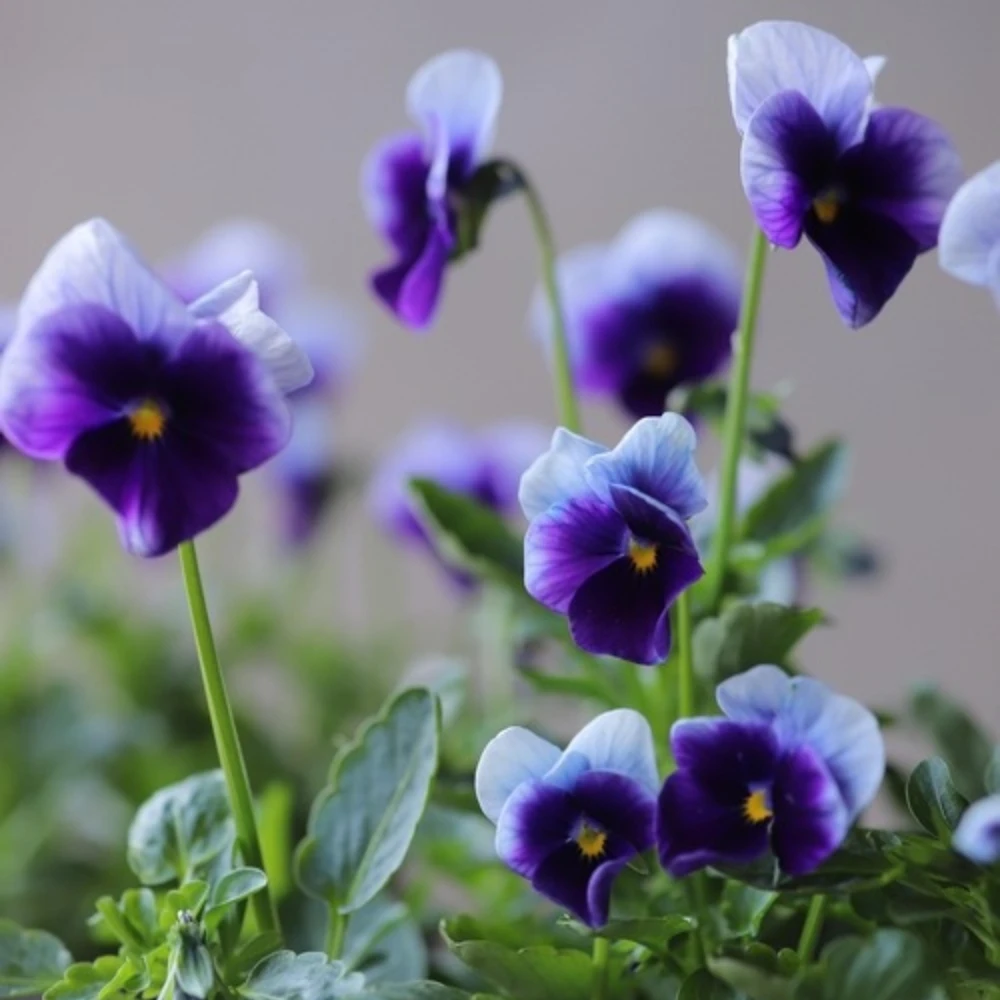
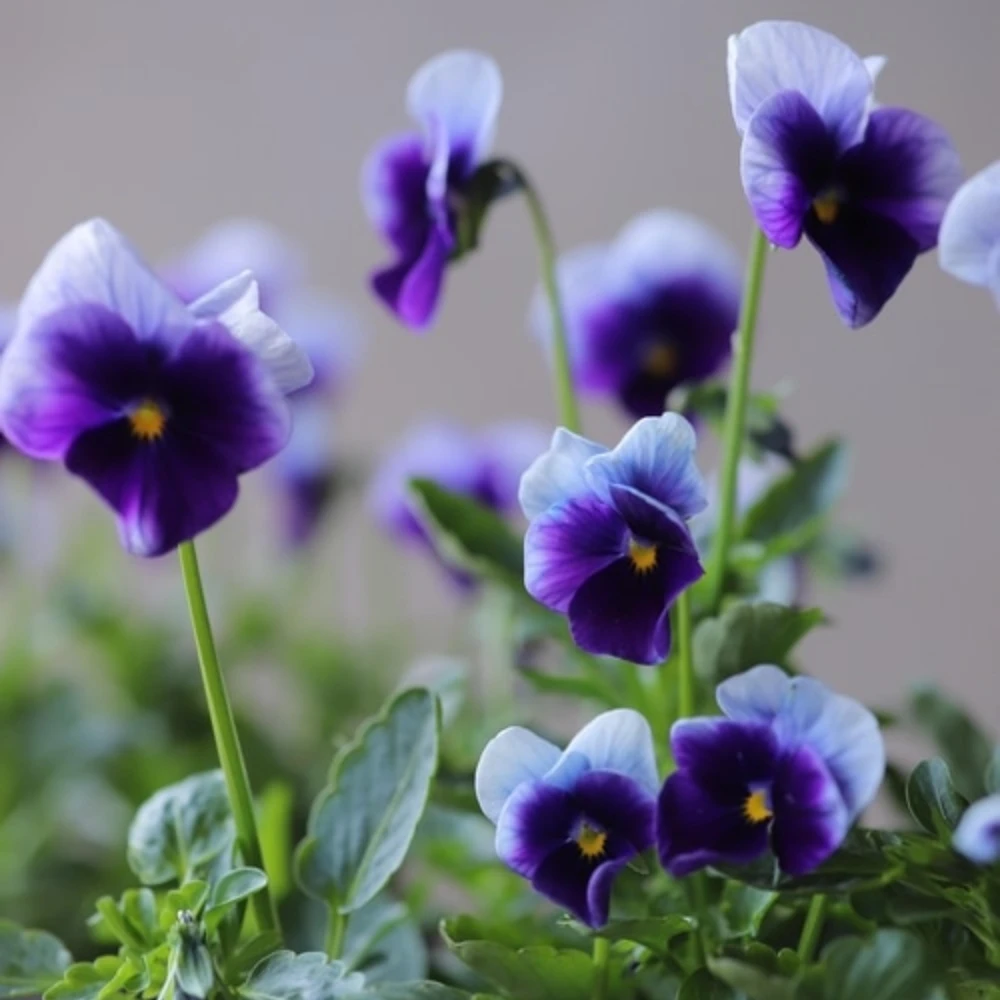
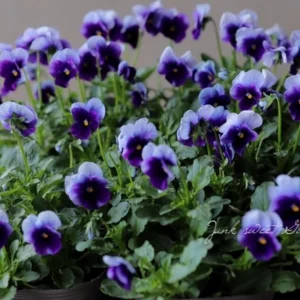
Cultivating Beaconsfield Pansy seeds allows you to enjoy large, velvety flowers that can reach up to 3 inches in width. Their compact growth habit, typically reaching 6–8 inches tall, makes them versatile for various planting schemes. Whether you’re creating mass plantings in garden beds, designing charming container arrangements, or lining pathways, these pansies deliver consistent beauty. They are also known for their resilience, performing admirably in cooler conditions, making them a reliable source of color during the transitional seasons.
Key Benefits
Choosing to grow Beaconsfield Pansy seeds brings numerous advantages to your garden, enhancing its aesthetic appeal and ecological value. This unique variety stands out for several compelling reasons:
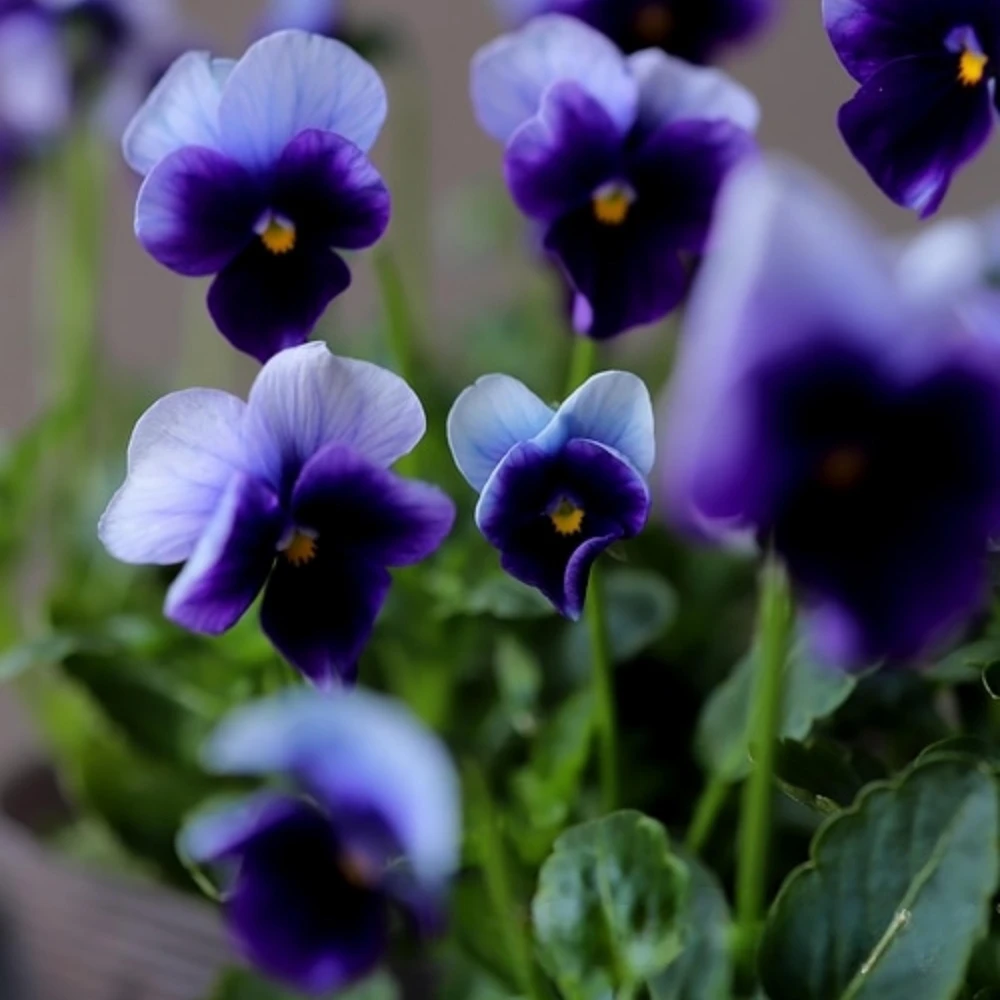
- Dramatic Bicolor Blooms: Enjoy the stunning contrast of deep violet-purple and pale yellow petals on each flower, creating a sophisticated and vibrant look that instantly draws attention. This unique coloration ensures your garden stands out.
- Large, Velvety Flowers: Each bloom can grow up to 3 inches wide, providing a substantial visual impact. The velvety texture of the petals adds another layer of sensory delight to your garden experience.
- Uniform Growth & Blooming: These pansies are known for their consistent growth habit and synchronous blooming, resulting in a neat and polished appearance whether planted individually or in groups. This uniformity simplifies garden design and maintenance.
- Cool-Season Performance: Specifically bred to thrive in cooler temperatures, these pansies are perfect for extending your garden’s color into the fall, winter (in mild climates), and early spring months. They resist common cool-weather challenges, ensuring a continuous display.
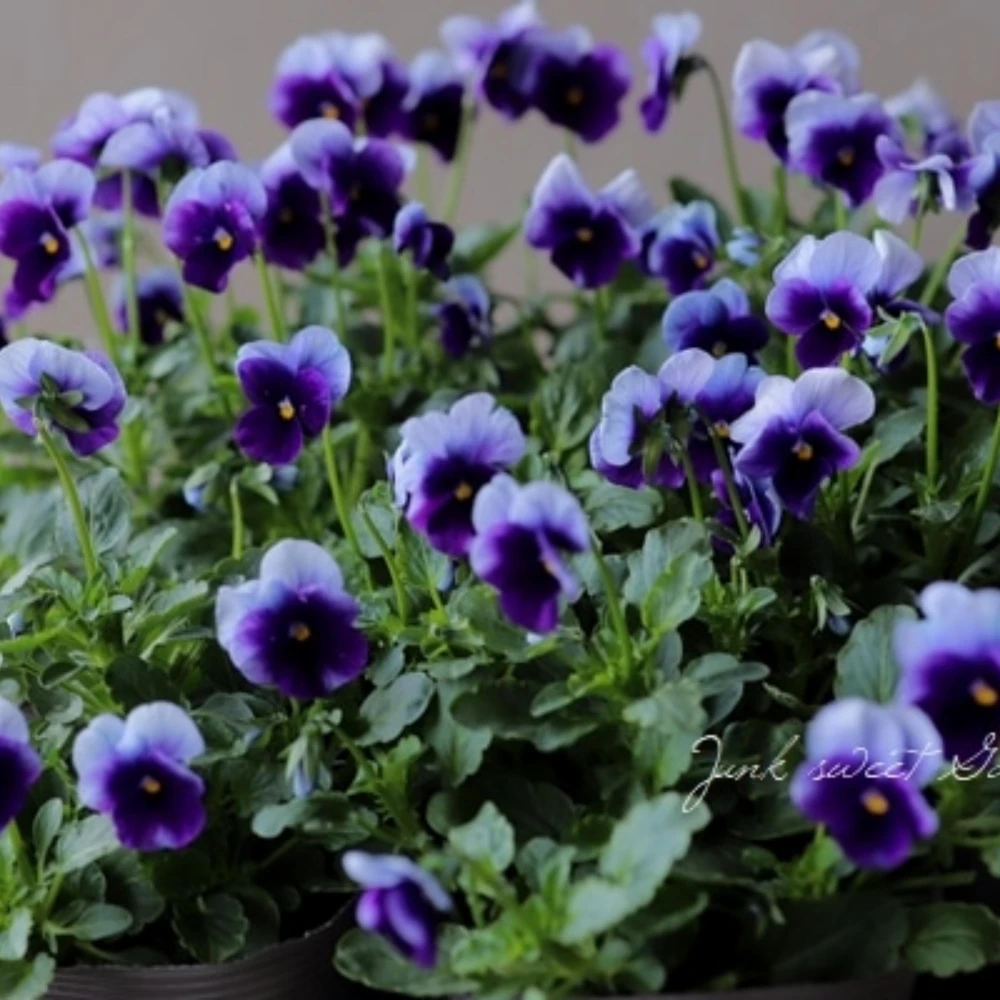
- Versatile Garden Use: Excellent for a wide range of applications, including garden beds, borders, window boxes, hanging baskets, and containers. Their compact size makes them adaptable to various garden settings and design preferences.
- Attracts Pollinators: The vibrant colors and nectar-rich flowers are a magnet for early-season pollinators like bees and butterflies, contributing to the biodiversity and health of your garden ecosystem.
- Easy to Grow from Seed: With straightforward planting instructions, even novice gardeners can successfully cultivate these beautiful pansies, making the process rewarding and accessible. Growing from Beaconsfield Pansy seeds offers a cost-effective way to fill your garden with color.
Plant Care & Growing Tips
Successfully growing pansies from Beaconsfield Pansy seeds requires attention to a few key cultural practices, ensuring vigorous growth and abundant blooms. Pansies are generally cool-season annuals, thriving when temperatures are moderate. For optimal results, plant indoors 10–12 weeks before the last frost for spring blooms, or sow outdoors in late summer to early fall in mild climates. Sow seeds on the surface of a good quality seed-starting mix, pressing gently, as pansy seeds require darkness to germinate. Cover lightly with vermiculite or a plastic dome to maintain humidity. Keep the soil consistently moist at 65–70°F (18–21°C); germination typically occurs within 10–14 days. Once seedlings have developed 2–3 sets of true leaves, they can be hardened off and transplanted 6–8 inches apart in their final location.
When selecting a site for your pansies, aim for full sun to partial shade. In warmer climates, partial shade, especially during the hottest part of the day, will help prolong their blooming period. The soil should be moist, well-drained, and rich in organic matter. Amend heavy clay soils with compost to improve drainage, and sandy soils to enhance water retention. Regular watering is crucial; keep the soil consistently moist but never waterlogged. Pansies do not tolerate dry conditions well. Applying a layer of mulch around the plants will help retain soil moisture and regulate temperature. For continuous blooming, deadhead spent flowers regularly. Fertilize lightly every 2–3 weeks with a balanced liquid fertilizer to support healthy growth and prolific flowering. Monitor for common pests like aphids and slugs, and address any issues promptly. Following this pansy growing guide will help ensure a vibrant display from your bicolor pansy plants.
Size & Details
These Beaconsfield Pansy seeds will grow into robust plants typically reaching a height of 6–8 inches (15–20 cm) with a similar spread, creating a dense, colorful display. The individual blooms are impressively large, up to 3 inches in diameter, showcasing their distinctive violet-purple and soft yellow coloration. Pansies are cool-season annuals, meaning they complete their life cycle within one year, providing vibrant color during fall, winter (in USDA Zones 6–10), and early spring. These untreated, non-GMO seeds are packaged in a labeled packet containing 25 seeds, along with full growing instructions to ensure your success. They are hand-packed with care to maintain freshness and germination quality. Expect blooms from fall through early spring, depending on your climate and planting time. The compact size of these plants makes them ideal for both small and large garden spaces, as well as various container types.
Frequently Asked Questions
- Q: How big do Beaconsfield Pansies get? A: Beaconsfield Pansy plants typically grow to a height of 6–8 inches (15–20 cm) with a similar spread. Their compact size makes them excellent for various garden applications, from borders to containers.
- Q: Is this an indoor or outdoor plant? A: Pansies are primarily grown as outdoor cool-season annuals, providing vibrant color in garden beds, containers, and borders during fall, winter (in mild zones), and early spring. While they can be grown indoors in very bright conditions, they thrive best outdoors.
- Q: How much sunlight do these pansies need? A: Beaconsfield Pansy seeds should be planted in a location that receives full sun to partial shade. In hotter climates, partial shade during the afternoon can help prolong their blooming period and prevent stress.
- Q: Is this plant easy to care for? A: Yes, pansies are considered relatively easy to care for, especially when following a good pansy growing guide. Key care includes consistent watering, well-drained soil, and deadheading spent blooms.
- Q: What condition will the seeds arrive in? A: You will receive 25 untreated, non-GMO Beaconsfield Pansy seeds in a clearly labeled packet. They are hand-packed to ensure freshness and high germination quality, ready for planting.
- Q: How long until these pansies bloom? A: Pansies typically begin blooming 10–12 weeks after sowing from seed. If planted in late summer or early fall, you can expect blooms throughout the cooler months and into early spring.
- Q: When is the best time to plant Beaconsfield Pansy seeds? A: For spring blooms, start seeds indoors 10–12 weeks before the last frost. For fall and winter color, sow seeds outdoors in late summer to early fall in mild climates (USDA Zones 6–10).
- Q: What USDA Zones are suitable for these pansies? A: Beaconsfield Pansy seeds are typically grown as annuals in USDA Zones 6–10, thriving in cool-season conditions. In zones with very mild winters, they may overwinter successfully.
- Q: Can I grow this bicolor pansy in containers? A: Absolutely! The compact growth habit and stunning blooms of this bicolor pansy make it an excellent choice for containers, window boxes, and hanging baskets, providing dramatic color on patios and balconies.
- Q: What is the ideal soil for growing these pansies? A: Pansies prefer moist, well-drained, and fertile soil rich in organic matter. Ensure good drainage to prevent root rot, which is crucial for healthy growth.
Related products
-15%
From Original price was: $28.00.$23.80Current price is: $23.80.
-50%
Original price was: $23.96.$11.98Current price is: $11.98.
-50%
Original price was: $23.96.$11.98Current price is: $11.98.
-50%
Original price was: $95.96.$47.98Current price is: $47.98.
-50%

Original price was: $15.96.$7.98Current price is: $7.98.
-50%

Original price was: $38.36.$19.18Current price is: $19.18.
PLANTING & CARE
Lemon Tree Growing: Choose, Plant, and Harvest
Learn how to choose, plant, feed, and protect a lemon tree so it fits your
23
Sep
Sep
Dwarf Meyer Lemon Tree Australia: Climate Guide
Learn where dwarf Meyer lemon trees grow, how much cold they tolerate, and whether Australia,
Where to Buy a Dwarf Meyer Lemon Tree: Buyer’s Guide
Find the right dwarf Meyer lemon tree online or locally, compare starter sizes and costs,
Dwarf Meyer Lemon Tree for Sale: Buying Guide
Compare Meyer lemon tree sizes, prices, shipping limits, indoor growing and California options before you
Dwarf Meyer Lemon Tree Guide: Size, Care and Fruit
META: Learn how large a dwarf Meyer lemon tree grows, where it thrives, and how
How to Prune a Dwarf Meyer Lemon Tree
Learn when and how to prune a dwarf Meyer lemon tree, including tools, shaping cuts,
Can You Grow a Dwarf Meyer Lemon Tree in a Pot?
META: Learn how to grow a dwarf Meyer lemon tree in a pot, including container
When Do Dwarf Meyer Lemon Trees Bloom and Fruit?
META: Dwarf Meyer lemon trees usually bloom from winter through spring and may flower again