Bicolor Dark Pink Carnation Seeds – Dianthus for Containers & Gardens
-50%

Bicolor Dark Pink Carnation Seeds – Dianthus for Containers & Gardens
Discover the beauty of bicolor dark pink carnation seeds, perfect for adding vibrant color to your garden or balcony containers. These dianthus seeds for containers are known for their cold and drought resistance, making them a hardy choice for various climates.
Original price was: $15.16.$7.58Current price is: $7.58.

With our Alive & Thrive Guarantee, we’ve got your back for the first 30 days! If you have any concerns about your plants, just reach out to us. Our team is here to help answer your questions and guide you in selecting the best plants for your garden, climate, and unique preferences. We're excited to help you create the garden of your dreams!
Estimated arrival
Oct 08
Oct 13 - Oct 15
Oct 18 - Oct 22
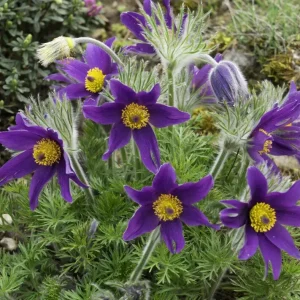
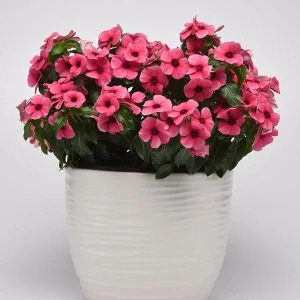


Product Details
-
USDA Hardiness Zone
USDA zones 6-9 (as short-lived perennial), annual elsewhere -
Soil type
Well-draining, slightly alkaline to neutral soil -
Sunlight Exposure
Full sun (at least 6 hours daily) -
Expected Planting Period
Spring to early summer
Overview
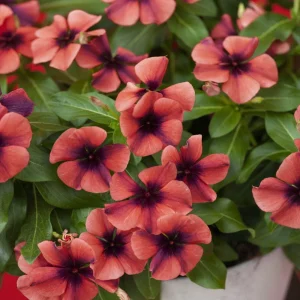
Introduce a touch of elegance and vibrant color to your outdoor spaces with our premium bicolor dark pink carnation seeds. These exquisite Dianthus seeds promise to transform your garden beds, borders, and containers into a breathtaking display of charming, dual-toned blooms. Carnations, botanically known as Dianthus caryophyllus, are cherished for their ruffled petals, delightful fragrance, and long-lasting cut flowers. This particular variety stands out with its striking bicolor dark pink hues, offering a unique visual appeal that captures attention. Whether you’re an experienced gardener or just starting, these seeds provide an accessible and rewarding way to cultivate one of the world’s most beloved flowers. Prepare to enjoy a season full of robust growth and stunning blossoms from these resilient seeds.
Cultivating bicolor dark pink carnation seeds is an enjoyable journey that yields spectacular results. These hardy annuals or short-lived perennials are renowned for their adaptability and ability to thrive in various conditions. Their distinctive coloration, featuring shades of deep pink and subtle contrasts, makes them a fantastic focal point or an excellent companion plant in mixed arrangements. The compact nature of Dianthus makes them ideal for small spaces, window boxes, and patio containers, allowing everyone to experience the joy of growing beautiful carnations. Embrace the charm and resilience of these seeds and watch your garden flourish with their captivating beauty.
Key Benefits
Our bicolor dark pink carnation seeds offer a multitude of advantages for any gardening enthusiast, combining aesthetic appeal with practical hardiness. They are a superb choice for creating stunning floral arrangements and enhancing your outdoor living areas.
- Stunning Bicolor Blooms: Enjoy the unique and captivating dark pink bicolor flowers that add depth and visual interest to your garden, making them a standout feature. The intricate color patterns ensure each bloom is a work of art.
- Versatile Container & Garden Use: These dianthus seeds for containers are perfectly suited for growing in pots, window boxes, and hanging baskets, as well as directly in garden beds. Their adaptability makes them ideal for both expansive landscapes and compact urban gardens.
- Cold & Drought Resistant: Benefit from the inherent hardiness of these carnations. They are excellent for gardeners looking for a low-maintenance option, proving to be a truly cold resistant carnation and remarkably tolerant of dry spells once established.
- Long-Lasting Cut Flowers: The beautiful blooms are not just for the garden; they make exquisite, long-lasting cut flowers, allowing you to bring their beauty and subtle fragrance indoors for bouquets and arrangements.
- Easy to Grow from Seed: With straightforward planting instructions, even beginner gardeners can successfully grow these vibrant carnations from seed. The reward of seeing them sprout and bloom is incredibly satisfying.
- Attracts Pollinators: While not their primary function, the fragrant blooms can subtly attract beneficial pollinators like bees and butterflies to your garden, contributing to a healthier ecosystem.
- Extended Bloom Period: With proper care, these carnations can provide a continuous display of flowers from late spring through fall, ensuring your garden remains colorful for an extended season.
Plant Care & Growing Tips
Successful cultivation of your bicolor dark pink carnation seeds begins with proper planting and attentive care. These hardy plants are relatively low-maintenance, but understanding their specific needs will ensure a bountiful and vibrant display. Start by sowing seeds indoors 6-8 weeks before the last frost date, or directly outdoors after all danger of frost has passed. Plant seeds about 1/8 inch deep in a well-draining seed starting mix. Maintain consistent moisture and warmth (around 65-70°F or 18-21°C) for optimal germination, which typically occurs within 7-14 days. Once seedlings are established and the weather is consistently warm, transplant them to their final location, spacing them 6-12 inches apart to allow for proper air circulation and growth.
For best results, Dianthus thrive in locations that receive full sun, meaning at least 6 hours of direct sunlight per day. While they can tolerate partial shade, too little sun may result in fewer blooms and leggy growth. The ideal soil for these carnations is well-draining, slightly alkaline to neutral (pH 6.7-7.5), and enriched with organic matter. Avoid heavy clay soils that retain too much moisture, as this can lead to root rot. When it comes to watering, these plants prefer consistent moisture but are quite tolerant of dry conditions once established, living up to their reputation as a drought resistant carnation. Water thoroughly when the top inch of soil feels dry, but be careful not to overwater. Fertilize sparingly; a balanced, all-purpose fertilizer once or twice during the growing season is usually sufficient. Deadhead spent blooms regularly to encourage continuous flowering and maintain a neat appearance. For those interested in growing carnation seeds, these tips will guide you to a flourishing garden.
Size & Details
Our bicolor dark pink carnation seeds are designed to grow into robust and visually appealing plants, perfect for a variety of garden settings. Each plant typically reaches a mature height of 12-24 inches (30-60 cm) with a spread of 6-12 inches (15-30 cm), making them an excellent choice for both mass plantings and individual container displays. The vibrant bicolor flowers, ranging from deep pink to lighter shades, usually measure about 1.5-2.5 inches (4-6 cm) in diameter. These seeds are open-pollinated, ensuring genetic diversity and robust growth. The growth rate is moderate, with blooms typically appearing in late spring to early summer, continuing until the first hard frost. These plants are shipped as high-quality, viable seeds, ready for you to sow and nurture into beautiful carnations. Expect a delightful progression from tiny seedlings to a garden full of captivating blooms.
Frequently Asked Questions
- Q: How big does this plant get? A: Each bicolor dark pink carnation plant typically grows to a height of 12-24 inches (30-60 cm) with a spread of 6-12 inches (15-30 cm), making them suitable for various garden spaces and containers.
- Q: What growing conditions do these carnations prefer? A: These carnations thrive in full sun, requiring at least 6 hours of direct sunlight daily. They prefer well-draining, slightly alkaline to neutral soil. They are an excellent choice for those looking for a cold resistant carnation.
- Q: Is this plant easy to care for? A: Yes, these carnations are considered relatively easy to care for, making them suitable for both beginner and experienced gardeners. They are quite hardy and tolerate some neglect, especially their drought resistant carnation qualities.
- Q: What condition will the seeds arrive in? A: Your order will arrive as a packet of high-quality, viable bicolor dark pink carnation seeds, ready for planting. We ensure careful packaging to protect them during transit.
- Q: When is the best time to plant these seeds? A: For optimal results, sow seeds indoors 6-8 weeks before the last expected frost or directly outdoors once all danger of frost has passed in spring. This allows for a long growing season and abundant blooms.
- Q: Will these carnations survive winter in my zone? A: These are often grown as annuals in colder climates, but can be short-lived perennials in USDA zones 6-9. Their cold resistant carnation nature helps them withstand cooler temperatures.
- Q: Are these dianthus seeds for containers suitable for small balconies? A: Absolutely! Their compact size and versatility make them perfect for containers, window boxes, and small balcony gardens, adding a splash of color to limited spaces.
- Q: How long until these carnations bloom? A: Typically, you can expect blooms to appear 90-120 days after sowing, continuing through late spring to fall with proper care and deadheading.
- Q: Do these carnations attract pollinators? A: While primarily grown for their beauty, the subtle fragrance of the blooms can attract beneficial pollinators like bees and butterflies to your garden.
- Q: Do I need to fertilize them frequently? A: No, carnations are not heavy feeders. A balanced, all-purpose fertilizer applied once or twice during the growing season is usually sufficient to support healthy growth and abundant flowering.
Related products
-50%
Original price was: $23.96.$11.98Current price is: $11.98.
-50%
From Original price was: $63.60.$31.80Current price is: $31.80.
-50%
From Original price was: $55.60.$27.80Current price is: $27.80.
-50%
Original price was: $23.96.$11.98Current price is: $11.98.
-50%
Original price was: $47.96.$23.98Current price is: $23.98.
-50%
Original price was: $23.96.$11.98Current price is: $11.98.
-50%
Original price was: $23.96.$11.98Current price is: $11.98.
-50%

Original price was: $23.96.$11.98Current price is: $11.98.
PLANTING & CARE
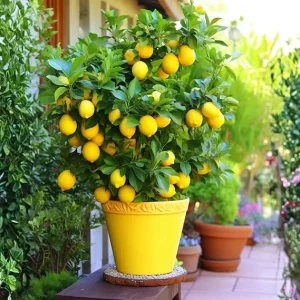
Lemon Tree Growing: Choose, Plant, and Harvest
Learn how to choose, plant, feed, and protect a lemon tree so it fits your
23
Sep
Sep
Dwarf Meyer Lemon Tree Australia: Climate Guide
Learn where dwarf Meyer lemon trees grow, how much cold they tolerate, and whether Australia,
Where to Buy a Dwarf Meyer Lemon Tree: Buyer’s Guide
Find the right dwarf Meyer lemon tree online or locally, compare starter sizes and costs,
Dwarf Meyer Lemon Tree for Sale: Buying Guide
Compare Meyer lemon tree sizes, prices, shipping limits, indoor growing and California options before you
Dwarf Meyer Lemon Tree Guide: Size, Care and Fruit
META: Learn how large a dwarf Meyer lemon tree grows, where it thrives, and how
How to Prune a Dwarf Meyer Lemon Tree
Learn when and how to prune a dwarf Meyer lemon tree, including tools, shaping cuts,
Can You Grow a Dwarf Meyer Lemon Tree in a Pot?
META: Learn how to grow a dwarf Meyer lemon tree in a pot, including container
When Do Dwarf Meyer Lemon Trees Bloom and Fruit?
META: Dwarf Meyer lemon trees usually bloom from winter through spring and may flower again