Black Haw Viburnum Live Shrub 6-12 Inch Tall, Fragrant White Flowers, Outdoor
-50%
Black Haw Viburnum Live Shrub 6-12 Inch Tall, Fragrant White Flowers, Outdoor
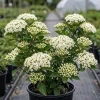
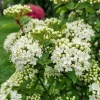
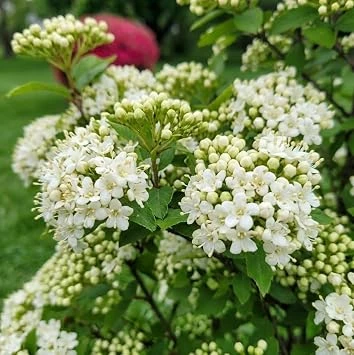
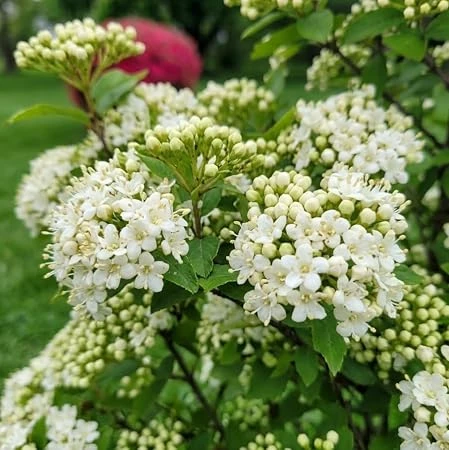
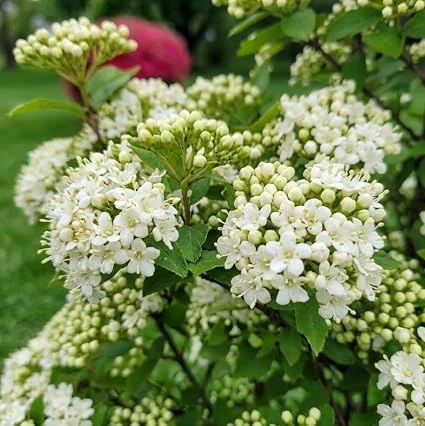
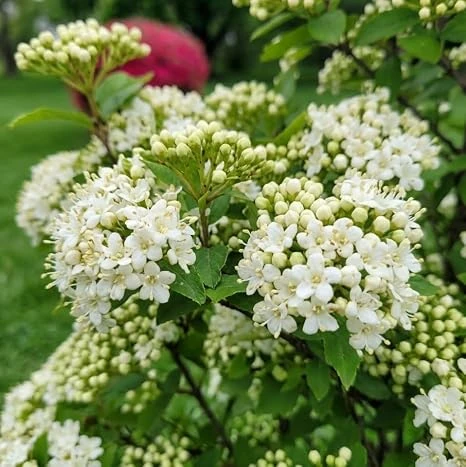
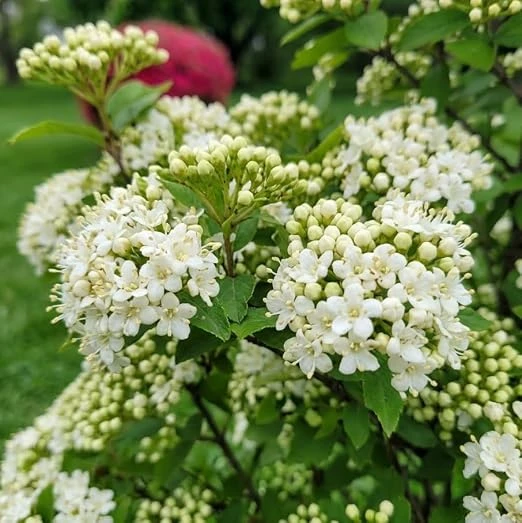
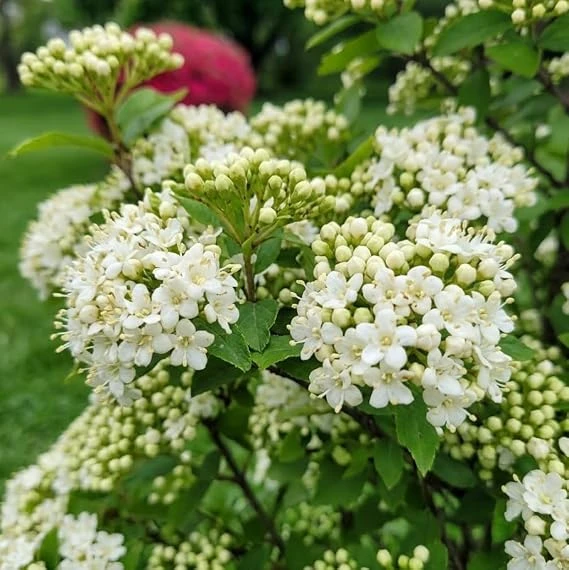
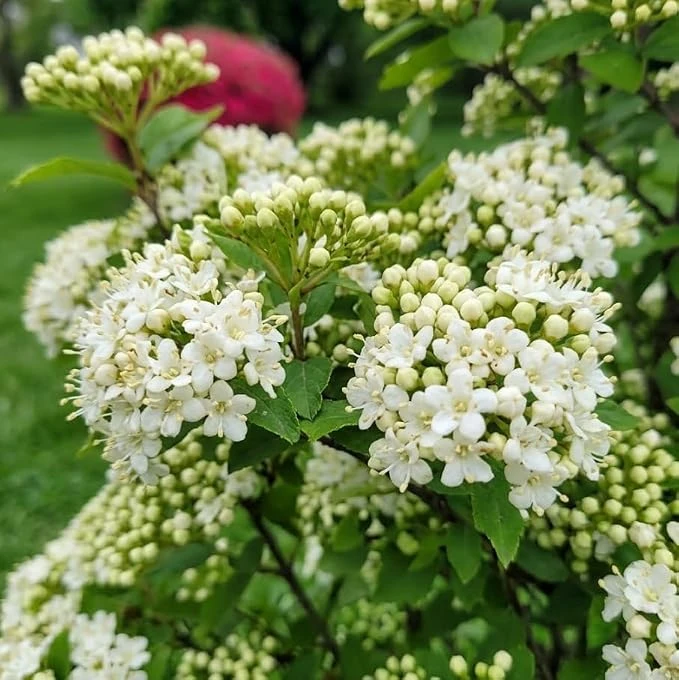
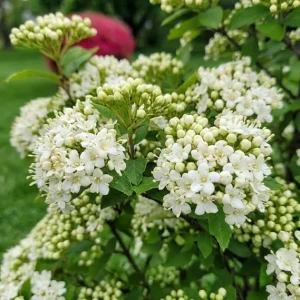
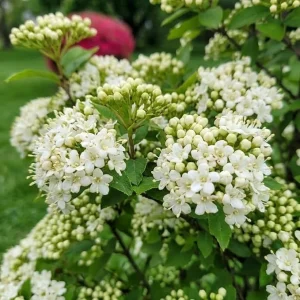
Enhance your landscape with a beautiful black haw viburnum live plant. This native shrub offers abundant clusters of fragrant white flowers in spring, followed by attractive foliage. Arrives 6-12 inches tall in a 4-inch pot, ready for planting outdoors.
Original price was: $30.98.$15.49Current price is: $15.49.

With our Alive & Thrive Guarantee, we’ve got your back for the first 30 days! If you have any concerns about your plants, just reach out to us. Our team is here to help answer your questions and guide you in selecting the best plants for your garden, climate, and unique preferences. We're excited to help you create the garden of your dreams!
Estimated arrival
Oct 29
Nov 03 - Nov 05
Nov 08 - Nov 12

Product Details
-
USDA Hardiness Zone
USDA zones 3-8 -
Soil type
Well-draining, moist, loamy soil -
Sunlight Exposure
Full sun to partial shade -
Expected Planting Period
Spring to early fall
Overview
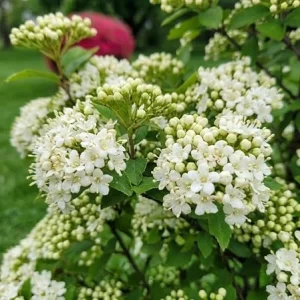
Transform your outdoor space with the stunning black haw viburnum live plant (Viburnum prunifolium). This resilient and beautiful native shrub is celebrated for its abundant clusters of fragrant white flowers that blanket the plant in spring, creating a captivating display and attracting pollinators. A true gem for any garden, the black haw viburnum is not only visually appealing but also a hardy and adaptable addition to diverse landscapes. It arrives as a healthy, thriving plant, typically 6-12 inches tall, conveniently potted in a 4-inch nursery container, making it easy to transplant and establish in your garden.
The native viburnum, Viburnum prunifolium, is a versatile plant perfect for adding seasonal interest, structure, and ecological value to your yard. Its dense foliage provides excellent cover, and the plant transitions beautifully through the seasons, offering not just spring blooms but also attractive summer greenery and often striking fall color. Whether you’re a seasoned gardener or just starting, this robust viburnum shrub is an excellent choice for creating a vibrant and naturalized garden environment, contributing to local biodiversity and visual charm.
Key Benefits
The black haw viburnum live plant offers a multitude of benefits for both your landscape and local ecosystem, making it a highly desirable choice for gardeners seeking beauty and sustainability.
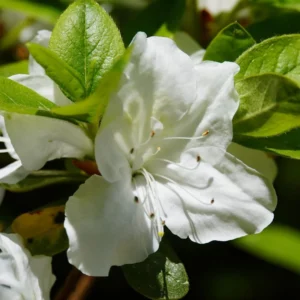
- Fragrant Spring Blooms: Enjoy abundant clusters of beautiful, fragrant white viburnum flowers each spring. These delicate blooms not only add a touch of elegance to your garden but also release a pleasant scent, enhancing your outdoor experience.
- Attracts Pollinators: The vibrant spring flowers are a magnet for bees, butterflies, and other beneficial pollinators, supporting local ecosystems and contributing to garden health.
- Native Resilience: As a native viburnum, this plant is inherently adapted to local climates and conditions, making it exceptionally hardy and low-maintenance once established.
- Versatile Landscaping Use: Ideal for a variety of landscape applications, including hedges, borders, specimen planting, or naturalized areas, providing structure and beauty throughout the year. It’s an excellent choice for those seeking viburnum for landscaping.
- Seasonal Interest: Beyond its spring flowers, the plant offers attractive green foliage through summer and often develops beautiful reddish-purple fall color, providing year-round visual appeal.
- Drought Tolerance: Once established, the black haw viburnum live plant exhibits good drought tolerance, reducing the need for frequent watering and making it a sustainable choice for your garden.
- Wildlife Habitat: Provides food and shelter for various wildlife, including birds that enjoy its dark blue-black berries (which are also edible for humans after ripening).
Plant Care & Growing Tips
Caring for your black haw viburnum live plant is straightforward, especially given its native hardiness. This robust shrub thrives with minimal intervention once established, making it an excellent choice for both novice and experienced gardeners. It generally prefers a site with full sun to partial shade. For optimal flowering and growth, aim for at least 4-6 hours of direct sunlight per day. While it can tolerate more shade, flowering may be less prolific. Ensure it’s planted in a location where it receives adequate light without being scorched by intense afternoon sun in hotter climates.
Regarding watering, newly planted viburnum shrub specimens will require regular watering to help them establish their root system. Keep the soil consistently moist but not waterlogged for the first year. Once established, the black haw viburnum is quite drought-tolerant and can withstand drier periods, though supplemental watering during extended dry spells will promote healthier growth and better flowering. It adapts well to various soil types but thrives in well-draining, moist, loamy soil with a slightly acidic to neutral pH. Amend heavy clay soils with organic matter to improve drainage and aeration before planting. This native viburnum is hardy in USDA zones 3-8, tolerating a wide range of temperatures.
Fertilization is typically not heavily required for established black haw viburnum live plant specimens. If your soil is poor, a balanced slow-release granular fertilizer applied in early spring can be beneficial. Avoid over-fertilizing, which can lead to excessive foliage growth at the expense of flowers. Pruning should be done after flowering in late spring or early summer to maintain shape, remove dead or damaged branches, and encourage bushier growth. This plant is generally resistant to most pests and diseases, though occasional issues like aphids or leaf spots can occur. Good air circulation and proper watering practices can help prevent most problems, ensuring your fragrant white viburnum remains healthy.
Size & Details
The black haw viburnum live plant you receive will arrive as a healthy, actively growing shrub, typically measuring 6-12 inches in height from the top of the soil. Each plant is carefully cultivated and shipped in a 4-inch nursery pot, providing a robust root system ready for successful transplanting into your garden or a larger container. This size is ideal for establishing quickly in its new environment, allowing you to watch it grow and flourish.
This deciduous viburnum shrub is known for its moderate growth rate, eventually reaching a mature height of 10-15 feet and a similar spread, though it can be kept smaller with regular pruning. Expect to see its beautiful fragrant white viburnum flowers in spring, with berries developing in late summer to fall. The plant is shipped as a potted live specimen, ensuring it arrives with minimal transplant shock and is prepared to thrive outdoors, making it an excellent choice for viburnum for landscaping projects.
Frequently Asked Questions
- Q: How big does this plant get? A: The black haw viburnum live plant typically grows to a mature height of 10-15 feet with a similar spread. Its size can be managed with pruning to fit your landscape needs.
- Q: What size pot does it come in? A: Each black haw viburnum is shipped in a 4-inch nursery pot, ensuring a healthy root system for easy transplanting into your garden or a larger container.
- Q: Is this an indoor or outdoor plant? A: This is an outdoor plant, a hardy native viburnum shrub perfectly suited for garden beds, borders, and general landscaping in appropriate USDA zones.
- Q: How much sunlight does it need? A: The black haw viburnum live plant thrives in full sun to partial shade, ideally receiving at least 4-6 hours of direct sunlight daily for best flowering.
- Q: Is this plant easy to care for? A: Yes, once established, the black haw viburnum is relatively low-maintenance due to its native hardiness and adaptability, making it a good choice for various gardening skill levels.
- Q: What condition will it arrive in? A: Your black haw viburnum live plant will arrive well-packaged, healthy, and actively growing in its 4-inch pot, ready to be planted in your outdoor space.
- Q: When is the best time to plant this viburnum? A: The best time to plant your black haw viburnum live plant is in spring or early fall, allowing it ample time to establish its root system before extreme temperatures.
- Q: Will it survive winter in my zone? A: This native viburnum is hardy in USDA zones 3-8, meaning it is well-suited to survive winters in a wide range of climates within these zones.
- Q: Does this plant attract wildlife? A: Yes, the black haw viburnum attracts pollinators with its fragrant white viburnum flowers and provides berries for birds and other small wildlife, enhancing your garden’s biodiversity.
- Q: What are the berries like? A: The berries of the black haw viburnum are dark blue-black when ripe, edible for humans and birds, and add another layer of seasonal interest to the plant.
Related products
-50%


Original price was: $63.00.$31.50Current price is: $31.50.
-30%
Original price was: $73.98.$51.78Current price is: $51.78.
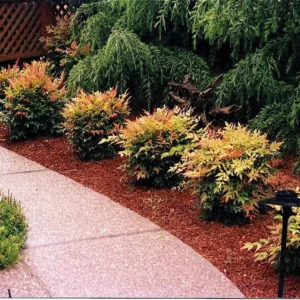
-45%
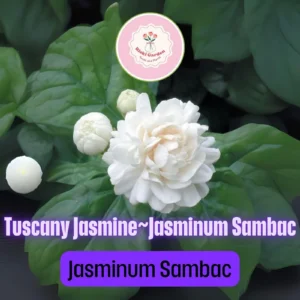
Original price was: $220.00.$121.00Current price is: $121.00.
-60%
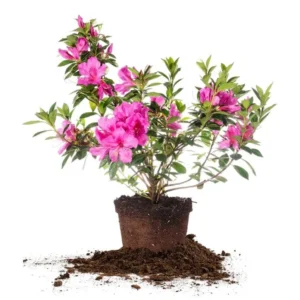
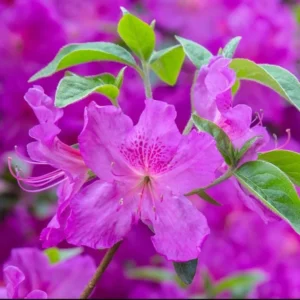
Original price was: $53.99.$21.59Current price is: $21.59.
-43%
Original price was: $89.99.$50.99Current price is: $50.99.
PLANTING & CARE
Lemon Tree Growing: Choose, Plant, and Harvest
Learn how to choose, plant, feed, and protect a lemon tree so it fits your
23
Sep
Sep
Dwarf Meyer Lemon Tree Australia: Climate Guide
Learn where dwarf Meyer lemon trees grow, how much cold they tolerate, and whether Australia,
Where to Buy a Dwarf Meyer Lemon Tree: Buyer’s Guide
Find the right dwarf Meyer lemon tree online or locally, compare starter sizes and costs,
Dwarf Meyer Lemon Tree for Sale: Buying Guide
Compare Meyer lemon tree sizes, prices, shipping limits, indoor growing and California options before you
Dwarf Meyer Lemon Tree Guide: Size, Care and Fruit
META: Learn how large a dwarf Meyer lemon tree grows, where it thrives, and how
How to Prune a Dwarf Meyer Lemon Tree
Learn when and how to prune a dwarf Meyer lemon tree, including tools, shaping cuts,
Can You Grow a Dwarf Meyer Lemon Tree in a Pot?
META: Learn how to grow a dwarf Meyer lemon tree in a pot, including container
When Do Dwarf Meyer Lemon Trees Bloom and Fruit?
META: Dwarf Meyer lemon trees usually bloom from winter through spring and may flower again