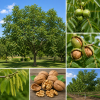
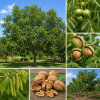
Black Walnut Tree Live Plant, 1 Year Old, 4″ Pot, 6-12″ Tall, Cold Hardy
-50%
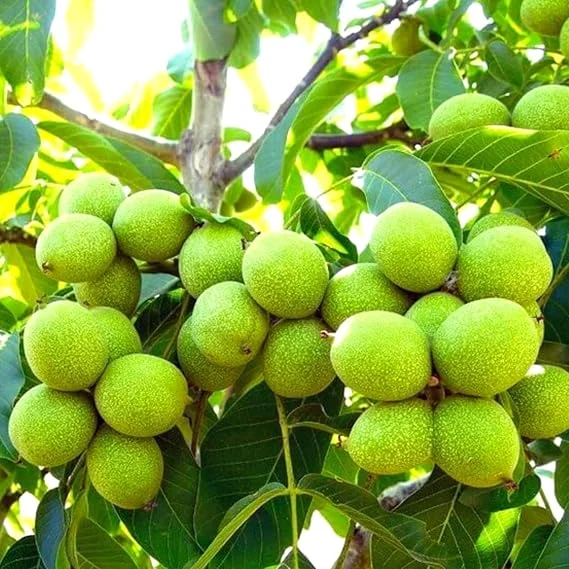
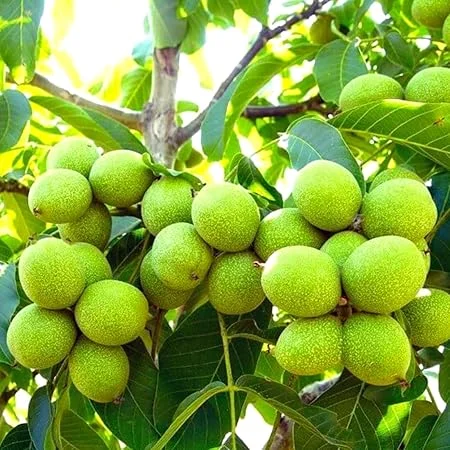
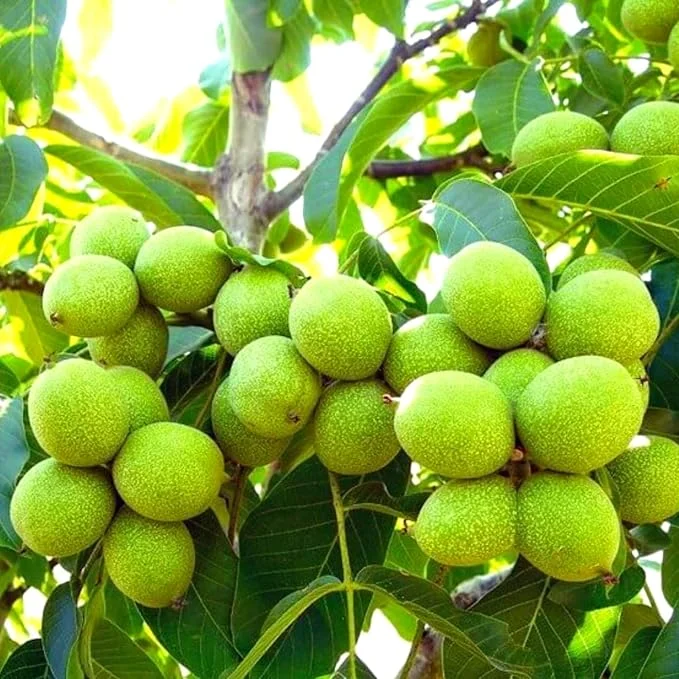
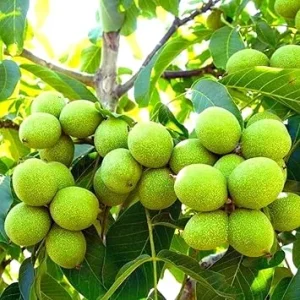
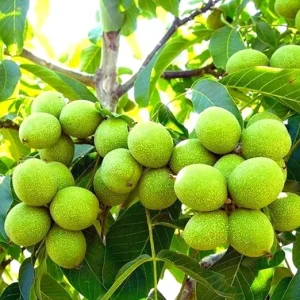
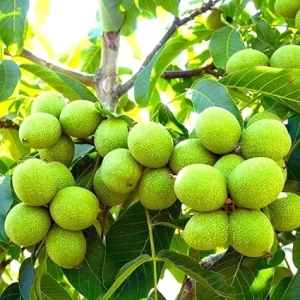
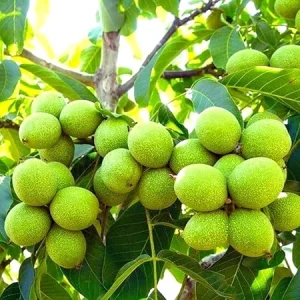
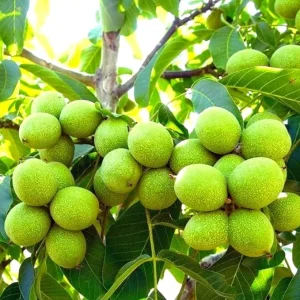
Black Walnut Tree Live Plant, 1 Year Old, 4″ Pot, 6-12″ Tall, Cold Hardy
Cultivate your own shade and harvest delicious nuts with this black walnut tree live plant. A 1-year-old, cold-hardy specimen, it arrives in a 4″ pot, ready for garden planting. Perfect for zones 4-9, this tree is a long-term investment for any garden.
Original price was: $45.98.$22.99Current price is: $22.99.

With our Alive & Thrive Guarantee, we’ve got your back for the first 30 days! If you have any concerns about your plants, just reach out to us. Our team is here to help answer your questions and guide you in selecting the best plants for your garden, climate, and unique preferences. We're excited to help you create the garden of your dreams!
Estimated arrival
Oct 21
Oct 26 - Oct 28
Oct 31 - Nov 04
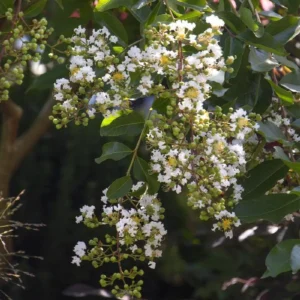
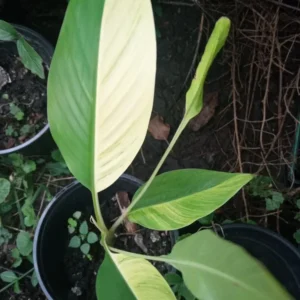
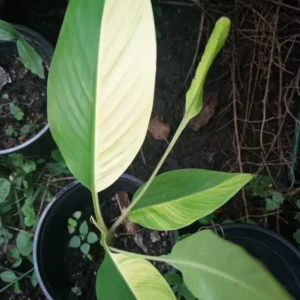
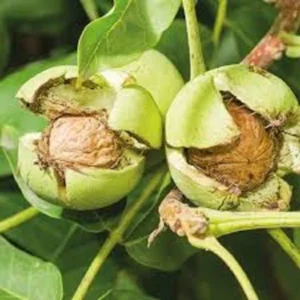
Product Details
-
USDA Hardiness Zone
Zones 4-9 -
Soil type
Well-draining, deep, rich, loamy soil -
Sunlight Exposure
Full Sun -
Expected Planting Period
Spring or Fall
Overview
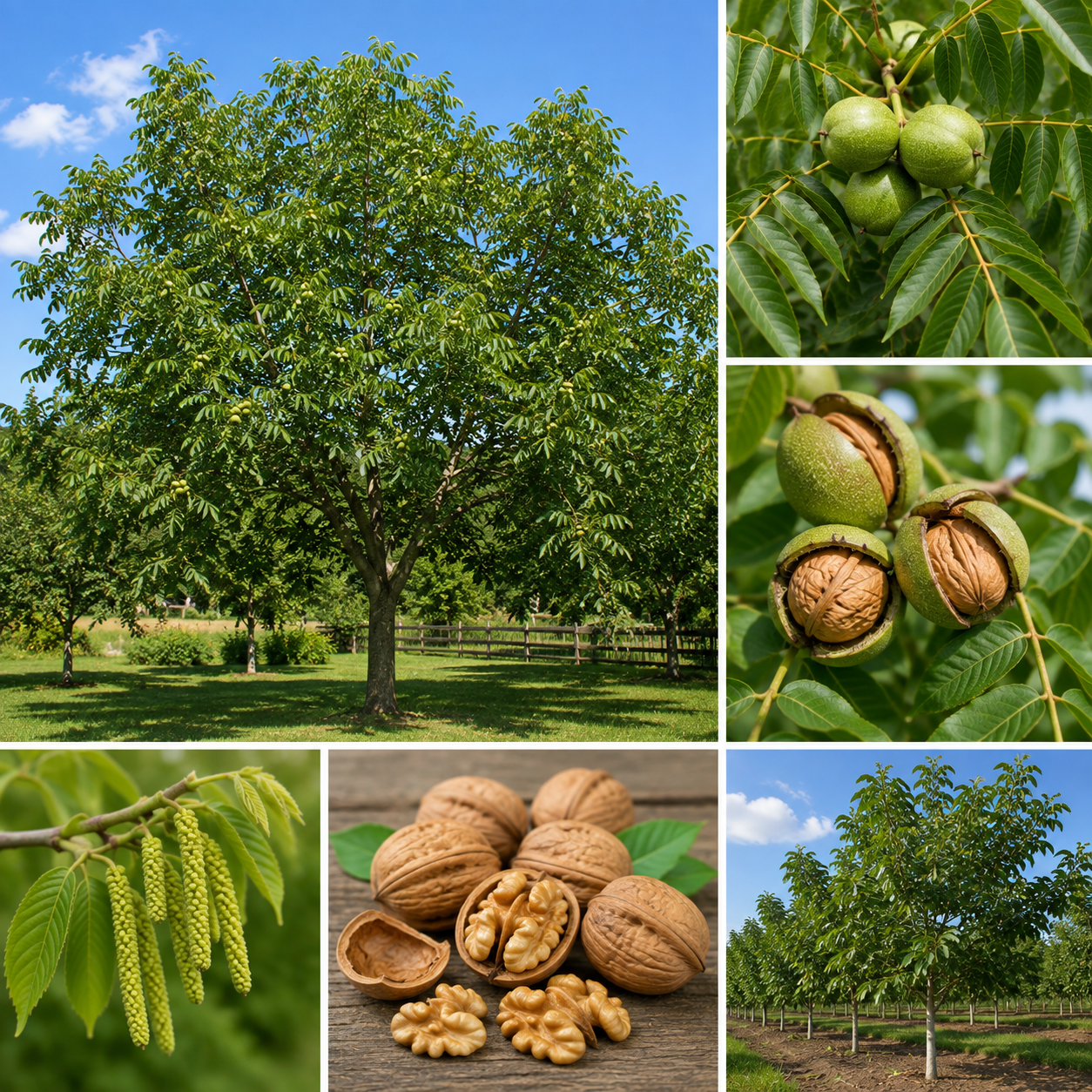
Embark on a rewarding gardening journey with this robust black walnut tree live plant. This offering is for a healthy, 1-year-old sapling, carefully nurtured and ready for transplanting into your garden. Black walnut trees (Juglans nigra) are renowned for their valuable timber, delicious nuts, and impressive stature, providing significant shade and beauty to any landscape. Often sought after by gardeners and arborists alike, this black walnut tree live plant is a fantastic choice for those looking to add a long-term, beneficial addition to their property. It’s an excellent investment that will grow to be a magnificent specimen, producing bountiful harvests for generations to come.
Known for their resilience, these trees are a staple in many North American landscapes. Our saplings are grown with care to ensure they are strong and ready for their new home. This particular tree is a cold hardy walnut tree, making it suitable for a wide range of climates and ensuring it can withstand colder temperatures, thriving in USDA Zones 4-9.
Key Benefits
Adding a black walnut tree to your garden offers numerous advantages, both aesthetic and practical. This magnificent tree provides a host of benefits that make it a worthwhile investment for any homeowner or gardener.
- Nut Production: After several years, your black walnut tree live plant will begin to produce delicious, high-quality black walnuts, perfect for baking, snacking, or selling. This makes it a rewarding choice for those interested in nut producing trees.
- Shade and Aesthetic Appeal: As it matures, the black walnut tree develops a broad, stately canopy, offering excellent shade during hot summer months and enhancing the overall beauty of your landscape.
- Timber Value: Black walnut wood is highly prized for its dark color, strength, and durability, making it one of the most valuable timber trees. Planting one is a long-term investment in both your garden and potential future resources.
- Wildlife Attraction: The nuts and the tree itself provide food and habitat for various wildlife, including squirrels and birds, contributing to local biodiversity.
- Low Maintenance: Once established, the cold hardy walnut tree requires minimal maintenance, making it an ideal choice for gardeners seeking a low-effort, high-reward plant.
- Soil Improvement: The deep taproot system of the black walnut can help improve soil structure and bring up nutrients from deeper soil layers.
- Environmental Contribution: Trees play a crucial role in carbon sequestration, air purification, and supporting ecosystems, making your planting a positive environmental contribution.
Plant Care & Growing Tips
Caring for your black walnut tree live plant is relatively straightforward, especially once it’s established. It thrives in full sun exposure, meaning it needs at least 6 hours of direct sunlight per day to achieve optimal growth and nut production. Plant your sapling in a location where it will receive plenty of light and has ample space to grow, as mature trees can reach impressive sizes.
When it comes to watering, young trees require consistent moisture, especially during dry spells. Water deeply once or twice a week, allowing the soil to dry out slightly between waterings. As the tree matures, its deep root system will make it more drought-tolerant. Black walnuts prefer well-draining, deep, rich, loamy soil. While adaptable, they perform best in slightly acidic to neutral pH soils. Ensure good drainage to prevent root rot. This cold hardy walnut tree is suitable for USDA Zones 4-9, meaning it can tolerate a wide range of winter temperatures. Fertilization can be beneficial for young trees; use a balanced, slow-release fertilizer in the spring. Minimal pruning is typically needed, mainly for removing dead or diseased branches or shaping the tree for structural integrity. Understanding how to care for your growing black walnut tree will ensure a healthy and productive future.
Size & Details
This offering is for one black walnut tree live plant, which is approximately 1 year old. It comes securely planted in a 4-inch nursery pot, providing a healthy root system for successful transplantation. The sapling typically stands between 6-12 inches tall at the time of shipment, a perfect size for easy handling and establishment. Black walnut trees are known for their strong growth rate, and with proper care, your young tree will quickly establish itself and begin its journey towards maturity. Expect it to develop into a large, majestic tree, capable of reaching heights of 50-75 feet with a spread of similar size over many years. This makes it an ideal long-term investment for those interested in nut producing trees.
Frequently Asked Questions
- Q: How big does this black walnut tree get? A: This black walnut tree live plant typically grows 50-75 feet tall with a similar spread at maturity. It’s a large tree, so ensure you have ample space for its growth.
- Q: What size pot does it come in? A: The sapling arrives in a 4-inch nursery pot, providing a healthy start for its root system.
- Q: Is this an indoor or outdoor plant? A: Black walnut trees are outdoor plants. They require full sun exposure and significant space to grow into their mature size.
- Q: How much sunlight does it need? A: This tree thrives in full sun, requiring at least 6 hours of direct sunlight daily for optimal growth and nut production.
- Q: Is this plant easy to care for? A: Once established, the cold hardy walnut tree is relatively low maintenance. Young trees require consistent watering and protection from pests and diseases.
- Q: What condition will it arrive in? A: Your black walnut tree live plant will arrive as a healthy, dormant or actively growing sapling, securely packaged in its 4-inch pot to ensure a safe journey.
- Q: How long until it produces nuts? A: Black walnut trees typically begin producing nuts after 8-12 years, with significant yields starting around 20 years of age. It’s a long-term investment for nut producing trees.
- Q: When is the best time to plant? A: The best time to plant is in early spring or fall, allowing the roots to establish before extreme weather conditions.
- Q: Will it survive winter in my zone? A: Yes, this is a cold hardy walnut tree, suitable for USDA Zones 4-9, making it resilient to cold winters within these zones.
- Q: What type of soil does it prefer? A: It prefers deep, rich, well-draining loamy soil with a slightly acidic to neutral pH.
Related products
-36%
Original price was: $279.98.$179.98Current price is: $179.98.
-50%
Original price was: $73.98.$36.99Current price is: $36.99.
-20%
Original price was: $90.00.$72.00Current price is: $72.00.
PLANTING & CARE
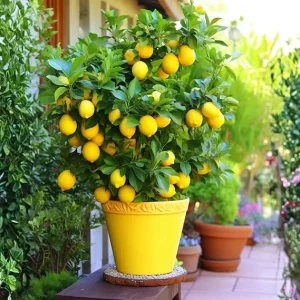
Lemon Tree Growing: Choose, Plant, and Harvest
Learn how to choose, plant, feed, and protect a lemon tree so it fits your
23
Sep
Sep
Dwarf Meyer Lemon Tree Australia: Climate Guide
Learn where dwarf Meyer lemon trees grow, how much cold they tolerate, and whether Australia,
Where to Buy a Dwarf Meyer Lemon Tree: Buyer’s Guide
Find the right dwarf Meyer lemon tree online or locally, compare starter sizes and costs,
Dwarf Meyer Lemon Tree for Sale: Buying Guide
Compare Meyer lemon tree sizes, prices, shipping limits, indoor growing and California options before you
Dwarf Meyer Lemon Tree Guide: Size, Care and Fruit
META: Learn how large a dwarf Meyer lemon tree grows, where it thrives, and how
How to Prune a Dwarf Meyer Lemon Tree
Learn when and how to prune a dwarf Meyer lemon tree, including tools, shaping cuts,
Can You Grow a Dwarf Meyer Lemon Tree in a Pot?
META: Learn how to grow a dwarf Meyer lemon tree in a pot, including container
When Do Dwarf Meyer Lemon Trees Bloom and Fruit?
META: Dwarf Meyer lemon trees usually bloom from winter through spring and may flower again