Black Walnut Tree Live Plant in 4″ Pot – Hardy 1 Year Old for Outdoor Planting
-50%
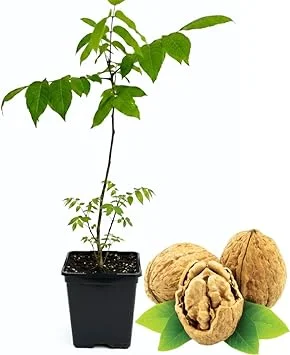
Black Walnut Tree Live Plant in 4″ Pot – Hardy 1 Year Old for Outdoor Planting
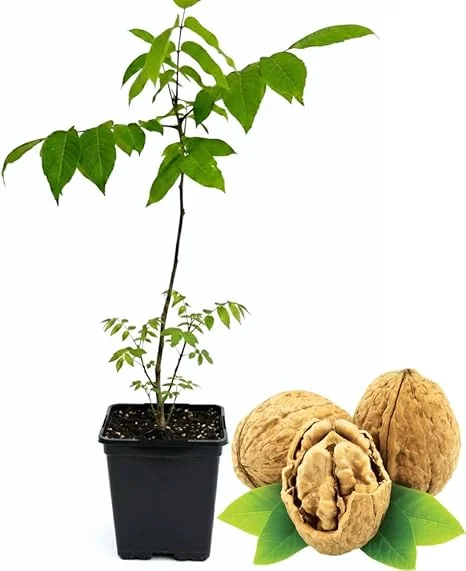
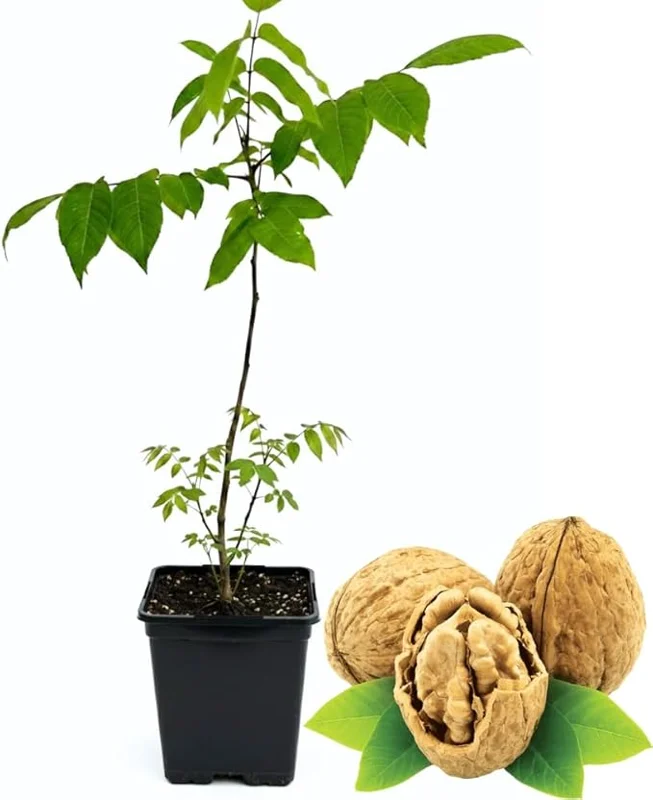
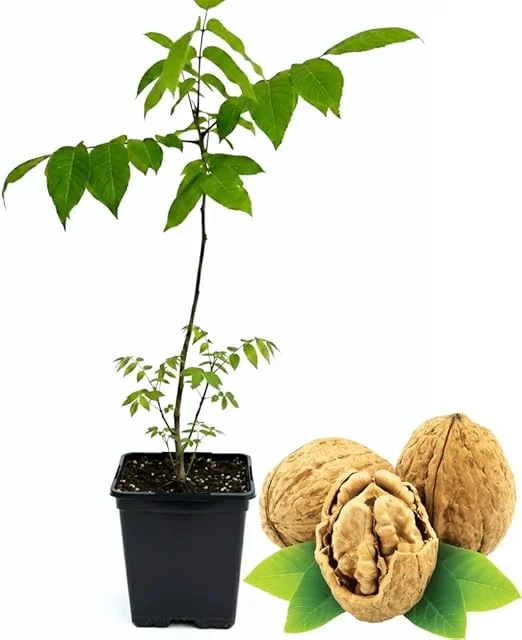
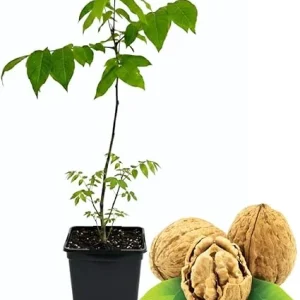
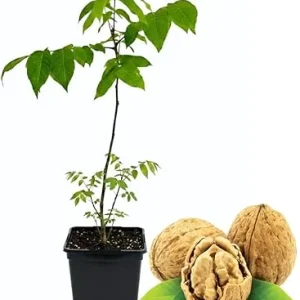
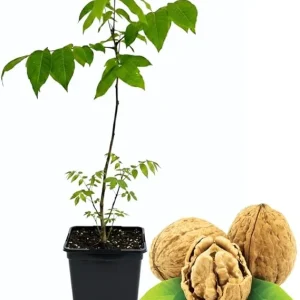
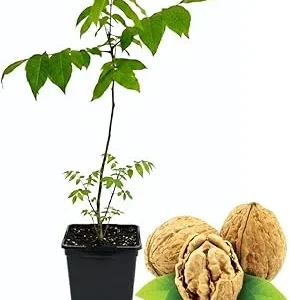
Cultivate your own magnificent black walnut tree live plant. This 1-year-old, hardy sapling arrives in a 4-inch pot, ready for outdoor planting. Known for its valuable timber and edible nuts, it’s a fast-growing, drought-tolerant addition to any landscape.
Original price was: $47.98.$23.99Current price is: $23.99.

With our Alive & Thrive Guarantee, we’ve got your back for the first 30 days! If you have any concerns about your plants, just reach out to us. Our team is here to help answer your questions and guide you in selecting the best plants for your garden, climate, and unique preferences. We're excited to help you create the garden of your dreams!
Estimated arrival
Mar 31
Apr 05 - Apr 07
Apr 10 - Apr 14
Product Details
-
USDA Hardiness Zone
4–9 -
Soil type
Moist, deep, well-drained loamy soil -
Sunlight Exposure
Full sun -
Expected Planting Period
Spring or Fall
Overview
Introduce a majestic addition to your landscape with this black walnut tree live plant. This hardy, 1-year-old sapling, scientifically known as Juglans nigra, arrives in a 4-inch pot, ready for successful outdoor planting. Renowned for its rapid growth, impressive mature size, and the valuable timber it produces, the black walnut tree live plant is a fantastic investment for both home gardeners and larger properties. It is a deciduous tree, meaning it will be dormant and appear without leaves during winter, focusing its energy on developing a strong root system, and will burst forth with lush foliage in spring and summer. This particular specimen is ideal for those looking to establish a long-term, beneficial tree in their environment.
The black walnut tree live plant is highly adaptable and can thrive in various climates, making it a popular choice across many regions. Its robust nature ensures it can withstand different environmental conditions once established, providing a reliable and beautiful focal point for years to come. Whether you’re aiming to enhance local wildlife habitats, produce your own walnuts, or simply enjoy the grandeur of a mature tree, this sapling offers an excellent starting point.
Key Benefits
Planting a black walnut tree offers numerous advantages, from ecological contributions to long-term economic value. This vigorous sapling provides a foundation for a healthy and productive tree that will enrich your property for generations.
- Valuable Timber Production: Black walnut tree live plants are highly prized for their dark, dense, and durable wood, often used in fine furniture, cabinetry, and flooring. Planting now is a long-term investment in a valuable natural resource.
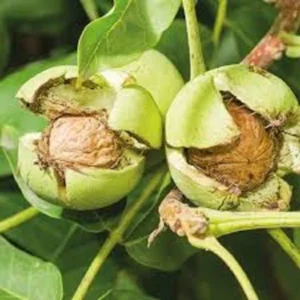
- Edible Nuts: Once mature, the tree produces delicious, nutrient-rich walnuts that can be harvested for culinary uses, baking, or simply enjoyed fresh. This provides a sustainable food source directly from your garden.
- Wildlife Attraction: The nuts are a significant food source for various wildlife, including squirrels, deer, and birds, contributing to local biodiversity and creating a vibrant ecosystem in your yard.
- Drought Tolerance: Once established, this black walnut tree live plant is remarkably drought-tolerant, requiring less supplemental watering and making it a resilient choice for various climates and soil conditions.
- Fast-Growing & Cold-Hardy: Known for its relatively fast growth rate and excellent cold hardiness (USDA Zones 4-9), this tree quickly establishes itself and thrives in a wide range of temperate regions, ensuring a successful planting experience.
- Soil Improvement: The deep root system of the black walnut tree can help with soil stabilization and nutrient cycling, contributing to the overall health of your landscape.
- Shade & Aesthetic Appeal: With its broad canopy and attractive foliage, a mature black walnut tree provides ample shade and a striking visual presence, enhancing the beauty and comfort of your outdoor space.
Plant Care & Growing Tips
Caring for your black walnut tree live plant is relatively straightforward, especially once it’s established. Understanding its basic needs will ensure vigorous growth and a healthy, productive tree for years to come. This hardy walnut plant prefers a specific range of conditions to thrive.
Sunlight Requirements: The black walnut tree live plant thrives in full sun, meaning it needs at least 6-8 hours of direct sunlight per day. Choose a planting location that receives abundant sun exposure throughout the growing season. While it can tolerate some partial shade, optimal growth and nut production occur in full sun. Ensure that surrounding structures or taller trees will not cast excessive shade on the young sapling as it grows.
Watering & Soil: This tree prefers moist, deep, well-drained loamy soils. While young, water regularly to keep the soil consistently moist but not waterlogged, especially during dry spells. Once established, the black walnut tree live plant becomes quite drought-tolerant, requiring less frequent watering. Ensure the planting site has good drainage to prevent root rot. It is adaptable to various soil types but performs best in rich, fertile ground. For healthy growth, consider amending poor soils with organic matter before planting.
Temperature & USDA Zones: The black walnut tree live plant is cold-hardy and suitable for USDA Zones 4–9. It can withstand significant winter temperatures, though young trees may benefit from some winter protection in the colder parts of its range. As a deciduous tree, it will naturally go dormant in winter, shedding its leaves. This is a normal and healthy part of its life cycle. Fertilization is generally not needed for established trees in good soil, but a balanced slow-release fertilizer can be applied in spring for young, developing saplings if soil nutrients are deficient. Be mindful of potential juglone toxicity, a chemical produced by black walnut roots that can inhibit the growth of certain sensitive plants nearby.
Size & Details
This black walnut tree live plant is a 1-year-old sapling, carefully grown and shipped in a 4-inch nursery pot. At this stage, the plant is typically focused on developing a robust root system, which is crucial for its future growth and stability. While exact height can vary, expect a healthy young plant ready for transplanting. When mature, the black walnut tree is a substantial specimen, reaching an impressive height of 50–75 feet tall with a similar spread of 50–75 feet wide, forming a magnificent, spreading canopy. Its fast-growing nature means you will see considerable development year after year, especially with proper care and ideal growing conditions. The tree will begin to produce nuts once it reaches maturity, typically after 10-15 years, offering a long-term return on your planting investment.
Frequently Asked Questions
- Q: How big does this black walnut tree live plant get? A: This sapling is currently a small, 1-year-old plant in a 4-inch pot. At maturity, a black walnut tree can reach an impressive height of 50–75 feet tall and spread 50–75 feet wide, providing substantial shade and presence in your landscape.
- Q: Is this an indoor or outdoor plant? How much sunlight does it need? A: This is an outdoor tree and requires full sun exposure, meaning at least 6-8 hours of direct sunlight daily for optimal growth and health. It is not suitable for indoor cultivation.
- Q: Is this hardy walnut plant easy to care for? Is it good for beginners? A: Yes, once established, the black walnut tree is relatively low maintenance and drought-tolerant, making it a good choice for gardeners of all experience levels. Young saplings require consistent watering and protection from extreme conditions.
- Q: What condition will the black walnut tree live plant arrive in? A: Your 1-year-old black walnut sapling will arrive in a 4-inch pot. During winter months, it will be dormant with no leaves, which is normal and healthy, indicating strong root development. It will leaf out in spring.
- Q: Can I use the walnuts from this tree? A: Yes, once the tree matures and begins producing nuts (typically after 10-15 years), the walnuts are edible and highly prized for their flavor. They can be used in baking, cooking, or enjoyed fresh.
- Q: When is the best time to plant a hardy walnut plant? A: The best time to plant black walnut trees is typically in the spring or fall when temperatures are moderate. This allows the tree to establish its root system before the stress of summer heat or winter cold.
- Q: Will this black walnut tree live plant survive winter in my zone? A: Yes, the black walnut tree is very cold-hardy and suitable for USDA Zones 4–9. It is accustomed to cold winters and will enter dormancy, shedding its leaves, which is a natural survival mechanism.
- Q: What kind of soil does a growing walnut tree prefer? A: Black walnut trees prefer deep, moist, well-drained loamy soils but are adaptable to a range of soil types. Good drainage is crucial to prevent root issues.
- Q: How fast does a black walnut tree live plant grow? A: Black walnut trees are considered fast-growing, especially in ideal conditions. You can expect significant growth each year, contributing to its mature size of 50-75 feet tall and wide.
- Q: Are there any plants I shouldn’t plant near a black walnut tree live plant? A: Yes, black walnut trees produce a chemical called juglone, which can be toxic to certain sensitive plants (such as tomatoes, blueberries, and apples). Research juglone-tolerant plants if you plan to garden nearby.
Related products
-20%
Original price was: $90.00.$72.00Current price is: $72.00.
PLANTING & CARE
Growing Glencoe Raspberry: A Complete Guide for Gardeners
If you’re looking to add something unique to your garden, look no further than the
31
Mar
Mar

The Comprehensive Guide to Growing Bay Leaf Plants for a Flavorful Garden
Imagine stepping into your garden, greeted by the earthy aroma of fresh bay leaves, their
09
Feb
Feb

How to Make Comfrey Tea: The Ultimate Organic Plant Food
Growing an organic garden can be surprisingly expensive, especially when most store-bought fertilizers come in
02
Feb
Feb

True Comfrey: 7 Essential Tips Before You Plant This Herb
A staple in permaculture practices across the US, True Comfrey easily earns its reputation as
27
Jan
Jan

7 Heart-Shaped Plants for a Lasting Valentine’s Gift
If you’ve ever bought a bouquet of roses for Valentine’s Day, you know they are
26
Jan
Jan

Best Types of Ivy Plant for Houses: How to Choose the Perfect Ones for Your Home
Are you a garden lover looking to introduce some greenery into your home? Maybe you’ve
14
Nov
Nov

When to Harvest Garlic (Especially Fall-Planted Garlic)
TIMING IS EVERYTHING, they say – and for garlic, that truth hits with surprising accuracy.
13
Nov
Nov

11 of the Best Sweet Potato Varieties to Grow for Your Garden
If you’ve ever tried growing sweet potatoes, you know that picking the right variety can
12
Nov
Nov