Blue Hydrangea Live Plant, Large Ball Flowers, Shrub, 6-12″ Tall, 2.5″ Pot
-50%
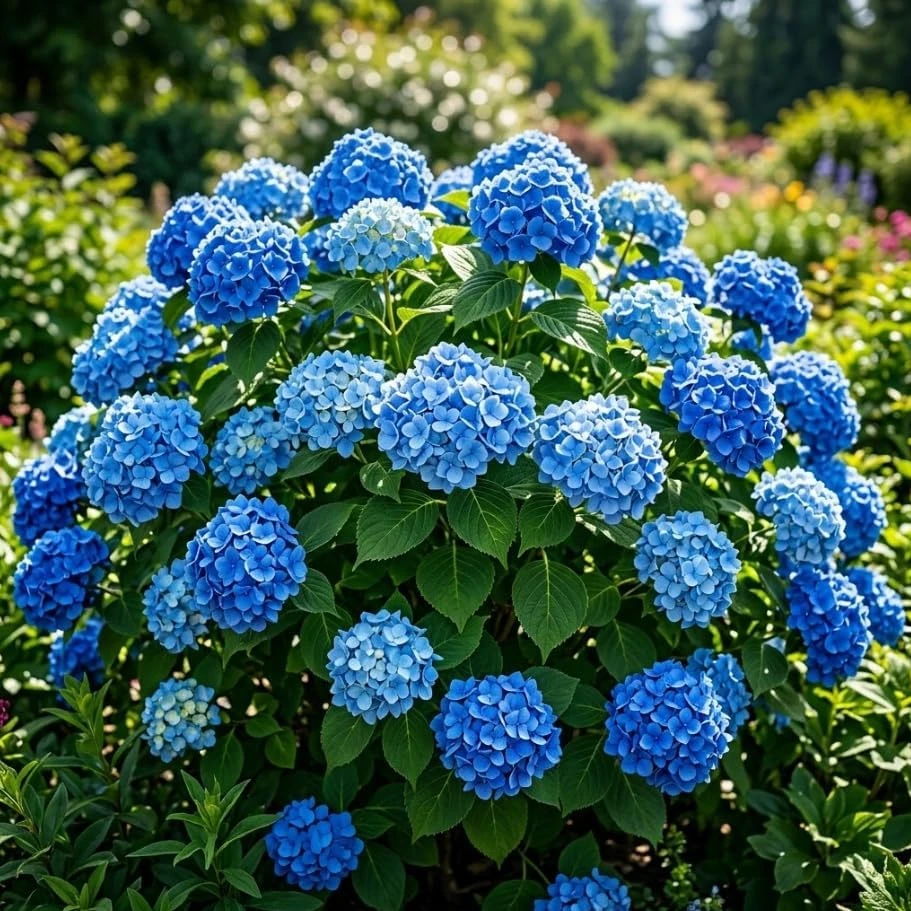
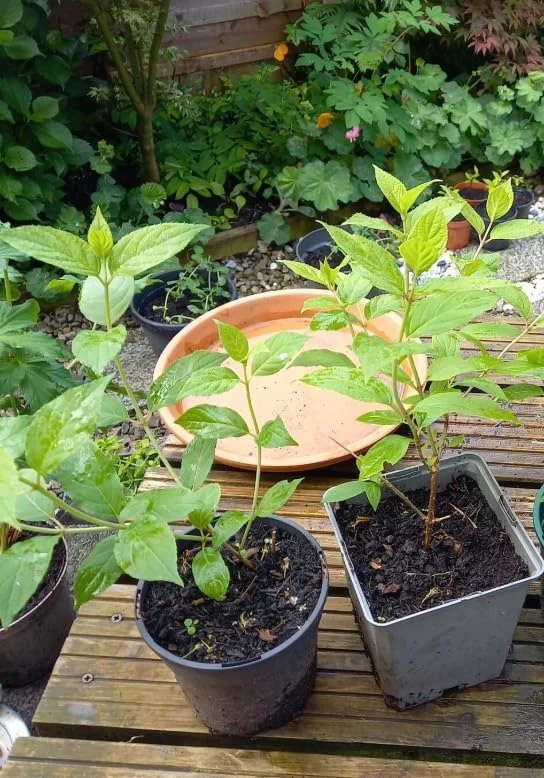
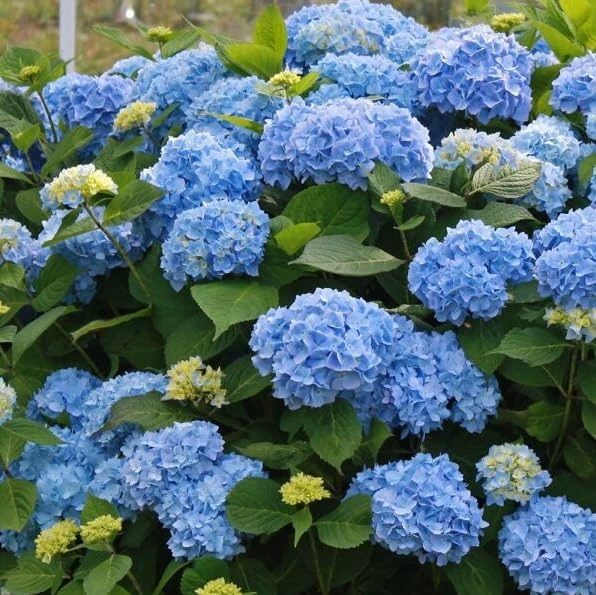
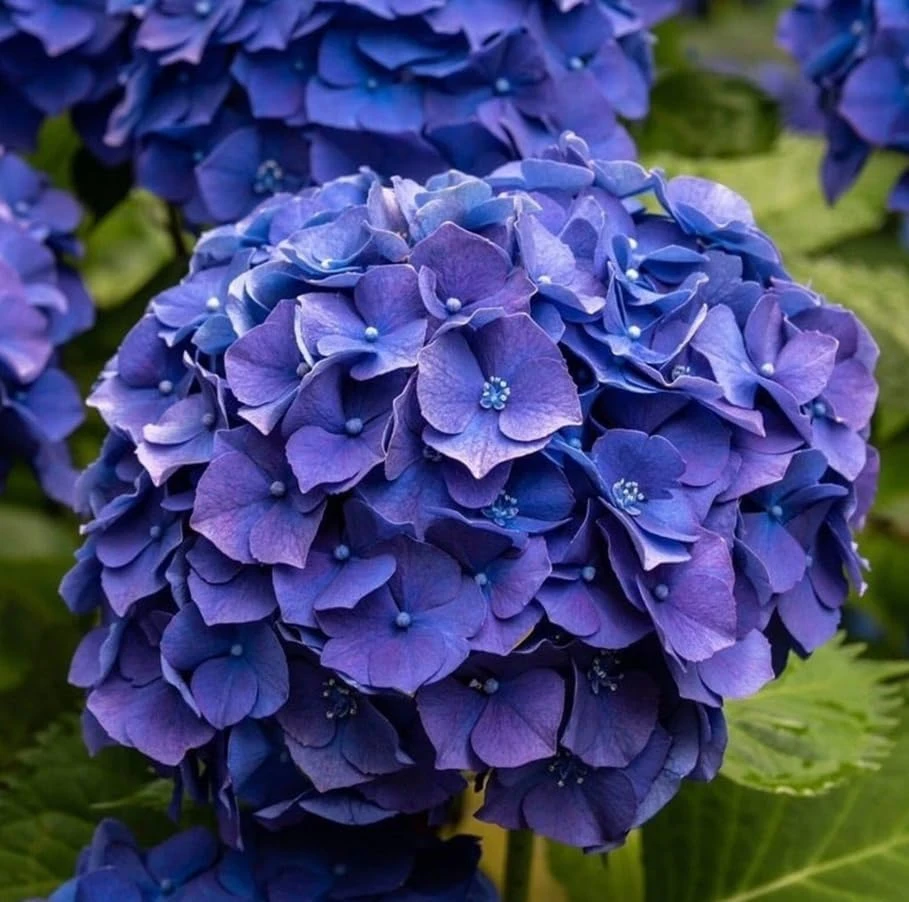
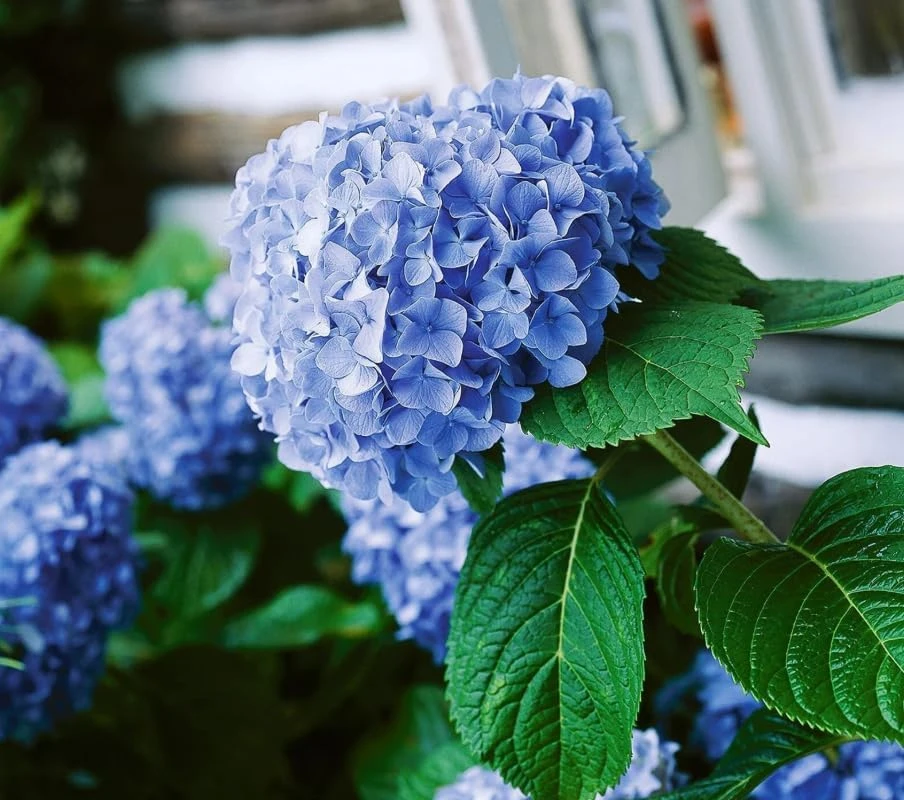
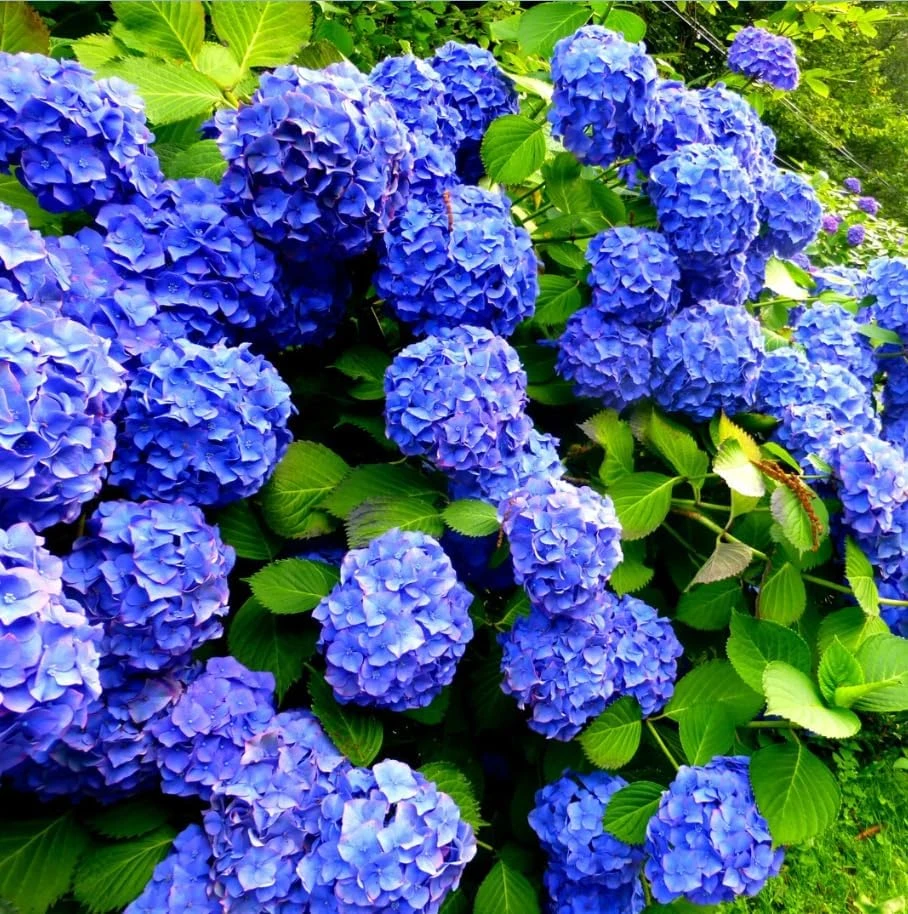
Blue Hydrangea Live Plant, Large Ball Flowers, Shrub, 6-12″ Tall, 2.5″ Pot
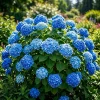
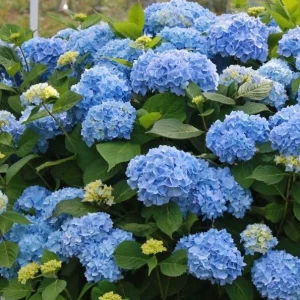
Bring vibrant color to your outdoor space with this stunning blue hydrangea live plant. Known for its large, captivating ball-shaped flower clusters, this hardy shrub arrives 6-12 inches tall in a 2.5-inch pot, ready to flourish in your garden or on your patio. A perfect accent for borders or containers.
Original price was: $29.98.$14.99Current price is: $14.99.

With our Alive & Thrive Guarantee, we’ve got your back for the first 30 days! If you have any concerns about your plants, just reach out to us. Our team is here to help answer your questions and guide you in selecting the best plants for your garden, climate, and unique preferences. We're excited to help you create the garden of your dreams!
Estimated arrival
Oct 29
Nov 03 - Nov 05
Nov 08 - Nov 12

Product Details
-
USDA Hardiness Zone
USDA Zones 5-9 -
Soil type
Rich, well-draining, acidic soil -
Sunlight Exposure
Partial shade to full sun -
Expected Planting Period
Spring to early summer
Overview
Introduce a touch of classic elegance to your landscape with the exquisite blue hydrangea live plant. This beautiful flowering shrub is celebrated for its magnificent, large, ball-shaped flower clusters that can transform any garden, patio, or porch into a vibrant display. Hydrangeas are a beloved choice for both seasoned gardeners and beginners due to their relatively easy care and impressive visual impact. This particular variety offers fragrant, changing blooms that provide continuous interest throughout the growing season. Arriving as a well-established starter plant, approximately 6-12 inches tall in a 2.5-inch pot, it’s prepared to thrive with proper care and attention, offering years of enjoyment and breathtaking floral beauty. Embrace the charm of a hydrangea shrub outdoor and watch your garden come alive.
The genus Hydrangea encompasses over 75 species of flowering plants native to Asia and the Americas. Commonly known as Bigleaf Hydrangea or French Hydrangea (Hydrangea macrophylla), this variety is cherished for its ability to produce large, showy flowers, often in shades of blue, pink, or white, depending on soil pH. Our blue hydrangea live plant is cultivated to bring those coveted blue hues to your home, offering a dynamic and eye-catching addition to your outdoor living spaces.
Key Benefits
Adding a blue hydrangea live plant to your garden offers a multitude of benefits, from aesthetic appeal to ease of maintenance, making it a truly rewarding choice for any plant enthusiast. Its striking features and adaptability ensure it stands out.
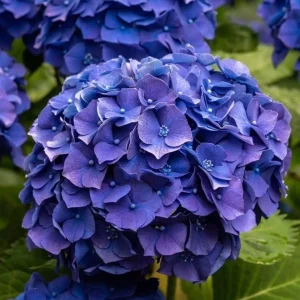
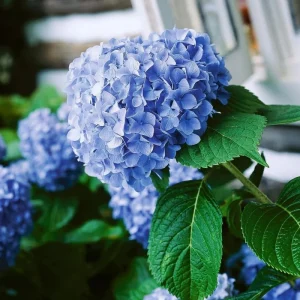
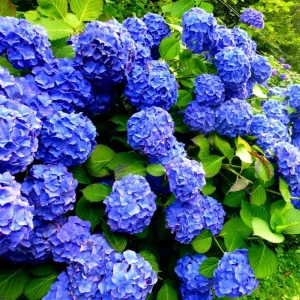
- Stunning Floral Display: Produces large, lush, ball-shaped blue flower clusters that create a dramatic visual impact, becoming a focal point in any garden or container. The vibrant blooms can change color based on soil pH, adding an element of surprise.
- Versatile Landscaping: Ideal for use as a garden border plant, a captivating accent plant, or a beautiful container plant for patios, porches, and decks. Its adaptability makes it suitable for various design schemes.
- Fragrant Blooms: Enjoy the subtle, pleasant fragrance emanating from its beautiful flowers, enhancing the sensory experience of your outdoor living area.
- Hardy & Resilient: A robust and hardy shrub that thrives in a range of conditions, making it relatively easy to care for and suitable for various climates. It’s known for its strong growth and ability to bounce back.
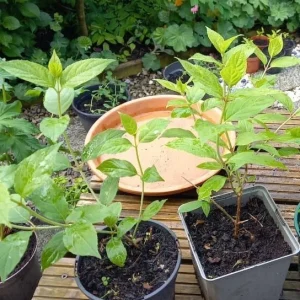
- Established Starter Plant: Arrives as a healthy, well-rooted plant, approximately 6-12 inches tall in a 2.5-inch pot, ensuring it’s ready to transition smoothly into its new home and begin flourishing quickly.
- Attracts Pollinators: The abundant blooms can attract beneficial pollinators like bees and butterflies, contributing to a healthy garden ecosystem.
- Long Blooming Season: Provides extended periods of bloom, offering continuous color and beauty from late spring through summer, and sometimes into fall. This ensures your large ball hydrangea is a constant source of joy.
Plant Care & Growing Tips
Ensuring your blue hydrangea live plant thrives requires understanding its basic care needs. These shrubs are generally easy to care for, but specific attention to light, water, and soil will yield the most impressive blooms. For optimal growth and vibrant blue flowers, maintaining slightly acidic soil is crucial, as alkalinity can cause the blooms to turn pink.
Sunlight Requirements: Hydrangeas prefer partial shade to full sun. In hotter climates, morning sun with afternoon shade is ideal to protect the delicate flowers and foliage from scorching. In cooler regions, they can tolerate more direct sun. Aim for at least 4-6 hours of sunlight daily for the best blooming performance. Ensure your hydrangea shrub outdoor location provides adequate light without excessive heat.
Watering Schedule & Soil Moisture: Hydrangeas are thirsty plants, especially during their blooming period and in hot weather. They require regular watering to keep the soil consistently moist but not waterlogged. Water deeply 2-3 times a week, or more frequently during dry spells. Wilting leaves are a clear sign the plant needs water. Good drainage is essential to prevent root rot.
Soil Type & Drainage: This plant thrives in rich, well-drained soil. A loamy soil amended with organic matter, such as compost, will provide the necessary nutrients and retain moisture while allowing excess water to drain away. For blue blooms, maintain a soil pH between 5.0 and 5.5. You can achieve this by adding soil acidifiers like aluminum sulfate or elemental sulfur. For a beautiful large ball hydrangea, proper soil is key.
Temperature Range & USDA Hardiness Zone: Most Bigleaf Hydrangeas are hardy in USDA Zones 5-9. They prefer moderate temperatures and can struggle in extreme heat or cold without protection. In colder zones, mulching heavily around the base in fall can help protect roots. Protect from late spring frosts which can damage new growth and flower buds.
Fertilization Schedule: Fertilize your hydrangea in early spring with a balanced slow-release fertilizer designed for acid-loving plants. Avoid over-fertilizing, which can promote leafy growth at the expense of flowers. A second, lighter feeding can be done in mid-summer if needed, but avoid fertilizing late in the season to prevent stimulating new growth that could be damaged by winter cold. Regular feeding supports a healthy blue hydrangea live plant.
Common Problems & Solutions: Watch out for common pests like aphids and spider mites, which can be treated with insecticidal soap. Powdery mildew can occur in humid conditions; ensure good air circulation and avoid overhead watering. Yellowing leaves may indicate nutrient deficiency or incorrect soil pH; test your soil and adjust as needed. Understanding blue hydrangea care helps prevent these issues.
Size & Details
This offering includes one healthy blue hydrangea live plant, shipped in a 2.5-inch nursery pot. Upon arrival, the plant stands approximately 6-12 inches tall, making it a robust starter plant ready for transplanting into a larger container or directly into your garden. Hydrangeas are known for their moderate to fast growth rate, and with proper care, this shrub can reach a mature height of 3-6 feet and a similar spread, forming a dense, rounded bush. The large, ball-shaped flower clusters, characteristic of a large ball hydrangea, typically begin to appear in late spring and continue through summer, bringing long-lasting color to your outdoor space. Expect the plant to establish itself quickly and begin producing its iconic blooms within its first or second growing season.
Frequently Asked Questions
- Q: How big does this plant get? A: This blue hydrangea live plant typically grows to a mature height and spread of 3-6 feet. Its size can be influenced by growing conditions, pruning, and climate, allowing it to become a substantial and beautiful focal point in your garden.
- Q: What size pot does it come in? A: The plant arrives in a 2.5-inch nursery pot, providing a secure and established root system for successful transplanting. You can move it to a larger container or directly into the ground upon arrival.
- Q: Is this an indoor or outdoor plant? A: This is primarily an hydrangea shrub outdoor plant, thriving in garden beds, borders, and large outdoor containers. While it can be briefly brought indoors for decorative purposes, it requires outdoor conditions for long-term health and blooming.
- Q: How much sunlight does it need? A: Blue hydrangeas prefer partial shade to full sun. In warmer climates, morning sun and afternoon shade are ideal to protect the foliage and blooms. In cooler regions, they can tolerate more direct sunlight, needing at least 4-6 hours daily.
- Q: Is this plant easy to care for? A: Yes, hydrangeas are generally considered easy to care for, making them suitable for gardeners of all experience levels. Key aspects of blue hydrangea care include consistent watering, appropriate sunlight, and well-draining, acidic soil for blue blooms.
- Q: What condition will it arrive in? A: Your blue hydrangea live plant will arrive as a healthy, well-established starter plant, approximately 6-12 inches tall, carefully packaged to ensure its safe journey. It will be ready for immediate planting.
- Q: Is it shipped in soil? A: Yes, the plant is shipped securely in its 2.5-inch nursery pot with its soil, ensuring the root system remains intact and hydrated during transit. This allows for a smooth transition to its new home.
- Q: How long until it blooms? A: With proper care, your blue hydrangea typically begins to produce its beautiful ball-shaped flowers in its first or second growing season after planting. Blooms generally appear from late spring through summer.
- Q: When is the best time to plant? A: The best time to plant your hydrangea is in spring or early fall, allowing the plant sufficient time to establish its root system before extreme summer heat or winter cold. This ensures your growing blue hydrangea gets the best start.
- Q: Will it survive winter in my zone? A: Most Bigleaf Hydrangeas are hardy in USDA Zones 5-9. In colder zones, it’s recommended to provide winter protection, such as a thick layer of mulch around the base, to help the roots survive.
Related products
-50%
Original price was: $83.00.$41.50Current price is: $41.50.
-76%
Original price was: $103.96.$24.99Current price is: $24.99.
-43%
Original price was: $89.99.$50.99Current price is: $50.99.
-45%
Original price was: $220.00.$121.00Current price is: $121.00.
PLANTING & CARE
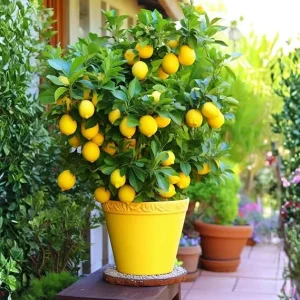
Lemon Tree Growing: Choose, Plant, and Harvest
Learn how to choose, plant, feed, and protect a lemon tree so it fits your
23
Sep
Sep
Dwarf Meyer Lemon Tree Australia: Climate Guide
Learn where dwarf Meyer lemon trees grow, how much cold they tolerate, and whether Australia,
Where to Buy a Dwarf Meyer Lemon Tree: Buyer’s Guide
Find the right dwarf Meyer lemon tree online or locally, compare starter sizes and costs,
Dwarf Meyer Lemon Tree for Sale: Buying Guide
Compare Meyer lemon tree sizes, prices, shipping limits, indoor growing and California options before you
Dwarf Meyer Lemon Tree Guide: Size, Care and Fruit
META: Learn how large a dwarf Meyer lemon tree grows, where it thrives, and how
How to Prune a Dwarf Meyer Lemon Tree
Learn when and how to prune a dwarf Meyer lemon tree, including tools, shaping cuts,
Can You Grow a Dwarf Meyer Lemon Tree in a Pot?
META: Learn how to grow a dwarf Meyer lemon tree in a pot, including container
When Do Dwarf Meyer Lemon Trees Bloom and Fruit?
META: Dwarf Meyer lemon trees usually bloom from winter through spring and may flower again