Blue Mist Flower Seeds – Eupatorium coelestinum – Native Wildflower for Pollinators – 200 Seeds
-59%
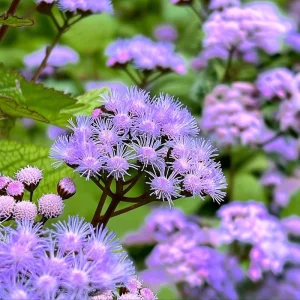
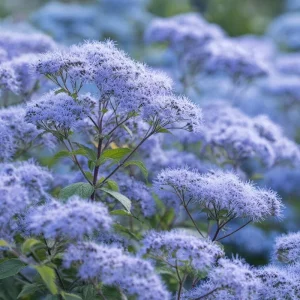
Blue Mist Flower Seeds – Eupatorium coelestinum – Native Wildflower for Pollinators – 200 Seeds
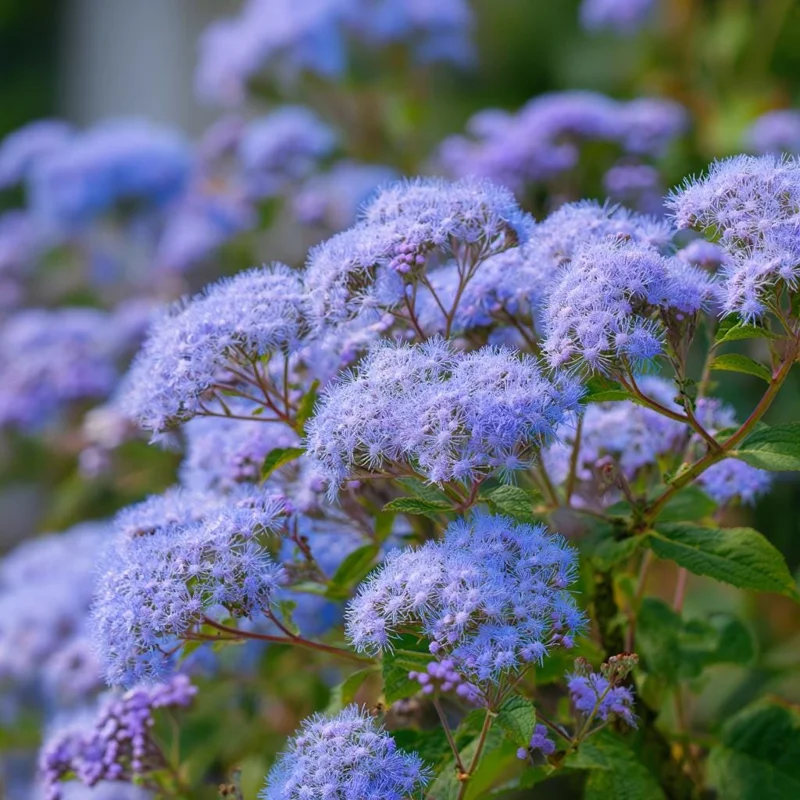
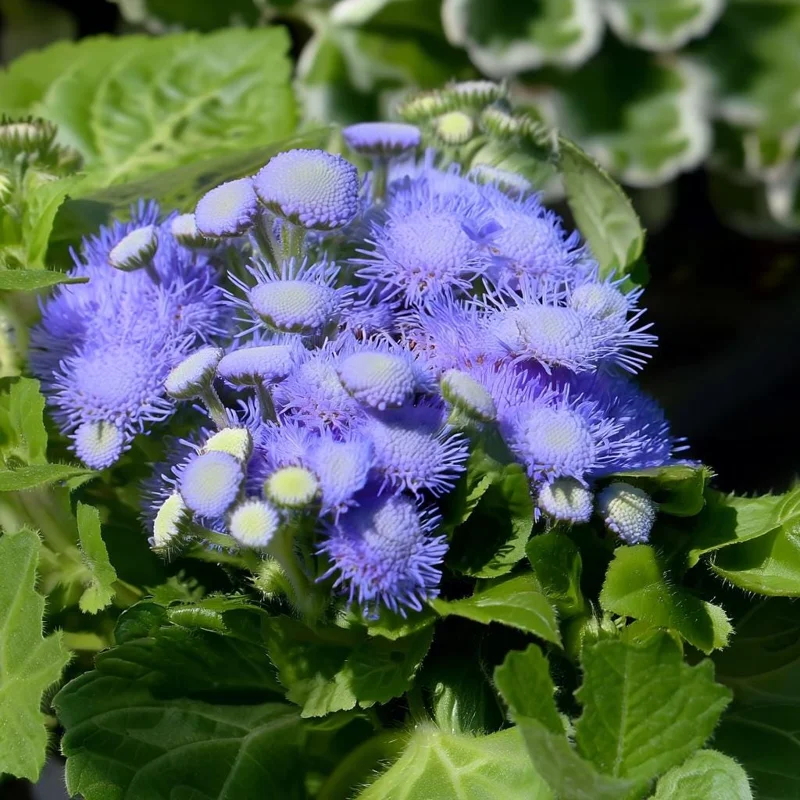
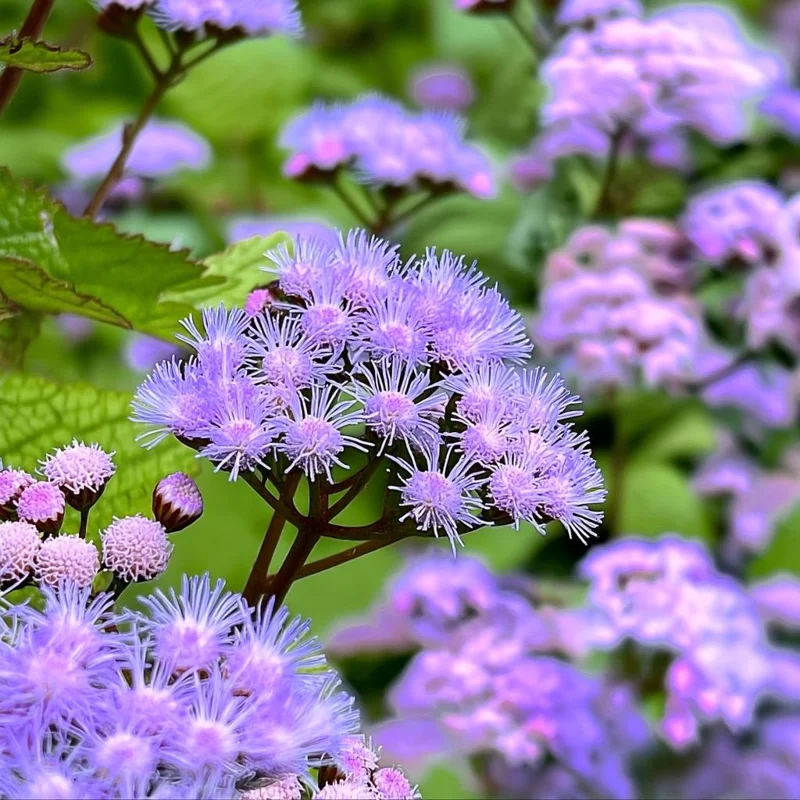
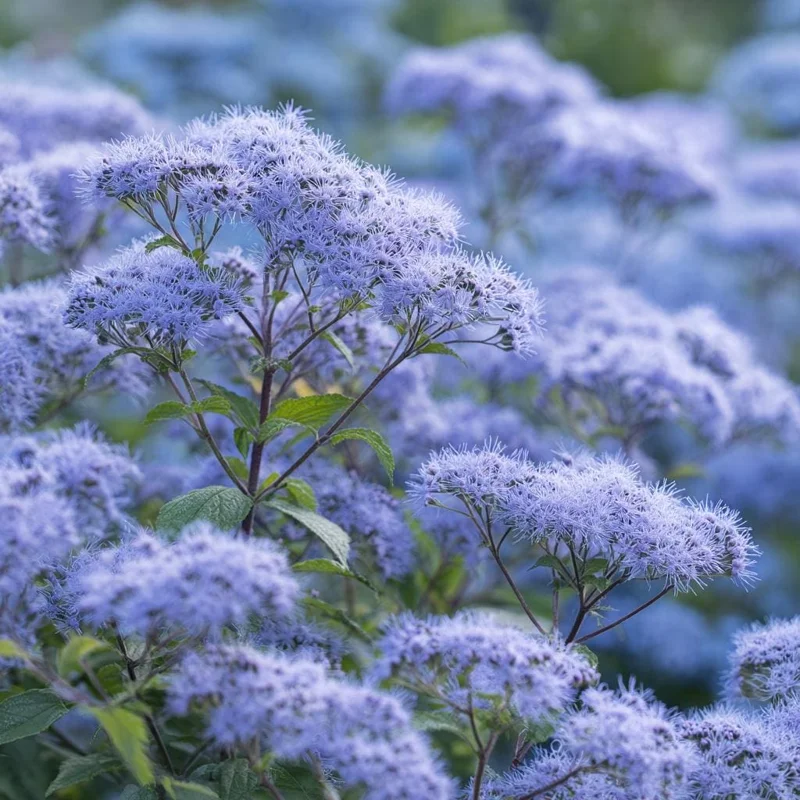
Cultivate a vibrant pollinator garden with blue mist flower seeds. These fragrant perennial seeds (Eupatorium coelestinum) produce airy clusters of blue-lavender blooms, attracting bees and butterflies. Easy to grow and moderately drought-tolerant once established.
Original price was: $33.99.$13.99Current price is: $13.99.

With our Alive & Thrive Guarantee, we’ve got your back for the first 30 days! If you have any concerns about your plants, just reach out to us. Our team is here to help answer your questions and guide you in selecting the best plants for your garden, climate, and unique preferences. We're excited to help you create the garden of your dreams!
Estimated arrival
Oct 21
Oct 26 - Oct 28
Oct 31 - Nov 04




Product Details
-
USDA Hardiness Zone
USDA zones 5-9 -
Soil type
Well-drained, moist soil -
Sunlight Exposure
Full sun to partial shade -
Expected Planting Period
Spring after last frost
Overview
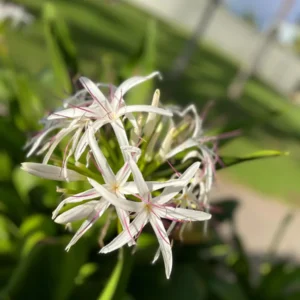
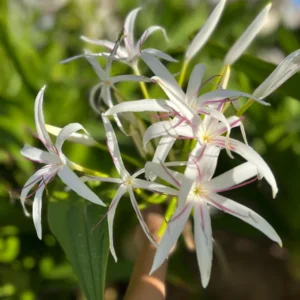
Introduce the captivating beauty of nature to your garden with blue mist flower seeds. Also known as Eupatorium coelestinum, this exceptional native wildflower is celebrated for its ethereal, soft blue to lavender blooms that appear in airy clusters. Perfect for creating a dynamic and ecologically rich landscape, the blue mist flower seeds will transform your outdoor space into a haven for beneficial insects. This perennial, native to North America, offers a long blooming season, extending the visual appeal and ecological benefits of your garden well into the fall. Its delicate fragrance and graceful habit make it a delightful addition to borders, meadows, and naturalized areas, promising both visual charm and vital support for local ecosystems.
Growing Eupatorium coelestinum from seed is a rewarding experience, allowing you to cultivate a hardy and adaptable plant that thrives in various conditions. These native wildflower seeds are an excellent choice for gardeners looking to support biodiversity and add a touch of natural elegance. The resulting plants are moderately drought-tolerant once established and prefer full sun to partial shade, making them versatile for many garden designs. With their ability to attract a wide array of pollinators, including bees and butterflies, these blue mist flower seeds are not just about aesthetics; they’re about fostering a healthier, more vibrant environment.
Key Benefits
Planting blue mist flower seeds offers a multitude of advantages for both your garden and the local ecosystem. This beautiful native perennial contributes significantly to garden health and visual appeal. Here are some of the key benefits:
- Attracts Pollinators: The abundant, nectar-rich flowers are a magnet for bees, butterflies, and other beneficial insects, making it an essential plant for a thriving pollinator garden seeds project. Support local wildlife by providing a consistent food source.
- Long Bloom Period: Enjoy vibrant blue-lavender blooms from late summer into fall, providing continuous color and interest when many other plants are fading. This extended flowering season ensures sustained beauty and ecological benefit.
- Fragrant Blooms: The delicate, pleasant fragrance of the flowers adds an extra sensory dimension to your garden, enhancing its overall appeal for both humans and pollinators.
- Native & Adaptable: As a native wildflower, Eupatorium coelestinum is well-adapted to local climates and soils, requiring less intervention once established. It’s an excellent choice for sustainable landscaping.
- Low Maintenance: Once established, the blue mist flower is relatively easy to care for, tolerant of moderate drought, and generally resistant to pests and diseases, making it ideal for busy gardeners.
- Versatile Landscaping: Its airy texture and appealing color make it suitable for various garden settings, including borders, cottage gardens, naturalized areas, and meadows.
- Supports Biodiversity: By planting these native wildflower seeds, you contribute to the health and diversity of your local ecosystem, providing crucial resources for native fauna.
Plant Care & Growing Tips
Cultivating a healthy and thriving blue mist flower from eupatorium coelestinum seeds is straightforward with proper care. These hardy perennials are generally adaptable but perform best when their specific needs are met. For optimal growth, sow your blue mist flower seeds outdoors in spring after the last frost. Alternatively, you can stratify the seeds in a moist medium in the refrigerator for 4–6 weeks prior to planting, which can improve germination rates. Sow the seeds lightly on the soil surface and gently press them in; avoid covering them, as light is often required for germination. Expect germination to occur within 14–28 days. Once seedlings are established, thin or transplant them to be 12–18 inches apart to ensure adequate airflow and healthy development.
When it comes to light, the blue mist flower flourishes in a range from full sun to partial shade. Full sun encourages denser growth and more abundant blooms, while partial shade can be tolerated, especially in hotter climates. Ensure the soil is well-drained and consistently moist, particularly during the plant’s establishment phase. While it prefers rich soils, it is adaptable to average garden soils. Once established, it demonstrates moderate drought tolerance, reducing the need for constant watering. Fertilization is generally not heavily required, especially in fertile soils, but a balanced slow-release fertilizer in spring can encourage vigorous growth. Deadhead spent blooms to promote continuous flowering throughout the season. These fragrant perennial seeds will reward you with a long-lasting display of color and a haven for pollinators.
Monitoring for common issues is also beneficial. While generally robust, ensure good air circulation to prevent fungal diseases. Keep an eye out for common garden pests, though serious infestations are rare. In colder regions, the plant may die back to the ground in winter, but it will reliably return from its roots in spring. Understanding the specific needs of these native wildflower seeds will help you nurture a beautiful and resilient plant that enhances your garden’s ecological value for years to come.
Size & Details
The blue mist flower (Eupatorium coelestinum) typically grows to a height of 2 to 3 feet (60-90 cm) with a similar spread, creating an airy, bushy appearance. These blue mist flower seeds are provided in a pack containing approximately 200 seeds, offering ample opportunity to establish a substantial patch or integrate them throughout your garden design. The plants exhibit a moderate growth rate, establishing themselves well within their first growing season and reaching their mature height and spread by the second year. They are herbaceous perennials, meaning they will return year after year from their rootstock, providing long-term beauty and ecological benefits.
The seeds are shipped in a protective packet, ensuring their viability upon arrival. Once mature, the plants will begin to bloom from late summer, typically August, and continue through fall, often until the first hard frost. This extended bloom period is crucial for late-season pollinators. The foliage is a fresh green, providing an attractive backdrop for the soft blue to lavender flowers. The mature plants are excellent for mass plantings, borders, or naturalized areas, creating a cloud-like effect of color. Expect a beautiful and resilient addition to your garden from these high-quality eupatorium coelestinum seeds.
Frequently Asked Questions
- Q: How big does the blue mist flower get? A: The blue mist flower typically grows to a height of 2 to 3 feet and spreads about the same width, creating a lovely, airy display in your garden.
- Q: Is this an indoor or outdoor plant? A: The blue mist flower is primarily an outdoor plant, thriving in garden beds, borders, and naturalized areas. It is not typically grown as an indoor houseplant.
- Q: How much sunlight does the blue mist flower need? A: This plant prefers full sun to partial shade. For the best flowering and growth, aim for at least 6 hours of direct sunlight per day.
- Q: Is the blue mist flower easy to care for? A: Yes, once established, the blue mist flower is considered low maintenance. It’s moderately drought-tolerant and generally robust, making it a good choice for various gardening skill levels.
- Q: What condition will the blue mist flower seeds arrive in? A: Your blue mist flower seeds will arrive in a sealed packet, ensuring their freshness and viability for planting.
- Q: When is the best time to plant blue mist flower seeds? A: The best time to sow eupatorium coelestinum seeds is in the spring after the last frost, or you can stratify them in the refrigerator for 4-6 weeks before planting.
- Q: Will the blue mist flower survive winter in my zone? A: The blue mist flower is a perennial native to many regions of North America and is generally hardy in USDA zones 5-9, returning each spring from its roots.
- Q: What types of pollinators does the blue mist flower attract? A: These native wildflower seeds will produce plants that are highly attractive to a wide range of pollinators, including bees, butterflies, and other beneficial insects, making it perfect for a pollinator garden seeds project.
- Q: Do I need to cover the seeds when planting? A: No, it’s best to sow the blue mist flower seeds lightly on the soil surface and press gently. Light aids in the germination process for these specific seeds.
- Q: Are these fragrant perennial seeds? A: Yes, the blue mist flower is known for its delicate and pleasant fragrance, adding an aromatic quality to your garden.
Related products
-50%
Original price was: $15.96.$7.98Current price is: $7.98.
-50%
From Original price was: $63.60.$31.80Current price is: $31.80.
-50%
Original price was: $7.98.$3.98Current price is: $3.98.

-50%
Original price was: $23.96.$11.98Current price is: $11.98.
-50%
Original price was: $23.96.$11.98Current price is: $11.98.
-50%
Original price was: $21.56.$10.78Current price is: $10.78.
-50%


Original price was: $23.96.$11.98Current price is: $11.98.
PLANTING & CARE
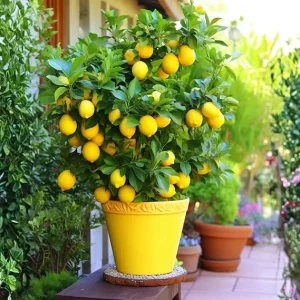
Lemon Tree Growing: Choose, Plant, and Harvest
Learn how to choose, plant, feed, and protect a lemon tree so it fits your
23
Sep
Sep
Dwarf Meyer Lemon Tree Australia: Climate Guide
Learn where dwarf Meyer lemon trees grow, how much cold they tolerate, and whether Australia,
Where to Buy a Dwarf Meyer Lemon Tree: Buyer’s Guide
Find the right dwarf Meyer lemon tree online or locally, compare starter sizes and costs,
Dwarf Meyer Lemon Tree for Sale: Buying Guide
Compare Meyer lemon tree sizes, prices, shipping limits, indoor growing and California options before you
Dwarf Meyer Lemon Tree Guide: Size, Care and Fruit
META: Learn how large a dwarf Meyer lemon tree grows, where it thrives, and how
How to Prune a Dwarf Meyer Lemon Tree
Learn when and how to prune a dwarf Meyer lemon tree, including tools, shaping cuts,
Can You Grow a Dwarf Meyer Lemon Tree in a Pot?
META: Learn how to grow a dwarf Meyer lemon tree in a pot, including container
When Do Dwarf Meyer Lemon Trees Bloom and Fruit?
META: Dwarf Meyer lemon trees usually bloom from winter through spring and may flower again