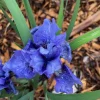
Blue Siberian Iris Bare Root Plant – 1 Multiple Stems Rhizome – Hardy Outdoor Perennial
-10%
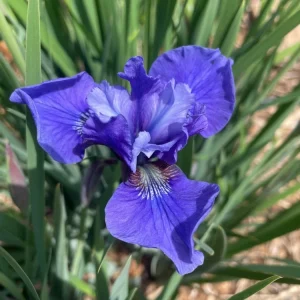
Blue Siberian Iris Bare Root Plant – 1 Multiple Stems Rhizome – Hardy Outdoor Perennial
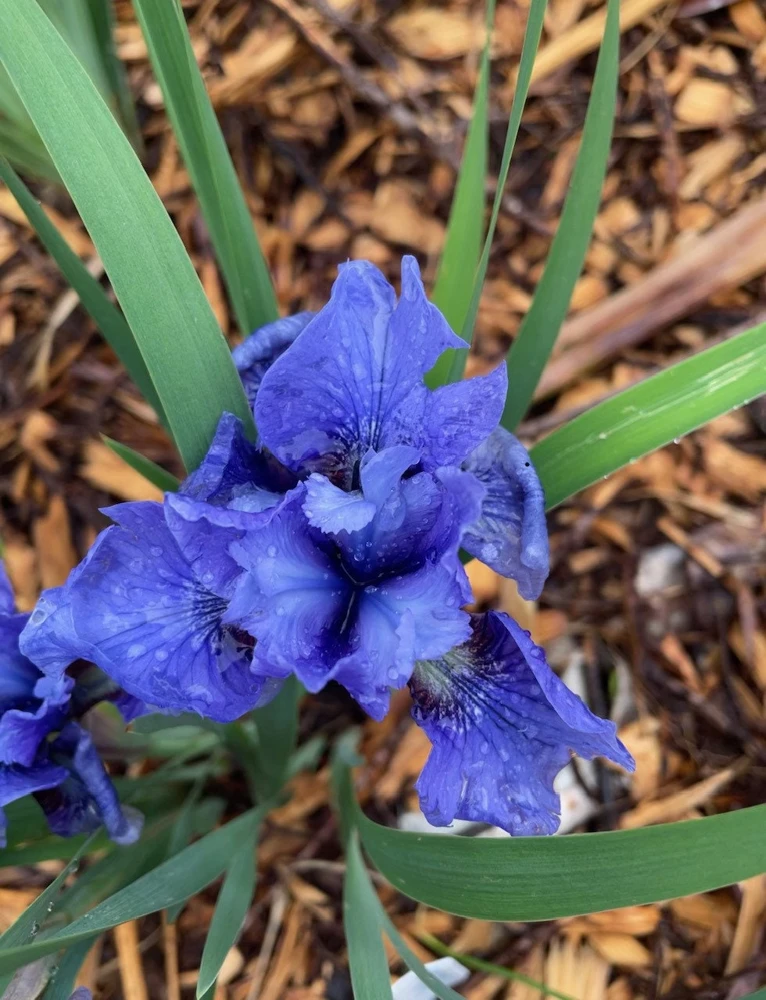
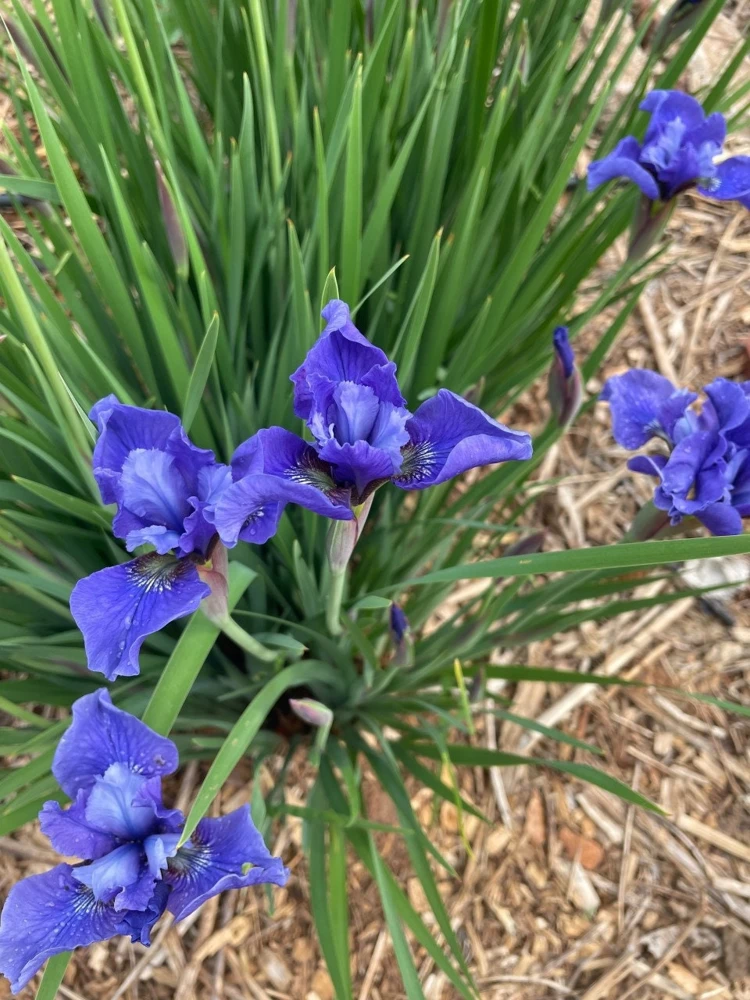
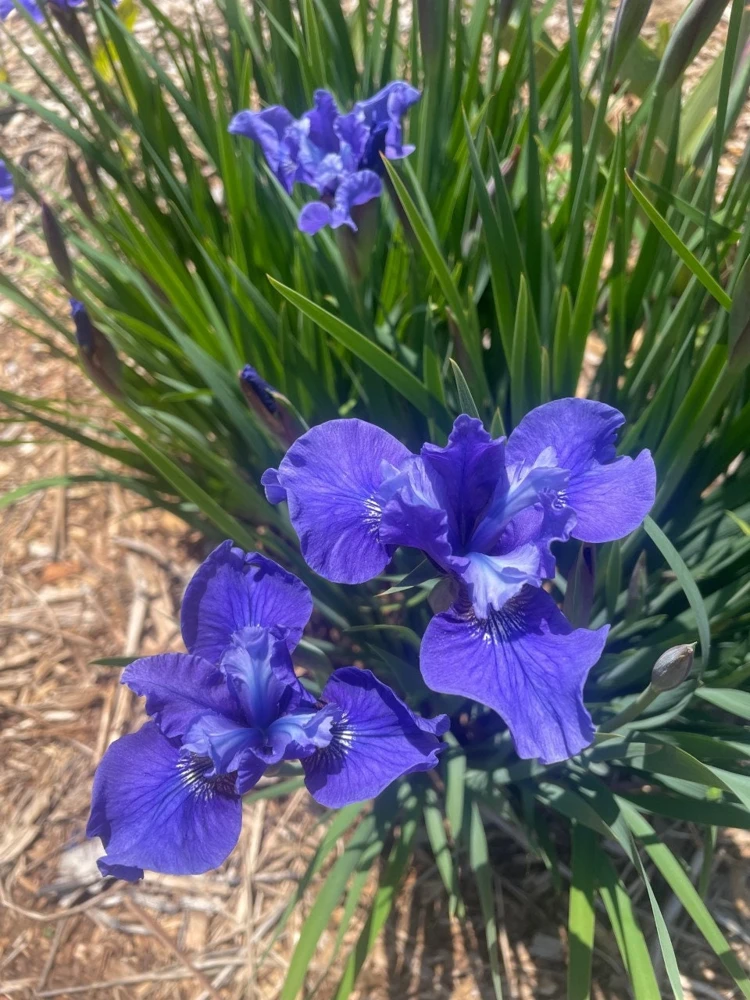
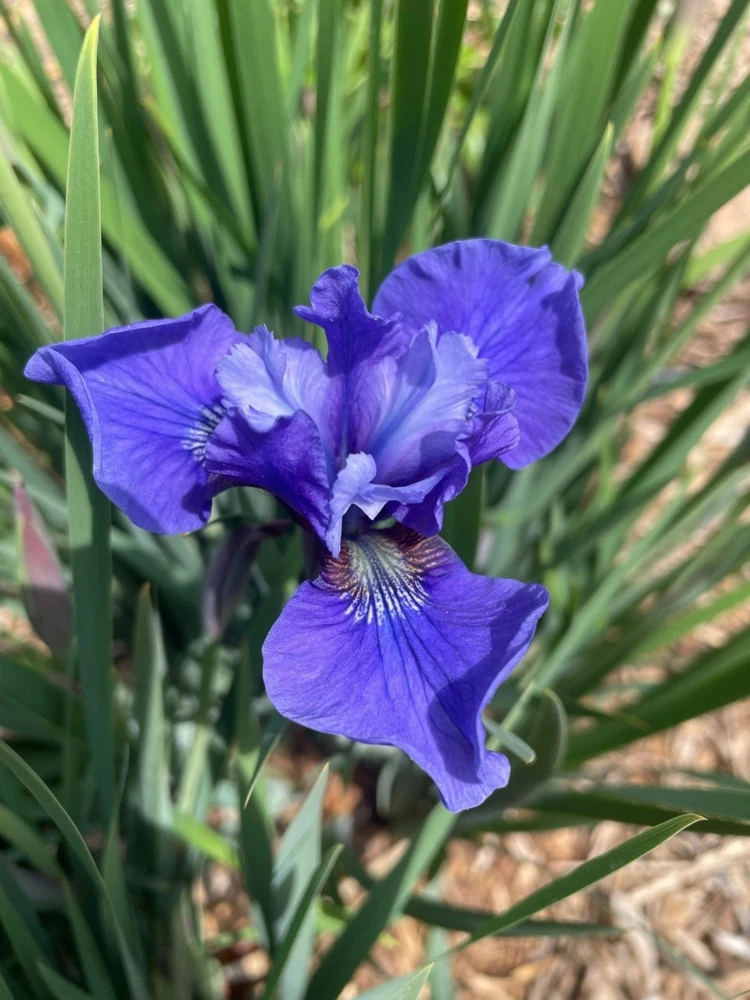
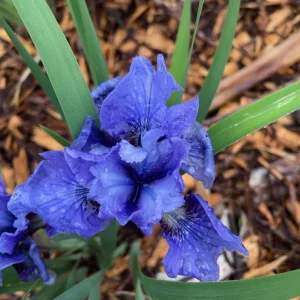
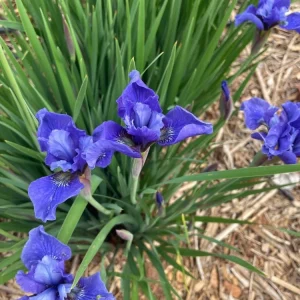
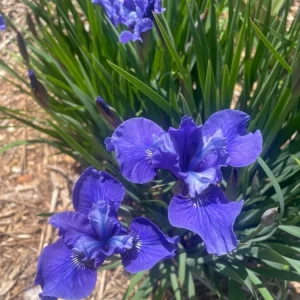
Add a touch of elegance to your garden with the Blue Siberian Iris plant. This hardy perennial features stunning light purple flowers and vibrant green foliage, thriving in USDA zones 4-9. Perfect for garden beds, borders, or naturalized areas, these Siberian Iris bare root rhizomes are ready to establish and beautify your outdoor space.
Original price was: $26.98.$24.28Current price is: $24.28.

With our Alive & Thrive Guarantee, we’ve got your back for the first 30 days! If you have any concerns about your plants, just reach out to us. Our team is here to help answer your questions and guide you in selecting the best plants for your garden, climate, and unique preferences. We're excited to help you create the garden of your dreams!
Estimated arrival
Nov 12
Nov 17 - Nov 19
Nov 22 - Nov 26
Product Details
-
USDA Hardiness Zone
USDA zones 4-9 -
Soil type
Well-draining to moist soil -
Sunlight Exposure
Full sun to partial shade -
Expected Planting Period
Spring to Fall
Overview
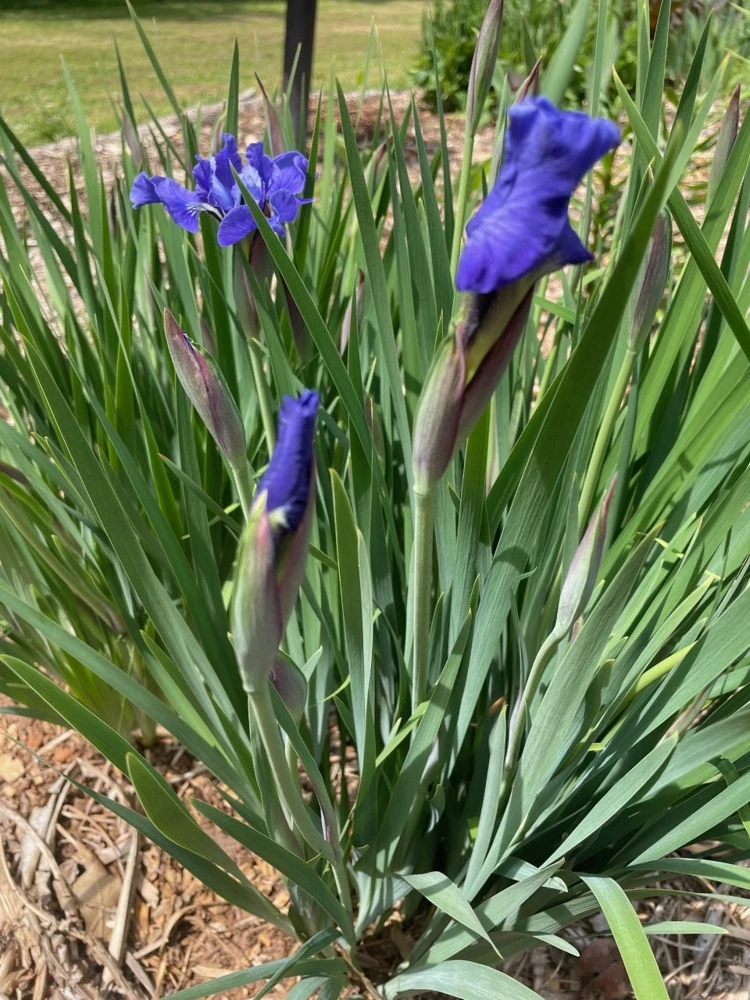
Transform your garden with the captivating beauty of the Blue Siberian Iris plant. This exquisite perennial, known for its graceful appearance and robust nature, is a must-have for any garden enthusiast. Each offering includes 1 multiple stems rhizome, ready to be planted and establish itself in your landscape. The Siberian Iris (Iris sibirica) is celebrated for its elegant, light purple flowers that emerge in spring, creating a serene and picturesque display. Its slender, grass-like green leaves provide a lovely contrast, maintaining visual interest even when not in bloom. This hardy plant is an excellent choice for adding vertical interest and vibrant color to perennial borders, pond edges, or naturalized areas, thriving with minimal fuss once established.
The Blue Siberian Iris plant is a true garden workhorse, offering reliable blooms year after year. It’s an ideal choice for gardeners seeking a low-maintenance yet high-impact flowering plant. Whether you’re a seasoned gardener or just starting, this iris variety will bring enduring charm and beauty to your outdoor sanctuary. Its resilience and adaptability make it suitable for a wide range of climates and soil conditions, ensuring a rewarding growing experience.
Key Benefits
The Blue Siberian Iris plant offers numerous advantages, making it a valuable addition to diverse garden settings. From its aesthetic appeal to its hardiness, this plant provides lasting enjoyment and contributes positively to your landscape.
- Stunning Spring Blooms: Enjoy a spectacular display of light purple flowers each spring, adding vibrant color and elegance to your garden beds and borders. The delicate petals and intricate patterns create a focal point in any landscape.
- Exceptional Hardiness: Thrives in a wide range of climates, specifically USDA zones 4-9, making it a reliable choice for many regions. This hardy iris plant withstands cold winters and hot summers once established.
- Low Maintenance: Once rooted, the Blue Siberian Iris plant requires minimal care, making it perfect for busy gardeners. It’s drought-tolerant and generally resistant to pests and diseases.
- Versatile Landscaping: Ideal for various garden applications, including perennial borders, mass plantings, naturalized areas, and waterside plantings. Its upright growth habit provides excellent vertical interest.
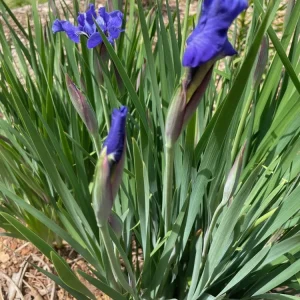
- Attractive Foliage: Even after the blooms fade, the slender, green, grass-like leaves offer appealing texture and color throughout the growing season, contributing to the garden’s overall aesthetic.
- Deer and Rabbit Resistant: Gardeners often appreciate that Siberian Irises are less appealing to deer and rabbits, helping to protect your garden from common browsing damage.
- Long-Lived Perennial: As a robust perennial, this purple iris perennial returns year after year, growing more established and producing more blooms over time, providing long-term garden beauty.
Plant Care & Growing Tips
Caring for your Blue Siberian Iris plant is straightforward, especially once it has settled into its new environment. These plants are known for their resilience and ability to thrive with relatively little intervention, making them a great choice for various garden styles. Proper planting and initial care will ensure a strong start for your Siberian Iris bare root rhizomes.
For optimal growth, plant your Blue Siberian Iris plant in a location that receives full sun, though it can tolerate partial shade. Full sun encourages the most abundant blooms. Ensure the soil is well-draining yet consistently moist, as Siberian Irises appreciate moisture, especially during their active growing season. A pH level between 5.6 and 7.5 is ideal. When planting the outdoor iris rhizome, ensure the top of the rhizome is just at or slightly below the soil surface. Space plants 1-2 feet apart to allow for mature growth and good air circulation. After planting, water thoroughly to settle the soil around the roots.
These plants are hardy in USDA zones 4-9. While they are tolerant of various conditions, providing nutrient-rich soil and consistent watering, especially during dry spells, will help your hardy iris plant flourish. Fertilize lightly in early spring with a balanced slow-release fertilizer if your soil is poor. Deadhead spent flowers to maintain a tidy appearance, but leave the foliage until it yellows in the fall, as it provides energy for the following year’s blooms. Division every 3-5 years can help rejuvenate older clumps and improve flowering.
Size & Details
This offering includes 1 multiple stems Siberian Iris bare root rhizome, ready for planting. As a perennial, the Blue Siberian Iris plant typically grows to an approximate height of 2 feet (24 inches) at maturity, with a spread of 1-2 feet. These plants establish well over time, often showing their best performance and most abundant blooms in their second year once fully rooted in the ground.
The plant will be shipped as a bare root, meaning it will arrive without soil and with its roots exposed. This method helps the plant adapt to its new environment more effectively after transplant. Upon arrival, it’s recommended to soak the roots in water for several hours or even a full day before planting to rehydrate them. While the plant may appear weakened initially due to the transplant stress, it will recover and begin to flourish with proper care and patience. Expect beautiful light purple blooms in the spring.
Frequently Asked Questions
- Q: How big does this plant get? A: The Blue Siberian Iris plant typically reaches a height of about 2 feet (24 inches) with a spread of 1-2 feet. It forms an upright clump of foliage and flower stalks.
- Q: Is this an indoor or outdoor plant? A: The Blue Siberian Iris plant is an outdoor perennial, best suited for garden beds, borders, and naturalized areas. It is not recommended as an indoor houseplant.
- Q: How much sunlight does it need? A: This hardy iris plant thrives best in full sun, meaning at least 6 hours of direct sunlight per day. It can tolerate partial shade, but flowering may be less prolific.
- Q: Is this plant easy to care for? A: Yes, the Blue Siberian Iris plant is considered low-maintenance once established. It’s a robust perennial that requires minimal care, making it suitable for gardeners of all experience levels.
- Q: What condition will it arrive in? A: Your Siberian Iris bare root will be shipped as a bare root plant, meaning it will arrive without soil. It may appear stressed from transit and will need several weeks to recover and establish after planting.
- Q: When is the best time to plant this iris? A: The best time to plant Siberian Iris bare root rhizomes is typically in early spring or fall, allowing the plant to establish its root system before extreme temperatures.
- Q: Will this purple iris perennial survive winter in my zone? A: Yes, this iris is very hardy and is suitable for USDA zones 4-9, meaning it will reliably survive winter in these regions and return each spring.
- Q: What type of soil does the outdoor iris rhizome prefer? A: It prefers well-draining to moist soil with a pH level between 5.6 and 7.5. Good drainage is crucial to prevent root rot.
- Q: How long until it blooms? A: While some blooms may appear in the first year, the Blue Siberian Iris plant typically performs best and produces more abundant flowers in its second year and beyond, once it is well-rooted and established.
- Q: Do I need to fertilize my Siberian Iris? A: If your soil is poor, a light application of a balanced, slow-release fertilizer in early spring can be beneficial. In good soil, heavy fertilization is usually not necessary for this hardy iris plant.
Related products
-30%
Original price was: $63.98.$44.78Current price is: $44.78.
-30%
Original price was: $65.98.$46.18Current price is: $46.18.
-66%
Original price was: $56.97.$19.34Current price is: $19.34.
-67%
Original price was: $59.97.$19.99Current price is: $19.99.
-67%
Original price was: $41.97.$13.99Current price is: $13.99.
-83%
Original price was: $44.97.$7.74Current price is: $7.74.
-20%
Original price was: $27.98.$22.38Current price is: $22.38.
PLANTING & CARE
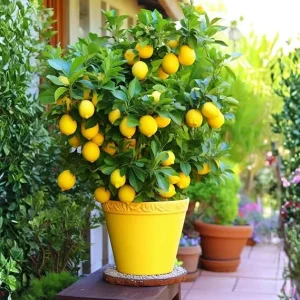
Lemon Tree Growing: Choose, Plant, and Harvest
Learn how to choose, plant, feed, and protect a lemon tree so it fits your
23
Sep
Sep
Dwarf Meyer Lemon Tree Australia: Climate Guide
Learn where dwarf Meyer lemon trees grow, how much cold they tolerate, and whether Australia,
Where to Buy a Dwarf Meyer Lemon Tree: Buyer’s Guide
Find the right dwarf Meyer lemon tree online or locally, compare starter sizes and costs,
Dwarf Meyer Lemon Tree for Sale: Buying Guide
Compare Meyer lemon tree sizes, prices, shipping limits, indoor growing and California options before you
Dwarf Meyer Lemon Tree Guide: Size, Care and Fruit
META: Learn how large a dwarf Meyer lemon tree grows, where it thrives, and how
How to Prune a Dwarf Meyer Lemon Tree
Learn when and how to prune a dwarf Meyer lemon tree, including tools, shaping cuts,
Can You Grow a Dwarf Meyer Lemon Tree in a Pot?
META: Learn how to grow a dwarf Meyer lemon tree in a pot, including container
When Do Dwarf Meyer Lemon Trees Bloom and Fruit?
META: Dwarf Meyer lemon trees usually bloom from winter through spring and may flower again