Boysenberry Live Plant – 3-6″ Tall – Rubus Hybrid – Berry Bush for Garden & Orchard
-30%
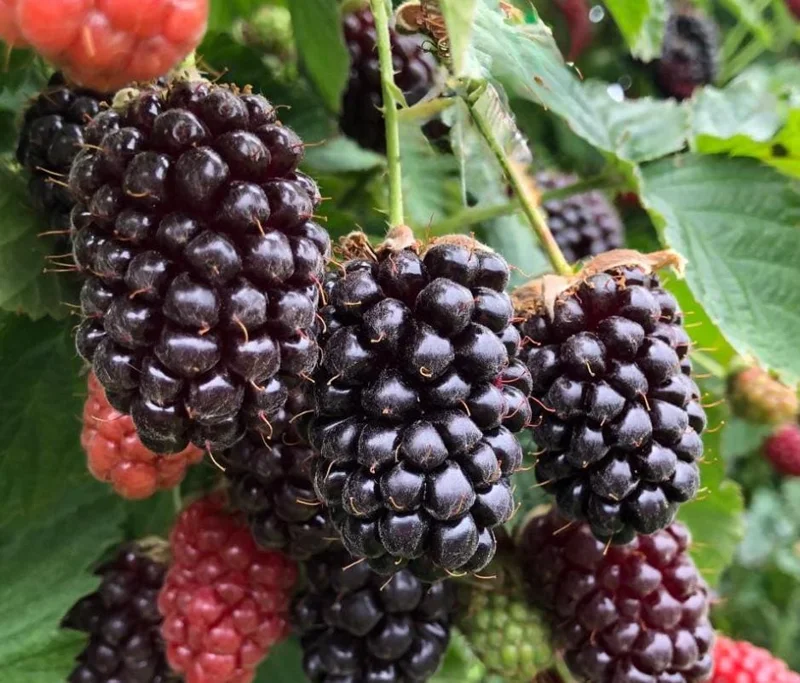
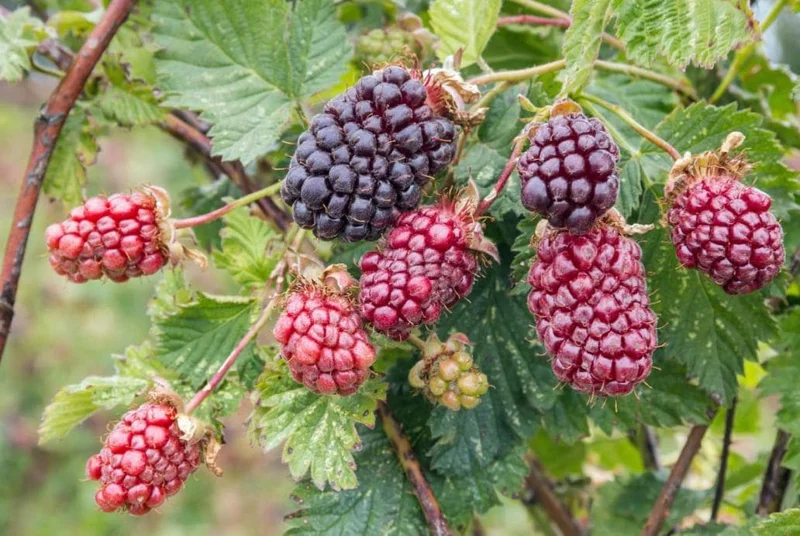
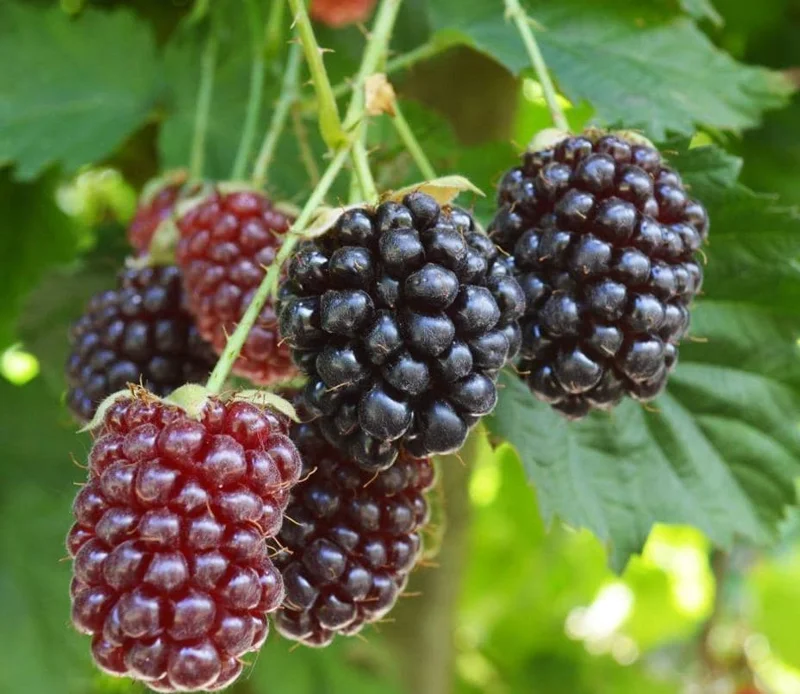
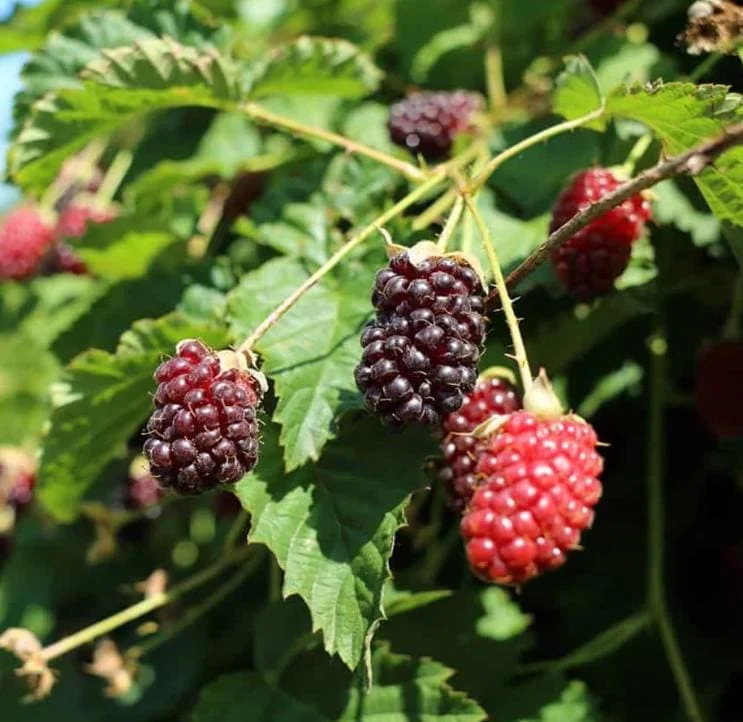
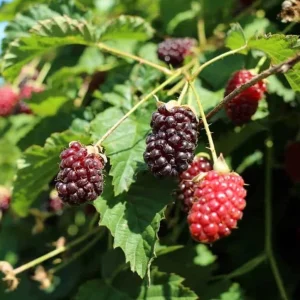
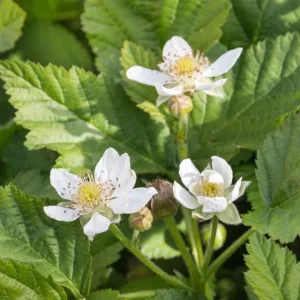
Boysenberry Live Plant – 3-6″ Tall – Rubus Hybrid – Berry Bush for Garden & Orchard
Cultivate your own sweet and tangy berries with this boysenberry live plant. Standing 3-6″ tall, this robust berry bush is ready to thrive in your garden or home orchard. Ideal for trellises, it promises a bountiful harvest of delicious fruit.
Original price was: $26.39.$18.47Current price is: $18.47.

With our Alive & Thrive Guarantee, we’ve got your back for the first 30 days! If you have any concerns about your plants, just reach out to us. Our team is here to help answer your questions and guide you in selecting the best plants for your garden, climate, and unique preferences. We're excited to help you create the garden of your dreams!
Estimated arrival
Oct 21
Oct 26 - Oct 28
Oct 31 - Nov 04
Product Details
-
USDA Hardiness Zone
USDA zones 5-9 -
Soil type
Well-draining, rich in organic matter -
Sunlight Exposure
Full sun -
Expected Planting Period
Early spring
Overview
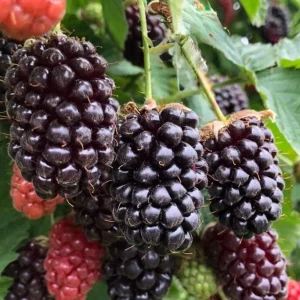
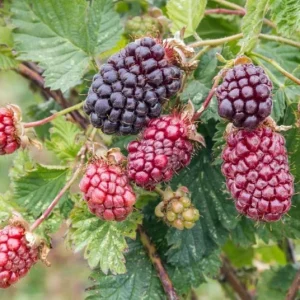
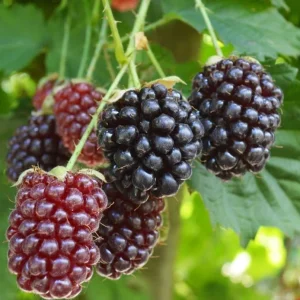
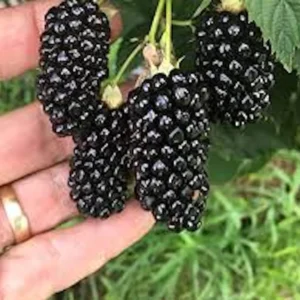
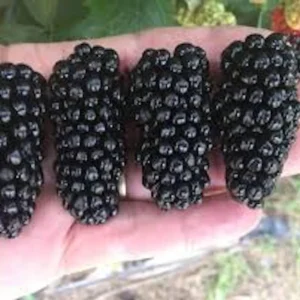
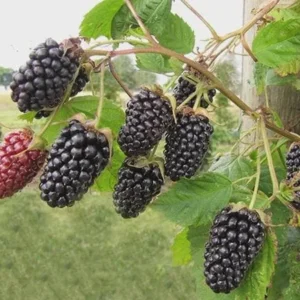
Bring the joy of fresh, homegrown fruit to your garden with this exceptional boysenberry live plant. This young, vigorous plant, measuring 3-6 inches tall, is a hybrid of Rubus ursinus, offering the best characteristics for a successful harvest. Boysenberries are a delightful cross between a raspberry, blackberry, and loganberry, resulting in large, juicy, dark purple berries bursting with a unique sweet-tart flavor. Perfect for fresh eating, pies, jams, and desserts, growing your own boysenberries ensures the freshest and most flavorful fruit. This bare root plant is specifically prepared for easy establishment in your garden, ready to develop into a productive berry bush. Ideal for gardeners looking to expand their home orchard or add a unique fruiting vine to their landscape, this boysenberry live plant provides the foundation for years of delicious harvests.
Key Benefits
Investing in a boysenberry live plant for your garden offers numerous rewards, from delicious fruit to horticultural enjoyment. These plants are known for their vigorous growth and generous yields.
- Delicious Homegrown Fruit: Enjoy the rich, unique flavor of boysenberries fresh from your garden. These berries are larger and more intensely flavored than many other bramble fruits, making them a gourmet treat. Growing your own ensures you have access to organic, pesticide-free fruit at its peak ripeness.
- Versatile Culinary Use: Boysenberries are incredibly versatile in the kitchen. They are perfect for eating fresh, baking into pies and crumbles, making jams and jellies, or blending into smoothies. Their distinctive taste adds a special touch to any recipe.
- Vigorous Growth & High Yields: Once established, this boysenberry live plant is a prolific producer, offering an abundant harvest each season. With proper care, you can expect a significant yield of berries, making it a rewarding addition to any home orchard or garden.
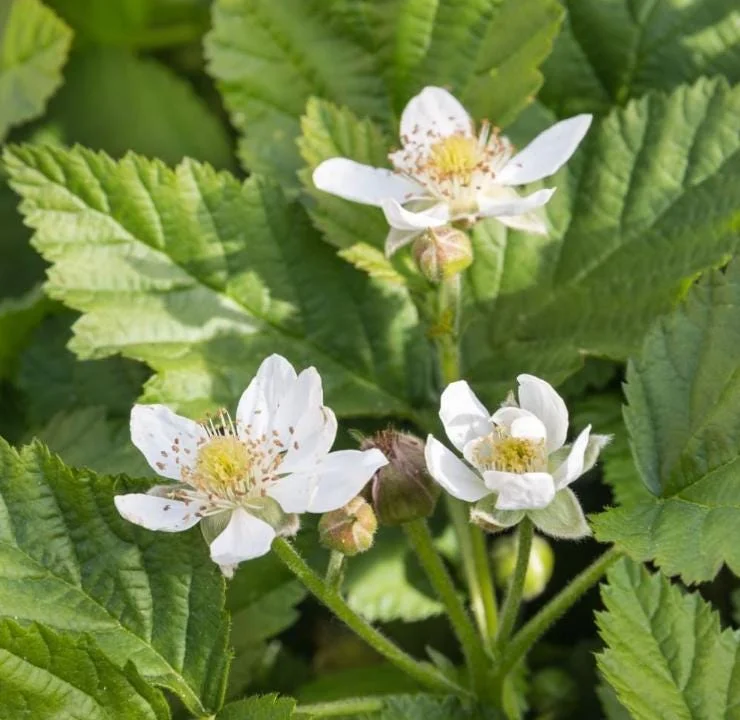
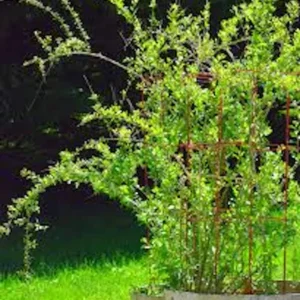
- Attractive Garden Addition: Beyond their fruit, boysenberry plants add aesthetic appeal to your garden. Their lush green foliage and delicate white flowers in spring contribute to a vibrant landscape. They can be trained on trellises, creating an attractive edible screen or focal point.
- Adaptable to Various Climates: Boysenberry plants are relatively hardy and can thrive in a range of climates, particularly in USDA zones 5-9. This resilience makes them a reliable choice for many home gardeners looking for a consistent berry crop.
- Supports Pollinators: The flowers of the boysenberry plant attract beneficial pollinators like bees, contributing to the overall health and biodiversity of your garden ecosystem.
- Easy to Train: As a cane fruit, boysenberry plants are well-suited for training on trellises, fences, or wires. This not only maximizes space but also makes harvesting easier and keeps the fruit clean and accessible. Learning how to grow boysenberries on a trellis is a simple way to manage their growth.
Plant Care & Growing Tips
Proper care is essential for a thriving boysenberry live plant and a bountiful harvest. Boysenberries prefer a sunny location with at least 6-8 hours of direct sunlight per day. Good air circulation is also important to prevent fungal diseases. When planting, choose a site with well-draining soil that is rich in organic matter. A slightly acidic to neutral pH (6.0-7.0) is ideal. Amend heavy clay soils with compost or peat moss to improve drainage and aeration. Dig a hole wide enough to accommodate the roots comfortably and plant the bare root plant so the crown is at soil level. Backfill with soil, gently firming it around the roots to remove air pockets.
Water thoroughly after planting and keep the soil consistently moist, especially during dry periods and when the plant is fruiting. Avoid overwatering, as this can lead to root rot. A layer of mulch around the base of the plant will help retain soil moisture, suppress weeds, and regulate soil temperature. Fertilize your boysenberry live plant in early spring with a balanced slow-release fertilizer or a fertilizer specifically formulated for berries. Pruning is crucial for boysenberries to maintain plant health and maximize fruit production. Boysenberries typically fruit on canes grown in the previous year. After harvest, prune out the old canes that have fruited, cutting them back to the ground. Leave the new canes to grow for next year’s crop. This practice, key to boysenberry plant care, encourages vigorous new growth and prevents overcrowding.
Protect your plants from pests and diseases by regularly inspecting them and addressing any issues promptly. Common pests include aphids and spider mites, while fungal diseases like powdery mildew can occur in humid conditions. Ensure good air circulation and consider organic pest control methods if necessary. For those wondering how to grow boysenberries successfully, understanding their growth habit and pruning requirements is paramount. Providing a sturdy trellis or support system for the canes is also highly recommended, as it keeps the fruit off the ground and improves air circulation, leading to healthier plants and cleaner berries. This rubus ursinus hybrid is generally hardy, but in colder zones, providing some winter protection may be beneficial.
Size & Details
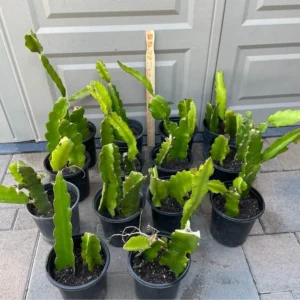
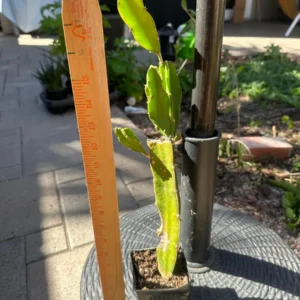
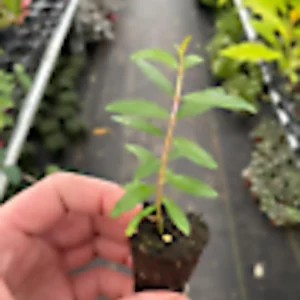
This offering is for one vigorous boysenberry live plant, which will arrive as a bare root plant, measuring approximately 3-6 inches tall. The plant is carefully packaged to ensure its health during transit, ready for immediate planting upon arrival. Boysenberry plants are fast growers and, with proper care, can quickly establish themselves. They are typically cane-producing plants that can reach heights of 5-8 feet or more when trained on a trellis, with a spread of 3-6 feet. Expect your plant to begin producing fruit within 1-2 years after planting, with full production typically reached by the third year. This specific berry plant for garden use is a hybrid designed for robust growth and excellent fruit quality, representing a strong start to your home berry patch.
Frequently Asked Questions
- Q: How big does this boysenberry plant get? A: This boysenberry live plant is shipped as a 3-6 inch tall bare root. Once established and with proper support like a trellis, it can grow to be 5-8 feet tall and 3-6 feet wide, producing abundant fruit.
- Q: Is this an indoor or outdoor plant? A: Boysenberries are outdoor plants, best suited for gardens, home orchards, or large containers on patios where they can receive full sun and have space to grow. They are not typically grown indoors.
- Q: How much sunlight does a boysenberry plant need? A: For optimal growth and fruit production, your boysenberry live plant requires at least 6-8 hours of direct sunlight per day. Full sun exposure is key to sweet, juicy berries.
- Q: Is this plant easy to care for? A: Boysenberry plants are relatively easy to care for, especially for gardeners familiar with brambles. Key aspects of boysenberry plant care include consistent watering, annual pruning, and providing a support structure.
- Q: What condition will the plant arrive in? A: Your boysenberry plant will arrive as a bare root plant, carefully prepared and packaged to ensure its health during shipping. It will be dormant or just emerging from dormancy, ready for planting.
- Q: How long until it produces fruit? A: You can typically expect your boysenberry live plant to start producing fruit within 1-2 years after planting, with a more significant harvest in its third year and beyond.
- Q: When is the best time to plant boysenberries? A: The best time to plant bare root boysenberries is in early spring after the last frost, allowing them ample time to establish their root system before the summer heat.
- Q: Will this rubus ursinus hybrid survive winter in my zone? A: Boysenberries are generally hardy in USDA Zones 5-9. In colder parts of this range, providing a layer of mulch for root insulation during winter can be beneficial.
- Q: Can I grow this berry plant for garden on a trellis? A: Yes, boysenberries are vining plants and thrive when trained on a trellis, fence, or other support system. This makes harvesting easier and promotes better air circulation.
- Q: What kind of soil does it prefer? A: Boysenberries prefer well-draining soil rich in organic matter, with a slightly acidic to neutral pH (6.0-7.0). Good drainage is crucial to prevent root rot.
Related products
-10%
Original price was: $158.00.$142.20Current price is: $142.20.
-20%
Original price was: $80.00.$64.00Current price is: $64.00.
-7%
Original price was: $105.99.$98.99Current price is: $98.99.
-20%
Original price was: $32.00.$25.60Current price is: $25.60.
-20%
Original price was: $36.00.$28.80Current price is: $28.80.
-20%
Original price was: $36.00.$28.80Current price is: $28.80.
-20%
Original price was: $36.00.$28.80Current price is: $28.80.
-20%
Original price was: $66.00.$52.80Current price is: $52.80.
PLANTING & CARE
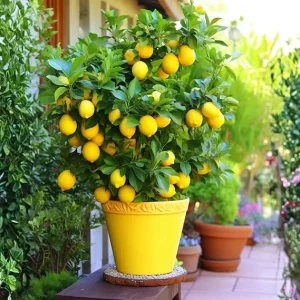
Lemon Tree Growing: Choose, Plant, and Harvest
Learn how to choose, plant, feed, and protect a lemon tree so it fits your
23
Sep
Sep
Dwarf Meyer Lemon Tree Australia: Climate Guide
Learn where dwarf Meyer lemon trees grow, how much cold they tolerate, and whether Australia,
Where to Buy a Dwarf Meyer Lemon Tree: Buyer’s Guide
Find the right dwarf Meyer lemon tree online or locally, compare starter sizes and costs,
Dwarf Meyer Lemon Tree for Sale: Buying Guide
Compare Meyer lemon tree sizes, prices, shipping limits, indoor growing and California options before you
Dwarf Meyer Lemon Tree Guide: Size, Care and Fruit
META: Learn how large a dwarf Meyer lemon tree grows, where it thrives, and how
How to Prune a Dwarf Meyer Lemon Tree
Learn when and how to prune a dwarf Meyer lemon tree, including tools, shaping cuts,
Can You Grow a Dwarf Meyer Lemon Tree in a Pot?
META: Learn how to grow a dwarf Meyer lemon tree in a pot, including container
When Do Dwarf Meyer Lemon Trees Bloom and Fruit?
META: Dwarf Meyer lemon trees usually bloom from winter through spring and may flower again