Broadleaf Lupine Seeds – Lupinus latifolius – 30 Seeds – Perennial Wildflower
-50%
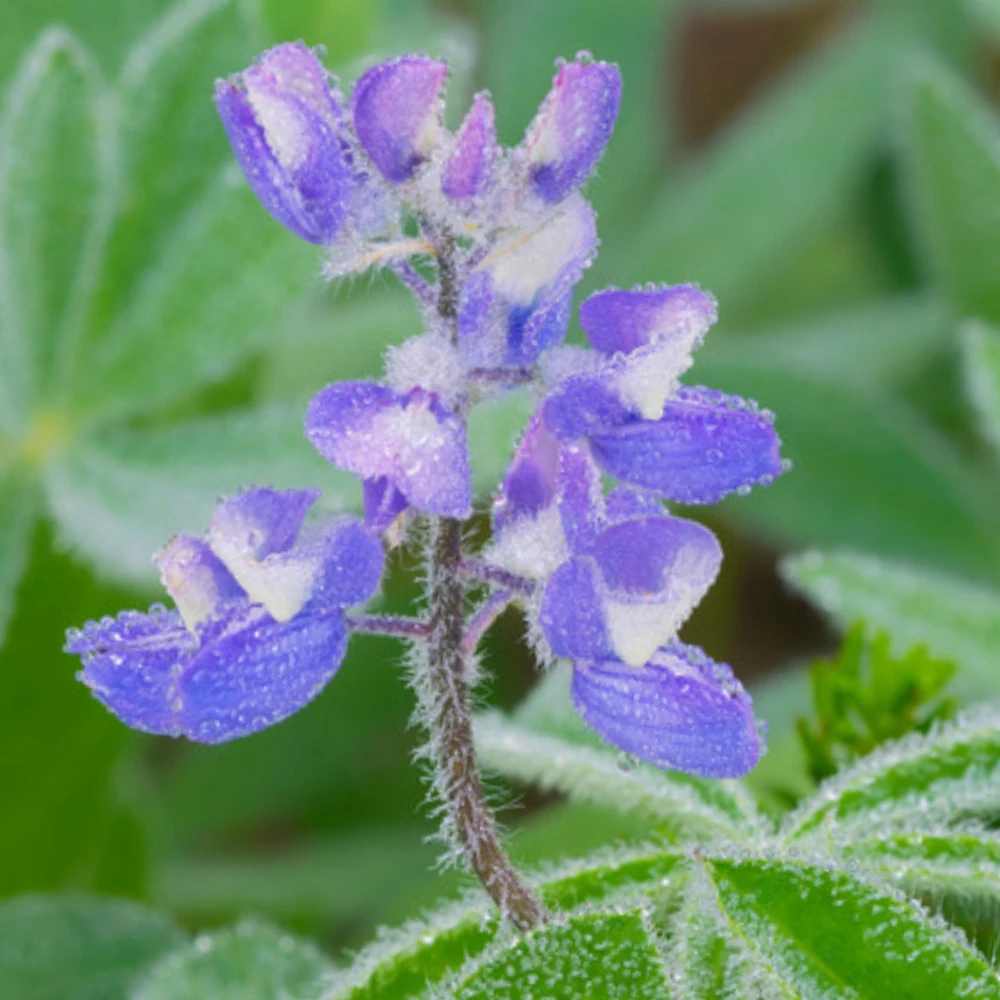
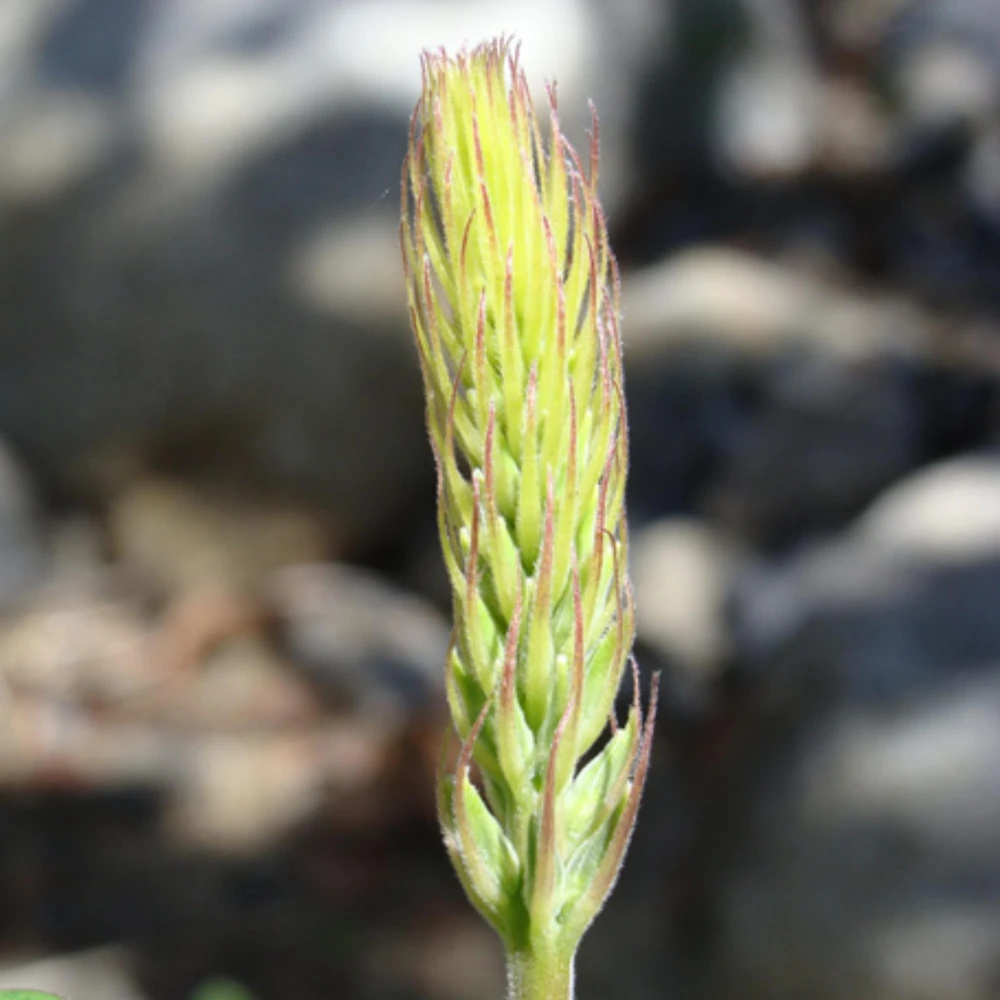
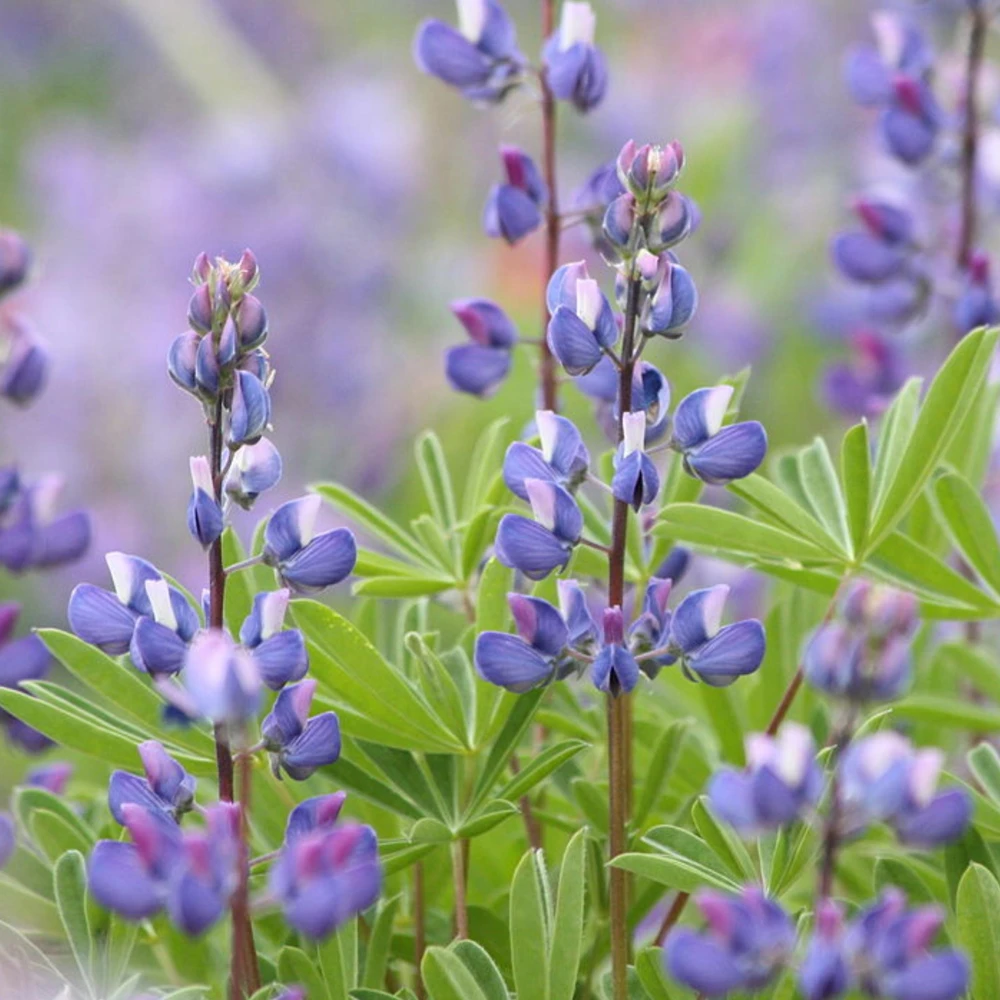
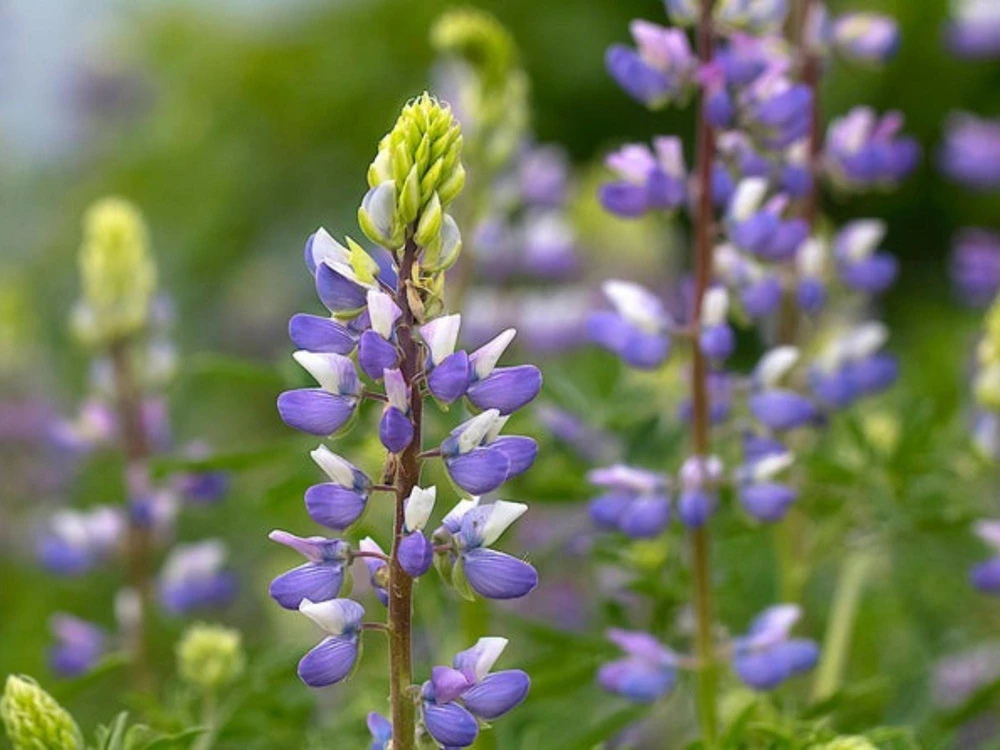
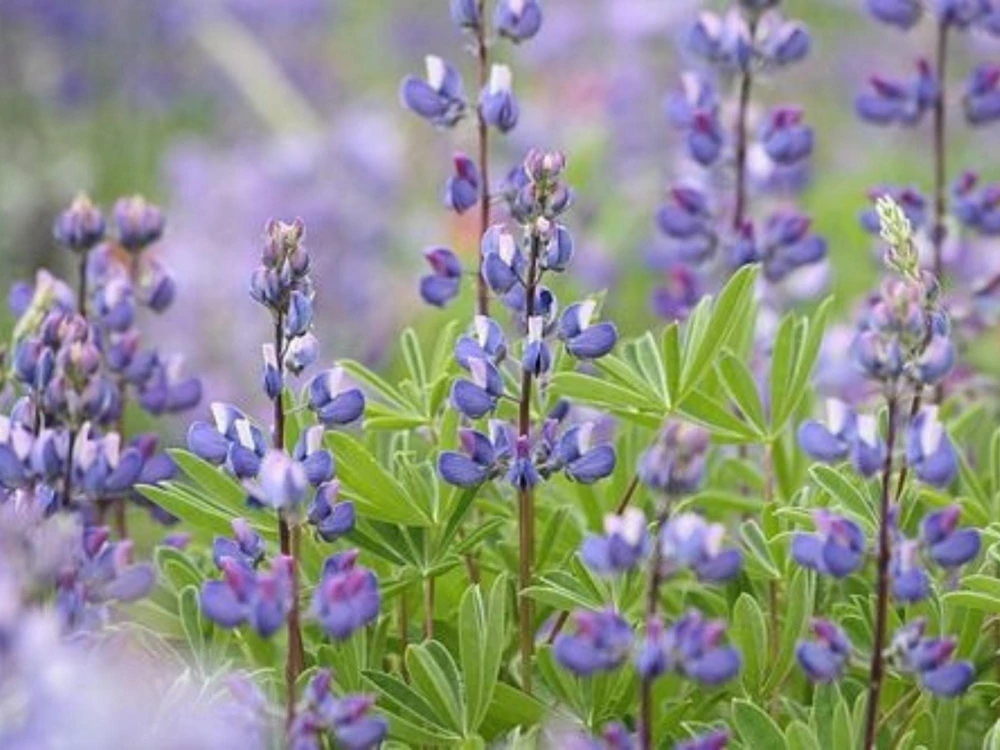
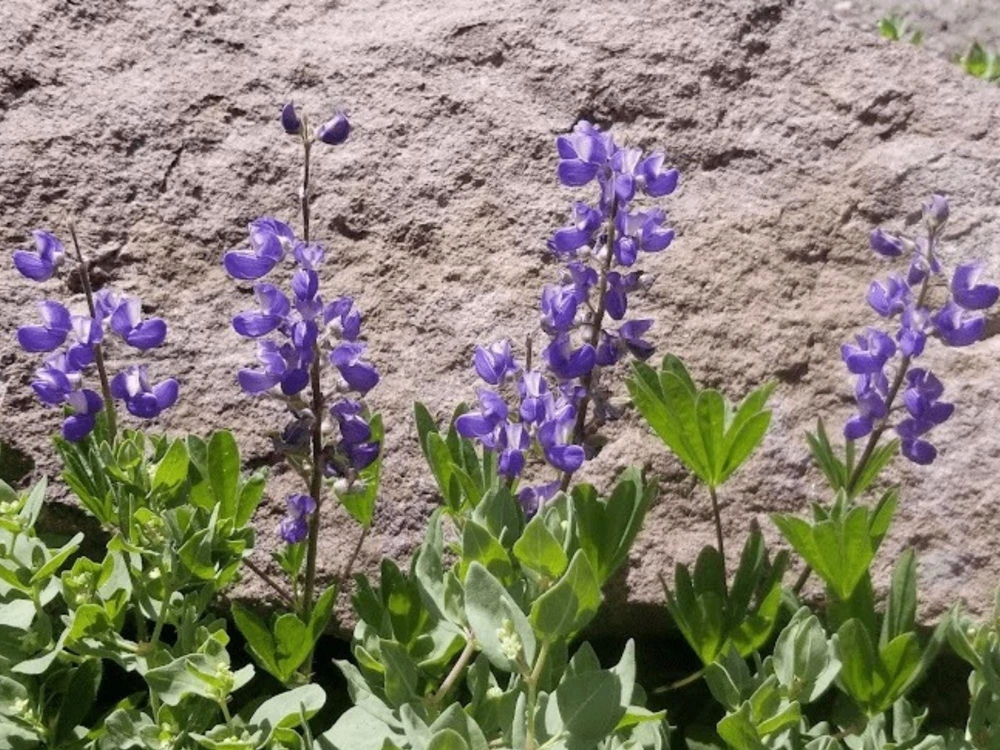
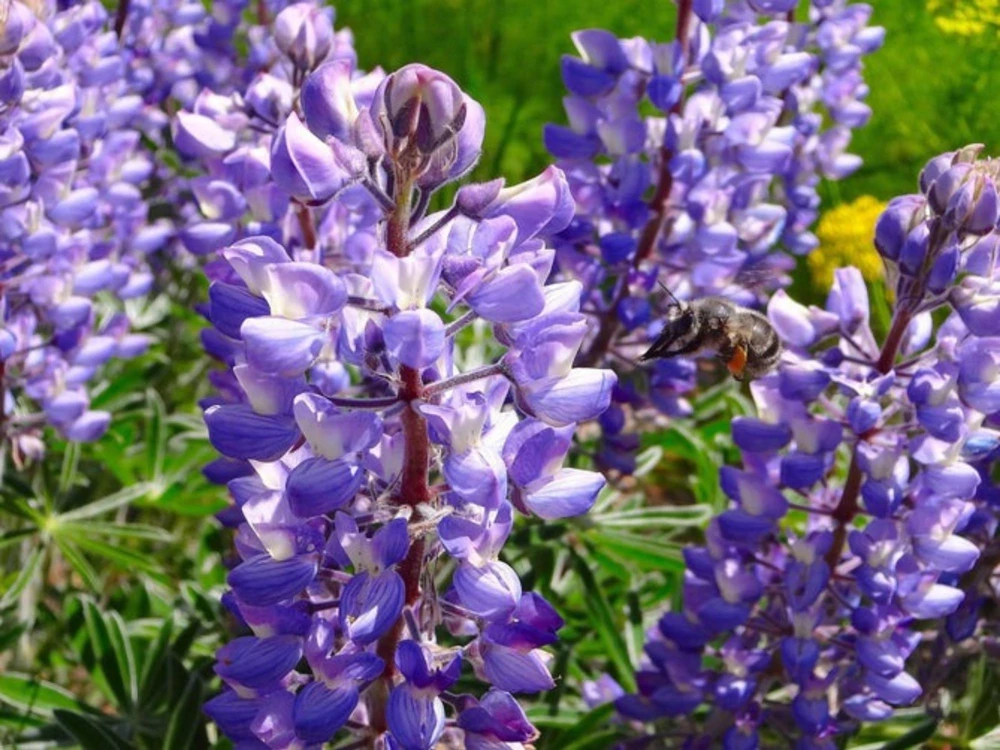
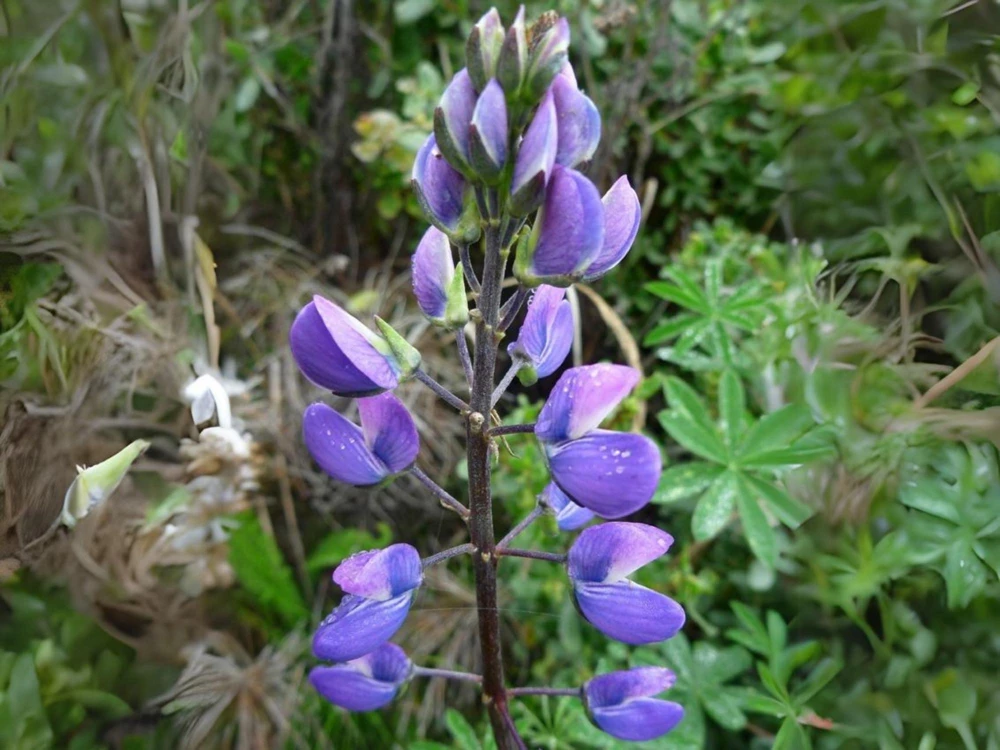
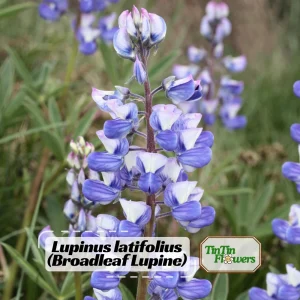
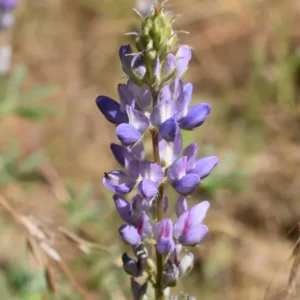
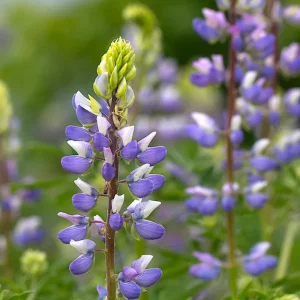
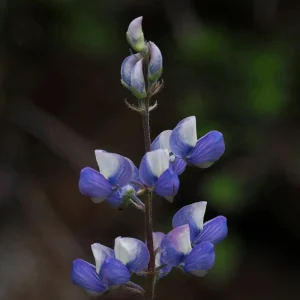
Broadleaf Lupine Seeds – Lupinus latifolius – 30 Seeds – Perennial Wildflower
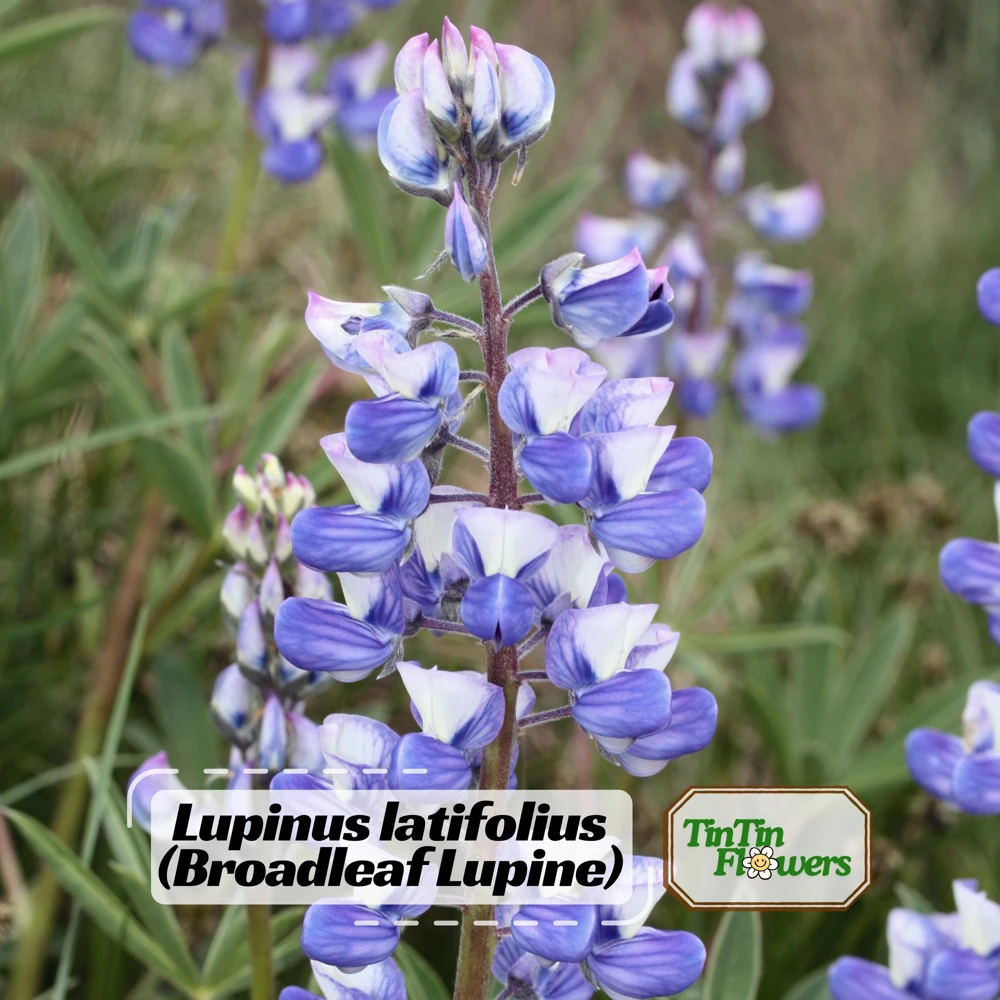
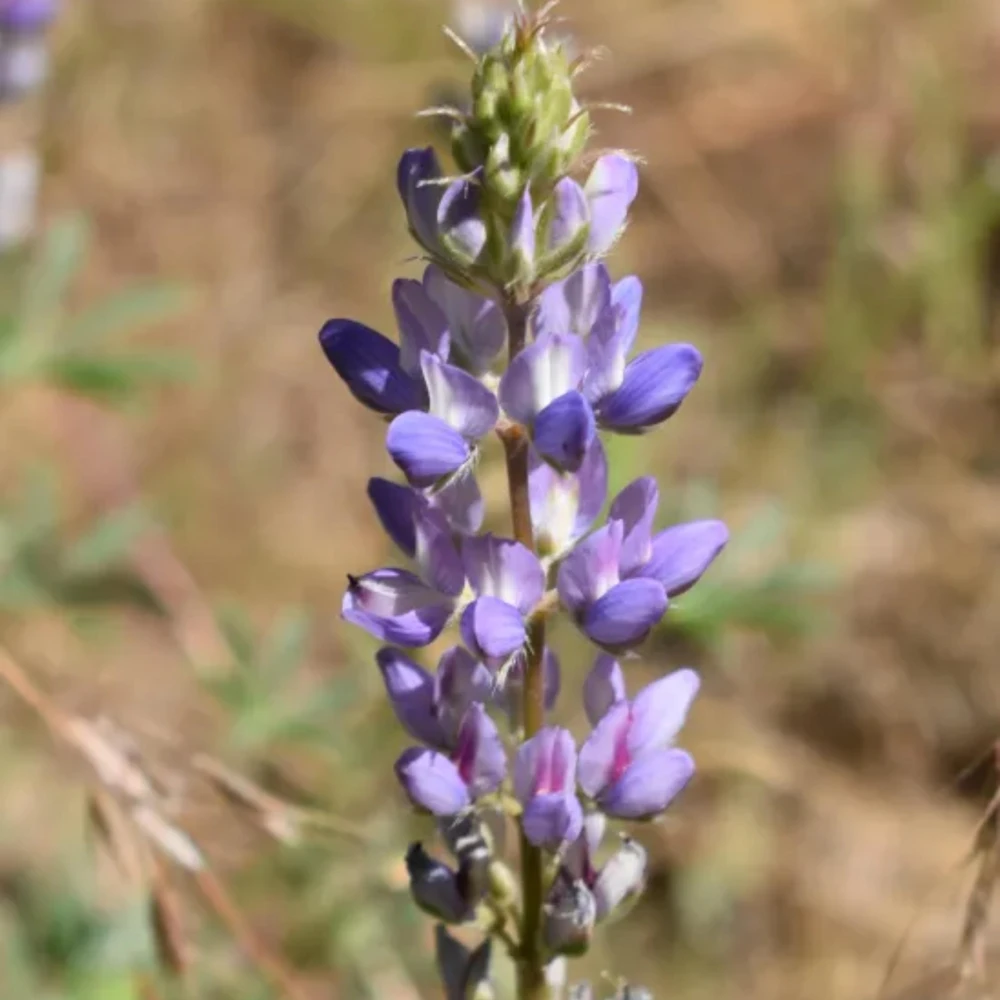
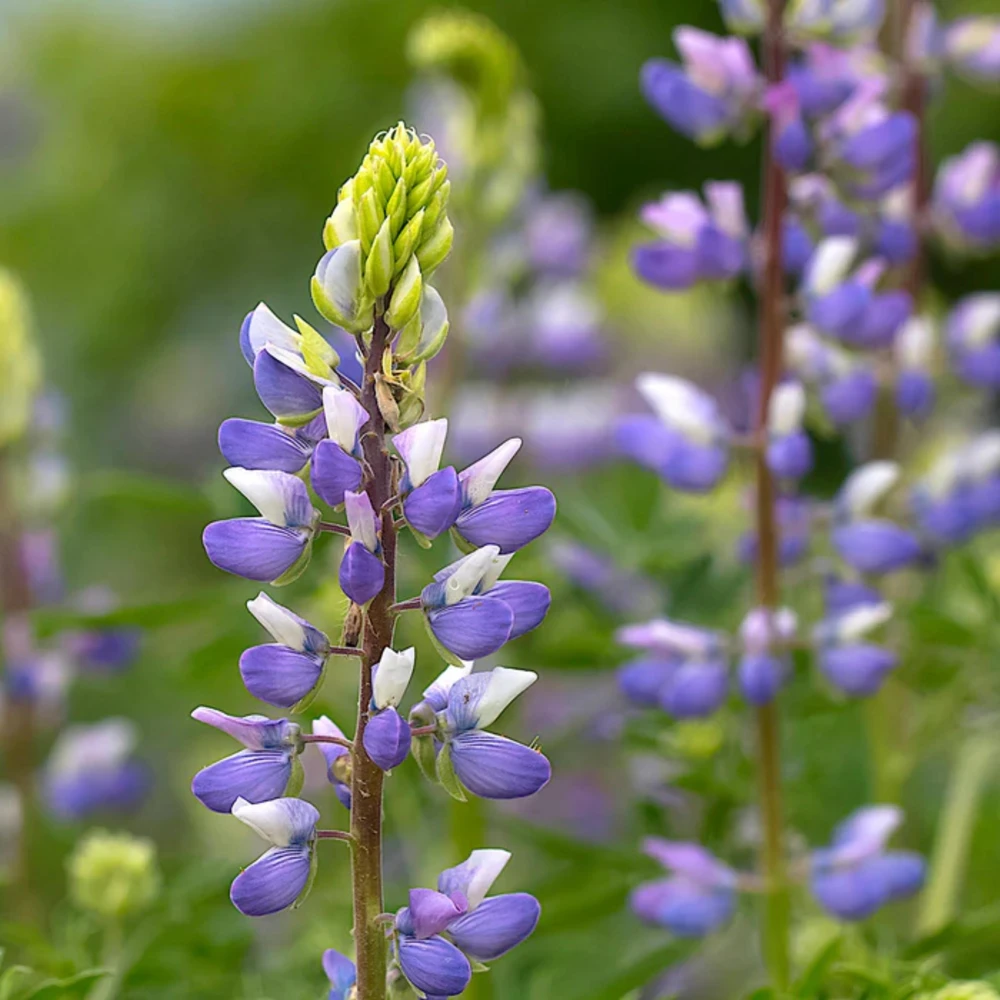
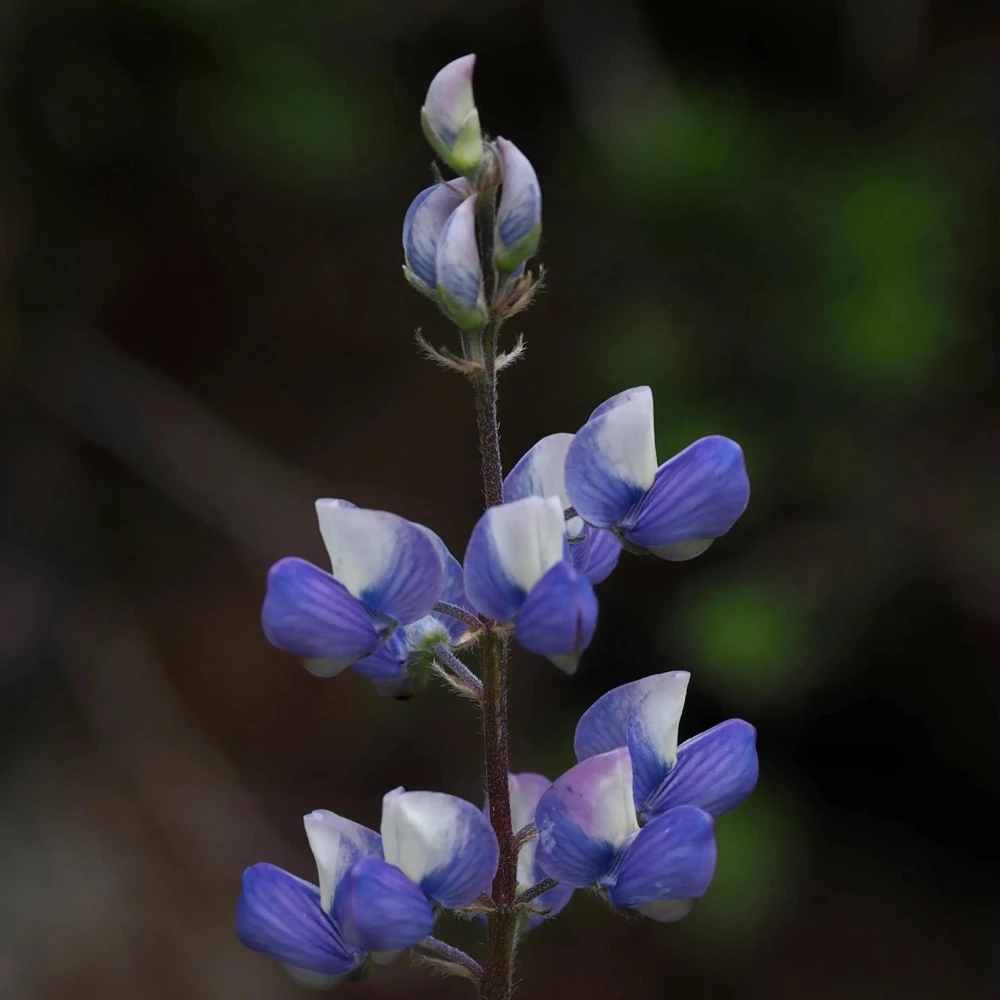
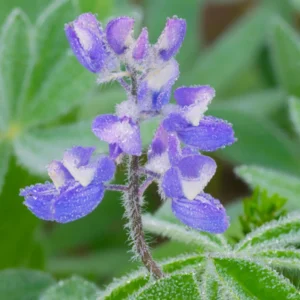
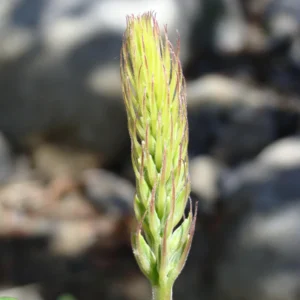
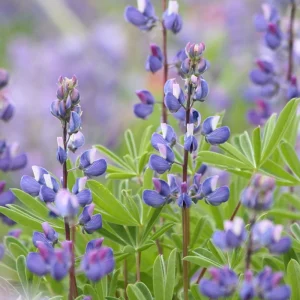
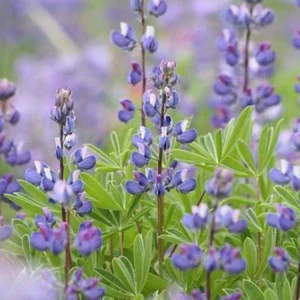
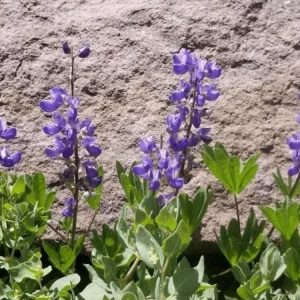
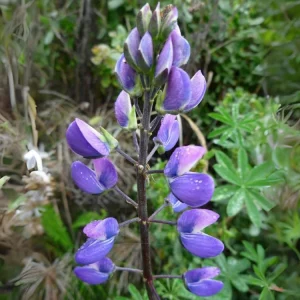
Cultivate stunning broadleaf lupine seeds (Lupinus latifolius) in your garden. These native wildflower seeds produce vibrant perennial flowers, creating a beautiful display and attracting beneficial pollinators. Each pack contains 30 seeds, perfect for enhancing your landscape with ease.
Original price was: $15.16.$7.58Current price is: $7.58.

With our Alive & Thrive Guarantee, we’ve got your back for the first 30 days! If you have any concerns about your plants, just reach out to us. Our team is here to help answer your questions and guide you in selecting the best plants for your garden, climate, and unique preferences. We're excited to help you create the garden of your dreams!
Estimated arrival
Oct 08
Oct 13 - Oct 15
Oct 18 - Oct 22

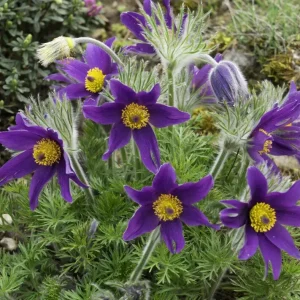

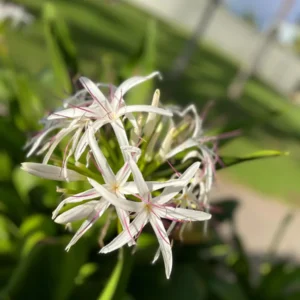
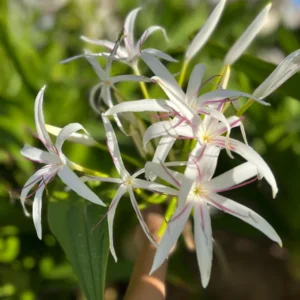
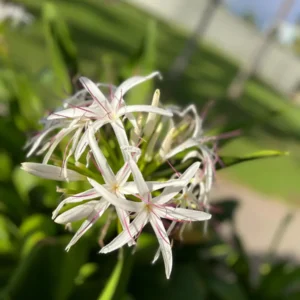
Product Details
-
USDA Hardiness Zone
USDA zones 4-8 -
Soil type
Well-draining, moderately fertile soil -
Sunlight Exposure
Full sun to partial shade -
Expected Planting Period
Early spring or late fall
Overview
Embark on a rewarding gardening journey with our premium broadleaf lupine seeds. Known botanically as Lupinus latifolius, these seeds will grow into magnificent perennial plants, celebrated for their tall, elegant flower spikes and lush foliage. Lupinus latifolius is a beloved native wildflower, bringing a touch of untamed beauty to any garden setting. These easy-to-grow seeds are perfect for both novice and experienced gardeners looking to add vibrant color and ecological value to their outdoor spaces. Discover the joy of nurturing these resilient plants from seed to bloom, creating a captivating display that evolves with the seasons.
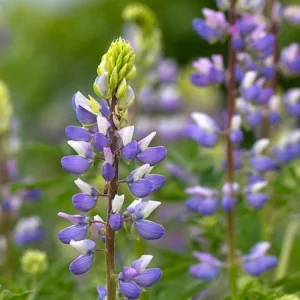
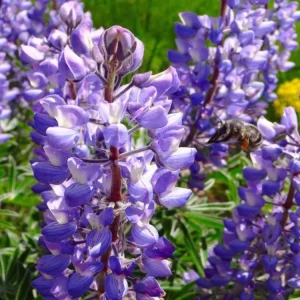
Our broadleaf lupine seeds are sourced for their quality and viability, ensuring a higher chance of successful germination and robust growth. They are an excellent choice for those aiming to establish a sustainable garden that supports local ecosystems. The distinctive flower spires, often in shades of blue, purple, and white, make lupines a standout feature in borders, cottage gardens, and naturalized areas. Planting these seeds is a simple yet impactful way to contribute to biodiversity and enjoy the splendor of nature right in your backyard.
Key Benefits
Growing perennial lupine from seed offers numerous advantages for your garden and the environment. These plants are not only visually stunning but also play a crucial role in supporting local wildlife.
- Attracts Pollinators: Lupines are highly attractive to bees, butterflies, and other beneficial insects, making them an excellent choice for a pollinator friendly seeds garden. Their nectar-rich flowers provide an essential food source.
- Enhances Garden Beauty: With their dramatic, towering flower spikes and attractive palmate leaves, lupines add vertical interest and a burst of color to any landscape.
- Low Maintenance: Once established, Lupinus latifolius plants are relatively low-maintenance, requiring minimal care beyond basic watering and occasional deadheading.
- Drought Tolerant: These native wildflowers are well-adapted to various conditions and exhibit good drought tolerance once mature, reducing water consumption.
- Soil Improvement: As legumes, lupines can fix nitrogen in the soil, naturally improving its fertility and benefiting neighboring plants.
- Heirloom Quality: Our broadleaf lupine seeds often come from heirloom varieties, preserving genetic diversity and offering a connection to traditional gardening practices.
- Long Blooming Season: Enjoy beautiful blooms from late spring through summer, providing extended color and interest in your garden.
Plant Care & Growing Tips
Cultivating broadleaf lupine seeds into thriving plants is a rewarding experience. Lupines prefer a sunny location with well-draining soil. For optimal germination, it’s recommended to soak the seeds in warm water for 12-24 hours before planting, or lightly scarify the hard outer coating with sandpaper. Plant seeds about 1/4 inch (6 mm) deep in a seed-starting mix, keeping the soil consistently moist but not waterlogged. Germination typically occurs within 10-30 days at temperatures around 60-70°F (16-21°C). Provide bright light once seedlings emerge.
When seedlings have developed several true leaves and the danger of frost has passed, they can be transplanted outdoors. Due to their long taproot, transplanting young plants carefully is crucial to avoid disturbing the roots. Space plants approximately 12-24 inches apart. Lupines thrive in full sun to partial shade and prefer moderately fertile, well-draining soil. Water regularly during establishment, then reduce frequency, allowing the soil to dry slightly between waterings. Deadheading spent flower spikes can encourage reblooming and maintain plant vigor. In colder climates, a light layer of mulch in winter can help protect perennial varieties. These native wildflower seeds are adaptable but flourish with proper care.
Size & Details
This offering includes 1 pack containing 30 broadleaf lupine seeds (Lupinus latifolius). When mature, these perennial plants typically grow to a height of 2-4 feet (60-120 cm) with a spread of 1-2 feet (30-60 cm), depending on the specific variety and growing conditions. The robust flower spikes can reach impressive heights, adding a striking vertical element to your garden. Lupines have a moderate growth rate, usually establishing well in their first year and producing blooms in their second year from seed. The seeds are packaged to ensure freshness and viability, ready for planting to create a vibrant display of perennial lupine.
These plants are typically shipped as dormant seeds, ready for you to start indoors or direct sow outdoors. They are known for their ability to form deep taproots, which contributes to their drought tolerance and makes them resilient once established. Expect a beautiful flowering period from late spring to summer, providing continuous color and attracting beneficial insects. These pollinator friendly seeds are a fantastic addition for anyone looking to cultivate a thriving and ecologically rich garden.
Frequently Asked Questions
- Q: How many broadleaf lupine seeds are included in one pack? A: Each pack contains 30 high-quality broadleaf lupine seeds, providing ample opportunity to grow a beautiful patch of these native wildflowers.
- Q: What is the best time to plant Lupinus latifolius seeds? A: The best time to plant Lupinus latifolius seeds is in early spring after the last frost, or in late fall for germination the following spring.
- Q: Are these lupine seeds good for attracting pollinators? A: Yes, these are excellent pollinator friendly seeds. Lupine flowers are a favorite food source for bees, butterflies, and other beneficial insects, making them great for supporting local ecosystems.
- Q: How tall do perennial lupine plants typically grow? A: Perennial lupine plants grown from these seeds can typically reach heights of 2-4 feet (60-120 cm), with some varieties growing even taller under ideal conditions.
- Q: Is broadleaf lupine considered a native wildflower? A: Yes, broadleaf lupine seeds are known to produce native wildflowers, making them a great choice for naturalized gardens and supporting local flora.
- Q: What kind of soil do lupines prefer? A: Lupines thrive in well-draining, moderately fertile soil. They do not tolerate heavy, waterlogged soils well.
- Q: How much sunlight do broadleaf lupine plants need? A: These plants prefer full sun to partial shade, meaning they need at least 6 hours of direct sunlight per day for best flowering.
- Q: Are these seeds suitable for beginners? A: Yes, with proper pre-treatment (soaking/scarification), these native wildflower seeds are relatively easy to grow and are suitable for beginner gardeners.
- Q: How long does it take for lupine seeds to germinate? A: Germination usually takes between 10 to 30 days, depending on environmental conditions and seed preparation.
- Q: Will these perennial lupine plants survive winter? A: Many perennial lupine varieties can survive winter in suitable climates (USDA zones 4-8). In colder areas, a light layer of mulch can provide protection.
Related products
-50%

Original price was: $23.96.$11.98Current price is: $11.98.
-50%

Original price was: $7.98.$3.98Current price is: $3.98.
-50%
Original price was: $23.96.$11.98Current price is: $11.98.
-50%

Original price was: $19.16.$9.58Current price is: $9.58.
-50%
Original price was: $23.96.$11.98Current price is: $11.98.
-50%

Original price was: $23.96.$11.98Current price is: $11.98.
-50%
Original price was: $23.96.$11.98Current price is: $11.98.
PLANTING & CARE
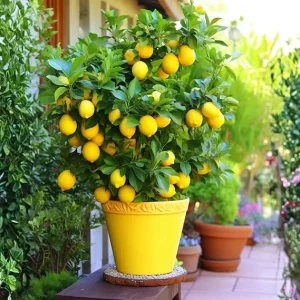
Lemon Tree Growing: Choose, Plant, and Harvest
Learn how to choose, plant, feed, and protect a lemon tree so it fits your
23
Sep
Sep
Dwarf Meyer Lemon Tree Australia: Climate Guide
Learn where dwarf Meyer lemon trees grow, how much cold they tolerate, and whether Australia,
Where to Buy a Dwarf Meyer Lemon Tree: Buyer’s Guide
Find the right dwarf Meyer lemon tree online or locally, compare starter sizes and costs,
Dwarf Meyer Lemon Tree for Sale: Buying Guide
Compare Meyer lemon tree sizes, prices, shipping limits, indoor growing and California options before you
Dwarf Meyer Lemon Tree Guide: Size, Care and Fruit
META: Learn how large a dwarf Meyer lemon tree grows, where it thrives, and how
How to Prune a Dwarf Meyer Lemon Tree
Learn when and how to prune a dwarf Meyer lemon tree, including tools, shaping cuts,
Can You Grow a Dwarf Meyer Lemon Tree in a Pot?
META: Learn how to grow a dwarf Meyer lemon tree in a pot, including container
When Do Dwarf Meyer Lemon Trees Bloom and Fruit?
META: Dwarf Meyer lemon trees usually bloom from winter through spring and may flower again