Calamansi Live Plant – 5 Gallon Pot, 4-5 Ft Tall Calamondin Citrus Tree
-50%
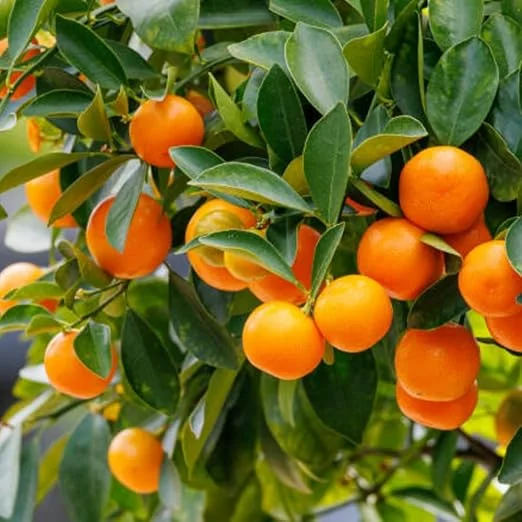
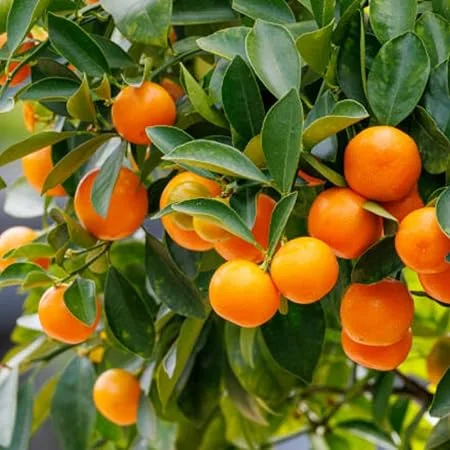
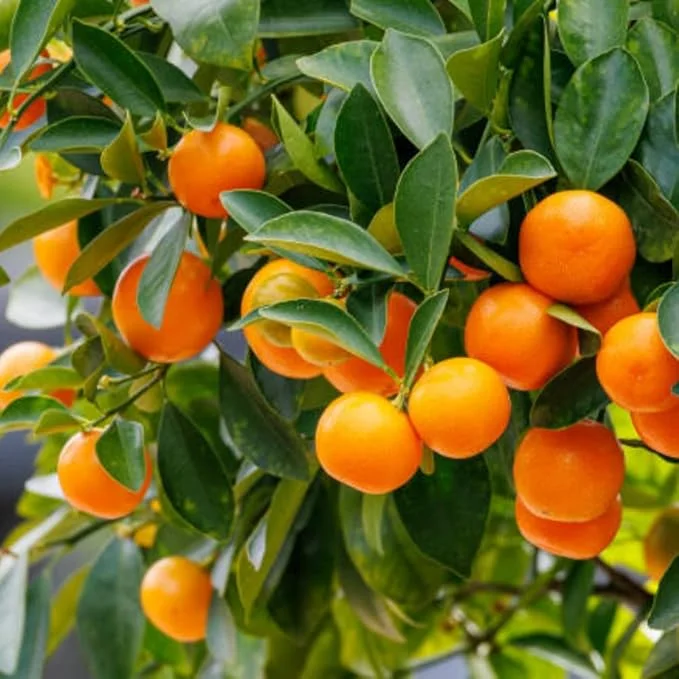
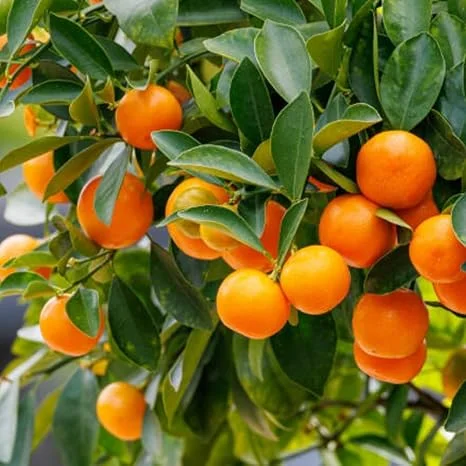

Calamansi Live Plant – 5 Gallon Pot, 4-5 Ft Tall Calamondin Citrus Tree
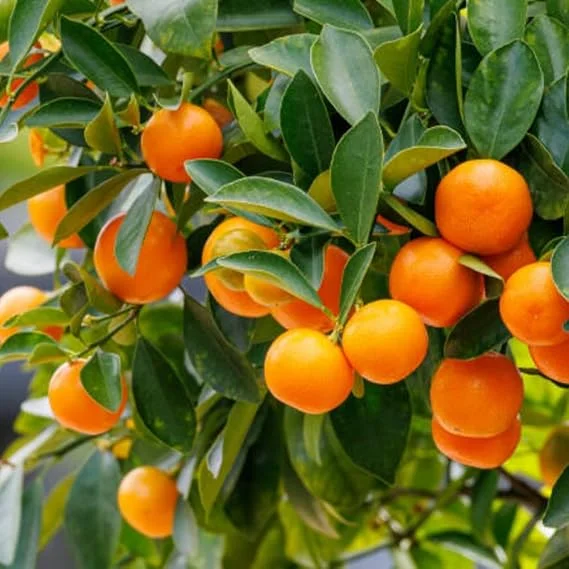
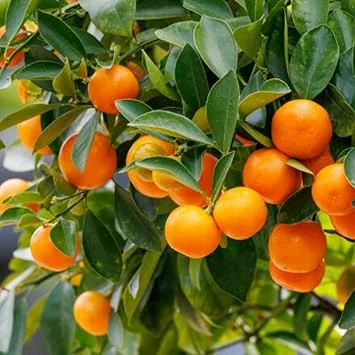
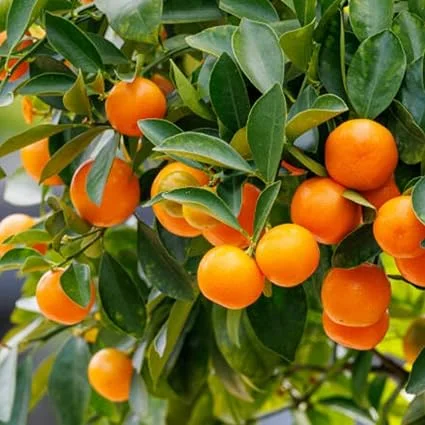
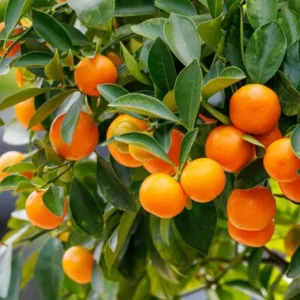
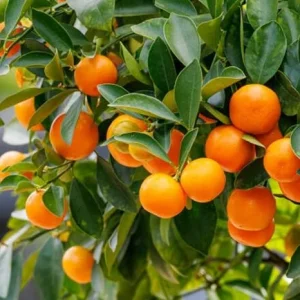
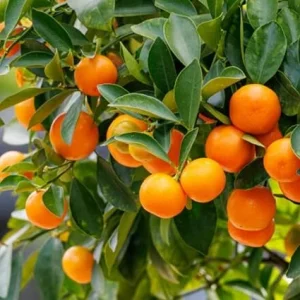
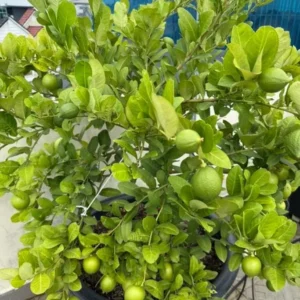
Bring the taste of the tropics home with this vibrant calamansi live plant, a beautiful and productive citrus tree. Standing 4 to 5 feet tall in a 5-gallon pot, it’s ideal for container growing on patios or as an indoor specimen. Enjoy fragrant blossoms and tart, flavorful calamansi fruits year-round.
Original price was: $259.98.$129.99Current price is: $129.99.

With our Alive & Thrive Guarantee, we’ve got your back for the first 30 days! If you have any concerns about your plants, just reach out to us. Our team is here to help answer your questions and guide you in selecting the best plants for your garden, climate, and unique preferences. We're excited to help you create the garden of your dreams!
Estimated arrival
Oct 14
Oct 19 - Oct 21
Oct 24 - Oct 28
Product Details
-
USDA Hardiness Zone
9-11 -
Soil type
Well-drained soil -
Sunlight Exposure
Full Sun -
Expected Planting Period
Spring; Year-round indoors
Overview
Introduce a touch of the exotic to your home or garden with this stunning calamansi live plant. Revered for its prolific fruit production and ornamental appeal, the calamansi, also known as calamondin or Kalamansi, is a hybrid citrus tree that thrives in various settings. This particular specimen arrives as a robust 4 to 5-foot tall plant, securely nestled in a 5-gallon pot, ready to flourish in its new environment. Its glossy green leaves provide a lush backdrop for the delicate white, fragrant blossoms that eventually give way to small, orange-like fruits. Perfect for both culinary enthusiasts and ornamental gardeners, the calamansi live plant promises to be a rewarding addition, offering fresh, zesty fruit year-round under optimal conditions.
The calamansi is a popular choice for container gardening, making it an excellent option for those with limited outdoor space or for cultivating indoors in colder climates. Its compact growth habit and natural beauty make it a focal point on any patio, balcony, or sunny indoor room. Experience the joy of harvesting your own citrus right at home with this low-maintenance and highly productive tree.
Key Benefits
Cultivating a calamansi live plant offers a multitude of advantages, from its aesthetic appeal to its practical uses in the kitchen. This versatile citrus tree is an investment in both beauty and flavor.
- Year-Round Fruit Production: Enjoy a continuous supply of tart, juicy calamansi fruits, perfect for beverages, marinades, and desserts, often producing fruit throughout the year with proper care.
- Aromatic Blooms: The plant produces delicate white flowers that fill the air with a sweet, enchanting citrus fragrance, enhancing the ambiance of any space.
- Ornamental Beauty: With its vibrant green foliage and bright, small fruits, the calamondin citrus tree serves as an attractive decorative element for patios, decks, or sunny indoor areas.
- Container Friendly: This tree thrives in pots, making it an excellent choice for gardeners who wish to move their plant indoors during colder months or those with limited garden space.
- Culinary Versatility: Calamansi fruit is a staple in many cuisines, offering a unique tart flavor that can elevate drinks, sauces, and various dishes.
- Low Maintenance: Once established, the calamansi live plant is relatively easy to care for, requiring consistent watering and adequate sunlight to flourish.
- Air Purification: Like many indoor plants, the calamansi tree contributes to a healthier indoor environment by naturally filtering air and adding oxygen.
Plant Care & Growing Tips
Ensuring the health and productivity of your calamansi live plant requires attention to a few key environmental factors. This citrus tree prefers a warm, sunny environment to thrive and produce its best fruit. For optimal growth, provide at least 6-8 hours of direct sunlight daily. If growing indoors, place it near a south-facing window or supplement with a grow light, especially during winter months. Rotate the plant periodically to ensure even growth and light exposure.
Watering should be consistent but not excessive. The soil should be kept consistently moist but never waterlogged. Allow the top inch or two of soil to dry out before watering again. Using a moisture meter can be helpful to gauge soil moisture accurately. Good drainage is crucial; ensure your 5-gallon pot has drainage holes and consider using a well-draining potting mix specifically formulated for citrus plants. Overwatering is a common cause of root rot, so err on the side of slightly dry rather than overly wet soil.
The calamondin citrus tree thrives in USDA Hardiness Zones 9-11 outdoors. If you live in a colder climate, it is essential to bring the plant indoors before the first frost. Maintain temperatures above 50°F (10°C) for best results. Fertilize your calamansi tree every 1-2 months during the growing season (spring through fall) with a balanced citrus fertilizer. Reduce feeding in winter when growth slows. Pruning is generally minimal, focused on removing dead or crossing branches and shaping the tree. Watch out for common citrus pests like spider mites and scale; address any infestations promptly with insecticidal soap or neem oil. Proper care will lead to a lush, fruit-bearing calamansi tree care.
Size & Details
This calamansi live plant is provided as a robust specimen, standing approximately 4 to 5 feet tall from the base of the pot to the top of the foliage. It comes planted in a sturdy 5-gallon nursery pot, offering ample space for its root system to establish and grow. The plant’s mature height, especially when grown in a container, typically ranges from 6 to 10 feet, though regular pruning can maintain a more compact size, making it an ideal dwarf calamansi tree option. Expect a moderate growth rate, with new foliage and blooms appearing throughout the warmer months. The plant is shipped securely in its growing pot, carefully packaged to ensure its safe arrival. With proper care, you can anticipate fragrant white blossoms and the development of small, green fruits that mature into a vibrant orange, ready for harvest.
Frequently Asked Questions
- Q: How big does this plant get? A: This calamansi live plant arrives 4 to 5 feet tall in a 5-gallon pot. When mature, it can reach 6 to 10 feet tall, but its size can be managed with pruning, making it suitable as a dwarf calamansi tree for container growing.
- Q: Is this an indoor or outdoor plant? A: The calamansi tree can be grown outdoors in USDA Zones 9-11. In colder climates, it is best grown in a container and brought indoors during winter to protect it from frost. It thrives in full sun.
- Q: How much sunlight does it need? A: This plant prefers full sun, requiring at least 6-8 hours of direct sunlight per day. If grown indoors, a south-facing window or supplemental grow light is recommended.
- Q: Is this plant easy to care for? A: Yes, the calamansi tree is relatively low maintenance once established. Key care aspects include consistent watering, plenty of sunlight, and periodic feeding, making it suitable for gardeners of various experience levels.
- Q: What condition will it arrive in? A: Your calamansi plant for sale will arrive securely packaged in its 5-gallon nursery pot, ready to be placed in its new home. We take great care to ensure the plant is healthy upon arrival.
- Q: Can I use calamansi fruit in cooking? A: Absolutely! Calamansi fruit is highly prized for its tart, citrusy flavor and is widely used in Asian cuisine for juices, marinades, sauces, and desserts. It’s a versatile ingredient for any kitchen.
- Q: When is the best time to plant? A: For outdoor planting in suitable zones, spring is ideal. If growing in a container, it can be planted any time of year, provided it has adequate light and warmth.
- Q: What type of soil does it prefer? A: The calamansi tree thrives in well-draining soil. A citrus-specific potting mix or a blend of potting soil with perlite or sand for improved drainage is recommended.
- Q: How often should I water my calamansi? A: Water when the top 1-2 inches of soil feel dry to the touch. Ensure the pot has good drainage to prevent waterlogging, which can harm the roots.
- Q: Will it produce fruit right away? A: This 4-5 ft tall plant is already mature enough to produce fruit. With proper care and sufficient sunlight, you can expect to see blossoms and fruit develop throughout the year.
Related products
-36%
Original price was: $279.98.$179.98Current price is: $179.98.
-50%
Original price was: $73.98.$36.99Current price is: $36.99.
-50%
Original price was: $180.99.$89.89Current price is: $89.89.
PLANTING & CARE
Lemon Tree Growing: Choose, Plant, and Harvest
Learn how to choose, plant, feed, and protect a lemon tree so it fits your
23
Sep
Sep
Dwarf Meyer Lemon Tree Australia: Climate Guide
Learn where dwarf Meyer lemon trees grow, how much cold they tolerate, and whether Australia,
Where to Buy a Dwarf Meyer Lemon Tree: Buyer’s Guide
Find the right dwarf Meyer lemon tree online or locally, compare starter sizes and costs,
Dwarf Meyer Lemon Tree for Sale: Buying Guide
Compare Meyer lemon tree sizes, prices, shipping limits, indoor growing and California options before you
Dwarf Meyer Lemon Tree Guide: Size, Care and Fruit
META: Learn how large a dwarf Meyer lemon tree grows, where it thrives, and how
How to Prune a Dwarf Meyer Lemon Tree
Learn when and how to prune a dwarf Meyer lemon tree, including tools, shaping cuts,
Can You Grow a Dwarf Meyer Lemon Tree in a Pot?
META: Learn how to grow a dwarf Meyer lemon tree in a pot, including container
When Do Dwarf Meyer Lemon Trees Bloom and Fruit?
META: Dwarf Meyer lemon trees usually bloom from winter through spring and may flower again