Calamondin Live Plant – Calamansi Citrus Tree in Half Gallon Pot
-40%
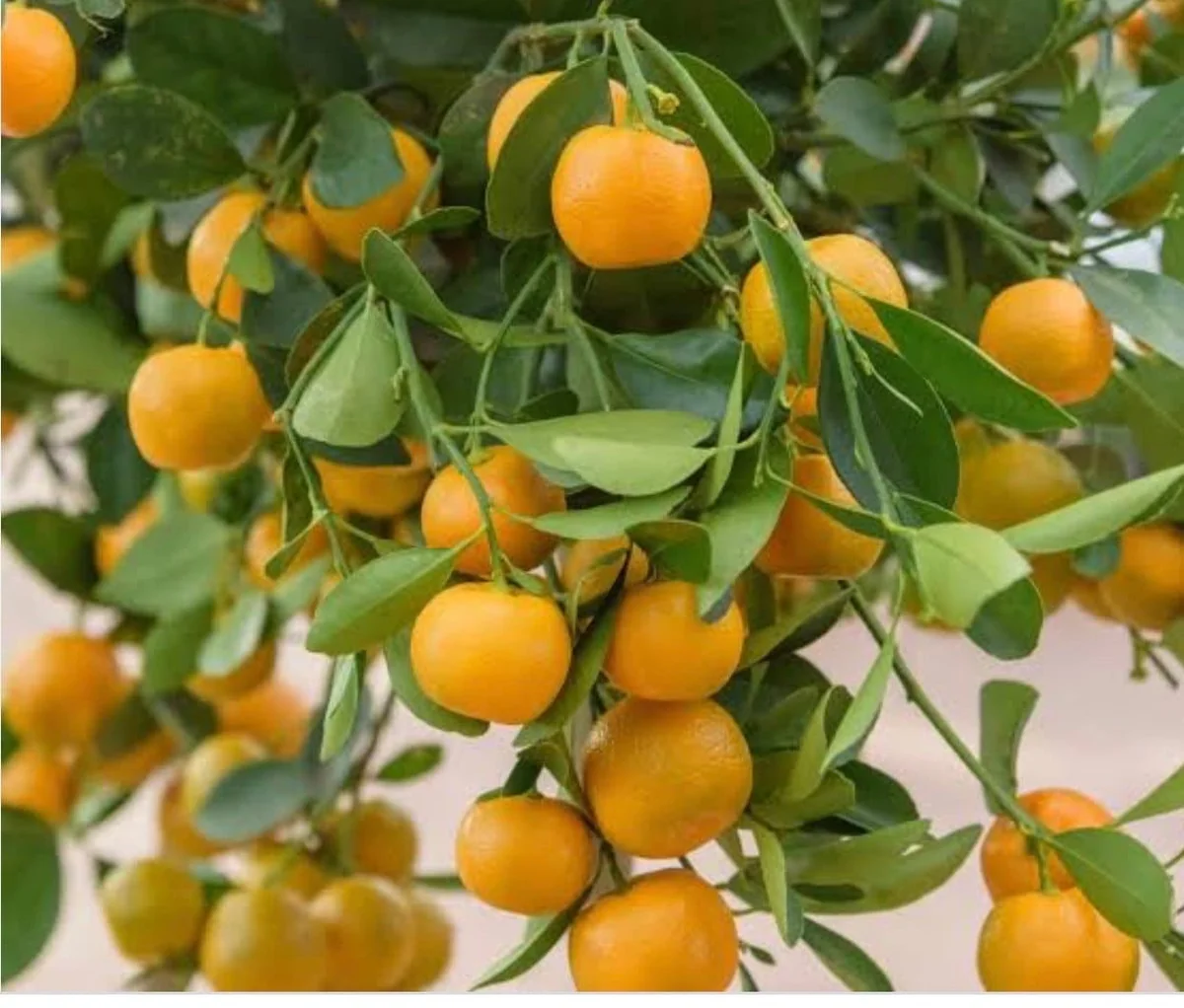
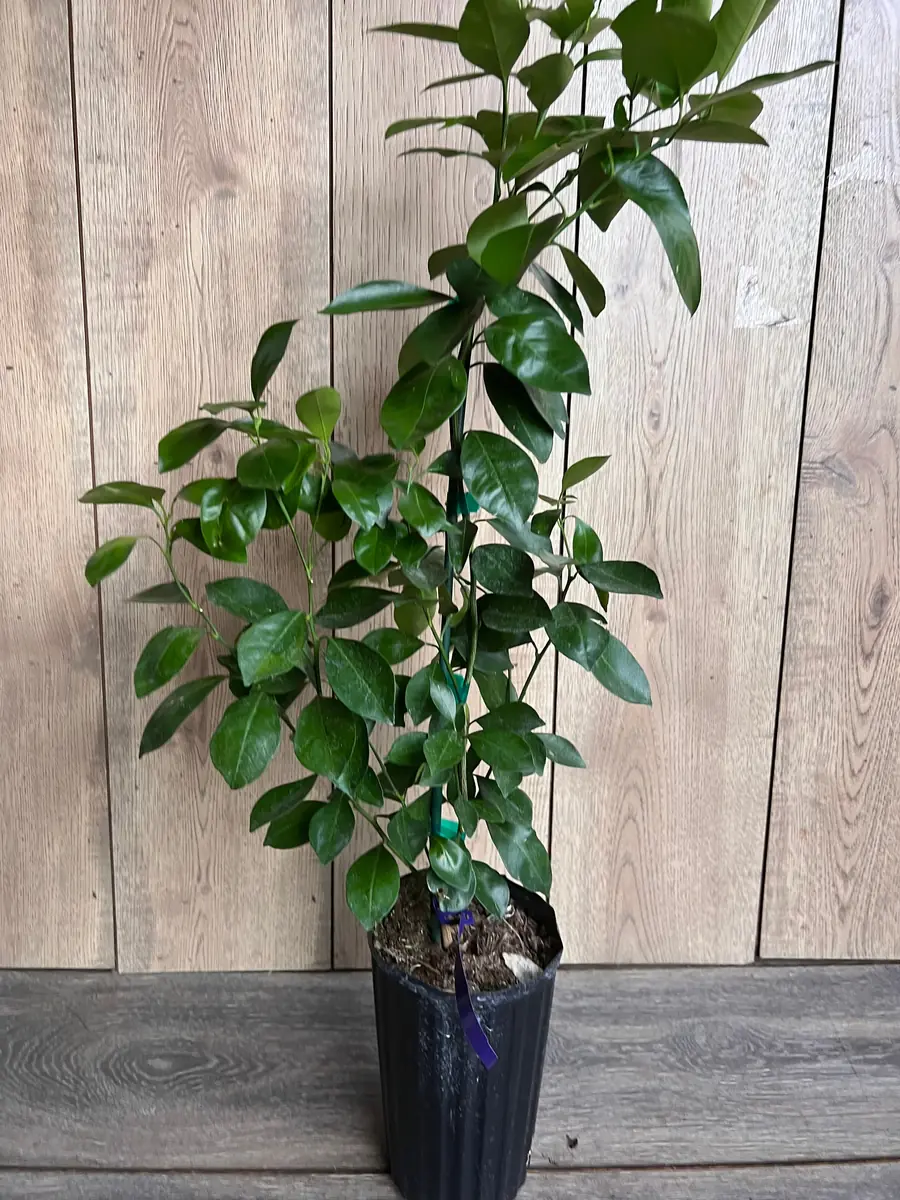
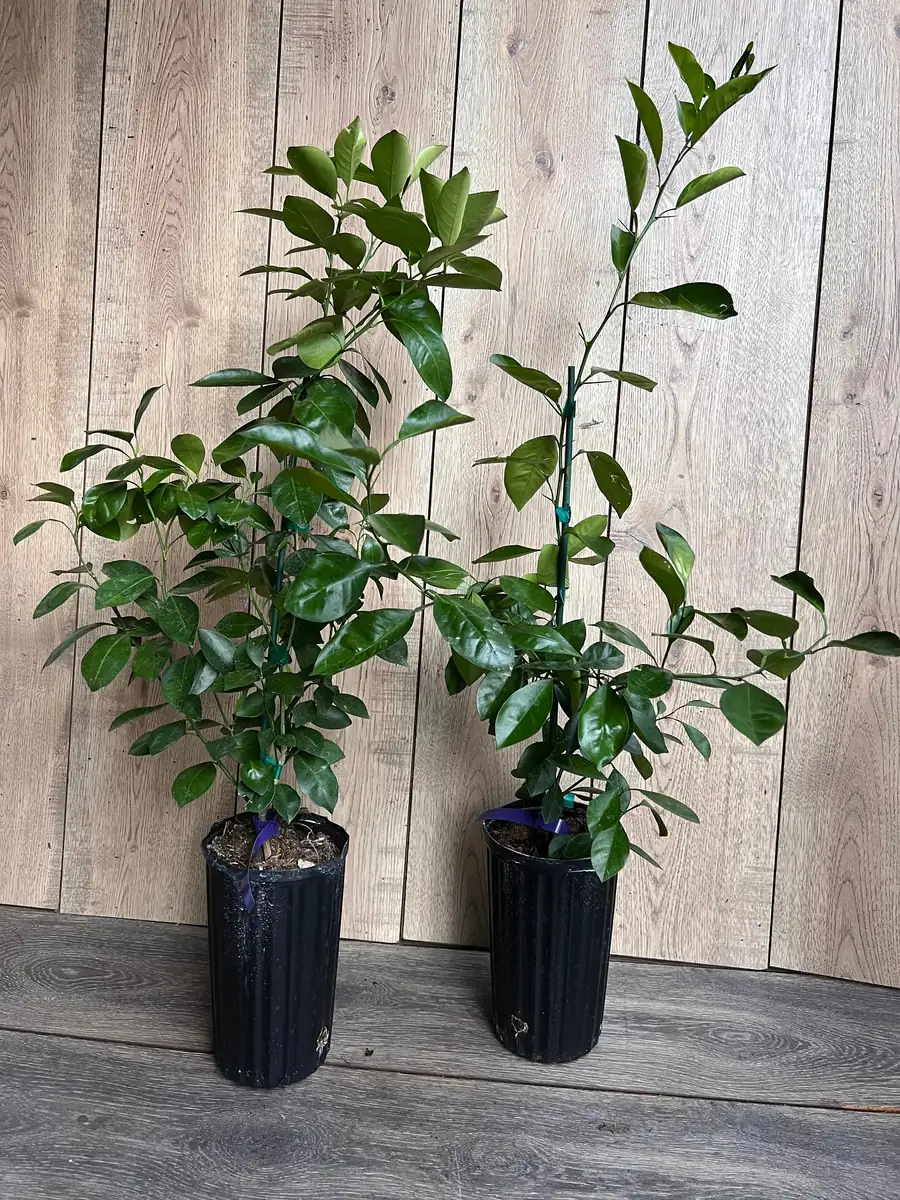
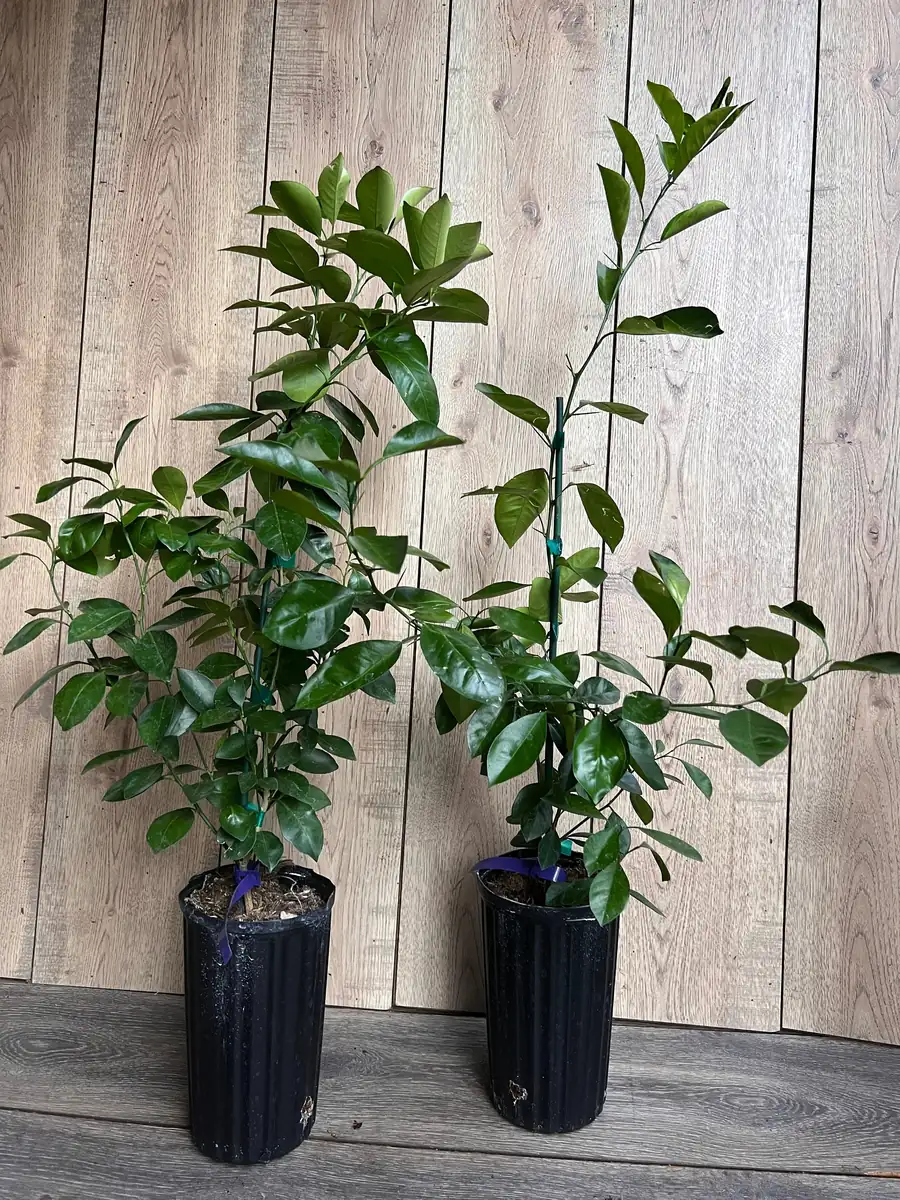
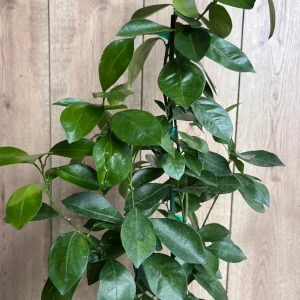
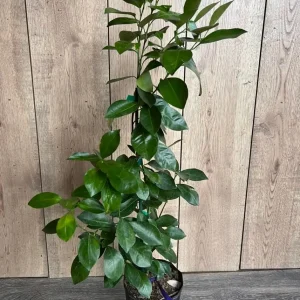
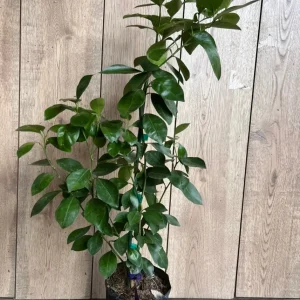
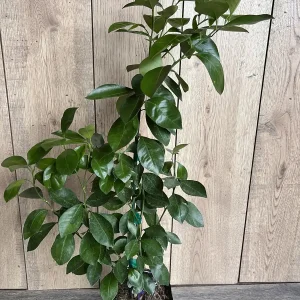
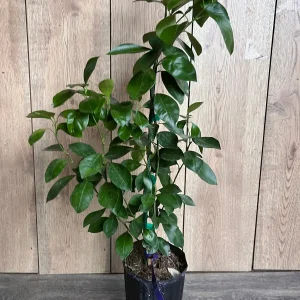
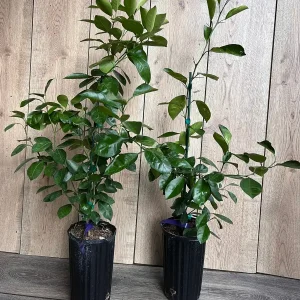
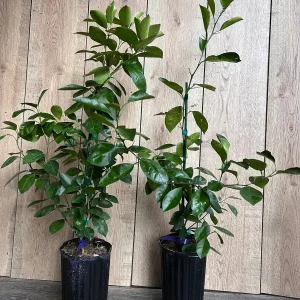
Calamondin Live Plant – Calamansi Citrus Tree in Half Gallon Pot
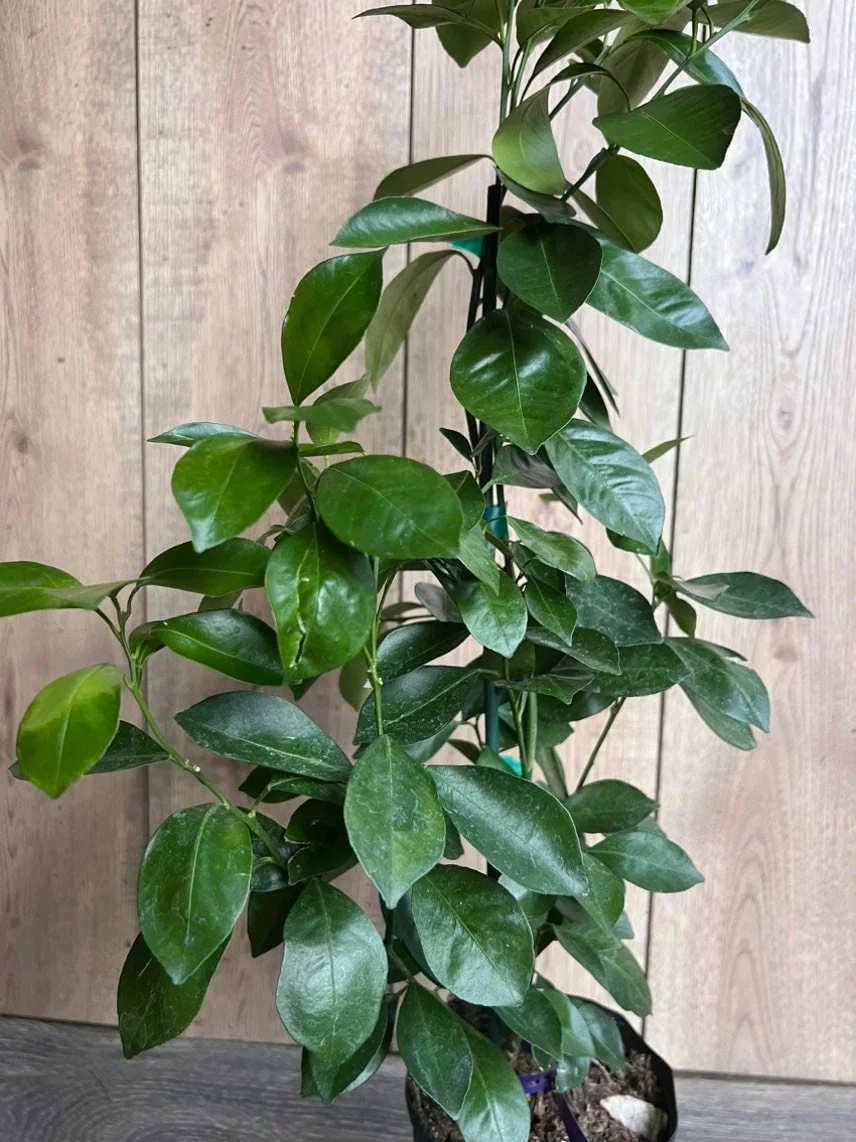
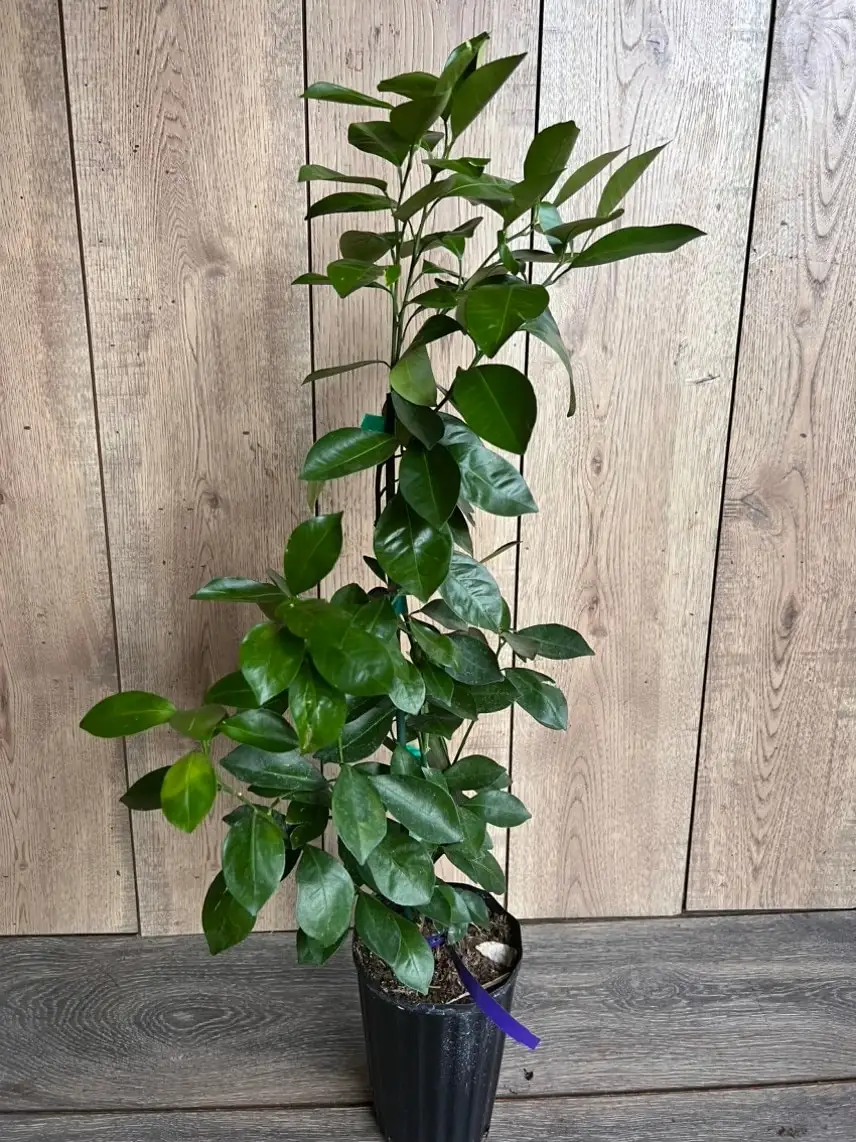
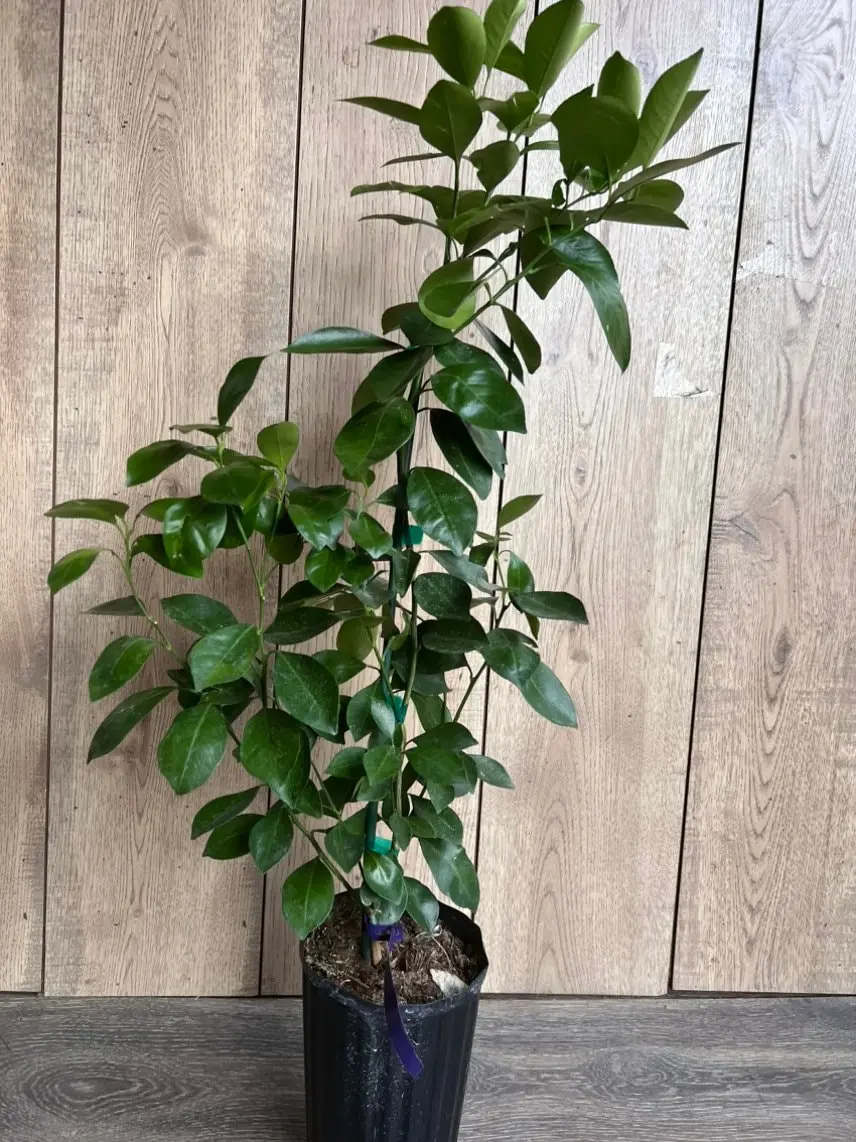
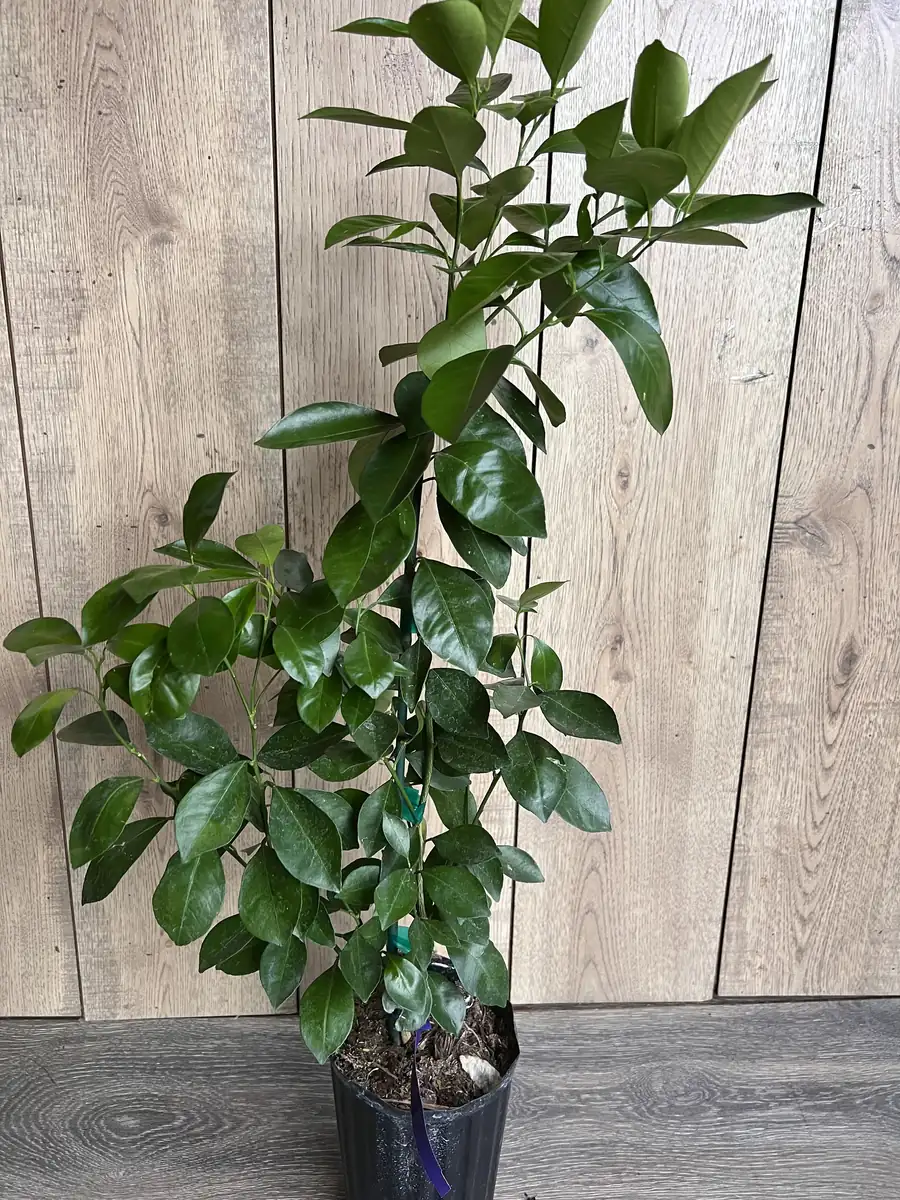
Bring home a versatile calamondin live plant, also known as a calamansi citrus tree. This hybrid fruit tree offers year-round beauty with fragrant white flowers and bright orange, edible fruit. Perfect for containers, it’s a delightful addition to any home or garden.
Original price was: $112.96.$67.78Current price is: $67.78.

With our Alive & Thrive Guarantee, we’ve got your back for the first 30 days! If you have any concerns about your plants, just reach out to us. Our team is here to help answer your questions and guide you in selecting the best plants for your garden, climate, and unique preferences. We're excited to help you create the garden of your dreams!
Estimated arrival
Oct 14
Oct 19 - Oct 21
Oct 24 - Oct 28
Product Details
-
USDA Hardiness Zone
8-10 (outdoors), suitable for all zones indoors -
Soil type
Well-draining potting mix, such as cactus soil -
Sunlight Exposure
Full sun (at least 6 hours daily) -
Expected Planting Period
Year-round indoors, spring to early summer outdoors (in suitable zones)
Overview
Discover the delightful calamondin live plant, a charming and productive addition to any plant collection. This unique hybrid citrus tree, often referred to as a calamansi citrus tree, is a cross between a mandarin orange and a kumquat, offering a distinctive sweet-tart flavor profile. It’s not just a fruit producer; the calamondin is also prized for its ornamental beauty, featuring dark green leaves, fragrant white flowers, and vibrant orange fruits that appear year-round. Whether you’re an experienced gardener or just starting, this adaptable plant brings a touch of tropical elegance and a bounty of culinary possibilities to your home or patio.
The calamondin’s continuous blooming and fruiting cycle ensures a dynamic display throughout the year, making it a focal point in any setting. Its compact size makes it ideal for container gardening, allowing it to thrive on patios, balconies, or indoors near a sunny window. Known for its fresh citrus aroma, especially when in bloom, the calamondin offers a multi-sensory experience that enhances your living space. Enjoy the satisfaction of growing your own fresh citrus, perfect for a variety of uses.
Key Benefits
The calamondin live plant offers a multitude of benefits, from its aesthetic appeal to its practical uses. Its continuous production of fruit and flowers ensures ongoing enjoyment and a fresh supply of citrus. Explore the many advantages of cultivating this remarkable plant:
- Year-Round Beauty: Experience a stunning transformation with dark green leaves, fragrant white flower petals, and bright orange fruits adorning your plant throughout the year, providing continuous visual interest.
- Edible & Versatile Fruit: The small, round fruits are edible, featuring a sweet peel and a sour, tangy pulp. They are perfect for culinary applications, including baked goods, jams, cocktails, and refreshing drinks.
- Fragrant Blooms: Enjoy the fresh, uplifting citrus aroma that the calamondin tree emits, especially when its white flowers are in bloom, naturally perfuming your living space.
- Container Friendly: This adaptable citrus tree thrives in containers, making it an excellent choice for patios, balconies, or as an indoor calamondin tree, allowing you to easily move it to optimize growing conditions.
- Relatively Low Maintenance: With proper care, calamondin trees are straightforward to grow, making them suitable for gardeners of various experience levels. They require consistent watering and adequate sunlight.
- Unique Hybrid Fruit: A fascinating hybrid of mandarin orange and kumquat, the calamondin offers a unique flavor that stands out from other citrus varieties, enhancing your culinary adventures.
- Health Benefits: Like other citrus, calamondin fruit is a good source of Vitamin C and antioxidants, contributing to a healthy diet.
Plant Care & Growing Tips
Caring for your calamondin live plant involves understanding its specific needs to ensure robust growth and abundant fruit production. These trees thrive in environments that mimic their tropical origins. For optimal health, consider planting your Calamondin in containers, especially if you reside outside USDA zones 8-10, as this allows for easy relocation during colder months. When choosing soil, a well-draining mix, such as cactus soil, is ideal. Calamondins do not tolerate ‘wet feet’ and can be susceptible to root rot if overwatered or left in soggy soil.
Sunlight is paramount for your calamansi citrus tree. It requires at least six hours of direct sunlight daily to flourish. If growing indoors, place it in the sunniest window available, and consider supplementing with a grow light, especially during winter months or in areas with limited natural light. While they love sun, extreme heat can be stressful for younger trees; if temperatures consistently exceed 90°F, providing partial shade during the hottest part of the day can prevent wilting. Regular fertilization with a high-nitrogen fertilizer is crucial, as calamondins, like humans, require a balance of macro and micronutrients (Nitrogen, Phosphorus, Potassium – NPK). Consistent feeding supports healthy foliage, fragrant blooms, and delicious fruit, ensuring your calamondin plant care routine results in a thriving tree.
Size & Details
Your calamondin live plant will arrive as a healthy specimen in a 1/2 gallon pot, ready for transplanting or enjoying in its current container. Depending on the season, plants typically range from 18-22 inches tall and 6-8 inches wide, providing a substantial start to your citrus growing journey. These trees are known for their moderate growth rate, reaching a mature height of 6-10 feet if planted in the ground, or remaining more compact when grown in containers. They are shipped in standard black growing pots, ensuring the plant’s health and stability during transit.
While we source the best available product, please note that we cannot guarantee blooms or fruit upon arrival, as these cycles are seasonal and dependent on environmental factors. However, with proper calamondin plant care, you can look forward to a continuous display of flowers and fruit throughout the year. The plant’s robust root system and established growth ensure a strong foundation for future development and enjoyment of this wonderful edible citrus plant.
Frequently Asked Questions
- Q: How big does this calamondin live plant get? A: When shipped, the plant is typically 18-22 inches tall and 6-8 inches wide. If planted in the ground, it can reach 6-10 feet, but in containers, its size can be managed to remain more compact, making it an ideal indoor calamondin tree.
- Q: What size pot does it come in? A: The calamondin live plant is shipped in a standard 1/2 gallon growing pot, providing ample space for its initial growth. You may choose to repot it into a larger container upon arrival.
- Q: Is this an indoor or outdoor plant? A: Calamondin trees can thrive both indoors and outdoors. They are suitable for outdoor planting in USDA zones 8-10. In colder climates, it’s best to grow them in containers so they can be moved indoors during winter.
- Q: How much sunlight does it need? A: Your calamansi citrus tree requires at least six hours of full direct sunlight daily. If kept indoors, place it by a sunny window or supplement with a grow light to ensure sufficient light exposure.
- Q: Is this plant easy to care for? A: Calamondin trees are relatively easy to care for with consistent attention. Key aspects of calamondin plant care include proper watering, adequate sunlight, and regular fertilization.
- Q: What condition will it arrive in? A: We carefully select and ship healthy, vibrant plants. While we cannot guarantee blooms or fruit upon arrival due to seasonal variations, rest assured you will receive a quality calamondin live plant ready to thrive.
- Q: Can I use the fruit for cooking? A: Absolutely! The fruit of this edible citrus plant is highly versatile. It has a unique sweet-sour flavor profile, making it excellent for baked goods, jams, cocktails, juices, and other culinary creations.
- Q: What is the best soil type for a calamondin tree? A: Calamondins prefer well-draining soil. A good quality potting mix, especially one formulated for citrus or cacti, works well to prevent root rot.
- Q: How often should I water my calamondin? A: Water your calamondin when the top inch or two of soil feels dry to the touch. Avoid overwatering, as they do not like soggy roots. Ensure good drainage.
- Q: When is the best time to fertilize? A: Fertilize your calamondin live plant regularly during its active growing season (spring through fall) with a high-nitrogen fertilizer to support its continuous growth and fruit production.
Related products
-20%
Original price was: $60.00.$48.00Current price is: $48.00.
-7%
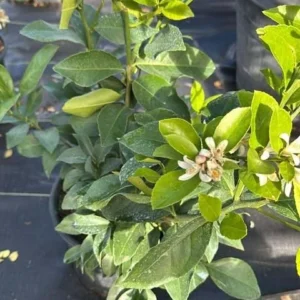
Original price was: $105.99.$98.99Current price is: $98.99.
-10%
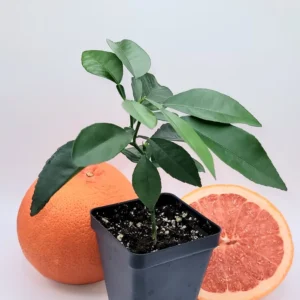
Original price was: $65.00.$58.50Current price is: $58.50.
-20%
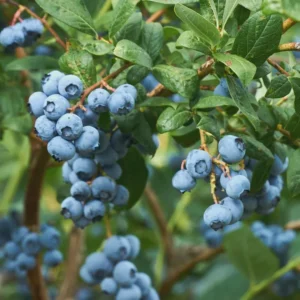
Original price was: $60.00.$48.00Current price is: $48.00.
-20%
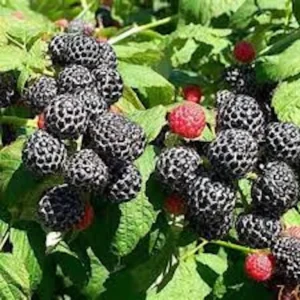
Original price was: $34.00.$27.20Current price is: $27.20.
-50%
Original price was: $39.98.$19.99Current price is: $19.99.
-20%
Original price was: $32.00.$25.60Current price is: $25.60.
PLANTING & CARE
Lemon Tree Growing: Choose, Plant, and Harvest
Learn how to choose, plant, feed, and protect a lemon tree so it fits your
23
Sep
Sep
Dwarf Meyer Lemon Tree Australia: Climate Guide
Learn where dwarf Meyer lemon trees grow, how much cold they tolerate, and whether Australia,
Where to Buy a Dwarf Meyer Lemon Tree: Buyer’s Guide
Find the right dwarf Meyer lemon tree online or locally, compare starter sizes and costs,
Dwarf Meyer Lemon Tree for Sale: Buying Guide
Compare Meyer lemon tree sizes, prices, shipping limits, indoor growing and California options before you
Dwarf Meyer Lemon Tree Guide: Size, Care and Fruit
META: Learn how large a dwarf Meyer lemon tree grows, where it thrives, and how
How to Prune a Dwarf Meyer Lemon Tree
Learn when and how to prune a dwarf Meyer lemon tree, including tools, shaping cuts,
Can You Grow a Dwarf Meyer Lemon Tree in a Pot?
META: Learn how to grow a dwarf Meyer lemon tree in a pot, including container
When Do Dwarf Meyer Lemon Trees Bloom and Fruit?
META: Dwarf Meyer lemon trees usually bloom from winter through spring and may flower again