Carnation Seeds Dianthus – 30 Seeds, Cold Hardy, Drought Resistant, Colorful Garden Flowers
-50%
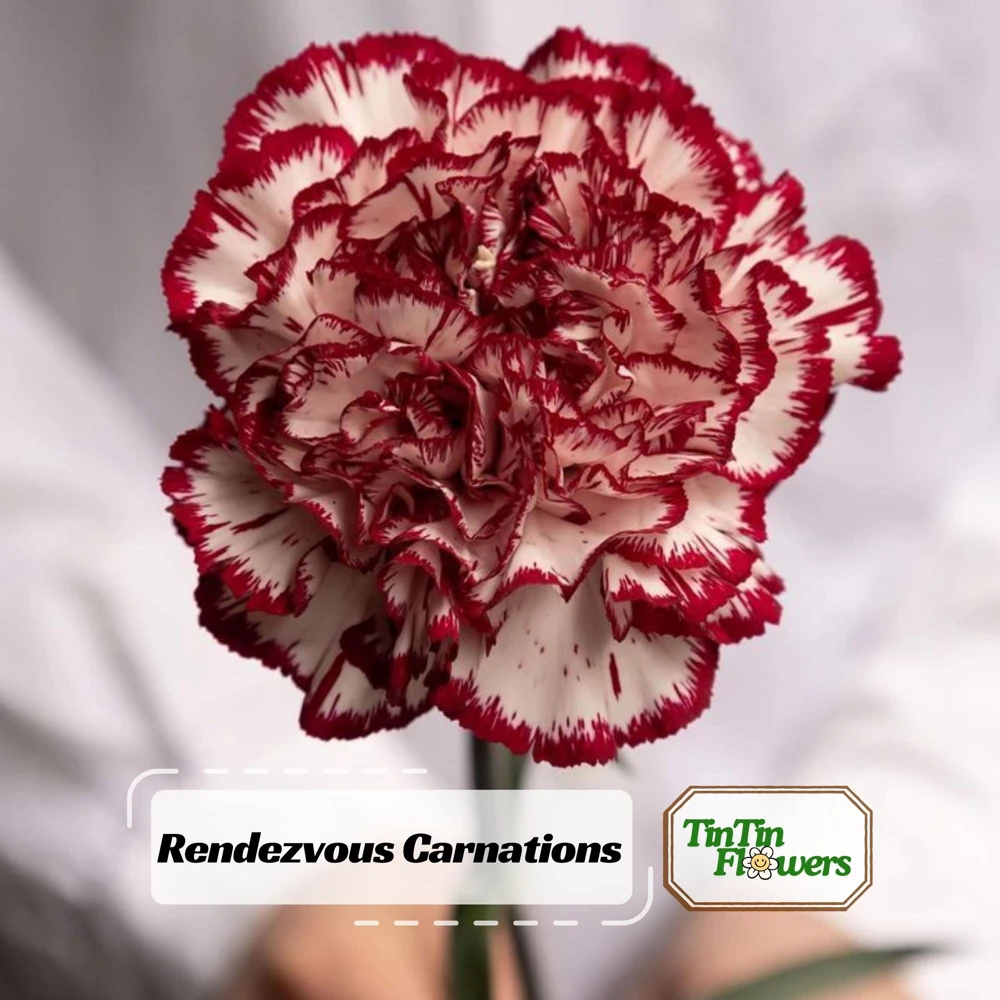
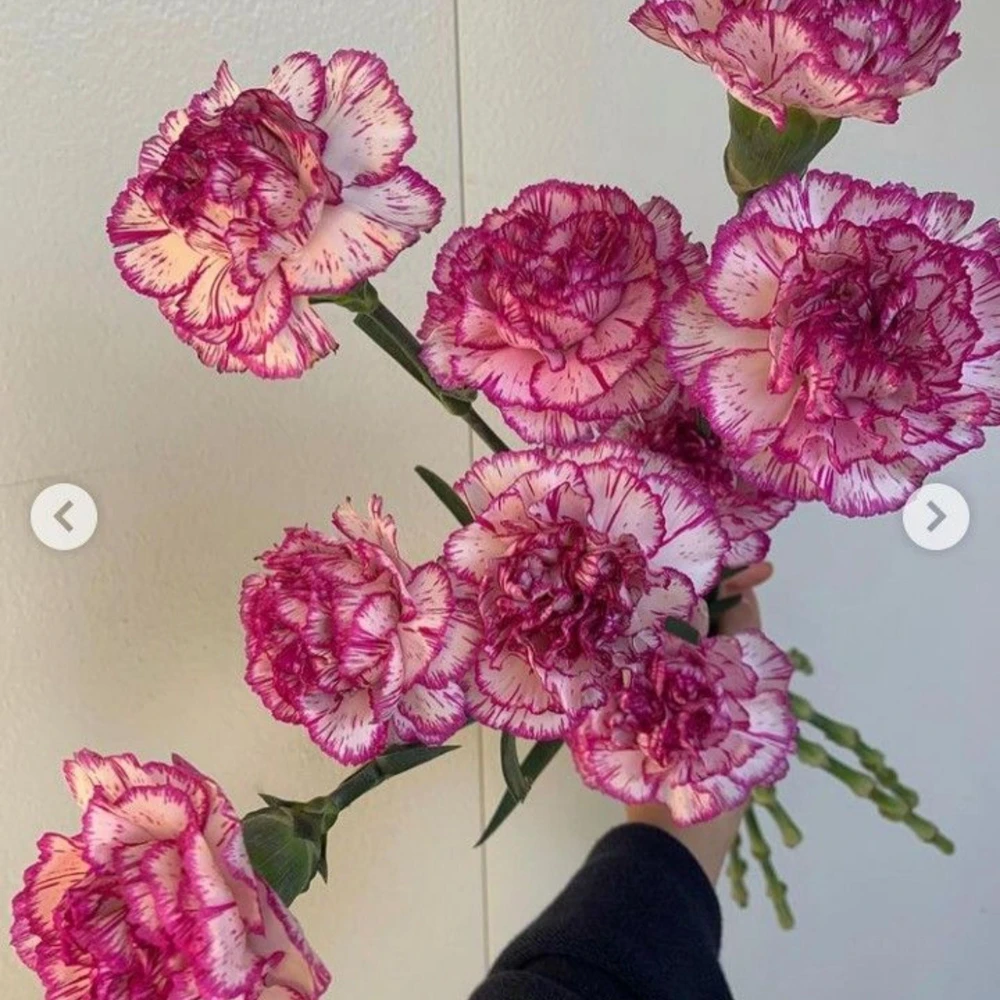
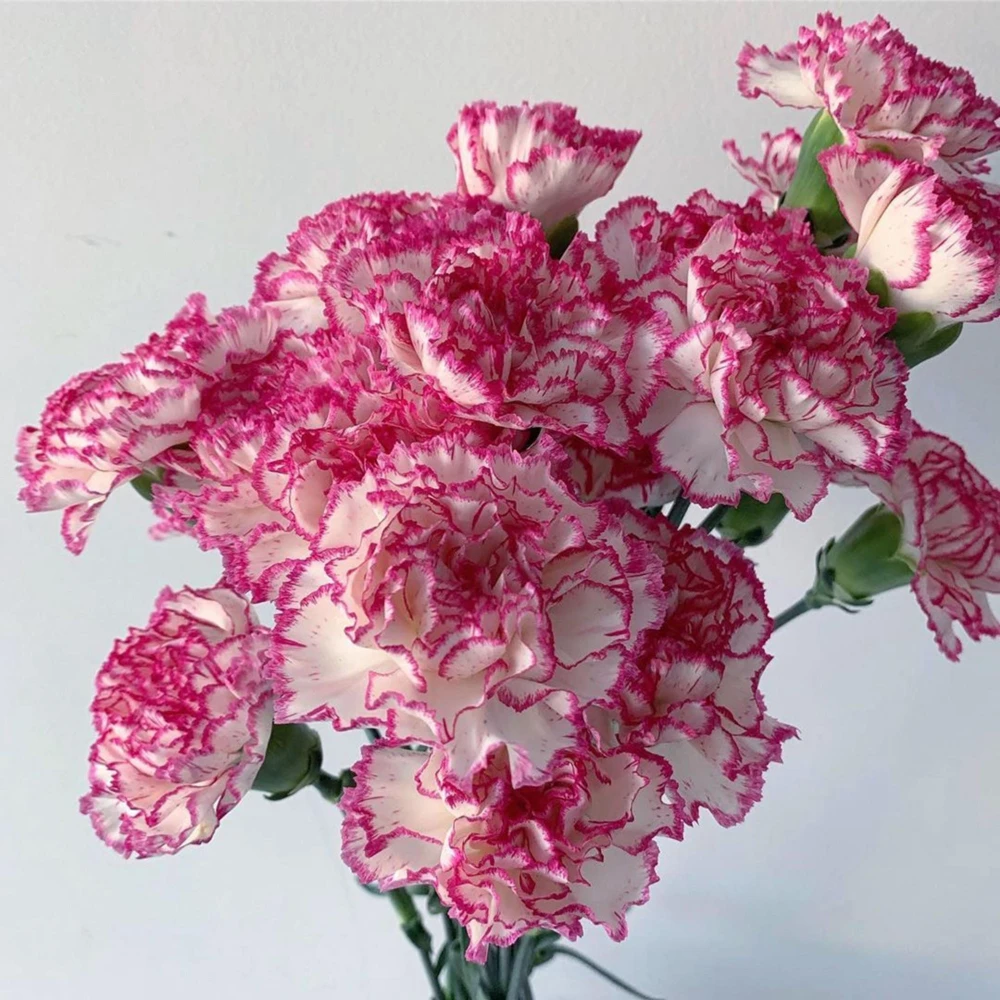
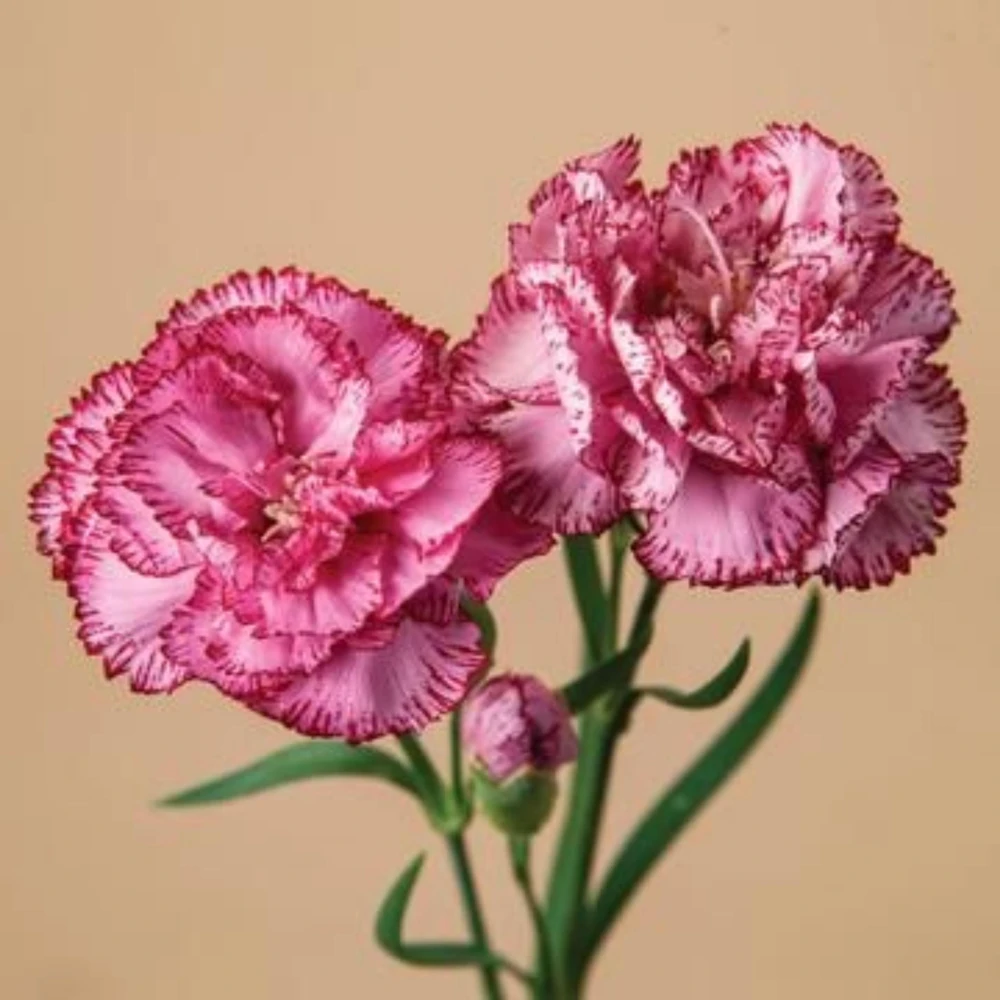
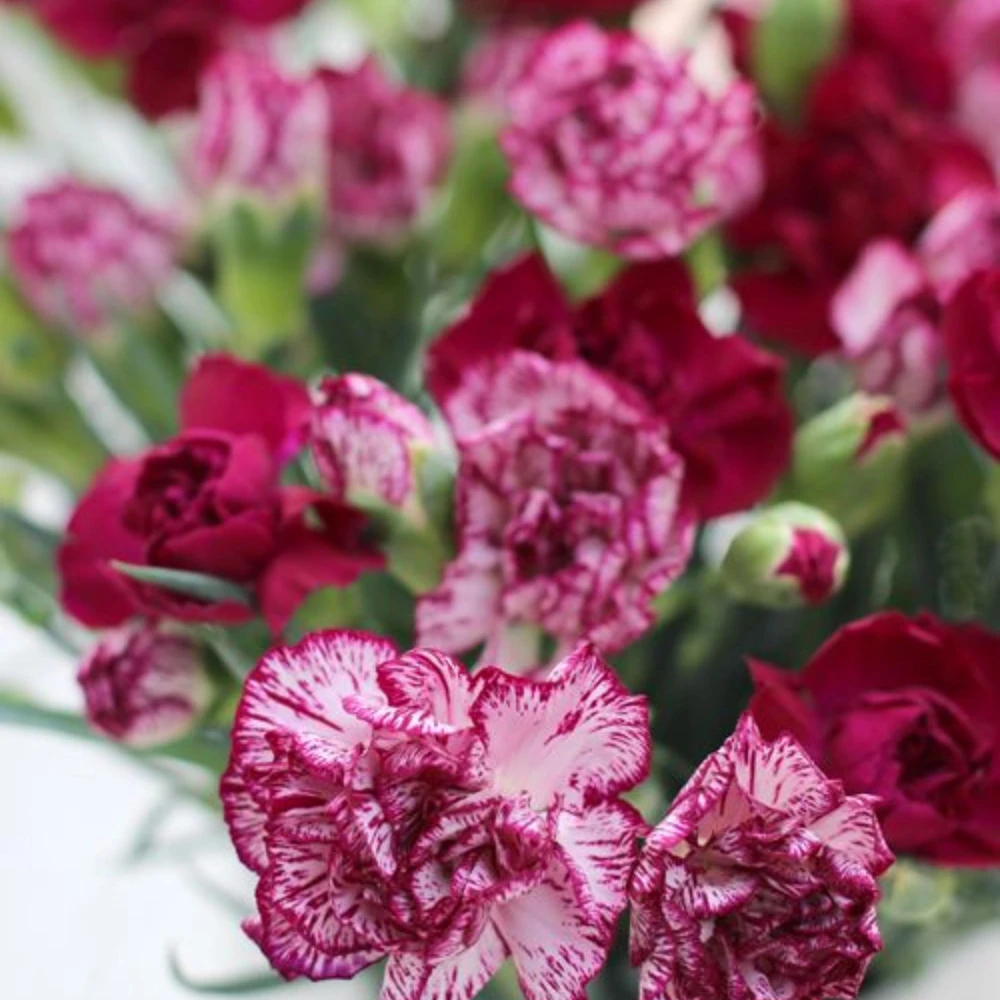
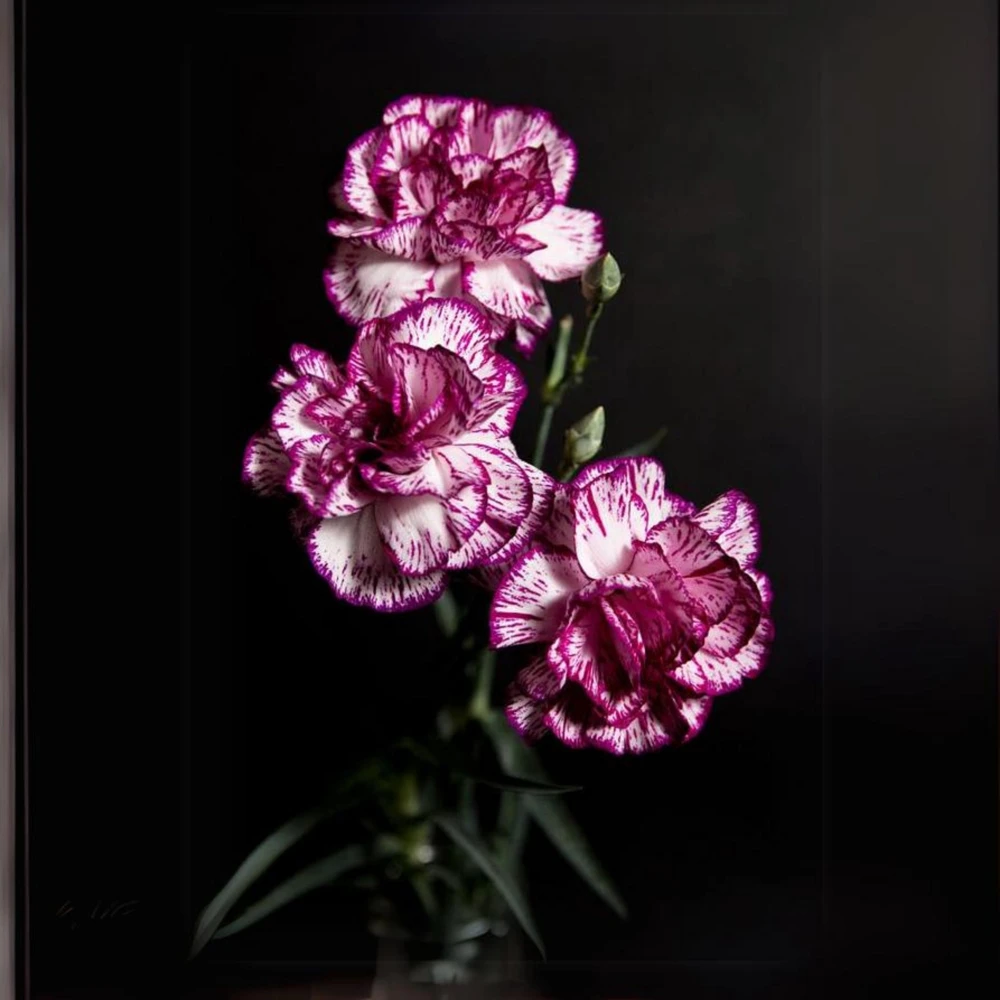
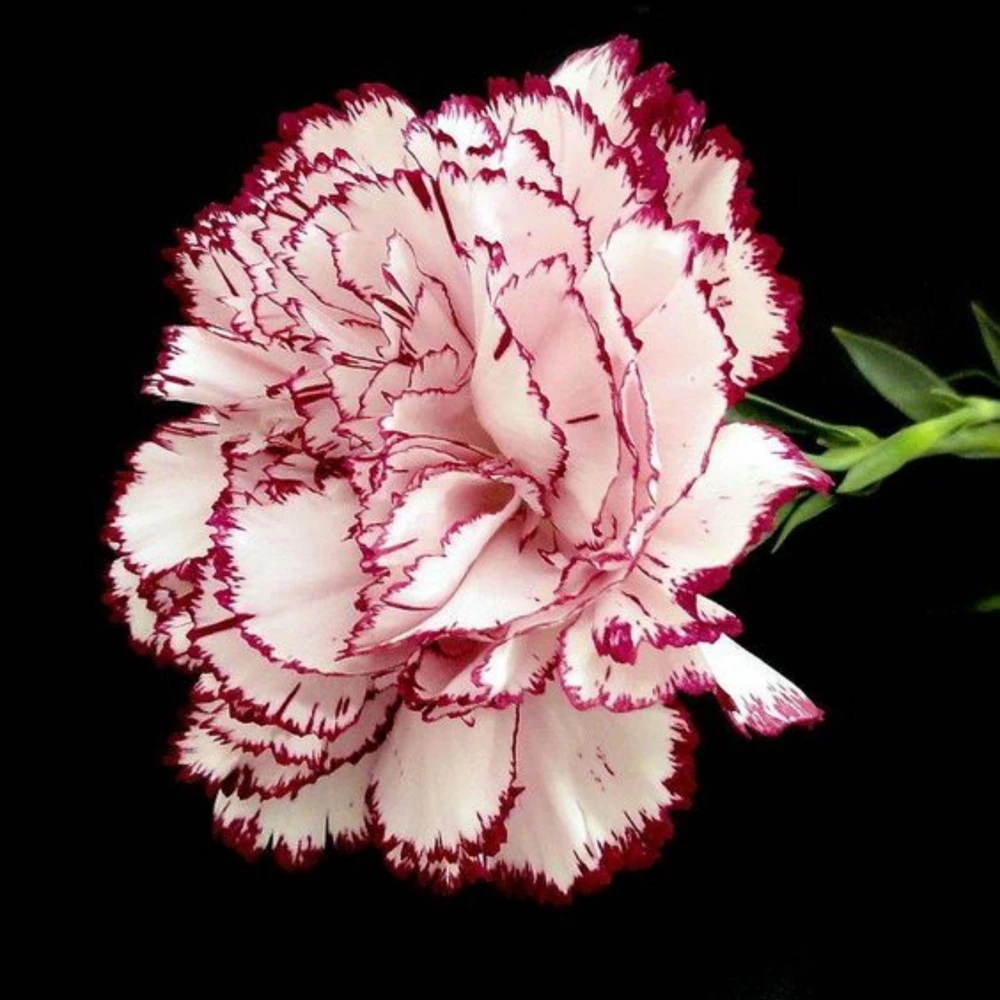
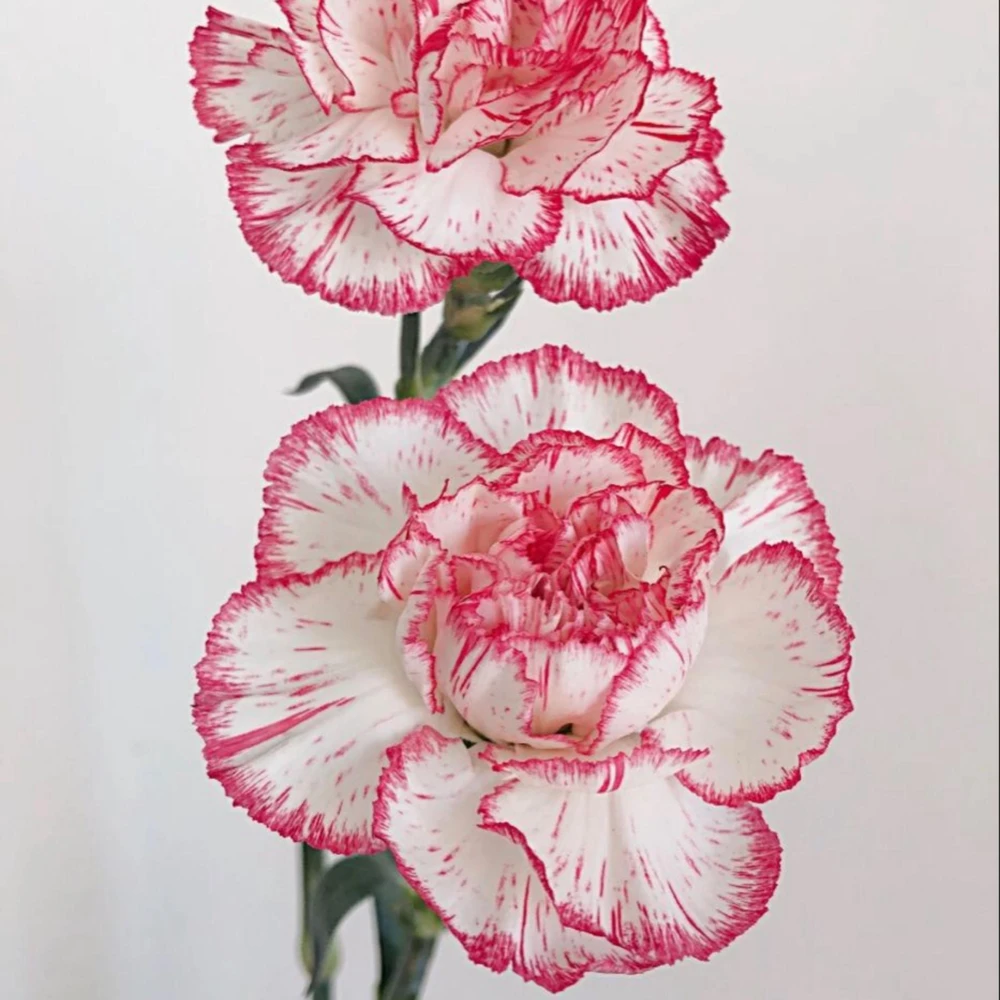
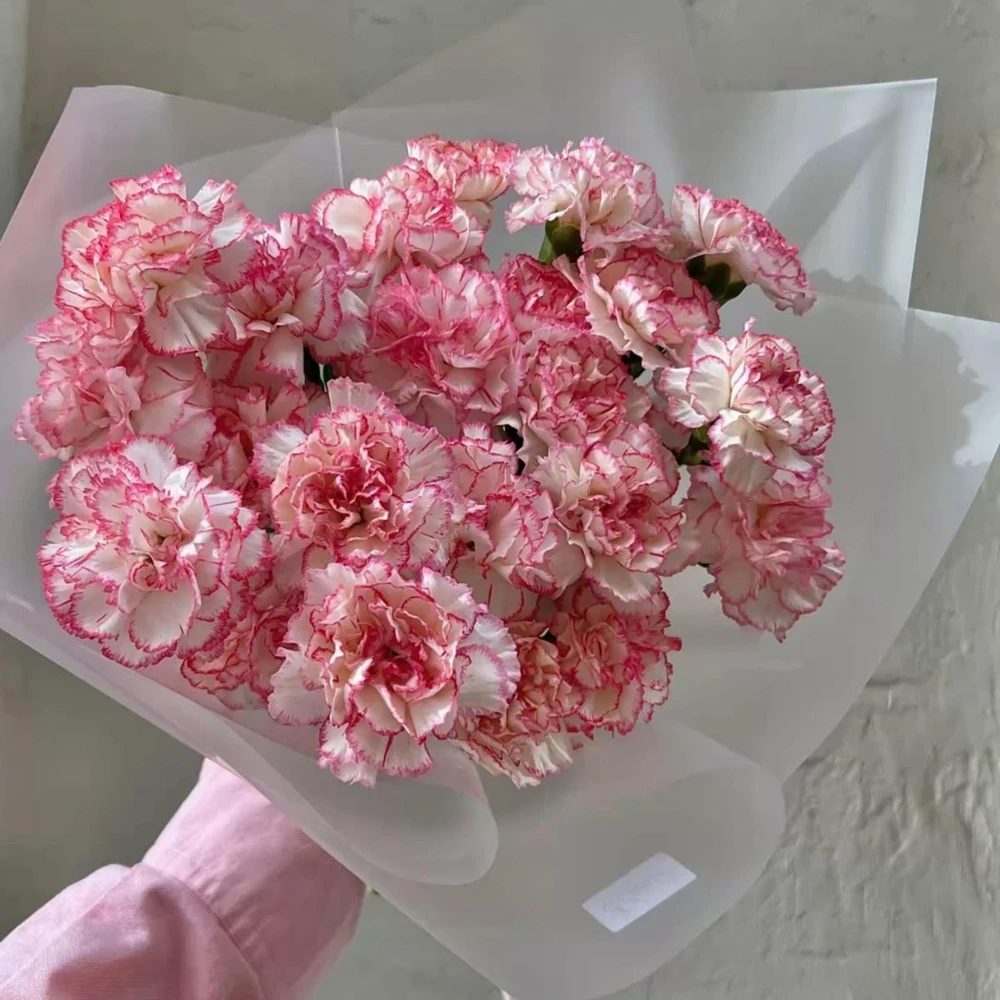
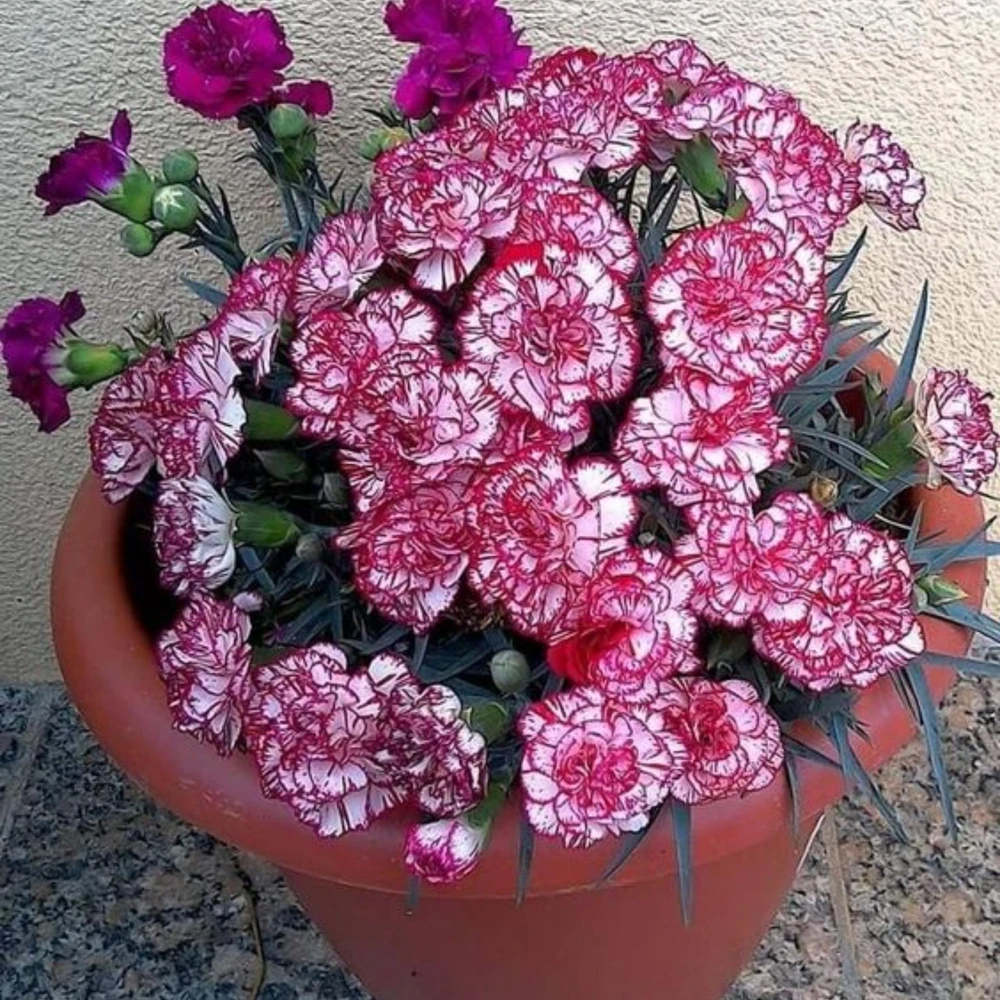
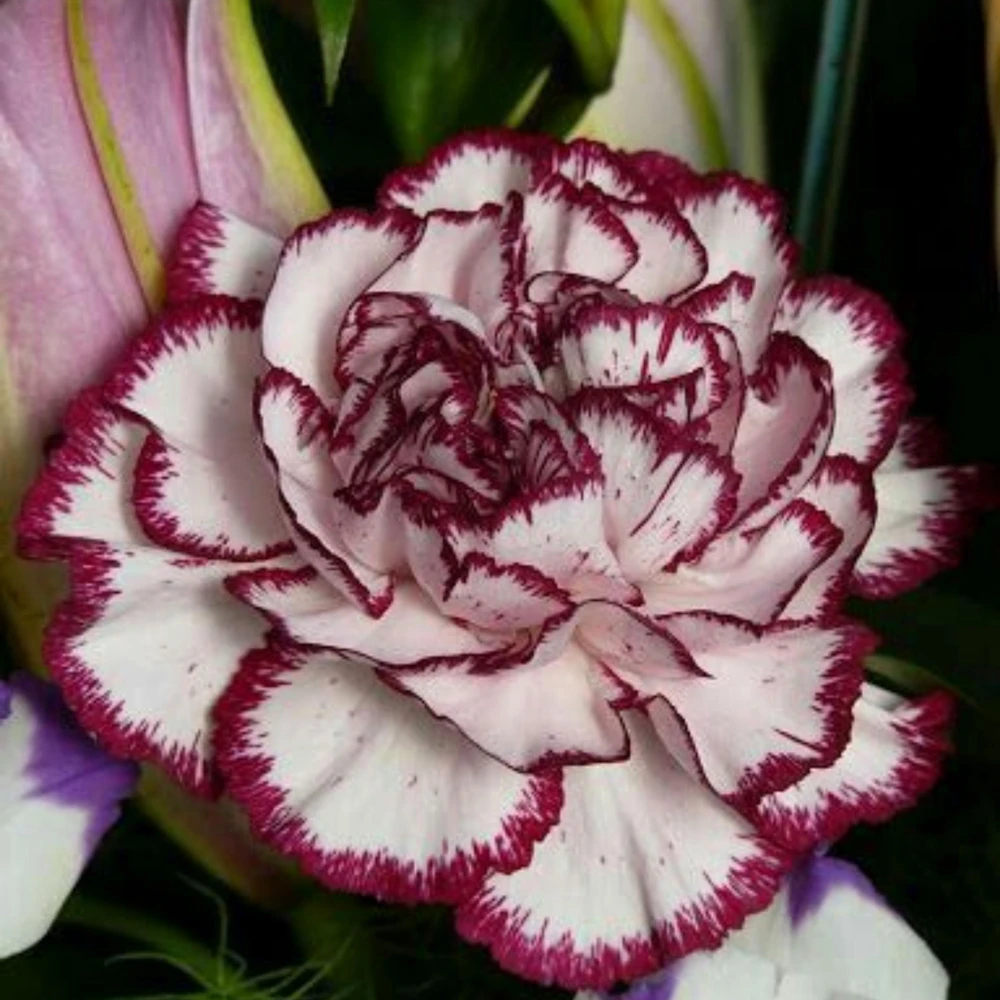
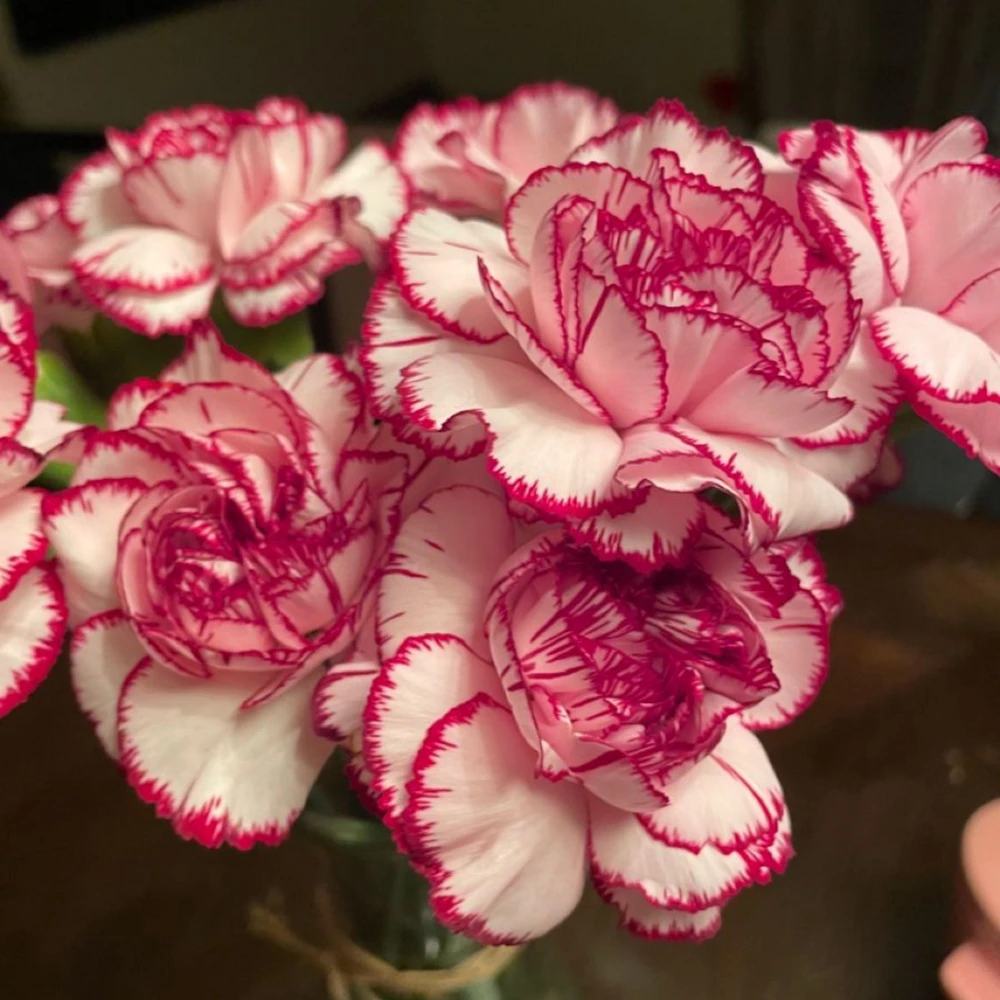
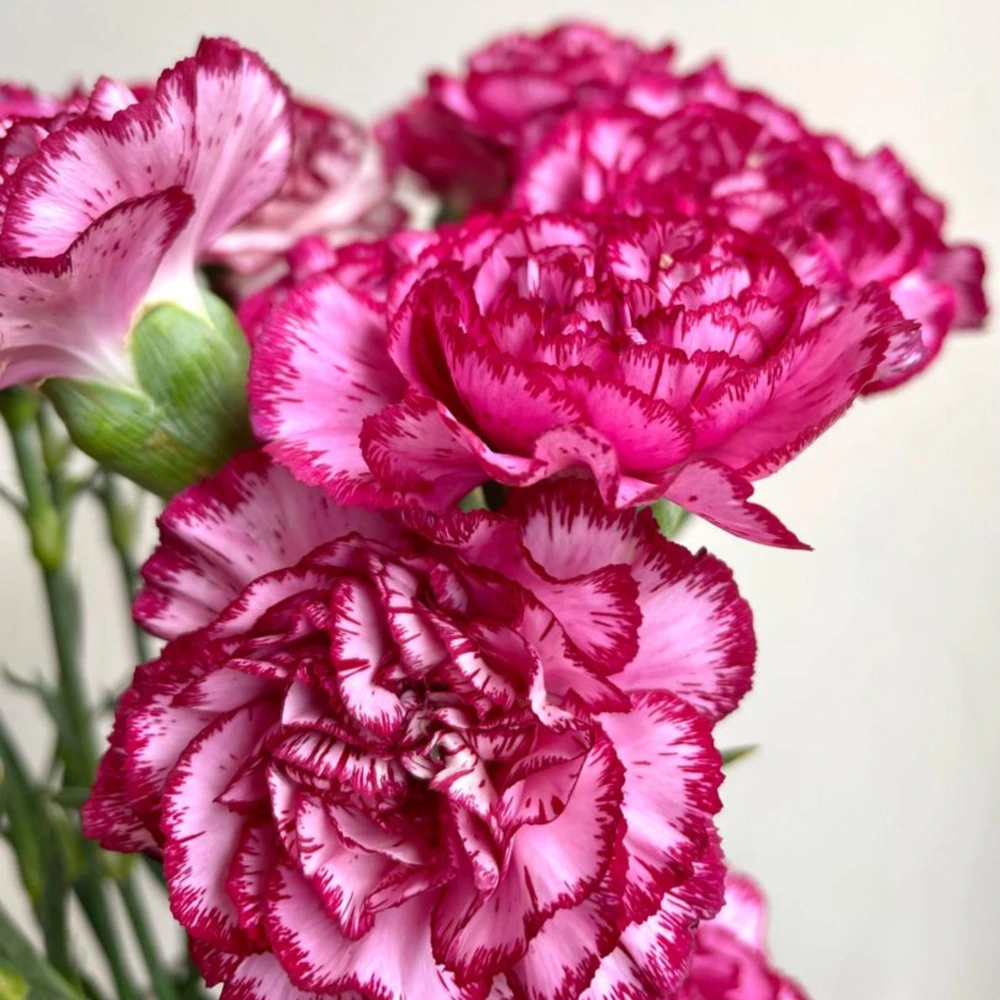
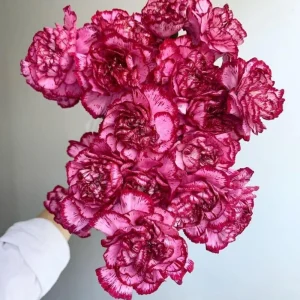
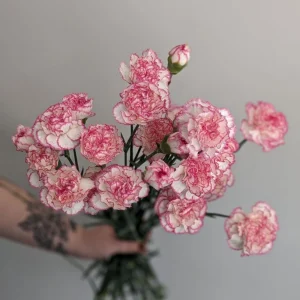
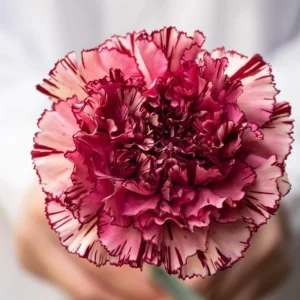
Carnation Seeds Dianthus – 30 Seeds, Cold Hardy, Drought Resistant, Colorful Garden Flowers
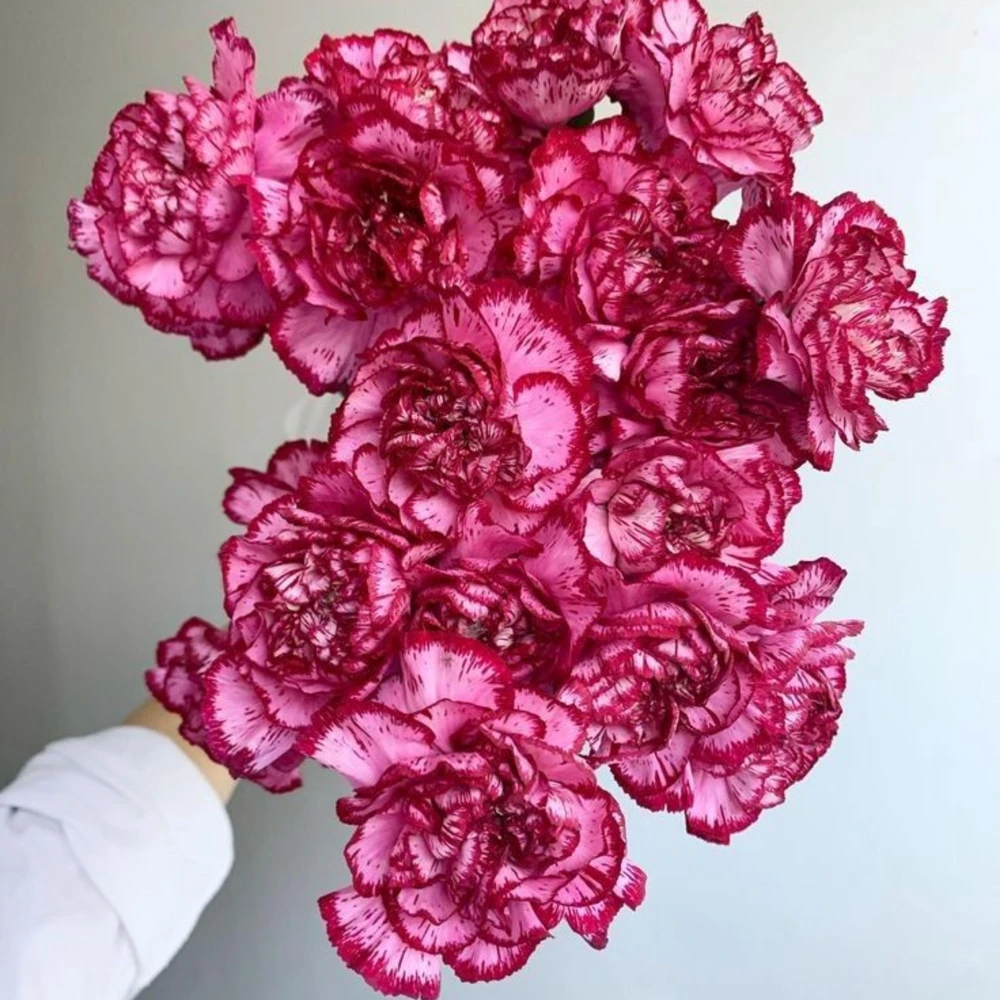
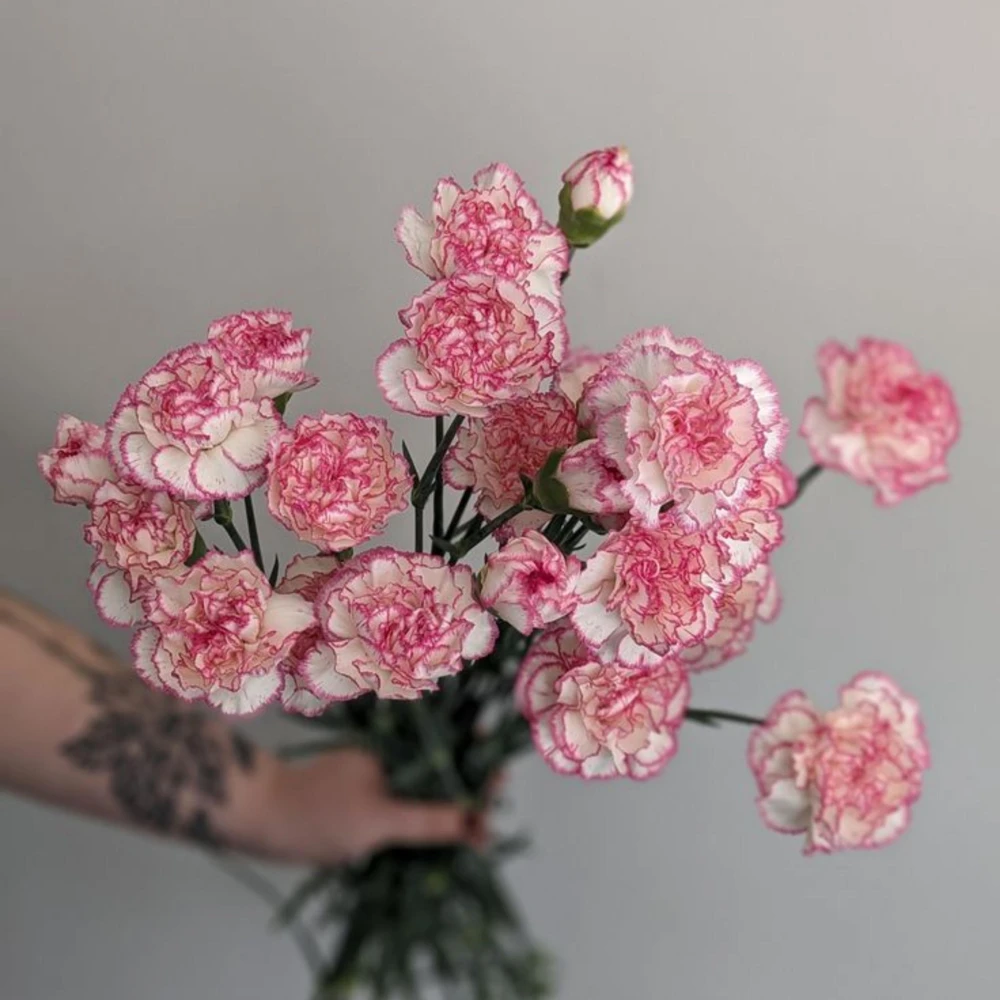
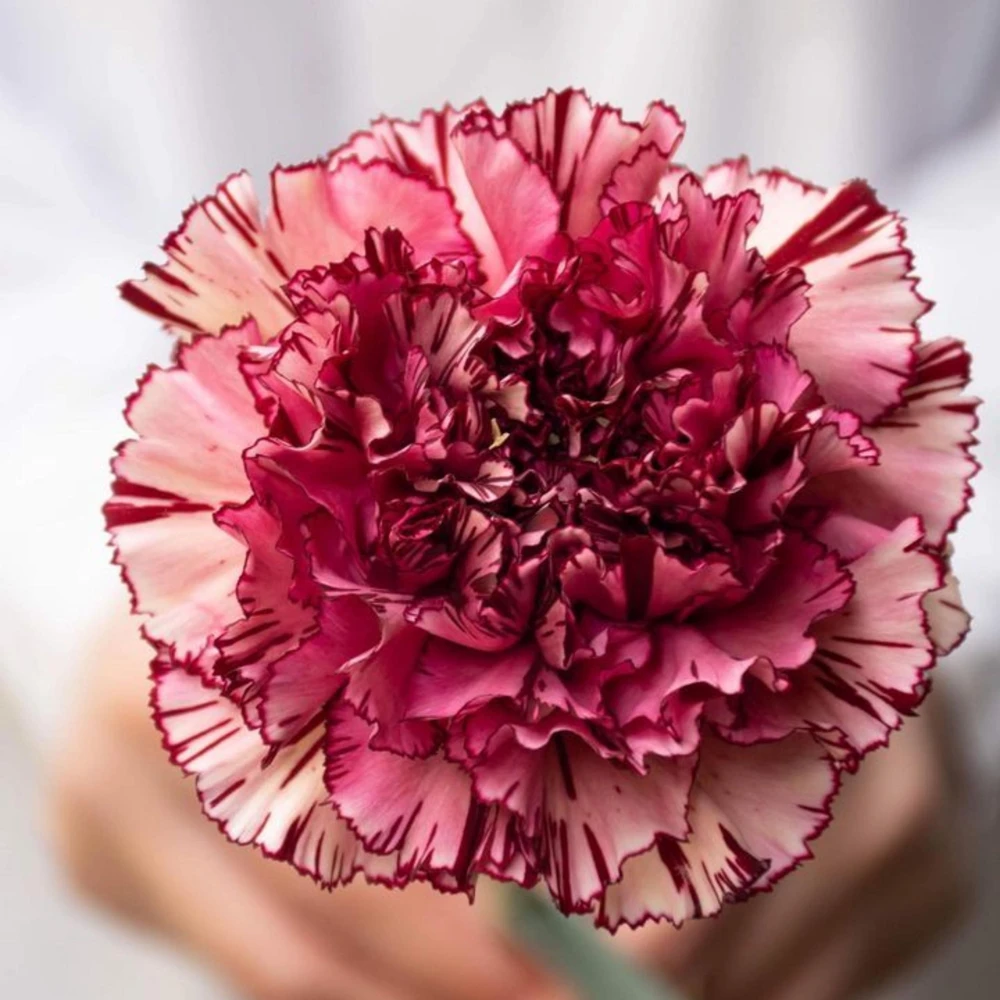
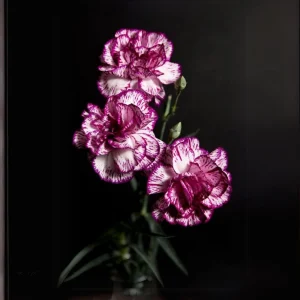
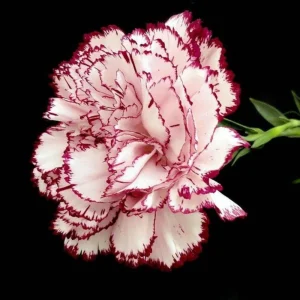
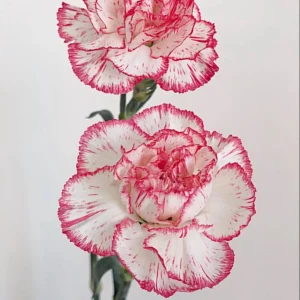
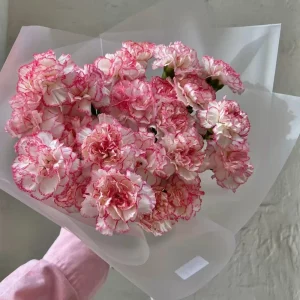
Elevate your garden with these premium carnation seeds dianthus. Each pack contains 30 non-GMO, heirloom seeds, perfect for cultivating vibrant, fragrant blooms. Ideal for containers, balconies, or garden beds, these flowers are known for being cold hardy dianthus and drought-resistant, thriving in various climates. Create a beautiful pollinator or cottage garden with these easy-to-grow dianthus from seed.
Original price was: $1,528.00.$764.00Current price is: $764.00.

With our Alive & Thrive Guarantee, we’ve got your back for the first 30 days! If you have any concerns about your plants, just reach out to us. Our team is here to help answer your questions and guide you in selecting the best plants for your garden, climate, and unique preferences. We're excited to help you create the garden of your dreams!
Estimated arrival
Oct 08
Oct 13 - Oct 15
Oct 18 - Oct 22
Product Details
-
USDA Hardiness Zone
unknown -
Soil type
well-draining, slightly alkaline soil -
Sunlight Exposure
full sun to partial shade -
Expected Planting Period
spring to early summer (after last frost)
Overview
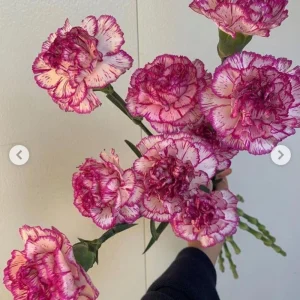
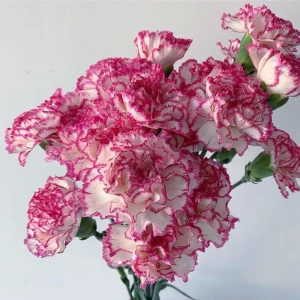
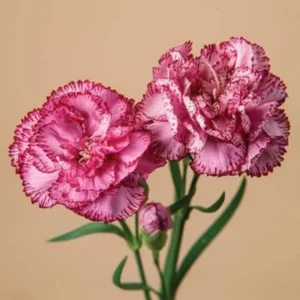
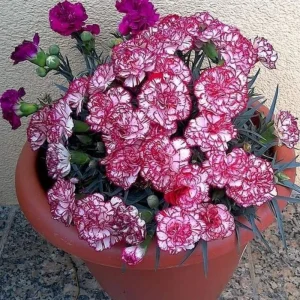
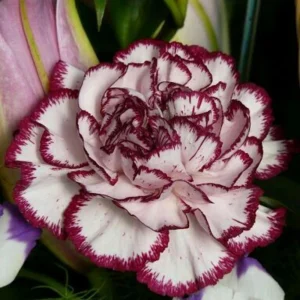
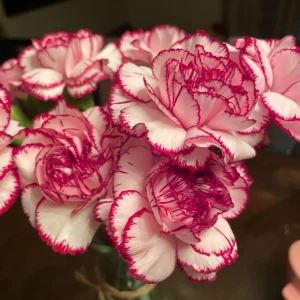
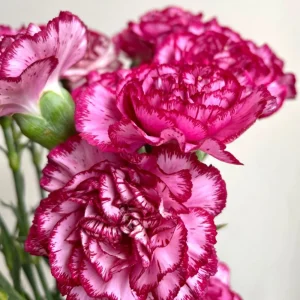
Transform your outdoor space into a vibrant floral paradise with our premium carnation seeds dianthus. Each seed pack contains 30 high-quality, non-GMO, heirloom seeds, carefully selected to ensure vigorous growth and stunning blooms. Carnations, scientifically known as Dianthus caryophyllus, are cherished for their ruffled petals, diverse colors, and delightful fragrance. These beautiful flowers are not only a feast for the eyes but also a magnet for pollinators, making them a fantastic addition to any garden, balcony, or container arrangement. Known for their resilience, these Dianthus seeds are surprisingly easy to grow, even for novice gardeners, and promise a rewarding experience as you watch them flourish into mature, colorful plants. Whether you’re aiming for a classic cottage garden look or a modern container display, these seeds provide the perfect foundation for a breathtaking floral spectacle.
Our dianthus seeds for sale offer an excellent opportunity to cultivate these charming flowers from scratch. This variety is particularly noted for its cold and drought resistance, making it a robust choice for gardeners in various climates. The resulting plants will provide continuous blooms throughout the season, adding consistent color and a sweet aroma to your surroundings. With their striking appearance and easy-care nature, these heirloom carnation seeds are an ideal choice for anyone looking to enhance their garden with timeless beauty.
Key Benefits
Cultivating carnation seeds dianthus brings a multitude of benefits to your garden and home. These versatile flowers offer both aesthetic appeal and practical advantages, making them a top choice for gardeners of all levels. Discover why these seeds are a must-have for your next planting project:
- Vibrant & Fragrant Blooms: Enjoy a continuous display of colorful, fragrant flowers that will brighten any space and fill the air with a sweet, spicy scent. These blooms are perfect for cutting and bringing indoors.
- Pollinator Attractor: The abundant flowers serve as an excellent food source for bees, butterflies, and other beneficial pollinators, contributing to a healthier garden ecosystem. Planting these seeds helps support local wildlife.
- Cold & Drought Resistant: This robust variety is known for its ability to withstand colder temperatures and periods of drought once established, making it a resilient choice for diverse climates. You’ll find these to be incredibly cold hardy dianthus.
- Versatile Planting Options: Ideal for garden beds, borders, containers, and balcony planters, offering flexibility in how and where you can enjoy their beauty. They adapt well to various growing environments.
- Easy to Grow: Perfect for beginners and experienced gardeners alike, these non-GMO heirloom seeds germinate reliably and require minimal fuss, making it simple to grow dianthus from seed.
- Heirloom Quality: Our non-GMO, heirloom seeds ensure you’re growing a classic, true-to-type variety with all the charm and reliability of traditional carnations. These are premium heirloom carnation seeds.
- Long Blooming Season: With proper care, these Dianthus plants will provide beautiful flowers from spring through fall, offering extended enjoyment and continuous color in your garden.
Plant Care & Growing Tips
Successfully growing carnation seeds dianthus is a straightforward process that yields beautiful results. To ensure optimal germination and vigorous plant growth, start your seeds indoors 8-10 weeks before the last frost. Use a seed tray or small pots filled with a light, well-draining seed-starting mix. Optionally, soak the Dianthus seeds in lukewarm water for a few hours to encourage faster germination. Sow the seeds about 1/8 inch deep, lightly covering them with soil, and space them about 1 inch apart. Mist the soil gently to keep it consistently moist. Maintain a warm environment with temperatures between 65°F to 70°F (18°C to 21°C) and cover trays with clear plastic wrap or a dome to maintain humidity. Provide ample light, either from a sunny window or under grow lights for 12-16 hours daily, as Dianthus seeds require light to germinate. Germination typically occurs within 7-14 days. Once seedlings develop 2-3 sets of true leaves, thin them or transplant them into individual pots.
When the danger of frost has passed, transplant your seedlings outdoors into a sunny location. While Dianthus thrives in full sun, it can tolerate partial shade, making it a versatile choice for different garden spots. These plants prefer well-draining, slightly alkaline soil, performing well in sandy or loamy conditions. Water gently but thoroughly, ensuring the soil remains moist without becoming waterlogged. Once established, these cold hardy dianthus are quite drought-tolerant, requiring less frequent watering. Fertilize your plants every 6-8 weeks during the growing season with a balanced fertilizer to promote abundant blooms. Regular deadheading, removing spent flowers, will encourage continuous blooming throughout the season. After the first flush of flowers, prune back the plants to stimulate a second bloom. Keep an eye out for common pests like aphids and spider mites, treating them with natural deterrents or insecticidal soap as needed. Good air circulation is crucial to prevent fungal diseases like powdery mildew. If you wish to save seeds, allow a few flowers to go to seed, collecting the pods once they are brown and dry. This allows you to continue to grow dianthus from seed year after year.
Size & Details
This product includes one full seed pack containing 30 premium carnation seeds dianthus. These are heirloom, non-GMO seeds, ensuring a natural and authentic growing experience. The plants typically grow to a height of 12-24 inches (30-60 cm) and spread about 8-12 inches (20-30 cm) wide, forming attractive mounds of foliage adorned with vibrant blooms. They are perennial in many zones, meaning they will return year after year, providing lasting beauty. The seeds are suitable for starting indoors and then transplanting outdoors, or direct sowing in warmer climates. Expect a germination period of 7-14 days, with flowers appearing typically within 90-120 days from sowing. These are an excellent choice for those seeking dianthus seeds for sale that offer both beauty and resilience.
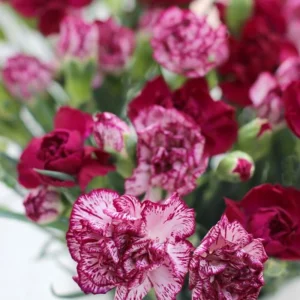
The mature plants are perfect for various garden applications, including borders, rock gardens, cottage gardens, and container plantings. Their compact size makes them ideal for smaller spaces like balconies and patios. The flowers come in a range of colors, adding dynamic visual interest to any landscape. Each pack of heirloom carnation seeds is carefully packaged to maintain viability and ensure successful germination when following the provided growing instructions.
Frequently Asked Questions
- Q: How many seeds are included in one pack? A: Each pack contains 30 high-quality carnation seeds dianthus, providing a generous quantity for your planting projects.
- Q: Is this variety suitable for containers? A: Yes, these Dianthus seeds are excellent for growing in containers, pots, and balcony planters, adding vibrant color to small spaces.
- Q: How much sunlight do Dianthus plants need? A: Dianthus thrives in full sun, which means at least 6 hours of direct sunlight per day. They can tolerate partial shade, especially in hotter climates.
- Q: Are these seeds easy to grow for beginners? A: Absolutely! These are considered easy-to-grow seeds, making it simple to grow dianthus from seed, even for those new to gardening.
- Q: When is the best time to plant these Carnation seeds? A: For best results, start seeds indoors 8-10 weeks before the last expected frost. You can transplant seedlings outdoors after all danger of frost has passed.
- Q: Are these plants cold-hardy? A: Yes, this variety is known for being quite cold hardy dianthus and can withstand cooler temperatures, making it suitable for many USDA zones.
- Q: Will these flowers attract pollinators? A: Yes, the vibrant and fragrant blooms are very attractive to bees, butterflies, and other beneficial pollinators, enhancing your garden’s ecosystem.
- Q: What type of soil do Carnations prefer? A: They prefer well-draining, slightly alkaline soil. Sandy or loamy soil types are ideal for their growth.
- Q: How long does it take for the seeds to germinate? A: Germination typically occurs within 7-14 days, provided optimal temperature and moisture conditions are met.
- Q: Can I save seeds from these plants for future planting? A: Yes, you can allow some flowers to go to seed, and once the pods are dry and brown, you can collect and save the heirloom carnation seeds for the next season.
Related products
-50%
Original price was: $7.98.$3.98Current price is: $3.98.
-50%

Original price was: $38.36.$19.18Current price is: $19.18.
-50%
Original price was: $47.96.$23.98Current price is: $23.98.
-50%
Original price was: $23.96.$11.98Current price is: $11.98.
-50%
Original price was: $95.96.$47.98Current price is: $47.98.
-50%

Original price was: $23.96.$11.98Current price is: $11.98.
PLANTING & CARE
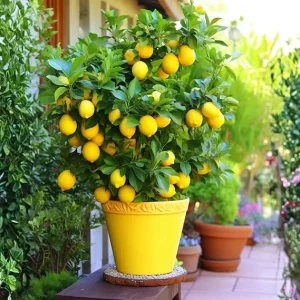
Lemon Tree Growing: Choose, Plant, and Harvest
Learn how to choose, plant, feed, and protect a lemon tree so it fits your
23
Sep
Sep
Dwarf Meyer Lemon Tree Australia: Climate Guide
Learn where dwarf Meyer lemon trees grow, how much cold they tolerate, and whether Australia,
Where to Buy a Dwarf Meyer Lemon Tree: Buyer’s Guide
Find the right dwarf Meyer lemon tree online or locally, compare starter sizes and costs,
Dwarf Meyer Lemon Tree for Sale: Buying Guide
Compare Meyer lemon tree sizes, prices, shipping limits, indoor growing and California options before you
Dwarf Meyer Lemon Tree Guide: Size, Care and Fruit
META: Learn how large a dwarf Meyer lemon tree grows, where it thrives, and how
How to Prune a Dwarf Meyer Lemon Tree
Learn when and how to prune a dwarf Meyer lemon tree, including tools, shaping cuts,
Can You Grow a Dwarf Meyer Lemon Tree in a Pot?
META: Learn how to grow a dwarf Meyer lemon tree in a pot, including container
When Do Dwarf Meyer Lemon Trees Bloom and Fruit?
META: Dwarf Meyer lemon trees usually bloom from winter through spring and may flower again