Cascabel Rattle Chili Pepper Live Plant – Organic Chile Plant for Garden
-50%
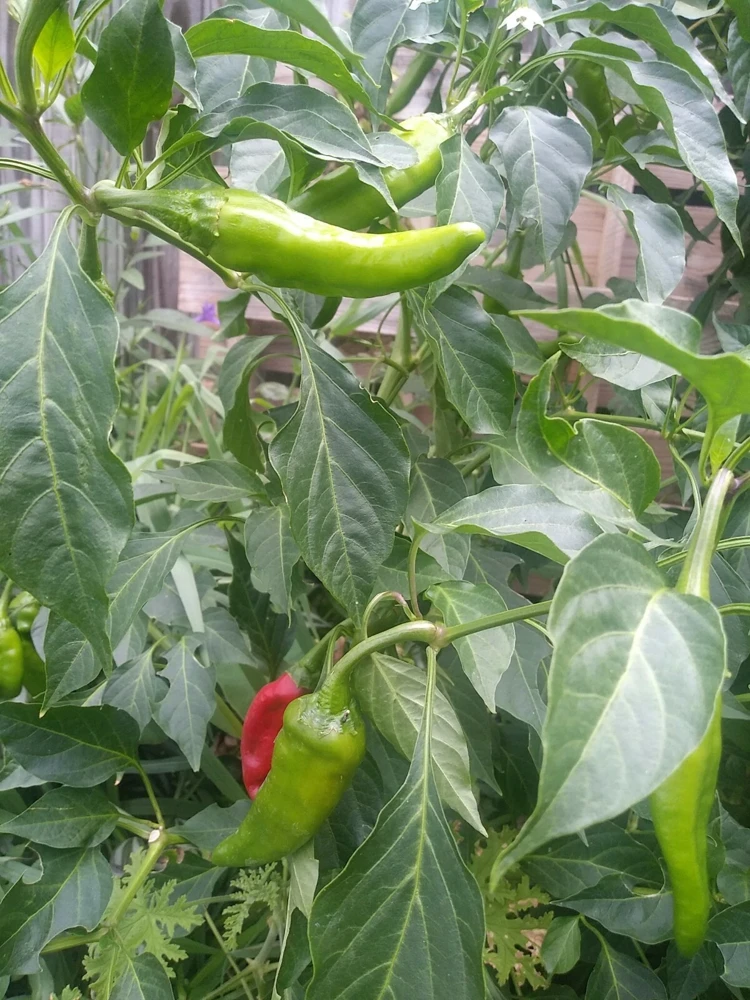
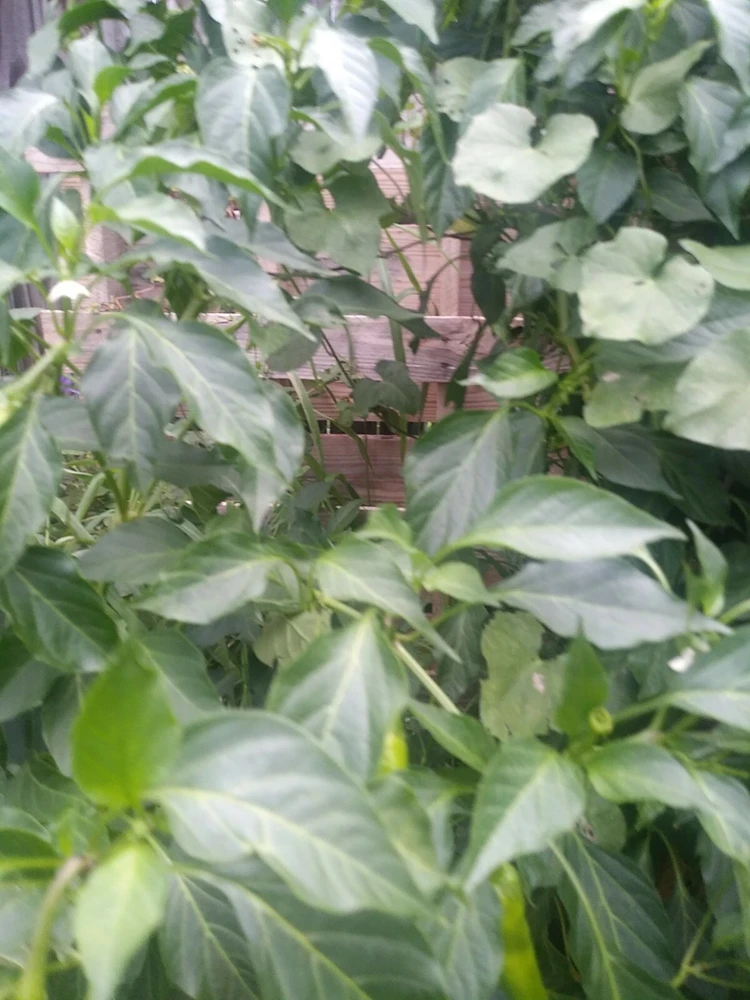
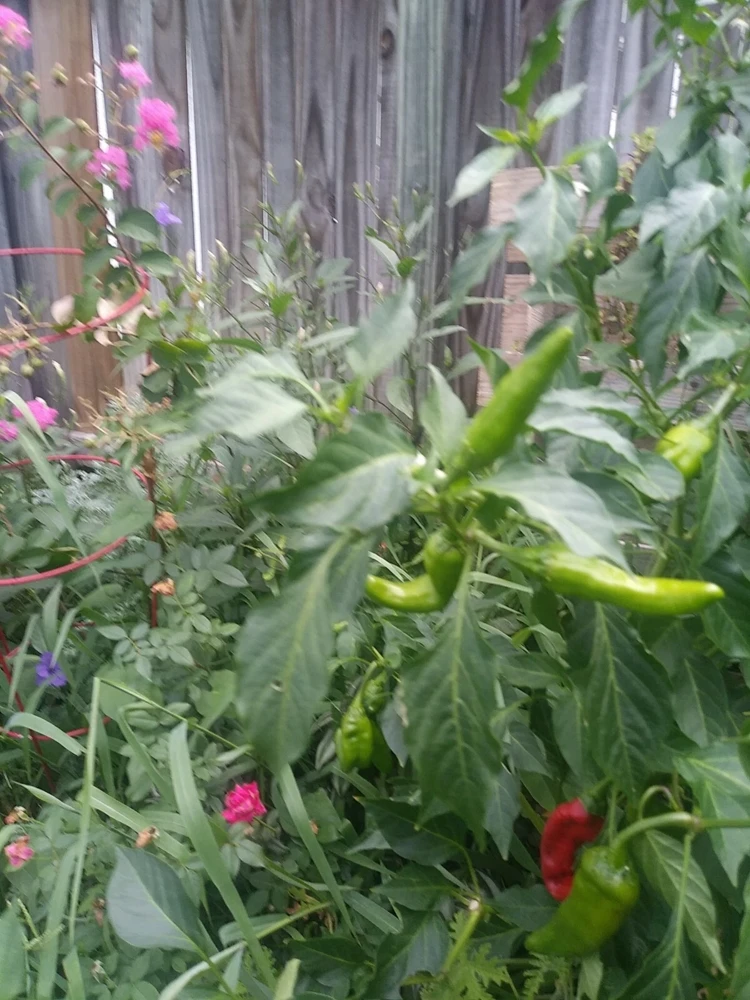
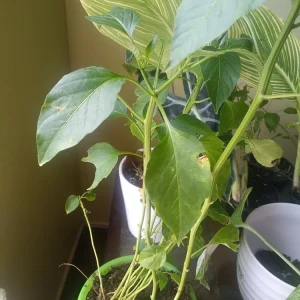
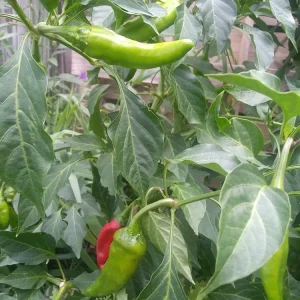
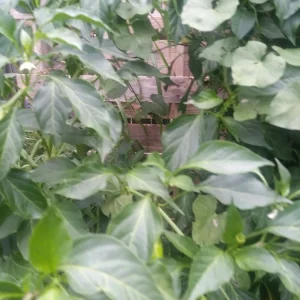
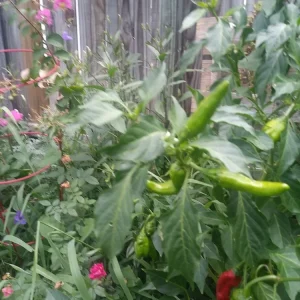
Cascabel Rattle Chili Pepper Live Plant – Organic Chile Plant for Garden
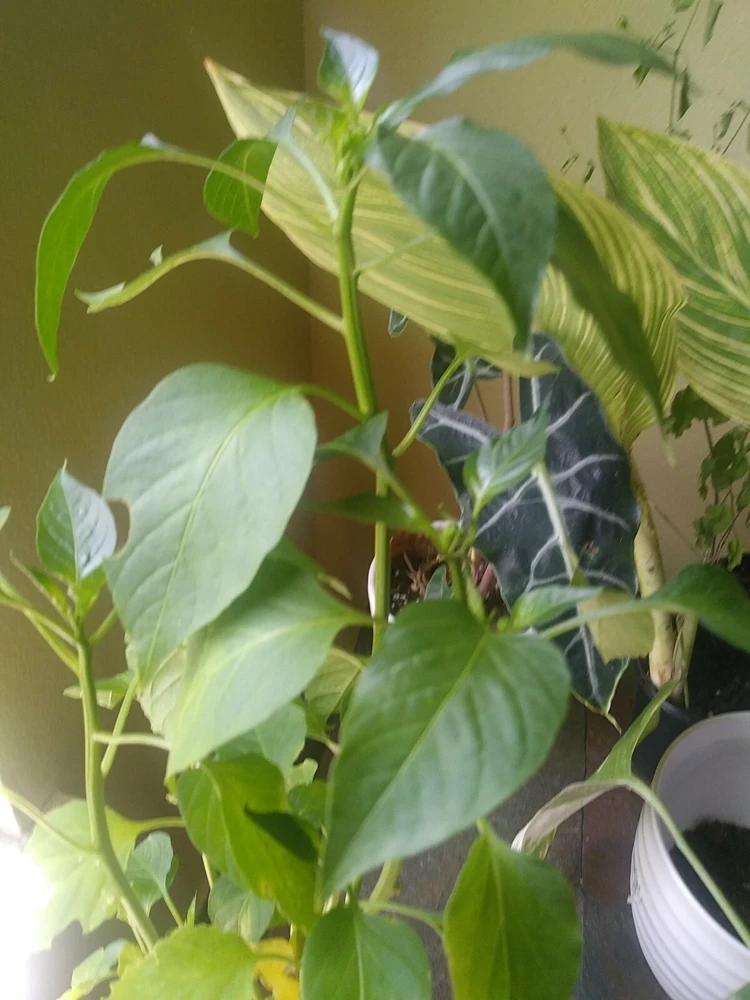
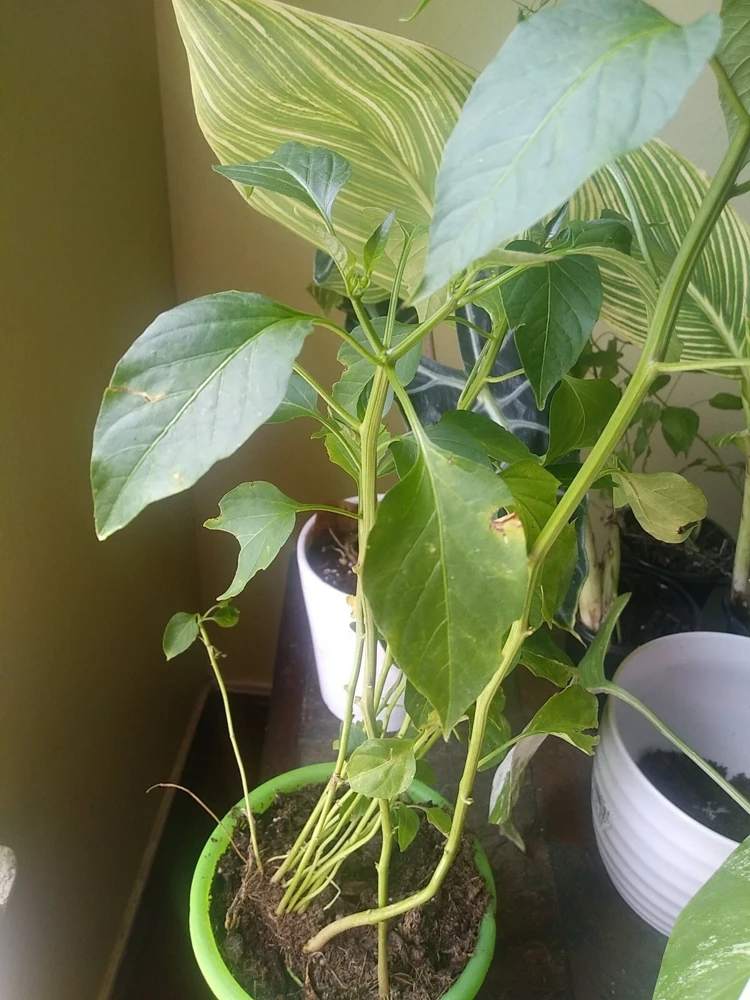
Cultivate your own flavorful Cascabel Rattle Chili Pepper plant with this organic live specimen. Perfect for home gardens, this organic chili plant yields distinctive, round peppers ideal for drying and adding a smoky, nutty flavor to your dishes. Enjoy fresh, home-grown produce.
Original price was: $99.60.$49.80Current price is: $49.80.

With our Alive & Thrive Guarantee, we’ve got your back for the first 30 days! If you have any concerns about your plants, just reach out to us. Our team is here to help answer your questions and guide you in selecting the best plants for your garden, climate, and unique preferences. We're excited to help you create the garden of your dreams!
Estimated arrival
Oct 08
Oct 13 - Oct 15
Oct 18 - Oct 22

Product Details
-
USDA Hardiness Zone
USDA zones 9-11 (as perennial), grown as annual elsewhere -
Soil type
Well-draining, fertile soil (pH 6.0-7.0) -
Sunlight Exposure
Full sun (6-8 hours direct sunlight daily) -
Expected Planting Period
Spring after last frost (year-round indoors)
Overview
Bring the vibrant flavors of authentic Mexican cuisine to your home garden with this exceptional Cascabel Rattle Chili Pepper plant. This organic live specimen is ready to thrive, offering you the unique opportunity to grow your own cascabel chiles. Known for their distinctive round shape and a small, rattling sound when dried (hence the name ‘cascabel,’ meaning ‘rattle’ or ‘small bell’ in Spanish), these peppers are a culinary delight. Often used in moles, salsas, and stews, the Cascabel pepper delivers a mild to moderate heat with rich, smoky, and nutty undertones. Growing your own organic chili plant ensures you have fresh, pesticide-free ingredients right at your fingertips, enhancing the flavor and authenticity of your dishes.
This particular Cascabel Rattle Chili Pepper plant is cultivated with care, ensuring it arrives healthy and ready for planting. Whether you are an experienced gardener or a novice, this robust chile plant is a rewarding addition to any vegetable patch or container garden. Its compact growth habit makes it suitable for various garden sizes, and its prolific yield will keep your kitchen well-stocked with these versatile peppers throughout the growing season.
Key Benefits
Growing a Cascabel Rattle Chili Pepper plant offers numerous advantages, from culinary exploration to the simple joy of nurturing your own food. Here are some of the key benefits:
- Authentic Flavor Profile: Enjoy the unique smoky, nutty, and slightly sweet flavor that fresh cascabel peppers bring to your cooking, far surpassing the taste of store-bought dried varieties. These peppers are essential for traditional Mexican dishes.
- Organic and Healthy Produce: By growing your own organic chili plant, you control the growing conditions, ensuring your peppers are free from harmful chemicals and pesticides, providing a healthier option for your family.
- Versatile Culinary Use: Cascabel peppers are incredibly versatile. They can be used fresh in salsas, roasted, or most famously, dried and rehydrated for moles, marinades, and sauces, adding depth and complexity to your recipes.
- Rewarding Gardening Experience: Watching your Cascabel Rattle Chili Pepper plant grow from a small start to a prolific producer of beautiful, round peppers is a deeply satisfying experience for any gardener.
- Decorative Appeal: The vibrant green foliage and the distinctive, globe-like peppers add an attractive element to your garden, making it both productive and visually appealing.
- Sustainable Living: Cultivating your own food reduces your carbon footprint and promotes a more sustainable lifestyle, connecting you directly with nature’s bounty.
- Cost-Effective: Once established, your hot pepper plant will provide a continuous harvest, saving you money on specialty peppers from the grocery store.
Plant Care & Growing Tips
Caring for your Cascabel Rattle Chili Pepper plant is straightforward, making it an excellent choice for gardeners of all skill levels. These plants thrive in conditions similar to other hot peppers, requiring consistent attention to light, water, and soil.
Sunlight requirements: Cascabel peppers are sun-lovers. They require a minimum of 6-8 hours of direct sunlight per day to produce a bountiful harvest. Plant them in a location in your garden that receives full sun exposure throughout the day. If growing indoors, place them near a south-facing window or under a grow light to ensure they receive adequate light intensity. Insufficient sunlight can lead to leggy growth and reduced fruit production.
Watering schedule and soil moisture preferences: Consistent moisture is key for healthy pepper plants, but they do not like to be waterlogged. Water deeply when the top inch of soil feels dry to the touch. During hot weather or when the plant is fruiting, you may need to water daily. Ensure proper drainage to prevent root rot. An ideal watering schedule helps in successful growing cascabel peppers.
Soil type and drainage requirements: This hot pepper plant prefers well-draining, fertile soil with a pH between 6.0 and 7.0. Amending your garden soil with compost or other organic matter will improve its structure and nutrient content. If growing in containers, use a high-quality potting mix specifically formulated for vegetables or container gardening. Good drainage is crucial to prevent fungal diseases.
Temperature range and USDA hardiness zone: Cascabel peppers are warm-season crops. They thrive in temperatures between 65°F and 85°F (18°C-29°C). They are not frost-tolerant, so protect them from cold snaps. For most of the US, they are grown as annuals. In warmer climates (USDA zones 9-11), they can be grown as perennials. For optimal growth, avoid temperatures below 50°F (10°C) or above 90°F (32°C).
Fertilization schedule and type: Fertilize your Cascabel Rattle Chili Pepper plant every 2-4 weeks once it starts producing flowers and fruits. Use a balanced fertilizer initially, then switch to a fertilizer higher in phosphorus and potassium to encourage fruit development. Organic options like fish emulsion or compost tea are excellent choices for an organic chili plant. Avoid excessive nitrogen, which can promote leafy growth at the expense of peppers.
Common problems and solutions: Watch out for common pests like aphids and spider mites; a strong spray of water or insecticidal soap can usually control them. Blossom end rot can occur due to calcium deficiency or inconsistent watering; ensure regular watering and consider a calcium supplement. Yellowing leaves might indicate nutrient deficiency or overwatering, so assess your feeding and watering habits. Learning about growing cascabel peppers includes understanding and preventing these common issues.
Size & Details
This Cascabel Rattle Chili Pepper plant is a young, vigorous live plant, typically arriving in a starter pot, ready for transplanting into your garden or a larger container. While exact dimensions can vary based on the stage of growth when shipped, you can expect a healthy, established seedling. Once mature, these chile plants generally reach a height of 24-36 inches (60-90 cm) and a spread of 18-24 inches (45-60 cm), forming a sturdy, bushy plant. The peppers themselves are small, approximately 1-1.5 inches (2.5-3.8 cm) in diameter, and ripen from green to a deep reddish-brown. They are known for their thick walls and round shape. Expect your plant to begin flowering and fruiting within 60-90 days of transplanting, providing a continuous harvest throughout the warm season.
The plant will be shipped securely to minimize stress during transit, ensuring it arrives in optimal condition, ready for your care. It is a fantastic choice for those looking to cultivate a unique and flavorful hot pepper plant with a relatively fast growth rate and high yield. The distinct rattle of the dried cascabel chile pods is a delightful characteristic that sets it apart from other pepper varieties.
Frequently Asked Questions
- Q: How big does this Cascabel Rattle Chili Pepper plant get? A: A mature Cascabel Rattle Chili Pepper plant typically grows to about 24-36 inches tall and 18-24 inches wide, forming a compact and bushy plant that fits well in most gardens or large containers.
- Q: Is this an indoor or outdoor plant? A: While primarily an outdoor plant requiring full sun, it can be grown indoors in a sunny window or under grow lights, especially in regions with short growing seasons or cold winters. It thrives in warm conditions.
- Q: How much sunlight does the Cascabel chile plant need? A: This organic chili plant requires at least 6-8 hours of direct sunlight per day. Adequate sunlight is crucial for robust growth and optimal fruit production.
- Q: Is this plant easy to care for? A: Yes, growing cascabel peppers is considered relatively easy for most gardeners. With consistent sunlight, proper watering, and well-draining soil, it will flourish and produce abundant peppers.
- Q: What condition will the plant arrive in? A: Your hot pepper plant will arrive as a healthy, live seedling in a starter pot, carefully packaged to ensure it withstands transit and is ready for planting upon arrival.
- Q: How long until it starts producing peppers? A: After transplanting, you can generally expect your Cascabel Rattle Chili Pepper plant to begin flowering and setting fruit within 60-90 days, with a continuous harvest throughout the growing season.
- Q: Can I grow this Cascabel Rattle Chili Pepper plant in a container? A: Absolutely! This plant is well-suited for container gardening. Choose a pot at least 5 gallons in size with good drainage to allow for adequate root development and provide a stable environment for your cascabel chile.
- Q: What is the best soil type for this plant? A: The best soil for your organic chili plant is a fertile, well-draining loam with a neutral pH. Amending with compost will provide essential nutrients and improve soil structure.
- Q: How spicy are Cascabel peppers? A: Cascabel peppers have a mild to moderate heat level, typically ranging from 1,500 to 2,500 Scoville Heat Units, making them flavorful without being overwhelmingly hot.
- Q: What are the main uses for Cascabel peppers? A: Cascabel peppers are very versatile. They are popular dried and rehydrated for making moles, salsas, and stews, adding a distinctive smoky and nutty flavor. They can also be used fresh.
Related products
-20%
Original price was: $48.00.$38.40Current price is: $38.40.
-55%
Original price was: $39.99.$17.99Current price is: $17.99.
-50%
Original price was: $37.99.$18.99Current price is: $18.99.
-22%
Original price was: $160.99.$125.99Current price is: $125.99.
-50%
Original price was: $63.96.$31.98Current price is: $31.98.
-20%
Original price was: $36.00.$28.80Current price is: $28.80.
-20%
Original price was: $36.00.$28.80Current price is: $28.80.
PLANTING & CARE
Lemon Tree Growing: Choose, Plant, and Harvest
Learn how to choose, plant, feed, and protect a lemon tree so it fits your
23
Sep
Sep
Dwarf Meyer Lemon Tree Australia: Climate Guide
Learn where dwarf Meyer lemon trees grow, how much cold they tolerate, and whether Australia,
Where to Buy a Dwarf Meyer Lemon Tree: Buyer’s Guide
Find the right dwarf Meyer lemon tree online or locally, compare starter sizes and costs,
Dwarf Meyer Lemon Tree for Sale: Buying Guide
Compare Meyer lemon tree sizes, prices, shipping limits, indoor growing and California options before you
Dwarf Meyer Lemon Tree Guide: Size, Care and Fruit
META: Learn how large a dwarf Meyer lemon tree grows, where it thrives, and how
How to Prune a Dwarf Meyer Lemon Tree
Learn when and how to prune a dwarf Meyer lemon tree, including tools, shaping cuts,
Can You Grow a Dwarf Meyer Lemon Tree in a Pot?
META: Learn how to grow a dwarf Meyer lemon tree in a pot, including container
When Do Dwarf Meyer Lemon Trees Bloom and Fruit?
META: Dwarf Meyer lemon trees usually bloom from winter through spring and may flower again