Cassava Yuca Live Plant – Manihot Esculenta – 2.5 inch pot – Edible Root
Cassava Yuca Live Plant – Manihot Esculenta – 2.5 inch pot – Edible Root
Bring the tropics to your garden with a cassava yuca live plant (Manihot esculenta). This 2.5 inch potted starter plant is ready to grow, providing delicious and versatile edible roots for your culinary adventures. Enjoy fresh yuca right from your backyard.
$19.98

With our Alive & Thrive Guarantee, we’ve got your back for the first 30 days! If you have any concerns about your plants, just reach out to us. Our team is here to help answer your questions and guide you in selecting the best plants for your garden, climate, and unique preferences. We're excited to help you create the garden of your dreams!
Estimated arrival
Oct 14
Oct 19 - Oct 21
Oct 24 - Oct 28
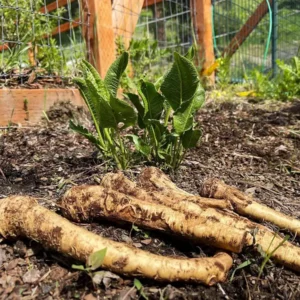
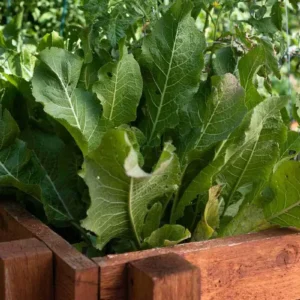
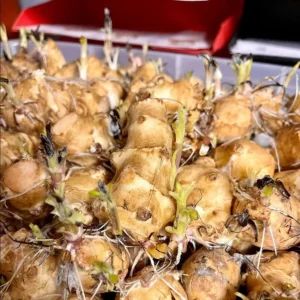

Product Details
-
USDA Hardiness Zone
USDA zones 9–11 -
Soil type
Well-draining soil -
Sunlight Exposure
Full sun -
Expected Planting Period
Spring to early summer (year-round in tropical climates)
Overview
Cultivate your own tropical staple with this cassava yuca live plant (Manihot esculenta). Originating from South America, cassava, also widely known as yuca, is a woody shrub grown primarily for its starchy tuberous root, which is a significant source of carbohydrates worldwide. This listing provides one healthy 2.5 inch potted live plant, ready to be transplanted and nurtured into a productive food source. The cassava yuca live plant is not only a practical addition to your garden but also offers attractive foliage, making it a unique and rewarding plant to grow. Its versatility in cooking and relatively easy care make it an excellent choice for gardeners looking to expand their edible plant collection.
Known by various names such as manioc, tapioca plant, and Brazilian arrowroot, Manihot esculenta thrives in warm climates and can be grown as an annual in cooler regions. This cassava yuca live plant will allow you to experience the satisfaction of harvesting your own fresh yuca, a key ingredient in many global cuisines. The plant’s robust nature and ability to adapt to various soil conditions make it a resilient choice for many home gardeners. Whether you’re an experienced green thumb or just starting your gardening journey, growing a cassava yuca live plant is a rewarding endeavor that yields delicious results.
Key Benefits
Growing your own cassava yuca live plant offers a multitude of advantages, from culinary delights to unique garden aesthetics. Here are some of the key benefits you can expect:
- Edible Root Production: The primary benefit is the harvest of starchy, nutritious yuca roots, which can be boiled, fried, baked, or used to make flour, providing a versatile and healthy food source for your family.
- Culinary Versatility: Fresh yuca from your garden can be used in a wide array of dishes, from traditional Latin American and African recipes to modern fusion cuisine, allowing for endless culinary exploration.
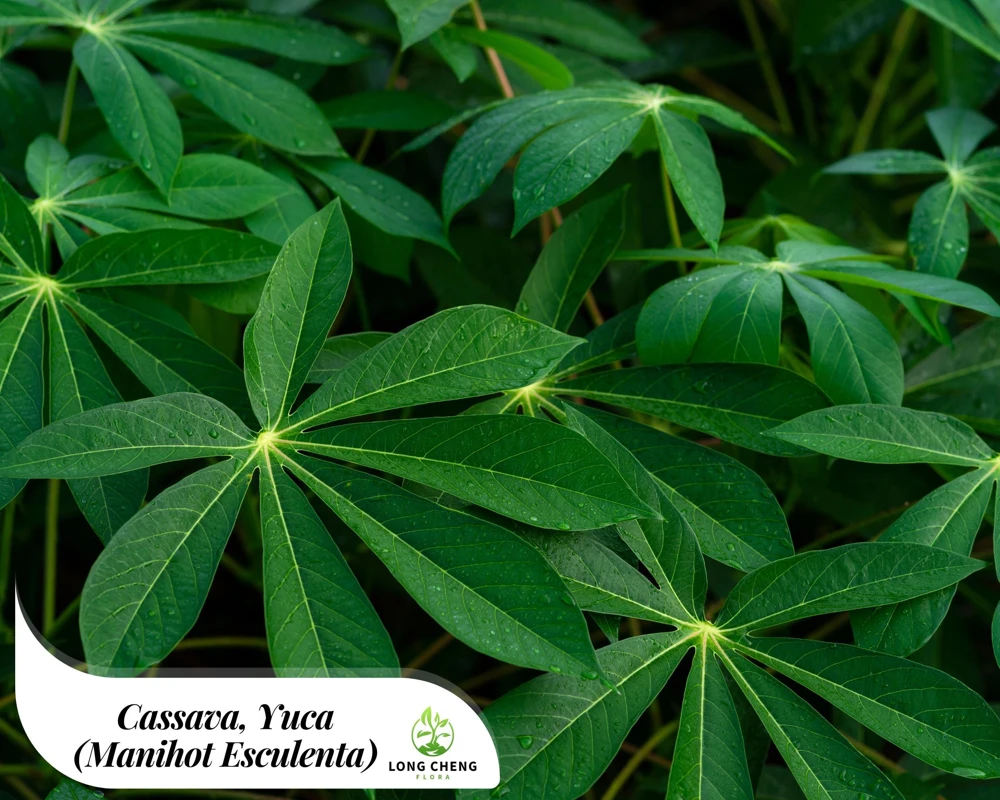
- Unique Garden Addition: With its distinct palmately lobed leaves, the cassava yuca live plant adds a tropical and exotic touch to your garden or patio, creating visual interest and a conversation starter.
- Relatively Low Maintenance: Once established, cassava plants are quite hardy and require minimal attention, making them suitable for gardeners who prefer less demanding edible plants.
- Drought Tolerance: Cassava is known for its resilience and ability to withstand periods of drought, making it a sustainable crop in regions with less consistent rainfall.
- Nutrient Rich: The roots are a good source of carbohydrates, vitamin C, thiamine, riboflavin, and niacin, contributing to a balanced diet right from your own backyard.
- Learn to grow cassava plant: This plant provides an excellent opportunity to expand your gardening skills and learn about cultivating a unique and culturally significant food crop.
Plant Care & Growing Tips
To ensure your cassava yuca live plant thrives and produces abundant roots, proper care is essential. Cassava prefers warm, humid conditions but can adapt to various environments. For optimal growth, choose a location that receives at least 6-8 hours of direct sunlight daily. While the plant can tolerate some shade, full sun promotes better root development. Ensure the soil is well-draining, as cassava is susceptible to root rot in waterlogged conditions. A slightly acidic to neutral pH (6.0-7.0) is ideal for healthy growth. When you receive your cassava yuca live plant, carefully transplant it into a larger pot or directly into your garden bed, ensuring the base of the stem is at the same level as it was in the nursery pot.
Water your cassava yuca live plant regularly during its active growing season, especially during dry spells, but allow the top inch or two of soil to dry out between waterings. Reduce watering in cooler months or if growing as an annual in regions with a distinct dormant period. Fertilize every 4-6 weeks during the growing season with a balanced fertilizer, or one slightly higher in potassium to encourage root development. Protect your plant from frost, as it is highly susceptible to cold temperatures. In regions with freezing winters, consider growing it in a container that can be moved indoors, or treat it as an annual, replanting each spring. Understanding yuca plant care is crucial for a successful harvest.
Common pests are generally not a major issue for cassava, but keep an eye out for spider mites or scale insects, especially if grown indoors. Treat with insecticidal soap if necessary. The plant typically takes 8-12 months to mature and produce harvestable roots, though some varieties may be ready sooner. You can tell the roots are ready when the lower leaves start to yellow and drop. When harvesting, dig carefully around the base of the plant to avoid damaging the roots. The edible root plant will reward your patience with a bountiful and delicious yield.
Size & Details
This offering is for one cassava yuca live plant, provided in a 2.5 inch nursery pot. At the time of shipment, the plant will be a healthy young seedling, ready for transplanting. Cassava plants are known for their vigorous growth, and under ideal conditions, can reach heights of 6-10 feet in a single growing season. The mature plant develops large, deeply lobed leaves that create a lush, tropical canopy. The roots, which are the primary harvest, typically grow to be 6-12 inches long and 2-4 inches in diameter, though size can vary based on growing conditions and variety.
Your Manihot esculenta for sale will arrive carefully packaged to ensure its safety during transit. While the initial size is compact, this plant has a rapid growth rate and will quickly establish itself once planted in a suitable environment. Expect to see significant growth within a few weeks of transplanting. The plant is shipped in its nursery pot with soil, providing a stable environment for its journey to your home. This edible root plant represents a fantastic opportunity to cultivate a unique and productive food source.
Frequently Asked Questions
- Q: How big does this cassava yuca live plant get? A: In optimal conditions, a mature cassava plant can reach heights of 6-10 feet, with its edible roots growing 6-12 inches long and 2-4 inches in diameter. Its rapid growth makes it a substantial addition to any garden.
- Q: Is this an indoor or outdoor plant? A: While cassava thrives outdoors in warm, frost-free climates (USDA Zones 9-11), it can be grown as an annual in cooler regions or in large containers that can be moved indoors during winter to protect it from frost.
- Q: How much sunlight does the Manihot esculenta for sale need? A: For the best growth and root development, your cassava plant requires at least 6-8 hours of direct sunlight per day. It can tolerate some partial shade, but full sun is preferred.
- Q: Is this plant easy to care for? A: Once established, cassava is relatively low-maintenance, especially in suitable climates. It is drought-tolerant and generally resistant to pests, making yuca plant care manageable for most gardeners.
- Q: What condition will the cassava yuca live plant arrive in? A: Your plant will arrive as a healthy, live seedling in a 2.5 inch nursery pot, carefully packaged to minimize stress during transit. It will be ready for immediate transplanting.
- Q: How long until I can harvest the roots? A: Cassava roots typically take 8-12 months to mature from planting, though this can vary by variety and growing conditions. You can usually tell they are ready when the lower leaves begin to yellow.
- Q: Can I use the roots from this edible root plant in cooking? A: Absolutely! The roots of the cassava plant are highly versatile and can be boiled, fried, baked, or processed into flour for use in a wide variety of culinary applications.
- Q: What type of soil does cassava prefer? A: Cassava thrives in well-draining soil with a slightly acidic to neutral pH (6.0-7.0). Good drainage is crucial to prevent root rot.
- Q: Will this grow cassava plant survive winter in my zone? A: Cassava is very sensitive to frost. It will only survive outdoors year-round in USDA Zones 9-11. In colder zones, it must be grown as an annual or overwintered indoors.
- Q: Is the cassava yuca live plant considered pet-safe? A: Raw cassava contains cyanogenic glycosides, which are toxic. While the roots are safe after proper cooking, it’s best to keep pets from ingesting any raw parts of the plant.
Related products
-20%

Original price was: $17.00.$13.60Current price is: $13.60.
-50%
Original price was: $37.99.$18.99Current price is: $18.99.
-20%
Original price was: $28.00.$22.40Current price is: $22.40.
-30%
Original price was: $59.98.$41.98Current price is: $41.98.
-20%
Original price was: $36.00.$28.80Current price is: $28.80.
-20%
Original price was: $100.00.$80.00Current price is: $80.00.
-55%
Original price was: $39.99.$17.99Current price is: $17.99.
-20%
Original price was: $84.00.$67.20Current price is: $67.20.
PLANTING & CARE
Lemon Tree Growing: Choose, Plant, and Harvest
Learn how to choose, plant, feed, and protect a lemon tree so it fits your
23
Sep
Sep
Dwarf Meyer Lemon Tree Australia: Climate Guide
Learn where dwarf Meyer lemon trees grow, how much cold they tolerate, and whether Australia,
Where to Buy a Dwarf Meyer Lemon Tree: Buyer’s Guide
Find the right dwarf Meyer lemon tree online or locally, compare starter sizes and costs,
Dwarf Meyer Lemon Tree for Sale: Buying Guide
Compare Meyer lemon tree sizes, prices, shipping limits, indoor growing and California options before you
Dwarf Meyer Lemon Tree Guide: Size, Care and Fruit
META: Learn how large a dwarf Meyer lemon tree grows, where it thrives, and how
How to Prune a Dwarf Meyer Lemon Tree
Learn when and how to prune a dwarf Meyer lemon tree, including tools, shaping cuts,
Can You Grow a Dwarf Meyer Lemon Tree in a Pot?
META: Learn how to grow a dwarf Meyer lemon tree in a pot, including container
When Do Dwarf Meyer Lemon Trees Bloom and Fruit?
META: Dwarf Meyer lemon trees usually bloom from winter through spring and may flower again