Catnip Live Plants, Perennial Herb for Home Garden, Pack of 4, 4-8 Inch Tall
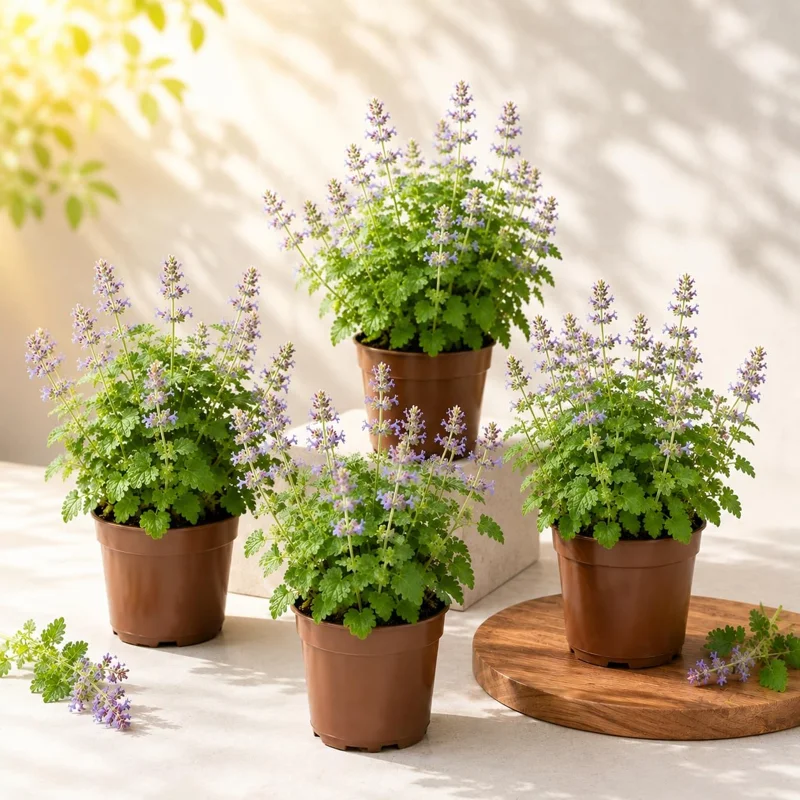
Catnip Live Plants, Perennial Herb for Home Garden, Pack of 4, 4-8 Inch Tall
Introduce a delightful addition to your home garden with this pack of four catnip live plants. These 4-8 inch tall perennial herbs are perfect for attracting cats and pollinators, offering an aromatic, low-maintenance choice for any gardener. Easily integrated into beds or containers.
$26.99

With our Alive & Thrive Guarantee, we’ve got your back for the first 30 days! If you have any concerns about your plants, just reach out to us. Our team is here to help answer your questions and guide you in selecting the best plants for your garden, climate, and unique preferences. We're excited to help you create the garden of your dreams!
Estimated arrival
Oct 21
Oct 26 - Oct 28
Oct 31 - Nov 04
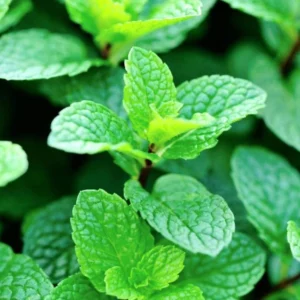
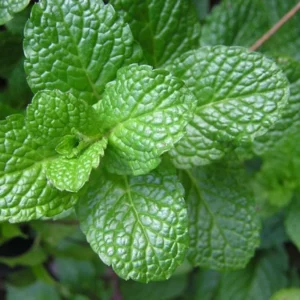
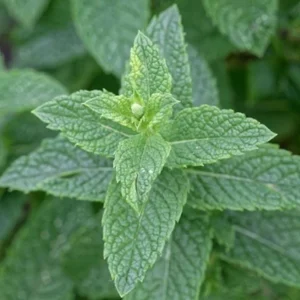
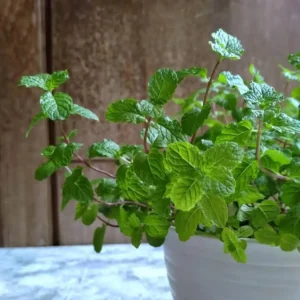
Product Details
-
USDA Hardiness Zone
USDA Zones 3–9 -
Soil type
Well-draining, moderately fertile soil -
Sunlight Exposure
Full sun to partial shade -
Expected Planting Period
Spring to early fall
Overview
Introduce a delightful and engaging herb to your garden with our catnip live plants. This special offering includes a pack of four robust, 4-8 inch tall perennial catnip plants, ready to be planted in your home garden. Known scientifically as Nepeta cataria, catnip is a member of the mint family, celebrated for its aromatic leaves and its well-known euphoric effect on many felines. These perennial catnip plant specimens are carefully cultivated to ensure healthy growth and vigorous establishment in your outdoor or indoor spaces. Perfect for herb gardens, borders, or even containers, these plants provide continuous interest throughout the growing season. They are an excellent choice for both experienced gardeners and beginners looking for a low-maintenance, resilient plant that also offers a unique interaction with local wildlife, particularly cats. Beyond their appeal to felines, catnip plants produce small, attractive flowers that can draw beneficial pollinators like bees, adding to the biodiversity of your garden ecosystem. Whether you’re looking to create a dedicated cat garden, enhance your herb collection, or simply enjoy the fresh scent and natural beauty, these herb plants for garden are a fantastic addition.
Key Benefits
Our catnip live plants offer a multitude of benefits for your home and garden, making them a versatile and rewarding choice:
- Feline Enrichment: The primary allure of catnip is its ability to stimulate and entertain cats. Planting these herbs provides a natural, safe, and stimulating treat for your pets, encouraging play and relaxation. It’s a wonderful way to interact with your feline friends.
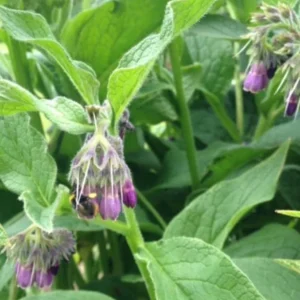
- Attractive to Pollinators: Beyond cats, the delicate white to lavender flowers of the perennial catnip plant are a magnet for bees and other beneficial pollinators, contributing to a healthier and more productive garden environment. This supports local ecosystems and improves plant fertility.
- Low Maintenance: Catnip is remarkably easy to care for, making it an ideal choice for busy gardeners or those new to planting. It tolerates a range of conditions and requires minimal intervention once established, ensuring a thriving garden with less effort.
- Aromatic Foliage: The leaves of the catnip plant release a pleasant, minty aroma when brushed or crushed, adding a delightful sensory dimension to your garden space. This natural fragrance can also be enjoyed indoors if grown in containers.
- Versatile Garden Addition: These herb plants for garden use can be incorporated into various garden designs, from dedicated herb beds to mixed perennial borders or even container gardening on patios and balconies, offering flexibility in placement.
- Natural Pest Deterrent: Some studies suggest that catnip can act as a natural deterrent for certain garden pests, offering an eco-friendly solution for plant protection without harsh chemicals. This helps maintain a healthier garden naturally.
- Hardy Perennial: As a perennial, these plants will return year after year, providing continuous enjoyment and reducing the need for annual replanting. This makes for a sustainable and long-lasting garden feature.
Plant Care & Growing Tips
Caring for your catnip live plants is straightforward, ensuring a thriving and vibrant addition to your garden. Catnip prefers a location with full sun to partial shade, meaning it should receive at least 6 hours of direct sunlight per day, though it can tolerate some afternoon shade in hotter climates. Adequate sunlight promotes denser foliage and more robust flowering. When it comes to watering, these plants are quite resilient. Water when the top inch of soil feels dry to the touch, ensuring the soil remains consistently moist but not waterlogged. Overwatering can lead to root rot, so good drainage is crucial for successful growing catnip.
The ideal soil for growing catnip is well-draining, moderately fertile soil. It can tolerate a range of soil types, including sandy or loamy soils, as long as they don’t retain too much moisture. The plant is hardy in USDA Zones 3–9, making it suitable for a wide variety of climates across the US. Temperatures between 55 degrees Fahrenheit and 85 degrees Fahrenheit are optimal for growth, but established plants can withstand colder temperatures in winter. Fertilization is generally not heavily required; a light application of a balanced, all-purpose fertilizer in spring can encourage vigorous growth. Pruning back spent flower stalks and trimming the plant throughout the season will encourage bushier growth and prevent it from becoming leggy, ensuring a healthy perennial catnip plant. Watch out for common garden pests, though catnip is generally pest-resistant. Occasionally, aphids or spider mites might appear, which can be managed with organic insecticidal soap. Proper air circulation and avoiding overhead watering can help prevent fungal issues. Understanding catnip plant care essentials will help you cultivate a robust and beautiful patch of this beloved herb.
Size & Details
This offering includes a pack of four healthy catnip live plants, each standing approximately 4-8 inches tall at the time of shipment. These plants are shipped without individual pots, arriving as bare-root or with minimal soil around their root ball, prepared for immediate planting upon arrival. They are well-established young plants, ready to be transplanted into your garden beds or larger containers. Catnip is a fast-growing herb that can quickly fill out a space, typically reaching a mature height of 2-3 feet and a similar spread. The blooming season for these plants extends from late spring to early fall, producing small, delicate white to lavender flowers that are particularly attractive to pollinators. Expect these plants to establish quickly and begin vigorous growth once settled in their new environment, offering enjoyment for many seasons as a true perennial catnip plant.
Frequently Asked Questions
- Q: How big do these catnip live plants get? A: These catnip live plants are 4-8 inches tall upon arrival. When mature, they typically grow to about 2-3 feet tall and can spread a similar width, forming a bushy perennial herb. This makes them a substantial addition to your garden or a large container.
- Q: Is this an indoor or outdoor plant? A: Catnip is primarily an outdoor plant, thriving in garden beds. However, it can also be grown indoors in a sunny spot with good drainage, especially if you’re in a colder climate outside its hardiness zones. For indoor growth, ensure it gets ample light.
- Q: How much sunlight do these herb plants for garden need? A: Catnip prefers full sun to partial shade, ideally receiving at least 6 hours of direct sunlight per day. It will tolerate some afternoon shade, particularly in very hot regions, to prevent leaf scorch.
- Q: Is this plant easy to care for? Is it good for beginners? A: Yes, growing catnip is considered very easy and it’s an excellent choice for beginners. It’s drought-tolerant once established and requires minimal maintenance, making catnip plant care straightforward for new and experienced gardeners alike.
- Q: What condition will the plants arrive in? A: The plants will arrive as bare-root or with a small amount of soil around their root ball, ready for planting. They are carefully packaged to ensure they reach you in healthy condition, prepared for immediate transplanting into your garden or containers.
- Q: How long until the catnip plants bloom? A: Catnip typically blooms from late spring to early fall. With proper care and established growth, you can expect flowers within the first growing season after planting, attracting beneficial pollinators.
- Q: Will these perennial catnip plant specimens survive winter in my zone? A: Yes, these catnip plants are hardy perennials suitable for USDA Zones 3–9. In these zones, they will die back in winter and regrow vigorously from the roots in spring, providing continuous enjoyment.
- Q: Is catnip safe for all cats? A: While most cats react positively to catnip, not all cats are affected. It’s generally safe and non-addictive for cats, but always supervise their initial interactions to ensure a positive experience.
- Q: Can I grow catnip in a container? A: Absolutely! These herb plants for garden can thrive in containers. Choose a pot with good drainage and ensure it’s large enough to accommodate the plant’s mature size for optimal growth.
- Q: What is the best time to plant these catnip live plants? A: The best time to plant is in spring after the last frost, or in early fall. This allows the plants to establish their root systems before extreme temperatures, promoting strong growth.
Related products
-49%
Original price was: $60.99.$30.99Current price is: $30.99.
-67%
From Original price was: $35.22.$11.74Current price is: $11.74.
-30%
Original price was: $99.98.$69.98Current price is: $69.98.
-50%

Original price was: $27.96.$13.98Current price is: $13.98.
-20%
From Original price was: $22.00.$17.60Current price is: $17.60.
-48%
Original price was: $39.99.$20.99Current price is: $20.99.
-30%
Original price was: $59.98.$41.98Current price is: $41.98.
PLANTING & CARE
Lemon Tree Growing: Choose, Plant, and Harvest
Learn how to choose, plant, feed, and protect a lemon tree so it fits your
23
Sep
Sep
Dwarf Meyer Lemon Tree Australia: Climate Guide
Learn where dwarf Meyer lemon trees grow, how much cold they tolerate, and whether Australia,
Where to Buy a Dwarf Meyer Lemon Tree: Buyer’s Guide
Find the right dwarf Meyer lemon tree online or locally, compare starter sizes and costs,
Dwarf Meyer Lemon Tree for Sale: Buying Guide
Compare Meyer lemon tree sizes, prices, shipping limits, indoor growing and California options before you
Dwarf Meyer Lemon Tree Guide: Size, Care and Fruit
META: Learn how large a dwarf Meyer lemon tree grows, where it thrives, and how
How to Prune a Dwarf Meyer Lemon Tree
Learn when and how to prune a dwarf Meyer lemon tree, including tools, shaping cuts,
Can You Grow a Dwarf Meyer Lemon Tree in a Pot?
META: Learn how to grow a dwarf Meyer lemon tree in a pot, including container
When Do Dwarf Meyer Lemon Trees Bloom and Fruit?
META: Dwarf Meyer lemon trees usually bloom from winter through spring and may flower again